Senior Rottweiler Feeding and Mobility
As our beloved Rottweilers enter their golden years, typically starting around age seven, their bodies begin to change in subtle yet significant ways. What worked for them as a vigorous young adult often isn't enough – or sometimes even detrimental – as they age. This guide will walk you through the essential adjustments needed for feeding and mobility to ensure your senior Rottweiler enjoys a comfortable, happy, and well-supported lifespan, validating the unique challenges you face as their caregiver.
Understanding the Senior Rottweiler's Changing Needs
Watching your powerful, energetic Rottweiler slow down can be heartbreaking, but it's a natural part of life. Just like us, their bodies become less efficient, and certain aspects that were once robust might now require more thoughtful consideration. Recognizing these shifts early is the first step in providing the best possible care. It's not about trying to turn back the clock, but about making their golden years as comfortable and joyful as possible.
When a Rottweiler Becomes a Senior
There's no hard-and-fast rule, but generally, a Rottweiler is considered a senior around the age of seven. For large and giant breeds like our Rottweilers, this age marker comes sooner than for smaller dogs because their lifespans tend to be shorter. While one Rottweiler might still be chasing balls with youthful enthusiasm at seven, another might be showing clear signs of aging – a slower pace, more naps, or difficulty getting up. This is why it's so important to observe your dog's individual changes rather than relying solely on a calendar age.
The transition to senior status isn't like flipping a switch; it's a gradual process. You might notice subtle changes in energy levels, a slight stiffening after naps, or perhaps a bit more gray around the muzzle and eyes. These are all natural indicators that your dog is entering a new phase of life. It’s a call to action for us as owners to begin adjusting our care routine to meet these evolving needs. Ignoring these signs can lead to discomfort or accelerate age-related issues.
Part of this transition also involves rethinking expectations. Your senior Rottweiler might not be up for the same long hikes or intense play sessions they once loved. Instead, they might prefer shorter, more frequent strolls, or gentle games in the yard. Respecting these changes and adjusting their routine accordingly is key to preventing injury and managing their energy levels effectively. It's about quality of life, not quantity of strenuous activity. The article The Age at Which a Rottweiler Counts as Senior offers more specific insights into this critical phase.
The Physical and Metabolic Shifts in Older Dogs
As a Rottweiler ages, their metabolism tends to slow down. This means they don't burn calories as efficiently as they once did, making them prone to weight gain even if their food intake hasn't changed. This slower metabolism, combined with reduced activity, can create a challenging cycle. Furthermore, their body composition changes; they can start losing muscle mass, even if their overall weight stays the same or increases due to fat gain. This loss of muscle, particularly in the hindquarters, can significantly impact their mobility and balance.
Beyond metabolism, there are other internal shifts. Their immune system might not be as robust, making them more susceptible to infections. Organ function can also decline, affecting everything from kidney health to heart efficiency. This is why regular vet check-ups become even more crucial, allowing for early detection and management of potential health issues. We want to catch things before they become major problems that impact their comfort.
Their digestive system can also become more sensitive, leading to issues like constipation or increased flatulence. Nutrient absorption might decrease, meaning even a well-balanced diet might not be providing all the benefits it once did. These subtle changes necessitate a careful review of their diet and an eye for any digestive upset. It's about ensuring their body can still extract and utilize the vital building blocks it needs to function.
Cognitive Changes and Emotional Well-being
It’s not just the body that ages; the mind does too. Some senior Rottweilers may experience cognitive decline, often referred to as Canine Cognitive Dysfunction (CCD). This can manifest as disorientation, changes in sleep-wake cycles, house-soiling accidents, decreased interaction with family members, or an increase in anxiety. You might notice them staring blankly at walls, getting "stuck" in corners, or simply seeming less engaged than they used to be. These changes can be distressing for owners, but understanding them is the first step toward support.
Emotional well-being is deeply intertwined with these cognitive and physical changes. A dog that is in pain or disoriented might become more anxious, irritable, or withdrawn. They might seek more comfort, or conversely, prefer to be left alone more often. Maintaining a consistent routine can be incredibly helpful for a senior Rottweiler, providing predictability and reducing stress. Sudden changes in their environment or schedule can be particularly unsettling.
Supporting their emotional health means providing plenty of gentle affection, maintaining their routine, and enriching their environment with puzzle toys or gentle scent games that stimulate their minds without stressing their bodies. For instance, a snuffle mat from Chewy can provide mental stimulation for a senior dog who can't do long walks. If you notice significant changes in behavior or personality, discussing them with your veterinarian is crucial, as some cognitive issues can be managed with diet, supplements, or medication.
Adjusting Diet for the Aging Rottweiler
One of the most impactful ways to support your senior Rottweiler is through their diet. What they eat directly affects their energy levels, joint health, weight, and overall well-being. It's not just about switching to a "senior formula" but understanding the specific nutritional shifts that benefit an aging, large breed dog. A carefully tailored diet can help manage weight, support organ function, and provide the building blocks for healthy tissues.
Lowering Calorie Intake and Maintaining Muscle Mass
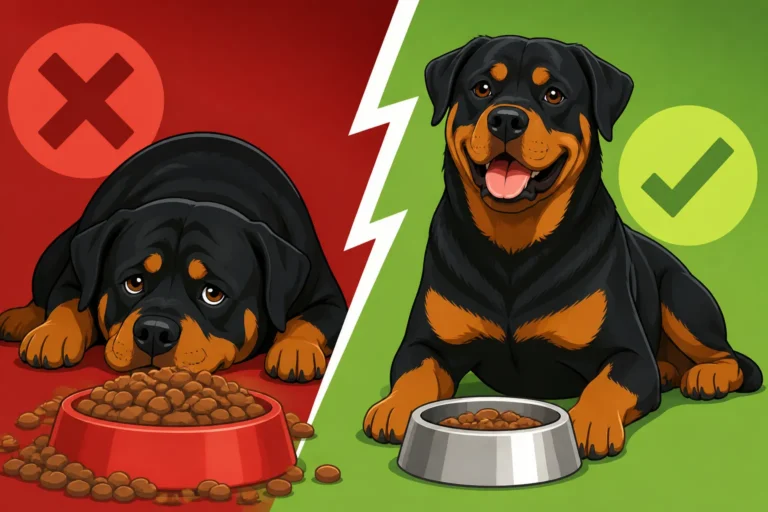
As we discussed, a slower metabolism means senior Rottweilers often need fewer calories to maintain a healthy weight. Continuing to feed them the same amount of food they ate in their prime can quickly lead to weight gain, which puts immense strain on their joints – a problem for a breed already prone to orthopedic issues. However, simply cutting calories indiscriminately isn't the answer. We also need to ensure they're getting adequate protein to prevent muscle wasting, which is a common concern in older dogs.
Many senior dog foods are formulated with this balance in mind: lower in calories but still rich in high-quality protein. Look for ingredients like real meat (chicken, beef, lamb) as the first few items on the list. The goal is to provide dense nutrition that satisfies their hunger and supports their body without packing on unnecessary pounds. Portion control becomes absolutely critical, and it's often more accurate to measure food by weight rather than by volume, as cups can vary.
Regularly assessing your Rottweiler's body condition score is vital. You should be able to feel their ribs easily without seeing them protruding, and they should have a discernible waistline when viewed from above. If they start to look a little thick around the middle, it's time to gently reduce their food intake or increase their low-impact activity. Remember, Rottweiler Obesity and the Load It Adds is a serious health concern that can dramatically impact their quality of life in their later years.
Senior-Specific Food Formulations
The pet food market has come a long way, and senior-specific formulas are designed with the unique needs of older dogs in mind. Beyond lower calories and appropriate protein levels, these diets often include enhanced levels of certain nutrients. For example, they might have added omega-3 fatty acids for anti-inflammatory benefits, especially for joint health, and antioxidants to support a healthy immune system and cognitive function. Some brands, like Ollie, even offer fresh-food meal plans tailored to your dog's age and activity level, which can be particularly appealing for picky senior eaters.
Fiber content is another key aspect. Senior diets often contain a slightly higher amount of digestible fiber to support healthy digestion and regularity, helping to prevent constipation which can be common in older dogs. This can also help your dog feel fuller on fewer calories. Look for ingredients like beet pulp or various vegetable and fruit sources in the ingredient list.
When transitioning your Rottweiler to a new senior food, do it gradually over 7-10 days to avoid stomach upset. Start by mixing a small amount of the new food with their old food, slowly increasing the proportion of the new diet each day. This gives their digestive system time to adjust. It’s also wise to discuss any dietary changes with your veterinarian, especially if your Rottweiler has pre-existing health conditions like kidney disease or diabetes, as these may require specific therapeutic diets. The article Feeding a Rottweiler Past Its Eighth Year delves deeper into these dietary nuances.
The Importance of Hydration and Digestive Health
Hydration becomes increasingly important for senior Rottweilers, whose kidneys might not function as efficiently as they once did. Ensuring they have constant access to fresh, clean water is paramount. Some older dogs might not drink as much as they should, so consider adding a little water or low-sodium broth to their food to increase fluid intake. A pet drinking fountain can also encourage some dogs to drink more, as they are often attracted to moving water.
Digestive health goes hand-in-hand with hydration. As mentioned, fiber plays a role, but so do prebiotics and probiotics. Many senior dog foods incorporate these beneficial bacteria and their food sources to support a healthy gut microbiome, which is crucial for nutrient absorption and immune function. If your senior Rottweiler experiences frequent digestive upset, a probiotic supplement might be a helpful addition to their routine, though always consult your vet first.
Some older dogs also develop dental issues, making it painful to chew hard kibble. If this is the case, moistening their kibble with water or switching to a softer canned food or fresh diet might be necessary. Regular dental check-ups and cleanings are crucial throughout a Rottweiler's life, but especially as they age, to prevent pain and infection that can impact their ability to eat. Poor dental health isn't just about bad breath; it can lead to systemic infections and a significant decline in quality of life.
Addressing Common Mobility Challenges
One of the most common and heartbreaking aspects of a senior Rottweiler's life is the decline in mobility. Their large, powerful frames, while impressive in youth, can become a source of discomfort as joints wear down. Addressing these challenges proactively and compassionately is key to keeping them active and happy for as long as possible. It's about recognizing the signs, understanding the underlying issues, and implementing supportive strategies.
Recognizing Signs of Joint Pain and Stiffness
It's easy to dismiss a senior dog's slowdown as "just old age," but often, it's a sign of pain or discomfort. Rottweilers are stoic, and they won't always cry out or whine to tell you they hurt. Instead, look for subtle changes: difficulty getting up after resting, a reluctance to jump into the car or onto furniture, a stiff or bunny-hopping gait, lagging behind on walks, or even a change in personality (becoming more withdrawn or irritable). You might notice them licking a particular joint excessively, or limping more prominently after exercise.
Pay close attention to how they move after lying down for a while. Do they struggle to stand? Do they take a few slow, careful steps before loosening up? These are classic indicators of arthritis or other joint pain. Cold weather can often exacerbate these symptoms, making stiffness more pronounced. Keeping a journal of these observations can be incredibly helpful when discussing your concerns with your veterinarian.
Early recognition of these signs is critical because it allows for earlier intervention. The sooner you identify joint pain, the sooner you can implement treatments and management strategies to alleviate discomfort and slow the progression of degenerative joint disease. Waiting until your Rottweiler is severely lame not only means they've been suffering needlessly, but it also reduces the effectiveness of many treatments.
Common Orthopedic Issues in Senior Rottweilers
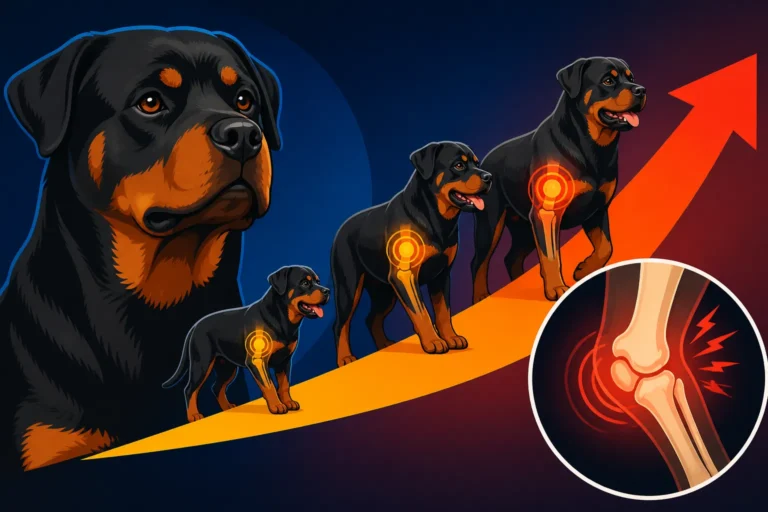
Rottweilers are predisposed to several orthopedic issues that can worsen with age. Rottweiler Hip Dysplasia and the OFA Grade and elbow dysplasia are genetically inherited conditions that often manifest as arthritis later in life, even in dogs that were cleared as youngsters. The cartilage cushioning their joints begins to degrade, leading to bone-on-bone friction, inflammation, and pain. These conditions can make even simple movements agonizing.
Another common issue is osteoarthritis, a progressive degenerative joint disease that can affect any joint but is particularly prevalent in the hips, elbows, shoulders, and spine of large, heavy breeds. Over time, the protective cartilage wears away, leading to stiffness, pain, and reduced range of motion. Spondylosis, the development of bony spurs along the spine, is also common in older Rottweilers and can cause back pain and stiffness.
Cruciate ligament tears, while often seen in younger, active dogs, can also occur in older Rottweilers due as ligaments weaken and are put under stress by a heavy body. These injuries cause sudden lameness and often require surgical intervention. Additionally, some older Rottweilers may develop nerve issues that affect their hind leg coordination, making them wobbly or prone to stumbling. Understanding these potential issues allows you to be an informed advocate for your dog's health.
Gentle Exercise and Low-Impact Activities
While exercise is crucial for maintaining muscle mass and flexibility, it needs to be carefully managed for a senior Rottweiler. High-impact activities like intense fetching, jumping, or long, strenuous runs should be avoided. Instead, focus on low-impact exercises that keep their joints moving without excessive stress. Short, frequent walks on soft surfaces like grass are ideal. Think two to three 15-20 minute strolls a day rather than one long, exhausting hour.
Swimming is an excellent low-impact exercise that allows your Rottweiler to work their muscles and cardiovascular system without putting any weight on their joints. If you have access to a safe, warm pool or calm body of water, this can be a fantastic way to keep them active. Remember to always supervise them closely and use a life vest if needed, especially if they are not strong swimmers or are new to the activity.
Engaging in slow, controlled movements, like walking up and down a very gentle incline, or doing balance exercises with a wobble board (under vet guidance), can also help maintain strength and proprioception (awareness of their body in space). The key is consistency and moderation. Never push your senior Rottweiler past their comfort level, and always end exercise on a positive note before they show signs of fatigue. A Growing Rottweiler's Joints and Overexercise is also a good read, highlighting how early care impacts later life.
Supplements and Nutritional Support for Joints
Beyond diet adjustments, supplements can play a significant role in supporting joint health and reducing inflammation in senior Rottweilers. While supplements aren't a cure-all, they can certainly improve comfort and slow the progression of degenerative joint disease when used consistently and appropriately. It's always best to discuss any supplements with your veterinarian to ensure they are safe and beneficial for your individual dog.
Essential Joint Supplements: Glucosamine, Chondroitin, and MSM
The "big three" joint supplements you'll often hear about are Glucosamine, Chondroitin, and MSM (Methylsulfonylmethane). Glucosamine is an amino sugar that helps repair and produce cartilage, the protective tissue cushioning joints. Chondroitin sulfate works synergistically with glucosamine, helping to give cartilage elasticity and inhibit enzymes that break down cartilage. Together, they aim to support the structural integrity of the joints.
MSM is an organic sulfur compound known for its anti-inflammatory and pain-relieving properties. It can help reduce swelling and discomfort associated with arthritis. Many veterinary joint supplements combine these three ingredients, often in specific ratios designed for optimal absorption and effect. When choosing a supplement, look for reputable brands that provide third-party testing and clear dosage instructions. Products like Nutramax's Dasuquin or Cosequin are widely recommended by veterinarians and can be easily found on platforms like Amazon or Chewy.
Consistency is key with these supplements. They are not pain relievers that work instantly; rather, they work over weeks and months to support joint health. You might not see dramatic changes overnight, but with consistent use, many owners report a noticeable improvement in their Rottweiler's comfort and mobility. The article Joint Supplements Started Early in a Rottweiler emphasizes the benefits of starting support even before full senior status.
Omega-3 Fatty Acids for Anti-Inflammatory Support
Beyond the traditional joint trio, Omega-3 fatty acids, particularly EPA (eicosapentaenoic acid) and DHA (docosahexaenoic acid), are powerful natural anti-inflammatories. These are primarily found in fish oil. For a senior Rottweiler dealing with joint pain, the anti-inflammatory properties of omega-3s can significantly reduce discomfort and improve mobility by decreasing the inflammatory response in their body.
When selecting an omega-3 supplement, look for one derived from sustainable fish sources (like anchovies, sardines, or mackerel) and ensure it's tested for purity and contaminants like mercury. The concentration of EPA and DHA is what truly matters, not just the total amount of fish oil. Your vet can help you determine the appropriate therapeutic dose for your Rottweiler's size and condition. A good quality fish oil can be a game-changer for a stiff senior dog.
It's also important to store fish oil supplements properly, away from heat and light, to prevent them from becoming rancid. Some senior dog foods now include higher levels of omega-3s, but often the amounts are not sufficient for a therapeutic effect, making a separate supplement a valuable addition. Always ensure the product is specifically formulated for pets, as human supplements might contain ingredients harmful to dogs.
Other Beneficial Nutrients for Senior Dogs
While glucosamine, chondroitin, MSM, and omega-3s are primary, other nutrients can also benefit senior Rottweilers. Antioxidants like Vitamin E, Vitamin C, and selenium help combat oxidative stress and support the immune system, which can decline with age. Some senior diets and supplements include these to help protect cells from damage.
Green-lipped mussel extract is another ingredient gaining popularity in canine joint supplements. It contains a unique combination of omega-3 fatty acids, amino acids, minerals, and glycosaminoglycans (components of cartilage), offering both anti-inflammatory and joint-building benefits. Turmeric, or its active compound curcumin, is also a potent anti-inflammatory that some owners use, often in conjunction with piperine (black pepper extract) to enhance absorption.
It's important to remember that more isn't always better, and an excess of certain vitamins or minerals can be harmful. This is why a balanced senior diet, coupled with targeted supplements based on veterinary advice, is the most responsible approach. Always introduce one new supplement at a time to monitor for any adverse reactions and ensure it's truly beneficial for your individual dog.
Creating a Senior-Friendly Home Environment
Making your home safe and comfortable for a senior Rottweiler is just as important as diet and supplements. As their mobility declines, everyday obstacles can become significant hazards, leading to falls, injuries, or increased pain. Thoughtful modifications to their living space can dramatically improve their quality of life and help them navigate their world with greater ease and confidence.
Non-Slip Surfaces and Ramps for Easy Movement
Slippery floors are public enemy number one for a senior Rottweiler. Hardwood, tile, and laminate floors, while beautiful, offer little traction for aging paws, especially if they have weaker leg muscles or compromised balance. Imagine trying to walk across an ice rink if you had painful joints and weak legs – that's what it feels like. Laying down runners, area rugs, or anti-slip mats in high-traffic areas can provide much-needed grip. Even simple yoga mats or inexpensive carpet runners from a discount store can make a huge difference.
Stairs can become a major hurdle, or even dangerous. If your Rottweiler needs to go up or down stairs regularly, consider installing a ramp. This applies both indoors and for getting into and out of vehicles. A good quality, sturdy pet ramp from Amazon that can support a Rottweiler's weight is an investment in their safety and your back. Training them to use the ramp patiently and with positive reinforcement is key. If ramps aren't feasible for indoor stairs, consider confining them to one floor of the house, perhaps with baby gates, to prevent falls.
Beyond stairs, consider how your Rottweiler navigates getting on and off furniture or into your bed if they previously slept there. Steps designed for dogs can provide a safer, lower-impact way for them to reach their favorite spots. The goal is to eliminate any situation where they might have to jump, slide, or strain, reducing the risk of a fall or exacerbating joint pain. The article Helping a Senior Rottweiler Up the Stairs has further practical tips.
Comfortable Bedding and Support
A young Rottweiler might be content sleeping on the hard floor, but a senior Rottweiler needs proper support for their aching joints. Orthopedic beds are an absolute must. These beds are typically made with dense, supportive memory foam that conforms to their body, relieving pressure points and providing cushioning for stiff joints. A thin, lumpy dog bed simply won't cut it. Investing in a high-quality orthopedic bed can make a huge difference in their comfort, especially after a long night's rest.
Consider the placement of their bed as well. A quiet, easily accessible spot away from drafts is ideal. If they struggle to get up, a raised bed might actually make it harder for them to step onto. A low-profile orthopedic mat might be more suitable. Some older dogs also appreciate a warm spot, especially in colder climates, so a self-warming pet mat or a soft blanket can add extra comfort.
Ensuring they have multiple comfortable resting spots around the house can also be beneficial. This means they don't have to travel far to lie down if they feel tired or stiff. For example, having one bed in the living room and another in the bedroom allows them to rest near you without having to move through the house excessively, especially on bad days.
Specialized Gear: Harnesses and Orthopedic Aids
As mobility declines, certain specialized gear can become indispensable. A sturdy, supportive harness (rather than just a collar) is crucial for walking a senior Rottweiler. It distributes pressure evenly across their chest and shoulders, avoiding strain on their neck or throat, which can be sensitive with age. Many harnesses have handles on the back, which can be incredibly helpful for providing a little lift or support when they stumble, go up stairs, or get into the car.
For Rottweilers with significant hind-end weakness, a rear support harness or lifting sling can be a lifesaver. These slings fit under their belly or hindquarters and allow you to support their weight, helping them to stand, walk a few steps, or navigate stairs without putting all their weight on their weakened legs. Brands like Ruffwear or Help 'Em Up Harness offer robust options suitable for a large dog like a Rottweiler. These tools allow you to assist them without risking injury to yourself or causing discomfort to your dog.
Additionally, non-slip paw pads or dog boots can provide extra traction on slippery floors if your Rottweiler struggles to keep their footing. These are particularly useful if you can't cover all your hard floors. For some dogs, toenail trims are also a major factor; long nails can splay their toes and make it harder to get traction. Regular, even weekly, nail trims are essential. The article Mobility Harnesses and Slings for a Rottweiler provides more specific recommendations for these aids.
| Mobility Aid Type | Description | Best For | Key Considerations |
|---|---|---|---|
| Orthopedic Dog Beds | High-density foam beds that conform to the body, providing joint support. | Dogs with arthritis, hip/elbow dysplasia, or general stiffness. | Firmness, washable cover, size appropriate for Rottweiler's weight and length. |
| Non-Slip Mats/Runners | Rubber-backed rugs or adhesive strips for hard floors. | Preventing slips and falls on tile, hardwood, laminate. | Coverage in high-traffic areas, ease of cleaning, does not bunch up. |
| Pet Ramps | Portable or fixed ramps for cars, stairs, or furniture access. | Dogs struggling with jumping, entering vehicles, or navigating stairs. | Weight capacity, traction surface, ease of storage, suitable incline. |
| Support Harnesses | Full-body harnesses with handles or rear-only slings. | Providing assistance with standing, walking, getting up/down stairs. | Sturdiness, comfort, adjustable fit, ability to support a heavy Rottweiler. |
| Paw Grips/Boots | Rubberized pads or full boots applied to paws for traction. | Dogs with splayed feet, weak hindquarters, or difficulty on slick surfaces. | Breathability, secure fit, comfort for extended wear, suitable for indoor/outdoor. |
| Raised Food/Water Bowls | Elevates bowls to a comfortable height, reducing neck/joint strain. | Dogs with neck pain, arthritis, or difficulty bending down. | Sturdy base, correct height for your Rottweiler, easy to clean. |
Monitoring Health and Vet Visits for Seniors
As our Rottweilers age, their health needs become more complex and often require closer monitoring. Regular veterinary care transitions from routine check-ups to comprehensive health screenings aimed at early detection and management of age-related conditions. Being proactive with their healthcare can significantly impact their comfort and longevity.
Regular Check-ups and Early Detection
For senior Rottweilers, annual vet visits are often not enough. Many veterinarians recommend twice-yearly check-ups for older dogs, roughly every six months. This increased frequency allows your vet to catch subtle changes or emerging health issues much earlier than they might otherwise. During these visits, your vet will perform a thorough physical exam, checking their teeth, eyes, ears, listening to their heart and lungs, and palpating their joints and abdomen.
Beyond the physical exam, these visits are your opportunity to discuss any changes you’ve noticed at home, no matter how small. Have they been drinking more water? Is their appetite different? Are they sleeping more? Have their potty habits changed? These seemingly minor details can provide crucial clues about underlying health issues. Be prepared to share observations about their mobility, cognitive function, and general demeanor.
Early detection is paramount for senior dogs. Many age-related diseases, such as kidney disease, liver issues, diabetes, and certain cancers, respond much better to treatment when caught in their initial stages. These bi-annual visits are not just about finding problems but about establishing a baseline and tracking trends over time, allowing for more informed decisions about their care. The article Vet Visit Frequency for a Senior Rottweiler explores this topic further.
Understanding Diagnostic Tests for Older Rottweilers
To complement the physical exam, your veterinarian will likely recommend a suite of diagnostic tests for your senior Rottweiler. Annual or bi-annual bloodwork is standard and includes a complete blood count (CBC) to check for anemia, infection, and inflammation, and a chemistry panel to assess organ function (kidneys, liver, pancreas) and blood sugar levels. These tests can reveal issues long before clinical signs become apparent.
Urinalysis is another crucial test, providing insights into kidney function, hydration status, and the presence of urinary tract infections or diabetes. Your vet might also suggest checking thyroid levels, as hypothyroidism can be common in older Rottweilers and can affect metabolism, coat health, and energy levels. Depending on your dog's specific symptoms or breed predispositions, additional tests like chest X-rays (to check for heart or lung issues, or cancer spread) or abdominal ultrasounds might be recommended.
For dogs showing signs of mobility issues, X-rays of their hips, elbows, or spine can help diagnose or monitor conditions like arthritis or spondylosis. While these tests incur costs, they provide invaluable information about your Rottweiler's internal health, allowing for targeted treatment plans that can significantly improve their comfort and extend their healthy lifespan. Think of these as their yearly "wellness physicals" that go beyond what a visual check can tell.
Pain Management Strategies
Managing pain is perhaps one of the most important aspects of senior Rottweiler care. Whether it's chronic arthritis, back pain, or other age-related discomfort, effective pain management can dramatically improve their quality of life. Non-steroidal anti-inflammatory drugs (NSAIDs) are a common and effective first-line treatment for joint pain and inflammation. Your vet will carefully monitor your dog for side effects, especially with long-term use, through regular blood tests.
Beyond NSAIDs, there are various other pain management options. These can include other medications like gabapentin (for nerve pain), amantadine (which helps with chronic pain modulation), or even newer injectable therapies. Acupuncture, cold laser therapy, and physical rehabilitation exercises can also be highly effective complementary therapies, offering drug-free or reduced-drug pain relief by improving circulation, flexibility, and muscle strength.
A comprehensive pain management plan is often multi-modal, combining medication with supplements, physical therapy, and environmental modifications. It's an ongoing conversation with your veterinarian, adjusting the plan as your Rottweiler's needs change. Never administer human pain medication to your dog, as many are toxic. The goal is to keep them comfortable, mobile, and engaged without causing adverse side effects. The article Managing Arthritis in an Older Rottweiler offers extensive information on this critical topic.
Weight Management: A Critical Factor in Senior Health
Weight management is perhaps the most overlooked yet most critical aspect of caring for a senior Rottweiler. Their robust build in youth can make it seem acceptable for them to carry a few extra pounds, but for an aging body, excess weight becomes a monumental burden that exacerbates almost every age-related health issue. Keeping your senior Rottweiler lean is one of the kindest things you can do for them.
The Link Between Obesity and Joint Strain
For a large breed like the Rottweiler, every extra pound puts disproportionate stress on their joints. Imagine carrying a backpack filled with bricks all day, every day – that’s what obesity feels like for a dog with already compromised joints. This added weight accelerates the breakdown of cartilage, worsens arthritis, and intensifies pain, creating a vicious cycle where pain leads to less activity, which leads to more weight gain, and so on.
Obesity doesn't just impact joints; it's a systemic problem. It contributes to a higher risk of diabetes, heart disease, respiratory problems, certain cancers, and even shortens their lifespan. For a breed already prone to issues like Rottweiler Heart Disease and Subaortic Stenosis, adding the burden of excess weight only compounds the risk. It also makes them less tolerant to heat and can complicate anesthesia if surgery becomes necessary.
Maintaining an ideal weight can significantly slow the progression of joint disease, reduce the need for pain medication, and improve overall vitality. It allows them to remain more active and comfortable for longer, directly enhancing their quality of life in their golden years. This is why addressing even a few extra pounds early on is so important, before it becomes a significant health crisis.
Strategies for Healthy Weight Loss
If your senior Rottweiler is overweight, a healthy weight loss plan is crucial. This typically involves a combination of dietary adjustments and carefully managed exercise. Your veterinarian can help you determine your dog's ideal weight and calculate an appropriate daily calorie target. Often, switching to a senior-specific weight management formula that is lower in calories but still satisfying is a good starting point. You can find excellent options on Chewy designed for large senior breeds.
Strict portion control is non-negotiable. Measure out all food and treats accurately. Even small treats add up quickly for a large dog. Consider using low-calorie alternatives for training rewards, such as small pieces of steamed green beans, carrots, or air-popped popcorn (plain). Dividing their daily food into two or three smaller meals can also help them feel fuller throughout the day and potentially aid digestion.
Gentle, consistent exercise is also vital for weight loss and muscle maintenance. As discussed, focus on low-impact activities like short walks or swimming. The key is consistency – a little bit every day is far better than sporadic bursts of activity. Weight loss should be gradual, typically 1-2% of their body weight per week, to be healthy and sustainable. Rapid weight loss can be detrimental and lead to muscle loss.
Maintaining an Ideal Body Condition Score
The Body Condition Score (BCS) is a tool used by veterinarians to assess your dog's fat reserves. It's usually on a scale of 1 to 9, with 4-5 being ideal. Regularly checking your Rottweiler's BCS at home is a simple yet effective way to monitor their weight. You should be able to easily feel their ribs when you run your hands along their sides without pressing hard, and their waist should tuck in noticeably behind their ribs when viewed from above.
If you can't feel their ribs, or if they have a saggy belly and no discernible waist, they are likely overweight. Conversely, if their ribs are visibly prominent, they might be underweight, which also requires veterinary attention, especially in seniors where it can indicate underlying disease. Regular monitoring allows you to make minor adjustments to their diet or exercise before weight becomes a major problem.
Maintaining an ideal body condition is an ongoing commitment, not a one-time fix. It requires vigilance, consistency, and a willingness to adjust their diet and activity as their metabolism continues to change with age. Your veterinarian is your best partner in this, providing guidance and support to keep your senior Rottweiler at their healthiest weight.
Special Considerations for Very Old Rottweilers
As Rottweilers move beyond their "senior" years into truly advanced old age – perhaps eight, nine, or even ten and beyond – their needs become even more specialized. These can be some of the most challenging yet rewarding years, as you navigate a decline in various bodily functions. It's a time for increased compassion, patience, and adapting your care to ensure their remaining time is filled with comfort and dignity.
Appetite Changes and Picky Eaters
Very old Rottweilers often experience a decline in appetite. This can be due to a reduced sense of smell or taste, dental pain, digestive issues, or simply a lower energy requirement. Some might become picky eaters, turning their nose up at food they once loved. It can be frustrating when your once food-motivated dog suddenly seems uninterested in their meals, but it's important to rule out underlying medical causes first, like kidney disease or undetected pain, with your vet.
If medical issues have been ruled out, enticing a picky senior eater requires creativity. Warming their food slightly can enhance its aroma and make it more appealing. Adding a little low-sodium chicken broth, plain yogurt, or canned pumpkin (not pie filling) can also make meals more palatable. Wet food or fresh diets, like those from Ollie, are often more appetizing for older dogs than dry kibble, especially if they have dental problems.
Feeding smaller, more frequent meals throughout the day can also help. Sometimes, simply changing the shape or texture of their food can make a difference. Hand-feeding can also reconnect them with the joy of eating and provide a special bonding moment. Remember, the goal is to get them to eat something nutritious, even if it's not their usual full ration, to maintain their strength and energy.
Managing Incontinence and Hygiene
Incontinence can be a distressing but common issue in very old Rottweilers, affecting both bowel and bladder control. This can be due to weakened muscles, cognitive decline (forgetting house-training rules), or underlying medical conditions. It’s important to first have your vet investigate any new incontinence to rule out treatable conditions like urinary tract infections or kidney disease.
If incontinence is age-related and irreversible, management becomes key. Doggy diapers or male wraps can be invaluable for containing accidents and protecting your home. These are readily available on Amazon and can save your furniture and carpets. You'll need to change them frequently to prevent skin irritation and infections. Maintaining excellent hygiene is critical; regularly cleaning them, especially around their hindquarters, prevents urine scald and keeps them comfortable.
Increasing the frequency of potty breaks, especially after waking up and after meals, can also help. Using puppy pads in accessible areas, particularly if they are struggling to make it outside, can provide a designated spot for them. Remember, they are not doing this on purpose, so patience and understanding are paramount. Never punish an old dog for an accident; it will only increase their anxiety.
Providing Comfort and Dignity in the Final Years
Ultimately, for very old Rottweilers, the focus shifts to maximizing their comfort and dignity. This means being acutely aware of their pain levels and ensuring they are managed effectively, even if it requires adjusting medication or exploring hospice care options. It means keeping their environment clean, comfortable, and easy for them to navigate. Raised food and water bowls can make eating and drinking less strenuous, especially for dogs with neck or spinal pain. Raised Bowls for a Rottweiler With Bad Hips specifically addresses this benefit.
It also means prioritizing their emotional well-being. Continue to engage with them through gentle petting, quiet companionship, and short, easy interactions. A senior Rottweiler may not be able to play like they used to, but they still cherish your presence and affection. Provide a consistent routine, minimize loud noises or sudden changes, and ensure they feel safe and loved.
Making end-of-life decisions is arguably the hardest part of owning a dog, and for very old Rottweilers, this discussion unfortunately becomes inevitable. Having an honest conversation with your veterinarian about their quality of life, what to expect, and when to consider humane euthanasia, is a painful but loving act. It allows you to make thoughtful decisions that prioritize your dog's peace and comfort when the time comes. This period is a test of our unconditional love, ensuring our loyal companions experience their final days with grace and comfort.
Disclaimer
This article is for general informational purposes only and does not constitute professional advice. Laws, prices and regulations vary by location and change over time. Consult a qualified professional for guidance on your specific situation.