Managing Arthritis in an Older Rottweiler
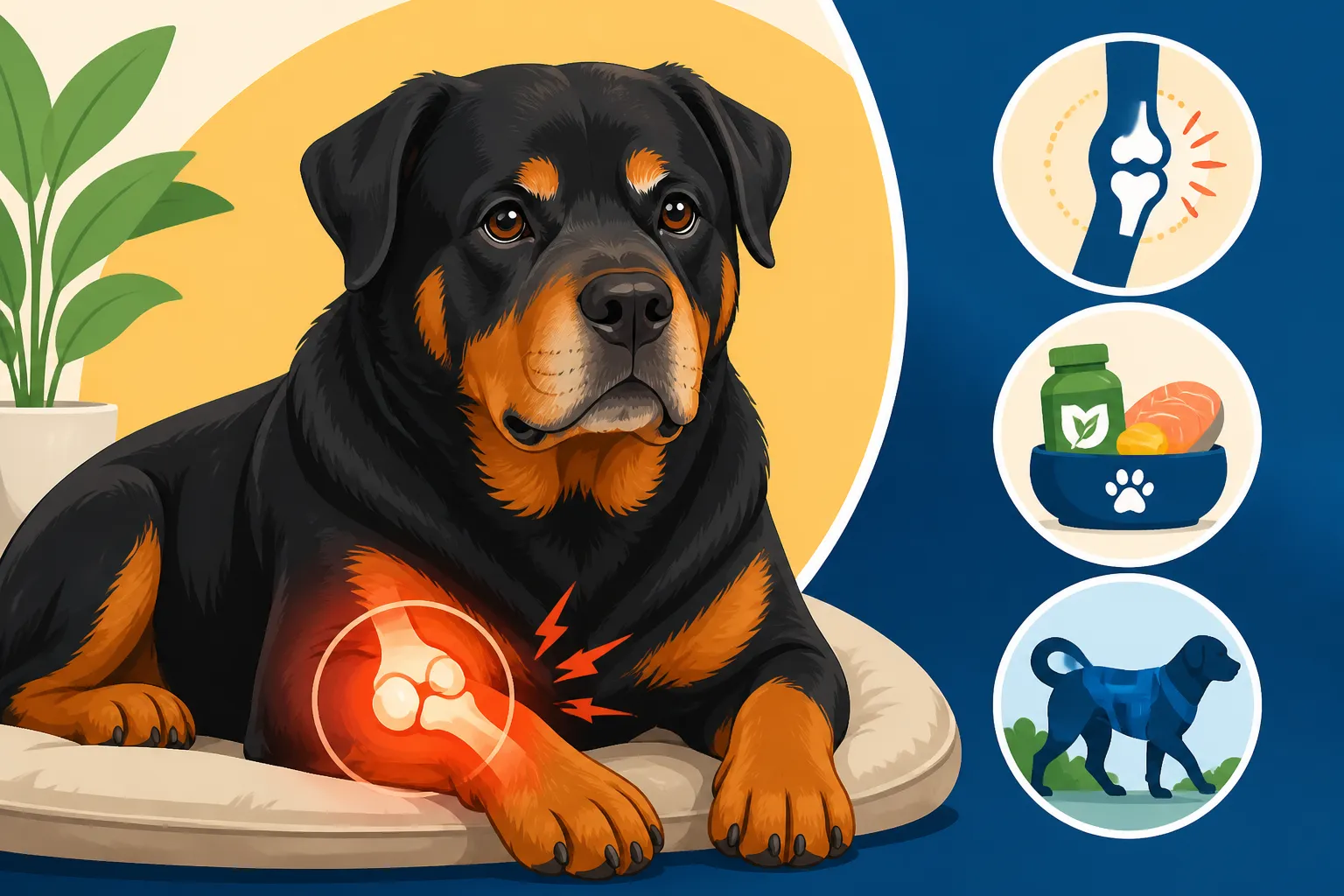
It’s truly heartbreaking to watch your beloved Rottweiler, once a powerful and athletic companion, start to slow down. That playful bounce might turn into a hesitant step, and jumping into the car becomes a struggle rather than an eager leap. When your big dog begins to show stiffness, reluctance, or even outright pain, it often points to arthritis, a common and progressive condition in our larger, longer-lived canine friends. This guide is here to walk you through understanding, identifying, and effectively managing arthritis in your older Rottweiler, helping you bring back as much comfort and joy as possible to their golden years.
Recognizing the Subtle Signs of Arthritis in Your Senior Rottweiler
Rottweilers are incredibly stoic dogs. They’re bred to be tough and resilient, and as a result, they often hide pain remarkably well, especially in the early stages of a chronic condition like arthritis. This makes it challenging for us, their devoted owners, to pinpoint when discomfort truly begins. You might initially dismiss subtle changes as just "getting old," but understanding the nuances can make all the difference in providing timely intervention.
The Gradual Changes You Might Miss at First
When you live with a Rottweiler, you become accustomed to their particular movements – the way they bound off the couch, their powerful stride during a walk, or the enthusiastic wag that encompasses their whole rear end. Arthritis often chips away at these familiar motions almost imperceptibly at first. You might notice your dog is a little slower to get up after a nap, perhaps takes an extra moment to stretch out those big limbs. That once-effortless jump into the back of your SUV or onto the bed might now be preceded by a moment of hesitation, or they might try to use a piece of furniture as a stepping stone.
Maybe they’re not as eager to chase a ball for as long, or their morning walk seems a little less enthusiastic. This isn't laziness; it's often a direct signal that certain movements cause discomfort. Watch for changes in their grooming habits too; an arthritic Rottweiler might struggle to reach certain areas, leading to matted fur or skin irritation in places they can no longer comfortably groom. Even simple things, like lying down, can change. Instead of a smooth, graceful descent, they might practically "plop" down because carefully easing themselves is too painful. These tiny shifts, when accumulated, paint a clear picture of underlying joint pain.
Distinguishing Arthritis from General "Aging"
It’s easy to write off a senior dog's stiffness as "just old age," but it’s crucial to understand that "old age" itself isn't a disease. While aging certainly contributes to wear and tear, the stiffness, limping, and discomfort we attribute to it are almost always symptoms of a treatable condition, most commonly osteoarthritis. Your Rottweiler isn't just getting old; they're experiencing pain, and there's often much we can do to alleviate it.
Pay close attention to changes in their gait. Is one leg favored? Do they walk with a shorter stride? Do their hips sway more than usual? Sometimes, you might notice a "head bob" – their head goes down when they put weight on a painful front leg, or up if it's a painful hind leg. They might also stand with their back slightly hunched or their legs tucked under them in an attempt to shift weight off sore joints. Beyond physical signs, behavioral changes are huge indicators. A previously outgoing Rottweiler might become more withdrawn, less tolerant of handling, or even grumble if touched in a sensitive area. They might not want to play with younger dogs as much, or might seem less interested in activities they once loved. These aren't just personality quirks of a senior dog; they're often cries for help. If you're observing some of these changes, it's worth discussing them with your vet, especially if you've read our article on Senior Rottweiler Mobility Decline, which provides even more specific examples.
Veterinary Approaches to Diagnosing and Treating Rottweiler Arthritis
Once you suspect your Rottweiler is struggling with arthritis, the next critical step is a comprehensive veterinary examination. Early and accurate diagnosis is key to developing an effective management plan, which can significantly improve your dog's quality of life. Don't delay seeking professional advice, as timely intervention can slow progression and minimize suffering.
The Importance of a Thorough Vet Visit
When you bring your senior Rottweiler to the vet with concerns about arthritis, expect a detailed physical examination. Your veterinarian will meticulously palpate your dog's joints, gently flexing and extending each one to assess range of motion, identify any swelling, listen for crepitus (a grinding sound), and pinpoint areas of pain. They'll also observe your Rottweiler's gait, asking them to walk and trot to see if there's any lameness or stiffness that becomes more apparent with movement. It’s not uncommon for owners to point out one area of concern, only for the vet to find discomfort in several spots.
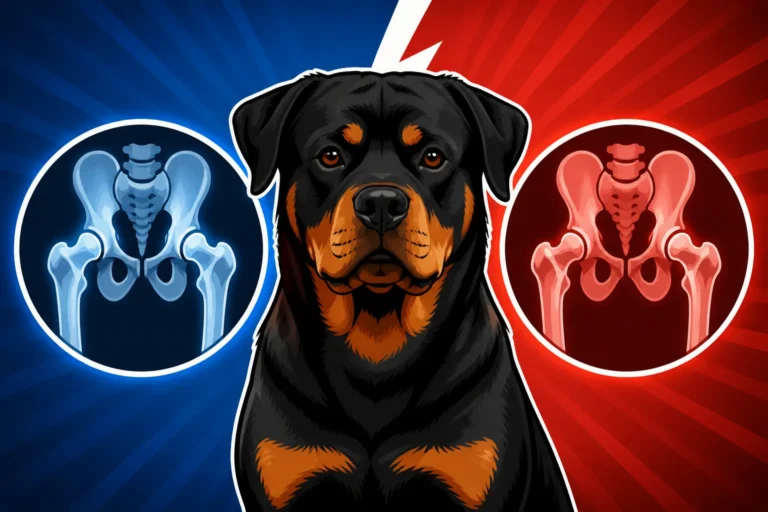
To confirm the diagnosis and determine the extent of joint damage, X-rays are usually necessary. For a large breed like a Rottweiler, these images provide invaluable information about the condition of the cartilage, bone spurs (osteophytes), joint space narrowing, and any underlying issues like hip or elbow dysplasia, which can predispose them to early arthritis. Sometimes, to get the best views, mild sedation might be recommended to ensure your dog is comfortable and still. While X-rays won't show cartilage directly, they reveal the changes in the bone structure that indicate its loss and the resulting inflammation. This diagnostic clarity is essential before embarking on a long-term treatment plan. It also helps rule out more serious conditions that can mimic arthritis, such as the initial signs of bone cancer, which our article The First Limp That Turns Out to Be Bone Cancer discusses in detail.
Medical Management: Pain Relief and Anti-Inflammatories
Once arthritis is confirmed, your vet will likely recommend a multi-modal approach, with medication often forming a cornerstone. Non-Steroidal Anti-Inflammatory Drugs (NSAIDs) are a primary choice for managing pain and inflammation. Common NSAIDs prescribed for dogs include Carprofen (Rimadyl), Meloxicam (Metacam), Firocoxib (Previcox), and Galliprant. These medications can dramatically improve your Rottweiler’s comfort, allowing them to move more freely. However, they do come with potential side effects, particularly affecting the gastrointestinal tract and kidneys, so your vet will likely recommend regular blood work to monitor liver and kidney function, especially with long-term use.
Beyond NSAIDs, other pain medications might be introduced, either as primary treatment or alongside NSAIDs. Gabapentin can help manage neuropathic pain, which is often a component of chronic arthritis. Amantadine is another medication that can be added to modulate chronic pain pathways. The goal is to find the right combination and dosage to keep your Rottweiler comfortable with the fewest side effects. It’s a delicate balance, and it often requires open communication with your vet and a willingness to try different options to see what works best for your individual dog. The financial commitment to these ongoing medications can be significant, so having a robust pet insurance policy from a company like Healthy Paws can truly make a difference in your ability to provide consistent, high-quality care.
Injectable Therapies and Supplements
In addition to oral medications, several injectable therapies can provide significant relief for arthritic Rottweilers. Polysulfated Glycosaminoglycans (PSGAGs), such as Adequan Canine, are often administered as a series of injections. These work by promoting cartilage repair, reducing inflammation, and improving joint fluid quality. Many owners report a noticeable improvement in their dog's mobility and comfort after completing an Adequan course. More recently, monoclonal antibody therapy, specifically Librela (bedinvetmab), has become available. This monthly injectable targets Nerve Growth Factor (NGF), a key mediator of pain, offering a novel approach to pain management that many dogs tolerate extremely well.
Oral joint supplements, while not typically strong enough to manage severe pain alone, play a crucial supportive role, especially when started early in a dog’s life or as an adjunct to other therapies. Glucosamine and chondroitin sulfate are the most common ingredients, believed to help maintain cartilage health and reduce inflammation. Brands like Dasuquin and Cosequin are well-regarded options. Omega-3 fatty acids, particularly EPA and DHA from fish oil, also have powerful anti-inflammatory properties that can benefit joint health. While some owners start joint supplements early as a preventative measure, they become even more important as arthritis takes hold. Discussing these options with your vet is essential to choose appropriate, high-quality supplements that are correctly dosed for your Rottweiler's size. Many pet insurance plans, including those from providers like Healthy Paws, may help cover the costs of these long-term medications and advanced injectable therapies, making comprehensive care more accessible.
Practical Home Management Strategies for an Arthritic Rottweiler
While veterinary care is paramount, the daily environment and routine at home have a massive impact on an arthritic Rottweiler's comfort and mobility. Implementing practical changes around the house can alleviate strain on painful joints and dramatically improve your dog's quality of life.
Creating a Joint-Friendly Environment
Think about your home from your Rottweiler's perspective. Slippery floors can be a nightmare for a dog with wobbly joints, leading to falls and further injury. Lay down non-slip rugs or carpet runners on hard surfaces, especially in high-traffic areas and where your dog eats or sleeps. Invest in orthopedic dog beds with thick, supportive foam that contours to their body, providing cushioning and support to their aching joints. Regular dog beds often flatten out, offering little relief.
Stairs can become dangerous obstacles. If your Rottweiler frequently uses stairs, consider installing ramps or teaching them to use a mobility harness to assist them up and down, as detailed in our guide on Helping a Senior Rottweiler Up the Stairs. For getting into and out of cars, a portable ramp is a game-changer. It prevents jarring impacts on their joints and reduces the risk of injury for both your dog and you. Raised food and water bowls can also make mealtime more comfortable, allowing them to eat and drink without having to bend their neck and put strain on their spine or front legs. Even small adjustments like these can cumulatively make a huge difference in their daily comfort.
Maintaining a Healthy Weight
This is perhaps one of the most critical, yet often overlooked, aspects of managing arthritis in a large breed like a Rottweiler. Every extra pound your Rottweiler carries puts immense additional strain on already compromised joints. Imagine carrying a backpack filled with bricks all day – that’s what excess weight feels like to an arthritic dog. Even a lean Rottweiler is a heavy dog, and a healthy weight is absolutely paramount for their long-term joint health. Our article Rottweiler Obesity and the Load It Adds explains just how much of a difference a few pounds can make.
Work with your vet to establish an ideal target weight for your individual dog and create a realistic weight loss or maintenance plan. This will likely involve careful portion control of their food and treats. It’s not about starving them, but about feeding appropriate amounts of high-quality food. You might need to switch to a lower-calorie senior or weight-management formula. Regular weigh-ins at the vet can help you track progress and make adjustments. The impact of weight management cannot be overstated; it can reduce pain, slow disease progression, and decrease the need for higher doses of medication.
Controlled Exercise and Physical Therapy
While rest is important for an arthritic dog, complete inactivity can actually worsen stiffness and muscle atrophy. The key is controlled, low-impact exercise. Short, frequent leashed walks on soft surfaces (like grass or dirt trails) are far better than one long, strenuous outing. Avoid high-impact activities like jumping, chasing balls for extended periods, or intense rough-and-tumble play. Swimming is an excellent non-weight-bearing exercise that allows your Rottweiler to move their joints through a full range of motion without impact. Many facilities offer canine hydrotherapy, where dogs walk on an underwater treadmill, which is fantastic for building muscle and improving mobility.
Canine physical therapy and rehabilitation can also be incredibly beneficial. A certified canine rehabilitation therapist can develop a tailored exercise program to strengthen supporting muscles, improve balance, and increase flexibility. Techniques might include therapeutic exercises, massage, stretching, laser therapy, and even acupuncture. These specialized interventions can significantly enhance your Rottweiler’s comfort and mobility, often reducing reliance on medication. For dogs recovering from joint issues or even surgery, exploring Physical Therapy After Rottweiler Joint Surgery can provide valuable insights into these beneficial treatments.
Nutritional Support and Lifestyle Adjustments
Beyond the direct medical and environmental interventions, thoughtful nutritional choices and minor lifestyle tweaks can further enhance your senior Rottweiler's comfort and contribute to their overall well-being. These seemingly small changes add up to a significant positive impact over time.
Diet Modifications for Joint Health
As your Rottweiler ages and develops arthritis, their nutritional needs shift. Many commercial senior dog food formulas are specifically designed to support aging bodies, often containing lower calorie counts (to help with weight management), higher fiber, and added joint-support ingredients. Look for foods that include glucosamine, chondroitin, and Omega-3 fatty acids, or consider adding these separately as supplements if your current food doesn't contain sufficient levels.
High-quality fish oil, rich in EPA and DHA, is particularly beneficial due to its potent anti-inflammatory properties. Always choose a reputable brand and dose according to your dog's weight. Some vets might recommend prescription diets formulated specifically for joint health, which often contain higher concentrations of beneficial nutrients and sometimes even novel proteins if allergies are also a concern. It's crucial to discuss any dietary changes with your vet to ensure they meet your individual Rottweiler's needs and don't interact negatively with existing medications.
Enhancing Comfort and Mobility
Making your Rottweiler as comfortable as possible extends beyond just joint support. Regular, gentle grooming sessions, particularly brushing, can be a bonding experience and also allow you to check for any new lumps, bumps, or tender spots. For dogs with advanced arthritis, even standing for grooming can be tough, so consider breaking it into shorter sessions or allowing them to lie down.
Cold weather can exacerbate joint pain, making stiffness and discomfort more pronounced. Consider dressing your Rottweiler in a warm coat or sweater when going outside in chilly temperatures. Provide extra blankets or a heated orthopedic bed indoors to keep them warm and cozy. If your Rottweiler has significant mobility challenges, learning proper lifting techniques or utilizing a mobility harness (as described in Mobility Harnesses and Slings for a Rottweiler) can help you assist them without causing further pain or injury to either of you. These small acts of thoughtful care demonstrate your love and commitment, ensuring your senior Rottweiler lives out their golden years with dignity and as much comfort as possible.
Here's a quick look at some common home modifications and their benefits:
| Area of Concern | Recommended Home Modification | Benefit for Arthritic Rottweiler |
|---|---|---|
| Slippery Floors | Non-slip rugs, carpet runners, paw grips | Prevents falls, improves traction, reduces joint strain |
| Difficulty Getting Up/Down | Orthopedic dog beds, elevated platforms | Cusions joints, supports spine, eases pressure points |
| Accessing Vehicles | Car ramps, sturdy dog stairs | Eliminates high-impact jumps, protects joints, reduces owner strain |
| Navigating Stairs | Ramps, mobility harness, baby gates | Reduces risk of falls, lessens impact on hips and knees |
| Eating/Drinking | Raised food and water bowls | Alleviates neck and spine strain, promotes comfortable posture |
| Cold Environment | Warm blankets, heated beds, outdoor coats | Reduces stiffness, improves circulation, enhances overall comfort |
Disclaimer
The information provided in this article is intended for general knowledge and informational purposes only, and does not constitute medical advice. Always consult with a qualified veterinarian for any health concerns or before making any decisions related to your Rottweiler's health and treatment plan. The specific needs of your individual dog may vary.