The Age at Which a Rottweiler Counts as Senior
It’s a tough moment for any Rottweiler owner when you start to notice those subtle shifts in your beloved companion – a little less spring in their step, perhaps a few more naps, or that tell-tale dusting of white around their muzzle. We all know Rottweilers don't live forever, but pinpointing exactly when they transition from mature adult to "senior" can be confusing and even a little heartbreaking. This guide will walk you through the commonly accepted age a Rottweiler is considered senior and, more importantly, the physical and behavioral signs to watch for so you can adapt their care and ensure their golden years are as comfortable and happy as possible.
Understanding the Rottweiler's Unique Lifespan
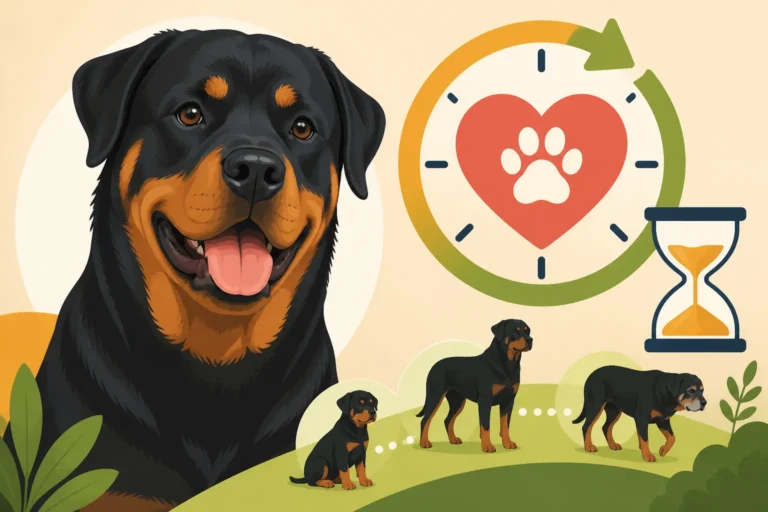
When we talk about our Rottweilers reaching their senior years, it's not a hard-and-fast birthday we're looking for, but rather a gradual transition. However, as a general rule, a Rottweiler is typically considered senior around the age of six to seven years old. This might seem young to some, especially if you're used to smaller breeds that can live well into their teens, but it's a common reality for our big, powerful dogs.
Why Large Breeds Age Differently
One of the undeniable truths about owning a magnificent large breed like a Rottweiler is that their lifespan is generally shorter than that of their smaller counterparts. While a Chihuahua might easily sail past twelve or even fifteen years, the average lifespan for a Rottweiler tends to hover around Rottweiler Lifespan and the Eight to Ten Year Average. This accelerated aging process in large and giant breeds is a widely observed phenomenon, and it's rooted in their physiology.
Think about it: a Rottweiler grows from a tiny puppy to a powerful, hundred-plus-pound adult in a remarkably short period, often within 18 to 24 months. This rapid growth puts immense strain on their bodies, particularly their skeletal and cardiovascular systems. Their cells are working overtime, dividing, growing, and metabolizing at a much faster rate than a smaller dog's. This increased cellular turnover is thought to contribute to a quicker accumulation of cellular damage and a shorter overall lifespan. It's like a high-performance engine that burns brighter but for a shorter duration. They might reach physical maturity later than small dogs, with their Rottweiler Growth Plates and Why They Close So Late, but their biological clock ticks faster.
The Senior Definition and Its Variability
While the six to seven-year mark is a good general guideline, it's vital to remember that "senior" isn't a universal age. It's a spectrum, and every Rottweiler is an individual. Just like people, some dogs age more gracefully, while others show signs of slowing down sooner. Factors like genetics, nutrition throughout their life, their activity level, and the presence of any chronic health conditions can all influence when your specific Rottweiler starts to show their age.
For example, a Rottweiler who has maintained an ideal weight, received consistent preventative care, and been fed a high-quality diet their whole life might appear more spry at seven than a Rottweiler who has struggled with obesity or had a significant health issue earlier in life. It’s not just about the calendar age, but about the physiological age. A dog might be chronologically seven but physiologically closer to nine if they’ve had a tougher life. This variability means you need to be observant and tune into your dog's unique signs of aging, rather than relying solely on a number.
Early Signs Your Rottweiler is Becoming a Senior
Recognizing the subtle cues that your Rottweiler is entering their senior years is crucial for providing proactive care. These changes rarely happen overnight; they’re often gradual, making them easy to miss if you’re not paying close attention.
Subtle Physical Changes to Watch For
The most noticeable signs of aging often manifest physically. One of the first things many owners observe is a change in their Rottweiler’s coat. That sleek, dark fur might start to show a dusting of grey, particularly around the muzzle, eyes, and sometimes on the chest or paws. It’s like their wisdom is literally shining through!
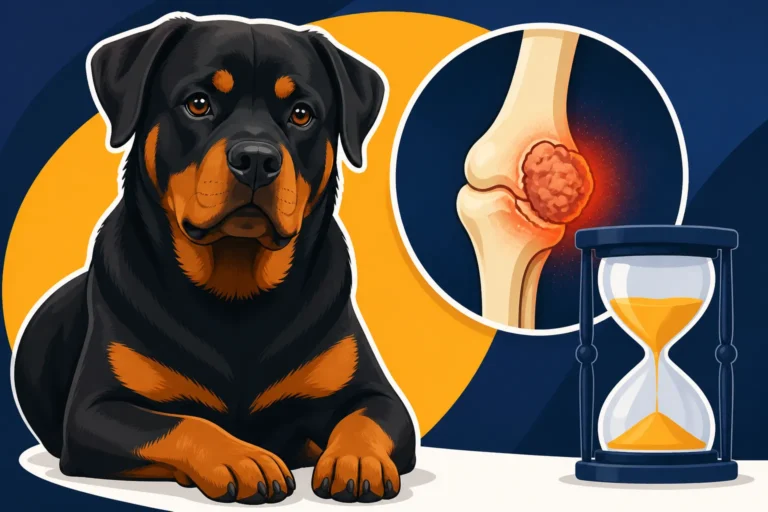
Beyond aesthetics, pay close attention to their movement. You might notice your Rottweiler is a bit slower to get up after a nap, perhaps a little stiff, especially on cold mornings. They might not jump into the car with the same enthusiasm or clear the stairs as effortlessly as they once did. These can be early indicators of Senior Rottweiler Mobility Decline or the onset of arthritis. While they might still enjoy their walks, the duration or intensity they can comfortably manage will likely decrease. Keep an eye out for any limping or favoring of a limb; sometimes, what seems like minor stiffness could be something more serious like The First Limp That Turns Out to Be Bone Cancer, though thankfully less common.
Their energy levels will also naturally dip. A senior Rottweiler will often prefer a cozy bed to an hour of vigorous play. They might sleep more deeply and for longer periods. You might also notice changes in their appetite – either a decrease, or sometimes, an increase if their metabolism is shifting. Thirst levels can also change, and any significant increase in water intake should always be discussed with your vet, as it can be a sign of underlying health issues. You might also notice their eyes becoming a bit cloudy, a condition known as lenticular sclerosis, which is common with age but generally doesn't severely impact vision.
Behavioral Shifts and What They Mean
Beyond the physical, your Rottweiler’s personality and habits can also shift as they age. They might become less tolerant of boisterous play, particularly with young puppies or children who might not understand their boundaries. While Rottweilers are known for their calm confidence and sometimes Rottweiler Aloofness and Why It Reads as Cold, an increase in this trait, or even slight irritability, could signal discomfort or pain.
Some senior Rottweilers may develop new anxieties, perhaps becoming more sensitive to loud noises or changes in routine. They might seek out more quiet spaces or seem a bit disoriented in familiar surroundings. This could be a symptom of canine cognitive dysfunction, sometimes likened to Alzheimer's in humans. Signs can include staring blankly, getting stuck in corners, or even changes in house training habits, like A Rottweiler That Stops Recognizing the Room.
Their hearing might also diminish. You might find yourself needing to clap louder or use hand signals more frequently to get their attention. A Rottweiler losing its hearing might seem less responsive, not because they are ignoring you, but because they genuinely didn't hear you. All of these subtle behavioral changes warrant observation and discussion with your veterinarian. They’re not just “old dog” quirks; they can be important indicators of their overall health and well-being.
Practical Care Considerations for Your Aging Rottweiler
As your Rottweiler enters their senior years, their care regimen will naturally need to adapt. This isn't about dramatically overhauling everything, but rather making thoughtful adjustments to support their changing needs. Think of it as tailoring their lifestyle to ensure comfort and longevity.
Tailoring Nutrition and Exercise
One of the most impactful adjustments you can make for your senior Rottweiler is to their diet. As their metabolism slows and their activity levels decrease, they require fewer calories to maintain a healthy weight. Continuing to feed them the same amount of high-calorie adult food can quickly lead to Rottweiler Obesity and the Load It Adds, which further exacerbates joint pain and other age-related issues. Look for high-quality senior dog foods specifically formulated for large breeds. These typically have lower calorie counts, slightly reduced protein levels (to be kinder on aging kidneys), and often include added joint-supporting ingredients like glucosamine and chondroitin. Discuss your Rottweiler's specific dietary needs with your vet, especially if they have any health conditions. Managing their weight is absolutely paramount for their comfort.
Exercise, while still essential, needs to be modified. Gone are the days of long, strenuous hikes or intense games of fetch that might have been appropriate when their Rottweiler Growth Plates Closing at Eighteen to Twenty-Four Months. Instead, focus on shorter, more frequent walks on soft surfaces. Swimming can be an excellent low-impact option that builds muscle without stressing joints. The goal is to keep them moving to maintain muscle mass and joint flexibility, but without overdoing it. A gentle stroll around the block a couple of times a day is often more beneficial than one long, taxing walk. Remember, even in their youth, activities like A Growing Rottweiler's Joints and Overexercise had to be carefully managed, and this becomes even more critical in their senior years. Consider the importance of joint supplements started early in a Rottweiler as a preventative measure, which can become even more vital as they age.
Increased Veterinary Focus and Health Screenings
As your Rottweiler steps into their senior years, their veterinary care schedule should also become more frequent. Instead of annual check-ups, most vets recommend twice-yearly examinations for senior dogs. This allows for earlier detection of potential health issues, many of which can progress rapidly in older animals. During these visits, your vet will perform a thorough physical exam, paying close attention to their weight, teeth (dental disease can be a major source of pain and systemic health issues), eyes, ears, and any new lumps or bumps.
Routine diagnostics become incredibly important. This usually includes comprehensive bloodwork to check organ function (kidneys, liver, thyroid), look for signs of infection or inflammation, and screen for metabolic diseases. A urinalysis is also standard, as kidney issues or urinary tract infections can be common in older dogs. Your vet might also recommend regular blood pressure checks. This proactive approach to health screening, including something like Cancer Screening for a Rottweiler Past Six, can make a world of difference in catching problems early when they are most treatable. For example, conditions like Thyroid Disease Behind a Rottweiler's Dull Coat or subtle changes in kidney values, as outlined in Bloodwork Worth Running on a Senior Rottweiler, can be identified and managed much more effectively with regular monitoring.
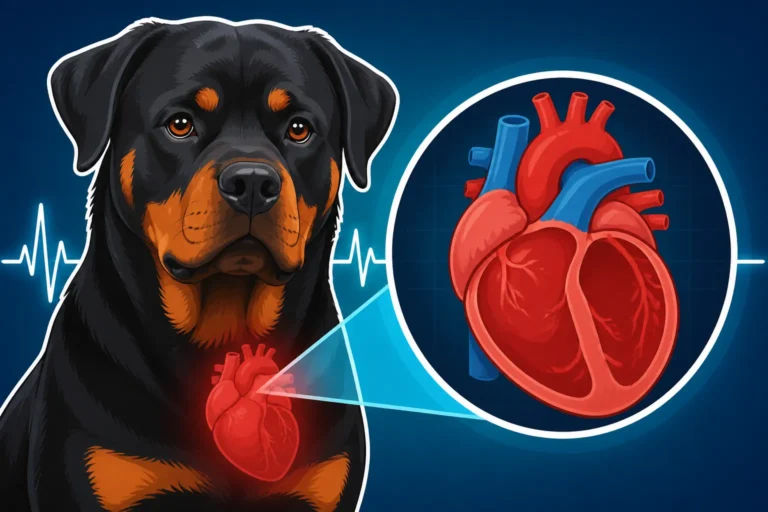
Having a robust pet insurance plan like Healthy Paws can also provide immense peace of mind during these years. As Rottweilers age, the likelihood of needing costly diagnostics, medications, or even surgeries for conditions like arthritis, cancer, or heart disease increases significantly. Healthy Paws can help cushion the financial blow, allowing you to make medical decisions based on what’s best for your dog, rather than worrying about the emergency vet bills a Rottweiler owner should expect. While no one wants to think about these things, being prepared for potential Rottweiler Surgery Costs From Bloat to Bone Cancer or managing ongoing care for a chronic condition is a responsible part of senior pet ownership.
| Aspect | Adult Rottweiler (2-6 years) | Senior Rottweiler (6+ years) |
|---|---|---|
| Energy Level | High, active, eager for long walks and playtime. | Moderate to low, prefers shorter walks, more frequent naps. |
| Coat Appearance | Deep black, minimal grey, usually sleek. | May show grey around muzzle/eyes, potentially duller, more shedding. |
| Mobility | Agile, jumps easily, runs without stiffness. | Slower to rise, occasional stiffness, less enthusiasm for jumping. |
| Appetite | Consistent, often high; maintains weight with regular meals. | May fluctuate, requires careful portion control for weight management. |
| Sleep Patterns | Sleeps soundly, often adjusts to household schedule. | Sleeps more often and deeply, may have disrupted night sleep (cognitive changes). |
| Veterinary Visits | Annual check-ups, vaccinations. | Bi-annual check-ups, routine bloodwork, specialized screenings. |
| Diet | High-quality adult large breed formula. | Senior-specific large breed formula, potentially joint supplements. |
| Behavior | Playful, tolerant, confident, alert. | May be less tolerant, more withdrawn, new anxieties, signs of cognitive decline. |
Disclaimer
This article is intended for informational purposes only and does not constitute veterinary advice. Always consult with a qualified veterinarian for any health concerns or before making any decisions about your Rottweiler's medical care or diet.