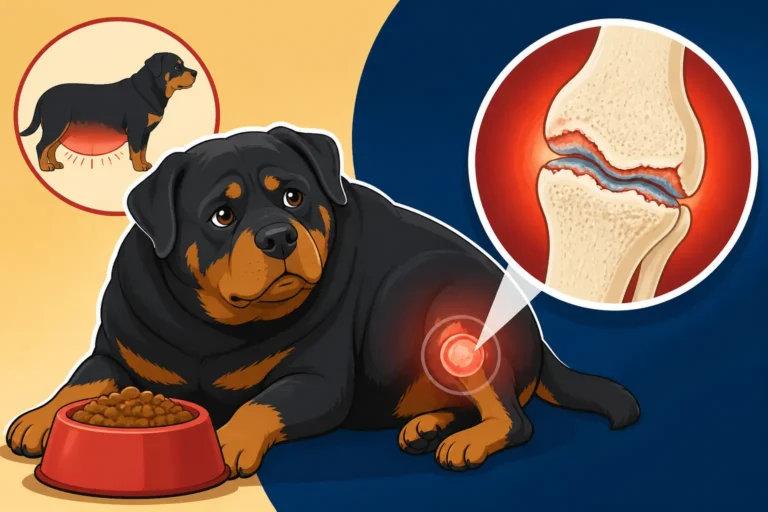
Feeding a Rottweiler Past Its Eighth Year
Watching your beloved Rottweiler transition into their senior years, past that vital eight-year mark, brings a mix of joy and concern. You cherish every grey hair and every slow, deliberate step, but you also start noticing changes – a little less energy, maybe some stiffness, or a tendency to put on weight more easily. Figuring out how to best feed them now can feel like a maze, especially when their needs are constantly evolving. This guide is here to walk you through the specifics of feeding your cherished older Rottweiler, ensuring they stay as healthy and comfortable as possible.
Understanding the Nutritional Shift in Senior Rottweilers
It’s easy to think that if your Rottweiler has been thriving on a certain diet for years, it should just continue. But as dogs age, just like us, their bodies become less efficient in certain areas and develop new vulnerabilities. What worked perfectly for a vibrant, active five-year-old Rottweiler might actually be detrimental to an eight, nine, or ten-year-old senior. Recognizing these internal shifts is the first step to making informed dietary choices.
The Metabolism Slowdown and Weight Gain Risk
One of the most immediate and common changes you'll observe in a senior Rottweiler is a noticeable slowdown in their metabolism. They simply don't burn calories with the same youthful vigor they once did. This isn't just about them moving less, though that certainly plays a role. It's a physiological change that means their body requires fewer calories to maintain its existing weight, even if their activity level hasn't drastically changed yet. If you continue to feed the same quantity of food they ate in their prime, weight gain becomes almost inevitable.
This excess weight, especially on a large breed like a Rottweiler, isn't just a cosmetic issue. It significantly compounds existing age-related problems. Extra pounds place immense stress on joints that might already be dealing with Managing Arthritis in an Old Rottweiler or other degenerative conditions. It can also exacerbate heart issues, make breathing more difficult, and increase the risk of other health complications like diabetes. It's a frustrating cycle because as they gain weight, they often want to move even less, leading to more weight gain.
Increased Need for Joint Support and Anti-Inflammatories
Those powerful, robust joints that carried your Rottweiler through countless adventures in their younger years start to show wear and tear. Arthritis, hip dysplasia, and elbow dysplasia can become more pronounced and painful. At this stage, nutrition plays a critical role beyond just managing calories. Your senior Rottweiler's diet needs to actively support joint health and help manage inflammation.
This means looking for ingredients that can cushion cartilage, reduce pain, and promote overall joint integrity. Traditional large-breed adult foods often contain some joint support, but a senior formula will typically have these ingredients in higher concentrations, acknowledging the advanced needs of an aging dog. Ignoring this need can lead to increased pain, reduced mobility, and a significant drop in their quality of life. Thinking about Joint Supplements Started Before a Rottweiler Turns Two early in life is a great preventative measure, but now it's about active support.
Digestive Changes and Nutrient Absorption Challenges
As Rottweilers age, their digestive systems can also become less robust. They might not absorb nutrients as efficiently as they used to, even from high-quality food. This can lead to a host of subtle issues, from a duller coat to less energy, or even occasional digestive upsets like gas or loose stools. Their gut microbiome can shift, and the production of digestive enzymes might decrease.
Because of this, senior diets often include prebiotics and probiotics to support gut health, as well as highly digestible protein sources. Some older dogs also become more sensitive to certain ingredients they previously tolerated without issue. It's a delicate balance to ensure they're getting all the vitamins, minerals, and essential macronutrients their aging bodies need, even when their digestive machinery isn't quite what it once was. This is why paying close attention to their stools and overall vitality is crucial when making dietary changes.
Choosing the Right Diet Formula for Your Senior Rottweiler
With all these changes happening internally, simply scooping the same kibble into their bowl is no longer sufficient. It's time to become a detective and really scrutinize what you're feeding them. The market is flooded with options, and it can feel overwhelming, but focusing on specific nutritional criteria for a senior giant breed will help you narrow it down.
Decoding Senior Dog Food Labels
Walking into a pet store or browsing online at places like Chewy can feel like deciphering hieroglyphs when you’re looking at dog food labels. The term "senior formula" itself isn't always enough. You need to look beyond the marketing jargon and focus on the guaranteed analysis and ingredient list. For a senior Rottweiler, you're generally looking for a formula that is moderate in calories and fat, has high-quality, easily digestible protein, and includes beneficial supplements.
Look for calorie counts per cup or per serving. Compare this to their previous adult food. A good senior formula will typically have fewer calories. The protein content should remain robust, ideally from whole meat sources, but not excessively high if your dog has kidney concerns (always consult your vet first). Fiber content might be slightly higher to aid digestion and promote satiety. And, crucially, scan for added joint support like glucosamine and chondroitin, and possibly omega-3 fatty acids. If a food doesn't list these or has very low amounts, it might not be the best choice for an aging Rottweiler.
The Role of Protein and Fat in the Senior Diet
There’s a common misconception that older dogs need less protein. While very high protein levels can be an issue for dogs with existing kidney disease, for most healthy senior Rottweilers, adequate high-quality protein is vital. It helps maintain muscle mass, which often starts to decline with age (sarcopenia). Losing muscle can make it harder for your Rottweiler to stand up, navigate stairs, and support their joints, leading to increased Senior Rottweiler Mobility Decline.
The key is quality: easily digestible protein sources like chicken, turkey, lamb, or fish. As for fat, a senior diet should generally be lower in fat compared to an adult or puppy formula, aligning with the metabolic slowdown we discussed earlier. Excessive fat contributes to weight gain, which is precisely what we're trying to avoid. However, healthy fats, especially omega-3s, are incredibly beneficial for reducing inflammation, supporting brain health, and keeping their coat healthy. So, it's about balance: lower overall fat, but ensure a good source of essential fatty acids.
Considering Wet Food or Fresh Options
Dry kibble is often the go-to, but as Rottweilers age, especially if they start experiencing Rottweiler Dental Disease and Cracked Teeth, wet food or fresh food options become more appealing and sometimes necessary. Wet food, with its higher moisture content, can also be beneficial for hydration, which is important for older dogs.
Brands like Ollie offer fresh, human-grade food that can be an excellent option for seniors. These often have higher palatability, which is great if your older Rottweiler starts to be a bit pickier about their meals. The moisture content helps with kidney function and can make eating more comfortable for those with dental pain. You can also find high-quality canned senior formulas from reputable brands, or even mix a little wet food with their kibble to make it more enticing. The main consideration with wet or fresh food is often cost and storage, as these tend to be pricier than traditional kibble, especially for a dog the size of a Rottweiler. However, the benefits for an aging dog can be significant.
Adapting Feeding Practices for Comfort and Safety
Beyond what you feed, how you feed your senior Rottweiler also becomes critically important. Physical changes in their body can make mealtime uncomfortable or even dangerous if you don't adjust your routine and setup. Simple modifications can make a huge difference in their daily comfort and ability to enjoy their meals.
Elevated Bowls and Accessibility
If your Rottweiler is starting to show signs of arthritis in their neck, back, hips, or elbows, bending down low to eat from a bowl on the floor can become genuinely painful. Imagine trying to eat your dinner off the floor if your knees and back ached! Raised Bowls for a Rottweiler With Bad Hips are not just a luxury for senior dogs; they can be a necessity. Elevating their food and water bowls to a comfortable height allows them to eat and drink without straining their joints.
You can find various styles of elevated feeders at pet stores or online retailers like Amazon or Chewy. Some are simple stands, others are adjustable, and some come with slow-feeder inserts, which can be useful if your Rottweiler still tends to gulp their food. When choosing one, make sure it's sturdy enough for a large breed like a Rottweiler and doesn't tip easily. The ideal height will allow them to eat with their head in a relatively neutral position, not reaching down or craning up. This simple change can make mealtime much more pleasant and reduce potential discomfort.
Meal Frequency and Portion Control
As their metabolism slows, portion control becomes paramount to prevent Rottweiler Obesity and the Load It Adds. It's not just about reducing the amount of food, but also about how often you feed it. Many adult Rottweilers are fed twice a day, but for seniors, you might consider splitting their daily ration into three smaller meals. This can be easier on their digestive system, preventing a large influx of food at once, and can also help stabilize blood sugar levels.
Using a kitchen scale to weigh their food, rather than relying solely on measuring cups, offers far greater accuracy. Different kibbles have different densities, so a "cup" of one brand might contain significantly more calories than a "cup" of another. If you're using a new senior formula, start with the lower end of the recommended feeding guidelines for their ideal weight (not their current potentially overweight one) and monitor their body condition closely. Adjust gradually based on their energy levels and whether they're maintaining a healthy, lean weight. Remember, a slightly lean senior Rottweiler is often a healthier one.
Hydration and Water Intake
Hydration is crucial for older dogs, supporting kidney function, joint lubrication, and overall health. Senior Rottweilers, especially those on dry kibble diets, need easy access to fresh, clean water at all times. If your dog is moving slower or has joint pain, they might be less inclined to walk to their water bowl if it's in an inconvenient spot. Consider placing multiple water bowls around the house, particularly near their favorite resting spots.
Sometimes, older dogs may not drink as much as they should, or they might not be able to hold their bladder as well, leading to concerns about incontinence. You might notice they are less enthusiastic about drinking. If you've switched to wet food, that will naturally increase their water intake. You can also add a little warm water to their kibble to create a gravy-like consistency, making it more appealing and adding extra moisture. Just be sure to monitor their water intake and urine output, and report any significant changes to your vet, as it could signal underlying health issues.
Supplementation: What Helps and What Harms
While a good senior diet provides a strong foundation, sometimes our older Rottweilers need a little extra boost to combat the inevitable effects of aging. However, the world of supplements can be a minefield, with many products making big promises. It's vital to know what truly helps and what might actually be unnecessary or even harmful. Always discuss any new supplements with your veterinarian.
Essential Joint Support Supplements
For a large breed like a Rottweiler, especially one past eight, joint supplements are often a non-negotiable part of their daily regimen. The heavy weight they carry throughout their lives takes a toll, and conditions like arthritis are almost a given. The most commonly recommended ingredients are glucosamine and chondroitin, which help support cartilage health and elasticity. MSM (methylsulfonylmethane) is often included for its anti-inflammatory properties.
Many brands combine these in a single chew or powder, which can be convenient. When selecting a supplement, look for reputable brands and ensure the active ingredients are clearly listed with their dosages. These aren't quick fixes; they work cumulatively over time, so consistency is key. You might start to notice a subtle improvement in their gait, their willingness to go for a walk, or simply how easily they get up after a nap. This can directly impact their Senior Rottweiler Mobility Decline for the better.
Omega-3s and Antioxidants for Overall Health
Beyond joints, a senior Rottweiler can benefit immensely from omega-3 fatty acids, particularly EPA and DHA, commonly found in fish oil. These powerful anti-inflammatories don't just help joints; they also support brain health, kidney function, and maintain a healthy skin and coat. As their body ages, systemic inflammation can become a chronic issue, and omega-3s are excellent at helping to mitigate this.
Antioxidants, such as vitamins E and C, selenium, and compounds found in fruits and vegetables, help combat free radical damage that accumulates over a lifetime. This cellular damage contributes to aging and can affect everything from cognitive function to immune health. Many senior dog foods will include elevated levels of antioxidants, but supplemental forms can also be considered. If you're looking for these, online retailers like Chewy often carry a wide selection of reputable brands. Just be careful not to overdo it, as some vitamins can be toxic in excessively high doses.
Consulting Your Vet About Specific Needs
No matter how well-researched you are, your veterinarian is your absolute best resource for tailoring your senior Rottweiler's diet and supplement plan. They have the full picture of your dog's health history, current medical conditions, and any medications they might be on. Before introducing any new food or supplement, have a conversation with them.
For example, if your Rottweiler has early signs of kidney disease, certain protein levels might need to be adjusted. If they have heart conditions, sodium intake might be a concern. Your vet can recommend specific therapeutic diets or supplements that are best suited for their individual health profile. They can also help you understand how supplements might interact with any medications your dog is taking. This annual or bi-annual discussion during Vet Visit Frequency for a Senior Rottweiler is critical for fine-tuning their care.
Monitoring Health and Adjusting as Your Rottweiler Ages
Feeding your senior Rottweiler isn't a "set it and forget it" task. Their needs will continue to change, sometimes subtly, sometimes dramatically. Vigilant observation and proactive adjustments are key to ensuring their continued health and comfort in their golden years. You are their advocate, and paying close attention to their cues is vital.
Recognizing Signs of Dietary Issues
Your Rottweiler can't tell you in words if their new food isn't agreeing with them or if they're not getting enough nutrients. You need to become adept at reading their body language and observing physical changes. Signs of dietary issues can include:
- Changes in Weight: Sudden weight loss or continued weight gain despite appropriate feeding.
- Coat Condition: A dull, dry, flaky coat can indicate a lack of essential fatty acids or poor nutrient absorption.
- Energy Levels: While some slowdown is normal, a drastic drop in energy, lethargy, or reluctance to move could signal a problem.
- Digestive Upset: Frequent vomiting, diarrhea, constipation, or excessive gas.
- Appetite Changes: Sudden refusal to eat, pickiness, or an unusual increase in hunger.
- Behavioral Changes: Increased irritability or discomfort could be due to underlying pain exacerbated by an inappropriate diet.
Keep a journal if it helps, noting down these observations. Sometimes a trend over a few weeks or months is more telling than a single isolated event. These observations are incredibly valuable information for your veterinarian.
Regular Vet Check-ups and Bloodwork
Just like people, senior dogs benefit immensely from more frequent vet check-ups. Instead of yearly, your vet might recommend visits every six months once your Rottweiler is past eight. These visits are crucial for catching age-related diseases early and making timely dietary adjustments. During these appointments, your vet will perform a thorough physical exam, checking their weight, teeth, joints, and listening to their heart and lungs.
Bloodwork is also a vital tool. A senior blood panel can provide a snapshot of organ function, checking kidney and liver values, thyroid levels, and looking for signs of inflammation or anemia. These tests can reveal issues that aren't yet visible to the eye but could be influenced by diet, such as early kidney disease. Armed with this information, your vet can then guide you on whether to modify their current diet or even switch to a prescription therapeutic diet designed for specific conditions. These check-ups are also a good time to discuss budgeting for potential Rottweiler Costs Across Eight to Ten Years.
Making Gradual Dietary Changes
If your vet recommends a dietary change, it's incredibly important to do so gradually. A sudden switch can wreak havoc on your senior Rottweiler's sensitive digestive system, leading to upset stomachs, diarrhea, or even a complete refusal to eat the new food. This is true whether you're switching from one kibble to another, or from kibble to a fresh food like Ollie.
The general rule is to transition over 7-10 days. Start by mixing about 25% new food with 75% old food for a few days. If your Rottweiler tolerates that well, move to a 50/50 mix for another few days, then 75% new food to 25% old. Finally, after a week to ten days, you can offer 100% new food. Pay close attention to their stool quality during this period. If you notice any digestive upset, slow down the transition, or revert to a previous ratio for a few more days before trying to advance again. Patience is your friend here.
Common Feeding Challenges in Older Rottweilers
Even with the best intentions and the perfect food, caring for a senior Rottweiler often comes with unique challenges. It’s not always a smooth journey, and you might face hurdles like a sudden loss of appetite or ongoing dental issues. Knowing how to address these can prevent further health problems and distress for both you and your dog.
Loss of Appetite and Picky Eating
One of the most disheartening things to witness is an older Rottweiler losing interest in their food. A Appetite Loss in an Old Rottweiler isn't just about pickiness; it can be a sign of underlying issues, from dental pain to nausea, or a general decline in their sense of smell and taste. It can also be a symptom of more serious illnesses.
If your senior Rottweiler suddenly turns up their nose at food, the first step is always a vet check-up to rule out medical causes. If medically cleared, you can try several strategies. Warming wet food slightly can enhance its aroma. Adding a small amount of low-sodium broth or a favored topping (like a spoonful of plain yogurt or cooked chicken) can make it more appealing. Some dogs prefer fresh food options, as mentioned earlier. Make sure their eating environment is quiet and stress-free. Avoid offering too many treats or human food, as this can reinforce pickiness at mealtime. Remember, even a single missed meal for a large dog warrants close observation.
Dental Issues and Softer Food Alternatives
Dental health is often overlooked until it becomes a crisis, and this is especially true for senior dogs. Over years of chewing and living, tartar buildup, gum disease, and cracked or loose teeth become common. Eating hard kibble with a painful mouth is an agonizing experience and can lead directly to food refusal or picky eating. It's a cruel irony that regular kibble is supposed to help clean teeth, but once decay sets in, it only causes pain. Rottweiler Dental Disease and Cracked Teeth can profoundly impact their ability to eat.
If your vet identifies dental problems, a professional dental cleaning under anesthesia might be recommended. In the meantime, or if dental work isn't an option, transitioning to softer foods is essential. Wet food, soaked kibble (mixed with warm water until soft), or even cooked, mashed vegetables and lean meats can be good alternatives. Consider making a 'stew' for them by combining a senior wet food with some cooked, shredded chicken or pureed pumpkin. This ensures they get the nutrition they need without the pain of chewing.
Managing Chronic Conditions Through Diet
Many senior Rottweilers will develop chronic conditions such as kidney disease, heart disease, diabetes, or severe arthritis. For many of these, diet becomes a cornerstone of their management plan, often requiring specific prescription veterinary diets. These foods are scientifically formulated to support organ function or mitigate symptoms.
For example, dogs with kidney disease might need a diet lower in phosphorus and protein, but with highly digestible protein sources. Those with heart disease might require lower sodium. Diabetics need controlled carbohydrate levels to help manage blood sugar. Your veterinarian is the only person who can accurately diagnose these conditions and prescribe the appropriate therapeutic diet. You might find these specialized foods available through your vet or through online pharmacies and large retailers like Chewy with a prescription. It’s crucial to adhere strictly to these prescribed diets, as straying from them can compromise your Rottweiler's health and the effectiveness of their overall treatment plan.
Disclaimer
This article is for general informational purposes only and does not constitute professional advice. Laws, prices and regulations vary by location and change over time. Consult a qualified professional for guidance on your specific situation.