Rottweiler Hip Dysplasia and the OFA Grade
One of the most heartbreaking diagnoses a Rottweiler owner can face is hip dysplasia, a painful and progressive condition that can severely impact their beloved dog's mobility and quality of life. Understanding Rottweiler hip dysplasia and the Orthopedic Foundation for Animals (OFA) grading system is absolutely crucial, whether you're bringing home a new puppy or managing an older dog, as it can help you make informed decisions about care, breeding, and even future financial planning.
The Complexities of Rottweiler Hip Dysplasia
Hip dysplasia in Rottweilers isn't just a simple stiff hip; it's a complex developmental disease that affects the hip joint, leading to instability, pain, and eventually, debilitating arthritis. For a large, powerful breed like the Rottweiler, whose entire existence revolves around strength and movement, this condition can be particularly devastating. It's not something that suddenly appears overnight; rather, it’s a genetic predisposition exacerbated by environmental factors that manifest as the dog grows.
Anatomy of the Rottweiler Hip Joint
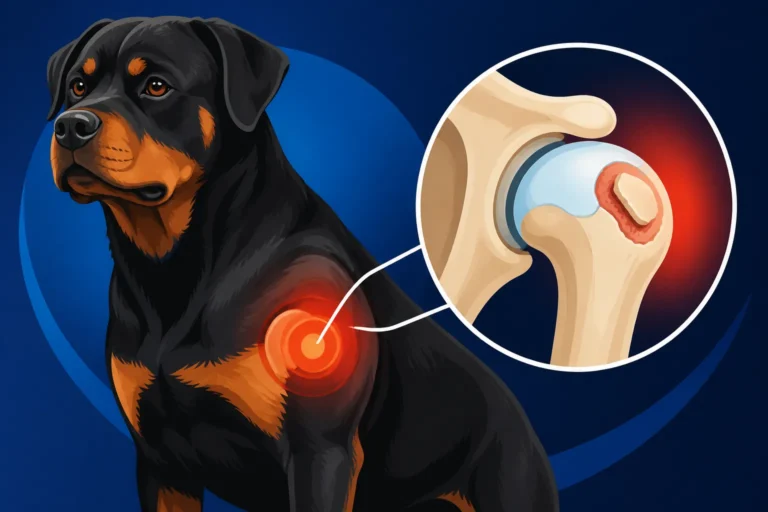
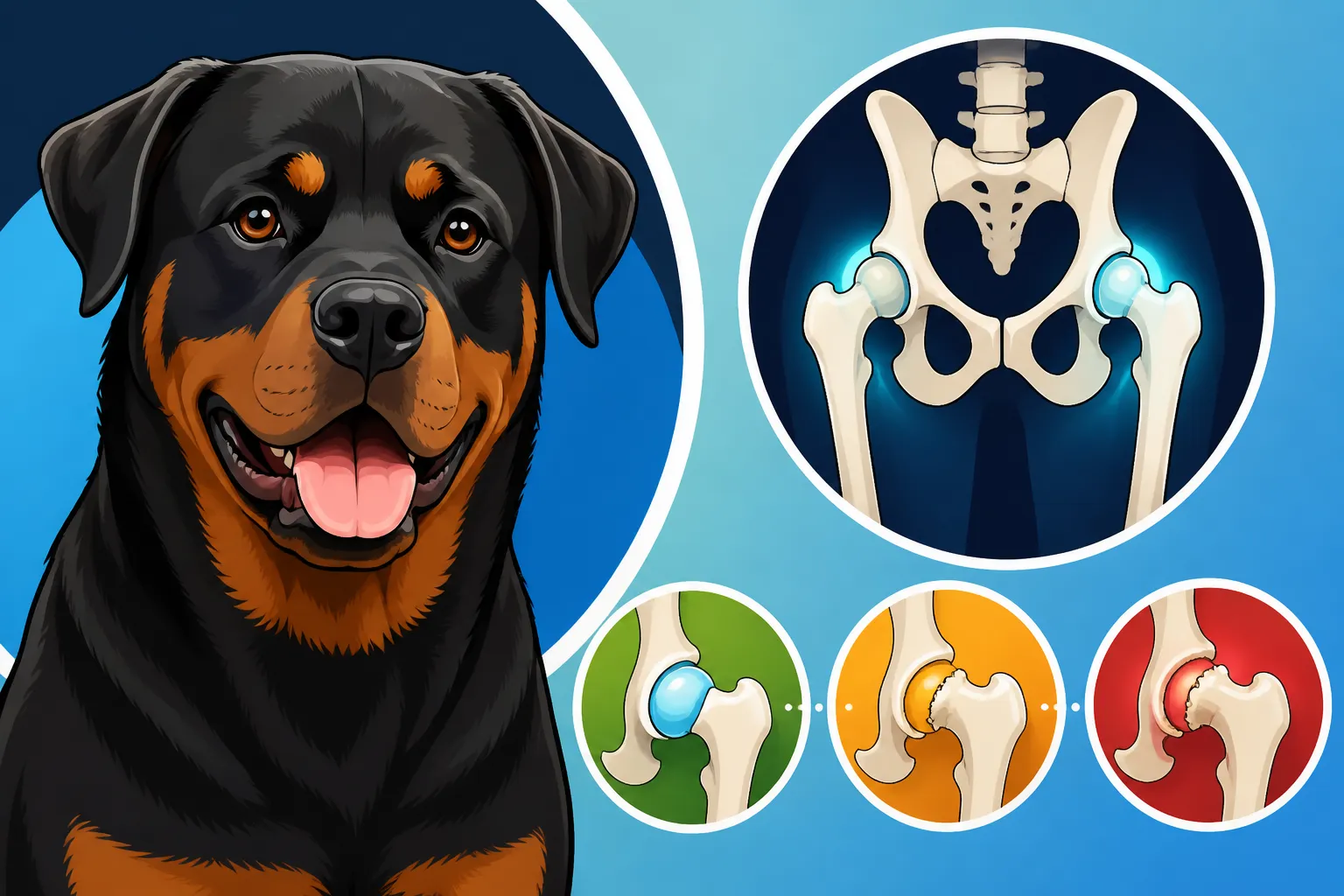
To truly grasp hip dysplasia, it helps to visualize a healthy Rottweiler hip. Imagine a perfectly smooth ball (the head of the femur, or thigh bone) fitting snugly into a perfectly formed cup (the acetabulum, part of the pelvis). This is a "ball and socket" joint, designed for fluid, frictionless movement. Ligaments, muscles, and joint capsules work in harmony to hold this structure in place, allowing the powerful hind legs of a Rottweiler to propel them with grace and strength. In an ideal scenario, the surfaces are smooth, coated in cartilage, and lubricated by synovial fluid, ensuring every stride is comfortable.
For a Rottweiler, with its significant body mass and powerful musculature, the integrity of these joints is paramount. They are built for strength and endurance, not necessarily for delicate movements. The stress placed on their hips, even during normal activities like walking or standing, is substantial. This inherent strain, combined with a genetic predisposition, makes the breed particularly susceptible to joint issues.
How Dysplasia Develops in Rottweilers
Hip dysplasia doesn't mean a Rottweiler is born with a "bad" hip. Instead, it's a developmental condition where the hip joint doesn't form correctly. During their rapid growth phase, the soft tissues around the joint (ligaments and muscles) might not keep the femoral head tightly seated in the acetabulum. This looseness, or laxity, causes the ball and socket to rub and grind instead of gliding smoothly. Over time, this abnormal contact wears down the cartilage, flattens the femoral head, and shallow out the socket, leading to bone spurs and degenerative joint disease.
It's a progressive disease, meaning it worsens over time. A puppy might show no outward signs but could have significant laxity. As the dog ages, the wear and tear accumulate, and the body attempts to stabilize the loose joint by laying down new bone, leading to the characteristic arthritic changes seen on X-rays. This process often begins when the dog is still quite young, sometimes before their Rottweiler Growth Plates and Why They Close So Late. Environmental factors like rapid weight gain, over-exercise, or even slippery floors can influence how severely the genetic predisposition manifests.
Early Signs and Symptoms to Watch For
Recognizing hip dysplasia early can be challenging because Rottweilers, like many stoic breeds, are excellent at hiding pain. Often, the first subtle signs might be mistaken for typical puppy clumsiness or a bit of stiffness after a nap. Keep a keen eye out for any changes in gait or behavior.
Common early symptoms can include:
- "Bunny hopping": Running with both hind legs moving together, rather than independently.
- Reluctance to jump, run, or climb stairs: They might hesitate before getting into the car or avoid certain activities they once enjoyed.
- Difficulty rising: A Rottweiler struggling to get up after lying down, especially after resting.
- Hind limb lameness: A noticeable limp or favoring of one leg, which might be intermittent.
- Stiffness or soreness after exercise: They might be fine during play but very stiff the next day.
- Decreased activity level: A noticeable drop in their willingness to play or go for walks.
- Changes in muscle mass: A loss of muscle in the hindquarters, as they try to shift weight to their front legs.
- Audible clicking or popping from the hips: Though less common, this can indicate significant joint laxity.
If you observe any of these signs, especially in a growing Rottweiler puppy, it’s important to talk to your veterinarian. Early intervention, even just with management strategies, can make a difference. Many owners might not even realize their dog is in pain until the condition is quite advanced, which is why preventive screening is so vital. Remember, even though it's often a genetic issue, the expression of the disease can be influenced by how a puppy is raised.
The Orthopedic Foundation for Animals OFA and its Role
When it comes to responsible Rottweiler breeding and understanding hip health, the Orthopedic Foundation for Animals (OFA) is a name you’ll hear constantly. For decades, the OFA has been a cornerstone in canine health screening, particularly for genetic orthopedic diseases like hip and elbow dysplasia. Their mission is straightforward: to improve the health and well-being of companion animals through objective evaluation of inherited disease.
History and Mission of the OFA
Established in 1966, the OFA was founded by a small group of enthusiastic dog breeders and owners who recognized the devastating impact of hip dysplasia on their beloved breeds. At that time, there was no standardized, objective method to evaluate hip health, leading to widespread confusion and the unwitting perpetuation of the disease through breeding affected dogs. The OFA stepped in to fill this critical void, developing a standardized radiographic (X-ray) evaluation system.
Their initial focus was on hip dysplasia, but over the years, their work expanded to include other orthopedic conditions like elbow dysplasia, patellar luxation, and osteochondrosis, as well as cardiac, thyroid, and eye diseases. The OFA collects and disseminates health information, maintains an open registry of results, and funds research into canine health problems. Their efforts have provided breeders with an invaluable tool to identify and select dogs with healthier genetic backgrounds, thereby making measurable progress in reducing the incidence of inherited diseases across many breeds, including our powerful Rottweilers.
Why OFA Certification Matters for Rottweilers
For anyone considering a Rottweiler puppy, OFA certification of the parents is non-negotiable. This isn't just a recommendation; it's a critical component of ethical breeding. A Rottweiler’s size and inherent predispositions make hip and elbow health paramount. Without OFA certification, you’re essentially rolling the dice, risking a future filled with vet visits, pain management, and potentially costly surgeries for your dog.
OFA certification provides an objective assessment of a dog's hip and elbow joints, giving breeders the information they need to make responsible breeding choices. When both parents have passing OFA scores (Fair, Good, or Excellent), the probability of their offspring developing hip dysplasia is significantly reduced. While it doesn't guarantee a puppy will be free of the disease, it drastically stacks the odds in your favor. Ignoring these certifications is a huge red flag when choosing a breeder, as it indicates a lack of commitment to the health of their lines. Always ask to see the physical certificates or look up the parents on the OFA public database. You should expect to see documentation for several clearances, including the essential The Five Clearances a Rottweiler Breeder Must Have.
Distinguishing OFA from Other Evaluations
While OFA is the most widely recognized and utilized hip evaluation system in North America, it's not the only one. Another prominent method is PennHIP. Understanding the differences between these systems can be helpful, especially when discussing health clearances with a breeder. We have a dedicated article on PennHIP Set Against OFA for a Rottweiler that goes into more detail, but here’s a quick overview of how they compare.
OFA Evaluation:
- Method: A single X-ray taken with the dog in a specific, extended position (ventrodorsal hip extended view).
- Assessment: Radiologists evaluate the X-ray for signs of hip dysplasia and assign a subjective grade (Excellent, Good, Fair, Borderline, Mild, Moderate, Severe).
- Age: Dogs must be at least 24 months old for a permanent OFA certification, as this is when their skeletal maturity is generally complete and their Rottweiler Hips and Elbows and the 24-Month Rule are mostly closed. Preliminary evaluations can be done earlier, but are not final.
- Pros: Widely accepted, standardized, relatively straightforward procedure, public database.
- Cons: Subjective interpretation by radiologists, the extended position can sometimes mask hip laxity, as the leg extension can pull the femoral head deeper into the socket.
PennHIP Evaluation:
- Method: Involves three separate X-rays, including a distraction view that measures hip laxity (looseness) more accurately.
- Assessment: Uses a quantitative, objective measurement called the "Distraction Index" (DI), which ranges from 0 to 1. A lower DI indicates tighter hips and less susceptibility to hip dysplasia.
- Age: Can be performed reliably on dogs as young as 16 weeks, offering an earlier indicator of hip health.
- Pros: More objective measurement of hip laxity, can be performed earlier, considered a better predictor of future hip dysplasia.
- Cons: Requires specific training for the veterinarian, can be more expensive, less universally adopted by breeders compared to OFA.
Both systems have their merits, and some breeders choose to utilize both for the most comprehensive assessment of their Rottweilers' hips. The key takeaway is that some form of objective hip evaluation should always be performed on breeding animals.
Understanding OFA Grades for Rottweiler Hips
The OFA grading system can sometimes seem a bit like decoding an ancient language, especially with all the terms like "Excellent" or "Borderline." But once you break it down, it's a very clear way to understand the quality of a Rottweiler's hip joints. OFA's panel of three independent, board-certified veterinary radiologists review the X-rays and collectively assign a grade based on specific anatomical criteria related to hip joint conformation and laxity.
Passing Grades: Excellent, Good, Fair
These are the grades you want to see on a breeding dog's OFA certificate. They indicate that the dog's hips are considered healthy and suitable for breeding, with varying degrees of ideal conformation.
- OFA Excellent: This is the crème de la crème, the absolute best hip conformation a dog can have. It signifies a near-perfect hip joint, with a deeply seated femoral head (the "ball") fitting tightly and uniformly into the acetabulum (the "cup"). There should be minimal joint space, indicating a tight fit, and excellent bone structure. Dogs with Excellent hips are often highly sought after for breeding programs because they represent the ideal genetic potential for healthy hips.
- OFA Good: While not "Excellent," a Good rating still indicates a well-formed and healthy hip joint. The femoral head fits well within the acetabulum, with good congruity and minimal signs of laxity. There might be slight imperfections compared to an Excellent hip, but these are not considered significant enough to predispose the dog to hip dysplasia or warrant exclusion from a breeding program. Most healthy Rottweilers will fall into this category.
- OFA Fair: This grade means the hips are still within the normal range, but there are minor structural irregularities. Perhaps the femoral head isn't as deeply seated as in a Good hip, or there's a slightly wider joint space. While a "Fair" hip is still considered passing and acceptable for breeding, it indicates a less-than-ideal conformation compared to "Good" or "Excellent." Many breeders consider a Fair hip passable, especially if the dog excels in other areas (temperament, working ability, other health clearances) and is bred to a dog with "Good" or "Excellent" hips. It's important to understand that Why a Fair Hip Grade Still Passes for Rottweiler CHIC, as it still meets the minimum requirements for a CHIC number, which signifies comprehensive health testing.
Dysplastic Grades: Borderline, Mild, Moderate, Severe
These grades indicate some level of hip dysplasia, ranging from subtle signs to severe, debilitating disease. Dogs receiving these grades should generally not be used for breeding.
- OFA Borderline: This is the gray area. A "Borderline" grade means there's suspicion of hip dysplasia, but it's not definitively diagnosable as dysplastic. The joint might show some incongruity, or the femoral head might not be as tightly seated. OFA often recommends re-X-raying the dog in 6-8 months, as sometimes these minor irregularities resolve or become more pronounced. Breeding a "Borderline" dog is usually discouraged, as they may still carry the genetic predisposition and pass it on.
- OFA Mild: With a "Mild" grade, there's clear evidence of hip dysplasia, though it may not be immediately apparent clinically. Radiologists will see definite subluxation of the femoral head (it's partially out of the socket), and there might be slight remodeling of the acetabular rim or the femoral head. While the dog might not show overt lameness, these hips are not considered healthy and should not be bred.
- OFA Moderate: This indicates significant changes consistent with hip dysplasia. There will be noticeable subluxation, flattening of the femoral head, shallowing of the acetabulum, and early signs of degenerative joint disease (arthritis). Dogs with "Moderate" dysplasia often exhibit clinical signs like lameness, stiffness, and pain, especially after exercise. Breeding is strongly advised against, and the dog will likely require ongoing pain management.
- OFA Severe: This is the worst-case scenario. "Severe" hip dysplasia means profound subluxation, extensive degenerative joint disease, and significant structural changes to the ball and socket. The hips will be clearly abnormal and likely very painful. Dogs with "Severe" dysplasia will almost certainly experience chronic lameness and require extensive medical or surgical intervention to maintain a reasonable quality of life. Breeding a dog with severe hip dysplasia is completely unethical.
Implications of Each Grade for Breeding and Lifespan
The OFA grade directly impacts a Rottweiler's suitability for breeding and, significantly, its potential quality of life and lifespan. A breeding program focused on improving the breed will only use dogs with passing grades (Fair, Good, or Excellent). Even a "Fair" grade should ideally be paired with a mate who has "Good" or "Excellent" hips to continually strive for improvement.
For dogs with dysplastic grades (Borderline, Mild, Moderate, Severe), breeding is not recommended. Not only does it perpetuate a painful genetic disease, but it's also unfair to the offspring and their future owners. Beyond breeding, the OFA grade can inform the dog's personal care plan. A dog with "Mild" dysplasia, even if not overtly symptomatic, might benefit from early joint supplements, controlled exercise, and careful weight management to slow the progression of arthritis. Dogs with "Moderate" or "Severe" dysplasia will undoubtedly require a more aggressive approach to pain management, potentially including medication, physical therapy, or even surgical options like Total Hip Replacement in a Rottweiler. The goal is always to maximize their comfort and mobility for as long as possible.
Here's a quick summary table of OFA Hip Grades:
| OFA Hip Grade | Description | Breeding Suitability | Clinical Impact (Likely) |
|---|---|---|---|
| Excellent | Near-perfect conformation, deeply seated femoral head, very tight joint. | Highly Recommended | Excellent mobility, low risk of pain |
| Good | Well-formed, healthy joints, good congruity, minimal laxity. | Recommended | Good mobility, low risk of pain |
| Fair | Normal hips with minor irregularities or slight laxity. | Acceptable | Good mobility, slight increase in risk |
| Borderline | Suspect hip dysplasia, slight incongruity or laxity, re-evaluation advised. | Discouraged | May develop symptoms, monitor closely |
| Mild | Definite subluxation, slight remodeling, clear signs of dysplasia. | Not Recommended | May show mild lameness or stiffness |
| Moderate | Significant subluxation, flattening, early arthritis. | Not Recommended | Chronic pain, lameness, mobility issues |
| Severe | Profound subluxation, extensive arthritis, clearly abnormal. | Not Recommended | Debilitating pain, severe lameness |
The OFA Certification Process for Rottweilers
Getting an OFA certification for your Rottweiler isn't just a simple trip to the vet for an X-ray; there's a specific protocol involved to ensure the results are accurate and reliable. For a health-conscious breeder or owner, understanding this process is key to ensuring your dog gets a fair and proper evaluation.
When to X-Ray a Rottweiler for OFA
The most crucial rule for OFA hip and elbow certification is that the dog must be at least 24 months (two years) of age. This is because a Rottweiler’s skeletal system, particularly the growth plates in their joints, doesn't fully mature and close until around this age. Evaluating hips before this time could lead to inaccurate "passing" results that don't reflect the dog's mature joint health. While preliminary evaluations can be done at an earlier age (typically 4-12 months), these are not considered final certifications and are often used by breeders to get an early indication of a puppy's potential. However, the definitive evaluation must wait until the Rottweiler Growth Plates Closing at Eighteen to Twenty-Four Months have fused.
For elbow dysplasia, the 24-month rule also applies. Elbow X-rays are typically done at the same time as hip X-rays. Many breeders will schedule this important vet visit right around their Rottweiler’s second birthday, ensuring they meet the age requirement for a permanent OFA number.
The X-Ray Procedure and Positioning
The quality of the X-ray is paramount for accurate OFA grading. This isn't something you want to skimp on. Your veterinarian must adhere to very specific positioning requirements to produce a diagnostic radiograph that can be properly evaluated by the OFA radiologists.
The standard position for OFA hip X-rays is the "ventrodorsal hip extended view." This means the dog is lying on its back, and its hind legs are fully extended straight back and parallel to each other. The kneecaps (patellae) must be centered between the femoral condyles, and the pelvis should be symmetrical. This specific positioning aims to reduce artifact and allow for the clearest possible view of the hip joint's anatomy. The process typically requires sedation or anesthesia for the Rottweiler, both to get them into the correct, perfectly symmetrical position and to keep them still enough for a clear image without any movement blur. This is critical because a slight rotation can make a healthy hip look dysplastic or mask issues.
For elbow X-rays, specific flexed and extended views are taken to evaluate the integrity of the elbow joint. Again, precise positioning and sedation are usually necessary. Always discuss the sedation process and potential risks with your vet beforehand.
Submitting Films and Receiving Results
Once the X-rays are taken, your veterinarian will submit them digitally (or occasionally physically) to the OFA, along with the required paperwork and fees. The paperwork includes information about your Rottweiler (name, registration number, microchip number, birth date), your details, and the veterinarian's information. The OFA requires the dog's permanent identification (microchip or tattoo) to be visible on the X-ray film for verification.
The films are then independently reviewed by three board-certified veterinary radiologists from the OFA's panel. Each radiologist assigns their own preliminary grade, and the final OFA grade is determined by a consensus of these three individual evaluations. If there isn't a consensus, a fourth radiologist might be brought in.
You'll typically receive the results by mail or email within a few weeks. The results will state the official OFA grade (Excellent, Good, Fair, Borderline, Mild, Moderate, or Severe) and an OFA number if the hips are deemed normal (Fair or better). This OFA number is then publicly accessible in the OFA's online database, allowing prospective puppy buyers or other breeders to verify the health clearances of a specific Rottweiler.
Beyond the X-Ray: Living with Hip Dysplasia
Receiving a diagnosis of hip dysplasia can feel overwhelming, but it's important to remember that it's not a death sentence for your Rottweiler. While the condition is progressive and incurable, there are many ways to manage the pain and maintain a good quality of life for your dog. The approach often needs to be multifaceted, combining medical, surgical, and lifestyle interventions.
Managing Pain and Mobility
The cornerstone of managing hip dysplasia is pain control. Non-steroidal anti-inflammatory drugs (NSAIDs) are commonly prescribed by veterinarians to reduce inflammation and alleviate pain. Brands like Rimadyl, Galliprant, or Metacam are frequently used, but it's crucial to work with your vet to find the right medication and dosage for your Rottweiler, as side effects can occur. Other medications, such as gabapentin or amantadine, might be added for neuropathic pain or as adjuncts to NSAIDs.
Beyond medication, several complementary therapies can significantly improve mobility and comfort:
- Joint Supplements: Glucosamine, chondroitin sulfate, MSM, and omega-3 fatty acids can support joint health and reduce inflammation. Starting these early, even before your Rottweiler turns two, as discussed in Joint Supplements Started Before a Rottweiler Turns Two, can be beneficial. Brands like Dasuquin, Cosequin, or various fish oil supplements are popular choices.
- Physical Therapy/Rehabilitation: This is incredibly valuable. A certified canine rehabilitation therapist can develop a tailored exercise program focusing on strengthening muscles around the hips, improving range of motion, and reducing pain. This might include hydrotherapy (underwater treadmill), therapeutic exercises, massage, and cold laser therapy.
- Acupuncture: Some dogs respond well to acupuncture for chronic pain relief.
- Chiropractic Care: Can help address secondary compensatory issues in the spine and other joints that arise from altered gait.
Regular veterinary check-ups are essential to monitor your dog's pain levels and adjust treatment plans as needed. Don't hesitate to seek a second opinion or consult with a specialist if you feel your dog isn't getting adequate relief.
Surgical Options and Their Costs
For Rottweilers with severe hip dysplasia, especially those who don't respond well to conservative management, surgery might be the best option to alleviate pain and restore function. These procedures are often costly and involve significant recovery time, but can dramatically improve a dog's life.
Common surgical options include:
- Femoral Head Ostectomy (FHO): This procedure involves removing the head and neck of the femur. The body then forms a "false joint" with scar tissue. FHO is usually reserved for smaller, lighter dogs, but can be an option for Rottweilers, particularly if only one hip is severely affected and the owner cannot afford or qualify for a full hip replacement. The success relies heavily on post-operative physical therapy to build muscle mass.
- Triple Pelvic Osteotomy (TPO) / Double Pelvic Osteotomy (DPO): These procedures involve cutting and rotating the pelvis to improve the coverage of the femoral head by the acetabulum. They are typically performed on younger dogs (under 10-12 months) before significant degenerative changes have occurred. These are complex surgeries, but can prevent the progression of dysplasia.
- Total Hip Replacement (THR): Considered the "gold standard" for severe, debilitating hip dysplasia, THR involves replacing both the femoral head and the acetabulum with prosthetic implants. It offers the best chance for complete pain relief and return to normal function. However, it's a major surgery, very expensive, and requires a highly skilled orthopedic surgeon. Recovery is extensive, requiring strict rest and rehabilitation. We have a detailed guide on Total Hip Replacement in a Rottweiler that explores this option in depth.
The cost of these surgeries can range from a few thousand dollars for an FHO to upwards of $10,000-$15,000 per hip for a THR. This is where pet insurance, like a comprehensive plan from Healthy Paws, can be an absolute lifesaver. If enrolled early, before any signs of hip dysplasia emerge, it can help cover a significant portion of these substantial surgical and rehabilitation expenses, making critical treatment decisions much less financially stressful.
Lifestyle Adjustments for a Dysplastic Rottweiler
Beyond medical and surgical interventions, thoughtful lifestyle adjustments can make a world of difference for a Rottweiler living with hip dysplasia. These changes focus on reducing stress on the joints and maximizing comfort.
- Weight Management: This is perhaps the single most important factor. Even a few extra pounds can dramatically increase the load on already compromised hips. Keeping your Rottweiler lean is critical; studies show that How Rottweiler Weight Multiplies the Load on Its Hips. Work with your vet to establish an ideal weight and a suitable diet plan.
- Controlled Exercise: Avoid high-impact activities like jumping, intense fetching, or long runs on hard surfaces. Instead, opt for low-impact exercises such as swimming (excellent for muscle building without joint stress), short, frequent walks on soft ground, and controlled leash walks. The goal is to maintain muscle mass without causing pain.
- Supportive Bedding: Provide orthopedic beds that offer ample support and cushioning. Hard floors can be painful for dysplastic dogs.
- Ramps and Stairs: Install ramps for getting in and out of cars or going up and down stairs to minimize jarring impacts on their hips. For larger dogs, even a short jump can cause significant pain.
- Non-Slip Surfaces: Use rugs or runners on slippery floors (hardwood, tile) to prevent slips and falls, which can exacerbate hip pain or lead to injury.
- Warmth: Keep your dog warm, especially in colder weather, as cold can stiffen joints. A warm, comfortable sleeping area is beneficial.
- Physical Aids: Mobility harnesses or slings can assist Rottweilers who have difficulty getting up or navigating stairs, as covered in topics like Mobility Harnesses and Slings for a Rottweiler.
Living with a dysplastic Rottweiler requires patience, dedication, and a proactive approach. However, with the right combination of veterinary care and home management, many Rottweilers can still enjoy many happy, comfortable years.
Preventative Measures and Responsible Breeding
Preventing hip dysplasia, or at least minimizing its occurrence and severity, starts long before a puppy ever comes home. It involves a combination of responsible breeding practices and careful upbringing during the crucial growth phases. As a prospective Rottweiler owner, you have a vital role in making informed choices that support healthier generations of these magnificent dogs.
Responsible Breeding Practices
The single most impactful way to prevent hip dysplasia is through responsible breeding. Ethical breeders are committed to producing healthy puppies and actively work to reduce the incidence of genetic diseases in their lines. Here’s what responsible breeding entails in the context of hip dysplasia:
- OFA/PennHIP Testing of Breeding Stock: Both parents of a litter should have official, passing hip certifications from OFA (Good or Excellent preferred, Fair acceptable) or PennHIP (low Distraction Index). This is non-negotiable. Reputable breeders will openly share these results and allow you to verify them through the public OFA database. If a breeder doesn't test or makes excuses, walk away.
- Multi-Generational Health Clearances: The best breeders don’t just test the parents; they know the health history of their dog’s ancestors for several generations. This provides a clearer picture of the genetic predisposition within the line.
- Evaluating Phenotype and Genotype: While X-rays show the "phenotype" (what the hips look like), a responsible breeder understands that genetics are complex. They aim to breed dogs with excellent structure, good temperament, and a low genetic risk profile for hip dysplasia, based on family history.
- Selective Breeding: Breeders avoid breeding dogs with any degree of hip dysplasia (Borderline, Mild, Moderate, Severe). They may also carefully consider breeding a "Fair" hip to only an "Excellent" hip, always striving to improve the overall health of the offspring.
- Transparency: A responsible breeder will be open and honest about any health concerns in their lines, discuss potential risks, and answer all your questions thoroughly. They want you to be an educated owner. When looking for a puppy, understanding What a Health-Tested Rottweiler Puppy Costs often means factoring in the investment a breeder makes in these crucial health clearances.
Nutrition and Exercise for Puppy Joint Health
Even with excellent genetics, environmental factors during puppyhood play a critical role in the development of hip dysplasia. Rapid growth and improper nutrition can exacerbate any underlying genetic predisposition.
- Appropriate Nutrition: Feed your Rottweiler puppy a high-quality, large-breed specific puppy food that is formulated for slow, controlled growth. These foods have a carefully balanced calcium-to-phosphorus ratio and appropriate calorie levels to prevent excessive growth spurts. Avoid "free feeding" or overfeeding, as excessive weight gain during puppyhood puts undue stress on developing joints. As a general rule, Why Calcium Supplements Damage a Rottweiler Puppy, so avoid giving your puppy any extra calcium supplements unless specifically directed by a veterinarian for a medical reason.
- Controlled Exercise: While exercise is essential for a growing puppy, too much high-impact activity can be detrimental. Avoid long, strenuous runs, excessive jumping, or repetitive activities on hard surfaces, especially before their growth plates have closed. The "5-minute rule" is a good guideline: 5 minutes of structured exercise per month of age, twice a day (e.g., a 4-month-old puppy gets 20 minutes of walk time, twice daily). Allowing a puppy to self-regulate play on soft surfaces is generally fine, but avoid forced, intense exercise. Topics like A Growing Rottweiler's Joints and Overexercise cover this in more detail.
- Maintaining a Lean Body Condition: Keep your Rottweiler puppy lean, not chubby. You should be able to feel their ribs easily without seeing them prominently, and they should have a visible waist. Extra weight puts extra strain on their developing hips.
The Role of Genetics and Environment
Hip dysplasia is considered a polygenic trait, meaning it's influenced by multiple genes, rather than a single "dysplasia gene." This complexity makes eradication challenging. A dog with perfectly clear OFA hips can still produce dysplastic offspring if it carries recessive genes for the condition. Conversely, a dog with mild dysplasia might, in rare cases, produce offspring with healthier hips if bred to a mate with strong genetic hip health. This is why multi-generational health records and progeny testing (evaluating the offspring of breeding dogs) are so valuable.
The environment interacts significantly with these genetics. Even a puppy with a genetic predisposition might never develop severe clinical signs if raised with proper nutrition, controlled exercise, and minimal joint stress. Conversely, a puppy with excellent genetics could develop mild symptoms if subjected to excessive, inappropriate exercise and rapid weight gain during its critical growth period. It's a delicate balance, and understanding both the genetic and environmental factors empowers Rottweiler owners to give their dogs the best possible chance at a lifetime of healthy mobility.
Disclaimer
Please note that the information provided in this article is for educational purposes only and should not be considered a substitute for professional veterinary advice. Always consult with a qualified veterinarian for any health concerns or before making any decisions related to your Rottweiler's health, diet, or treatment. Health conditions can vary, and a professional diagnosis is essential for proper care.