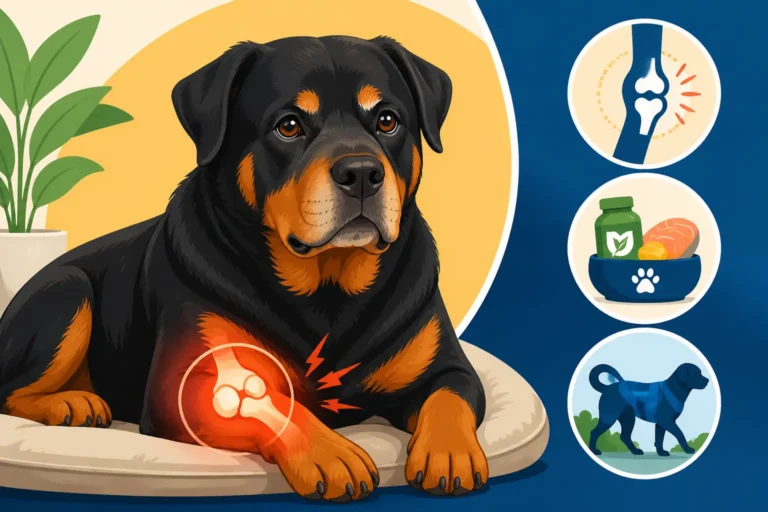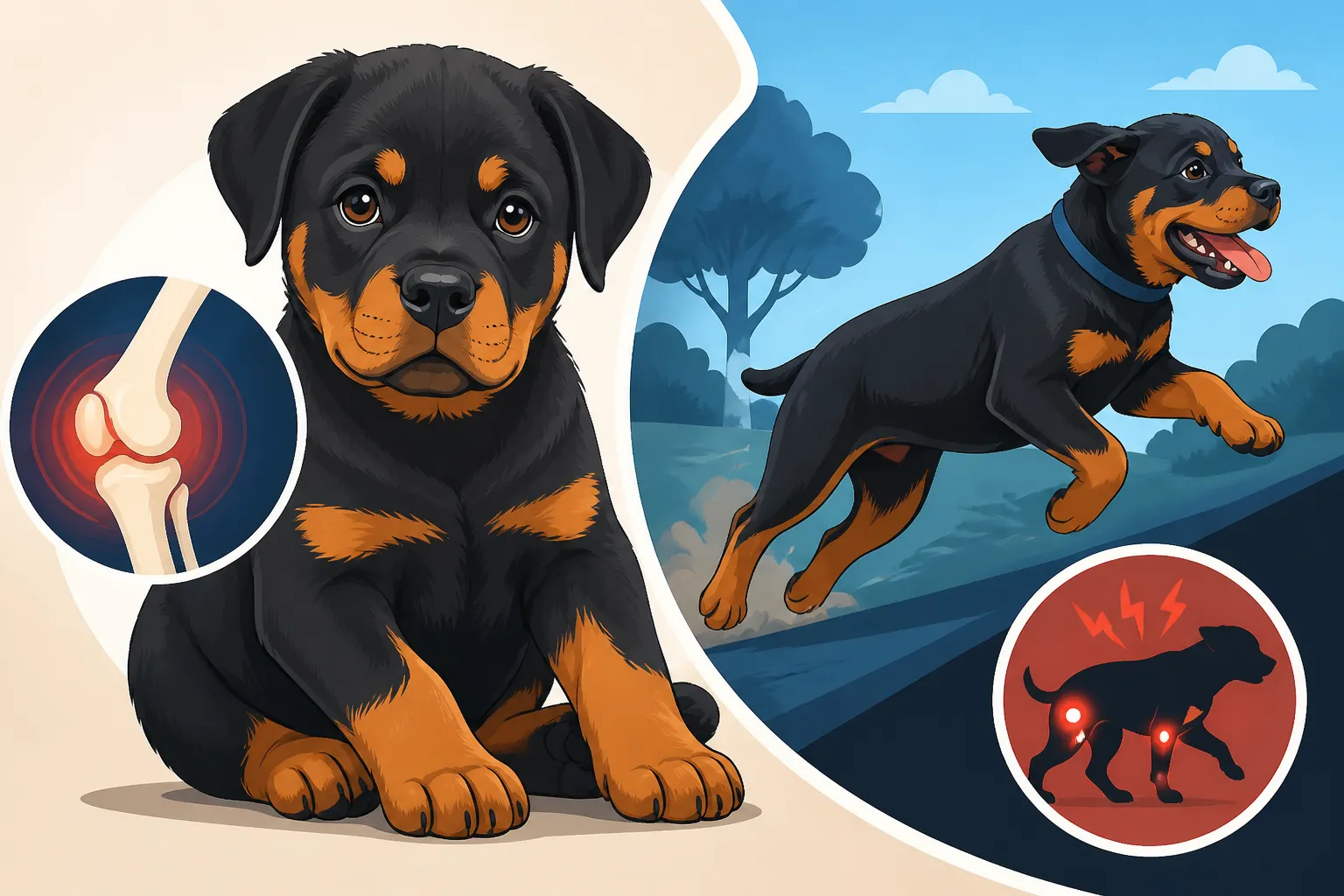
A Growing Rottweiler’s Joints and Overexercise
It’s an exciting, yet often nerve-wracking, experience to bring home a Rottweiler puppy. You see that boundless energy, that desire to play, and your natural instinct is to give them all the exercise they could possibly want. But many well-meaning owners don't realize that too much activity, especially the wrong kind, can actually do irreparable harm to a growing Rottweiler's delicate joints. This guide will walk you through why your Rottie pup's joints are so vulnerable and how to ensure their robust future health without overdoing it.
Why a Rottweiler's Joints Are So Vulnerable
Rottweilers are magnificent, powerful dogs, but their rapid growth and significant adult size mean their skeletal system undergoes immense change during their first two years. This period is a critical window where careful management can prevent lifelong issues. Understanding the biological realities of their development is the first step in protecting them.
The Unfused Growth Plates
Unlike humans, whose growth plates (epiphyseal plates) fuse relatively early, a Rottweiler puppy's growth plates remain open and vulnerable for an extended period. These are areas of cartilage located near the ends of long bones, like those in the legs, where new bone tissue is generated. They are softer than mature bone and highly susceptible to injury. Imagine a stack of coins: the cartilage is like the soft clay between the coins. Any undue stress, twisting, or impact can damage this delicate growth plate, leading to abnormal bone development, pain, and potentially lifelong lameness. For a Rottweiler, these plates typically don't fully close until they are between 18 and 24 months old, sometimes even later. This means that activities that might be fine for a smaller, faster-maturing breed can be genuinely detrimental for a Rottweiler, as discussed in detail in posts about Rottweiler Growth Plates and Why They Close So Late and Rottweiler Growth Plates Closing at Eighteen to Twenty-Four Months.
Rapid Growth and Heavy Body Mass
Think about the sheer increase in size a Rottweiler undergoes. A tiny, wobbly puppy can easily grow into a 100-pound (or more) adult in less than two years. This incredible growth spurt puts immense pressure on their still-developing bones, joints, and ligaments. Their bones are getting longer, their muscles are getting stronger, but the structures that hold it all together are still maturing. When you combine open growth plates with the increasing leverage and weight of a rapidly growing body, the risk of injury from inappropriate exercise skyrockets. It's not just about the impact; it's also about the sheer mass that's moving, twisting, and landing. This heavy body mass means that even minor slips or jumps can have significant consequences on their still-soft joints.
Genetic Predispositions and Their Impact
While not directly caused by overexercise, genetic predispositions certainly heighten the risk of joint problems when combined with improper activity levels. Rottweilers, like many large breeds, are unfortunately prone to conditions such as hip and elbow dysplasia. These conditions are polygenic, meaning multiple genes contribute to them, but environmental factors, especially during growth, play a huge role in how severely they manifest. A puppy with a genetic tendency towards weak joints might be able to manage with very careful, controlled exercise, but overexercise can push them over the edge, turning a mild predisposition into a debilitating condition. This is why reputable breeders prioritize health clearances for hips and elbows, aiming to minimize the genetic risk. However, even with the best genetics, diligent care during the growth phase is paramount. Understanding Rottweiler Hip Dysplasia and the OFA Grade and Rottweiler Elbow Dysplasia and Front Leg Lameness can give you a better grasp of these common inherited issues.
The Dangers of Overexercise for a Growing Rottweiler
It's tempting to think that more exercise equals a healthier, stronger dog, especially with a breed as robust-looking as a Rottweiler. However, for a puppy, this couldn't be further from the truth. The consequences of pushing a young Rottweiler too hard are varied and can have devastating, long-lasting effects.
Common Injuries from Excessive Activity
When a Rottweiler puppy is overexercised, particularly with high-impact or repetitive activities, the types of injuries we frequently see often involve those vulnerable growth plates. For instance, repeated jumping, especially off furniture or out of a car, can cause microtrauma or even a fracture to the growth plates in the legs, leading to a condition like osteochondritis dissecans (OCD) in the shoulders or elbows. Forced running, like jogging alongside a bicycle or long, uncontrolled sessions at a dog park with sharp turns and sudden stops, can damage soft tissues like ligaments and tendons, or worse, lead to issues like panosteitis, a painful inflammation of the long bones, which often presents as a Shifting Lameness and Panosteitis in a Rottweiler Puppy. Even something as seemingly innocuous as going up and down stairs repeatedly can be problematic for a young Rottweiler, which is why we often advise against Stairs and a Rottweiler Puppy Every Day during their most rapid growth phase.
Long-Term Consequences of Early Damage
The real tragedy of early joint damage is that it often has lifelong repercussions. A growth plate injury, for example, might not just heal; it could heal improperly, causing one bone to grow longer than the other, leading to limb deformities and gait abnormalities. This imbalance can then place undue stress on other joints, predisposing them to early arthritis and chronic pain. Even if a specific injury isn't obvious, the cumulative microtrauma from years of improper exercise can accelerate the onset and severity of conditions like hip and elbow dysplasia that they might already be genetically predisposed to. Imagine a future where your majestic Rottweiler, still relatively young, is already struggling with mobility, requiring expensive pain management or even complex surgeries. That's a future we want to help you avoid. Planning for potential health issues and their associated costs is vital, and a good pet insurance plan from providers like Healthy Paws can certainly help mitigate the financial stress should these issues arise.
The Hidden Risks of Repetitive Stress
It's not always a single, dramatic injury that causes problems. Often, it's the insidious nature of repetitive stress. Think about a puppy constantly fetching a ball in a long, straight line, or repeatedly jumping to catch a disc. These actions, even if they don't seem overtly forceful, put continuous, predictable strain on the same joints, day after day. This kind of chronic stress can lead to micro-fractures, inflammation, and eventual breakdown of cartilage and bone. Activities like forced running or sustained, high-speed play on hard surfaces are particularly risky. What looks like an energetic romp to us can be an endurance challenge for their soft, developing structures. The advice for The Exercise That Damages a Growing Rottweiler emphasizes avoiding these exact scenarios. The goal should always be to build strength and stamina gradually, allowing their body to mature and adapt without forcing it.
Safe Exercise for Rottweiler Puppies and Adolescents
Navigating the world of exercise with a growing Rottweiler can feel like walking a tightrope: you want them healthy and fit, but you don't want to cause harm. The key is moderation, supervision, and choosing the right types of activities for their developmental stage.
The "Five Minute Rule" and Its Application
For young Rottweiler puppies, a golden guideline often cited is the "five-minute rule." This means that for every month of your puppy's age, they should have approximately five minutes of structured, leashed exercise, twice a day. So, a four-month-old puppy would get about 20 minutes of walking, twice a day. This is a general guideline, not a strict rule, but it helps manage expectations for puppy walks. It doesn't include free play in a safe, fenced yard, but rather controlled walks on a leash. The emphasis here is on controlled and low-impact. No forced running, no long jogs. The idea is to allow them to explore, sniff, and build confidence on the leash without putting excessive strain on their still-developing joints. This is crucial for avoiding The Exercise That Damages a Growing Rottweiler and preserving their long-term soundness.
Controlled Play and Supervised Exploration
Beyond leashed walks, free play in a safe, soft-surfaced area (like grass) is excellent for puppies. This allows them to self-regulate their activity levels. They can sprint, pounce, and wrestle, but they can also stop and rest when they're tired. The key is supervision. Make sure they aren't engaging in overly rough play with other dogs that might be too large or too rambunctious, which could lead to accidental injury. Also, avoid allowing them to repeatedly jump off high surfaces like beds, couches, or car trunks. Even small drops can lead to significant impact on soft joints, as highlighted in "Why a Rottweiler Should Not Jump Down From the Car." Engaging them with puzzle toys or short, engaging training sessions can provide mental stimulation without the physical strain. A short game of fetch on a soft lawn where the puppy doesn't have to make sharp turns can also be fine, but keep it brief.
Low-Impact Activities for Developing Joints
Once your Rottweiler is a bit older, say past 10-12 months, and if they've had proper joint clearances, you can gradually introduce more varied, but still low-impact, activities. Swimming is often hailed as one of the best exercises for developing and maintaining joint health at any age. It provides excellent cardiovascular conditioning and muscle strengthening without any impact on the joints. Walking on varied, soft terrain like dirt trails or sand can also be beneficial, building strength and proprioception (awareness of body position) without the jarring impact of pavement. These activities help build muscle that supports the joints, leading to greater stability as they mature. Always remember that any new activity should be introduced slowly and incrementally, carefully observing your puppy for any signs of discomfort or fatigue.
Recognizing Signs of Joint Stress and Injury
Even with the best intentions and the most careful exercise regimen, accidents can happen, or a subtle issue might begin to manifest. Being attuned to your Rottweiler's body language and movement is critical for early detection and intervention.
Subtle Lameness and Gait Changes
It's not always a dramatic limp that screams "injury." Often, joint problems in growing Rottweilers start subtly. You might notice a slight head bob when they walk, or an unevenness in their stride. They might seem hesitant to jump into the car or climb stairs that they previously navigated with ease. Sometimes, the lameness can be intermittent, seeming to resolve only to reappear days later. This "shifting lameness" is particularly common with conditions like panosteitis, where the pain can move from one leg to another. Pay close attention after periods of rest, as stiffness can be more noticeable when they first get up. If you spot any of these changes, even if minor, it's worth a closer look and potentially a vet visit. Early intervention is key to preventing minor issues from escalating.
Behavioral Indicators of Pain
Dogs are incredibly stoic creatures, often masking pain until it becomes severe. However, there are behavioral cues that can indicate joint discomfort. A Rottweiler in pain might become less enthusiastic about play, show reluctance to go on walks, or generally seem lethargic. They might struggle to find a comfortable position to lie down, constantly shifting or whimpering softly. Some dogs might become withdrawn or, conversely, become irritable or even snap when touched in a painful area. Licking at a particular joint or paw excessively can also be a sign of localized pain or discomfort. Any unexplained change in temperament or activity level should prompt you to consider pain as a possibility and consult your veterinarian. Remember, your Rottweiler relies on you to interpret these often quiet signals. When considering the health of your Rottweiler, especially if problems arise, understanding your pet insurance options from companies like Healthy Paws can be incredibly reassuring.
When to Consult Your Veterinarian
If you notice any persistent lameness, gait changes, behavioral signs of pain, or swelling around a joint, don't delay in contacting your veterinarian. It’s always better to be safe than sorry when it comes to a growing Rottweiler's joints. Your vet can perform a thorough physical examination, and depending on their findings, may recommend diagnostic imaging such as X-rays to assess the bones and joints. Early diagnosis of conditions like growth plate injuries, osteochondritis dissecans, or early signs of hip or elbow dysplasia can significantly influence the treatment options and prognosis. Sometimes, a vet might even suggest specific joint supplements like those mentioned in Joint Supplements Started Early in a Rottweiler, but always under professional guidance. Never self-diagnose or self-treat, as this can lead to further harm.
Nutrition and Supportive Care for Joint Health
Beyond carefully managed exercise, what you feed your Rottweiler puppy and how you manage their weight plays an enormous role in their joint development and long-term health. Nutrition isn't just about growth; it's about healthy growth.
The Critical Role of a Balanced Diet
Feeding a large breed puppy food designed specifically for large breeds is paramount for a Rottweiler. These formulas are carefully balanced to promote slow, steady growth rather than rapid, explosive growth. The calcium-to-phosphorus ratio is particularly critical. Too much calcium, or an imbalance in these minerals, can interfere with proper bone development and lead to orthopedic problems. Avoid supplementing your puppy's diet with extra calcium unless specifically instructed by your vet for a diagnosed condition, as this can do more harm than good. The protein content is also important; while puppies need protein for muscle development, excessive protein doesn't necessarily mean faster or better growth and can also contribute to developmental orthopedic diseases. Focusing on a high-quality, vet-recommended large breed puppy formula helps ensure your Rottweiler gets the correct nutrients without accidental imbalances.
Appropriate Joint Supplements
The topic of joint supplements for puppies is often debated, but many veterinarians and breeders will recommend starting certain supplements proactively, especially in large breeds prone to joint issues. Glucosamine and chondroitin are common ingredients known for their role in cartilage health and reducing inflammation. Omega-3 fatty acids, particularly EPA and DHA, also have anti-inflammatory properties that can support overall joint health. However, it's crucial to consult your veterinarian before adding any supplements to your Rottweiler's diet. They can advise on the appropriate type, dosage, and when to start them, based on your puppy's individual needs and health status. Remember, supplements are not a substitute for a good diet or proper exercise management, but they can be a valuable addition to a comprehensive joint health plan. You can find more information on this topic in articles like Joint Supplements Started Before a Rottweiler Turns Two.
Maintaining a Healthy Weight
Perhaps one of the most impactful things you can do for your Rottweiler's joint health, from puppyhood through old age, is to maintain a lean body condition. A "chubby" puppy might look cute, but excess weight puts immense, unnecessary stress on their developing joints. This added load can exacerbate genetic predispositions to dysplasia and accelerate the wear and tear on cartilage. Even a few extra pounds can significantly increase the forces on hips, elbows, and knees. Regular weight checks at your vet and learning to assess your dog's body condition score at home are vital. You should be able to easily feel your Rottweiler's ribs without seeing them, and they should have a discernible waist when viewed from above. If your Rottweiler carries too much weight, it can multiply the load on their hips, as explored in How Rottweiler Weight Multiplies the Load on Its Hips, making conditions like hip dysplasia even worse.
Long-Term Joint Health Strategies
Protecting your Rottweiler's joints isn't just about their puppy years; it's a lifelong commitment. The habits you establish early on will set the stage for their mobility and comfort well into their senior years.
Continuing Moderate Exercise into Adulthood
Once your Rottweiler's growth plates have closed and they are fully mature (typically after 18-24 months), you can gradually increase their exercise intensity and duration. However, moderation remains key, especially for a large, heavy breed. Focus on consistent, moderate exercise that builds and maintains muscle strength without excessive impact. Regular walks, hiking on varied terrain, and swimming are excellent choices. Avoid sudden, intense bursts of activity if your dog isn't conditioned for it. Weekend warrior syndrome, where a dog goes from sedentary to highly active, can lead to injuries even in mature dogs. Listen to your dog's cues; if they seem tired or sore after an activity, scale it back. Remember that exercise is about quality and consistency, not just quantity.
Regular Veterinary Check-ups and Screenings
Annual veterinary check-ups are crucial for monitoring your Rottweiler's joint health throughout their life. Your vet can perform orthopedic examinations to assess range of motion, detect any stiffness or pain, and check for early signs of arthritis or other joint issues. For breeds prone to hip and elbow dysplasia, many owners choose to have their dogs formally screened through organizations like the Orthopedic Foundation for Animals (OFA) when they are two years old. Even if you're not planning to breed, knowing your dog's joint status can help you tailor their exercise and preventive care. As your Rottweiler enters their senior years, these check-ups become even more vital for Senior Rottweiler Mobility Decline and managing age-related arthritis, a topic discussed in depth in Managing Arthritis in an Older Rottweiler. Early detection of issues can lead to earlier intervention, potentially slowing the progression of disease and improving your dog's quality of life. This is also where having reliable pet insurance, such as a plan from Healthy Paws, can be incredibly beneficial for covering ongoing treatments or specialist visits.
Environmental Modifications for Joint Support
Think about your home environment and how it impacts your Rottweiler's joints. Slippery floors can be a major culprit for slips and falls, especially for large breeds. Consider adding rugs or runners to hard floors, particularly in high-traffic areas. Ramps can be invaluable for helping your Rottweiler get into and out of cars, onto furniture, or even up and down a few steps, reducing the impact on their joints. Orthopedic beds provide better support than thin mats, cushioning joints and promoting more restful sleep, which is important for recovery and reducing stiffness. In their golden years, a dog sling or mobility harness can offer additional support, making it easier for them to navigate stairs or get up from a lying position. These small modifications can make a big difference in maintaining your Rottweiler's comfort and mobility as they age.
| Rottweiler Age | Safe Activities | Unsafe Activities (Avoid) | Key Considerations |
|---|---|---|---|
| 8-16 Weeks | Short, controlled walks (5 min/month) | Forced running, stairs, rough play with large dogs | Focus on socialization, gentle exploration |
| Supervised free play on soft surfaces (grass) | Jumping on/off furniture, repetitive fetch | Ensure footing is secure, keep sessions brief | |
| Mental stimulation (puzzle toys, short training) | Long hikes, prolonged dog park visits | Protect vulnerable growth plates, prevent fatigue | |
| 4-12 Months | Moderate leashed walks (5-10 min/month) | High-impact jumping (e.g., agility, frisbee) | Continued growth plate vulnerability, rapid weight gain |
| Swimming (non-forceful, for short periods) | Repetitive activities on hard surfaces (e.g., pavement jogging) | Build muscle gradually, maintain lean body condition | |
| Supervised off-leash play with compatible dogs | Forced running alongside bikes, intense retrieving sessions | Allow self-regulation, avoid overheating | |
| 12-18 Months | Gradually increasing walk duration | Competitive agility or jumping sports | Growth plates may still be closing, check for lameness |
| Swimming, hiking on soft trails | Marathon-like exercise, hard impact landings | Continue to avoid excessive strain, focus on conditioning | |
| Introduction to light obedience or rally work | Sudden, unconditioned bursts of activity | Monitor for fatigue and recovery post-exercise | |
| 18-24 Months+ | Once growth plates confirmed closed by vet | Any activity causing limping or clear discomfort | Build fitness progressively, focus on joint protection |
| Can begin more strenuous activities gradually | Overweight condition, sudden increases in intensity | Regular vet check-ups, consider joint supplements (vet-approved) | |
| Long walks, running, more demanding hikes | Rough play with dogs significantly larger or smaller | Maintain muscle mass, monitor for early arthritis signs |
Disclaimer
The information provided in this article is for general informational purposes only and does not constitute veterinary advice. Always consult with a qualified veterinarian for any health concerns or before making any decisions about your Rottweiler's health, diet, or exercise regimen.