Raised Bowls for a Rottweiler With Bad Hips
It's heartbreaking to watch your beloved Rottweiler struggle with something as fundamental as eating and drinking, especially when their hips are giving them trouble. That tell-tale stiffness, the hesitant approach to the food bowl, or the awkward shifting of weight can make mealtime a painful ordeal for them, and a worrying one for you. This guide is here to walk you through how raised bowls can offer relief for Rottweilers grappling with hip pain, while also covering all the important considerations you absolutely need to know.
The Daily Struggle: Why Eating Can Hurt for a Rottweiler with Bad Hips
Imagine trying to touch your toes with a sore back or stiff knees. That's a bit like what a Rottweiler with hip issues experiences every time they lower their head to a bowl on the floor. Their large, powerful build, which we adore, can become a burden when joints aren't functioning smoothly. It's not just discomfort; it can genuinely be painful, making them dread mealtime instead of looking forward to it.
The Mechanics of Bending Down
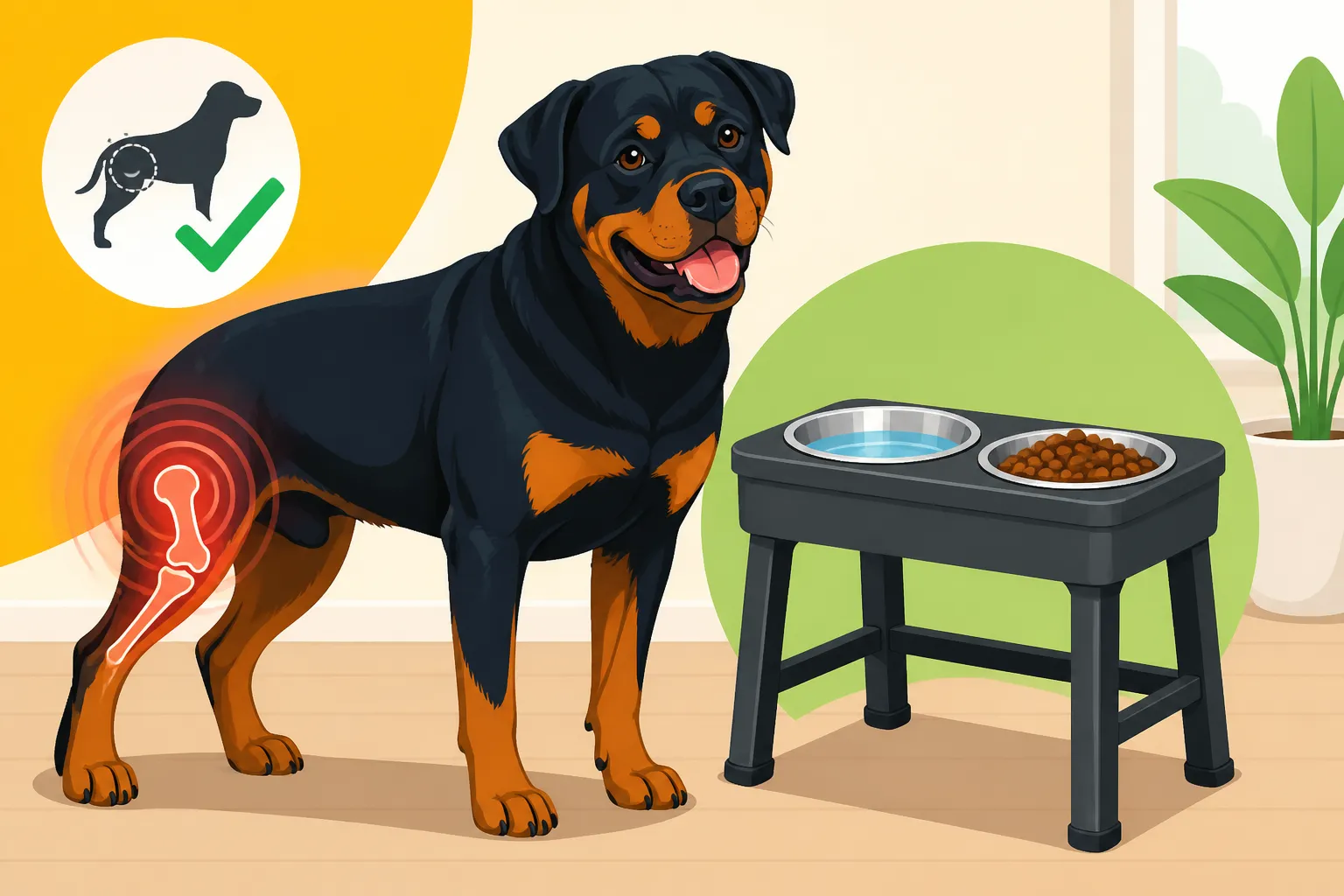
When a large dog like a Rottweiler lowers its head to a floor-level bowl, it's not just a simple bend. Their entire hind end shifts, putting considerable pressure and torque on their hip joints, knees, and even their lower spine. For a dog that might already be dealing with conditions like Rottweiler Hip Dysplasia and the OFA Grade or the general aches of arthritis, this movement can cause a sharp twinge or a dull, persistent ache.
Think about the leverage involved. A Rottweiler is a substantial dog, often weighing over a hundred pounds. Bending down forces their weight onto already compromised joints. You might notice them doing a little 'dance' around the bowl, trying to find a less painful angle, or perhaps they'll eat more slowly than usual, taking breaks as if the effort is too much. Some might even avoid finishing their meal, not because they're not hungry, but because the discomfort outweighs their appetite. It's a subtle but clear signal that something isn't right, and a low bowl is only making it worse.
Joint Pain and Posture Challenges
Existing pain in the hips doesn't just make bending difficult; it forces your Rottweiler to adopt unnatural postures to cope. They might splay their front legs out, hunch their back, or shift their weight excessively onto their front quarters, trying desperately to alleviate pressure on their rear. While this might provide temporary relief, over time, it can lead to secondary issues like muscle strain in the shoulders or neck, or even accelerate wear and tear on other joints that are taking on extra load.
If your Rottweiler is showing early signs of lameness, or if you know they have a condition like hip dysplasia, a floor-level bowl is essentially asking them to perform a painful squat multiple times a day. As dogs age, these issues only tend to compound. Managing Arthritis in an Older Rottweiler often involves finding ways to reduce daily physical stressors, and something as seemingly minor as eating posture can make a significant difference in their overall comfort and quality of life. Providing an elevated surface for their bowls removes this specific, repetitive strain from their daily routine, allowing them to maintain a more natural, upright stance while they enjoy their food and water.
Understanding Raised Bowls: Benefits and Considerations
Raised bowls, also known as elevated feeders, have been a topic of much discussion among large breed owners for years. On one hand, they offer clear ergonomic advantages for certain dogs. On the other, there's a long-standing debate about their potential link to a life-threatening condition in deep-chested breeds. Navigating this means understanding both the pros and the careful considerations.
How Raised Bowls Can Help with Mobility
For a Rottweiler struggling with hip pain, the primary benefit of a raised bowl is immediately apparent: it brings the food and water up to their level. This means no more deep bending or uncomfortable stretching. They can stand in a more natural, relaxed posture, keeping their spine aligned and their weight evenly distributed. This simple change can significantly reduce the strain on their hips, knees, and lower back, making meal times a much more comfortable and dignified experience.
Beyond just the hips, raised bowls can be beneficial for dogs with other orthopedic issues, such as neck pain, or those recovering from surgeries. For dogs with megaesophagus, a condition where the esophagus doesn't properly move food to the stomach, eating from a raised position can help gravity assist the food's descent, reducing regurgitation risks. When a dog can eat comfortably, they often eat more calmly, which can also help with digestion and potentially reduce the amount of air they gulp down during a meal. It's about easing their physical burden, making a basic need less challenging, and adding to their overall well-being, especially for senior dogs experiencing Senior Rottweiler Mobility Decline.
The Bloat Debate and Gastric Dilatation Volvulus GDV
Now, here's where we need to pump the brakes a bit and talk about a serious concern for Rottweiler owners: bloat, or Gastric Dilatation Volvulus (GDV). This is a terrifying, life-threatening condition where a dog's stomach fills with gas, twists, and cuts off blood supply. It requires immediate emergency surgery. For many years, it was widely believed that elevated feeders prevented bloat by slowing down eating and reducing air intake. However, a large study conducted by Purdue University actually suggested the opposite – that raised feeders might increase the risk of bloat in large, deep-chested breeds like Rottweilers.
This finding caused a significant shift in thinking. The exact mechanisms aren't fully understood, and the research is complex, but the takeaway is that if you're considering a raised bowl, you must be aware of this potential risk. It's a nuanced discussion to have with your veterinarian, weighing the benefits for hip comfort against the potential, albeit debated, risk of bloat. This is why vigilance for Recognizing Bloat in a Rottweiler is paramount for all owners of the breed, regardless of their feeding setup. Some owners might opt for preventive measures like Gastropexy to Prevent Rottweiler Bloat which surgically tacks the stomach to the abdominal wall, if their vet recommends it and they want to use a raised feeder. This complex risk factor means that decision-making around feeding height should always involve careful consideration and professional veterinary advice.
Other Health Considerations Beyond Hips
While hip health is often the driving force behind choosing raised bowls for a Rottweiler, these feeders can offer advantages for other conditions too. As mentioned, dogs with megaesophagus often benefit significantly from eating upright. For Rottweilers with back issues, spondylosis, or even just general stiffness from age, the ability to eat without hunching can provide considerable relief.
However, it's also possible to go too high. If a bowl is too elevated, it can cause new strain on your Rottweiler's neck or shoulders, defeating the purpose. The ideal height should allow them to stand naturally with their head slightly lowered, not straining up or having to extend their neck uncomfortably. This is especially important for growing Rottweiler puppies, whose Rottweiler Growth Plates and Why They Close So Late mean their bones and joints are still developing for an extended period. Introducing a raised bowl too early, or at an inappropriate height, for a puppy without hip issues could potentially cause other problems. It’s always about finding that sweet spot for their individual comfort and health needs.
Choosing the Right Raised Feeder for Your Rottweiler
Selecting a raised feeder isn't a one-size-fits-all decision, especially with a dog as substantial as a Rottweiler. You'll want something that's not only comfortable for them but also durable enough to withstand their enthusiasm and size, and easy for you to keep clean.
Key Features to Look For
When you're browsing for a raised feeder, think long-term and heavy-duty.
- Height Adjustability: This is probably the most crucial feature. A good feeder will allow you to adjust the height, sometimes with multiple settings. This is ideal because your Rottweiler's needs might change as they age or if their condition progresses. It also helps you find that "just right" height that avoids neck strain. Brands often offer models that can be set anywhere from a few inches off the ground to over two feet, which is perfect for a full-grown Rottweiler.
- Stability: A lightweight, flimsy feeder is going to be a disaster with a powerful dog like a Rottweiler. Look for feeders made from heavy-duty materials like solid wood, thick plastic, or powder-coated steel. A wide base, anti-slip feet, or a substantial weight will prevent tipping and sliding during mealtime. You don't want your dog nudging it over and spilling food everywhere, or worse, hurting themselves.
- Bowl Material: Stainless steel bowls are often the best choice for hygiene. They're non-porous, easy to clean, and resistant to bacteria. Ceramic bowls are also good but can chip or break more easily. Avoid plastic bowls, which can harbor bacteria in scratches and might not be as durable for a strong chewer.
- Ease of Cleaning: Life with a Rottweiler is messy enough! Make sure the bowls are removable and dishwasher-safe, and that the stand itself can be easily wiped down. Some stands have nooks and crannies that collect grime, so look for smooth, accessible surfaces.
You can often find a wide array of options on online retailers like Chewy or Amazon, where you can read reviews specifically from other large breed owners to gauge durability and stability.
Finding the Perfect Height
This isn't an exact science, but there's a good way to get close. Have your Rottweiler stand in their natural, comfortable posture. Measure from the floor to the top of their shoulders. The ideal bowl height should generally be about 4-6 inches below that measurement. This allows them to eat without bending their neck down significantly, but also without reaching uncomfortably upwards.
Watch them as they eat. Are they straining? Are they stretching their neck? Is their posture awkward? Adjust the feeder if it's adjustable, or try different heights until you see them eating with ease, their back relatively straight, and their head only slightly bowed. Remember, a height that works well for a younger dog might not be right for a senior dog with worsening mobility or a different set of pain points. It's worth re-evaluating the height periodically as your Rottweiler ages or their condition changes.
Where to Find Good Options
When it comes to sourcing a quality raised feeder, you've got plenty of options. Major pet supply retailers, both brick-and-mortar and online, are good starting points. Online platforms like Chewy and Amazon offer extensive selections, allowing you to filter by size, material, and features like adjustability. This is where those customer reviews really shine – look for feedback from owners of other large, powerful breeds regarding stability and longevity. You might find feeders by popular brands known for their sturdy construction for large dogs.
For those interested in fresh food or subscription services, some companies like Ollie might offer insights into optimal feeding setups, though their primary focus is on nutrition. However, for the physical feeder itself, you'll generally be looking at specialized pet product manufacturers. Don't be afraid to invest a bit more in a well-built feeder; a cheap plastic option won't stand up to the test of a Rottweiler's daily use, and you'll end up replacing it quickly. Prioritize something that is robust, stable, and easy to sanitize, keeping in mind the long-term comfort and health of your magnificent companion.
Integrating Raised Bowls into Your Rottweiler's Routine
Bringing a new piece of equipment into your Rottweiler's routine, especially something as central as their food and water bowls, requires a thoughtful approach. It’s not just about placing it down; it’s about ensuring they accept it happily and that it truly benefits their health without introducing new problems.
Gradual Introduction and Observation
Even if the new feeder is designed for comfort, some dogs can be hesitant about changes to their routine or environment. Introduce the raised bowl gradually. You might start by placing their old bowl on a sturdy stack of books or a low box for a few days before transitioning to the new, purpose-built feeder. Let them sniff and explore the new setup without pressure.
Observe your Rottweiler carefully during and after meals. Do they seem more comfortable? Are they eating with less hesitation? Watch for any signs of discomfort, such as backing away, reluctance to approach, or new stiffness in their neck or shoulders. If they seem uneasy, try adjusting the height slightly or going back to the old setup for a day or two and reintroducing more slowly. A positive association with their new feeding station is key, so make it a good experience. This mindful approach can prevent potential behavior issues and ensure the raised bowl is a welcome addition to their daily life.
Water Bowls and Hydration
It's easy to focus solely on the food bowl, but don't forget the water! Hydration is critical for all dogs, and especially for those with joint issues, as water helps lubricate joints and maintain overall body function. If your Rottweiler struggles to lower their head for food, they'll likely have the same discomfort bending for water.
Consider getting a matching raised water bowl or a separate, equally stable elevated water station. Ensure there's always fresh, clean water available at a comfortable height. You might even want to have multiple elevated water sources around the house, especially if your Rottweiler spends time in different rooms, to encourage consistent hydration. Just as with food, monitor their water intake and ensure they are drinking comfortably without straining.
Beyond the Bowl: Holistic Hip Care
While a raised bowl can be a wonderful tool for improving mealtime comfort, it's just one piece of the puzzle when it comes to managing hip pain in a Rottweiler. A truly holistic approach looks at every aspect of their well-being.
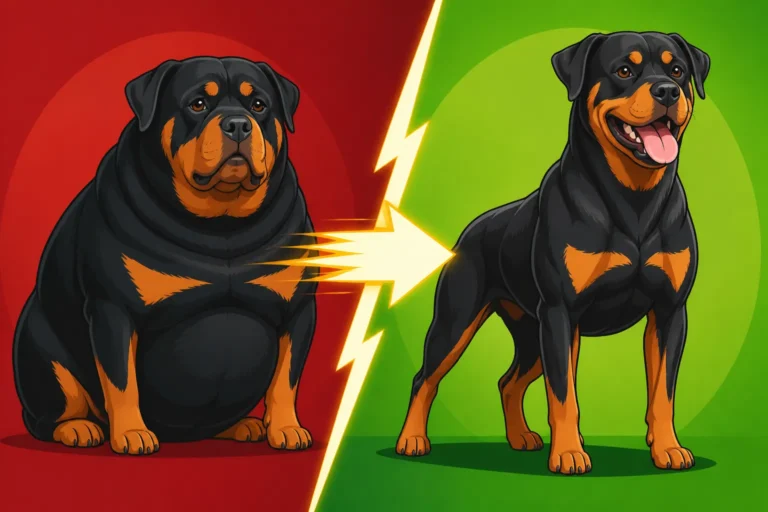
- Weight Management: This cannot be stressed enough. Every extra pound on a Rottweiler's frame puts immense strain on their joints. Keeping your Rottweiler at a lean, healthy weight is perhaps the single most impactful thing you can do to alleviate hip pain and slow the progression of conditions like arthritis. If your Rottweiler is overweight, work with your vet on a plan for How Rottweiler Weight Multiplies the Load on Its Hips and reduction.
- Joint Supplements: Many veterinarians recommend joint supplements containing ingredients like glucosamine, chondroitin, and MSM. These can help support cartilage health and reduce inflammation. Starting joint supplements early can be beneficial even before major symptoms appear, acting as a proactive measure.
- Controlled Exercise: While strenuous activity can be detrimental, appropriate, low-impact exercise is vital for maintaining muscle mass and joint flexibility. Short, gentle walks, swimming, or carefully managed play sessions can help. Avoid high-impact activities like jumping or long runs, especially if their growth plates are still open.
- Physical Therapy: Canine physical therapy, including modalities like hydrotherapy (underwater treadmill), massage, and targeted exercises, can do wonders for improving mobility, strength, and reducing pain.
- Veterinary Care: Regular check-ups with your vet are paramount. They can offer pain management solutions, anti-inflammatory medications, and discuss advanced treatments if needed. They are your best resource for tailoring a comprehensive care plan specific to your Rottweiler's condition and needs.
A raised bowl is a thoughtful gesture, but true relief comes from a multi-faceted approach, showing your Rottweiler just how much you care about their comfort and long-term health.
Disclaimer
This article is for general informational purposes only and does not constitute professional advice. Laws, prices and regulations vary by location and change over time. Consult a qualified professional for guidance on your specific situation.