What a Rottweiler Should Never Be Fed
It’s a common scenario: you’re in the kitchen, preparing a meal, and your big, loving Rottweiler is right there, gazing up at you with those soulful eyes. It’s hard to resist sharing a little something from your plate, right? But the truth is, many foods perfectly safe and delicious for humans can be outright toxic, or at least incredibly harmful, for our Rottweiler companions. This guide is here to shed light on exactly what a Rottweiler should never be fed, helping you keep your powerful family member safe and healthy.
The Hidden Dangers in Your Pantry: Common Human Foods to Avoid
Our kitchens are full of items that seem innocent enough, but for a dog as large and sensitive as a Rottweiler, they can pose significant risks. It's not just about the big, obvious dangers; sometimes, it's the hidden ingredients in everyday items that can cause the most trouble. Knowing these potential pitfalls is the first step in safeguarding your dog's health.
Chocolate, Coffee, and Caffeine
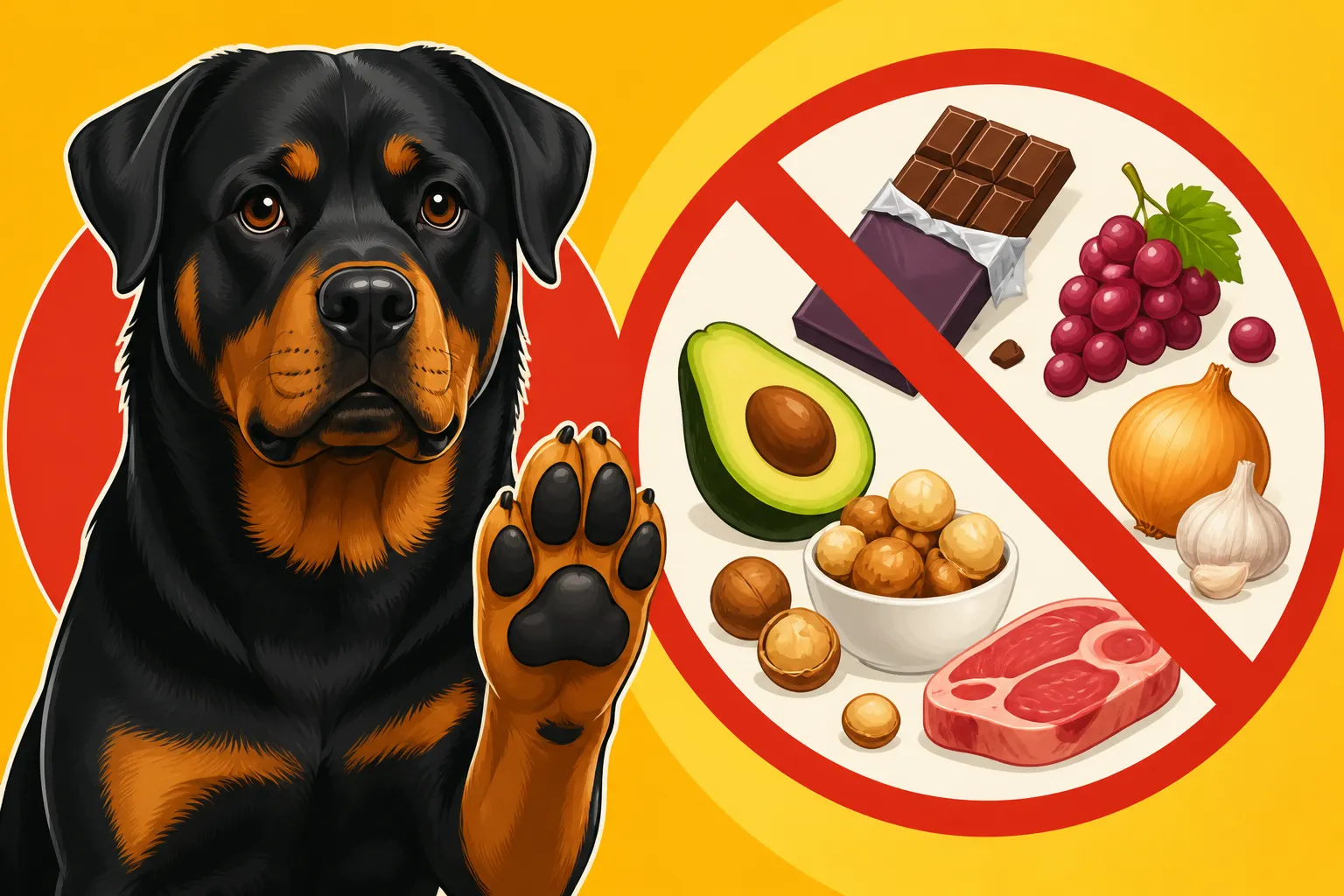
This one is probably the most well-known, and for good reason. Chocolate contains a compound called theobromine, which dogs metabolize much more slowly than humans do. This means it stays in their system longer, building up to toxic levels. The darker the chocolate, the higher the concentration of theobromine, making baking chocolate and dark chocolate particularly dangerous. Even a small amount of dark chocolate can cause serious issues for a Rottweiler, despite their size.
The symptoms of chocolate poisoning can range from mild to severe, depending on the amount ingested and the dog's individual sensitivity. You might see vomiting, diarrhea, increased thirst, and restlessness in milder cases. As the toxicity escalates, you could witness tremors, seizures, an elevated heart rate, and even heart failure. It’s a truly frightening experience, and definitely not something you want your Rottweiler to go through. Keep all chocolate, in any form, securely out of reach.
Beyond chocolate, any product containing caffeine is also a no-go. This includes coffee beans, ground coffee, tea bags, energy drinks, and even some over-the-counter medications. Caffeine acts as a stimulant in dogs, just like theobromine, and can lead to similar severe symptoms such as hyperactivity, elevated heart rate, and seizures. Always be vigilant about where you leave your morning coffee cup or used tea bags, as an inquisitive Rottweiler nose can find anything.
Grapes and Raisins: A Mysterious Threat
Grapes and raisins are another common household food that carries a significant, albeit mysterious, risk for dogs. While the exact toxic agent is still unknown, ingestion can lead to acute kidney failure in some dogs. What makes this particularly unnerving is that there's no clear dose-response relationship; some dogs can eat a few and be fine, while others experience severe illness after consuming only a small handful. This unpredictability makes them incredibly dangerous.
Because we don't know why or how they're toxic, it’s always safest to treat grapes and raisins as strictly off-limits. This includes grape juice, currants, and any baked goods containing raisins, like oatmeal raisin cookies or trail mix. Even if your Rottweiler has eaten them before without apparent issue, that doesn't guarantee safety for future exposures. The cumulative effect or a change in sensitivity could lead to problems down the line.
The signs of grape or raisin toxicity often begin with vomiting and diarrhea within a few hours of ingestion. Over the next 12-24 hours, you might observe lethargy, decreased appetite, abdominal pain, and an increase in thirst and urination, which can then progress to a decrease in urine production if kidney failure develops. If you suspect your Rottweiler has eaten any amount of grapes or raisins, contact your veterinarian immediately. Time is of the essence in preventing serious damage to their kidneys.
Onions, Garlic, and Chives: The Allium Family
The entire Allium family—which includes onions, garlic, chives, and leeks—is toxic to dogs. These vegetables contain compounds that can damage a dog's red blood cells, leading to a condition called hemolytic anemia. This means their body starts destroying its own oxygen-carrying red blood cells, which can be very serious. While cooking them slightly reduces the potency, it doesn't eliminate the risk entirely, so cooked or raw, they should be avoided.
Garlic, in particular, is often seen as a beneficial supplement for humans and sometimes even suggested for dogs, but for a Rottweiler, it's best to err on the side of caution and avoid it. While it takes a relatively large amount to cause acute toxicity, smaller, repeated doses can lead to cumulative damage over time, slowly affecting their red blood cells. Symptoms might not appear immediately, often taking several days to manifest, which can make diagnosis challenging if you don't recall a specific ingestion.
Symptoms of Allium toxicity include lethargy, weakness, pale gums, rapid breathing, and dark urine. In severe cases, a blood transfusion might be necessary. Think about all the foods we eat that contain these ingredients: pasta sauces, gravies, stews, seasonings, and even baby food. It's crucial to ensure that any human food scraps or meals you share with your Rottweiler are completely free of these common flavor enhancers.
Xylitol: A Sweetener's Deadly Secret
Xylitol is a sugar substitute that has become increasingly common in human products, and it's extraordinarily toxic to dogs. While harmless to people, even a small amount can cause a rapid and severe drop in a dog's blood sugar (hypoglycemia) due to a massive release of insulin. This can lead to disorientation, seizures, and even liver failure within a very short time frame. It’s a truly terrifying toxin because of how quickly and severely it acts.
You'll find xylitol in a surprising number of products these days. It's in many brands of sugar-free gum, candies, mints, and certain types of peanut butter. It's also used in some chewable vitamins, toothpastes, mouthwashes, and even some baked goods labeled "sugar-free." Always check the ingredient list of any new product, especially if it's something your Rottweiler might get into. A quick check on the ingredient list for "xylitol" can save a life.
If your Rottweiler ingests xylitol, symptoms can appear within 15-30 minutes, or sometimes be delayed for a few hours. Early signs include vomiting, weakness, staggering, collapse, and seizures. If you know or suspect your Rottweiler has eaten anything with xylitol, do not wait for symptoms to appear—seek immediate veterinary attention. This is a true emergency, and prompt treatment is critical for a positive outcome.
Bones, Fat, and Other Dietary No-Nos
While some foods are outright toxic, others pose different kinds of threats, from physical injury to digestive upset that can be just as dangerous for a large breed like a Rottweiler. It’s not just about poison; it’s about what their robust digestive system is not designed to handle.
Cooked Bones: Splintering Hazards
It's an image ingrained in popular culture: a dog happily gnawing on a bone. However, cooked bones are a serious hazard for any dog, especially powerful chewers like Rottweilers. The cooking process makes bones brittle, causing them to easily splinter into sharp shards. These shards can then cause a myriad of problems, from lacerating the mouth and throat to causing internal damage as they pass through the digestive tract.
Imagine your Rottweiler, with its impressive jaw strength, crunching down on a cooked chicken leg bone. Those brittle pieces can pierce the esophagus, stomach lining, or intestines. Even if they don't cause a perforation, they can lead to blockages or severe constipation. This can be excruciatingly painful and often requires emergency surgery to resolve. It's simply not worth the risk, no matter how much your dog seems to enjoy them. When considering chews, always opt for safe, size-appropriate alternatives. You can find many durable, non-splintering options on Amazon or Chewy.
While raw recreational bones are a different category and a topic of much debate (you can learn more about this in Raw Feeding a Rottweiler and Bone Safety), cooked bones are a universal no-go. If you're looking for something for your Rottweiler to chew on, always choose commercially available chews specifically designed for large, powerful breeds. These are typically made from digestible materials or are constructed to be safely gnawed without splintering. Protecting their teeth is also vital; Cracked Teeth in a Rottweiler That Chews Hard discusses why some chews are too hard.
High-Fat Foods and Pancreatitis Risk
We all love a good fatty meal, and sometimes it's tempting to share a bit of bacon grease, steak fat, or rich table scraps with our eager dogs. However, feeding high-fat foods to your Rottweiler can lead to a painful and potentially life-threatening condition called pancreatitis. The pancreas is an organ that produces enzymes for digestion and hormones like insulin. When it becomes inflamed, these digestive enzymes can begin to "digest" the pancreas itself, causing severe pain and organ damage.
Rottweilers, like many larger breeds, can be prone to pancreatitis, and a sudden influx of rich, fatty food is a common trigger. Symptoms often include severe abdominal pain, repeated vomiting, diarrhea, lethargy, loss of appetite, and a hunched posture. This condition requires immediate veterinary attention and can involve hospitalization, intravenous fluids, pain management, and a special low-fat diet for recovery. The recovery process can be long and delicate, emphasizing the importance of prevention.
Beyond pancreatitis, consistently feeding high-fat table scraps contributes heavily to obesity. A Rottweiler Obesity and the Load It Adds is a serious concern, putting extra strain on their joints, heart, and overall health. While an occasional tiny, lean scrap might not be harmful, it's best to stick to their regular, balanced diet. If you're looking for healthy, perfectly portioned meal options, services like Ollie offer fresh food that eliminates the guesswork of balancing nutrients and avoiding harmful ingredients.
Excessive Salt, Sugar, and Spices
Just like humans, dogs can suffer adverse effects from consuming too much salt, sugar, or spices. Excessive salt intake can lead to sodium ion poisoning, causing symptoms such as vomiting, diarrhea, lethargy, excessive thirst and urination, tremors, seizures, and even death in severe cases. Foods like potato chips, pretzels, and certain processed meats contain surprisingly high levels of sodium that are far too much for a Rottweiler's system.
While a little bit of sugar won't kill your Rottweiler, consistent consumption of sugary treats can lead to obesity, dental problems, and potentially diabetes over time. Their bodies aren't designed to process the refined sugars found in human desserts and candies. Remember, a Rottweiler Lifespan and the Eight to Ten Year Average is already shorter than we wish, and diet plays a huge role in maximizing those precious years.
Spices and seasonings are also problematic. Many common kitchen spices, especially those used in large quantities in savory dishes, can irritate a dog's digestive system, leading to upset stomach, vomiting, or diarrhea. Hot peppers (like chili powder or cayenne) can cause extreme discomfort, burning their mouth and digestive tract. When preparing your own meals, be mindful of where you leave spices and seasoned foods accessible to curious paws.
The Risks of Raw and Under-Cooked Foods
The trend of feeding dogs raw or minimally processed foods has grown, but it comes with its own set of considerations, particularly concerning bacterial contamination and specific nutritional imbalances if not done correctly. For a Rottweiler, whose digestive system is robust but still vulnerable, these risks need to be thoroughly understood.
Raw Meat and Poultry: Bacterial Contamination
While some advocate for raw meat diets, it's essential to understand the inherent risks, especially when dealing with commercially unprepared raw meat or poultry. Raw meats can harbor dangerous bacteria such as Salmonella, E. coli, Listeria, and Clostridium. These pathogens can cause severe gastrointestinal illness in dogs, leading to vomiting, diarrhea (often bloody), fever, and lethargy. The consequences can be particularly serious for puppies, senior dogs, or those with compromised immune systems.
Beyond the risk to your Rottweiler, these bacteria can also pose a significant health risk to human members of the household. Handling raw meat requires strict hygiene protocols, and cross-contamination can easily occur from your dog's food bowl, saliva, or feces. Children, the elderly, and immunocompromised individuals are especially vulnerable. It's a debate that often pits perceived benefits against undeniable public health concerns.
If you are considering a raw diet, it's crucial to consult with a veterinary nutritionist to ensure it's nutritionally complete and balanced for your Rottweiler. Generic raw diets prepared at home without expert guidance often lack essential nutrients or contain imbalances that can lead to long-term health issues. For pet parents who prefer fresh food without the raw risks, reputable prepared brands like Ollie cook their ingredients, providing a safe and balanced alternative.
Raw Eggs: Biotin Deficiency and Salmonella
Raw eggs are another food item that often comes up in discussions about canine diets. While a fully cooked egg can be a healthy, protein-rich treat for your Rottweiler, feeding raw eggs carries two main risks: biotin deficiency and Salmonella contamination. The protein avidin, found in raw egg whites, can bind to biotin (a B vitamin) in the dog's gut, preventing its absorption. While it would take a large number of raw eggs over time to cause a true biotin deficiency, it's still a consideration.
More immediately concerning is the risk of Salmonella, a common bacterial contaminant found on and within raw eggs. Just like with raw meat, Salmonella can cause serious gastrointestinal distress in dogs, including vomiting, diarrhea, fever, and lethargy. Again, this bacteria can also be easily transmitted to humans through handling or contact with contaminated surfaces.
For these reasons, it's simply safer to feed eggs cooked if you choose to include them in your Rottweiler's diet. Scrambled, boiled, or poached eggs offer all the nutritional benefits without the associated risks of biotin antagonism or bacterial illness. Always remember that any additions to their regular diet should be in moderation and contribute to their overall health.
Raw Dough: Yeast and Alcohol Poisoning
Leaving raw bread dough out to rise is a classic kitchen mistake when you have a curious dog, especially a large breed like a Rottweiler. Raw yeast dough poses a dual threat: it can expand rapidly in the warm, moist environment of a dog's stomach, potentially causing bloat (gastric dilatation-volvulus, or GDV) and it produces alcohol as the yeast ferments. Bloat is a true emergency for Rottweilers, as discussed in Recognizing Bloat in a Rottweiler and Bloat in a Rottweiler and the Hours That Matter.
The expanding dough can cause the stomach to distend significantly, putting pressure on other organs and potentially twisting. This is a life-threatening condition that requires immediate surgical intervention. Simultaneously, the yeast fermentation process creates ethanol, which can be absorbed into the bloodstream, leading to alcohol poisoning. Symptoms of alcohol poisoning include vomiting, disorientation, lethargy, staggering, weakness, hypothermia, seizures, and respiratory depression.
If you suspect your Rottweiler has ingested raw dough, it's critical to seek emergency veterinary care immediately. Do not wait for symptoms to develop. This situation combines two very dangerous scenarios – bloat and alcohol toxicity – making it one of the most urgent emergencies to address. Always keep raw dough far out of reach, preferably in an area inaccessible to your powerful and intelligent Rottweiler.
Plants, Medications, and Other Non-Food Dangers
It's not just food items we need to be wary of; many non-food substances commonly found in our homes and gardens can be incredibly dangerous if ingested by a Rottweiler. Their curiosity, combined with their size, means they can get into things quickly and ingest a significant amount before you even realize it.
Household Plants: More Than Just Decoration
Many common household and garden plants, while beautiful to us, are toxic to dogs. An innocent nibble on a leaf or flower can lead to serious health issues. Lilies, for example, are highly toxic to cats but can also cause gastrointestinal upset and other issues for dogs. Sago palms are extremely dangerous, with even a small amount of the seeds or leaves capable of causing severe liver failure. Azaleas and rhododendrons can cause cardiac issues and gastrointestinal distress.
Other plants to be cautious of include tulips and daffodils (bulbs are especially toxic), oleander, castor bean, cyclamen, and many varieties of ivy. It's a long list, and it's easy to overlook a plant you’ve had for years. Always research any new plant before bringing it into your home or garden, and be vigilant about your Rottweiler's access to existing greenery. Garden Plants a Rottweiler Should Not Reach goes into more detail on specific plants.
Symptoms of plant poisoning vary widely depending on the plant and the amount ingested, but often include vomiting, diarrhea, lethargy, drooling, tremors, or difficulty breathing. If you catch your Rottweiler chewing on a plant or suspect they have ingested part of one, try to identify the plant and contact your veterinarian or a pet poison control hotline immediately. Having the plant identified can greatly assist in rapid and effective treatment.
Medications and Supplements: Not for Paws
Human medications and supplements are a leading cause of pet poisoning. A Rottweiler, with its size and ability to get into child-proof containers (or simply knock them off a counter), is at high risk. Common over-the-counter pain relievers like ibuprofen (Advil, Motrin) and acetaminophen (Tylenol) are extremely toxic. Ibuprofen can cause stomach ulcers and kidney failure, while acetaminophen can lead to liver damage and red blood cell disorders. Even seemingly benign supplements like iron tablets can be dangerous.
Prescription medications are equally, if not more, dangerous. Heart medications, antidepressants, ADHD drugs, and blood pressure medications can all have severe, life-threatening effects on dogs. Often, a dog only needs a fraction of a human dose to experience toxicity. Never leave medication bottles or pill organizers within reach, even if they're "securely" closed; a determined Rottweiler can often chew through plastic.
If your Rottweiler ingests any human medication or supplement, call your vet or an emergency animal hospital immediately. Do not wait to see if symptoms develop. Providing the name of the medication and the approximate dosage ingested will be crucial for guiding treatment. This is another situation where prompt action can be the difference between a full recovery and a tragic outcome.
Chemicals and Household Cleaners
Our homes contain numerous chemicals and cleaning products that are highly toxic to dogs. Antifreeze, with its deceptively sweet taste, is one of the deadliest. Even a small lick can cause acute kidney failure and is often fatal if not treated immediately. Pest control products, such as rat poison or slug bait, are also incredibly dangerous and often formulated to be palatable to animals, making them a significant threat.
Household cleaning products like bleach, drain cleaner, oven cleaner, and even some laundry detergents can cause severe chemical burns to the mouth, esophagus, and stomach, as well as systemic toxicity. Even mild-sounding products like fabric softener sheets can be toxic if ingested, causing irritation and illness. Always store these products in secure, inaccessible cabinets, and ensure any spills are thoroughly cleaned before your Rottweiler has a chance to investigate.
Symptoms of chemical ingestion can vary wildly but often include vomiting, drooling, mouth irritation, lethargy, tremors, or difficulty breathing. If you suspect your Rottweiler has ingested any chemical, contact your vet immediately. The First Call When a Rottweiler Swallows Something will guide you on what information to have ready and what steps to take. It’s always better to be overly cautious than to regret not acting quickly enough.
Why a Rottweiler's Size Doesn't Make Them Immune
It's a common misconception that because Rottweilers are large and robust dogs, they can tolerate more of a toxic substance than a smaller breed. While it's true that the dose per pound of body weight is often a factor in toxicity, this doesn't grant your Rottweiler immunity. In fact, their size can sometimes work against them, and there are crucial nuances to understand.
Body Weight vs. Toxic Dose
The idea that a larger dog can handle more often comes from a basic understanding of toxicology, where a lethal dose (LD50) is often expressed per kilogram of body weight. So, theoretically, a 100-pound Rottweiler would need to consume more of a given toxin than a 10-pound Chihuahua to reach the same level of toxicity. However, this is a dangerous oversimplification. Many toxins have a threshold effect, meaning any amount above a certain minimal threshold can trigger a cascade of harmful reactions, regardless of body size.
For instance, with xylitol, even a small amount can cause a rapid and dangerous drop in blood sugar. While a tiny dog might show symptoms from a smaller piece of gum, a Rottweiler could still be gravely affected by just a few pieces, leading to liver failure. The sheer volume of food a Rottweiler can consume quickly also plays a role; they might ingest a larger absolute quantity of a toxic substance before you even notice, which can rapidly surpass any "safe" threshold. Toxic Doses Scaled to a Rottweiler's Body Weight explains this complex topic in more detail.
Furthermore, an emergency vet visit for a large dog like a Rottweiler is often more complicated and expensive. Anesthesia doses are larger, IV fluids are needed in greater quantities, and specialized equipment might be required. Preventing ingestion in the first place is always the safest and most cost-effective approach. Never assume your Rottweiler's size will protect them from something harmful.
Breed-Specific Sensitivities
Beyond general body weight, some breeds have specific genetic predispositions or metabolic pathways that make them more sensitive to certain substances. While Rottweilers aren't necessarily known for a long list of unique sensitivities compared to, say, Border Collies with ivermectin sensitivity, it's a reminder that individual responses can vary greatly. What one dog tolerates, another might not.
For example, certain breeds are more prone to developing pancreatitis, and a sudden, rich, fatty meal could trigger it. While not exclusively a Rottweiler trait, their predisposition to bloat (GDV) means that any food that causes excessive gas or stomach upset, like raw dough, carries a double threat. Being aware of your individual Rottweiler's unique sensitivities and health history is just as important as knowing the general breed traits.
This means that even if a friend's Labrador once ate a whole chocolate cake and was "fine," that's absolutely no indication that your Rottweiler would have the same outcome. Each dog is an individual, and the safest approach is always to treat every potentially harmful substance as if it could cause severe illness, regardless of your dog's size or previous experiences.
Emergency Action: What to Do If Your Rottweiler Eats Something Dangerous
Despite our best efforts, accidents happen. A curious nose finds a forgotten snack, or a package is left within reach. Knowing what to do in those critical moments can make all the difference for your Rottweiler's survival and recovery. Panic is a natural reaction, but a calm, informed response is what your dog needs most.
Immediate Steps and Contacting Your Vet
The very first thing you should do if you suspect your Rottweiler has ingested something dangerous is to remain calm and immediately contact your veterinarian or an emergency animal hospital. Do not wait to see if symptoms develop. Time is often a critical factor in treating poisonings effectively. Have crucial information ready when you call:
- What was ingested? Be as specific as possible (e.g., "three squares of baking chocolate," "sugar-free gum with xylitol," "one Advil tablet"). If it was a product, read the ingredients list to them.
- How much was ingested? Estimate the quantity (e.g., "half a cup," "about 5 grapes," "a handful").
- When was it ingested? Give an approximate time (e.g., "within the last 30 minutes," "sometime in the last 2 hours," "I'm not sure, but it was before noon").
- Your Rottweiler's weight and any known health conditions or medications. This helps them calculate toxic doses and assess risks.
- Any symptoms you've observed.
Do not try to find solutions online before calling a professional. Online information can be misleading, outdated, or simply not apply to your specific situation or breed. Professional guidance from a licensed veterinarian is paramount. They will advise you on the best course of action, which might involve bringing your dog in immediately, monitoring them at home, or even inducing vomiting under their direction. The First Call When a Rottweiler Swallows Something offers a detailed checklist for these urgent situations.
Induced Vomiting: When and How (and When NOT to)
Inducing vomiting at home is a controversial topic, and it's something you should never attempt without explicit instructions from your veterinarian or a pet poison control center. While it can be helpful in some cases to remove toxins from the stomach before they are absorbed, it can be incredibly dangerous in others.
Your vet might advise you to induce vomiting if your Rottweiler has ingested a toxin recently (usually within 1-2 hours) and the substance is not corrosive or petroleum-based. For example, hydrogen peroxide might be recommended by a vet for certain ingestions. However, inducing vomiting when the substance is a sharp object (like a cooked bone splinter), a corrosive chemical (like bleach), or a petroleum product can cause further damage to the esophagus and lungs on the way back up. It can also be dangerous if your dog is already lethargic, weak, or having seizures, as they could aspirate the vomit into their lungs.
Therefore, the golden rule is always to seek professional veterinary advice first. They will determine if inducing vomiting is safe and appropriate for your Rottweiler's specific situation and will guide you on the safest method. Having activated charcoal on hand at home might be tempting, but again, it's best administered by a vet after the initial assessment. Your best bet is always a quick phone call and following their precise instructions, ensuring your Rottweiler receives the most appropriate and timely care.
| Category | Harmful Food/Item | Potential Danger to Rottweilers | Symptoms to Watch For |
|---|---|---|---|
| Human Foods | Chocolate (especially dark/baking) | Theobromine toxicity, stimulating nervous system and heart. | Vomiting, diarrhea, restlessness, tremors, seizures, elevated heart rate, collapse. |
| Grapes/Raisins | Unknown toxic agent leading to acute kidney failure. Severity varies, but any amount is risky. | Vomiting, diarrhea, lethargy, decreased appetite, abdominal pain, increased thirst/urination, decreased urine output. | |
| Onions, Garlic, Chives, Leeks | Compounds in Allium family damage red blood cells, leading to anemia. Cumulative effect possible. | Lethargy, weakness, pale gums, rapid breathing, dark urine. | |
| Xylitol | Rapid, severe drop in blood sugar (hypoglycemia), liver failure. Found in sugar-free gum, peanut butter, etc. | Vomiting, weakness, staggering, collapse, seizures. | |
| Avocado | Contains Persin (mildly toxic). Primarily causes gastrointestinal upset in dogs, but can be serious. | Vomiting, diarrhea, lethargy. | |
| Macadamia Nuts | Unknown toxin affecting digestive, nervous, and muscle systems. | Weakness, tremors, vomiting, fever, inability to walk. | |
| Other Consumables | Cooked Bones | Splintering hazards (choking, internal lacerations, blockages, severe constipation). | Choking, gagging, vomiting, abdominal pain, straining to defecate, bloody stool. |
| High-Fat Foods | Can trigger pancreatitis (inflammation of the pancreas), leading to severe abdominal pain and digestive distress. Also contributes to obesity. | Severe vomiting, diarrhea, abdominal pain (hunched posture), lethargy, loss of appetite. | |
| Raw Yeast Dough | Expands in stomach (bloat/GDV risk) and produces alcohol (alcohol poisoning). | Bloating, retching, restlessness, weakness, disorientation, seizures, collapse. | |
| Alcohol | Even small amounts can cause alcohol poisoning due to rapid absorption. | Vomiting, diarrhea, disorientation, lethargy, staggering, difficulty breathing, coma, death. | |
| Non-Food Items | Certain Household Plants | Toxic compounds vary by plant (e.g., Sago Palm causes liver failure; Lilies cause kidney issues in cats, GI upset in dogs). | Vomiting, diarrhea, drooling, tremors, seizures, lethargy (symptoms vary widely). |
| Human Medications (ibuprofen, Tylenol) | Highly toxic doses for dogs. Ibuprofen causes ulcers/kidney failure; Tylenol causes liver damage/red blood cell issues. | Vomiting, black/tarry stools, lethargy, pale gums, weakness, abdominal pain, increased thirst/urination, seizures. | |
| Antifreeze | Ethylene glycol causes acute kidney failure. Deceptively sweet taste. | Vomiting, lethargy, staggering, excessive thirst/urination (early); decreased urination, oral ulcers, seizures (later stages). | |
| Rat/Mouse Poison | Various types cause different issues (anticoagulants, neurological, etc.). Often formulated to be palatable. | Bleeding (internal/external), weakness, lethargy, tremors, seizures, kidney failure (symptoms vary by type of poison). |
In conclusion, ensuring your Rottweiler's well-being means being incredibly diligent about what they eat and what they can access. Their impressive size and strength don't make them immune to the dangers lurking in our human environments. By understanding the specific risks associated with common foods, raw ingredients, household plants, and medications, you can create a safer home for your beloved companion. Always prioritize proper, balanced nutrition from a reputable source, and keep all potential toxins securely out of reach. Your Rottweiler depends on your vigilance for a long, healthy life.
Disclaimer
This article is for general informational purposes only and does not constitute professional advice. Laws, prices and regulations vary by location and change over time. Consult a qualified professional for guidance on your specific situation.