Vet Visit Frequency for a Senior Rottweiler
Bringing a Rottweiler into your life means understanding that while they fill your home with immense loyalty and love, their senior years can arrive sooner than with smaller breeds, often bringing a host of health challenges. The question of how often to take your beloved, aging Rottweiler to the vet becomes a pressing concern for many owners, who want to ensure their companion's comfort and health for as long as possible. This comprehensive guide aims to illuminate the recommended vet visit frequency for senior Rottweilers, detailing what these appointments entail and how proactive care can make a significant difference in their quality of life.
Understanding When Your Rottweiler Becomes a Senior
It's a tough pill to swallow, but large breeds like Rottweilers generally age faster than their smaller counterparts. While a Chihuahua might not be considered "senior" until well into its double digits, your Rottweiler typically enters its golden years around the age of seven. This means that a significant portion of their Rottweiler Lifespan and the Eight to Ten Year Average is spent navigating the physical changes that come with aging. This accelerated timeline is precisely why their veterinary care needs to shift and intensify.
Why the Definition of "Senior" Matters
For Rottweilers, hitting that seven-year mark isn't just a number; it's a critical turning point for their health. At this stage, their bodies begin to experience wear and tear more rapidly. Organs might not function as efficiently, joints that have carried a substantial weight for years can start to protest, and the immune system might not be as robust. Identifying your Rottweiler as a senior early helps you and your veterinarian switch from a preventative maintenance mindset to one focused on early detection and management of age-related conditions. Missing this transition can mean missing crucial opportunities to intervene before a minor issue becomes a major problem, impacting their overall well-being.
Shifting from Annual to Semi-Annual Visits
For most of their adult lives, annual vet check-ups are sufficient for a healthy Rottweiler. However, once they reach senior status, the recommendation universally shifts to semi-annual visits, meaning twice a year, or roughly every six months. This isn't just about more frequent greetings at the clinic; it's about tightening the monitoring window. Six months in a senior Rottweiler's life can be equivalent to several human years, and a lot can change in that time. Conditions like Rottweiler Cancers Beyond the Bone, heart disease, or osteoarthritis can progress silently, only showing obvious signs once they're advanced. These more frequent visits allow your vet to catch subtle changes, establish baselines, and initiate treatments sooner, which can dramatically improve outcomes and extend comfortable, happy years.
The Expanded Senior Wellness Exam
A senior wellness exam for your Rottweiler goes beyond the typical nose-to-tail check-up you might be accustomed to. It's a much more thorough, investigative process designed to uncover the hidden ailments that often afflict older, larger dogs. Your vet is looking for the earliest indicators of issues that could impact your dog's quality of life.
Comprehensive Physical Examination and Discussion
During a senior check-up, your veterinarian will perform an even more meticulous physical exam. They'll pay extra attention to your Rottweiler's eyes, looking for signs of cataracts or glaucoma, and their ears, checking for chronic infections that can become more common with age. The oral cavity will be thoroughly inspected for Rottweiler Dental Disease and Cracked Teeth, which can lead to significant pain and systemic health problems if left untreated. Your vet will palpate every inch of their body, searching for new lumps, bumps, or masses. Given the breed's predisposition to certain cancers, like Osteosarcoma, the Cancer That Takes Most Rottweilers, these physical checks are paramount. This is also a crucial time for you to openly discuss any subtle changes you've observed at home – a slight decrease in appetite, a new hesitation before jumping, or any shifts in their usual demeanor.
In-Depth Diagnostics: Bloodwork and Urinalysis
Perhaps the most significant difference in senior vet visits is the inclusion of comprehensive diagnostic tests. Bloodwork Worth Running on a Senior Rottweiler is standard. This typically includes a complete blood count (CBC) to check for anemia, infection, or inflammation, and a chemistry panel to evaluate organ function, particularly the kidneys and liver. These internal organs can start to decline long before outward symptoms appear. A urinalysis is also vital, providing insight into kidney function, hydration status, and the presence of urinary tract infections or even certain cancers. These tests create a baseline for your Rottweiler's health as they age, allowing your vet to track trends and detect abnormalities early. For instance, subtle changes in kidney values can be an early warning, prompting dietary adjustments or supplements that can slow the progression of kidney disease.
Joint Health and Mobility Assessments
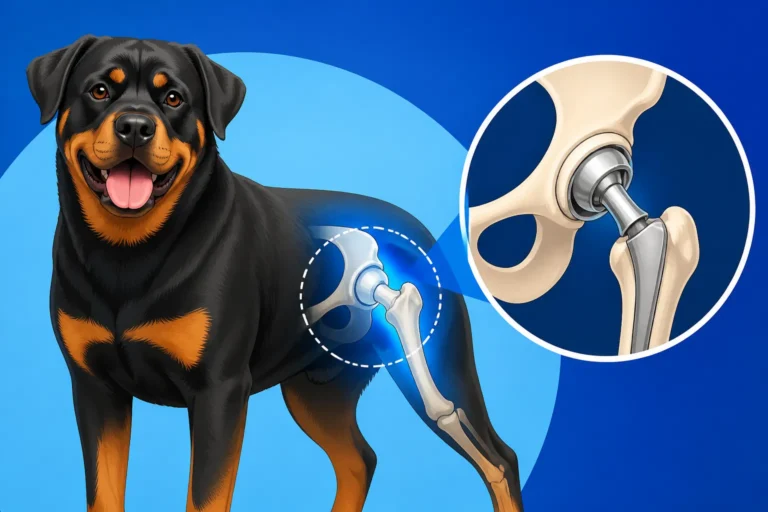
For a large, powerful breed like the Rottweiler, joint health is a paramount concern in their senior years. The cumulative stress on their hips, elbows, and spine can lead to debilitating conditions. During a senior exam, your vet will perform a thorough orthopedic assessment, carefully flexing and extending each joint to check for pain, stiffness, or reduced range of motion. They'll look for signs of arthritis, disc disease, or other degenerative conditions that contribute to Senior Rottweiler Mobility Decline. You might be asked to walk your Rottweiler so the vet can observe their gait. Early diagnosis of these issues can open the door to various management strategies, from anti-inflammatory medications and joint supplements to physical therapy and even specialized diets. Addressing mobility proactively helps your Rottweiler stay active and comfortable, which is incredibly important for their mental and physical well-being.
Weight Management and Nutritional Guidance
As Rottweilers age, their metabolism can slow down, and their activity levels often decrease. This combination makes them more prone to weight gain, which can exacerbate existing joint problems and increase the risk of other health issues, including heart disease and diabetes. Your vet will meticulously assess your senior Rottweiler's body condition score, providing personalized advice on diet and exercise adjustments. They might recommend switching to a senior-specific food that has fewer calories but still provides essential nutrients, or suggest supplements to support joint and cognitive function. Maintaining an ideal weight is one of the most impactful ways you can contribute to your senior Rottweiler's health, directly influencing their longevity and comfort. For a weighty breed, preventing Rottweiler Obesity and the Load It Adds, is critical.
Recognizing Urgent Signs for Additional Vet Trips
Even with regular semi-annual check-ups, your senior Rottweiler might exhibit signs between appointments that warrant an immediate call to the vet. These subtle shifts can be easy to dismiss as "just old age," but for a Rottweiler, they can be indicators of serious underlying health issues that require prompt attention.
Changes in Behavior or Energy Levels
Your Rottweiler's personality might mellow with age, but any sudden or significant change in behavior is a red flag. This could include increased irritability, confusion, disorientation, or withdrawal. If your once-gregarious Rottweiler suddenly shies away from interaction or seems lost in familiar surroundings, it's worth a vet visit. A sudden drop in energy, excessive panting without exertion, or reluctance to move can also signal pain, heart problems, or other medical concerns. Conditions like Rottweiler Heart Disease and Subaortic Stenosis, for instance, can manifest with subtle changes in stamina long before a full collapse. Trust your gut; you know your dog best, and if something feels "off," it probably is.
Shifts in Eating, Drinking, or Urination Habits
Pay close attention to what goes in and what comes out. A senior Rottweiler suddenly eating significantly more or less, or dramatically increasing their water intake, could indicate a metabolic disease like diabetes or kidney issues. Similarly, changes in urination frequency, volume, or accidents inside the house could point to urinary tract infections, kidney disease, or even hormonal imbalances. Diarrhea, vomiting, or straining to defecate also warrant immediate veterinary attention. These symptoms are not normal parts of aging and can quickly lead to dehydration and more severe complications, especially in large breeds.
New Lumps, Bumps, or Persistent Lick Spots
While not every lump is malignant, senior Rottweilers are unfortunately prone to various growths. If you discover a new lump or bump during petting, or notice an existing one has changed in size or texture, it should always be examined by a vet. Similarly, if your Rottweiler develops a persistent hot spot, starts excessively licking a particular area, or exhibits skin changes like redness, scaling, or hair loss, it needs attention. These can be signs of allergies, infections, or even underlying systemic illnesses that need to be addressed. Early detection of suspicious masses can be life-saving, particularly for aggressive cancers.
Obvious Pain or Difficulty Moving
While some stiffness might be expected in a senior dog, any clear signs of pain or significant difficulty moving are not normal and require prompt veterinary care. This includes limping, reluctance to use stairs or jump into the car, crying out when touched, or struggling to stand up after lying down. While it might be arthritis, it could also be something more serious, like a soft tissue injury or even bone cancer. Don't assume it's "just old age" and try to manage it at home. Your vet can accurately diagnose the source of the pain and prescribe appropriate pain management, which can dramatically improve your Rottweiler's quality of life.
Proactive Planning for Your Senior Rottweiler's Health Journey
Anticipating the needs of a senior Rottweiler allows you to provide the best possible care, mitigating stress for both you and your furry family member. This proactive approach covers financial considerations, personalized care plans, and consistent observation at home.
The Role of Pet Insurance in Senior Care
Let's be real: senior vet care can become significantly more expensive than care for a young, healthy dog. More frequent visits, diagnostic tests, medications for chronic conditions, and potential surgeries can add up quickly. This is where pet insurance can be a literal lifesaver. Companies like Healthy Paws offer comprehensive plans that can cover a significant portion of these costs, from unexpected emergencies to ongoing treatments for conditions like arthritis, diabetes, or even cancer. While it's best to enroll a Rottweiler when they're young and healthy, some plans might still offer coverage for senior dogs, though pre-existing conditions will typically be excluded. Having a policy in place can ease the financial burden and allow you to make treatment decisions based on what's best for your Rottweiler, rather than what you can afford out-of-pocket. It’s worth checking what a particular policy from a provider like Healthy Paws will cover for senior-specific needs.
Collaborating with Your Veterinarian on a Personalized Plan
Every Rottweiler ages differently, and what works for one might not be ideal for another. Your veterinarian is your most valuable partner in navigating these senior years. Work with them to create a personalized senior care plan tailored to your Rottweiler's specific health status, breed predispositions, and lifestyle. This plan should include not only the frequency of routine check-ups and recommended diagnostics but also discussions about lifestyle adjustments, such as appropriate exercise levels for A Growing Rottweiler's Joints and Overexercise, dietary modifications, and preventive measures for common senior ailments. Regular conversations about your Rottweiler's Scoring Quality of Life for a Rottweiler are also crucial, ensuring that their comfort and happiness remain the top priority as they age. This collaborative approach ensures that your Rottweiler receives truly individualized care, maximizing their health and contentment in their golden years.
Home Monitoring and Environmental Adjustments
Your home environment plays a huge role in supporting your senior Rottweiler's comfort and safety. As their mobility declines, simple adjustments can make a world of difference. Consider adding non-slip rugs on slick floors, providing orthopedic beds to cushion aching joints, or even using ramps to help them get into vehicles or onto furniture. Regularly checking your Rottweiler's paws for overgrown nails or cracked pads is also important, as these can affect their gait and comfort. Beyond physical adjustments, consistent daily observation is key. Pay attention to subtle changes in their eating habits, bathroom routines, sleep patterns, or interactions. Keeping a journal can be incredibly helpful for tracking these changes and discussing them with your vet during those semi-annual visits. Your vigilance at home is an invaluable complement to professional veterinary care, allowing you to catch issues early and provide the comfortable, loving environment your senior Rottweiler deserves. Remember, your commitment to their well-being is truly What Actually Adds Years to a Rottweiler and enriches their entire life.
| Age | Recommended Vet Visit Frequency | Key Focus Areas | Typical Diagnostics |
|---|---|---|---|
| 0-7 Years | Annually | Wellness, Vaccinations, Parasite Control, Basic Physical | Fecal, Heartworm Test (Annual) |
| 7-9 Years | Every 6 Months (Semi-Annually) | Early detection of age-related diseases, Joint health, Organ function | Full Physical, Bloodwork, Urinalysis, Dental Check, Joint Assessment |
| 9+ Years | Every 4-6 Months (Semi-Annually or more frequent based on health) | Managing chronic conditions, Pain management, Cognitive health, Quality of life | Full Physical, Bloodwork, Urinalysis, Blood Pressure, Thyroid Check (as needed), Cancer Screening |
The Value of Consistent Care
The journey with a senior Rottweiler is one of immense love, but also increased responsibility. By understanding their unique needs as they age and embracing a proactive, consistent approach to veterinary care, you're not just managing their decline; you're actively enhancing their quality of life. Those semi-annual vet visits, coupled with your keen observation at home and possibly the financial safety net of pet insurance from a provider like Healthy Paws, are the pillars of a comfortable and healthy senior life for your beloved companion. Don't underestimate the power of early detection and intervention; it truly can make all the difference in their golden years. When it's time for Rottweiler End-of-Life Planning at Nine, you'll know you gave them the very best care every step of the way.
Disclaimer
This article is intended for informational purposes only and does not constitute medical advice. Always consult with a qualified veterinarian for any health concerns or before making any decisions about your Rottweiler's medical care.