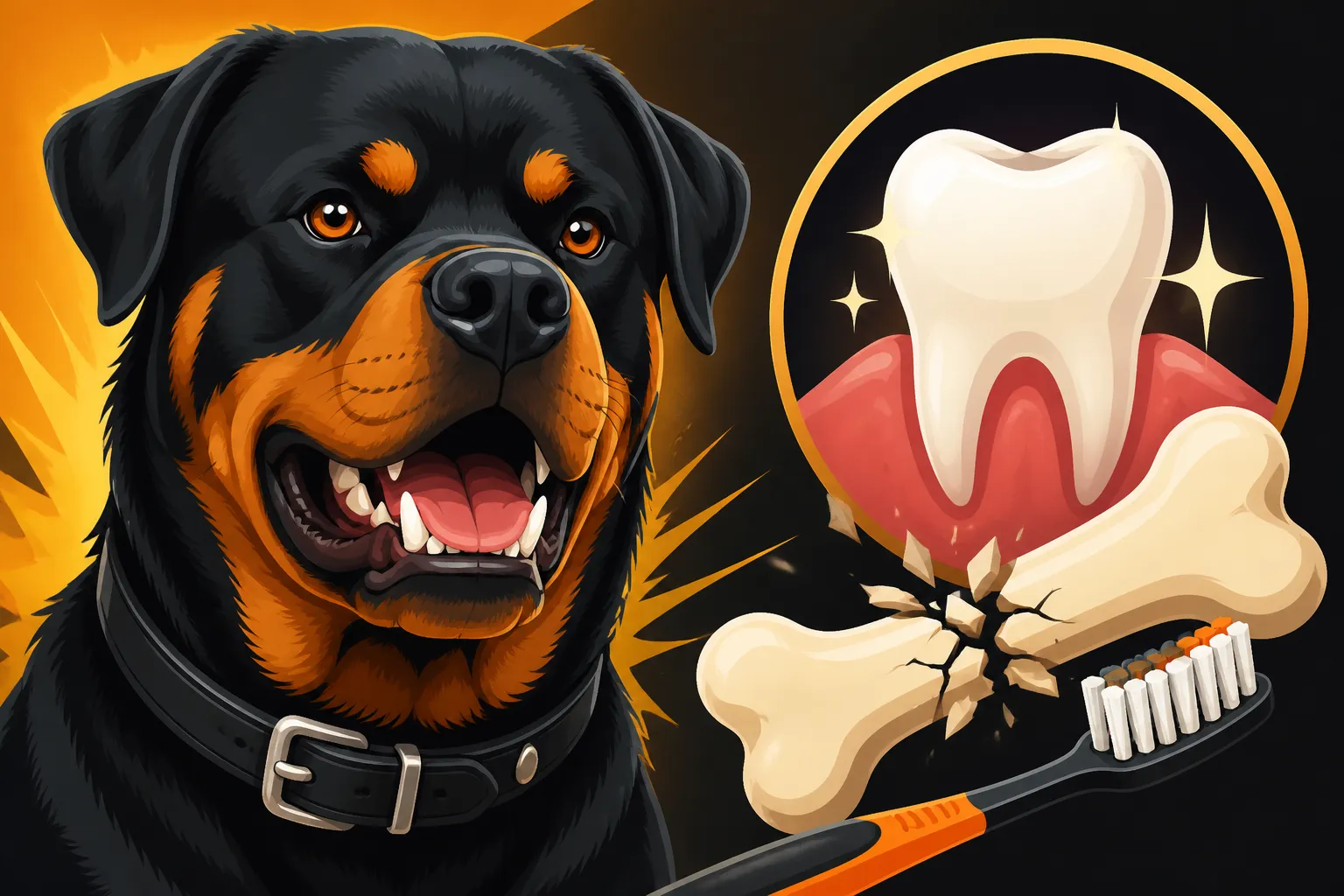
Rottweiler Dental Care for a Jaw That Cracks Bone
One of the most concerning things about owning a big, powerful dog like a Rottweiler is discovering a dental issue. You know their jaws are incredibly strong, capable of cracking bone, and that strength can ironically be their downfall when it comes to dental health. This guide is here to walk you through everything you need to know about keeping your Rottweiler's teeth healthy, from understanding their unique anatomy to choosing safe chews and recognizing the signs of trouble before they become major emergencies.
The Powerhouse Jaw: Understanding Your Rottweiler's Dental Anatomy
It's no secret that a Rottweiler's jaw is a force to be reckoned with. They were bred for strength, for driving cattle and guarding, and that raw power extends right down to their teeth and bone structure. This incredible bite force, while impressive, also makes them uniquely susceptible to certain dental problems if not managed properly. We need to understand what makes their mouths so powerful and, consequently, so vulnerable.
Bone Density and Tooth Structure
A Rottweiler's skull and jaw are built for immense pressure. Their bone density is considerable, providing a sturdy foundation for some seriously robust teeth. Imagine trying to crush something in a vise – the stronger the vise, the more force you can apply. That's essentially what's happening with your Rottweiler's jaw. Their molars, especially, are designed for grinding and crushing, with broad, flat surfaces that distribute force across a wide area. This design is fantastic for tearing through tough meat or reducing a large bone to splinters in the wild, but in a domestic setting, it means they can inflict serious damage on their own teeth if given the wrong things to chew on. They don't just chew a hard object; they crush it with surprising efficiency, often with disastrous results for their enamel.
Bite Force and Chewing Style
The actual bite force of a Rottweiler is famously high, often quoted in the hundreds of pounds per square inch. While those numbers can vary, the practical implication is clear: this is a dog that can exert immense pressure. More important than the raw number, though, is how they chew. Rottweilers tend to be very focused and determined chewers. They don't just daintily gnaw; they engage their whole body, using their powerful neck and shoulder muscles to really bear down on whatever they're working on. This combination of extreme bite force and persistent, crushing chewing means that any object deemed "hard" can quickly become a weapon against their own dental integrity. Think about it: a small chip that might happen to a lighter chewer can become a full-blown fracture or even a broken tooth in a Rottweiler simply because they're capable of applying so much more sheer pressure.
The Hidden Dangers: Why "Hard Chews" Are Often Too Hard for a Rottweiler
It's a common misconception that because Rottweilers have such strong teeth, they need really hard chews to keep them clean or satisfied. In reality, the opposite is often true. Those rock-hard chews and toys, the ones that seem indestructible, are frequently the culprits behind painful and expensive dental injuries. We want our dogs to be happy and engaged, but we also need to protect their oral health from unintended harm.
Antlers and Bones
Ah, antlers and bones! They seem like nature's perfect chew toys, right? Long-lasting, full of nutrients, and totally natural. The problem is, they're too hard for a Rottweiler's teeth. When your Rottie really bears down on an antler or a weight-bearing bone (like a femurs or knuckles), the object simply doesn't give. Instead, the tooth gives way. We're talking about anything from tiny, hairline fractures that slowly cause pain, to major slab fractures where a significant piece of the tooth, often a molar, breaks clean off. You might not even notice it at first, just a tiny chip, but that chip can expose the sensitive pulp chamber to bacteria, leading to infection, abscesses, and excruciating pain. It's heartbreaking to think something given with love could cause such harm. I've heard too many stories of a first limp that turns out to be bone pain, but sometimes that pain is in the mouth.
Ice Cubes and Rocks
You'd be surprised how many well-meaning owners offer ice cubes as a treat, especially on a hot day. While refreshing, ice is essentially a rock in terms of hardness when a Rottweiler crushes it. The same goes for any dog that decides a garden rock looks like a fun toy. The sheer force applied by a Rottweiler's jaw can easily crack or chip teeth on these unyielding objects. It’s like hitting a ceramic plate with a hammer – something has to give, and it’s usually the ceramic. This isn't about weak teeth; it's about the laws of physics and the incredible power of your dog's bite meeting an equally unyielding surface. This can lead to Cracked Teeth in a Rottweiler That Chews Hard.
Hard Nylon and KONGs
Even some commercial chew toys, specifically those marketed as "indestructible" or "super tough" hard nylon bones, can pose a risk. While many KONG products are excellent (especially the classic red or black rubber ones designed to flex), some of the harder, rigid nylon options on the market can be problematic for a Rottweiler's determined chewing. The key is flexibility. If you can't indent it with your thumbnail, or if it feels like you could crack your own tooth on it, it's likely too hard for your Rottweiler. The goal is a chew that gives a little, cleaning the teeth through friction, rather than one that challenges the tooth's structural integrity. Always check the brand's recommendations and opt for the most flexible, yet durable, options available for strong chewers. You can often find a good range of these on sites like Chewy or Amazon.
Spotting Trouble: Recognizing Signs of Dental Pain and Injury in Your Rottweiler
Rottweilers are stoic dogs. They often hide pain remarkably well, which means dental problems can fester for a long time before you notice anything is seriously wrong. It’s a survival instinct, but it makes our job as owners even harder. Being vigilant and knowing what subtle signs to look for is absolutely crucial for catching these issues early.
Behavioral Changes
When your Rottweiler is experiencing dental pain, they might not yelp or whimper, but you'll likely see changes in their normal behavior. Maybe they're suddenly reluctant to play tug-of-war, or they drop their favorite chew toy more frequently. You might notice them chewing only on one side of their mouth, or being unusually hesitant to take a hard treat. A subtle shift in their eating habits, like eating more slowly, dribbling food, or even backing away from their bowl, could be a red flag. They might become more irritable, especially if you try to touch their face or mouth, or withdraw a bit from interaction. These aren't just quirks; they're often desperate attempts to cope with chronic discomfort. Pay attention to these small changes; they speak volumes.
Physical Symptoms
Beyond behavior, there are more direct physical signs to watch for. Swelling around the jaw, under the eye, or on the gums is a serious indication of infection or abscess. Keep an eye out for visible chips, cracks, or missing teeth. Sometimes, the enamel might look discolored, or you might see a dark spot on a tooth, indicating exposed pulp. Red, inflamed, or bleeding gums are signs of gingivitis or periodontal disease. Excessive drooling, sometimes with a reddish tinge, can also point to oral pain or injury. While your Rottweiler may not enjoy it, try to get into the habit of briefly lifting their lips and checking their teeth and gums regularly. This habit, paired with good socialization practices like Rottweiler Handling Practice for Grooming, can make early detection much easier.
Foul Breath
It's tempting to think "dog breath" is just a normal part of owning a canine companion. But truly foul, persistent bad breath is not normal, and it's one of the most common and earliest indicators of dental disease. We're not talking about a little doggy smell; we're talking about a stench that makes you recoil, a truly rotten odor. This smell comes from the bacteria accumulating in plaque and tartar, infecting the gums, and potentially leading to abscesses. If your Rottweiler has Bad Breath in a Rottweiler With a Cracked Molar or severe gum disease, the smell can be truly offensive. Don't ignore it or write it off as just "being a dog." It's a clear signal that something is wrong and warrants a trip to the vet.
Proactive Care: Establishing an Effective At-Home Dental Routine
When it comes to your Rottweiler's dental health, prevention is truly the best medicine. Waiting until a problem is obvious often means dealing with significant pain and costly interventions. Establishing a consistent at-home dental care routine is one of the most impactful things you can do to prolong your Rottweiler's healthy lifespan and avoid serious issues.
Brushing Techniques
Brushing your Rottweiler's teeth daily, or at least several times a week, is the gold standard for at-home dental care. It physically removes plaque before it hardens into tartar. Start early with your Rottweiler puppy to get them used to it; Getting a Rottweiler Used to a Toothbrush Early is far easier than starting with an adult. Use a dog-specific toothbrush (sized appropriately for a Rottweiler's mouth) and dog-specific toothpaste (never human toothpaste, as it contains xylitol and fluoride which are toxic to dogs).
- Introduce gradually: Start by letting them lick the toothpaste off your finger, then slowly introduce the brush to their outer teeth and gums.
- Focus on the outside: Most plaque accumulates on the outer surfaces of the teeth, especially the large molars in the back.
- Gentle circles: Use a soft, circular motion, focusing on the gum line where plaque tends to build up.
- Positive reinforcement: Always make it a positive experience with praise and rewards.
Even a minute or two a day can make a huge difference in preventing plaque buildup and keeping those pearly whites healthy.
Dental Wipes and Sprays
If daily brushing isn't feasible, or if your Rottweiler is particularly resistant, dental wipes and oral sprays can offer a helpful alternative or supplement.
- Dental Wipes: These are usually textured pads impregnated with dental cleansing solutions. You simply wrap a wipe around your finger and rub it along your dog's teeth and gum line. They're not as effective as brushing for removing plaque from all surfaces, but they can significantly reduce bacterial load and freshen breath, especially for those hard-to-reach back teeth where plaque builds up quickly.
- Oral Sprays/Gels: These often contain enzymes or antibacterial agents that help break down plaque and improve breath. You simply spray or apply the gel directly onto your dog's teeth and gums. Many are formulated to be palatable, so dogs will often lick their lips, helping to distribute the product. While they don't provide the mechanical scrubbing action of a brush, they can be great for maintaining oral hygiene between brushings or in situations where a brush isn't practical.
Water Additives
Dental water additives are another convenient way to support your Rottweiler's oral health. These are liquids you simply add to their daily drinking water. They contain ingredients that help reduce plaque and tartar formation, neutralize bad breath, and support gum health.
- Ease of use: They require no direct application to your dog's mouth, making them ideal for dogs who resist brushing or wipes.
- Consistent exposure: Your dog gets a dose of the active ingredients every time they drink, providing continuous protection throughout the day.
- Important considerations: Always choose a veterinarian-approved product and follow the dosing instructions carefully. While effective as part of a comprehensive dental plan, they should not replace brushing entirely, especially for a breed like the Rottweiler prone to significant plaque and tartar buildup.
Professional Care: Veterinary Cleanings and When They Are Essential
Even with the best at-home care, most Rottweilers will eventually need professional dental cleanings. Just like us, plaque and tartar can build up in areas we can't reach, or simply solidify over time. These professional cleanings are much more than just a quick scrub; they are a vital part of maintaining your Rottweiler's overall health and comfort.
The Importance of Anesthesia
A comprehensive dental cleaning, often called a dental prophylactic cleaning or a COHAT (Comprehensive Oral Health Assessment and Treatment), always requires general anesthesia. I know, the idea of your big, strong Rottweiler going under anesthesia can be daunting. You're thinking about Anesthesia Risk for a Dog a Rottweiler's Size and that's a valid concern. However, it's absolutely necessary for a thorough and safe procedure.
- Thorough examination: Anesthesia allows the vet to fully examine every tooth surface, probe gum pockets, and take X-rays to assess beneath the gum line for hidden problems. You can't do this effectively on a conscious dog, especially one with a strong bite instinct.
- Scaling and polishing: It enables the use of ultrasonic scalers to remove tartar above and below the gum line, followed by polishing to smooth the enamel and deter future plaque adhesion. Trying to do this on an awake dog would be painful, stressful, and ineffective.
- Safety: Both for your dog and the veterinary team. A stressed, awake dog could easily bite, even unintentionally, during what is an uncomfortable and invasive procedure.
Before any anesthetic procedure, your vet will perform a thorough pre-anesthetic blood panel to ensure your Rottweiler is healthy enough for anesthesia. They will also typically perform an ECG or other cardiac checks, especially for a breed like a Rottweiler who can be prone to Subaortic Stenosis in Rottweiler Puppies.
Regular Check-ups
Even if your Rottweiler isn't due for a full cleaning, regular veterinary check-ups are critical for monitoring their oral health. During routine annual or semi-annual exams, your vet will perform a basic oral assessment. This involves lifting their lips, looking for obvious signs of disease, checking for lumps or bumps, and noting any bad breath. These routine checks help identify problems early, sometimes even before you notice them at home. Your vet can recommend the appropriate frequency for professional cleanings based on your Rottweiler's individual needs, age, genetics, and the effectiveness of your at-home care. Don't underestimate the value of these regular peeks into your Rottweiler's mouth; they are your first line of defense against escalating dental issues.
Advanced Diagnostics
Sometimes, a simple visual inspection isn't enough, especially with a breed like the Rottweiler that has deep-seated teeth and can be prone to fractures. This is where advanced diagnostics come into play during an anesthetized dental procedure.
- Dental X-rays: These are absolutely essential. Up to 60% of dental disease lies below the gum line, completely invisible to the naked eye. X-rays can reveal abscesses, bone loss, un-erupted teeth, fractured roots, and other painful conditions that would otherwise go undiagnosed. Without X-rays, a vet is essentially working blind.
- Periodontal Probing: A small probe is used to measure the depth of the sulcus (the pocket between the tooth and gum). Increased pocket depth indicates periodontal disease and bone loss, guiding treatment decisions.
- Charting: Every tooth is individually examined, assessed, and charted, creating a comprehensive record of your Rottweiler's oral health. This allows for precise identification of problems and tracking of progress over time. These diagnostics ensure that no hidden pain or infection goes unnoticed, providing a complete picture of your Rottweiler's oral health and guiding the most appropriate treatment.
Safe Chews and Toys: Protecting Your Rottweiler's Teeth While Satisfying Their Instincts
Rottweilers love to chew. It's a natural, healthy instinct that helps keep their minds engaged and their jaws strong. The trick is channeling that instinct into safe activities that won't compromise their dental health. Choosing the right chews and toys is critical; it's about providing satisfaction without creating a dental emergency. It's about finding Chews That Do Not Crack a Rottweiler Molar.
Appropriate Textures and Materials
When selecting chews, think "bend not break." The ideal chew for a Rottweiler should be firm enough to provide resistance and cleaning action, but flexible enough that it won't damage their teeth.
- Rubber Chews: Look for durable, high-quality rubber toys, like the classic KONG products (the black "extreme" line is often recommended for Rottweilers), or other robust rubber designs. These offer satisfying resistance without being unyielding. They flex and compress under pressure, rather than causing teeth to fracture.
- Dental Chews: Many dental chews are available from brands like Greenies or VetriScience, often found on Chewy or Amazon. These are formulated to be digestible and to have a textured surface that helps scrub away plaque. They come in various sizes and hardness levels, so be sure to select one appropriate for your Rottweiler's size and chewing intensity. While not a substitute for brushing, they can be a great addition to their dental care.
- Rawhide (with caution): If you choose rawhide, opt for large, thick, compressed varieties from reputable brands. Always supervise your Rottweiler with rawhide, as large pieces can break off and become choking hazards or cause digestive issues. Many owners opt to avoid rawhide altogether due to these risks.
Interactive Toys
Beyond simple chews, interactive toys can provide mental stimulation and healthy chewing opportunities.
- Treat-Dispensing Toys: Fill a robust rubber KONG or similar toy with peanut butter (xylitol-free!), plain yogurt, or canned dog food and freeze it. This creates a long-lasting puzzle that your Rottweiler will spend ages trying to get into, providing mental enrichment and satisfying their chewing drive without putting undue stress on their teeth. Lick mats are another great option for prolonged, gentle oral engagement.
- Puzzle Feeders: These toys require your Rottweiler to manipulate them to release kibble or treats. They encourage slower eating and provide a mental workout. While they aren't primarily for dental cleaning, they engage your dog's mouth and mind in a positive, non-destructive way.
The goal is to provide outlets for their natural chewing instincts that are safe and beneficial, rather than those that carry a high risk of injury.
Supervised Chewing Sessions
Even with the safest chews, supervision is key, especially with a strong chewer like a Rottweiler. No chew toy is truly 100% indestructible, and parts can break off over time.
- Monitor for wear: Regularly inspect your Rottweiler's chews for signs of excessive wear, cracking, or pieces breaking off. Discard and replace any damaged chews immediately to prevent accidental ingestion or choking.
- Gauge interest: Not all Rottweilers will love all types of safe chews. Experiment to find what your dog enjoys, but always prioritize safety over their preference for an inappropriate item.
- Prevent resource guarding: If you have multiple dogs or children, manage chewing sessions to prevent Bowl Guarding in a Rottweiler Bred to Guard or A Rottweiler Guarding Toys and Chews. Provide separate, safe spaces for chewing to avoid potential conflicts.
Supervised chewing allows you to intervene if a chew becomes unsafe or if your Rottweiler is struggling with it in a way that might cause injury.
Dietary Considerations for Long-Term Dental Health
What your Rottweiler eats plays a significant role in their overall health, and that includes their dental well-being. While diet alone can't replace brushing or professional cleanings, certain dietary choices can help support healthier teeth and gums.
Kibble Size and Texture
The type of kibble you feed your Rottweiler can have a minor impact on their dental health. Some kibbles are designed with larger, more abrasive pieces intended to help scrape plaque off teeth as the dog chews.
- Crunch Factor: A kibble that encourages crunching, rather than simply gulping, can offer some minimal mechanical cleaning. However, it's important to understand that standard kibble provides only a superficial cleaning action, primarily on the tips of the teeth, and it cannot effectively remove plaque or tartar from the gum line.
- Size Matters: For a Rottweiler, ensuring the kibble pieces are large enough to require some chewing, rather than being swallowed whole, is more about digestive health and preventing bloat than deep dental cleaning. Large breed formulas often have appropriately sized kibble, which you can find through online retailers like Chewy.
Remember to always feed high-quality dog food, portioned appropriately to maintain a healthy weight, as Rottweiler Obesity and the Load It Adds can exacerbate many health issues, including those related to joint stress from dental pain.
Dental Diets
For Rottweilers prone to rapid plaque buildup or those with existing mild dental disease, your veterinarian might recommend a prescription dental diet. These specialized foods are formulated with unique features to promote oral health.
- Specific Texture: Many dental diets have a patented kibble shape and texture designed to literally scrub the tooth surface as your dog bites down, providing a more comprehensive cleaning action than standard kibble.
- Dental Coatings: Some diets contain polyphosphates that bind to calcium in the saliva, preventing it from integrating into plaque and hardening into tartar.
- Digestible Ingredients: Like Ollie and other fresh food companies, many dental diets focus on highly digestible ingredients to support overall health while tackling dental concerns.
These diets have undergone rigorous testing to prove their efficacy in reducing plaque and tartar. While they are not a magic bullet and still need to be combined with other dental care practices, they can be a powerful tool in your dental hygiene arsenal, especially under veterinary guidance.
Supplements for Gum Health
Beyond food, certain supplements can contribute to overall gum health and reduce inflammation, which can be beneficial, particularly in older Rottweilers or those with a history of gingivitis.
- Omega-3 Fatty Acids: Fish oil, rich in EPA and DHA, has anti-inflammatory properties that can help reduce gum inflammation. Fish Oil Dosed for a Hundred Pound Rottweiler is a good article to review on how to administer this.
- Probiotics: A healthy gut microbiome can positively influence overall immune function, which in turn can support healthy gums.
- Antioxidants: Vitamins C and E, and other antioxidants, can help combat oxidative stress in the oral cavity.
Before adding any supplements to your Rottweiler's diet, always consult with your veterinarian. They can advise on the appropriate dosage and ensure there are no contraindications with any existing medications or health conditions your dog might have. These supplements are an adjunct to, not a replacement for, direct dental care.
Addressing Advanced Dental Problems: When Surgery Becomes Necessary
Despite our best efforts, sometimes dental problems progress to a point where more intensive treatment is required. For a Rottweiler with their strong jaws and potential for serious fractures, understanding these advanced interventions is crucial. These aren't just "fix-it" solutions; they are often critical for relieving chronic pain and preventing more severe health complications.
Root Canals and Extractions
When a tooth is fractured and the pulp chamber (the nerve-filled center of the tooth) is exposed, it's incredibly painful and a direct pathway for bacteria into the jawbone and bloodstream.
- Root Canal Therapy: For valuable or structurally important teeth, like canines or major molars, a root canal might be an option. This procedure involves removing the infected pulp, cleaning and shaping the root canal, and then filling it to prevent further infection. The tooth remains functional, saving it from extraction. It's a specialized procedure typically performed by a veterinary dentist.
- Extractions: Often, especially for severely fractured or diseased teeth, extraction is the most practical and humane solution. While losing a tooth sounds drastic, removing a chronically painful or infected tooth provides immediate relief and prevents the spread of infection. Rottweilers can adapt remarkably well to having several teeth removed, especially molars, as long as they have enough remaining teeth for comfortable eating. The focus is on eliminating pain and infection.
Jaw Fractures
Given a Rottweiler's immense bite force, it's not just their teeth that are at risk from inappropriate chewing or trauma; their jaws can also suffer. Jaw fractures are a serious, often incredibly painful, injury that can result from impact (like a car accident) or, less commonly, from aggressively chewing on an unyielding object.
- Causes: Beyond trauma, severe periodontal disease can weaken the jawbone, making it more susceptible to fracture even from normal chewing.
- Symptoms: Signs include severe pain, inability to close the mouth properly, drooling, bleeding from the mouth, and reluctance to eat or drink.
- Treatment: Jaw fractures require immediate veterinary attention and often involve complex surgical repair using wires, plates, or external fixation devices to stabilize the jaw while it heals. The prognosis depends on the severity and location of the fracture, but with skilled veterinary care, many Rottweilers can make a good recovery. These surgeries are intensive and require specialized expertise.
Post-Op Care
Whether your Rottweiler undergoes a simple extraction, a root canal, or jaw repair, post-operative care is critical for a smooth recovery and preventing complications.
- Pain Management: Your vet will prescribe pain medication to keep your Rottweiler comfortable as they heal. Administer this exactly as directed.
- Soft Food Diet: For several days to weeks, your Rottweiler will need to eat a soft food diet to avoid irritating the surgical site. This might mean canned food, kibble softened with water, or a homemade cooked diet approved by your vet. If you use a fresh food delivery service like Ollie, ensure the texture is appropriate.
- Activity Restrictions: Strenuous activity, chewing on hard toys, and even rough play will be restricted to allow the surgical site to heal. This might mean kennel rest or supervised quiet time.
- Monitoring: You'll need to monitor the surgical site for any signs of swelling, excessive bleeding, discharge, or sutures coming loose. Follow-up appointments with your vet are essential to ensure proper healing.
Good post-op care ensures that the hard work done during surgery translates into lasting comfort and health for your big, beloved Rottweiler.
| Dental Care Component | Description | Rottweiler Specifics | Frequency |
|---|---|---|---|
| Daily Brushing | Physically removes plaque with dog-specific brush and paste. | Critical due to bite force and potential for rapid plaque buildup. Start early to manage a powerful jaw. | Daily |
| Dental Wipes/Sprays | Antiseptic application for plaque control and breath freshening. | Good supplement, especially for resistant dogs or hard-to-reach areas. | Daily to 3x/week |
| Water Additives | Solutions added to drinking water to inhibit plaque/tartar formation. | Easy, continuous protection; helpful for all Rottweilers, but not a standalone solution. | Daily |
| Safe Chews & Toys | Flexible rubber, digestible dental chews, puzzle toys. | Absolutely essential to select "bend not break" options to prevent fractures from powerful jaws. | Supervised, daily |
| Veterinary Check-ups | Visual oral exam by a vet. | Early detection of subtle issues, especially as Rottweilers hide pain. | 1-2 times/year |
| Professional Cleanings | Anesthetized scaling, polishing, probing, and X-rays. | Often necessary every 1-3 years. Crucial for detecting and treating sub-gingival disease missed by home care. | As recommended by vet |
| Dental Diets | Specialty kibble with scrubbing action or plaque-inhibiting ingredients. | Can be a beneficial part of the routine for Rottweilers prone to tartar, consult vet. | Daily |
| Avoiding Hard Objects | No antlers, bones, ice, rocks, or overly hard nylon toys. | CRITICAL for Rottweilers. Their jaw strength makes these extremely high-risk for painful fractures. | Always |
Disclaimer
This article is for general informational purposes only and does not constitute professional advice. Laws, prices and regulations vary by location and change over time. Consult a qualified professional for guidance on your specific situation.