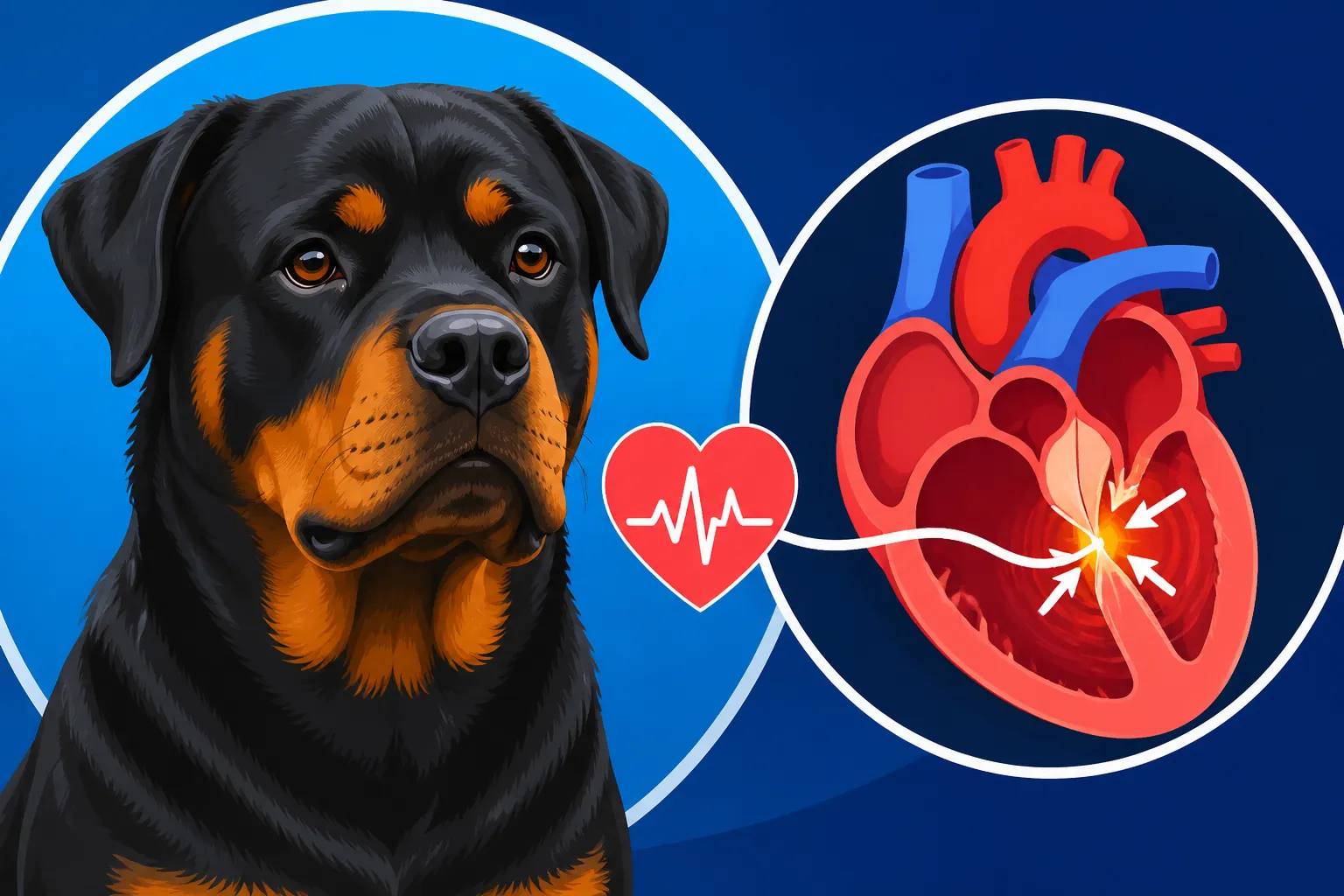
Rottweiler Heart Disease and Subaortic Stenosis
It's absolutely heartbreaking to hear your vet mention words like "heart murmur" or "heart disease" when talking about your big, strong Rottweiler. You envision years of joyful companionship, and then suddenly, the specter of a serious health issue looms large. It's a heavy burden, filled with uncertainty and fear about their future. This comprehensive guide is here to shed light on Rottweiler heart disease, particularly subaortic stenosis (SAS), helping you understand what it is, how it's diagnosed, and how to best care for your beloved companion should they face this challenge.
Understanding Subaortic Stenosis in Rottweilers
When we talk about heart disease in Rottweilers, one condition often comes to the forefront: subaortic stenosis, or SAS. It's a congenital heart defect, meaning puppies are born with it, and it's unfortunately prevalent in our breed. It's not something they "catch" later in life; it's there from the start, quietly developing and impacting their heart's function.
How This Condition Develops
Subaortic stenosis isn't some sudden, dramatic event in the heart. Instead, it’s a gradual narrowing that occurs just below the aortic valve. Think of the aorta as the main highway for oxygen-rich blood leaving the left side of the heart, destined for the rest of the body. In a dog with SAS, there’s an abnormal ring of fibrous tissue, sometimes just a small ridge, sometimes a more significant, restrictive band, that forms just beneath the valve where the blood exits the left ventricle. This tissue obstructs the blood flow, forcing the heart to work much harder to pump blood through that constricted opening. It's like trying to push a large volume of water through a straw instead of a wide pipe.
This abnormal tissue ring grows over time, meaning a mild case in a puppy could progress to a moderate or even severe obstruction as they mature. The constant increased pressure and turbulence as blood tries to squeeze past this obstruction can also damage the aortic valve itself and the lining of the aorta, leading to further complications down the road. It’s a progressive disease, and that's why early diagnosis and monitoring are so crucial.
Why Rottweilers Are Predisposed
It’s a tough pill to swallow, but Rottweilers are genetically predisposed to SAS. This isn't a random fluke; studies have clearly shown a strong hereditary component. It's believed to be passed down as an autosomal dominant trait, though the exact genetics can be complex, sometimes involving multiple genes. This means that if a Rottweiler parent has the gene for SAS, even if they only have a mild form or are a "carrier," they can pass it on to their offspring. This is a huge part of why responsible breeding practices are so critical, and why you should always ask about The Five Clearances a Rottweiler Breeder Must Have for both parents.
This genetic predisposition means that even if a puppy appears perfectly healthy, the risk remains if their lineage carries the trait. That little ring of tissue just sits there, potentially getting thicker and more restrictive as the dog grows. It's a silent threat that emphasizes the importance of screening within the breed, not just for the health of individual dogs, but for the future health of the breed as a whole. Knowing this genetic link helps us understand why diligence in screening is paramount for every Rottweiler puppy.
Impact on the Heart's Function
The constant struggle to push blood past that obstruction takes a significant toll on the left ventricle, the heart's strongest pumping chamber. Imagine repeatedly lifting a heavy weight – eventually, those muscles get bigger, thicker, but also less efficient. This is what happens to the left ventricle in a dog with SAS; it undergoes hypertrophy, meaning the muscle wall thickens. While this initially helps maintain adequate blood flow, it's a dangerous compensatory mechanism. The thickened muscle becomes stiff, reducing the heart's ability to fill properly with blood.
Over time, this increased workload can lead to several severe consequences. The heart muscle might not get enough oxygen itself, leading to rhythm disturbances or even sudden death, especially during periods of excitement or strenuous exercise. Eventually, the heart can no longer compensate, and it begins to fail, leading to congestive heart failure. This can cause fluid buildup in the lungs or abdomen, making it difficult for your dog to breathe. The long-term prognosis for dogs with severe SAS is unfortunately guarded, and it's a major reason why Rottweiler Lifespan and the Eight to Ten Year Average can be impacted if this condition is left undiagnosed or unmanaged.
Recognizing the Early Signs of Heart Trouble
It can be incredibly stressful trying to tell if your Rottweiler, a breed known for its stoic nature, is experiencing discomfort. They often hide pain or illness until things are quite advanced, and heart conditions are no exception. Knowing what to look for, even the subtle cues, can make a world of difference.
Puppy Murmurs and Their Significance
For many Rottweiler owners, the first indication of a potential heart issue comes during a routine puppy check-up when the veterinarian detects a heart murmur. It’s a scary word, and often, new owners are rightly concerned. A heart murmur simply means there's turbulent blood flow, creating an extra sound that a vet can hear with a stethoscope. While some murmurs in puppies are what we call "innocent" or "physiologic" – often due to rapid growth and increased blood volume, and they resolve on their own – a murmur in a Rottweiler puppy is never something to ignore, especially given the breed's predisposition to SAS.
Your vet will typically grade the murmur (on a scale of 1 to 6) and recommend follow-up. A louder murmur, or one that persists beyond 12-16 weeks of age, is a red flag that warrants further investigation, ideally by a veterinary cardiologist. Don't let anyone tell you to just "wait and see" without proper specialist evaluation, especially for a Rottweiler. This early detection is your best chance to understand the severity of the condition, as sometimes Subaortic Stenosis in Rottweiler Puppies can be quite advanced even at a young age.
Subtler Adult Symptoms
As Rottweilers mature, especially if the SAS is mild to moderate, symptoms might remain elusive. Their robust nature and drive can mask significant internal strain. However, you might start noticing subtle changes that, when put together, paint a concerning picture. These can include a decrease in exercise tolerance; perhaps they get winded more easily during walks or playtime, or they're just not as enthusiastic about their usual activities. Some dogs might experience occasional coughing, especially after exertion or at night, which can be a sign of fluid accumulation in the lungs.
Other signs might include lethargy, a general lack of energy, or unexplained weight loss despite a good appetite. Some owners report their dog fainting or collapsing after intense exercise or excitement – a truly terrifying experience. If your Rottweiler suddenly seems less like themselves, less energetic, or starts coughing, it’s imperative to schedule a vet visit. These might seem like minor things, but in a breed prone to heart conditions, they are worth investigating thoroughly.
Emergency Signs of Heart Failure
While we hope to catch heart disease long before this stage, it's crucial for every Rottweiler owner to recognize the emergency signs of acute heart failure. This is a life-threatening situation that requires immediate veterinary attention. These signs include severe difficulty breathing, often characterized by rapid, shallow breaths, open-mouth breathing (especially at rest), or exaggerated abdominal effort to breathe. Your dog might be restless, unable to lie down comfortably, or sitting in a "sternal recumbency" position with their elbows splayed out to try and expand their chest.
Other emergency indicators include blue or grey gums (cyanosis), persistent coughing with foamy, pink-tinged sputum, sudden weakness, or complete collapse. If you witness any of these symptoms, do not wait. Get your Rottweiler to the nearest emergency veterinary clinic without delay. Every minute counts in these situations. If you've ever wondered about A Rottweiler That Collapses Suddenly During Play, it's often a severe cardiac event, and understanding this can literally save their life.
Diagnosing Rottweiler Heart Disease
Receiving a potential heart disease diagnosis for your Rottweiler can feel overwhelming, but modern veterinary medicine offers incredibly sophisticated tools to understand exactly what's going on. Accurate diagnosis is the cornerstone of effective management, and it typically involves a combination of your veterinarian's initial assessment and specialized cardiac diagnostics.
The Vet Visit and Initial Assessment
Your journey usually begins with your primary care veterinarian. During a routine check-up, or if you bring in your Rottweiler with concerns about exercise intolerance or coughing, the vet will perform a thorough physical examination. This includes listening carefully to the heart with a stethoscope to detect any murmurs, irregular rhythms, or other abnormal heart sounds. They'll also check your dog's pulse, respiratory rate, and the color of their gums. If a murmur is detected, or if there are other signs pointing towards heart disease, your vet will likely recommend further diagnostics.
It's important to be completely honest and detailed about any symptoms you've observed, no matter how minor they seem. Even subtle changes in appetite, energy levels, or breathing patterns can provide valuable clues. Your vet might also discuss your Rottweiler's lineage and any known history of heart disease in their family, which can further inform the diagnostic path. This initial visit is vital for setting the direction of your dog's care.
Echocardiograms and Their Role
The gold standard for diagnosing subaortic stenosis and most other heart conditions in dogs is a cardiac ultrasound, known as an echocardiogram. This non-invasive procedure provides a real-time, moving image of your dog's heart, allowing a veterinary cardiologist to visualize the heart's structures in incredible detail. They can measure the thickness of the heart muscle, assess the function of the valves, look for any abnormal tissue growths (like the fibrous ring in SAS), and measure blood flow velocities.
For SAS, the echocardiogram allows the cardiologist to precisely locate and measure the severity of the subaortic obstruction. They can determine the pressure gradient across the obstruction using Doppler ultrasound, which directly correlates with how hard the heart is working. This information is crucial for grading the severity of SAS (mild, moderate, or severe) and predicting prognosis. It also helps differentiate SAS from other conditions, like Dilated Cardiomyopathy in a Rottweiler, which presents very differently. If your Rottweiler is going in for The Rottweiler Echocardiogram at Two Years Old, it's a comprehensive look at their heart health.
Other Diagnostic Tests
While the echocardiogram is paramount for SAS, other diagnostic tests often complement the picture. Chest X-rays can provide information about the overall size and shape of the heart, as well as detect any fluid buildup in the lungs (pulmonary edema) or around the heart (pericardial effusion), which are signs of congestive heart failure. An electrocardiogram (ECG) measures the electrical activity of the heart and can identify abnormal heart rhythms (arrhythmias) that are common in dogs with advanced SAS.
Blood tests, including a complete blood count (CBC) and a biochemistry panel, help assess overall organ function and rule out other systemic illnesses. Specific cardiac biomarkers, like NT-proBNP, can also be measured in the blood to indicate heart stress or failure, though they are not specific to SAS itself. These combined diagnostics give your veterinary team the most complete understanding of your Rottweiler's heart health, enabling them to formulate the most appropriate treatment plan. Remember, facing these tests can be stressful, but getting a clear diagnosis is the best thing you can do for your dog.
Managing Subaortic Stenosis and Other Heart Conditions
Once your Rottweiler has a diagnosis of subaortic stenosis or another heart condition, the focus shifts to management. While there's no cure for SAS, the goal is to alleviate symptoms, slow the progression of the disease, and maintain the best possible quality of life for as long as possible. This often involves a multi-faceted approach combining medication, lifestyle changes, and careful monitoring.
Medical Management and Medications
The primary approach to managing SAS involves medications tailored to your Rottweiler's specific condition and the severity of the disease. Beta-blockers, such as atenolol or carvedilol, are commonly prescribed. These medications work by slowing the heart rate and reducing the force of the heart's contractions, thereby decreasing the workload on the heart and improving its efficiency in pumping blood past the obstruction. This can also help reduce the risk of dangerous arrhythmias. Diuretics, like furosemide, are used if fluid buildup (edema) is present, particularly in cases of congestive heart failure. They help remove excess fluid from the body, making it easier for your dog to breathe.
Other medications might include ACE inhibitors (e.g., enalapril, benazepril) to help relax blood vessels and further reduce the heart's workload, or anti-arrhythmic drugs if severe rhythm disturbances are present. It's crucial to administer all medications exactly as prescribed by your veterinary cardiologist and to never adjust dosages without their guidance. Regular follow-up appointments and diagnostic tests will be necessary to monitor the effectiveness of the treatment plan and make any necessary adjustments. The cost of these medications and the frequent vet visits can add up, which is why some owners look into pet insurance. Companies like Healthy Paws can sometimes help with these ongoing expenses, especially if coverage was in place before diagnosis.
Lifestyle Adjustments
Beyond medication, significant lifestyle adjustments are often necessary to support a Rottweiler with heart disease. Moderate exercise is usually still encouraged, but strenuous activity, over-excitement, or anything that causes your dog to become excessively winded or stressed should be strictly avoided. Think gentle walks instead of high-intensity runs or prolonged playtime at the dog park. Your vet will provide specific guidelines on Exercise Limits for a Rottweiler With Heart Disease based on their individual condition.
Dietary modifications are also crucial, particularly if your dog is showing signs of heart failure. A low-sodium diet is often recommended to help prevent fluid retention. Your vet or cardiologist can recommend specific therapeutic diets or provide guidance on how to adapt your dog's current food. Maintaining a lean body weight is absolutely essential, as excess weight places additional strain on the heart. Monitoring your dog's breathing rate at home, especially while they are resting or sleeping, can be an excellent way to track their progress and detect early signs of worsening heart failure. Any significant increase in resting respiratory rate should prompt a call to your vet.
Prognosis and Quality of Life
The prognosis for a Rottweiler with SAS varies significantly depending on the severity of the obstruction at diagnosis. Dogs with mild SAS may live relatively normal lifespans with minimal intervention, while those with moderate to severe SAS typically have a more guarded prognosis and a shorter lifespan, even with diligent medical management. The ultimate goal is always to maintain the best possible quality of life for your beloved companion. This means carefully balancing their activity levels, ensuring they are comfortable, and monitoring for any signs of discomfort or worsening symptoms.
Regular check-ups with your cardiologist are vital for reassessing their condition and adjusting medications as needed. While the disease is progressive, effective management can often provide months or even years of good quality life. It’s a journey that requires patience, dedication, and open communication with your veterinary team. While the outlook can be challenging, many Rottweilers with managed heart disease continue to enjoy their families and live fulfilling lives.
Breeding Considerations and Genetic Testing
The hereditary nature of subaortic stenosis in Rottweilers places a significant responsibility on breeders and prospective puppy owners alike. Understanding the genetic risks and actively participating in screening programs are crucial steps in reducing the prevalence of this devastating disease within the breed.
The Importance of Cardiac Clearance
For any Rottweiler intended for breeding, cardiac clearance is not just recommended, it's absolutely essential. This typically involves an examination by a board-certified veterinary cardiologist, including an echocardiogram, ideally performed after the dog reaches 12 months of age, and often repeated around 24 months. The cardiologist will thoroughly evaluate the heart for any signs of SAS or other congenital heart defects. Only dogs with a clear echocardiogram, showing no evidence of subaortic stenosis or other inherited cardiac conditions, should be considered for breeding. This rigorous screening helps ensure that parents are not passing on known genetic predispositions to their offspring.
Reputable breeders understand and adhere to these guidelines, prioritizing the health of future generations over profit. If a breeder cannot provide evidence of thorough cardiac clearances for both parents, it should be a significant red flag. It's a non-negotiable step to protect the health of Rottweiler puppies and, ultimately, to improve the breed's overall health over time. This kind of screening is a key part of responsible Cardiac Clearance Before Breeding a Rottweiler.
Understanding Inherited Risk
The challenge with SAS being an inherited condition is that a dog can carry the genes even if they only have a mild form of the disease or are not severely affected themselves. This is why a simple "listening" for a murmur by a general vet, while a good start, is often not enough for breeding purposes. A full echocardiogram by a specialist is needed to confirm the absence of even mild forms of SAS, which can still be passed on. If one parent has SAS, even mild, the risk to puppies is significantly higher. Breeding two affected dogs, even mildly, would be irresponsible and perpetuate the problem.
Breeders committed to health aim to produce clear-to-clear pairings. This means both parents have been screened and found free of SAS. While genetics can sometimes throw curveballs, this practice significantly reduces the likelihood of producing affected puppies. This understanding of inherited risk underscores why thorough health testing, not just for heart conditions, but for other common ailments, is so vital.
Working with Responsible Breeders
When you’re looking for a Rottweiler puppy, connecting with a responsible breeder is paramount. They will be transparent about their dogs’ health testing, readily providing documentation for cardiac clearances, hip and elbow evaluations, eye exams, and JLPP DNA tests. They should also be able to explain the cardiac health history of their breeding lines. A good breeder will welcome your questions and educate you on the potential health concerns within the breed. They won’t just listen for a murmur; they’ll invest in full specialist echocardiograms for their breeding stock.
A breeder focused on health and longevity will prioritize these screenings, even though they add to their costs. This is often why What a Health-Tested Rottweiler Puppy Costs can be higher, but it's an investment in your puppy's future health. They are trying to prevent heartbreaking diagnoses like severe SAS down the road. Don't be shy about asking for specific clearances, including dates and official results, and don't settle for less. A responsible breeder is your first line of defense against inherited health problems in your new family member.
Living with a Rottweiler with Heart Disease
Receiving a diagnosis of heart disease, especially a progressive one like SAS, means embracing a new chapter in your Rottweiler's care. It’s a commitment to ongoing management, keen observation, and unwavering support to ensure they live their best possible life under the circumstances.
Daily Care and Monitoring at Home
Your role in managing your Rottweiler's heart disease extends far beyond simply giving medications. Daily vigilance and careful monitoring are key. As mentioned before, routinely checking their resting respiratory rate is incredibly important. Count their breaths per minute while they are sound asleep; a normal rate is usually between 10-30 breaths per minute. A consistent increase above their normal baseline, or above 30-35 breaths per minute, could indicate fluid accumulation in the lungs and warrants an immediate call to your vet.
Pay close attention to their energy levels, appetite, and any changes in coughing frequency or intensity. Keep a consistent schedule for feeding and medication to minimize stress. Ensure they have a quiet, comfortable environment, especially during hot weather, as overheating can put extra strain on their heart. Regular, gentle exercise that doesn't overtax them is still beneficial for muscle tone and mental well-being, but remember to adhere strictly to Exercise Limits for a Rottweiler With Heart Disease provided by your vet. Maintaining their ideal weight is also paramount, as obesity puts undue stress on an already compromised heart.
Supporting Their Emotional Well-Being
A dog dealing with a chronic illness often senses your stress, and their own routine changes can be unsettling. It’s vital to support your Rottweiler’s emotional well-being throughout this journey. Maintain a calm, predictable home environment. Even if their physical activity is limited, engage them mentally with puzzle toys, scent games, or gentle training sessions. These activities can keep their minds sharp and provide enrichment without over-exerting their heart.
Your presence and affection are more important than ever. Spend quality time with them, offering gentle petting, quiet companionship, and reassurance. Many dogs with heart conditions become more sensitive to changes in routine or loud noises, so creating a peaceful sanctuary for them is beneficial. Remember, they are still your loyal companion, and while their physical capabilities might be changing, their need for love and connection remains constant. Providing this stability helps reduce their stress, which in turn benefits their overall health.
Making Difficult Decisions
One of the hardest parts of living with a progressive disease is facing the inevitable truth that, at some point, their condition will worsen, and difficult decisions will need to be made. It's a conversation no one wants to have, but planning ahead can alleviate some of the emotional burden when the time comes. Discuss with your veterinarian or cardiologist what signs would indicate a significant decline in quality of life. This might include persistent difficulty breathing despite medication, chronic discomfort, inability to eat or drink, or a complete loss of interest in life.
Consider what quality of life truly means for your Rottweiler. Can they still enjoy their favorite activities, even if those are now much more limited? Are they still able to engage with you and their family? When the bad days consistently outnumber the good, or when their suffering becomes unmanageable, it might be time to consider palliative care or, ultimately, humane euthanasia. This is a deeply personal decision, and it’s okay to seek support from your vet, family, and friends. Resources like the Ohio State University's "How Do I Know When It's Time" tool can also help provide an objective framework for assessing quality of life. Thinking about Rottweiler End-of-Life Planning at Nine or earlier for a heart-diseased dog is never easy, but it’s an act of profound love to prevent prolonged suffering.
Financial Realities of Rottweiler Heart Care
Caring for a Rottweiler with a chronic heart condition like subaortic stenosis can be financially demanding. From initial diagnostics to ongoing medications and specialist visits, the costs can quickly add up, creating additional stress during an already difficult time.
The Cost of Diagnosis and Ongoing Treatment
The initial diagnostic work-up for heart disease can be substantial. An echocardiogram performed by a board-certified cardiologist can range from several hundred to over a thousand dollars, depending on your location and the specific clinic. X-rays, ECGs, and blood tests will add to this. Once diagnosed, the ongoing costs of medication can be a significant monthly expense. Beta-blockers, ACE inhibitors, and diuretics, often prescribed for life, can cost anywhere from $50 to $200+ per month, again, varying by dosage and pharmacy. Regular follow-up appointments with the cardiologist, typically every 3-6 months, will also incur consultation fees and repeat diagnostic tests.
If your Rottweiler progresses to congestive heart failure, emergency visits become a possibility, and these can quickly reach into the thousands of dollars for stabilization, oxygen therapy, and intensive care. It's the reality of modern veterinary medicine that advanced care comes with a price tag, and it's something every owner needs to consider when their Rottweiler receives such a diagnosis. Thinking about Emergency Vet Bills a Rottweiler Owner Should Expect is crucial for financial preparedness.
Pet Insurance and Cost Mitigation
Given the high cost of managing chronic conditions, pet insurance can be a lifesaver, provided it's in place before a diagnosis is made. Most pet insurance policies consider congenital conditions like SAS to be pre-existing if diagnosed before enrollment or during the waiting period, and therefore will not cover treatment. However, if you enroll your Rottweiler as a puppy, before any heart murmurs or symptoms appear, a comprehensive policy may cover a significant portion of diagnostic tests, medications, and specialist visits related to SAS. Companies like Healthy Paws are popular choices, and knowing about options like Rottweiler Pet Insurance and the $204 Average can help you plan.
Even if insurance isn't an option, there are other ways to mitigate costs. Discuss payment plans with your veterinary clinic. Look into veterinary assistance programs or charities that help pet owners with expensive treatments. Sometimes, ordering generic medications from human pharmacies can be more cost-effective, with your vet's approval. While the financial burden can be heavy, prioritizing your Rottweiler’s health often means exploring every possible avenue to manage these expenses.
Budgeting for a Heart-Healthy Rottweiler
For prospective Rottweiler owners, or those with young, healthy dogs, proactive budgeting for potential health issues is a responsible step. Beyond the initial puppy cost, the yearly expenses of owning a Rottweiler can be substantial. Setting up a dedicated savings account for veterinary emergencies or chronic disease management is highly recommended. Even putting aside $50-$100 a month from the time you bring your puppy home can create a substantial buffer for unexpected medical bills.
When choosing a puppy, the investment in a well-bred Rottweiler from health-tested parents, even if it seems higher upfront, can potentially save you significant veterinary expenses down the line by reducing the risk of inherited conditions like SAS. Always factor in the potential for long-term health care costs when considering bringing a Rottweiler into your home, ensuring you can provide the best possible care for their entire Rottweiler Lifespan and the Eight to Ten Year Average.
| Condition Severity | Symptoms | Treatment Goals | Typical Prognosis | Key Diagnostics |
|---|---|---|---|---|
| Mild SAS | Often none; mild murmur | Monitor for progression | Good; near-normal lifespan | Echocardiogram |
| Moderate SAS | Exercise intolerance, occasional cough | Manage symptoms, slow progression | Fair; several years with treatment | Echocardiogram, X-rays |
| Severe SAS | Fainting, severe lethargy, coughing, collapse | Reduce heart workload, prevent complications | Guarded; often shorter lifespan | Echocardiogram, X-rays, ECG |
| Congestive Heart Failure | Severe breathing difficulty, persistent cough, fluid retention | Stabilize, alleviate symptoms, improve comfort | Poor; short term prognosis | Echocardiogram, X-rays, Bloodwork |
Disclaimer
The information provided in this article is intended for general informational purposes only and does not constitute veterinary medical advice. Always consult with a qualified veterinarian or board-certified veterinary cardiologist for any health concerns or before making any decisions related to your Rottweiler's health and treatment.