What Rottweil Made the Metzgerhund Do
Roman drover dogs and German breeds interbred in Rottweil, creating working dogs that managed livestock and guarded trade routes.

Roman drover dogs and German breeds interbred in Rottweil, creating working dogs that managed livestock and guarded trade routes.

The Rottweiler history traces the breed from Roman cattle drovers to modern AKC companions through centuries of work in Germany.

Extra calcium in a Rottweiler puppy diet damages vulnerable growth plates and causes painful, irreversible orthopedic problems.

Rottweiler puppy nutrition requirements explain proper feeding strategies to support bone development and growth for two years.

Rottweiler bite inhibition training teaches puppies to control jaw pressure and maintain a soft mouth in adulthood.

Rottweiler puppy training prevents behavioral issues before rapid growth creates a strong dog exceeding one hundred pounds.

The yearly cost of feeding a one hundred twenty pound Rottweiler ranges from eight hundred to fifteen hundred dollars for dry kibble alone.

Health-tested Rottweiler puppy prices, ranging from $1,500 to $2,500, reflect breeder expenses for parental health clearances and care.
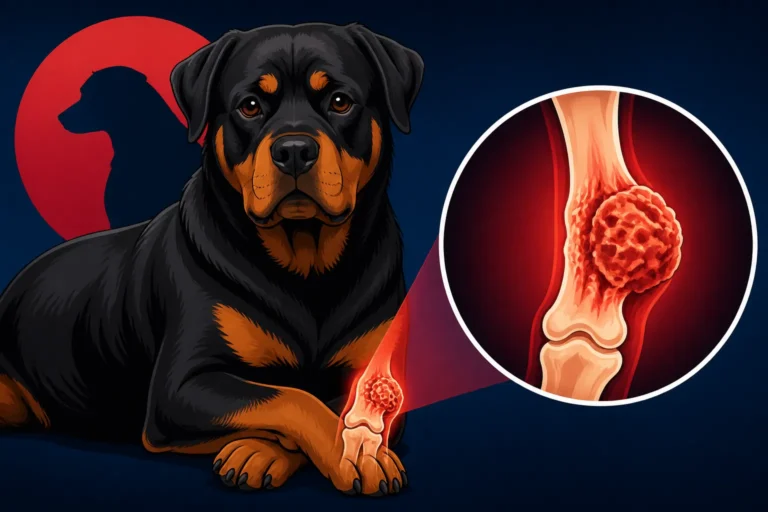
Osteosarcoma is an aggressive bone cancer that frequently impacts Rottweilers, destroying tissue and spreading quickly to lungs.

Rottweiler lifespan averages eight to ten years, influenced by breed size, genetics, daily care, and common health issues.

Rottweiler history as Roman drover dogs and German butcher dogs used for guarding livestock and protecting money.

Rottweiler temperament testing assesses breed stability and public perceptions, evaluating whether certifications can change deep-seated stereotypes and laws.

Breed-specific legislation and historical roles explain why Rottweilers face frequent targeting in modern dog safety laws.

Rottweiler bite statistics reflect inconsistent incident reporting systems, human perception biases, and flawed breed identification methods.

Rottweiler temperament and history reveal why public reputation contradicts reality, examining historical breeding and media misrepresentation.
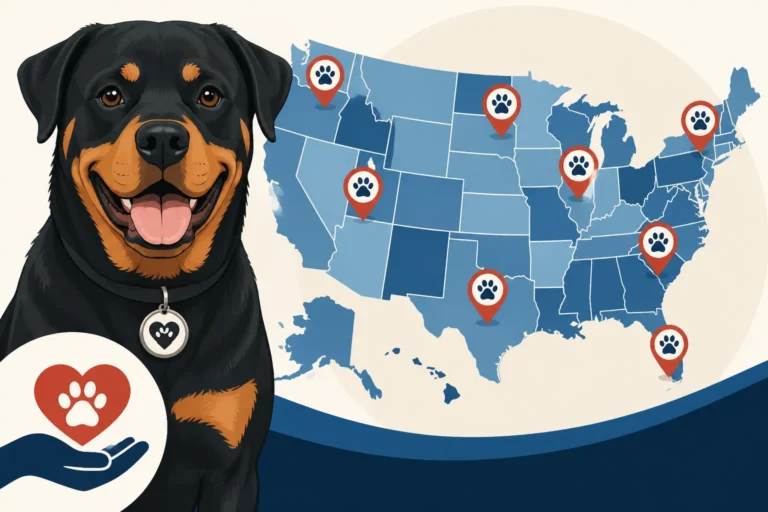
Rottweiler rescue numbers across the United States remain difficult to track because shelters lack a centralized tracking database.

Rottweiler advertising portrayals examine how brands shift public perception from dangerous guard dogs to loyal family companions.

Public figures owning Rottweilers help shape public perceptions, challenging unfair stereotypes and highlighting the breed guarding instincts.

Famous Rottweilers in film and television challenge negative breed stereotypes by showcasing their loyal, intelligent, and affectionate personalities.

Rottweiler popularity during the 1990s dropped due to bad breeding, poor owner preparation, and damaged public image.