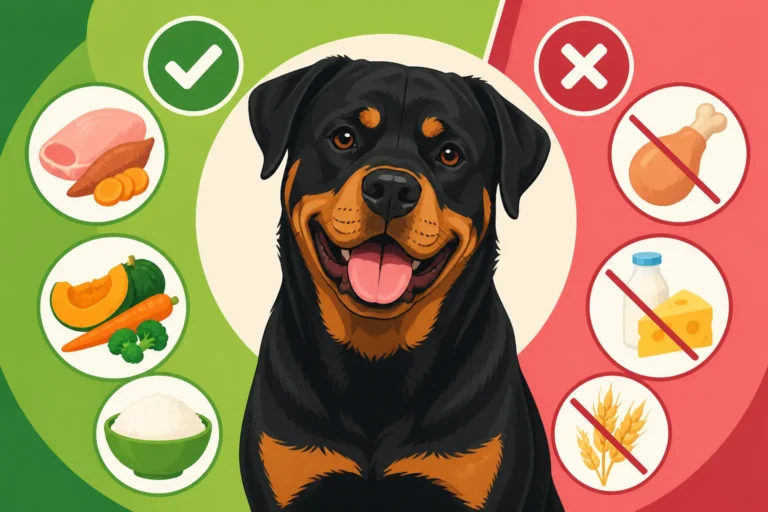
Feeding a Female Rottweiler at Ninety Pounds
It's a common question among Rottweiler owners, especially those with females who might not reach the colossal weights of some males: how much should a ninety-pound female Rottweiler really be eating? You're striving for that perfect balance, not too heavy, not too lean, and you want to ensure she's getting all the right nutrients for a long, healthy life. This guide is all about cutting through the guesswork and giving you a clear, empathetic path to properly nourishing your ninety-pound girl, making sure she thrives without the hidden dangers of over or underfeeding.
Understanding Your Female Rottweiler's Unique Nutritional Needs
When you look at a majestic female Rottweiler, her size and stature are undeniably impressive. But unlike her male counterparts, who can easily tip the scales at 120 pounds or more, a ninety-pound female is often hitting a sweet spot for her breed. This isn't a "small" Rottweiler by any stretch, but her nutritional requirements will subtly differ from a much larger male or even an exceptionally lean female.
Why 90 Pounds is a Healthy Benchmark for Many Females
Many people mistakenly believe that all Rottweilers should be massive, but the breed standard actually allows for a range. For a female, 90 pounds often represents a wonderfully balanced weight, assuming she’s well-muscled and not carrying excess fat. This weight typically puts less stress on her joints, which is incredibly important for a breed prone to orthopedic issues like hip and elbow dysplasia. Think of it this way: every extra pound on a large breed dog can exert several times that force on their joints during movement. Keeping her at a healthy, manageable weight means you're actively contributing to her long-term comfort and mobility. A female Rottweiler at 90 pounds should have a visible waistline when viewed from above, and you should be able to feel her ribs without seeing them protruding. This ideal body condition is far more telling than the exact number on the scale.
Calorie Requirements: It's Not a One-Size-Fits-All Formula
Determining the precise caloric intake for your 90-pound female isn't as simple as reading a chart. Her activity level, age, metabolism, and whether she's spayed or intact all play significant roles. A highly active female Rottweiler who enjoys daily hikes and rigorous play will need considerably more calories than a couch potato who gets minimal exercise. Similarly, a younger, still-maturing female (even if she's hit 90 pounds) might have different energy needs than a senior dog who’s slowing down.
Generally, an adult female Rottweiler weighing around 90 pounds might require anywhere from 1,800 to 2,500 calories per day. However, this is just a starting point. It's vital to observe her body condition closely and adjust her food intake accordingly. If you've previously looked at calorie needs for larger dogs, you might find that a 90-pound female needs a bit less than the figures mentioned in articles like Daily Calories for a Hundred Twenty Pound Rottweiler, which highlights how much these needs can scale up with weight. Regular vet check-ups can also provide invaluable guidance on her ideal weight and calorie intake.
The Importance of High-Quality Ingredients for Longevity
When you're feeding a powerful breed like a Rottweiler, the quality of the food matters immensely. You're not just filling her belly; you're fueling her body, from her mighty muscles to her strong bones and even her immune system. Look for foods with real meat as the first ingredient – chicken, beef, lamb, or fish are all excellent choices. Avoid foods laden with excessive fillers like corn, wheat, or soy, which can be difficult for some dogs to digest and offer little nutritional value.
Premium ingredients translate to better nutrient absorption, which means your dog gets more out of every bite. This can lead to a healthier coat, stronger nails, better energy levels, and overall improved well-being. Many excellent brands are available on platforms like Chewy, offering a wide range of options to suit different preferences and dietary needs. Some pet parents even explore fresh food options, which often boast transparent ingredient lists and minimal processing, potentially leading to better digestion and coat health.
Crafting the Perfect Meal Plan for Your 90-Pound Female
Once you understand the basic principles, putting together a solid feeding plan becomes much easier. It's about consistency, careful measurement, and paying attention to your dog's individual response.
Choosing the Right Food Type and Brand
The market is flooded with dog food options, and it can be overwhelming to pick the "best" one. For a 90-pound female Rottweiler, you generally want a food formulated for large breeds, even if she's on the lower end of the weight spectrum for the breed. These formulas often have appropriate calcium-to-phosphorus ratios and calorie densities to support their larger frames without promoting overly rapid growth, which can be detrimental to joint health in developing dogs.
- Dry Kibble: This is the most common and often most economical option. Look for brands that prioritize whole meat protein and avoid excessive fillers. Check the guaranteed analysis for protein (typically 22-26% for adults), fat (12-18%), and fiber content. You can find a huge variety of high-quality kibbles on platforms like Chewy, often with detailed ingredient lists and customer reviews to help you choose.
- Wet Food: While often more palatable, wet food is usually less calorie-dense than kibble, meaning you'd need to feed a much larger volume to meet her caloric needs. It can be a good topper to entice picky eaters or for dogs with dental issues.
- Fresh Food/Gently Cooked: Brands like Ollie offer pre-portioned, human-grade fresh food delivery services that can be excellent for dogs with sensitive stomachs or those who just thrive on a less processed diet. These often come with customized meal plans based on your dog's weight, age, and activity, making portion control easier. While typically more expensive, many owners report significant improvements in coat, energy, and digestion.
- Raw Diet: This approach has a dedicated following but requires significant research and careful balancing to ensure all nutritional needs are met. It's best pursued under the guidance of a veterinary nutritionist to prevent deficiencies or excesses, particularly with calcium.
Portion Control and Meal Frequency are Non-Negotiable
This is where many owners unintentionally go wrong. "Eyeballing" portions is a recipe for either an overweight or underweight dog. Invest in a digital kitchen scale and measure your dog's food by weight, not cups, for ultimate accuracy. Cups can vary significantly depending on how tightly packed the kibble is.
For a 90-pound female Rottweiler, feeding two meals a day is highly recommended over one large meal. This not only helps with digestion but is also a critical step in reducing the risk of bloat, a life-threatening condition common in deep-chested breeds. Splitting a Rottweiler's Ration Across the Day and Meal Timing That Lowers Rottweiler Bloat Risk delve deeper into this crucial practice. Always ensure she has at least an hour of rest before and after eating, avoiding strenuous exercise around meal times.
Monitoring Body Condition Score: A More Reliable Gauge
Forget the number on the scale for a moment. What truly matters is your Rottweiler's Body Condition Score (BCS). This is a visual and tactile assessment of her fat stores, giving you a much better indication of her health than just her weight.
Here's how to check:
- Ribs: Gently feel along her sides. You should be able to feel her ribs without pressing hard, almost like feeling the knuckles on your hand when your palm is flat. If you can see her ribs easily, she might be too thin. If you can't feel them at all, she's likely overweight.
- Waistline: Look at her from above. She should have a distinct waist, an hourglass shape where her body tucks in slightly behind her ribs. If she's straight from ribs to hips, she's probably carrying too much weight.
- Abdominal Tuck: Look at her from the side. Her abdomen should tuck up slightly, rather than hanging low.
These simple checks are your best tools for fine-tuning her food intake. If her BCS indicates she's getting a little too chunky, slowly reduce her daily calories by about 10% and re-evaluate in a few weeks. If she's too lean, increase by 10%. Consistent monitoring helps you adapt her diet as her activity levels or metabolism change over time.
Common Feeding Challenges and Solutions
Even with the best intentions, feeding a large breed dog can come with its own set of hurdles. Addressing these proactively can make a huge difference in your Rottweiler's long-term health.
Managing Weight Fluctuations
It's not uncommon for a female Rottweiler's weight to fluctuate slightly throughout her life. Perhaps she had a litter, or maybe she's spayed and her metabolism has shifted. The key is to catch these changes early and adjust.
- Weight Gain: If your 90-pound girl starts creeping up to 95 or 100 pounds, it's time to act. Extra weight is detrimental to her joints and overall health. Review her daily calorie intake, reduce portion sizes slightly, and increase her exercise. Even a few extra pounds on a large dog can significantly worsen conditions like hip dysplasia or put undue strain on her heart. Articles like Taking a Rottweiler From 140 Back to 120 illustrate the commitment needed for weight reduction in these big dogs. You'll want to focus on more consistent, moderate activities rather than intense, sporadic bursts.
- Weight Loss: If she's dropping below her healthy 90-pound mark without an obvious reason (like increased exercise), it's a good idea to consult your vet. Unexplained weight loss can be a sign of underlying health issues. If a medical cause is ruled out, you can gradually increase her food portions or consider adding a calorie-dense topper.
Dealing with Picky Eaters
Some Rottweilers are enthusiastic eaters, while others can be surprisingly particular. If your 90-pound girl suddenly turns up her nose at her food, rule out medical issues first. A trip to the vet is always wise if appetite changes persist.
If she's healthy but just being picky:
- Warm it up: A little warm water or low-sodium broth mixed into kibble can release aromas and make it more appealing.
- Add variety: Sometimes, rotating protein sources (e.g., chicken one month, lamb the next) can keep things interesting, assuming she doesn't have sensitivities.
- Toppers: A spoonful of plain yogurt, canned pumpkin, or even a scrambled egg can make her meal more enticing. Just remember to account for these extra calories.
- Scheduled feeding: Don't leave food down all day. Put her food down for 15-20 minutes. If she doesn't eat, pick it up and offer it again at the next mealtime. This teaches her to eat when food is available.
Addressing Digestive Sensitivities
Rottweilers, like many large breeds, can sometimes experience digestive upset, which might manifest as loose stools, excessive gas, or vomiting. Identifying and managing these sensitivities is crucial for her comfort and nutrient absorption.
- Food Allergies/Intolerances: If you suspect an allergy, an elimination diet under veterinary guidance can help pinpoint the culprit. This often involves switching to a novel protein source (one she hasn't eaten before) or a hydrolyzed protein diet. Specialized diets for sensitive stomachs can be found on platforms like Chewy or Amazon, often available as prescription or limited-ingredient formulas.
- Probiotics: Introducing a good quality canine probiotic supplement can support gut health and aid digestion, especially after a course of antibiotics.
- Slow Feeders: If she gulps her food down quickly, a slow feeder bowl can help prevent indigestion and reduce the risk of bloat by forcing her to eat at a more measured pace.
Treats and Supplements: Integrating Them Wisely
Treats are an essential part of training and bonding, but they can quickly lead to excess calories. For a 90-pound female, even small treats add up. Aim for treats that are low in calories and avoid table scraps, which can upset her digestive system and introduce unhealthy fats or ingredients.
- Treat Budget: Remember that treats should make up no more than 10% of her daily caloric intake. If you're doing a lot of training, consider breaking larger treats into tiny pieces or using a portion of her regular kibble as rewards. Treat Allowance for a Rottweiler in Daily Training can help you manage this effectively.
- Joint Supplements: Given the breed's predisposition to joint issues, many Rottweiler owners consider joint supplements containing glucosamine and chondroitin. While these aren't a magic bullet, starting them early can potentially support joint health. Discuss with your vet if a supplement is right for your dog and what dosage is appropriate for her weight.
- Fish Oil: Omega-3 fatty acids, found in fish oil, can support skin and coat health, and have anti-inflammatory benefits, which may be beneficial for joint health.
Long-Term Nutritional Health for Your Female Rottweiler
Caring for a Rottweiler is a marathon, not a sprint. Her nutritional needs will evolve, and staying proactive is key to her well-being through every stage of life.
The Role of Regular Vet Checks and Professional Advice
Your veterinarian is your most valuable partner in ensuring your Rottweiler's long-term health. Regular check-ups allow them to monitor her weight, assess her overall health, and catch any potential issues early. Don't hesitate to discuss her diet, activity level, and any concerns you have about her eating habits. They can help you calculate exact calorie needs, recommend specific food brands, and advise on supplements tailored to her individual health profile. These regular visits are especially important as she ages or if you notice any significant changes in her appetite or weight.
Adjusting Diet with Age: From Adult to Senior
As your female Rottweiler transitions into her senior years (typically around 7-8 years old), her metabolism will likely slow down, and her activity level might decrease. This means her caloric needs will change, and continuing to feed her the same amount of adult food can quickly lead to obesity. Senior Rottweiler Feeding and Mobility explores this transition in detail.
Senior dog food formulas are often lower in calories and fat, but higher in fiber and sometimes contain added joint-supporting ingredients. Making the switch to a senior-specific diet can help her maintain a healthy weight and support her aging body. Again, rely on her Body Condition Score and your vet's advice to determine the right time and the right food for this important transition.
Hydration is Key, Always
It might seem obvious, but consistent access to fresh, clean water is just as important as the food you provide. A 90-pound Rottweiler needs a significant amount of water daily to support her bodily functions, regulate temperature, and aid digestion. Dehydration can quickly become serious, especially on warmer days or after exercise.
- Multiple Water Bowls: Place several water bowls around your home, both indoors and outdoors, to encourage drinking.
- Cleanliness: Wash her water bowls daily to prevent bacterial growth.
- Travel Water: Always carry water with you when you take her out for walks or adventures, especially on warm days. Articles like Water Intake for a Rottweiler on a Hot Day offer critical advice for keeping your big dog hydrated.
Proper nutrition, combined with appropriate exercise, is the foundation of a healthy and happy life for your female Rottweiler. By paying close attention to her individual needs, choosing high-quality food, and maintaining careful portion control, you're investing in her well-being for years to come.
Here's a quick overview of key nutritional components for your 90-pound female Rottweiler:
| Nutrient Group | Importance for 90-lb Female Rottweiler | Key Considerations |
|---|---|---|
| Protein | Essential for maintaining strong muscles, supporting cell repair, and overall body function. For a large, active breed, adequate protein intake is crucial to prevent muscle wasting. | Look for whole animal protein (chicken, beef, lamb, fish) as the first ingredient. Aim for 22-26% crude protein in adult dog food. |
| Fats | A concentrated source of energy, vital for healthy skin and coat, and absorption of fat-soluble vitamins. Also important for satiety and palatability. | Healthy fats like chicken fat, salmon oil, and flaxseed oil are good. Aim for 12-18% crude fat. |
| Carbohydrates | Provide readily available energy for daily activities. Complex carbohydrates offer sustained energy and dietary fiber. | Choose digestible sources like sweet potatoes, peas, and brown rice. Avoid excessive fillers like corn or wheat if your dog is sensitive. |
| Fiber | Promotes healthy digestion, regulates bowel movements, and can help with weight management by promoting fullness. | Sources include beet pulp, chicory root, and certain vegetables. Aim for 3-5% crude fiber for adults. |
| Calcium/Phosphorus | Crucial for strong bones and teeth. The balance is more important than the absolute amount, especially for large breeds. | For adult dogs, ensure a calcium-to-phosphorus ratio between 1:1 and 1.6:1. Excessive calcium can lead to skeletal problems. |
| Vitamins & Minerals | Support a vast array of bodily functions, including immune health, nerve function, and metabolism. | A high-quality commercial dog food should be fortified with a balanced spectrum. Avoid over-supplementation unless specifically directed by a vet. |
| Omega-3 Fatty Acids | Anti-inflammatory properties, beneficial for joint health, skin, coat, and cognitive function. Particularly important for large breeds with potential joint issues. | Look for sources like fish oil (salmon, sardine, mackerel). Can be supplemented under vet guidance. |
| Glucosamine/Chondroitin | While not universally proven, these are commonly included in large breed and senior formulas to support cartilage health and joint mobility, especially for breeds like Rottweilers susceptible to conditions like Rottweiler Hip Dysplasia and the OFA Grade. | Many large breed adult foods include these. Supplemental forms are available; consult your vet for appropriate dosing for a 90-lb dog. |
By keeping these guidelines in mind, monitoring your Rottweiler's body condition, and consulting with your veterinarian, you can ensure your ninety-pound female Rottweiler receives the optimal nutrition she needs to live her best, healthiest life. Remember, a healthy weight and balanced diet are critical factors in extending the Rottweiler Lifespan and the Eight to Ten Year Average.
Disclaimer
This article is for general informational purposes only and does not constitute professional advice. Laws, prices and regulations vary by location and change over time. Consult a qualified professional for guidance on your specific situation.