Joint Supplements Started Before a Rottweiler Turns Two
As a Rottweiler owner, you know the deep love and loyalty these magnificent dogs offer. But let's be honest, there's always that worry lingering in the back of our minds about their joints. Their sheer size and impressive strength also mean they’re often prone to orthopedic issues that can truly impact their quality of life. This guide is all about getting ahead of those concerns, specifically by exploring why starting joint supplements before your Rottweiler even turns two could make a world of difference for their long-term health and comfort.
The Critical Window for Rottweiler Joint Health
It's no secret that Rottweilers are big dogs. They carry a lot of muscle and bone, which puts considerable stress on their developing joints from a very young age. This isn't a criticism of the breed; it's simply a biological reality that we, as their guardians, need to understand and address proactively. Unlike smaller breeds, a Rottweiler's skeletal system undergoes a prolonged and intense period of growth, and it’s during this crucial phase that foundations for future joint health are laid – or unfortunately, sometimes compromised. The "unseen" stresses on a young, growing Rottweiler's joints can accumulate long before any limping or stiffness ever becomes apparent, making proactive care, rather than reactive treatment, incredibly important.
Understanding Rottweiler Growth Plates
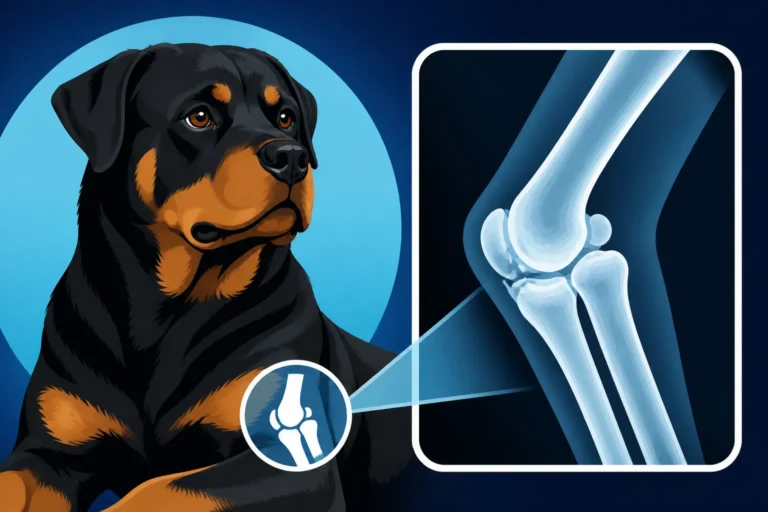
When you think about your Rottweiler puppy, you probably marvel at how quickly they're transforming from a chunky little fluffball into a substantial dog. This rapid growth is fueled by their growth plates, which are areas of cartilage located near the ends of long bones. These plates are essentially "soft spots" where new bone tissue is generated, allowing the bones to lengthen. For a Rottweiler, these growth plates don't fully close and harden into mature bone until they are much older than many other breeds – often between 18 and 24 months, and sometimes even later. This extended period of vulnerability means that their joints are particularly susceptible to injury and developmental issues during their first one to two years.
Imagine the immense pressure these delicate growth plates are under as your puppy gains weight and muscle. Activities that might seem harmless, like repetitive jumping, prolonged running on hard surfaces, or even excessive roughhousing, can cause microscopic damage or even more significant trauma to these soft tissues. This is why you often hear experienced Rottweiler owners stressing the importance of controlled exercise and avoiding strenuous activities during puppyhood. Over-exercising a young, growing Rottweiler can lead to long-term problems, manifesting as conditions like osteochondritis dissecans (OCD) or even exacerbating genetic predispositions. Proper understanding of when Rottweiler Growth Plates Finally Close is key to managing their activity levels appropriately during this sensitive period. It’s also important to remember that A Growing Rottweiler's Joints and Overexercise can lead to painful inflammation and damage that may not show up until much later in life.
Genetic Predispositions to Joint Problems
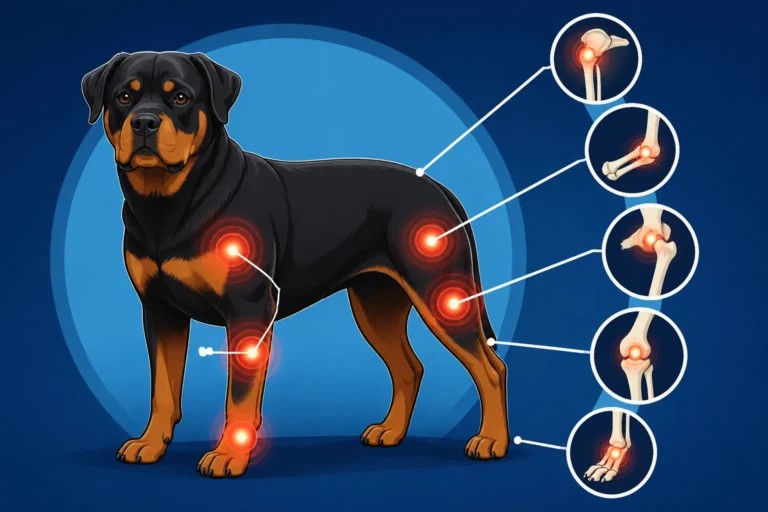
While environmental factors and exercise management play a huge role, we can't ignore the genetic hand Rottweilers are dealt. This breed is known to have a higher incidence of certain inherited orthopedic conditions, most notably hip and elbow dysplasia. Hip dysplasia occurs when the ball and socket joint of the hip doesn't form correctly, leading to looseness, cartilage wear, and eventually arthritis. Elbow dysplasia is a similar condition affecting the elbow joint, often leading to lameness in the front legs.
Even with the most responsible breeding practices, where parents have passed all their Rottweiler Hips and Elbows and the 24-Month Rule clearances, there's still a tiny chance that a puppy might develop these issues. Genetics are complex, and while good breeders strive to minimize risk, no guarantee can ever be absolute. This is precisely why proactive measures, like early joint supplementation, become so valuable. They act as an additional layer of support, helping to cushion and nourish the developing joints, irrespective of their genetic blueprint. It's about providing the best possible environment for those joints to grow strong and stay healthy, potentially mitigating the severity of any underlying genetic weaknesses.
Deciding When to Start Joint Supplements
For a long time, the traditional approach to joint supplements was reactive: you started them when your dog showed signs of stiffness, limping, or arthritis. But with giant breeds like Rottweilers, this "wait and see" method can mean that by the time symptoms appear, significant joint damage has already occurred. The scientific understanding of joint health has evolved, and many veterinarians and breeders now advocate for a more proactive strategy, especially for at-risk breeds.
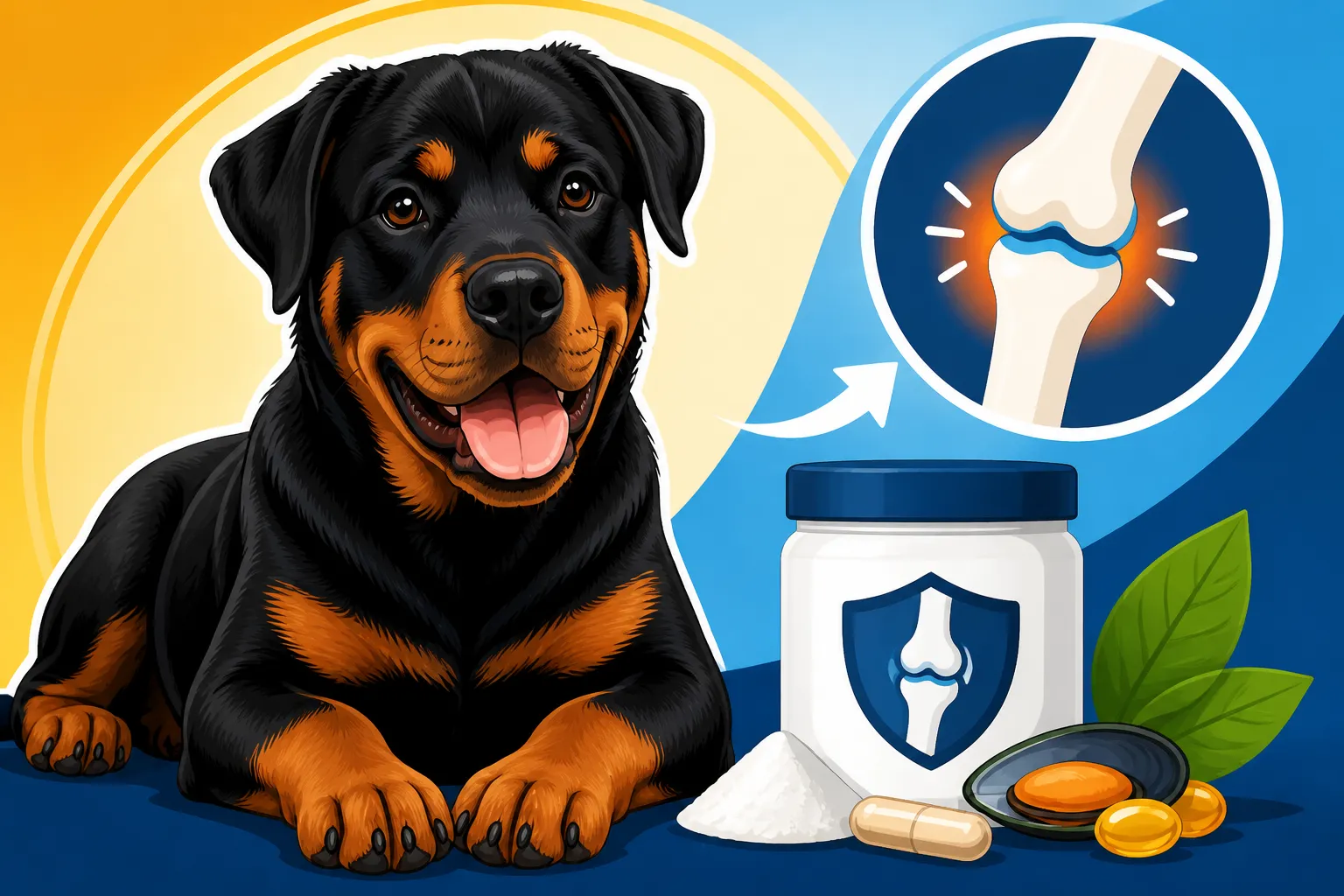
This proactive stance means considering joint supplements not as a treatment for existing problems, but as a preventative measure. The idea is to supply the building blocks for healthy cartilage and joint fluid even before signs of wear and tear become evident. For a Rottweiler, "before two" is a critical timeframe because it encompasses the period of rapid growth and the final stages of growth plate closure. By providing support during these formative years, you're essentially investing in their future mobility and comfort.
Puppyhood and Early Intervention
Can you start joint supplements when your Rottweiler is just a puppy? The answer is often yes, with appropriate guidance. Many large breed puppy foods actually contain some level of joint support ingredients like glucosamine and chondroitin, recognizing the unique needs of these fast-growing dogs. However, the amounts in food might not always be sufficient, especially if your puppy is experiencing a growth spurt or has a particularly active lifestyle. When looking for a puppy-specific joint supplement, you'll want to ensure it's formulated with appropriate dosages for growing dogs and doesn't interfere with their overall nutritional balance.
The key here is balance. You absolutely do not want to over-supplement, especially with things like calcium, as this can be detrimental to a growing Rottweiler's bones. Instead, focus on supplements designed to support cartilage health and reduce inflammation. Some supplements are perfectly safe and beneficial to start as early as 8-12 weeks, but always, always discuss this with your veterinarian first. They can help you choose a reputable brand and the correct dosage for your individual puppy's needs, taking into account their current diet and health status.
The Role of Diet and Weight Management
It's crucial to understand that joint supplements, while beneficial, are not a magic bullet. They work best as part of a comprehensive approach to joint health, which absolutely must include a proper diet and stringent weight management. A Rottweiler that is overweight, even by a few pounds, puts immense additional strain on its joints, undoing much of the good that supplements might provide. Every extra pound translates to exponentially more stress on their hips, elbows, and knees, accelerating wear and tear.
Feeding a Rottweiler puppy that grows for two years requires careful attention to calorie intake and nutrient balance. Large breed puppy formulas are specifically designed to support slower, more controlled growth, which is vital for preventing developmental orthopedic diseases. Avoiding the temptation to make your puppy "chubby" is paramount. A lean puppy might look a little lanky, but it's much healthier for their developing skeletal system. You should be able to easily feel your Rottweiler's ribs without seeing them, and they should have a discernible waist when viewed from above. Regularly checking for Rottweiler Obesity and the Load It Adds is a non-negotiable part of responsible ownership. You might also want to consult our guide on Feeding a Rottweiler Puppy That Grows for Two Years to ensure your puppy's nutritional needs are met without overfeeding.
Here’s a quick comparison to illustrate the impact of weight:
| Feature | Ideal Weight Rottweiler | Slightly Overweight Rottweiler |
|---|---|---|
| Ribs | Easily felt, minimal fat covering | Harder to feel, moderate fat |
| Waist | Clearly visible tuck when viewed from above | Less defined, straighter body line |
| Energy Levels | Energetic, agile for their size | Can be slightly lethargic, less active |
| Joint Load (Estimation) | Optimal, minimizes stress | Increased stress, faster cartilage wear |
| Long-term Health Risk | Lower risk of joint degradation | Higher risk of early onset arthritis |
Maintaining your Rottweiler at a lean, healthy weight is one of the most impactful things you can do to protect their joints, even more so than any supplement alone. If you're concerned about your puppy's weight or growth rate, always consult your vet. They can help you determine the ideal body condition score and adjust feeding plans if necessary, ensuring you are Keeping a Rottweiler Puppy Lean on Purpose.
Key Ingredients and What to Look For
So, you're convinced that proactive joint care, including supplements, is the way to go for your young Rottweiler. But what exactly should you be looking for in these supplements? The market is flooded with options, and understanding the core ingredients can help you make an informed choice that truly benefits your dog.
Glucosamine and Chondroitin
These two ingredients are the undisputed powerhouses of most joint supplements, and for good reason. They are naturally occurring compounds that play a vital role in the health and repair of cartilage, the flexible connective tissue that cushions your dog's joints.
- Glucosamine: This amino sugar is a fundamental building block of cartilage. It helps stimulate the production of proteoglycans and collagen, which are essential components of healthy cartilage matrix. Think of it as the raw material your dog's body uses to maintain and repair the shock absorbers in their joints. It can also have mild anti-inflammatory properties, which is a nice bonus for busy, growing joints.
- Chondroitin Sulfate: Often paired with glucosamine, chondroitin helps maintain the elasticity and water-retaining properties of cartilage. It acts like a liquid magnet, drawing fluid into the cartilage, which is crucial for its cushioning effect and nutrient delivery. Additionally, chondroitin helps inhibit enzymes that can break down cartilage, essentially slowing down the degradation process.
When selecting a supplement, check the source of these ingredients. Glucosamine often comes from shellfish (like shrimp or crab), and chondroitin typically comes from bovine (cow) or porcine (pig) cartilage. The dosage is also critical, especially for a large breed. Rottweilers require higher amounts than smaller dogs, so be sure the product provides sufficient concentrations. Many formulas recommend a loading dose (a higher amount initially) followed by a maintenance dose. Always follow veterinary advice on dosing.
MSM and Omega-3 Fatty Acids
Beyond the glucosamine and chondroitin duo, several other ingredients offer significant benefits for joint health.
- MSM (Methylsulfonylmethane): This is a naturally occurring sulfur compound known for its anti-inflammatory and pain-relieving properties. Sulfur is a vital component of connective tissue, and MSM can help reduce inflammation and discomfort in joints. For an active, growing Rottweiler, minimizing inflammation is key to preventing long-term damage and promoting comfortable movement. It's often included in comprehensive joint formulas to complement the cartilage-building effects of glucosamine and chondroitin.
- Omega-3 Fatty Acids: These essential fatty acids, particularly EPA (eicosapentaenoic acid) and DHA (docosahexaenoic acid), are renowned for their powerful anti-inflammatory effects. Sourced primarily from fish oil, they help reduce the production of inflammatory chemicals in the body, which can alleviate joint pain and stiffness. Regular supplementation with omega-3s not only supports joint health but also benefits skin, coat, and even cognitive function. When choosing a fish oil, look for high-quality, mercury-free options. Understanding the correct Fish Oil Dosed for a Hundred Pound Rottweiler is important to ensure efficacy and avoid digestive upset. Companies like Healthy Paws, while an insurance provider, emphasize the overall benefits of preventive care, which includes things like proper diet and supplementation to minimize future claims related to joint disease.
Other Beneficial Ingredients
Several other ingredients can further enhance the effectiveness of a joint supplement:
- Hyaluronic Acid (HA): A natural component of synovial fluid, which lubricates the joints. HA helps improve the viscosity of this fluid, allowing for smoother, less painful joint movement. It’s like adding extra oil to a well-oiled machine.
- Green Lipped Mussel (GLM): Hailing from New Zealand, this ingredient is a potent source of omega-3 fatty acids, glucosamine, chondroitin, and a unique array of anti-inflammatory compounds. It offers a comprehensive, natural approach to joint support and is increasingly popular in high-quality supplements.
- Antioxidants (Vitamin C, E): These vitamins help neutralize free radicals that can cause cellular damage and inflammation in the joints. By reducing oxidative stress, they contribute to overall joint health and protection.
When comparing different brands, look at the full ingredient list and concentrations. A good quality supplement will list specific amounts of each active ingredient. It’s worth noting that even with the best supplements, unforeseen health issues can arise, making it prudent to consider a pet insurance plan from providers like Healthy Paws. This ensures that if your Rottweiler, despite your best efforts, develops a serious joint condition or requires surgery later on, you'll have support to cover the often-hefty veterinary bills.
Choosing the Right Supplement and Monitoring Progress
Navigating the vast array of joint supplements on the market can feel overwhelming. It’s not just about picking a product; it’s about making an informed decision that genuinely benefits your beloved Rottweiler. This involves a bit of research and, most importantly, collaboration with your veterinary team.
Researching Brands and Quality
When you’re looking at joint supplements, remember that the industry isn't as tightly regulated as human pharmaceuticals. This means quality can vary wildly. Here's what to prioritize in your search:
- Reputable Brands: Look for companies with a long-standing history, positive customer reviews, and clear information about their manufacturing processes. Brands that conduct third-party testing of their products for purity and potency often display this information on their labels or websites. This ensures that what's listed on the label is actually in the product, and at the stated concentration.
- Active Ingredient Transparency: A good supplement will clearly state the quantity of each active ingredient (e.g., 500mg glucosamine, 200mg chondroitin) per dose. Avoid proprietary blends that hide specific amounts, as you won't know if your Rottweiler is getting an effective dose.
- Formulation: Supplements come in various forms: chewable tablets, soft chews, powders, and liquids. Consider what will be easiest to administer consistently to your Rottweiler. Some dogs are pickier than others, and a palatable chew might be easier than mixing powder into food.
- Cost vs. Value: While it's tempting to go for the cheapest option, remember that efficacy often comes with quality ingredients and proper concentrations. Think of it as an investment in your Rottweiler's long-term comfort and mobility. Many owners find that the peace of mind and potential avoidance of future high veterinary costs makes the upfront investment worthwhile. This proactive approach to health can also align well with the benefits of pet insurance. For instance, having a plan from a provider like Healthy Paws can help manage the financial burden if, despite your best efforts with supplements, your Rottweiler requires specialist orthopedic care or surgery down the line.
Working with Your Veterinarian
This is perhaps the most critical step. Never start any new supplement regime for your Rottweiler without first consulting your veterinarian. They know your dog's individual health history, current diet, and any existing conditions or predispositions.
- Personalized Advice: Your vet can help you assess your Rottweiler's specific risk factors. For example, if your dog's parents had severe hip dysplasia, your vet might recommend a higher starting dose or a specific type of supplement. They can also advise on the ideal timing for starting, especially for very young puppies.
- Monitoring for Issues: Regular vet check-ups are essential for large breeds. Even if your Rottweiler isn't showing obvious signs of discomfort, your vet can perform orthopedic examinations to catch subtle changes. Early signs of joint problems, like Rottweiler Hip Dysplasia Symptoms Before Age Two, might be missed by an untrained eye but are crucial for early intervention. These regular checks are also when your vet might discuss the broader implications of maintaining a healthy weight and proper exercise as part of a holistic joint health strategy, aligning with the preventative mindset that insurance like Healthy Paws promotes for comprehensive care.
- Overall Health Plan: Joint supplements are just one piece of the puzzle. Your vet can help integrate them into a broader health plan that includes appropriate exercise routines, diet recommendations, and regular preventive care. They can help you understand how proactive measures, supported by pet insurance, can contribute to a better quality of life for your Rottweiler.
What to Expect and When
It’s important to manage your expectations when starting joint supplements. They are not pain medications, and you won’t typically see an immediate, dramatic change overnight.
- Patience is Key: Joint supplements work by providing the body with the necessary components to maintain and repair cartilage over time. It can take several weeks, sometimes even a few months, of consistent use before you might notice any subtle improvements in mobility or comfort. For a young dog, the benefits might be less about "fixing" a problem and more about "preventing" one, meaning the observable effect is simply continued healthy movement.
- Consistency is Crucial: For supplements to be effective, they need to be given consistently, according to the recommended dosage. Skipping doses or giving them sporadically will diminish their potential benefits.
- Monitoring Progress: Pay attention to your Rottweiler’s activity levels, willingness to play, ease of movement, and any stiffness after resting. Keep a journal if it helps. Even subtle improvements, or simply the continued absence of joint issues as they age, can be indicators that the supplements are doing their job. The goal is to set your Rottweiler up for a long, active life, minimizing the chances of conditions like Senior Rottweiler Mobility Decline appearing too early. Ultimately, this proactive approach to their wellbeing is a key component of What Actually Adds Years to a Rottweiler.
By taking a proactive, informed approach to joint supplementation and integrating it with sound veterinary advice and overall wellness, you're giving your Rottweiler the best possible chance for a life filled with comfortable, joyful movement.
Disclaimer
Please remember that the information provided in this article is for educational purposes only and is not a substitute for professional veterinary advice. Always consult with your veterinarian before making any decisions about your Rottweiler's health, diet, or starting any new supplements. They can provide personalized recommendations based on your individual dog's needs and health status.