Keeping a Black-Coated Rottweiler Cool
Few things are more heartbreaking than seeing your majestic, black-coated Rottweiler struggle in the summer heat, panting heavily, refusing to move, and clearly uncomfortable. We all want our powerful companions to be happy and healthy, but when the mercury rises, their dark fur acts like a sponge for the sun's rays, turning a simple afternoon stroll into a dangerous gamble. This comprehensive guide is here to help you understand why your Rottweiler gets so hot, recognize the crucial signs of overheating, and implement practical, everyday strategies to keep them cool and safe all season long.
Understanding Why Black Coats Get So Hot
It's not just your imagination; a black dog really does absorb more heat than a lighter-colored one. This isn't just about surface warmth; it affects their core body temperature and their ability to regulate it, which is something we, as Rottweiler guardians, absolutely need to understand.
The Science Behind Heat Absorption
Think about wearing a black shirt versus a white shirt on a sunny day. The black shirt feels noticeably warmer, right? The same principle applies to your Rottweiler's coat. Dark colors absorb more wavelengths from the solar spectrum, meaning they soak up more radiant heat from the sun. Lighter colors, on the other hand, reflect more of these wavelengths. For a black-coated Rottweiler, every minute spent in direct sunlight means their fur is actively pulling in heat, warming their skin, and ultimately contributing to a rise in their internal body temperature. This isn't a minor difference; it can be several degrees warmer at the surface of their coat compared to a dog with lighter fur, making them work harder to stay cool.
Beyond just the visible spectrum, black fur also absorbs more infrared radiation, which we feel as heat. This makes those sunny, breezy days deceptive; even if the air feels pleasant to us, your black dog is still accumulating heat from the sun, potentially reaching unsafe temperatures much faster than a lighter-colored breed. It's a constant, uphill battle for their thermoregulation system, and it's why simply providing shade isn't always enough to prevent issues like Heat Tolerance in a Black-Coated Rottweiler. We need to be proactive and understand the physics at play.
How a Double Coat Exacerbates the Issue
Rottweilers aren't just black; they also boast a dense double coat. This means they have a coarse outer coat of guard hairs and a softer, downy undercoat. While this double layer is fantastic for insulation in cold weather, keeping them warm and dry, it can become a significant disadvantage when temperatures soar. The undercoat traps a layer of air close to the body, which, when it's cold, helps retain heat. In summer, however, this trapped air can act like a warm blanket, preventing heat from escaping the body effectively.
Many owners might think that shaving or clipping their Rottweiler's coat is the answer to this problem. However, this often does more harm than good. The double coat actually helps protect their skin from sunburn and can, in some cases, provide a degree of insulation against the heat by creating an air barrier that prevents the sun's direct rays from hitting the skin. When shaved, they lose this natural protection, exposing their sensitive skin to potential burns and making them even more susceptible to heat. Instead of clipping, focusing on regular grooming to remove dead undercoat can help improve air circulation without sacrificing their natural protection, allowing their coat to function as intended, even in warmer weather.
The Risk Factors Unique to Rottweilers
Beyond their black double coat, Rottweilers possess certain characteristics that make them inherently more susceptible to overheating compared to some other breeds. Their large size and powerful, muscular build mean they generate more body heat during activity. A hundred-pound Rottweiler, just by existing and moving, produces a significant amount of metabolic heat that needs to be dissipated. This is compounded by their deep chests, which, while majestic, don't always allow for the most efficient heat dissipation through panting compared to breeds with different conformations.
Furthermore, Rottweilers can be quite stoic, sometimes masking discomfort until they are well past the early stages of overheating. Their loyal and eager-to-please nature might also mean they push themselves harder than they should during exercise, trying to keep up with you even when their bodies are screaming for a break. We need to be their advocates and learn to read their subtle cues, rather than waiting for obvious distress. Underlying health conditions, even minor ones like being slightly overweight (think Rottweiler Obesity and the Load It Adds), can also significantly diminish their ability to cope with heat, making vigilance even more critical for this breed.
Recognizing the Signs of Overheating in Your Rottweiler
It's one thing to understand the risks, but it's another to spot the actual signs of trouble. Rottweilers can be tough, and sometimes they try to push through discomfort, so it's up to us to be diligent observers. Missing the early signals can quickly escalate a warm dog into an emergency.
Early Warning Signals You Might Miss
The earliest signs of overheating in a Rottweiler are often subtle. It starts with increased panting, but not necessarily frantic panting. You might notice their breathing becoming a bit shallower and faster than normal, even if they aren't actively exercising. Their gums might appear a little darker red than their usual healthy pink, and they might start salivating more than usual. Look for a change in their demeanor – a normally enthusiastic dog might seem a little more sluggish or reluctant to engage in play. They might seek out shade more intently, or simply lie down and refuse to move, even when prompted.
Another subtle cue is a change in their focus. If you're on a walk and your Rottweiler is usually very attentive to you, but now seems distracted or less responsive to commands, it could be an early sign of discomfort from the heat. They might also start looking for water more frequently, or drinking larger quantities than usual. If you notice any of these, it's time to act immediately. Get them to a cooler spot, offer water, and cease all activity. Waiting for more severe symptoms means they're already in a more serious state, and we want to prevent that from happening at all costs. Pay close attention to Rottweiler Heat Exhaustion Warning Signs.
Critical Symptoms of Heatstroke
When a Rottweiler progresses beyond simple overheating, they move into the dangerous territory of heatstroke. This is a life-threatening condition that requires immediate and aggressive intervention. At this stage, panting will become extreme, labored, and very noisy, often accompanied by frothing at the mouth or thick, ropy saliva. Their gums might turn bright red, then eventually pale or even bluish as their circulation is compromised. Vomiting and diarrhea, sometimes bloody, are common and alarming symptoms. They may stagger, appear disoriented, or even collapse.
Muscle tremors, seizures, and unconsciousness are clear indicators of severe heatstroke and organ damage. Their body temperature will be dangerously high, potentially over 105-106°F (40.5-41.1°C). At this point, every second counts. Do not try to force water down their throat if they are disoriented or unconscious, as they could aspirate it. Focus on getting their core temperature down safely and quickly while simultaneously preparing for an emergency vet visit. Recognize The Emergency Signs That Send a Rottweiler In and understand that hesitation can have dire consequences.
When to Seek Emergency Veterinary Care
The moment you suspect heatstroke, or if your Rottweiler exhibits any of the critical symptoms mentioned above, you need to contact your veterinarian or the nearest emergency animal hospital immediately. This isn't a situation to "wait and see." Even if you've started initial cooling measures at home, veterinary care is essential. The vet can assess the extent of the damage, provide intravenous fluids to combat dehydration and shock, monitor for organ damage, and administer medications to manage any secondary complications.
Before you even leave for the vet, make sure you call ahead. This allows the veterinary staff to prepare for your arrival, ensuring they have a cooling bath ready, emergency equipment, and a team on standby to stabilize your dog. During transport, keep the car air conditioning on full blast, and if possible, continue cooling efforts by placing cool (not ice-cold) wet towels over their body, particularly concentrating on the neck, armpits, and groin area where major blood vessels are close to the surface. Time is of the essence when it comes to heatstroke, and prompt, professional medical attention dramatically improves your Rottweiler's chances of survival and minimizes long-term health consequences.
Proactive Strategies for Summer Safety
Prevention is truly the best medicine when it comes to keeping your black-coated Rottweiler safe in warm weather. By making a few adjustments to your routine and environment, you can significantly reduce their risk of overheating and ensure they still get to enjoy the summer months safely.
Adjusting Your Exercise Routine and Timing
One of the most critical adjustments you can make is to rethink your daily exercise schedule. Those midday walks or afternoon romps in the park are simply too risky for a black-coated Rottweiler when the sun is high and temperatures are elevated. Instead, aim for early morning walks, before the sun has had a chance to heat up the pavement and the air, or late evening excursions after the sun has set and things have cooled considerably. For high-energy Rottweilers, consider splitting their exercise into shorter, more frequent bursts rather than one long session. For instance, a 15-minute brisk walk at 6 AM and another at 9 PM might be safer than a 30-minute walk at 5 PM.
Remember that pavement temperatures can be significantly hotter than the ambient air temperature, easily scorching paw pads. Test the pavement with the back of your hand; if it's too hot for you to hold for five seconds, it's too hot for your dog's paws. Seek out grassy areas, shaded trails, or indoor options like doggy daycare facilities with air conditioning. Even in the shade, humidity plays a huge role in a dog's ability to cool down, so be mindful of muggy days. Adjusting their exercise isn't about skipping it entirely, but rather about scheduling it intelligently to protect their well-being. This is vital for Exercising a Rottweiler in Summer Heat.
Hydration is Non-Negotiable
Just like humans, adequate hydration is absolutely essential for dogs, especially when it's hot. Your Rottweiler should always have access to fresh, cool water, both inside and outside the house. Consider placing multiple water bowls around your home and yard, especially if your dog spends time outdoors. Refresh the water frequently, as stagnant, warm water won't be as appealing or effective. For walks and outings, a portable water bottle and collapsible bowl are absolute must-haves. Don't assume water will be available wherever you go; always bring your own.
Beyond just providing water, encourage your Rottweiler to drink. You can add ice cubes to their bowl to keep it cooler and make it more enticing. Some dogs enjoy playing with the ice, which also helps to cool them down. A little bit of low-sodium broth can also be added to their water to encourage drinking, or you can even offer frozen treats made from diluted broth or dog-safe fruit purees. Remember, proper Water Intake for a Rottweiler on a Hot Day helps their body regulate temperature and prevents dehydration, which can quickly lead to heatstroke.
Creating a Cool Environment at Home and Outdoors
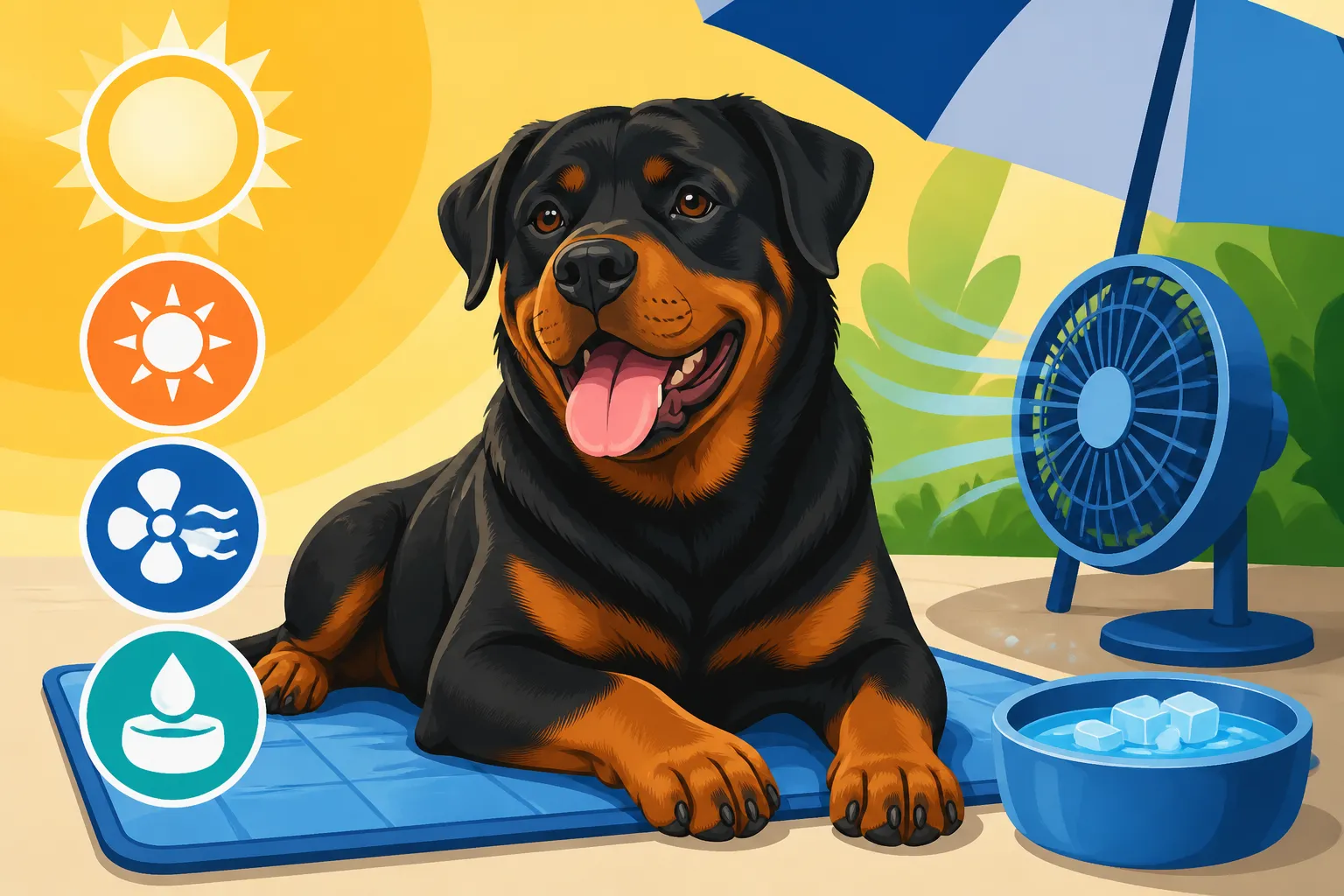
Your Rottweiler needs a retreat from the heat, both indoors and out. Inside, make sure they have access to air-conditioned rooms or at least areas with good air circulation from fans. Consider investing in a cooling mat, which uses pressure-activated gel to provide a cool surface for them to lie on. These can be particularly helpful for big dogs like Rottweilers who radiate a lot of heat. You can find excellent options on sites like Chewy or Amazon. Keep curtains or blinds closed during the hottest parts of the day to prevent direct sunlight from streaming in and warming up your home.
Outside, shade is paramount. If you don't have natural shade from trees, consider setting up a large umbrella, a shade sail, or even a pop-up canopy. Ensure there's enough room for your Rottweiler to stretch out completely in the shade at all times of the day. A kiddie pool filled with a few inches of cool water can also be a wonderful relief, allowing them to wade and cool their paws and belly. Remember to supervise them, especially if they're new to water, and ensure the water isn't too deep for safe play. The goal is to provide multiple options for them to seek relief from the sun and heat.
Gear and Gadgets for Canine Cooling
In our modern world, there's a whole array of ingenious products designed to help keep our furry friends comfortable when temperatures climb. For a large, black-coated breed like the Rottweiler, these aren't just luxuries; they can be essential tools in your summer safety kit.
Cooling Vests, Mats, and Bandanas
Cooling vests are a fantastic innovation for Rottweilers, especially if you live in a hot climate or need to take them out during warmer parts of the day. These vests work by either being soaked in water, which then evaporates to create a cooling effect, or by containing special cooling gels that stay cool for hours. They target the major blood vessels and organs, helping to lower core body temperature. When choosing a vest, look for one that fits well, allowing for full range of motion without chafing, and ensure it's made from breathable materials. Brands like Ruffwear or The Chillout range often offer sizes suitable for large breeds.
Cooling mats are another highly effective tool. These often contain a gel that activates with pressure, providing a consistently cool surface for your dog to lie on. They don't require refrigeration or electricity, making them convenient for use indoors, in crates, or even in the car. Many Rottweilers instinctively seek out cool tiles or concrete, and a cooling mat provides that sensation wherever they need it most. You can find a wide variety of sizes and styles on sites like Amazon or Chewy. Additionally, cooling bandanas, which you soak in water and tie around your dog's neck, can provide localized cooling to the carotid arteries, helping to cool the blood circulating to the brain. While less effective than full vests, they're a good supplementary option for shorter outings or milder heat. These fall under Cooling Mats and Vests for a Rottweiler.
Portable Water Solutions and Travel Gear
When you're out and about with your Rottweiler, whether on a walk, a hike, or a car trip, access to water is paramount. Investing in a good portable water bottle specifically designed for dogs is a game-changer. Many come with an attached bowl that flips out, making it easy to dispense water without waste. Some even have filters. These are far more hygienic and convenient than trying to pour water from a human bottle into your hand or a random container. Brands like H2O4K9 or Lixit make sturdy, leak-proof options.
For longer car journeys, a larger travel water bowl that can be secured to prevent spills is also a great idea. There are gravity-fed options or splash-proof designs that work well. Always carry more water than you think you'll need, especially for a large dog like a Rottweiler. For car safety, consider a well-ventilated travel crate or a secure car harness. Never leave your Rottweiler unattended in a vehicle, even with windows cracked, as interior temperatures can rise to dangerous levels in minutes, even on what feels like a mild day. This is a non-negotiable rule that can save their life.
Specialized Toys for Hot Weather Play
Just because it's hot doesn't mean playtime has to stop. You just need to get creative with your toys! Freeze-fillable toys are excellent for providing both mental stimulation and a cooling treat. Kongs stuffed with wet food, peanut butter (xylitol-free!), or plain yogurt and then frozen can keep your Rottweiler occupied and cool for a good while. Ice cubes on their own can also be a fun, low-calorie treat for many dogs.
Another great option is a sturdy, chewable rubber toy that floats, perfect for supervised play in a kiddie pool or a lake. Swimming is a fantastic low-impact exercise for Rottweilers that also provides excellent cooling, especially as they get older and may struggle with joint issues (Managing Arthritis in an Older Rottweiler). Always introduce water play gradually and ensure safety, especially if your Rottweiler isn't a natural swimmer. Some interactive puzzle toys can also be filled with frozen treats, turning a stimulating game into a refreshing experience. Remember to rotate toys to keep them novel and engaging.
Nutritional Considerations During Hot Weather
What and how your Rottweiler eats can also play a role in their comfort and health during hot weather. It’s not just about avoiding toxic foods; it's about optimizing their diet for hydration and internal temperature regulation.
Maintaining Appetite and Hydration Through Food
During hot spells, some Rottweilers might experience a dip in appetite, much like humans do when it’s sweltering. It’s crucial to ensure they’re still getting adequate nutrition and, more importantly, hydration through their meals. One way to do this is by incorporating wet food into their diet or adding water or low-sodium bone broth to their dry kibble. This boosts their fluid intake and can make the food more appealing. Some owners find that slightly warming wet food (if it's been refrigerated) can enhance its aroma and encourage eating, while others prefer serving it at room temperature.
Another approach is to offer meals during the cooler parts of the day, such as early morning or late evening, when their appetite might be better. Consider smaller, more frequent meals rather than one or two large ones, which can be heavy and take more energy to digest. You can even create frozen "pupsicles" from their regular wet food or a mix of kibble and water, providing a cooling, engaging meal. Brands like Ollie, known for fresh, human-grade dog food, can be a great option for maintaining interest, as these foods often have higher moisture content and are highly palatable. Just be sure any dietary changes are introduced gradually to avoid upsetting their digestive system.
Avoiding Certain Foods That Generate Internal Heat
Just as some foods warm us up, certain ingredients and feeding practices can cause your Rottweiler to generate more internal body heat, which is precisely what we want to avoid in hot weather. Overfeeding, in general, can contribute to excess heat production as their body works harder to digest a large meal. Splitting their daily ration into Splitting a Rottweiler's Food Into Two Meals or even three smaller meals can aid digestion and reduce the post-meal metabolic heat spike.
While protein is essential for Rottweilers, excessively high protein diets might theoretically contribute to more metabolic heat during digestion, especially if protein isn't balanced with other nutrients. It's usually not a major concern with commercial diets, but it's worth noting. More critically, avoid giving your Rottweiler rich, fatty scraps or large quantities of human food, which can be hard to digest and potentially lead to digestive upset, adding stress to their system. Always be mindful of What a Rottweiler Should Never Be Fed and stick to their regular, balanced diet, adjusting only for hydration and palatability.
The Role of Electrolytes and Supplements
When dogs pant heavily, they don't just lose water; they also lose electrolytes, essential minerals like sodium, potassium, and chloride that are crucial for nerve and muscle function, and maintaining fluid balance. For healthy Rottweilers in typical summer conditions, simply providing fresh water is usually sufficient, as their regular diet should supply adequate electrolytes. However, in cases of extreme heat, prolonged exercise, or if your dog has experienced vomiting or diarrhea, supplementing electrolytes might be beneficial.
There are specific veterinary-formulated electrolyte solutions available for dogs, often found at pet supply stores or through your vet. Avoid giving human sports drinks, as they often contain ingredients like artificial sweeteners (especially xylitol, which is toxic) and sugar that are not suitable for dogs. If you're concerned about electrolyte imbalance, always consult your veterinarian first. They can advise whether a supplement is necessary and recommend a safe, appropriate product and dosage for your Rottweiler. For general well-being, particularly for a large, active breed, Joint Supplements Started Before a Rottweiler Turns Two can be beneficial year-round, but always check with your vet for hot-weather specific advice.
Managing Specific Hot Weather Scenarios
Even with the best intentions, summer brings unique challenges. Knowing how to handle specific situations can make all the difference in keeping your Rottweiler safe and comfortable.
Car Travel and Short Trips
Car travel is one of the most dangerous hot-weather scenarios for dogs, especially a black-coated Rottweiler. The interior of a car can heat up incredibly fast, becoming a death trap in a matter of minutes, even on a seemingly mild day. Never, ever leave your Rottweiler unattended in a car, even with the windows cracked or "just for a minute." The temperature inside can climb rapidly to well over 100°F (38°C) in no time, leading to fatal heatstroke.
When you do travel, ensure your car's air conditioning is fully functional and directed towards the back where your Rottweiler will be. Use sunshades on windows to block direct sunlight. Always have a supply of fresh, cool water readily available in a spill-proof bowl. For longer trips, plan frequent stops in shaded areas where your dog can stretch their legs, relieve themselves, and drink water. A cooling mat in their crate or on the car seat can also help keep them comfortable. If your Rottweiler tends to get car sick or anxious, consider driving during the cooler hours of the day to reduce stress and overheating.
Dog Parks and Social Outings
Dog parks, while great for socialization, present several hazards for Rottweilers in hot weather. The excitement of play can quickly lead to overexertion, and many dog parks lack sufficient shade or readily available cool water. The ground surfaces, often dirt or asphalt, can also get incredibly hot and burn paw pads. Before heading to a dog park, check the temperature and humidity. If it's warm, consider skipping it entirely or going during the very early morning or late evening.
If you do go, choose parks with ample natural shade and a water source. Bring your own extra water, and a cooling vest for your Rottweiler. Supervise their play closely, intervening before they get too rambunctious. Watch for signs of heavy panting or fatigue in your Rottweiler and any other dogs. If they're showing any discomfort, it's time to leave. Remember that not all owners are as diligent about heat safety, so you need to be responsible for your own dog's well-being. Consider quieter, shaded walking trails or playdates in private, air-conditioned homes instead of crowded, exposed dog parks on hot days.
Emergency Cooling Techniques You Can Perform
If despite all your precautions, your Rottweiler begins to show signs of overheating or heatstroke, immediate action is vital. First, get them out of the heat source and into the coolest environment possible—ideally an air-conditioned space. Immediately begin cooling them with cool (not ice-cold) water. Soaking their entire body, especially the head, neck, armpits, and groin, is crucial. You can use a hose, a shower, or simply wet towels. The goal is to lower their core temperature quickly, but avoid using ice-cold water or ice packs, as this can cause the blood vessels to constrict, trapping heat inside their body and potentially causing shock.
Once their body is wet, use a fan to create airflow across their damp fur, which helps promote evaporative cooling. If they are conscious and able to swallow, offer small amounts of cool water. Do not force them to drink if they are disoriented or unconscious. Monitor their rectal temperature if you have a thermometer and know how to use it safely, aiming to bring it down to around 103°F (39.4°C). Most critically, call your vet immediately and prepare for transport. Continue cooling efforts during the drive, as outlined earlier. Remember, these are first aid measures; veterinary care is still absolutely essential after a heatstroke event.
Long-Term Health and Heat Tolerance
While immediate steps are crucial, considering your Rottweiler's overall long-term health can significantly impact their ability to cope with heat throughout their life. It's about building resilience from the inside out.
Weight Management for Better Heat Resilience
One of the most impactful things you can do for your Rottweiler's heat tolerance is to maintain a healthy body weight. An overweight or obese Rottweiler carries extra insulation (fat), which makes it much harder for their body to dissipate heat. This is like wearing a heavy winter coat in the summer—it traps heat and forces their system to work overtime to cool down. Every extra pound your Rottweiler carries puts an additional strain on their cardiovascular system and increases their risk of heat-related illnesses.
Conversely, a lean, fit Rottweiler has a more efficient metabolism and less insulating fat, allowing them to regulate their body temperature more effectively. Keeping them at an ideal weight also reduces stress on their joints, which is especially important for a large breed prone to conditions like Rottweiler Hip Dysplasia and the OFA Grade and Rottweiler Elbow Dysplasia and Front Leg Lameness. Work with your vet to determine your Rottweiler's ideal body condition score and caloric intake, and implement a consistent exercise and feeding plan to keep them in peak physical condition. A healthy weight is fundamental to their overall health and their ability to thrive in warm weather.
Addressing Underlying Health Conditions
Any underlying health condition can significantly compromise a Rottweiler's ability to cope with heat. Conditions affecting the heart, such as Rottweiler Heart Disease and Subaortic Stenosis, or respiratory issues can reduce their ability to effectively circulate blood and pant, which are critical cooling mechanisms. Endocrine disorders like thyroid disease (Rottweiler Hypothyroidism and Unexplained Weight Gain) can also affect metabolism and heat regulation. Even seemingly minor issues like chronic pain can stress their system.
Regular veterinary check-ups are essential to identify and manage any pre-existing health issues. If your Rottweiler has a diagnosed condition, discuss with your vet specific precautions you should take in hot weather. They might recommend stricter exercise limits, specific medications, or additional cooling strategies tailored to your dog's needs. For example, a dog with a heart condition might need much shorter, less intense exercise periods, even in mild heat. Being proactive about their general health not only improves their quality of life but also enhances their resilience against environmental stressors like high temperatures.
Acclimation and Building Heat Tolerance Safely
Dogs, like people, can acclimate to warmer temperatures over time, but this process must be done gradually and safely, especially for a Rottweiler. You can't just throw a dog accustomed to cool weather into a scorching environment and expect them to cope. Instead, slowly increase their exposure to warmer (but not dangerously hot) conditions over several weeks. Start with very short, early morning walks on slightly warmer days and gradually extend the duration and the temperature range.
This acclimation process involves physiological changes that improve their body's ability to regulate temperature, such as increased blood plasma volume and more efficient sweating through their paw pads. However, there's a limit to how much a black-coated Rottweiler can acclimate, especially to extreme heat and humidity. Always prioritize their safety over pushing limits. If they show any signs of discomfort, dial back immediately. For Rottweiler puppies, whose growth plates are still open (Rottweiler Growth Plates Closing at Eighteen to Twenty-Four Months), over-exercise in any temperature can be detrimental, so heat adds another layer of caution. Safe acclimation means listening to your dog and never forcing them into conditions that make them visibly uncomfortable.
Common Misconceptions About Cooling Rottweilers
There are a lot of old wives' tales and well-meaning but ultimately unhelpful advice floating around when it comes to keeping dogs cool. For Rottweiler owners, it's crucial to separate fact from fiction to ensure their safety.
The "Just Add Water" Fallacy
One common misconception is that simply providing water is enough to keep a dog cool, regardless of the ambient temperature or activity level. While water is undeniably vital for hydration, it's not a magic bullet against overheating, especially for a black-coated Rottweiler. A dog primarily cools itself through panting, which involves evaporative cooling from the tongue and respiratory tract. If the air is already hot and humid, this process becomes much less efficient. Think of trying to dry clothes in a very humid environment – it takes forever because the air is already saturated with moisture.
So, while offering water is a necessary first step, it won't prevent heatstroke if your Rottweiler is over-exercised in direct sun on a 90-degree Fahrenheit (32°C) day. They need shade, rest, and active cooling methods like damp towels or vests if they're pushed in warmer conditions. Just providing water is like giving a thirsty person a glass of water in a sauna—it helps with dehydration, but it doesn't solve the core problem of the heat itself. We need a multi-faceted approach, especially for our big, dark-coated companions.
Over-Clipping the Coat in Summer
Another persistent myth is that shaving or closely clipping a double-coated dog like a Rottweiler will keep them cooler in summer. While it seems logical at first glance, this can actually be detrimental. As mentioned earlier, their double coat provides natural insulation, protecting them from both cold and, crucially, from the sun's harsh UV rays. The outer guard hairs also help to shed water and dirt, while the undercoat acts as a thermal regulator.
When you shave or clip a Rottweiler's coat, you remove this natural protection. Their skin is then directly exposed to the sun, making them vulnerable to sunburn (yes, dogs can get sunburn!) and increasing their risk of skin cancer. The shaved fur also loses its insulating properties, which can actually make them hotter as the sun beats down on their unprotected skin. Furthermore, their coat might grow back unevenly or change texture, a condition known as "post-clipping alopecia" in some breeds. Instead of clipping, focus on thorough regular brushing to remove loose undercoat, which improves air circulation without compromising their natural defenses.
The Illusion of Shade
While shade is absolutely preferable to direct sunlight, relying solely on "shade" as a cooling strategy can be misleading. Many people assume that if their dog is in the shade, they are perfectly safe. However, the ambient air temperature can still be dangerously high even in the shade, especially on hot, still, humid days. The air itself is warm, and if there's no breeze, the dog's evaporative cooling through panting becomes less effective.
Moreover, the ground beneath the shade might still radiate heat from earlier sun exposure. Imagine sitting under a tree on asphalt that's been baking all day; you're in the shade, but you still feel the heat radiating up. For a Rottweiler lying on the ground, this radiant heat can be substantial. So, while shade is good, it needs to be combined with other strategies: access to cool water, a cooling mat, minimal activity, and vigilance for any signs of discomfort. True safety in hot weather requires considering the entire environment, not just whether a patch of shade is available.
| Cooling Method | Pros | Cons | Best Use Case |
|---|---|---|---|
| Air Conditioning | Most effective for lowering core temp; provides overall comfort | Not portable; energy cost; requires indoor access | Home, car travel |
| Cooling Mats | Portable; no power needed; immediate cool surface | Only cools contact area; can warm up over time; some dogs chew them | Indoors, crate, car, outdoor in shade |
| Cooling Vests/Bandanas | Targets vital areas; allows movement; portable | Requires re-wetting; can feel heavy when wet; may not cool enough in extreme heat | Walks, outdoor activities in moderate heat |
| Kiddie Pool | Fun; full body cooling; encourages hydration | Requires space; water changes; supervision needed | Backyard play, supervised outdoor relief |
| Frozen Treats | Hydrating; mentally stimulating; low effort | Messy; limited cooling effect; can be calorie dense | Indoor enrichment, quick cool-down |
| Early/Late Exercise | Avoids peak heat; prevents overexertion | Restricts exercise window; requires schedule flexibility | Daily routine adjustments |
| Portable Water | Prevents dehydration; essential for all outings | Can run out; sometimes messy; doesn't actively cool | Walks, hikes, car trips, dog parks |
| Shade | Reduces direct solar radiation; natural relief | Air temperature still high; ground can radiate heat; limited availability | Essential outdoor element, not sole solution |
Disclaimer
This article is for general informational purposes only and does not constitute professional advice. Laws, prices and regulations vary by location and change over time. Consult a qualified professional for guidance on your specific situation.