The Age a Rottweiler Moves to Two Meals a Day
One of the trickiest balancing acts when you're raising a big, powerful breed like a Rottweiler is figuring out their feeding schedule. You start with this tiny, ravenous puppy, seemingly needing food every few hours, and then you blink, and they're a giant, gangly teenager still growing but clearly not needing five meals a day. The question of when to transition your Rottweiler from those frequent puppy meals to a more adult two-meal-a-day routine is a common one, and getting it right is crucial for their long-term health and preventing issues like bloat. This guide will walk you through exactly when and how to make that change, ensuring your Rottie gets the right nutrition at the right time.
The Journey from Puppy to Adult: Why Meal Schedules Change
Bringing home a Rottweiler puppy means committing to a whirlwind of growth and development. They start so small, but their bodies are little powerhouses, putting on weight and bone structure at an incredible rate. What works for a tiny eight-week-old pup simply won't work – and shouldn't – for a nearly full-grown adolescent. Understanding why their feeding schedule evolves is just as important as knowing when to make the change.
The Intense Nutritional Needs of a Growing Rottweiler Puppy
Think about how fast a Rottweiler puppy grows. They go from a few pounds to potentially 70 or 80 pounds in less than a year, with significant growth continuing even beyond that. This rapid development requires a constant, steady supply of nutrients, not just large quantities all at once. Their little stomachs, initially, can't handle a huge volume of food in one sitting without becoming distended or causing digestive upset. That's why puppies traditionally eat three, four, or even five smaller meals throughout the day. It helps them digest their food more efficiently, absorb nutrients better, and maintain stable energy levels without those sudden blood sugar spikes and crashes that can happen with irregular feeding. We've talked extensively about Rottweiler Puppy Calories From Fourteen Hundred Up and Feeding a Rottweiler Puppy Three or Four Times a Day because this stage is so vital. Getting the right caloric intake spread out is key to fueling their growth without overstressing their systems.
Digestive Maturity and Stomach Capacity in a Young Rottweiler
Just like human babies, a Rottweiler puppy's digestive system isn't fully mature right out of the gate. Their gut biome is still developing, and their stomach, while growing rapidly, still has its limits. Imagine trying to eat your entire day's worth of food in one go; it would be incredibly uncomfortable and likely lead to indigestion. The same goes for puppies. Smaller, more frequent meals are easier for their immature digestive tracts to process. This approach helps prevent issues like diarrhea or vomiting, which can quickly dehydrate a puppy and set back their development. As they get older, their digestive system strengthens, their stomach capacity increases, and they become much more capable of handling larger, less frequent meals. It's a natural progression, but one we need to guide thoughtfully.
The Role of Growth Plates in Feeding Decisions
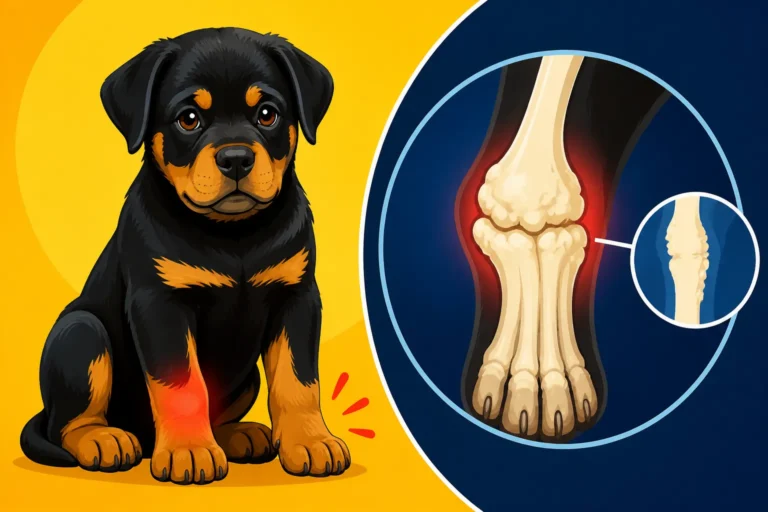
For large and giant breeds like Rottweilers, healthy bone and joint development is paramount. Their growth plates, the soft areas at the ends of long bones where bone growth occurs, remain open and vulnerable for much longer than in smaller breeds. We've discussed this in detail in Rottweiler Growth Plates and Why They Close So Late. Overfeeding, particularly with too much calcium or excessive calories leading to rapid weight gain, can put undue stress on these delicate growth plates, increasing the risk of developmental orthopedic diseases like hip and elbow dysplasia.
By maintaining a consistent, appropriate feeding schedule and ensuring they don't grow too fast, we help protect these critical structures. As they mature and their growth plates begin to close, their nutritional needs shift slightly, making the transition to fewer, larger meals a more natural and less risky step. It's all about providing steady, appropriate nourishment to support their frame as it strengthens and solidifies.
Pinpointing the Transition Age: When Two Meals Become Ideal
So, when exactly should you start thinking about cutting back on those meal times? It's a question every Rottweiler owner grapples with, and thankfully, there's a generally accepted window that works for most dogs, combined with some clear indicators from your own Rottie.
The Sweet Spot: Typically Six to Eight Months Old
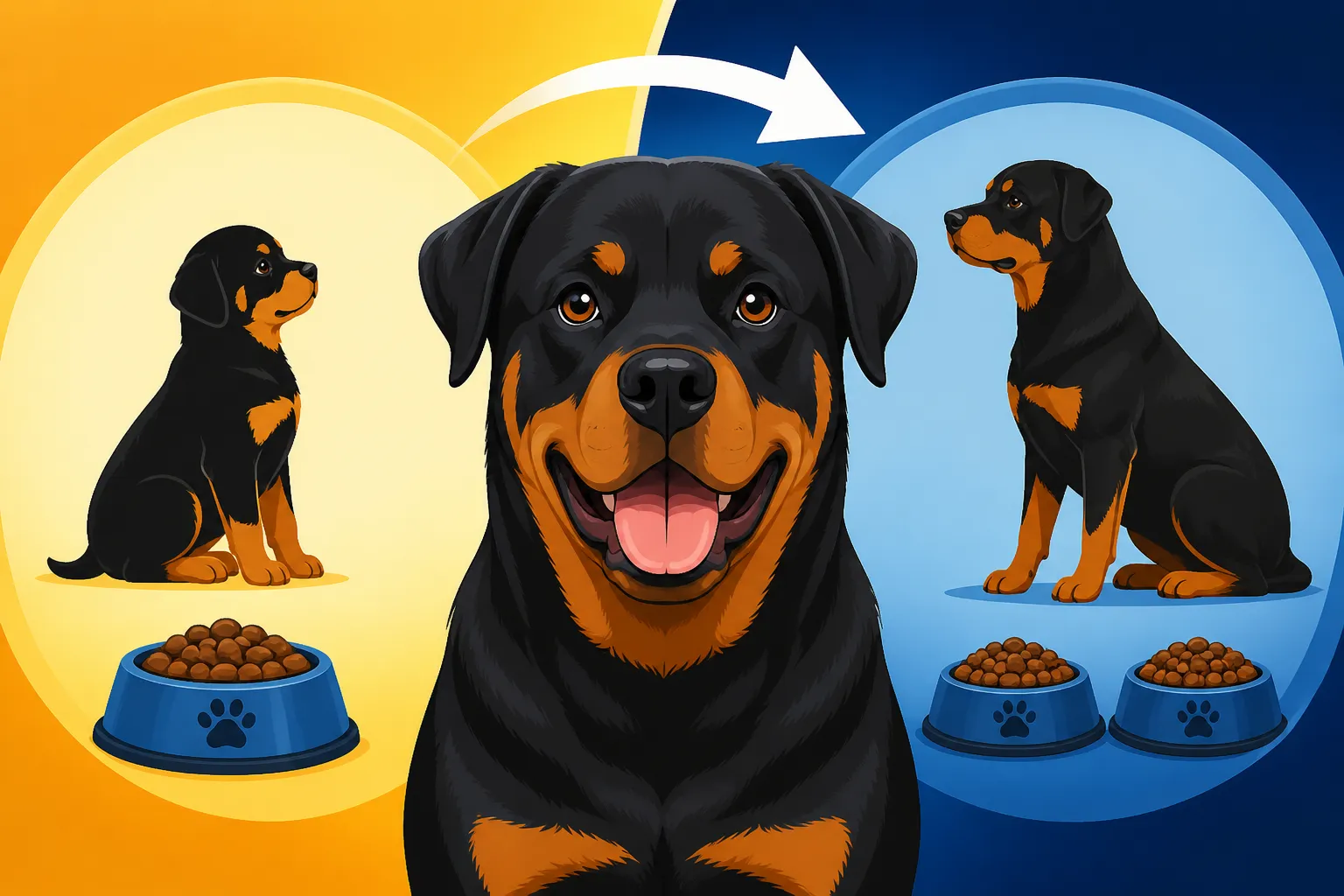
For most Rottweilers, the ideal time to transition from three (or more) daily meals down to two is typically between six and eight months of age. By this point, their digestive systems are considerably more robust, their stomach capacity is larger, and their most explosive period of rapid growth is usually tapering off, though they'll continue to fill out and mature for many more months.
How do you know if your Rottie is ready within this window? Look for a few signs:
- Reduced Enthusiasm for Mid-Day Meals: If your pup starts leaving food in their bowl during their third or fourth meal, or seems less excited about it than their morning and evening meals, it's a good indicator they might be getting enough from two larger servings.
- Consistent Appetite at Core Meals: Conversely, if they're still ravenously eating all meals, you might wait a bit longer, or ensure their overall daily caloric intake is appropriate for their age and activity level.
- Stable Weight and Energy: They should be growing steadily, not gaining weight too rapidly, and have consistent energy throughout the day.
Remember, this isn't a hard and fast rule set in stone. Some Rottweilers might be ready a little earlier, while others might benefit from three meals a day up to nine or ten months, especially if they are particularly active or still undergoing significant growth spurts. Always observe your individual dog.
Why a Gradual Transition is Always Best
Sudden changes in diet or feeding schedule can wreak havoc on a dog's digestive system, regardless of their age. Going from three meals to two overnight can lead to upset stomachs, diarrhea, or even increased hunger and anxiety. A gradual transition is always the kindest and most effective approach.
Here's how you might approach it:
- Phase One: Adjusting Mid-Day Meal: For a week or two, start by slightly reducing the size of their mid-day meal while increasing the size of their morning and evening meals proportionally, ensuring their total daily caloric intake remains the same. You're effectively "spreading" that mid-day meal's calories across the other two.
- Phase Two: Eliminating Mid-Day Meal: Once your Rottie has adjusted to the slightly smaller mid-day meal, you can begin to eliminate it entirely. This might mean dropping it every other day for a few days, or just taking it out completely and redistributing its calories to the remaining two meals.
- Monitor Closely: Throughout this process, keep a close eye on their appetite, stool quality, and overall demeanor. If they seem excessively hungry, have digestive upset, or appear lethargic, you might be moving too fast. Revert to the previous step for a few more days before trying again.
Using measuring cups, or even a kitchen scale to weigh out portions, can be incredibly helpful here. Brands like Chewy and Amazon offer a wide variety of accurate kitchen scales and measuring cups that make this process easier.
Factors That Might Influence Your Rottweiler's Schedule
While six to eight months is a good guideline, several factors can influence the best timing for your Rottweiler:
- Individual Metabolism: Some Rottweilers are naturally more active or have faster metabolisms, burning through calories more quickly. These dogs might benefit from maintaining three meals a day for a bit longer, or might need slightly larger portions at their two meals. Others, less active, might be fine transitioning earlier.
- Activity Level: A Rottweiler involved in extensive training, dog sports, or simply with a very active lifestyle will have higher caloric needs than a more sedentary house dog. Their feeding schedule needs to support their energy output.
- Health Conditions: Any underlying health issues, especially those affecting digestion or metabolism, could necessitate a different feeding frequency. Always consult your veterinarian if your Rottweiler has specific health concerns.
- Breeder Recommendations: Your breeder often has invaluable insight into their lines and might offer specific advice on feeding schedules. They've raised many Rottweiler puppies and can provide guidance tailored to their genetics.
- Neutering/Spaying: After spaying or neutering, a dog's metabolism can slow down, making them more prone to weight gain. This might be a good time to solidify a two-meal schedule with careful portion control to prevent obesity. We often see Rottweiler Obesity and the Load It Adds become a concern post-surgery.
It's about finding a rhythm that works for your dog's unique needs, always with an eye on their health and well-being.
Managing the Two-Meal-a-Day Routine for an Adult Rottweiler
Once your Rottweiler has successfully transitioned to two meals a day, the focus shifts to maintaining that routine effectively. This isn't just about throwing food in a bowl twice a day; it's about thoughtful portion control, timing, and ongoing observation to ensure they remain healthy and happy.
Portion Control and Preventing Obesity
An adult Rottweiler is a substantial dog, and their caloric needs are significant, but it's easy to overfeed them. Free-feeding (leaving food out all day) is almost never a good idea for a Rottweiler, as it makes portion control impossible and significantly increases the risk of obesity. Obesity, in turn, puts immense strain on their joints, already prone to issues like Rottweiler Hip Dysplasia and the OFA Grade, and contributes to a host of other health problems.
With two meals a day, you have a golden opportunity for precise portion control.
- Measure Accurately: Use a dedicated measuring cup or, even better, a kitchen scale to weigh out each portion of food. This removes guesswork and ensures consistency. We've gone over Daily Calories for a Hundred Twenty Pound Rottweiler and Portioning an Adult Rottweiler by Body Condition because it's such a critical aspect of their long-term health.
- Monitor Body Condition: Regularly assess your Rottweiler's body condition. You should be able to feel their ribs easily without seeing them, and they should have a discernible waist when viewed from above. If they're looking a bit round, it might be time to slightly reduce portions or increase exercise (after checking with your vet).
- High-Quality Food: Investing in a high-quality large-breed adult dog food is essential. Brands like Purina Pro Plan, Royal Canin, or even fresh food options like Ollie, offer formulas designed to meet the specific needs of large breeds, providing balanced nutrition without excessive fillers. You can often find these readily available on Chewy or via subscription services.
Meal Timing for Optimal Digestion and Bloat Prevention
The timing of those two daily meals is incredibly important for Rottweilers, particularly concerning bloat (Gastric Dilatation-Volvulus, or GDV), a life-threatening condition where the stomach fills with gas and can twist.
- Consistent Schedule: Try to feed your Rottweiler at roughly the same times each day. This helps regulate their digestive system and reduces anxiety around meal times. A morning meal (e.g., 7-8 AM) and an evening meal (e.g., 5-6 PM) works well for many families.
- Rest Before and After Meals: This is perhaps the most critical rule for bloat prevention. Avoid strenuous exercise, excessive running, or rough play for at least an hour before and, more importantly, for at least two hours after your Rottweiler eats. The combination of a full stomach and vigorous activity significantly increases the risk of bloat. We cover this extensively in How Long to Wait After a Rottweiler Meal Before Exercise and Meal Timing That Lowers Rottweiler Bloat Risk.
- Elevated Bowls (Controversial): The debate about raised bowls and bloat risk continues. Some owners prefer them for comfort, especially for large dogs or those with arthritis, but studies haven't definitively proven they reduce bloat risk and some even suggest they might increase it. Discuss this with your vet to make an informed decision for your dog.
- Slow Feeding: If your Rottweiler tends to "gulp" their food, consider a slow feeder bowl. These bowls have obstacles that force them to eat more slowly, which can reduce air intake and improve digestion. You can find many options on platforms like Amazon.
By being mindful of timing and activity, you significantly reduce the risk of serious health complications.
Maintaining Hydration and Monitoring Appetite
Beyond the food itself, proper hydration is vital for your Rottweiler's health, and keeping an eye on their appetite can be an early indicator of health changes.
- Constant Fresh Water: Always provide access to fresh, clean water. A large dog like a Rottweiler needs to drink a lot, especially after exercise or in warmer weather. Consider using a large ceramic or stainless steel bowl that's easy to clean and won't tip over.
- Monitor Water Intake: While a sudden increase in thirst can sometimes indicate a medical issue, ensuring they're drinking enough is important. Dehydration can lead to lethargy and other problems.
- Watch for Changes in Appetite: A healthy Rottweiler should be enthusiastic about their meals. A sudden refusal to eat, or a significant decrease in appetite for more than a meal or two, warrants attention. It can be a sign of anything from an upset stomach to a more serious underlying health issue. Conversely, a sudden increase in hunger might indicate parasites, a metabolic issue, or just insufficient calories for their activity level.
- Treats as Part of the Budget: Remember that treats add calories. When calculating your Rottweiler's daily food intake, factor in any treats given for training or rewards to avoid accidental overfeeding.
Common Pitfalls and Troubleshooting Your Rottweiler's Feeding Schedule
Even with the best intentions, navigating a Rottweiler's feeding journey can have its challenges. Knowing what to watch out for and when to seek professional help can save you a lot of worry and potentially prevent serious health issues.
The Risks of Overfeeding or Underfeeding at Any Age
Whether they're a rapidly growing puppy or a dignified senior, getting a Rottweiler's caloric intake wrong can have significant consequences.
- Overfeeding: This is arguably the more common issue, especially with a breed that loves to eat! As mentioned earlier, overfeeding leads to obesity, which exacerbates joint problems (like Rottweiler Hip Dysplasia and the OFA Grade), increases the risk of certain cancers, shortens their lifespan, and can lead to conditions like diabetes. A chunky puppy might look cute, but it's detrimental to their developing bones and growth plates. Keeping a Rottweiler lean, especially during their growth phase, is one of the best things you can do for their long-term health.
- Underfeeding: While less common for such food-motivated dogs, underfeeding can lead to nutritional deficiencies, lack of energy, poor coat quality, and a compromised immune system. For growing puppies, it can stunt their development. Always follow reputable large-breed feeding guidelines and adjust based on your dog's individual body condition and activity level. If you're using a fresh food service like Ollie, their portion recommendations are often tailored to your dog's specific profile, which can be very helpful.
When to Consult Your Veterinarian or a Canine Nutritionist
You are your Rottweiler's best advocate, but sometimes you need professional guidance. Don't hesitate to reach out to your vet or a certified canine nutritionist if you encounter any of these situations:
- Persistent Digestive Upset: If your Rottweiler frequently has diarrhea, vomiting, or excessive gas, especially after a feeding change, it's time for a vet visit.
- Unexplained Weight Changes: Sudden weight loss or gain that isn't easily explained by a change in diet or activity level should be investigated.
- Loss of Appetite: If your Rottweiler consistently refuses to eat or shows a significant decrease in appetite, a vet check is crucial to rule out underlying illness.
- Concerns About Growth: If your puppy seems to be growing too slowly or too quickly, or if you have concerns about their bone and joint development, your vet can provide tailored advice.
- Dietary Restrictions: If your Rottweiler develops allergies, sensitivities, or a health condition (like kidney disease or diabetes) that requires a special diet, a vet or nutritionist can help formulate an appropriate plan.
- Transition Difficulties: If your Rottweiler struggles significantly with the transition to two meals a a day, showing extreme hunger, anxiety, or continued digestive issues, professional advice can help you adjust the approach.
Adjusting for Senior Rottweilers or Special Needs
Life doesn't stand still, and neither do your Rottweiler's needs. As they age, or if they develop specific health conditions, their feeding schedule and diet might need further adjustments.
- Senior Rottweilers: As a Rottweiler enters their senior years, typically around age seven, their metabolism might slow down, and their activity levels often decrease. This means they'll likely need fewer calories to maintain a healthy weight. Senior-specific dog foods are often lower in calories but still provide joint support nutrients. We often delve into Senior Rottweiler Feeding and Mobility because these later years require thoughtful dietary management. While still typically on two meals a day, the amount in those meals might decrease. Rottweiler Bloat Risk Rising With Age also remains a concern, reinforcing the two-meal-a-day approach with rest.
- Dental Issues: Older Rottweilers can develop dental problems, making it harder to chew kibble. You might need to soften their food with water or transition to a wet food diet.
- Illness or Recovery: Dogs recovering from surgery or managing chronic illnesses might require special diets, smaller, more frequent meals, or appetite stimulants as advised by your vet.
- Mobility Issues: For Rottweilers with severe arthritis or mobility challenges, eating from a raised bowl might offer more comfort, but again, discuss the bloat risk with your vet.
- Maintaining Consistency: While adjustments are sometimes necessary, try to maintain as much consistency as possible in meal times and general routine. Rottweilers thrive on predictability, and this can help reduce stress and digestive upset. Don't be afraid to keep Splitting a Rottweiler's Ration Across the Day into smaller portions, even for an adult, if it aids digestion or manages specific health needs, just make sure the total daily intake is correct.
| Rottweiler Age | Recommended Meals Per Day | Key Considerations |
|---|---|---|
| 8 weeks – 4 months | 4 meals | Rapid growth, small stomach, immature digestion. |
| 4 months – 6 months | 3 meals | Continued rapid growth, increasing stomach capacity, watchful for growth plate stress. |
| 6 months – 8 months | Transition to 2 meals | Digestive maturity, slowing but steady growth, ideal window for most Rottweilers. Gradual reduction is crucial. |
| 8 months – 7 years (Adult) | 2 meals | Stable routine, portion control to prevent obesity, careful timing around exercise to prevent bloat. |
| 7+ years (Senior) | 2 meals | Lower caloric needs, focus on joint health, potential for dental issues, continued bloat prevention. |
Ultimately, transitioning your Rottweiler to two meals a day is a significant milestone in their development. It's a sign they're growing up, and with careful attention to their needs, you can set them up for a lifetime of health and happiness.
Disclaimer
This article is for general informational purposes only and does not constitute professional advice. Laws, prices and regulations vary by location and change over time. Consult a qualified professional for guidance on your specific situation.