Developmental Bone Disease in a Fast-Grown Rottweiler
When you bring home a Rottweiler puppy, there's often a quiet excitement, a secret wish, for them to grow into that magnificent, powerful dog you envision. We want them to be big, strong, and impressive. But sometimes, in our eagerness, we inadvertently push their growth too fast, creating a perfect storm for painful and often debilitating conditions known as developmental bone diseases. This guide is all about understanding how these issues arise in our quickly growing Rottweiler puppies and, more importantly, how we can prevent them, ensuring our beloved companions grow into healthy, sound adults.
The Lure of the "Big Boned" Puppy and Its Hidden Risks
It’s completely natural to want your Rottweiler puppy to grow up big and strong, to fill out that impressive frame we all admire. We see those adorable, chunky puppies and think, "the bigger, the better!" Sometimes, we even feel a bit competitive, wanting our pup to be the largest in their litter or the fastest growing among our friends' dogs. This desire, while well-intentioned, can unfortunately lead us down a path where we accidentally put our Rottweilers at risk for serious skeletal problems. It's a real paradox: our love for their potential size can sometimes undermine their long-term health.
Why Faster Growth Isn't Always Better
The truth is, while Rottweilers are indeed meant to be large, robust dogs, rapid growth is a huge red flag, not a badge of honor. Imagine building a skyscraper too quickly – you might get the height, but the structural integrity could be compromised. The same principle applies to a growing Rottweiler. Their bones, joints, and cartilage are complex systems that need time to mature and solidify. When they grow too fast, especially in their early months, these crucial structures don't have enough time to develop properly, leading to weaknesses and abnormalities. It’s like their body is trying to keep up with an accelerated schedule it wasn't designed for, and the joints bear the brunt of that rush.
We often think more food equals more growth, and while true to an extent, too much of a good thing can be genuinely detrimental. That extra weight on immature joints, combined with bones that are still forming rapidly, creates excessive stress. This isn't just about being a little chunky; it's about the fundamental development of their skeletal system. A Rottweiler puppy that grows at a moderate, steady pace is far more likely to have sound joints and a healthier future than one that looks like a miniature adult at six months old. The goal isn't just size, but quality of growth.
The Genetic Predisposition in Large Breeds Like Rottweilers
It's also important to remember that Rottweilers, like many other large and giant breeds, come with a genetic blueprint that makes them inherently more susceptible to these developmental bone diseases. They are predisposed to conditions like hip and elbow dysplasia, Osteochondritis Dissecans in a Rottweiler Shoulder, and hypertrophic osteodystrophy. This genetic component means we, as owners, have an even greater responsibility to manage their environment and nutrition carefully. It’s not just about what we do, but how what we do interacts with their inherent genetic tendencies.
This predisposition means that even minor missteps in their care during those critical puppy months can have amplified consequences. A smaller breed might be able to handle a less-than-ideal diet or a bit more rough play without developing severe joint issues, but a Rottweiler's genetics mean they have a much smaller margin for error. We're not just dealing with any dog; we're caring for a breed whose very size and rapid growth rate put them at a higher baseline risk. Understanding this helps us approach their puppyhood with the necessary caution and dedication to proper care.
Understanding the Mechanics of Puppy Bone Growth
To truly grasp why developmental bone diseases happen, it helps to understand a little about how a puppy's bones grow in the first place. It’s not just a simple process of getting bigger; it's a carefully orchestrated dance of cells and minerals, and when that dance gets out of sync, problems arise. Think of it like a finely tuned engine – if one part isn't working correctly, the whole system can be affected.
The Critical Role of Growth Plates
At the ends of a puppy's long bones are areas called "growth plates" or "epiphyseal plates." These are fascinating cartilaginous zones where new bone tissue is constantly being produced, pushing the ends of the bones further apart and making the bone longer. These plates are incredibly active and, crucially, quite vulnerable. They're softer than mature bone, almost like the soft spots on a human baby's skull, making them susceptible to injury or abnormal development if stressed. For a Rottweiler, these growth plates stay open for a long time, often not closing until they are Rottweiler Growth Plates Closing at Eighteen to Twenty-Four Months of age. This extended period of vulnerability means careful management is essential for a significant portion of their youth.
While these growth plates are open, any excessive impact, repetitive strain, or even an unbalanced nutritional intake can interfere with the delicate process of cartilage turning into bone. Instead of smooth, strong growth, you might see uneven development, leading to conditions where the cartilage doesn't properly ossify or where sections become detached. This is why a growing Rottweiler needs careful consideration in everything from their diet to their daily activities. We want these plates to close naturally and smoothly, without any hitches that could leave lasting damage.
The Delicate Balance of Calcium and Phosphorus
Nutrition plays an absolutely massive role, and one of the most misunderstood areas is the balance of calcium and phosphorus. We all know calcium is crucial for bones, right? So, more calcium must be better for a big, growing puppy? Absolutely not! For large breeds like Rottweilers, too much calcium (or an incorrect calcium-to-phosphorus ratio) is incredibly dangerous and a common culprit in developmental bone diseases. The ideal calcium content for a large breed puppy food typically ranges from 1% to 1.5%, with a calcium-to-phosphorus ratio between 1:1 and 1.3:1. Going outside these ranges, especially on the high side, can disrupt the complex hormonal regulation of bone growth.
When a puppy receives too much calcium, it can actually interfere with the proper remodeling of bone and cartilage, leading to issues like osteochondrosis. The body tries to regulate calcium, but an overload can push it into overdrive, causing abnormal bone growth. This is why Rottweiler Calcium Limits and Why Supplements Hurt is such a critical topic. You should never, ever supplement a Rottweiler puppy's diet with extra calcium unless specifically instructed by a veterinarian to treat a diagnosed medical condition. Relying on a properly formulated large breed puppy food is key to maintaining this delicate balance. Anything else is a gamble with your puppy’s skeletal health.
Common Developmental Bone Diseases in Rottweilers
It’s heartbreaking to think that our choices during puppyhood can lead to painful, lifelong conditions for our Rottweilers. Yet, several specific developmental bone diseases are all too common in fast-growing large breeds, and knowing what they are can help you recognize symptoms early and, ideally, prevent them altogether. These aren't just minor aches; they are serious structural problems that can severely impact a dog's quality of life.
Osteochondritis Dissecans (OCD)
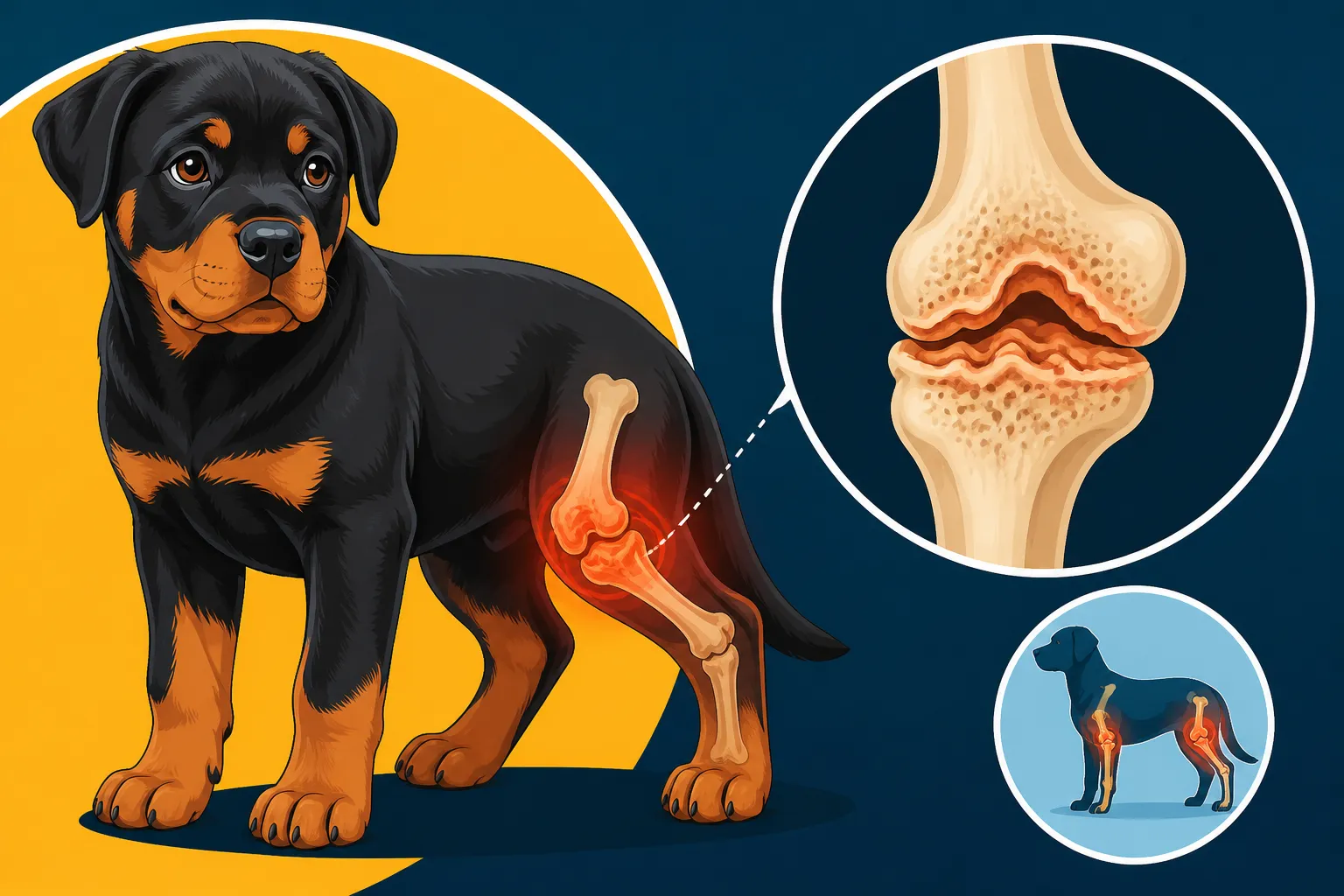
Osteochondritis Dissecans, often just called OCD, sounds complicated, but it basically means a flap of cartilage separates from the underlying bone within a joint. This happens when the cartilage at the ends of the bones, which is supposed to turn into solid bone as the puppy grows, develops abnormally or too quickly. Instead of a smooth transition, a thick, diseased piece of cartilage forms and can eventually detach, floating freely in the joint space. Imagine a tiny shard of glass moving around in your knee – that's essentially what this loose cartilage does. It causes pain, inflammation, and lameness.
OCD most commonly affects the shoulder joint in Rottweilers, but it can also be found in elbows, hocks (ankles), and knees. You might notice your puppy limping, especially after exercise, or being reluctant to put weight on a particular leg. They might show stiffness after resting. If left untreated, the joint can become arthritic and cause chronic pain. Early diagnosis, often through X-rays, is crucial, and treatment can range from rest and pain management to surgery to remove the offending cartilage flap. This is one of the classic examples of what can happen when growth outpaces proper development.
Hypertrophic Osteodystrophy (HOD)
Hypertrophic Osteodystrophy (HOD) is another serious developmental bone disease that affects the growth plates, particularly in the long bones of the legs. It’s characterized by inflammation and abnormal bone development near the growth plates. Unlike OCD, which often involves a cartilage flap, HOD is more about the entire process of bone formation at the growth plate going haywire. It’s a systemic inflammatory condition that can be quite painful and even life-threatening in severe cases.
Puppies with HOD will often present with severe lameness, fever, swollen and hot joints (especially around the wrist and ankle joints), and a general reluctance to move. They might even lose their appetite and appear generally unwell. The pain can be so intense that they can barely stand. While the exact cause isn't fully understood, rapid growth, nutritional imbalances (like too much calcium or vitamin D), and genetic factors are all thought to play a role. Treatment focuses on pain control, anti-inflammatory medications, and managing their diet to ensure appropriate, moderate growth. It can be a very distressing condition to witness in a young, vibrant puppy.
Panosteitis: "Growing Pains" with a Twist
Panosteitis, affectionately but somewhat misleadingly called "growing pains," is indeed common in large, fast-growing breeds like Rottweilers, but it’s a distinct condition from the other developmental bone diseases. It involves inflammation of the outer surface (periosteum) or shaft of the long bones, rather than the joints or growth plates themselves. The key characteristic of panosteitis is its shifting lameness; one day your puppy might limp on a front leg, and a few days later, they're limping on a back leg, or even seem fine for a bit before it reappears elsewhere. This migration of pain is a hallmark sign.
While it's usually self-limiting and resolves on its own by the time the dog is around 18-24 months old, it can be incredibly painful for the puppy in the interim. A pup with Panosteitis in a Growing Rottweiler Puppy might cry out when touched, become lethargic, or show a decreased appetite during flare-ups. The cause is often attributed to the stress of rapid growth on the bone tissue. Treatment focuses entirely on pain management with anti-inflammatory medications. While not as structurally damaging as OCD or HOD, it certainly impacts a puppy’s comfort and can be a worrying experience for owners who don't know what’s happening.
The Dietary Mistakes That Fuel Rapid Growth
As Rottweiler owners, we want the best for our dogs, and often that translates into generous feeding. However, when it comes to a growing Rottweiler puppy, overfeeding is one of the most critical mistakes we can make. It's not about being stingy; it's about understanding the unique nutritional needs of a large breed during their developmental phase. These dietary missteps are often the primary drivers behind the rapid, unhealthy growth that leads to joint and bone problems.
Overfeeding and Excessive Calories
The biggest culprit in promoting unhealthy rapid growth is simply feeding too much. Those cute, chunky puppy rolls might seem endearing, but a Why a Chubby Rottweiler Puppy Is a Problem is often a recipe for disaster when it comes to their skeletal health. When a Rottweiler puppy consumes excessive calories, their body grows faster than their skeletal system can properly develop. The bones and cartilage, which are still soft and forming, are put under immense strain by the extra body weight and the accelerated growth rate. This literally sets the stage for conditions like hip and elbow dysplasia, OCD, and HOD.
It's tempting to think that a bigger bowl means a bigger, healthier dog, but for large breeds, a leaner body condition during puppyhood is actually much healthier. We need to measure food precisely according to the feeding guidelines on a quality large breed puppy food, and then adjust based on the puppy's individual body condition, not just their appetite. If your puppy is leaving food in the bowl, that's not necessarily a sign they're picky; it could be their body telling you they've had enough. You can find excellent quality large breed puppy foods on platforms like Chewy or Amazon, making it easier to ensure you're getting the right formulation. Always prioritize a lean physique over a bulky one during these crucial developmental months. Keeping a Rottweiler Puppy Lean on Purpose is one of the best preventative measures you can take.
The Danger of Calcium Supplementation
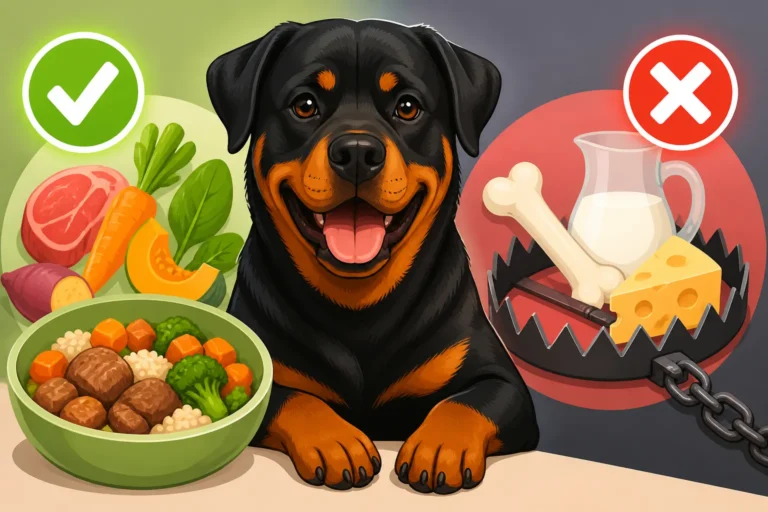
This is perhaps the most dangerous and common misconception: "My Rottweiler puppy is growing so fast, they must need extra calcium for strong bones!" Nothing could be further from the truth, and actively supplementing calcium for a large breed puppy can be catastrophic. Quality large breed puppy foods are already carefully formulated to provide the precise amount of calcium and phosphorus needed for slow, steady skeletal development. Adding more upsets this delicate balance.
When a large breed puppy gets too much calcium, their body's ability to regulate calcium absorption and metabolism goes into overdrive. This can lead to skeletal abnormalities where cartilage matures improperly and bone deposition becomes chaotic. Instead of stronger bones, you get malformed joints and a higher risk of conditions like osteochondrosis. This is why the advice is universally: Why You Never Supplement a Rottweiler Puppy's Calcium. Unless your veterinarian has diagnosed a specific medical condition requiring calcium supplementation (which is rare in healthy, growing puppies), do not add calcium to your Rottweiler's diet. Even multivitamins that contain significant calcium can be problematic. Always read labels carefully, and if you’re unsure, consult your vet.
Exercise and Lifestyle Factors That Exacerbate Risk
Beyond diet, how we manage our Rottweiler puppy's physical activity profoundly impacts their joint and bone health. While we want our pups to be active and happy, there's a fine line between healthy play and dangerous over-exercise, especially for a breed that grows as large and as quickly as a Rottweiler. Their growing bodies simply aren't built for high-impact activities or endurance work when young.
Too Much, Too Soon: Over-Exercise in Puppies
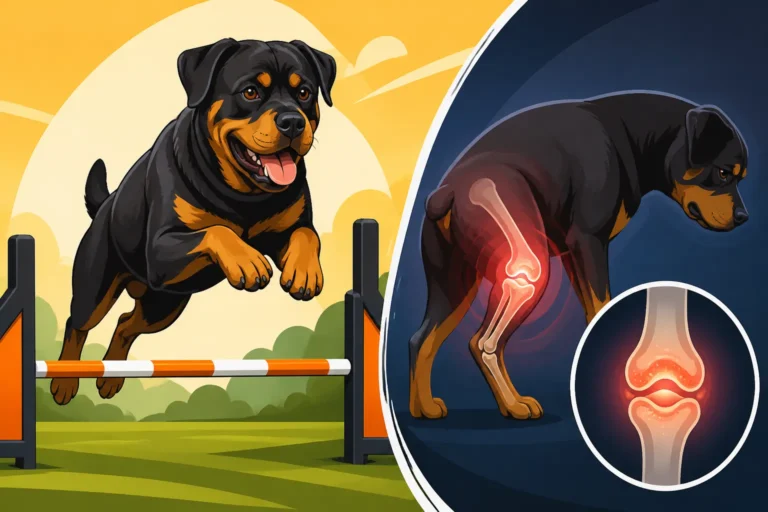
It’s exciting to have a puppy with boundless energy, and it's tempting to take them on long walks or let them run wild at the dog park. However, for a Rottweiler puppy, "too much, too soon" can be incredibly detrimental to their developing joints. Their growth plates, as we discussed, are still open and vulnerable. Repetitive impact and sustained high-intensity exercise can damage these soft areas, leading to inflammation and abnormal bone growth. Imagine doing intense workouts every day when you're still growing – your joints wouldn't thank you for it!
Structured, moderate exercise is key. Short, frequent walks on soft surfaces are far better than one long hike or an hour of frantic play at the dog park. For puppies under six months, a general rule of thumb is The Five Minute Rule for Rottweiler Puppy Walks per month of age, twice a day. So, a four-month-old puppy would get two 20-minute walks. This keeps them active without overstressing their immature joints. Letting them decide the pace in a secure, safe yard is often the best form of exercise for very young pups. Exercise Limits for a Rottweiler Under Six Months are not arbitrary rules; they are crucial guidelines to protect your puppy's long-term health.
Avoiding High-Impact Activities
Certain types of activities are especially risky for a growing Rottweiler. Anything that involves repeated jumping, hard landings, or sharp turns should be avoided until their growth plates have fully closed, typically around 18-24 months of age. This includes things like fetching frisbees where they launch themselves into the air, jumping on and off furniture, or running up and down stairs multiple times a day. While a quick trip up or down a few stairs won't instantly cause damage, repeated, high-impact stair use, especially as a very young puppy, can contribute to problems. Stairs and a Rottweiler Puppy Every Day can put undue stress on their developing hips and elbows.
Instead, encourage activities that promote natural movement without excessive impact. Think gentle walks, exploring a new scent in the yard, or quiet playtime with appropriate toys. Swimming, if introduced safely and gradually, can be excellent low-impact exercise once they are a bit older and have developed basic stamina and confidence in the water. The goal is to build muscle and stamina slowly, supporting their skeletal development, rather than putting it under strain. It might mean sacrificing some immediate fun, but it pays off in a sound, healthy adult Rottweiler.
Preventing Developmental Bone Disease in Your Rottweiler Puppy
The good news is that much of developmental bone disease is preventable! By making informed choices about nutrition and exercise during your Rottweiler's critical growth period, you can significantly reduce their risk. It’s about being proactive and understanding that slower, steadier growth is always the healthier path for a large breed.
Choosing the Right Large Breed Puppy Food
This is probably the single most impactful decision you'll make for your Rottweiler's skeletal health. Forget generic puppy foods; your Rottweiler absolutely needs a high-quality large breed puppy formula. These foods are specifically designed with lower calorie density and, crucially, carefully controlled calcium and phosphorus levels to promote a slower, more controlled growth rate. Why a Rottweiler Puppy Needs Large Breed Formula is not just marketing; it's a scientific necessity. Look for brands that clearly state their calcium and phosphorus percentages on the label, aiming for those recommended ranges (calcium around 1-1.5%, Ca:P ratio 1:1-1.3:1).
When you're shopping on sites like Chewy or looking for options on Amazon, pay close attention to the ingredient list and the guaranteed analysis. Avoid foods with excessively high protein levels (above 28% for sustained periods) or fat content, as these can contribute to rapid weight gain. Brands like Royal Canin, Eukanuba, and Purina Pro Plan often have specific large breed puppy formulas that meet these criteria. Remember, you're not just feeding a puppy; you're nourishing a complex skeletal system that needs precision care.
Monitoring Weight and Body Condition
Beyond just feeding the right food, it’s vital to feed the right amount. Don't just follow the bag's recommendations blindly; they are starting points. Every puppy's metabolism is different. Instead, regularly assess your Rottweiler puppy's body condition. You should be able to easily feel their ribs without seeing them prominently, and they should have a discernible waist when viewed from above. Their tummy should also tuck up slightly when viewed from the side.
If your puppy is looking round or you can't easily feel those ribs, it's time to slightly reduce their food intake. A useful visual guide is a body condition score chart, readily available online or from your vet. Aim for a lean, almost slender look in a growing Rottweiler, rather than a bulky one. This slightly leaner body condition reduces the mechanical stress on their developing joints. Regular weigh-ins and consistent checks will help you adjust their portions as they grow. This attention to detail is truly what How Rottweiler Weight Multiplies the Load on Its Hips and other joints.
| Body Condition Score | Description | Recommendation for Puppy Growth |
|---|---|---|
| 1 (Emaciated) | Ribs, vertebrae, pelvic bones visible. | Increase food intake slowly |
| 2 (Very Thin) | Ribs easily visible, no fat. | Increase food intake |
| 3 (Ideal/Lean) | Ribs easily palpable, waist visible. | Maintain current feeding |
| 4 (Overweight) | Ribs difficult to feel, waist absent. | Reduce food intake |
| 5 (Obese) | Ribs not palpable, significant fat. | Drastically reduce food |
Note: For a growing Rottweiler puppy, aiming for the lean side of 'Ideal/Lean' (score 3) is generally recommended to protect developing joints.
Implementing Safe Exercise Routines
We've talked about what not to do; now let's focus on what to do. Safe exercise routines are about moderation, supervision, and low impact. Daily, leash-led walks on soft ground like grass or dirt are excellent. Allow your puppy to explore and sniff at their own pace. Controlled playtime in a securely fenced yard, where they can run and play without excessive jumping or roughhousing, is also beneficial. Just make sure the play is interrupted frequently for rest.
As they get a bit older and their growth plates start to close, you can gradually increase the duration and intensity of exercise, but always introduce new activities slowly. Activities like swimming are fantastic low-impact ways to build muscle without stressing joints. Avoid dog parks where uncontrolled play with unknown dogs can lead to unpredictable movements and potential injuries. The goal is to build strength and stamina gradually, allowing their skeletal system to mature properly. Remember, a marathon runner doesn't start with a marathon; they build up over time. Your Rottweiler puppy needs the same thoughtful progression.
Disclaimer
This article is for general informational purposes only and does not constitute professional advice. Laws, prices and regulations vary by location and change over time. Consult a qualified professional for guidance on your specific situation.