The Emergency Signs That Send a Rottweiler In
Few things strike more terror into a Rottweiler owner's heart than seeing their powerful, stoic companion suddenly unwell. These dogs are known for their resilience, so when they truly show signs of distress, it's often a serious situation that warrants immediate attention. Knowing which symptoms demand an emergency vet visit, and which can wait for your regular veterinarian, can quite literally be the difference between life and death. This guide aims to help you recognize those critical warning signs so you can act swiftly and confidently.
When Every Second Counts: Life-Threatening Emergencies
When you own a Rottweiler, you live with a magnificent, robust dog, but their size also means that when things go wrong, they can go wrong fast. Certain conditions are not just serious; they are dire and require immediate emergency veterinary care. There's no time for a "wait and see" approach when these symptoms appear.
Sudden Collapse and Weakness
Imagine your Rottweiler, perhaps after a brief play session or even just standing up from a nap, suddenly crumples to the ground. They might be unresponsive, or very slow to respond, barely able to lift their head. This isn't just a stumble; it's a terrifying loss of strength and consciousness. A sudden collapse or profound weakness, especially if it doesn't resolve within a minute or two, is a flashing red light for an emergency.
Such an event could indicate a host of life-threatening issues. Internal bleeding, perhaps from a ruptured tumor like hemangiosarcoma – a common and aggressive cancer in Rottweilers – can cause a rapid drop in blood pressure, leading to collapse. You might notice pale gums in addition to the weakness. Another possibility is a severe cardiac event, especially if your Rottweiler has a history of heart issues like subaortic stenosis. Even an acute allergic reaction or a sudden onset of severe anemia can present this way. Time is critical here, as the underlying cause often requires immediate medical intervention, blood transfusions, or even emergency surgery. Getting to an emergency vet without delay is paramount to give your dog the best chance of survival. If you have pet insurance like Healthy Paws, this is exactly the kind of unexpected, high-cost emergency they are designed to help with.
Acute Breathing Distress
A Rottweiler struggling to breathe is an unmistakable and terrifying sight. Unlike a normal pant after exercise, breathing distress involves obvious effort: exaggerated chest movements, flaring nostrils, stretching the neck out, or even a bluish tinge to their gums (cyanosis). You might hear wheezing, gasping, or a harsh, raspy sound with each breath. They might refuse to lie down, preferring to stand or sit with their elbows out, trying to open their airway.
This could be due to several critical conditions. A foreign object lodged in their airway, severe allergic reactions causing throat swelling, pneumonia, or even congestive heart failure can all lead to acute respiratory distress. Given the Rottweiler's deep chest, conditions like bloat can also put immense pressure on the diaphragm, making breathing incredibly difficult. Any indication of difficulty breathing, particularly if it's sudden and severe, warrants an immediate rush to the nearest emergency veterinary hospital. Do not attempt to self-diagnose or treat this at home; every minute counts in securing oxygen and identifying the cause. Early intervention can prevent irreversible damage to organs from lack of oxygen.
Suspected Bloat or GDV
Gastric Dilatation-Volvulus (GDV), commonly known as bloat, is perhaps one of the most feared emergencies for large breed owners, and Rottweilers are unfortunately prone to it. This condition involves the stomach filling with gas and then twisting upon itself, trapping the gas and cutting off blood supply. It progresses rapidly and is fatal if not treated immediately. If your Rottweiler begins to retch without bringing anything up, acts restless, paces, stares at its abdomen, or if its belly appears visibly distended and hard, especially on the left side, you must suspect bloat.
The key to survival with bloat is speed. From the moment you notice the first signs, you have a very narrow window – sometimes just a few hours – to get your dog to emergency surgery. Delaying even an hour can drastically reduce the odds of survival. This is not a "call your regular vet in the morning" situation. Get in the car and head to the nearest emergency clinic while calling ahead so they can prepare for your arrival. Understanding What Rottweiler Bloat Looks Like in the First Hour can equip you with the knowledge to recognize this critical condition instantly. For many owners, the cost of Rottweiler Bloat Surgery Cost in an Emergency can be staggering, making pet insurance a thoughtful investment for a breed like the Rottweiler.
Pain, Trauma, and Sudden Lameness
Rottweilers are known for their stoicism. They often hide pain well, which can make diagnosing issues tricky. However, some types of pain, especially those resulting from trauma or sudden lameness, are impossible to ignore and require urgent professional assessment. Their large size and powerful build mean that injuries can be severe, and the impact on their joints and bones is significant.
Unexplained Severe Pain or Vocalization
If your normally quiet and resilient Rottweiler suddenly begins crying out, whimpering, or yelping without an obvious injury, it's a serious red flag. They might flinch violently if touched in a certain area, refuse to move, or exhibit uncharacteristic aggression when approached due to intense discomfort. This isn't just a minor ache; this indicates severe, acute pain.
This kind of pain can stem from various sources. A sudden spinal injury, a ruptured disc, or even an acute attack of pancreatitis could be the culprit. Internal injuries from blunt trauma that wasn't immediately apparent, or a sudden onset of joint inflammation, can also cause such severe pain. In older Rottweilers, sudden, inexplicable pain could even be a sign of a pathological fracture due to bone cancer, such as Osteosarcoma Signs in a Rottweiler Leg. Whatever the cause, your Rottweiler is in agony, and getting them to a vet for pain management and diagnosis is crucial. Do not try to give human pain medications, as many are toxic to dogs. Urgent care will help determine the source of pain and prevent it from worsening.
Major Trauma or Injury
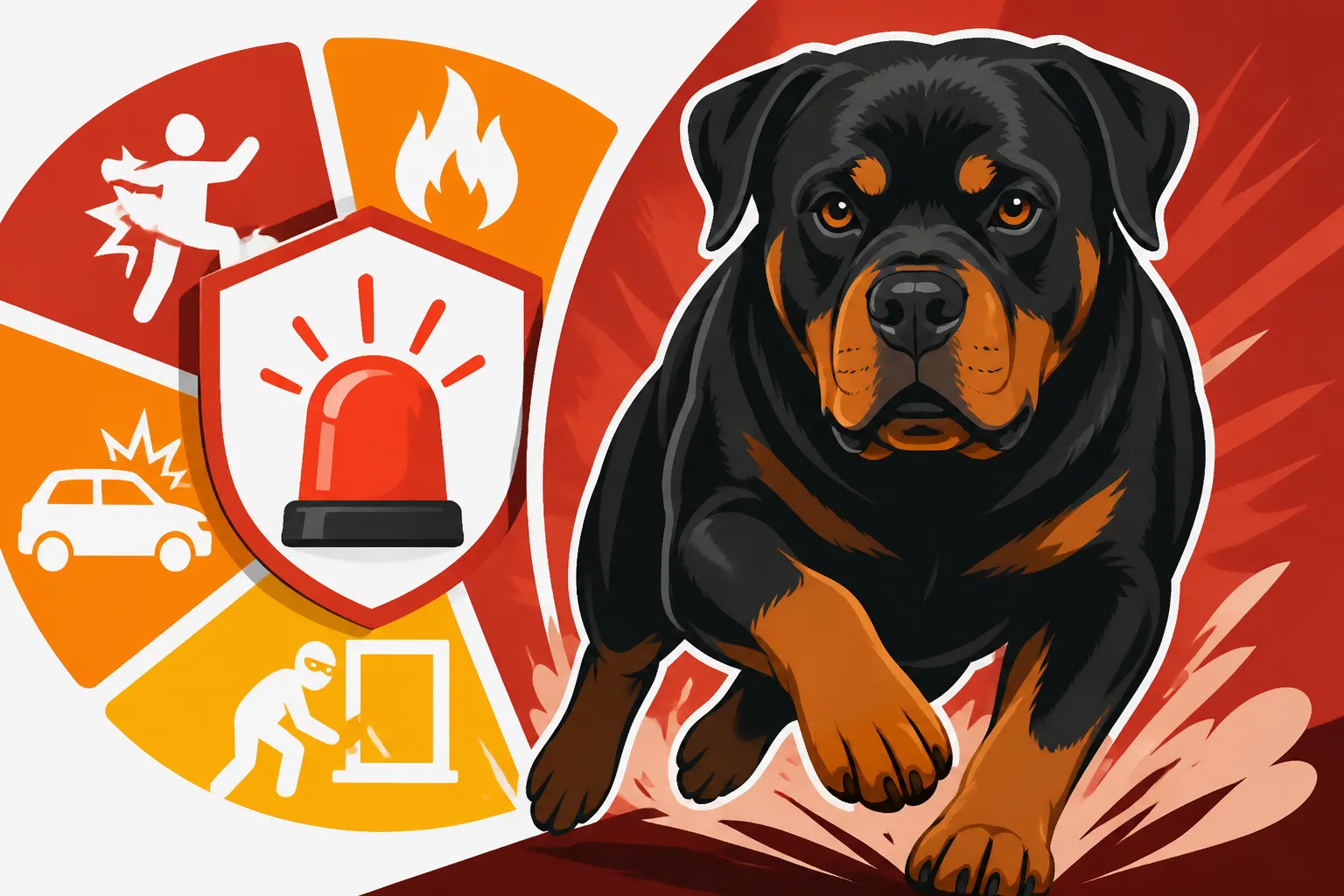
Life happens, and sometimes accidents occur. A fall, getting hit by a car, a serious dog fight, or running into a solid object can all lead to major trauma in a Rottweiler. Even if your dog seems to "walk it off" initially, a severe impact or injury can have hidden consequences like internal bleeding, concussions, or hairline fractures that aren't immediately obvious. Signs to watch for include deep lacerations, puncture wounds, obvious broken bones (an unnatural angle of a limb), limping that suddenly gets worse, or any signs of neurological dysfunction after a head injury.
If your Rottweiler has experienced any significant trauma, it's always best to have them checked by an emergency vet, even if they seem okay. The adrenaline rush can mask serious injuries, and early intervention can prevent complications. A thorough physical exam, X-rays, and potentially ultrasound are essential to rule out internal damage. It's especially critical to assess their breathing and circulation immediately after a traumatic event. Always secure your dog to prevent further injury and minimize movement. Remember, the peace of mind offered by a robust pet insurance plan like those from Healthy Paws can be invaluable when facing potentially costly and unexpected trauma care.
Sudden Inability to Bear Weight
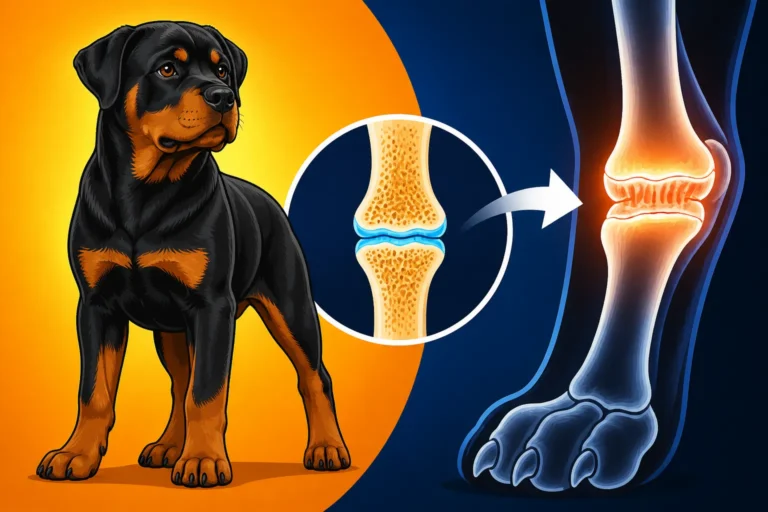
A sudden, severe lameness where your Rottweiler cannot put any weight on a limb is an urgent matter. This isn't the occasional stiffness after a long walk; it's a complete refusal to use a leg, often accompanied by pain or discomfort. They might hold the leg up, hop on three legs, or drag it. This can be particularly concerning given the significant weight these dogs carry.
Such a sudden inability to bear weight could signify a fractured bone, a dislocated joint, a severe sprain, or a torn ligament, such as a cruciate tear which is common in heavy breeds. For younger, still-growing Rottweilers, a sudden limp could also indicate something like Panosteitis in a Growing Rottweiler Puppy, which, while not always an emergency, still warrants prompt veterinary assessment. In older dogs, as mentioned before, The First Limp That Turns Out to Be Bone Cancer is a very real and devastating possibility. Because of their size, even seemingly minor joint issues can escalate quickly under the weight of a Rottweiler. An emergency vet can perform immediate X-rays and provide pain relief, which is crucial for such a large dog.
Concerning Changes in Behavior and Body Functions
Not all emergencies involve dramatic collapse or severe injury. Sometimes, more subtle but persistent changes in your Rottweiler's behavior or bodily functions can signal an underlying crisis that needs prompt veterinary attention. Ignoring these signs can lead to conditions worsening dramatically.
Persistent Vomiting or Diarrhea
While an occasional bout of vomiting or loose stool might not be an immediate emergency, persistent or severe episodes warrant concern, especially in a large breed. If your Rottweiler vomits multiple times within a few hours, has explosive and watery diarrhea, or if either contains blood (bright red or dark, tarry stool), it's time to call the emergency vet. Dehydration can set in very quickly in large dogs, leading to a rapid decline.
These symptoms could indicate a range of serious issues: severe gastroenteritis, ingestion of a foreign body that's causing an obstruction, a severe parasitic infection, pancreatitis, or even kidney or liver problems. If your Rottweiler is also lethargic, weak, or shows signs of abdominal pain, the situation is even more critical. The sheer volume of fluids a large dog like a Rottweiler can lose through persistent vomiting and diarrhea makes them highly susceptible to electrolyte imbalances and shock. An emergency vet can administer IV fluids, anti-nausea medication, and perform diagnostics to find the root cause, which is essential to prevent a more severe outcome.
Seizures or Sudden Disorientation
Witnessing your Rottweiler have a seizure is a terrifying experience. A seizure can manifest as full-body convulsions, loss of consciousness, uncontrolled urination or defecation, or more subtle signs like staring blankly, twitching, or repetitive motions. Beyond seizures, any sudden onset of severe disorientation, stumbling, head tilting, or an inability to recognize familiar surroundings could indicate a neurological emergency.
Such neurological events can be caused by various factors, including epilepsy, brain tumors, strokes, severe head trauma, toxin ingestion, or metabolic imbalances. If your Rottweiler experiences a seizure that lasts longer than a few minutes, has multiple seizures in a short period (cluster seizures), or doesn't recover normally after a seizure, it's an emergency. Even a single seizure warrants an immediate vet visit, especially if it's their first one. An emergency veterinarian can help stabilize your dog, administer anti-seizure medication if needed, and begin the diagnostic process to understand the underlying cause. Knowing when to act is paramount.
Suspected Toxin Ingestion
Rottweilers, especially younger ones, can be curious and might ingest things they shouldn't. This can range from household chemicals, human medications, toxic plants, or even certain foods that are harmless to us but dangerous to dogs. If you witness your Rottweiler eating something potentially toxic, or if you suspect it based on missing items or sudden illness (vomiting, diarrhea, lethargy, tremors, hyperactivity, odd behavior), it's a veterinary emergency.
Do not wait for symptoms to appear. Immediately call your emergency vet or a pet poison control center (like ASPCA Animal Poison Control Center or Pet Poison Helpline). They can guide you on whether to induce vomiting (and how to do it safely, if appropriate for the substance) or if immediate transport to the clinic is necessary. The faster a toxin is identified and removed from the system, or its effects counteracted, the better the prognosis. Every minute counts with potential poisonings, as many toxins can cause rapid and severe organ damage. Be prepared to tell the vet exactly what and how much you suspect was ingested, if possible. Having robust pet insurance can be a huge relief if your dog needs extensive emergency care for poisoning.
Key Considerations for Rottweiler Emergencies
When dealing with a Rottweiler in distress, their size itself presents unique challenges and considerations that owners must keep in mind.
The Rottweiler's Stoic Nature
One of the most important things to remember about Rottweilers is their incredible stoicism. They are a tough breed, historically bred to work hard and not complain. This means they often hide pain or illness until a condition is quite advanced or truly severe. When a Rottweiler shows obvious signs of pain or illness, it's rarely a minor issue and should be taken very seriously. Don't assume they're "just being dramatic"; it's much more likely they've been tolerating discomfort for a while. This is why paying close attention to subtle behavioral changes, changes in appetite, or slight limping can be critical in catching issues before they become full-blown emergencies.
Transporting a Large, Injured Dog
Getting a 100+ pound, injured, or collapsing Rottweiler into a car and to the vet can be a monumental task. Have a plan in place before an emergency strikes. Consider how you would lift your dog – do you have a strong partner, or perhaps a large, sturdy blanket or tarp you could use as a makeshift stretcher? Practicing a "fireman's carry" or using a large towel as a sling for support can be helpful if your dog can still bear some weight. Always prioritize your safety and avoid further injuring your dog (or yourself) during transport. Many emergency clinics also offer curbside assistance, so call ahead to see if they can help you get your dog from the car to the exam room.
Financial Preparedness for Emergencies
Emergency veterinary care, especially for conditions like bloat surgery or extensive trauma, can run into the thousands of dollars. The emotional stress of seeing your beloved Rottweiler in critical condition is immense, and adding financial stress on top of that can be overwhelming. This is where preparing financially truly makes a difference.
Setting up an emergency fund specifically for your pet is an excellent idea. Alternatively, pet insurance can be a lifesaver. Companies like Healthy Paws offer coverage for accidents and illnesses, which can significantly offset the costs of unexpected emergency treatments. Understanding your policy and what it covers for things like Rottweiler Surgery Costs From Bloat to Bone Cancer before an emergency arises can provide immense peace of mind. Without a financial plan, you might be faced with heartbreaking decisions under pressure.
Knowing Your Local Emergency Options
Don't wait until 2 AM on a Saturday with a sick dog to figure out where your nearest 24-hour emergency veterinary clinic is. Research local options, note their addresses and phone numbers, and save them in your phone. It's also wise to know if your regular vet offers after-hours emergency services or if they refer to a specific emergency hospital. Having this information readily available can shave precious minutes off response time during a crisis.
When you call an emergency clinic, be prepared to provide concise, clear information: your dog's breed and age, the primary symptoms, how long they've been occurring, and any known medical conditions or medications. This allows the staff to prepare for your arrival and potentially offer initial advice.
What to Have Ready at Home
Having a basic pet first-aid kit and essential information easily accessible can also be beneficial, though it's important to stress that this is never a substitute for professional veterinary care in an emergency. Keep your regular vet's number and the emergency clinic's number on your fridge. Have a current photo of your Rottweiler, especially if you need to quickly describe them over the phone. A strong leash, muzzle (if your dog is prone to snapping when in pain, but use with extreme caution), and a sturdy blanket or stretcher for transport are also good to have handy.
| Emergency Sign | Urgency Level | Possible Causes | Immediate Action |
|---|---|---|---|
| Sudden Collapse / Unresponsiveness | CRITICAL | Internal bleeding, severe heart issue, shock, stroke | Immediate emergency vet visit. Call ahead. Secure transport. |
| Severe Breathing Difficulty | CRITICAL | Choking, heart failure, pneumonia, severe allergy | Immediate emergency vet visit. Call ahead. Provide oxygen if possible. |
| Retching without Vomiting / Distended Abdomen | CRITICAL | Gastric Dilatation-Volvulus (Bloat) | Immediate emergency vet visit. This is a true race against time. Call ahead. |
| Unexplained Severe Pain / Crying Out | HIGH | Spinal injury, pancreatitis, severe trauma, cancer | Emergency vet visit for diagnosis and pain relief. Avoid human meds. |
| Major Trauma (Hit by car, bad fall) | HIGH | Fractures, internal injuries, concussion | Emergency vet visit, even if seemingly okay. Minimize movement. |
| Sudden Inability to Bear Weight | HIGH | Fracture, dislocation, torn ligament, severe sprain | Emergency vet visit for X-rays and pain management. Support injured limb. |
| Persistent Vomiting / Bloody Diarrhea | HIGH | Obstruction, severe infection, pancreatitis | Emergency vet visit for hydration and diagnosis. Prevent dehydration. |
| Seizures / Severe Disorientation | HIGH | Epilepsy, brain tumor, toxin, metabolic issue | Emergency vet visit. Keep dog safe during seizure, time duration. |
| Suspected Toxin Ingestion | HIGH | Poisons, human medications, toxic plants | Contact emergency vet or poison control immediately. Do NOT wait for symptoms. |
Disclaimer
This article is intended for informational purposes only and does not constitute veterinary advice. In any emergency situation involving your Rottweiler, always consult with a qualified veterinarian immediately. Never delay seeking professional veterinary care or disregard veterinary advice because of something you have read here.