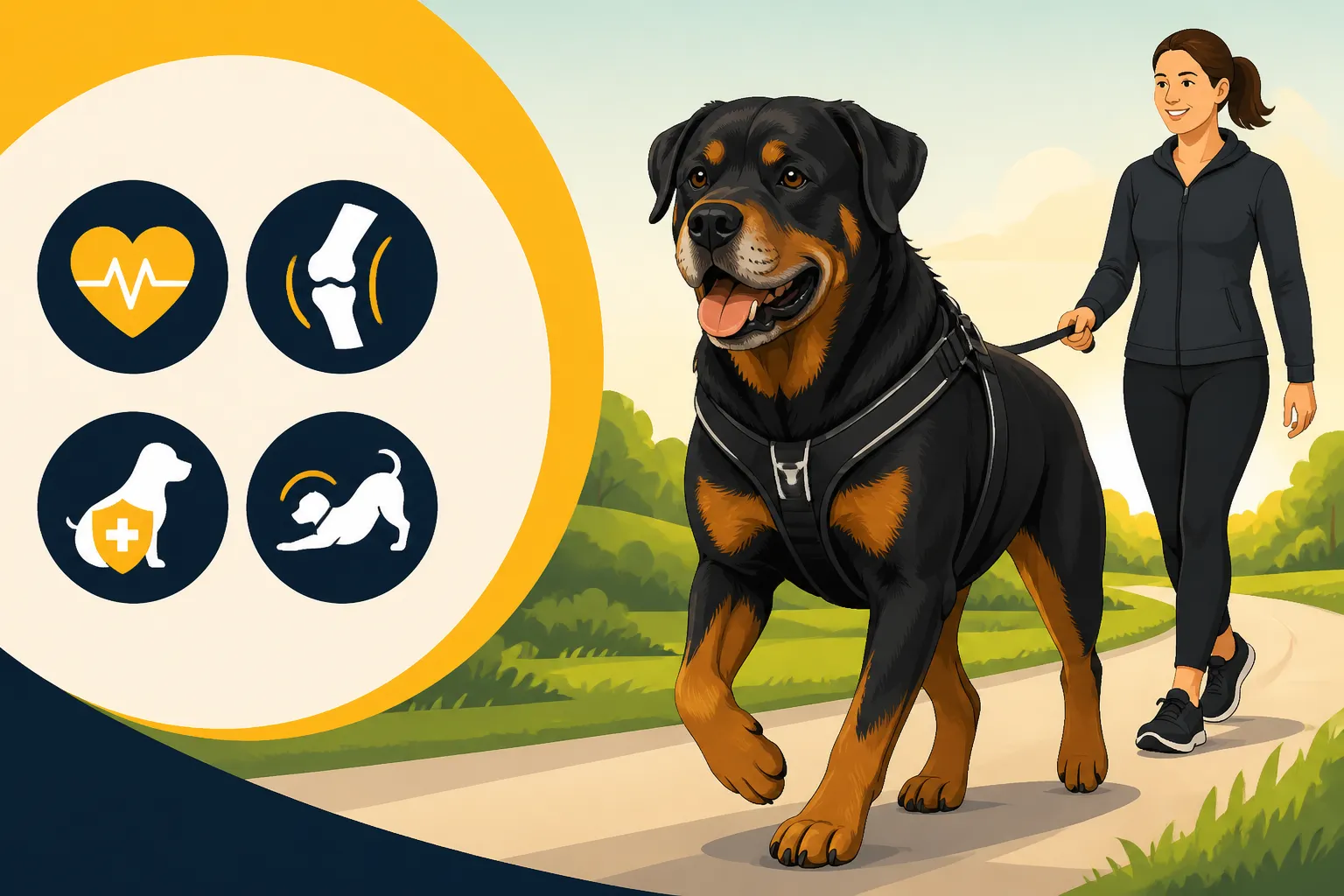
Exercising a Rottweiler Past the Age of Eight
Watching your beloved Rottweiler start to slow down after hitting their eighth birthday can be incredibly tough. You see the wisdom in their eyes, the silvering around their muzzle, but also the hesitation before jumping into the car or the stiffness when they first stand up after a nap. It’s a common frustration, feeling like you want to keep them active and happy, but not wanting to cause them pain. This guide is all about navigating that delicate balance, helping you understand how to safely and effectively exercise your senior Rottweiler to enhance their quality of life for as long as possible.
Understanding Your Senior Rottweiler's Changing Body
Just like us, Rottweilers experience significant physiological changes as they age. What was once an easy romp in the park might now be a source of discomfort. Recognizing these shifts is the first step in adapting their exercise routine to meet their evolving needs. It’s not about stopping activity altogether; it’s about smart, compassionate modification.
The Silent Signs of Aging Joints
For a big, powerful breed like the Rottweiler, their joints bear a tremendous load throughout their lives. By the time they reach eight years old, which is generally considered senior for a Rottweiler, the wear and tear can become quite pronounced. You might not see a dramatic limp right away, but rather subtle cues that indicate their joints aren't what they used to be. Perhaps they take a moment longer to stand up after lying down, or they seem a bit stiff on colder mornings. They might be less enthusiastic about chasing a ball, or they might struggle a little more with stairs. These could be early indicators of arthritis or the worsening of pre-existing conditions like hip or elbow dysplasia, which can begin showing Rottweiler Hip Dysplasia Symptoms Before Age Two. It's a gradual process, often starting with slight reluctance and progressing to more obvious discomfort if not addressed. Ignoring these signs can lead to more significant pain and a further decline in mobility.
Over time, the cartilage cushioning their joints can thin, and the bones themselves may develop degenerative changes. This means impact, twisting motions, and prolonged activity that was once second nature can now cause pain and inflammation. Think about how a human might feel after a lifetime of hard work; their joints ache more, and they need more time to recover. Your senior Rottweiler is much the same. They might still have the heart of a puppy, but their body is sending them different signals, and it's our job as their caretakers to listen carefully to those messages.
Reduced Stamina and Energy Levels
Beyond joint pain, senior Rottweilers typically experience a natural reduction in their overall stamina and energy levels. Their cardiovascular system might not be as robust, making them tire out more quickly. Their muscles can lose mass and tone, making sustained effort more challenging. You might notice they pant more readily after less activity, or they simply choose to lie down sooner during a walk or play session. Their recovery time also tends to increase; they might need longer naps after even moderate exercise. This isn't laziness; it's a genuine physiological change.
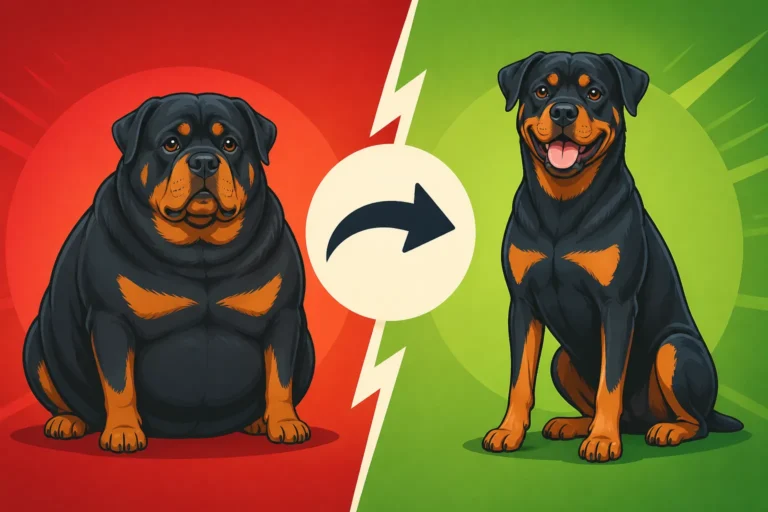
A reduced metabolic rate also plays a role. They might not burn calories as efficiently, and coupled with less activity, this can make them prone to weight gain, which only exacerbates joint problems. Rottweiler Obesity and the Load It Adds is a serious concern for seniors, as extra weight puts even more stress on already compromised joints. It's a vicious cycle: less energy leads to less movement, which can lead to weight gain, and that weight gain makes movement even harder. Understanding this means we need to focus on quality over quantity when it comes to their exercise, ensuring every movement is beneficial and doesn't push them past their comfortable limits.
Assessing and Adapting Exercise Routines
Figuring out the right amount and type of exercise for your senior Rottweiler can feel like a puzzle. There's no one-size-fits-all answer, and what works one day might be too much the next. The key is constant observation, regular veterinary input, and a willingness to be flexible.
Regular Vet Check-ups and Pain Management
This is non-negotiable for a senior Rottweiler. As they age, annual vet visits become even more critical, and often, your vet will recommend Vet Visit Frequency for a Senior Rottweiler increases to twice a year. Your veterinarian can assess their overall health, including heart function, muscle mass, and most importantly, their joint health through physical examination and potentially X-rays. They can help diagnose conditions like arthritis and discuss effective pain management strategies. This might include anti-inflammatory medications, joint supplements like glucosamine and chondroitin, or even newer treatments such as therapeutic laser or injections. Ignoring chronic pain not only makes exercise difficult but also significantly diminishes their quality of life.
Your vet might suggest Bloodwork Worth Running on a Senior Rottweiler to check organ function, ensuring any medications are safe and that there are no underlying conditions contributing to their reduced activity. Working closely with your vet means you have a medical professional guiding you on what activities are appropriate and how to manage any discomfort. They can help you differentiate between normal aging stiffness and pain that requires intervention, which is crucial for managing Senior Rottweiler Mobility Decline.
Observing Subtle Cues and Body Language
Your Rottweiler can't tell you in words if they're hurting or tired, so you need to become a master interpreter of their body language. This means paying close attention to both their enthusiasm for an activity and their demeanor during and after it.
Before Exercise: Do they seem excited, or do they hesitate when you grab the leash? Do they move freely, or do they take a few slow steps to warm up?
During Exercise: Are they lagging behind? Are they panting excessively for the level of activity? Are they showing stiffness, a shortened stride, or a reluctance to put full weight on a limb? Do they avoid jumping or running that they once loved?
After Exercise: Are they unusually stiff, sore, or limping more? Do they seem exhausted rather than pleasantly tired? Do they seek out quiet spaces more than usual?
It's also important to watch for subtle signs of discomfort even when they're not exercising, such as difficulty getting comfortable, fidgeting, or licking at joints. Keeping a mental log, or even a literal one, of their good days and bad days can help you spot patterns and adjust their routine accordingly. Remember, it's always better to err on the side of caution and scale back if you see any signs of discomfort.
Here's a quick guide to interpreting some common signs:
| Sign of Discomfort | Interpretation | Action to Take |
|---|---|---|
| Hesitation to jump/climb stairs | Joint pain, weakness in hindquarters | Use ramps, reduce jumping, consult vet |
| Stiffness after rest | Arthritis, muscle soreness | Gentle warm-up, shorter walks, vet assessment |
| Lagging behind on walks | Reduced stamina, pain, general fatigue | Shorter walks, slower pace, more frequent breaks |
| Excessive panting (mild activity) | Cardiovascular strain, heat intolerance, pain | Stop activity, rest, check for heatstroke, vet check |
| Licking/chewing at joints | Pain, inflammation, skin irritation | Examine joint, prevent further licking, vet visit |
| Changes in gait/limping | Injury, arthritis, neurological issue | Immediate vet evaluation |
| Reluctance to play | Pain, general malaise, depression | Rule out pain, offer low-key alternatives, vet check |
Safe and Beneficial Exercise Options for Older Rottweilers
Once you understand your senior Rottweiler's limitations, you can select activities that are supportive rather than detrimental. The goal is to maintain muscle mass, flexibility, and mental engagement without exacerbating any existing conditions or causing new injuries.
Low-Impact Activities for Joint Health
When it comes to senior Rottweilers, low-impact is the name of the game. High-impact activities like jumping, sprinting, or long, strenuous hikes can be very hard on aging joints, potentially causing or worsening conditions like Managing Arthritis in an Older Rottweiler.
- Gentle, Shorter Walks: Instead of one long walk, consider two or three shorter, more frequent walks throughout the day. These should be on soft, even surfaces like grass or dirt trails, avoiding pavement as much as possible. The aim is consistent, gentle movement to keep joints mobile and muscles engaged without overtaxing them. Pay attention to their pace; let them set it.
- Swimming: This is truly a golden exercise for senior dogs. Water provides buoyancy, supporting their body weight and reducing stress on joints, while still allowing them to move their limbs and build muscle. Many dog-friendly pools or even quiet lakes (if safe and clean) can be fantastic options. Always supervise your Rottweiler closely in water, and consider a doggy life vest, especially if they’re not strong swimmers or have reduced stamina.
- Controlled Leash Walking: Focus on steady, deliberate movements. This isn't about covering miles but about maintaining flexibility and balance. Practice walking in figure-eights or around cones in your yard to encourage gentle turns and varied weight distribution. This can be great for proprioception – their body's sense of its position in space.
- Short, Gentle Play Sessions: If your Rottweiler still enjoys playing, keep it short and sweet. A gentle game of fetch on a soft lawn, with a soft ball rolled rather than thrown far, can be enjoyable. Avoid intense tug-of-war or any game that encourages sudden twists, turns, or jumps.
Mental Stimulation Through Gentle Play
Physical exercise is only one piece of the puzzle. Mental stimulation is just as important for keeping a senior Rottweiler engaged and happy. It helps combat cognitive decline and prevents boredom, which can sometimes manifest as unwanted behaviors.
- Puzzle Toys and Treat Dispensers: These are fantastic for keeping their minds active without requiring much physical exertion. Brands like Chewy offer a wide variety of puzzle feeders that make them work a little for their meal or a tasty treat. This mimics their natural foraging instincts and can be very satisfying.
- Scent Work and Nose Games: Rottweilers have excellent noses, and engaging this sense is incredibly enriching. Hide treats around the house or yard and encourage your dog to find them. Start easy and gradually make it more challenging. This is low-impact, mentally taxing, and most dogs absolutely love it.
- Refresher Training Sessions: Short, positive reinforcement training sessions can be wonderful for a senior dog's brain. Review basic commands they already know, or teach them a simple new trick that doesn't involve physical strain. These interactions strengthen your bond and provide a sense of accomplishment for your dog.
- Enrichment Toys: Sometimes just having a durable, interesting toy to chew on or interact with can be enough. Look for toys specifically designed for large, strong chewers on platforms like Amazon, ensuring they're safe and won't break into small pieces. This ties into Rottweiler Enrichment Beyond Walks, emphasizing variety in their daily life.
Supporting Senior Mobility Beyond Exercise
Exercise is crucial, but it's part of a larger picture of comprehensive senior care. How you support your Rottweiler in their daily life, through nutrition and environmental adjustments, dramatically impacts their ability to stay mobile and comfortable.
Nutritional Support and Weight Management
One of the biggest favors you can do for your senior Rottweiler's joints and overall health is to maintain a healthy weight. Extra pounds are a huge burden on aging hips, elbows, and spines, making mobility more difficult and accelerating degenerative conditions. This is where Rottweiler Obesity and the Load It Adds becomes critically important to understand and address.
- Senior-Specific Diets: Many commercial dog food brands offer formulas tailored for senior dogs. These diets often have fewer calories to help prevent weight gain, and they might include added joint-supporting ingredients like glucosamine, chondroitin, and omega fatty acids. Consult your vet for recommendations on the best senior food for your dog's specific needs.
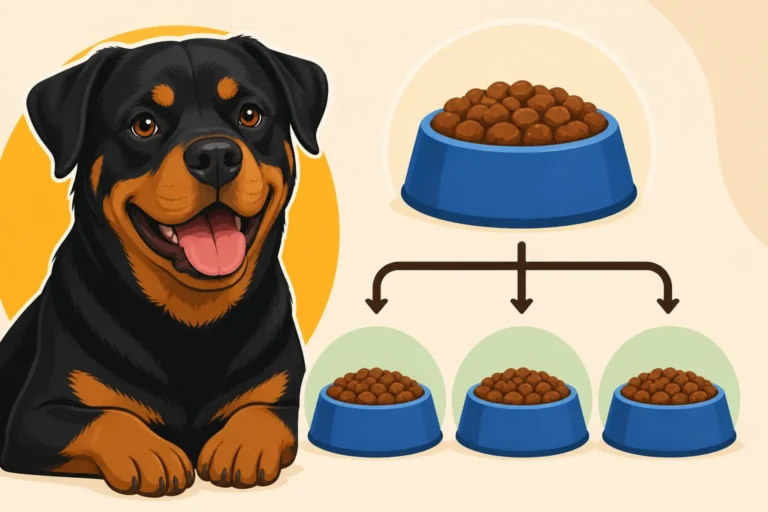
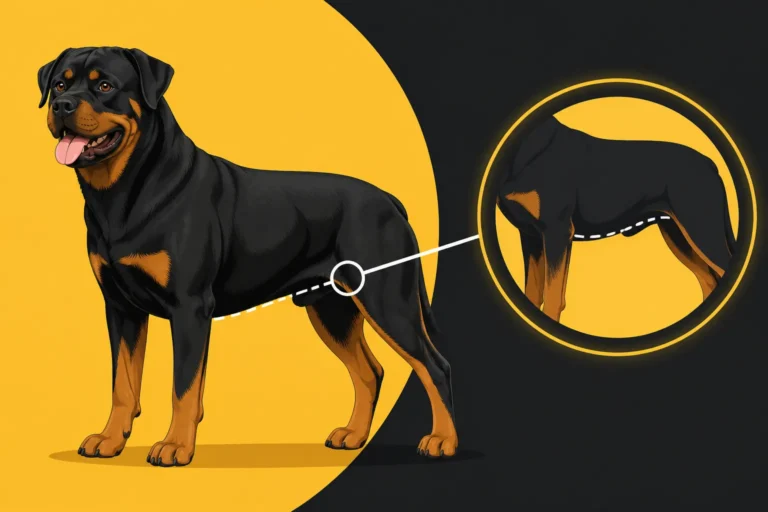
- Portion Control: Even with a senior formula, portion control is key. Don't free-feed; measure out their food precisely according to your vet's recommendation and adjust based on their body condition. You should be able to easily feel, but not see, their ribs.
- Quality Ingredients: Consider brands that prioritize high-quality protein sources to help maintain muscle mass. Services like Ollie can provide fresh, customized meal plans delivered right to your door, which can be beneficial for managing weight and ensuring optimal nutrition for older dogs.
- Supplements: Beyond what might be in their food, your vet may recommend additional joint supplements or fish oil. These can help reduce inflammation and support cartilage health, making movement more comfortable. This is a vital component of Senior Rottweiler Feeding and Mobility.
Aids and Adjustments for Daily Life
Making simple changes around your home can dramatically improve your senior Rottweiler's comfort and mobility, conserving their energy for the important activities like gentle walks and cuddles.
- Ramps and Steps: If your Rottweiler struggles to get into the car, onto the couch, or up onto your bed, invest in ramps or steps. This eliminates painful jumping, which can cause significant wear and tear on joints. Helping a Senior Rottweiler Up the Stairs is often a daily struggle that can be eased with mechanical assistance. You can find sturdy, large-breed appropriate ramps on sites like Amazon or specialty pet stores.
- Orthopedic Beds: A good quality orthopedic dog bed provides critical support for aching joints. Memory foam or other supportive materials can make a huge difference in how rested and comfortable your dog feels, especially after a period of rest.
- Non-Slip Flooring: Slippery floors can be a nightmare for senior dogs with reduced balance and strength. Lay down non-slip runners or rugs in high-traffic areas to give them better traction and prevent falls.
- Support Harnesses and Slings: For dogs with significant hindquarter weakness or those recovering from injury, a mobility harness or sling can be invaluable. These devices allow you to help support their weight during walks or when navigating stairs, taking pressure off their legs. Mobility Harnesses and Slings for a Rottweiler are designed for larger breeds and can provide crucial assistance.
- Warmth: On colder days, a warm dog coat can help keep arthritic joints more comfortable, especially for outdoor excursions. Just like people with arthritis, warmth can ease stiffness.
By embracing these adjustments and continuing to engage your senior Rottweiler in appropriate, gentle activities, you're not just prolonging their physical health; you're enriching their later years with comfort, dignity, and continued companionship. It's about cherishing every moment and adapting with love.
Disclaimer
This article is for general informational purposes only and does not constitute professional advice. Laws, prices and regulations vary by location and change over time. Consult a qualified professional for guidance on your specific situation.