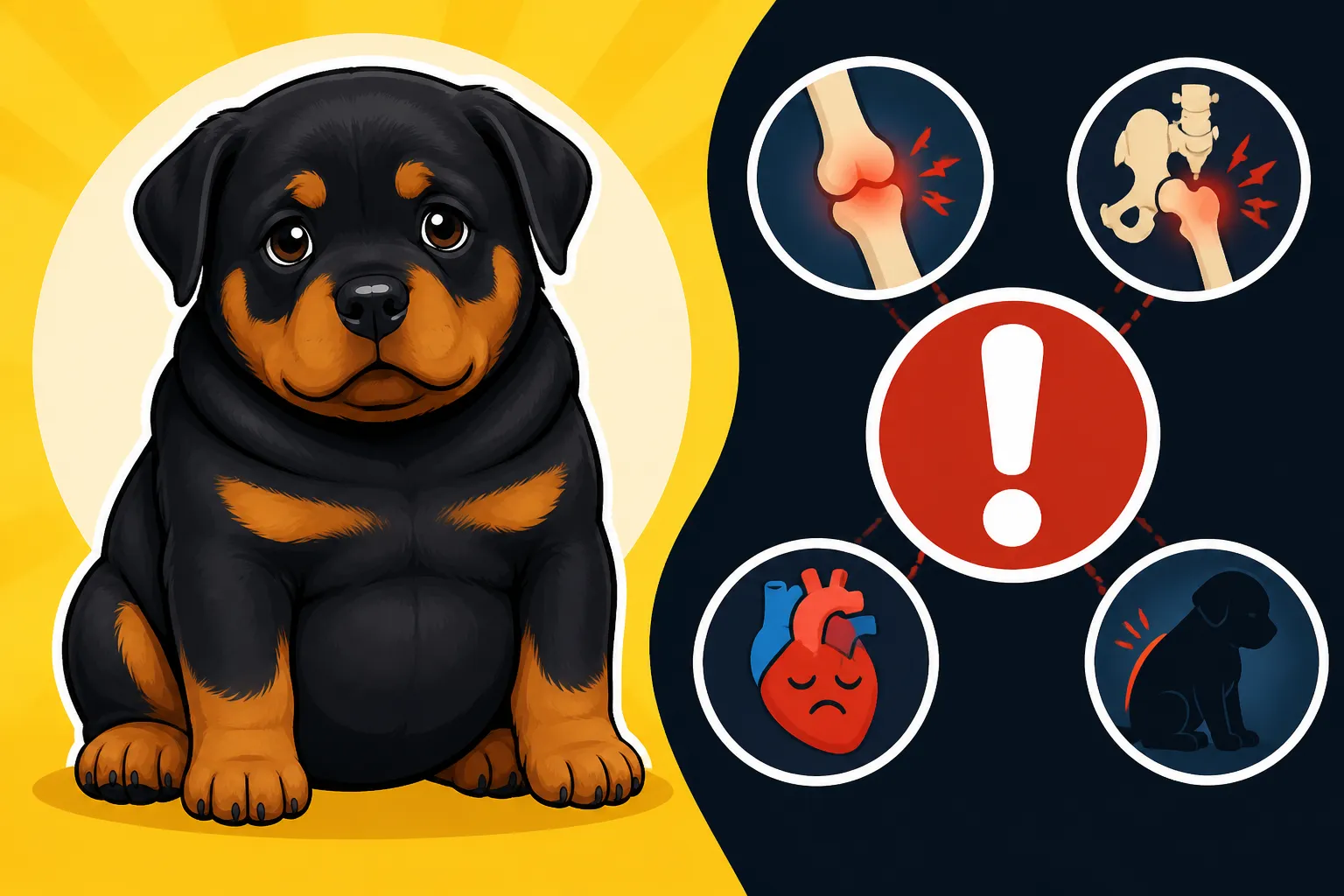
Why a Chubby Rottweiler Puppy Is a Problem
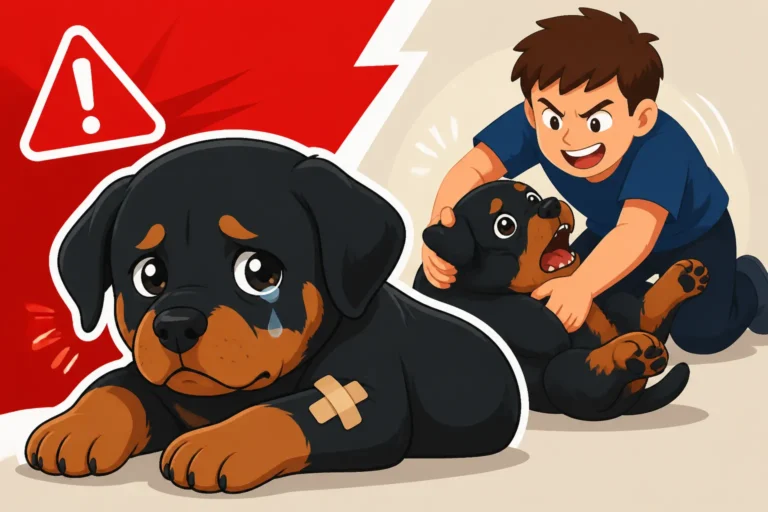
Oh, the adorable, squishy rolls of a puppy! It’s so easy to look at a pudgy Rottweiler puppy and think, "Isn't he just thriving? So much bigger than the others!" We've all been there, admiring that plump belly and assuming it's a sign of ultimate health. But here's the hard truth, my friends: for a Rottweiler puppy, those extra rolls aren't a sign of health; they're a red flag that can set your beloved companion up for a lifetime of pain and serious health issues. This guide is here to unravel why that chubby puppy phase is actually dangerous and what you can do to ensure your Rottweiler grows into the robust, healthy adult they’re meant to be.
The Hidden Dangers of Puppy Fat for a Growing Rottweiler
It's natural to want to spoil our puppies, especially a Rottweiler, with their endearing clumsiness and insatiable appetites. We see them growing so fast, and sometimes we interpret a chunky appearance as a sign that we're doing everything right. But with a giant breed like the Rottweiler, their rapid growth rate makes them particularly vulnerable to the consequences of carrying extra weight, even as tiny pups. Their bones, joints, and organs are developing at an astonishing pace, and excessive weight acts like a constant, unyielding burden on this delicate construction.
The Rapid Growth Trap
Rottweilers aren't just big dogs; they're rapidly growing big dogs. Unlike smaller breeds that reach maturity quickly, a Rottweiler puppy can continue to grow significantly, especially in bone and joint development, until they are 18 to 24 months old. Imagine a skyscraper being built; if you start adding too much weight to the frame before the foundations and supporting structures are fully cured and solidified, you're asking for trouble down the line. That's precisely what happens when a Rottweiler puppy carries excess fat. Their bones lengthen, their growth plates are wide open, and their cartilage is soft and easily damaged.
When a puppy grows too quickly, or carries too much weight during this critical phase, their skeletal system simply can't keep up. The bones might grow longer, but the density, strength, and proper joint formation can be compromised. This isn't about genetics alone; it's about environmental factors like diet and weight putting undue stress on a genetically predisposed framework. A puppy that looks "robust" in the baby fat sense is often actually struggling underneath, quietly laying the groundwork for future lameness and discomfort. It's a cruel irony that our well-meaning generosity with food can have such detrimental effects.
Developmental Orthopedic Diseases
This brings us to the most significant concern: the increased risk of developmental orthopedic diseases. Rottweilers are already prone to certain joint conditions due to their size and genetic background. When you add extra weight to the equation during their formative months, you're dramatically increasing the odds that these conditions will manifest, often more severely. We're talking about painful, debilitating issues that can drastically impact your dog's quality of life and your wallet. Rottweiler Hips and Elbows and the 24-Month Rule discusses this critical period in their development.
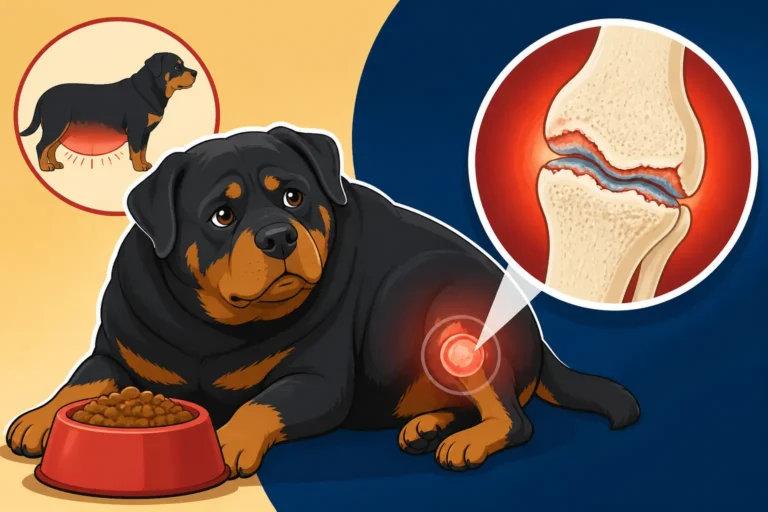
The most common culprits here are hip and elbow dysplasia. Hip dysplasia, for instance, is a condition where the ball and socket joint of the hip doesn't fit together properly. Instead of smooth gliding, there's grinding and instability. Extra weight on these developing, ill-fitting joints can accelerate cartilage wear and bone changes, leading to early onset arthritis and chronic pain. Similarly, elbow dysplasia involves abnormal development of the elbow joint, often leading to lameness. Overfeeding and rapid weight gain are significant contributing factors, even in puppies with otherwise good genetics. It’s a sad reality that a puppy looking "healthy" to the untrained eye might be experiencing the quiet agony of its joints struggling under the load. Understanding the Rottweiler Hip Dysplasia and the OFA Grade is crucial for any owner.
Beyond dysplasia, other conditions like Osteochondrosis Dissecans (OCD) and Hypertrophic Osteodystrophy (HOD) are also exacerbated by overfeeding and rapid growth. OCD is a condition where the cartilage in a joint doesn't properly form and can detach, causing pain and lameness, commonly seen in shoulders, elbows, and knees. HOD, often affecting the long bones, causes inflammation, swelling, and severe pain in growing puppies. While genetic components exist for all these diseases, the expression and severity are heavily influenced by how we manage our puppies' nutrition and weight. A puppy that is kept lean and grows at a moderate pace, even if genetically predisposed, often has a much better prognosis and a significantly reduced chance of developing severe symptoms.
Beyond Joints: Other Health Impacts
While joint health is a primary concern for chubby Rottweiler puppies, the negative impacts extend far beyond their musculoskeletal system. Just like in humans, excess weight in puppies can set the stage for a cascade of other health problems that can diminish their quality of life and shorten their lifespan. It's a compounding effect where one issue often leads to another, creating a much larger challenge for both the dog and their owner. We're not just talking about comfort; we're talking about fundamental systemic health.
For instance, an overweight puppy is more likely to become an overweight adult, which then opens the door to conditions like early-onset diabetes, heart disease, and increased strain on their respiratory system. Imagine carrying an extra 20 pounds around every day of your life – that’s the equivalent of what a truly chubby Rottweiler puppy might be experiencing. Their developing organs have to work harder to support the additional mass, and this can lead to premature wear and tear. Their immune system might also be compromised, making them more susceptible to infections.
Furthermore, a heavily overweight puppy might be less active and agile. This can lead to a vicious cycle: less activity means fewer calories burned, which means more weight gain, which means even less desire to move. It can also impact their mental and emotional development. A puppy that's uncomfortable moving might be less inclined to explore, play with littermates (if still young), or engage in vital socialization experiences. They might become lethargic or even irritable due to chronic discomfort, potentially leading to behavioral issues that complicate their training and integration into the family. It's a holistic problem that touches every aspect of their well-being.
Understanding Proper Rottweiler Puppy Nutrition and Weight Management
So, what's a loving Rottweiler owner to do? It's not about starving your puppy or putting them on a strict diet, but rather about intentional, informed feeding choices. The goal is to support steady, controlled growth rather than rapid, unchecked weight gain. This involves selecting the right food, portioning it correctly, and understanding what not to supplement. It’s about being proactive and precise, rather than just filling the bowl whenever it looks empty.
The Right Food for the Right Stage
When it comes to feeding a Rottweiler puppy, the type of food you choose is paramount. You absolutely cannot feed them just any puppy food, and certainly not adult dog food prematurely. Rottweiler puppies need a high-quality, large-breed puppy formula. This isn't just marketing jargon; these foods are specifically formulated to support the unique growth needs of giant breeds, particularly concerning their calcium and phosphorus balance. Rottweiler Puppy Calories From Fourteen Hundred Up gives you an idea of the caloric needs, but the nutrient ratios are key.
Why is "large-breed puppy formula" so important? The critical difference lies in the controlled calcium and phosphorus levels. Rapid growth, especially when coupled with excess calcium, can interfere with proper bone and cartilage development, leading to conditions like osteochondrosis (OCD) and hypertrophic osteodystrophy (HOD). Large-breed puppy foods have slightly lower calcium and phosphorus concentrations, and a more carefully balanced ratio, designed to promote a slower, more even growth rate in giant breeds, allowing their bones and joints to mature properly. Additionally, these formulas typically provide appropriate protein levels (often between 22-26%) and fat content to fuel their energy needs without causing excessive weight gain. Brands like Purina Large Breed Puppy or Royal Canin Giant Puppy are formulated with these specific needs in mind.
Portion Control and Body Condition Scoring
Once you have the right food, portion control becomes your next critical tool. Dog food bags often provide feeding guidelines, but these are just starting points. Every puppy is an individual, with varying metabolism and activity levels. Blindly following the bag's recommendations can easily lead to overfeeding, especially if your puppy isn't as active as the "average" puppy the guidelines are based on. It's essential to adjust daily rations based on your puppy's individual needs and, more importantly, their body condition. Measuring Rottweiler Food by Weight Not Cups is a far more accurate way to portion.
The best way to monitor your Rottweiler puppy's weight isn't just by looking at them, but by using a combination of visual assessment and hands-on palpation – what veterinarians call Body Condition Scoring (BCS). You want your Rottweiler puppy to be lean, almost on the thinner side for a puppy, definitely not chunky. You should be able to easily feel their ribs without seeing them protruding, and they should have a discernible waist when viewed from above, with a slight tuck-up from the side. If you can't feel their ribs without pressing, or if they look like a little barrel, they are likely overweight.
Here's a simplified body condition score you can use:
| Score | Description | How It Looks & Feels | Action |
|---|---|---|---|
| 1-2 | Underweight (Too Thin) | Ribs, spine, pelvic bones easily visible, little muscle mass, severe waist tuck. | Increase food, consult vet. |
| 3 | Ideal (Lean) | Ribs easily felt with slight pressure, visible waist tuck when viewed from above, abdominal tuck from the side. This is your target! | Maintain current feeding. |
| 4 | Overweight (Too Chubby) | Ribs felt with difficulty, less obvious waist or abdominal tuck, a broad back. | Slightly reduce food, increase exercise, monitor closely. |
| 5 | Obese (Excessively Chubby) | Ribs not felt, no waist or abdominal tuck, obvious fat deposits over back, tail base. | Significant food reduction, vet consult essential. |
Regularly assessing your puppy's body condition and adjusting their food intake accordingly is crucial. Remember, it's always easier to add a little more food than it is to take weight off a rapidly growing puppy, and preventing that excess weight from accumulating in the first place is the healthiest approach. For more on this, check out Keeping a Rottweiler Puppy Lean on Purpose.
The Dangers of Calcium and Other Supplements
This is a critical point that many well-meaning owners get wrong: never supplement a Rottweiler puppy's diet with calcium unless specifically instructed by a veterinarian for a diagnosed medical condition. It sounds counter-intuitive, right? We think bones need calcium, so more must be better. But for a growing giant breed like a Rottweiler, too much calcium is actively harmful and can lead to severe skeletal problems. This is deeply explored in Why You Never Supplement a Rottweiler Puppy's Calcium.
Large-breed puppy foods are meticulously balanced to provide the correct amount of calcium and phosphorus for controlled bone development. Adding extra calcium, whether through supplements, dairy products, or even certain raw bone diets, throws off this delicate balance. It can lead to accelerated and abnormal bone growth, making your puppy more susceptible to developmental orthopedic diseases like hip and elbow dysplasia, osteochondrosis, and hypertrophic osteodystrophy. These conditions aren't just genetic; they are heavily influenced by the rate of growth and the mineral balance in the diet.
Similarly, be cautious with other supplements, especially those marketed for "joint support" for puppies, unless prescribed by your vet. While some adult dogs benefit from glucosamine or fish oil, introducing them to a rapidly growing puppy without professional guidance can be risky or simply unnecessary if they are on a high-quality large-breed formula. Your focus should be on providing a complete and balanced diet, tailored for large breed puppy growth, and allowing nature to take its course with the right support. Simplicity and precision are key here.
Practical Steps to Keep Your Rottweiler Puppy Lean and Healthy
Knowing the "why" behind keeping your Rottweiler puppy lean is one thing, but implementing it is another. It requires a consistent, proactive approach that integrates proper nutrition with appropriate exercise and regular health monitoring. It’s about building a lifestyle that supports their unique needs as a giant breed.
Regular Vet Checks and Growth Monitoring
One of the most valuable tools in ensuring your Rottweiler puppy grows up healthy is consistent veterinary oversight. Regular vet visits aren't just for vaccinations; they're crucial opportunities to monitor your puppy's growth curve, assess their body condition, and catch any potential issues early. Your vet has experience with countless puppies of all breeds and can provide an objective assessment of your Rottweiler's development, which can be hard to do when you're caught up in puppy love.
During these visits, your vet will weigh your puppy, perform a physical exam, and discuss their diet and activity levels with you. They can help you interpret growth charts that are specific to large breeds, ensuring your puppy is on a healthy trajectory – one that prioritizes steady, moderate growth over rapid weight gain. They can also feel for any early signs of joint discomfort or abnormal development that you might miss. Don't hesitate to ask your vet for a body condition score at every visit; it's a great way to stay on track. This proactive approach can make a world of difference in preventing future problems, especially given how late their Rottweiler Growth Plates and Why They Close So Late remain open.
Appropriate Exercise, Not Over-Exercise
It might seem contradictory, but giving a Rottweiler puppy too much strenuous exercise can be just as detrimental as overfeeding. Their rapidly growing bones and joints are simply not designed to withstand high-impact activities, repetitive jumping, or long, forced runs. While a lean puppy is healthier, pushing them beyond their physical limits when their growth plates are still open can cause irreversible damage. The Exercise That Damages a Growing Rottweiler is a vital read for all new owners.
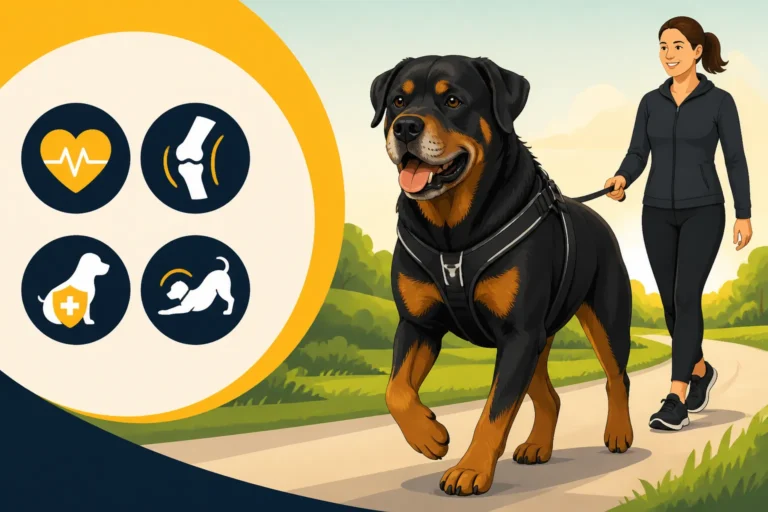
The golden rule for Rottweiler puppy exercise is typically the "five-minute rule": five minutes of structured exercise per month of age, twice a day. So, a four-month-old puppy would get 20 minutes of walk time, twice a day. Beyond that, focus on supervised free play in a safe, soft environment, like a securely fenced yard with grass. Let them romp, chase toys, and explore at their own pace. Avoid stairs as much as possible, prevent them from jumping in and out of cars, and definitely don't take them jogging or on long hikes. Their bodies need time to slowly and steadily ossify. For a deeper dive, check out Exercise Limits for a Rottweiler Puppy Under Six Months.
As they get older, around 18-24 months when their growth plates are typically closed, you can gradually introduce more strenuous activities. But always remember their size and genetic predispositions. Low-impact activities like swimming are excellent for building muscle without stressing joints. The key is moderation and patience, allowing their bodies to develop naturally without undue strain.
Mindful Treating and Enrichment
Let's be honest, those big, soulful Rottweiler puppy eyes can make it hard to resist handing over an extra treat or a piece of your dinner. But every calorie counts, especially when you're trying to keep a growing giant breed lean. This doesn't mean treats are off-limits, but it means being incredibly mindful about their quantity and caloric content. Treats should be factored into their daily calorie budget, not added on top. Treat Budgets for Rottweiler Training can help you plan this out.
When choosing treats, opt for small, low-calorie options. Many commercial training treats are designed to be tiny and palatable. You can also use pieces of cooked lean chicken or certain fruits and vegetables (like carrots or green beans) as healthy, low-calorie alternatives. Break larger treats into smaller pieces; your puppy doesn't know the difference between a whole biscuit and a tiny morsel as long as they get the reward. For everyday rewards, consider using portions of their regular kibble.
Beyond treats, focus on enriching your puppy's life with mental stimulation that doesn't involve extra calories. Puzzle toys, especially those that dispense kibble slowly, are fantastic for making mealtime last longer and engaging their brains. You can find many excellent options on Chewy or Amazon. Training sessions, even short ones, provide valuable mental exercise and strengthen your bond without adding to their waistline. Brands like Ollie that offer fresh, precisely portioned meals can be a great way to ensure calorie control and high-quality nutrition, but always discuss any dietary changes with your vet first to ensure it meets the specific needs of a growing large breed puppy. A tired mind is often just as content as a tired body, and it helps prevent boredom-related destructive behaviors, too.
Disclaimer
This article is for general informational purposes only and does not constitute professional advice. Laws, prices and regulations vary by location and change over time. Consult a qualified professional for guidance on your specific situation.