Grooming a Rottweiler That Sheds More Than It Looks
Many first-time Rottweiler owners are genuinely surprised to learn that despite their short, sleek coats, these magnificent dogs can actually shed a lot. You might initially envision a relatively low-maintenance dog when it comes to hair, only to quickly find black and rust hairs clinging stubbornly to your clothes, furniture, and every surface imaginable. This comprehensive guide will walk you through everything you need to know about effectively grooming your Rottweiler, from truly understanding their unique double coat to practical, hands-on tips for brushing, bathing, and essential health care to keep them looking their absolute best and help minimize those ever-present hair tumbleweeds around your home.
The Rottweiler Coat: Understanding Its Structure and Shedding Cycle
It’s a common misconception that a dog with short hair doesn't shed much. Many people picture a svelte, low-shedding Doberman or a sleek Boxer when they think of short-coated breeds. However, the Rottweiler's coat, while visually short, is actually a dense double coat, designed for a working life outdoors, and it definitely comes with its own set of grooming demands.
The Double Coat Myth and Reality
When you run your hand over your Rottweiler's smooth, glossy topcoat, it’s easy to believe that shedding won't be a big deal. The truth, however, lies beneath that initial layer. Rottweilers possess a distinct double coat: a coarse, medium-length outer coat that provides protection from the elements, and a soft, dense undercoat that acts as insulation against both cold and heat. This undercoat is what often catches owners off guard.
The primary function of this undercoat is thermal regulation. In cooler weather, it traps air to keep the dog warm, and in warmer temperatures, it helps dissipate heat and protect the skin from sun exposure. This vital function means it needs to be maintained and shed properly, otherwise, it can become matted, trap moisture, and lead to skin issues. So, while you might not see long strands of hair everywhere like with a Golden Retriever, you'll certainly find a fine, dense layer of Rottweiler fuzz making its presence known.
Seasonal Shedding: Blowouts Twice a Year
If you thought the everyday shedding was enough, brace yourself for the bi-annual "coat blow." Rottweilers, like many double-coated breeds, typically shed their entire undercoat twice a year, usually in the spring as they prepare for warmer weather, and again in the fall to grow in a thicker winter coat. During these periods, the amount of hair coming off your dog can be truly astounding.
When your Rottweiler is blowing their coat, it can feel like an endless battle against a furry avalanche. You'll brush them, and within minutes, there will be another cloud of hair ready to come off. It’s not uncommon for owners to joke about being able to build a second Rottweiler from the shed hair during these times. This intense shedding is a completely natural process, but it requires diligent grooming to help it along and prevent dead hair from accumulating and causing discomfort. You can read more about this period in Rottweiler Undercoat Shedding Twice a Year.
Everyday Shedding: A Constant Companion
Even outside of the dramatic seasonal blowouts, Rottweilers are consistent, year-round shedders. Their short, stiff hairs have a way of weaving themselves into carpets, upholstery, and clothing, becoming almost impossible to remove. This isn't just a minor nuisance; it means a constant commitment to cleaning and grooming to keep your home somewhat hair-free.
Managing this daily shedding is about consistency. It means having the right tools on hand and incorporating regular brushing into your routine, not just when you notice large amounts of hair. Ignoring it will only lead to more hair accumulating in your home and potentially more dander, which can be an issue for allergy sufferers. Think of it as a small, daily investment that pays off in a cleaner home and a healthier-coated dog.
Essential Brushing Techniques and Tools for a Rottweiler
Regular brushing is by far the most crucial part of maintaining a Rottweiler's coat and managing their shedding. Without it, you're fighting a losing battle against hair, and your dog’s skin health can suffer. Investing in the right tools and establishing a consistent routine will make all the difference, transforming a chore into a bonding experience.
Choosing the Right Brush for a Rottweiler's Coat
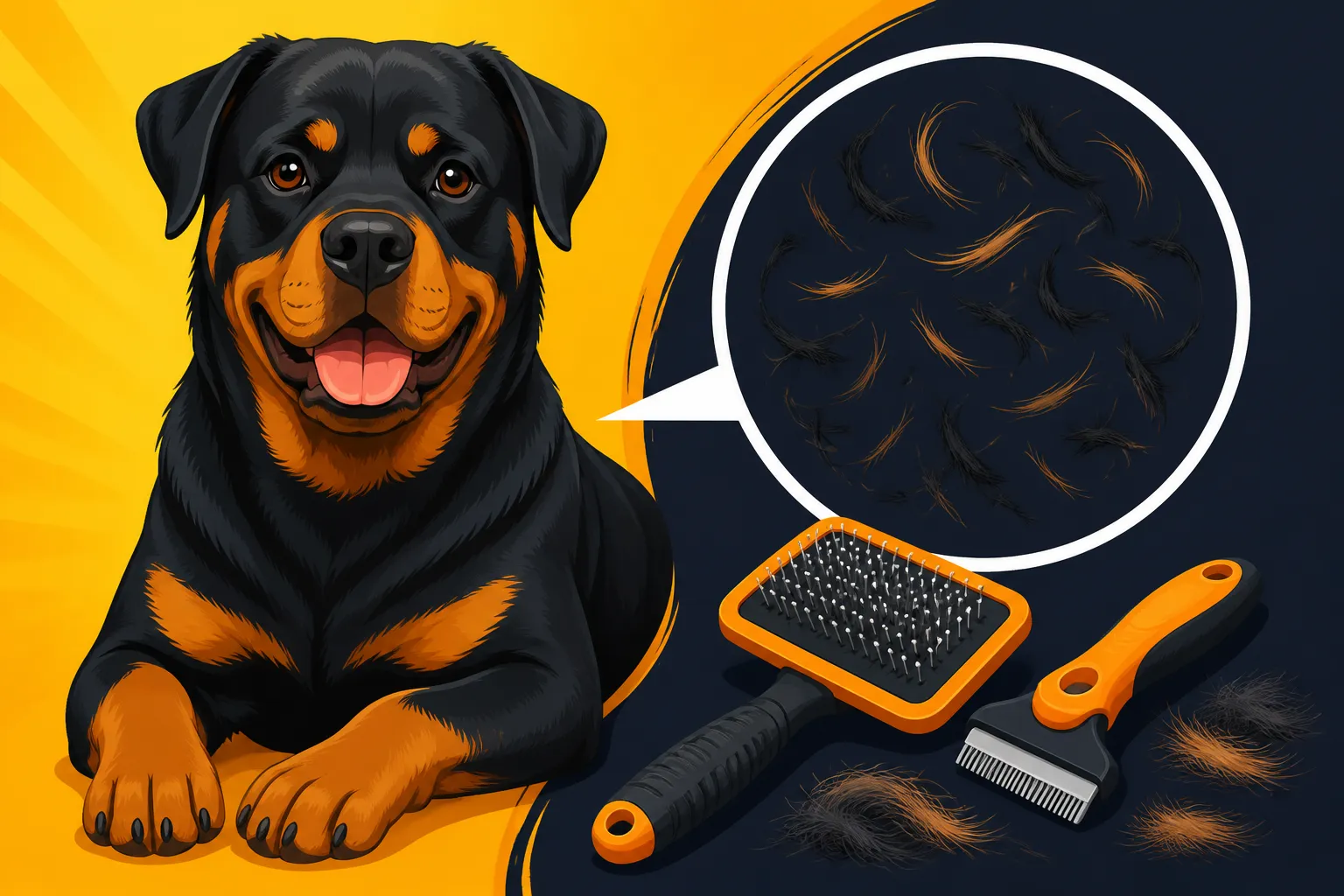
Given the Rottweiler's double coat, you can’t just grab any old brush and expect great results. You'll need a couple of specialized tools in your grooming kit. A high-quality deshedding tool, often resembling a fine-toothed rake, is essential for reaching deep into the undercoat and removing loose hair before it ends up on your floor. Brands like those found on Amazon or Chewy offer a wide range of these specialized brushes. However, be cautious with how often you use them, as overuse can irritate the skin or damage the topcoat.
Another invaluable tool is a rubber curry brush or grooming mitt. These are fantastic for everyday use, especially on the short topcoat, as they gently massage the skin, stimulate circulation, and effectively pick up loose hairs. For the dense undercoat, a sturdy undercoat rake with rotating teeth can also be highly effective, making light work of the packed-in hair during seasonal shedding. You can find more detail on these specific tools in Undercoat Rakes for a Short Rottweiler Coat.
Establishing a Regular Brushing Routine
For a Rottweiler, "regular" brushing means at least two to three times a week, and ideally daily during their heavy shedding seasons. The goal isn't just to remove loose hair, but also to distribute natural skin oils, prevent matting (though less common in Rottweilers, it can still happen with neglect), and allow you to perform quick skin checks. Start by brushing with the grain of the hair, using firm but gentle strokes that reach all the way down to the skin without scratching.
Making brushing a positive experience from puppyhood is key. Introduce the brush slowly, offer treats, and keep sessions short and sweet initially. A calm, comfortable dog is much easier to groom. As they get older, a consistent routine helps them understand what to expect, turning grooming time into a moment of calm connection rather than a struggle. Remember, this isn't just about appearances; it's preventative care that contributes to your Rottweiler's overall well-being.
Dealing with Undercoat Blowouts Effectively
When your Rottweiler is in the throes of a coat blowout, your brushing routine needs to intensify dramatically. This is the time to bring out your heavy-duty deshedding tools and potentially brush daily, sometimes even twice a day, if your schedule allows. Many owners find it helpful to do these intensive brushing sessions outdoors during warm weather to contain the sheer volume of hair.
Bathing can also be a secret weapon during a blowout, as it helps to loosen dead undercoat hairs, making them easier to brush out once the dog is dry. Follow up a good bath with an extensive brushing session. Don't be discouraged if it feels like you're endlessly pulling out hair; it’s a necessary process. The satisfaction of seeing a massive pile of shed hair that isn't on your furniture makes all the effort worthwhile. For more strategies on managing this hair, check out Rottweiler Hair Everywhere and How to Manage It.
Bathing Your Rottweiler: More Than Just Getting Wet
Bathing a Rottweiler is no small feat. Their size and powerful build mean that what might be a quick rinse for a smaller dog becomes a full-body workout for you. But beyond the physical challenge, there are important considerations for their skin and coat health when it comes to bath time.
Frequency and Why Over-Bathing is a No-Go
Unlike some breeds that require frequent bathing, Rottweilers typically don't need to be bathed more often than every 1 to 3 months, unless they've rolled in something truly objectionable. Over-bathing can be detrimental to their skin and coat, stripping away the natural oils that keep their skin hydrated and their coat healthy and shiny. These natural oils act as a protective barrier, and constantly washing them away can lead to dry, flaky, itchy skin, and even dull coat.
It’s a fine balance. You want a clean dog, but not one with irritated skin. If your Rottweiler gets dirty between baths, a good brush or a spot clean with a damp cloth can often do the trick without needing a full soak. Trust me, you'll want to save those full-on wrestling matches in the tub for when they're truly needed.
Selecting the Right Shampoo and Conditioner
When it's time for a bath, choosing the right products is paramount. Always opt for a dog-specific, pH-balanced shampoo. Human shampoos are formulated for a different pH level and can be too harsh for canine skin, causing irritation. For Rottweilers with sensitive skin or allergies, look for hypoallergenic, oatmeal-based, or gentle conditioning shampoos. These can soothe the skin and prevent further dryness.
Some brands offer specialized deshedding shampoos and conditioners that can help loosen dead hair during bath time, making subsequent brushing more effective. You can find a good selection of these on platforms like Chewy or Amazon. Remember, the goal is to clean without stripping essential oils. After shampooing, a dog-specific conditioner can help restore moisture and leave the coat soft and shiny. It might seem like a lot of product for a big dog, and it is; prepare for The Shampoo Volume It Takes to Wash a Rottweiler.
The Art of Drying a Hundred-Pound Rottweiler
After the monumental task of getting your Rottweiler wet and lathered up, the next challenge is getting them dry – and I mean really dry. Simply toweling them off is a start, but for a dog of this size and coat density, it's rarely enough. Residual dampness, especially in areas like their underarms, groin, or between paw pads, can lead to uncomfortable and nasty skin infections or hot spots.
High-velocity pet dryers, while an investment, are a game-changer for Rottweiler owners. They quickly blast water out of the coat, helping to dry them thoroughly and efficiently while also forcing out any remaining loose undercoat. If you don't have one, vigorous towel drying followed by a long period of air drying in a warm, draft-free environment is crucial. Be prepared to spend a good 20-30 minutes just on drying to ensure their coat is completely moisture-free.
Nail Care: Keeping Those Paws Healthy and Comfortable
Neglecting a Rottweiler's nail care isn't just a cosmetic oversight; it's a serious health concern that can lead to pain, mobility issues, and long-term joint damage. Those powerful paws need proper attention to support their massive bodies comfortably.
The Importance of Regular Nail Trims
Imagine walking around all day with shoes that are too small, constantly pushing your toes back. That's essentially what long nails feel like for a dog. When a Rottweiler's nails are too long, they push up into the nail bed, putting pressure on the toe joints and forcing the paw to splay. Over time, this can lead to painful arthritis, abnormal gait, and even permanent damage to the foot structure. The tell-tale "click-clack" sound on hard floors is your cue that those nails are definitely overdue for a trim.
Beyond discomfort, overgrown nails are more prone to splitting, tearing, or even growing so long they curl back into the paw pad, causing agonizing infections. Regular trims keep the nails short, allowing the paw to sit naturally and evenly. This helps distribute their considerable weight correctly, preventing unnecessary strain on their hips, elbows, and spine.
Tools and Techniques for Large, Thick Rottweiler Nails
Rottweiler nails are thick, strong, and often dark, making the quick (the blood vessel and nerve within the nail) hard to see. This is where many owners get nervous, and understandably so. You'll need heavy-duty clippers – either the scissor-style or guillotine type, whichever you find more comfortable to wield. Many Rottweiler owners also swear by a Dremel-style rotary grinder, as it allows for precise, gradual shortening of the nail and can often push the quick back over time.
Regardless of your chosen tool, always have styptic powder on hand. This is a must-have in case you accidentally cut too close to the quick and cause bleeding. Take small bits off at a time, especially if the nails are dark. If you're unsure or nervous, don't hesitate to ask your vet or a professional groomer to show you how, or even to handle the trims themselves. Your Rottweiler's nails can be quite a challenge, as covered in Trimming Thick Rottweiler Nails.
Getting Your Rottweiler Used to Nail Care
Like all grooming tasks, starting nail care early in puppyhood is crucial for a Rottweiler. Desensitize them to having their paws handled frequently. Touch their feet, play with their toes, and gently tap the clippers or grinder against their nails without actually trimming. Pair these experiences with high-value treats and enthusiastic praise.
Keep initial trimming sessions very short, even if you only manage one or two nails at a time. The goal is to build a positive association, not to get every nail done in one go. If they show discomfort, stop, comfort them, and try again later. With patience and consistency, most Rottweilers can learn to tolerate, if not enjoy, their nail trims.
Ear and Eye Care: Preventing Common Rottweiler Issues
The iconic drop ears and expressive eyes of a Rottweiler require routine attention to prevent common health issues. Overlooking these small details can lead to painful infections or chronic irritation, so building them into your grooming routine is vital.
Cleaning Under Those Droopy Rottweiler Ears
Rottweilers have heavy, pendulous ears that hang down, significantly reducing airflow to the ear canal. This creates a warm, moist environment – the perfect breeding ground for bacteria and yeast, leading to frequent ear infections. Weekly checks are a must: lift the ear flap and visually inspect the canal for redness, swelling, or any discharge. Sniff inside for any unusual or yeasty odor.
If you notice any redness or a slight smell, it’s time for a cleaning. Use a dog-specific ear cleaner, which typically contains ingredients to break down wax and dry the ear canal. Apply a generous amount to a cotton ball, then gently wipe the visible parts of the ear canal. Never insert cotton swabs deep into the ear, as this can push debris further in and damage delicate structures. If you suspect an infection (strong odor, excessive discharge, pain), always consult your vet. They can properly diagnose and treat it. Learn more about preventing issues in Rottweiler Ear Cleaning Under a Heavy Flap.
Watching for Eye Discharge and Irritation
A Rottweiler's eyes should be clear, bright, and free of excessive discharge. It’s normal for them to have a bit of "sleep" in the corners of their eyes in the morning, which can be gently wiped away with a damp, soft cloth. However, keep a close watch for any signs of irritation or infection. This includes excessive tearing, redness in the whites of the eyes, squinting, or yellow/green discharge.
Rottweilers can be prone to certain eye conditions, such as entropion, where the eyelid rolls inward, causing eyelashes to rub against the cornea. If you notice any persistent irritation or unusual discharge, it’s always best to have your veterinarian check it out. Early detection and treatment can prevent more serious problems. For specific concerns about eye conditions, you might find Rottweiler Eye Discharge Caused by Entropion helpful.
Facial Folds and Skin Checks
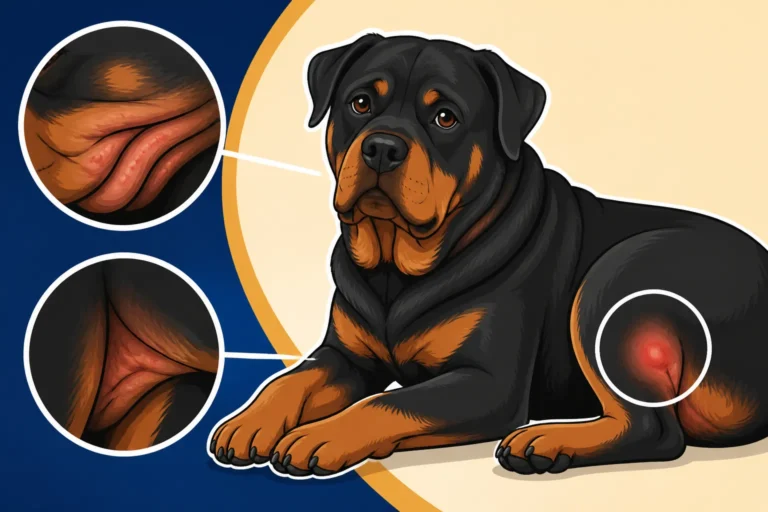
While Rottweilers don't have the deep facial wrinkles of some brachycephalic breeds, they do have some folds around their muzzle and lips that can collect food particles, moisture, and debris. A quick daily wipe with a damp cloth can prevent irritation and bacterial growth in these areas. Pay extra attention after meals or if they've been drinking a lot.
Beyond specific facial folds, use grooming time as an opportunity to perform a full-body skin check. Run your hands over your Rottweiler, feeling for any new lumps, bumps, hot spots, scabs, or areas of tenderness. Examine their paws for cuts or foreign objects, and check their coat for any signs of parasites like fleas or ticks. Early detection of any changes can lead to prompt veterinary care and a better outcome.
Dental Hygiene: A Critical Part of Overall Health
It’s easy to overlook dental care when you’re focused on coats and claws, but a Rottweiler’s oral health is intimately linked to their overall well-being. These dogs have powerful jaws, but even the strongest teeth are susceptible to plaque, tartar, and gum disease, which can lead to serious health problems if left unchecked.
Daily Brushing for a Strong Rottweiler Jaw
Just like humans, daily brushing is the gold standard for preventing plaque and tartar buildup in dogs. This might sound like a daunting task with a large dog, but with patience and the right approach, it’s entirely achievable. You'll need a dog-specific toothbrush (often a long-handled brush or a finger brush) and dog-friendly toothpaste. Never use human toothpaste, as it contains ingredients like xylitol that are toxic to dogs.
Introduce brushing slowly. Start by letting your Rottweiler lick the toothpaste off your finger, then introduce the brush for short sessions, focusing on the outer surfaces of the teeth first. Reward them heavily with praise and treats. The goal is consistency, even if you can only manage a minute or two each day. Establishing this routine early, as detailed in Getting a Rottweiler Used to a Toothbrush Early, will set your dog up for a lifetime of better oral health.
Choosing Safe Chews and Dental Aids
While daily brushing is ideal, certain dental chews and toys can complement your efforts. Look for products that are approved by the Veterinary Oral Health Council (VOHC), as these have been scientifically proven to reduce plaque and/or tartar. Many brands on Chewy or Amazon offer a variety of VOHC-approved options for large breeds.
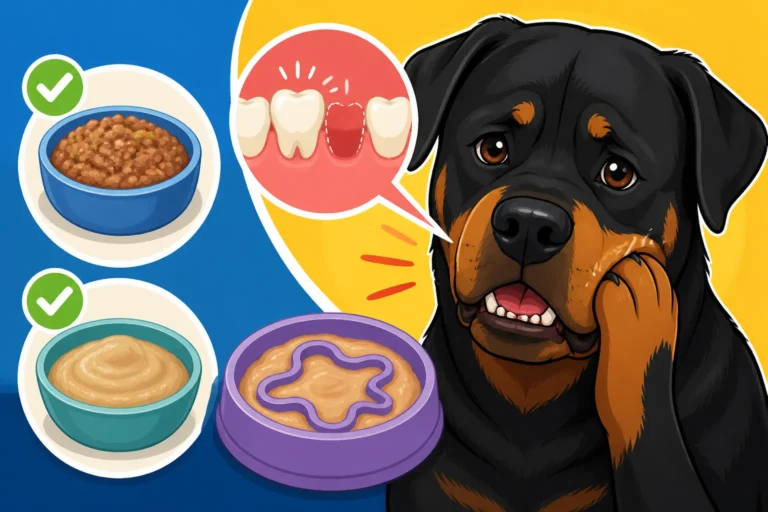
However, be extremely cautious with overly hard chews, such as antlers, dried bones, or very dense nylon toys. While they might seem indestructible, a Rottweiler’s powerful jaw can easily crack or break teeth on these items. A fractured tooth is incredibly painful and often requires expensive dental surgery. Stick to softer, more pliable dental chews that flex rather than resist, or firm rubber toys designed for heavy chewers but still safe for their teeth. This risk is explored further in Cracked Teeth in a Rottweiler That Chews Hard.
Professional Dental Cleanings and What to Expect
Even with diligent at-home care, most dogs will eventually require professional dental cleanings under anesthesia. Your veterinarian can assess your Rottweiler's teeth during their annual check-up and recommend when a cleaning might be necessary. During a professional cleaning, your vet will remove plaque and tartar from above and below the gumline, polish the teeth, and perform a thorough oral examination, which often includes dental X-rays to check for issues beneath the gumline.
This procedure, while requiring anesthesia, is crucial for preventing severe gum disease, tooth loss, and systemic infections. Bacteria from infected gums can enter the bloodstream and affect major organs like the heart, kidneys, and liver. Think of it as investing in your Rottweiler's overall health and longevity. Your vet can discuss the costs and risks involved, ensuring you're comfortable with the process.
Special Considerations for Rottweiler Grooming
Grooming a Rottweiler goes beyond the basic brushing and bathing; it’s an ongoing process that adapts to their individual needs, age, and any health challenges they might face. Being prepared for these special considerations will help you provide the best care throughout their lives.
Dealing with Hot Spots and Skin Allergies
Rottweilers, unfortunately, can be prone to skin allergies, which often manifest as itchy skin, redness, and the dreaded "hot spots." Hot spots are acute moist dermatitis – red, inflamed, often oozing lesions that develop quickly when a dog excessively licks, chews, or scratches an itchy area. Their dense coats can sometimes trap moisture, exacerbating these issues.
Regular grooming is your first line of defense. By consistently brushing and checking their skin, you can spot the earliest signs of irritation before it escalates. If you notice persistent itching, redness, or the beginning of a hot spot, it’s important to address it quickly. Keeping the area clean and dry, and preventing further licking (often with an Elizabethan collar), can help. Always consult your vet for diagnosis and treatment, as allergies often require specific management plans, as detailed in Rottweiler Skin Allergies and Summer Hot Spots.
Grooming a Senior Rottweiler's Changing Needs
As your Rottweiler enters their golden years (typically around age 7-8), their grooming needs may shift, and your approach will need to be more gentle and considerate. Senior dogs often develop arthritis or other joint issues, making it uncomfortable for them to stand for long periods, lift their paws, or tolerate rough handling. What was once an easy grooming session might become a painful ordeal if you're not careful.
Shorten grooming sessions, allow for more breaks, and provide soft, non-slip surfaces for them to stand or lie on. Use gentle strokes when brushing and be extra careful when handling their legs or paws for nail trims. This is a time to be especially vigilant for new lumps, bumps, or skin changes, which are more common in older dogs. If mobility becomes a major issue, consider seeking help from a professional groomer or vet tech who can offer specialized senior care. For more on caring for an aging dog, see Senior Rottweiler Mobility Decline.
Professional Groomers: When to Call for Help
While much of a Rottweiler's grooming can be done at home, there are times when calling in a professional groomer is not just a luxury, but a wise decision. If your Rottweiler is particularly anxious or reactive to grooming, if they have severe matting (though rare, can happen with neglected undercoats), or if you simply lack the physical strength or time to manage their size, a professional can be a lifesaver.
Look for a groomer with experience handling large breeds, particularly Rottweilers. They will have the specialized equipment (like high-velocity dryers and sturdy grooming tables) and the expertise to handle your dog safely and efficiently. A good groomer can not only keep your Rottweiler looking great but also help reinforce positive associations with grooming, making future home sessions easier. Don’t view it as a failure to seek professional help; view it as part of providing comprehensive care for your beloved companion.
| Grooming Task | Frequency | Essential Tools | Key Considerations |
|---|---|---|---|
| Brushing | Daily to 3x/week | Undercoat rake, curry brush, deshedder | Crucial for shedding, skin health; make it positive |
| Bathing | Every 1-3 months | Dog-specific shampoo/conditioner, HV dryer | Avoid over-bathing; ensure thorough drying to prevent skin issues |
| Nail Trimming | Every 2-4 weeks | Heavy-duty clippers, grinder, styptic powder | Prevent discomfort & joint issues; introduce early, be cautious of the quick |
| Ear Cleaning | Weekly (check) | Dog ear cleaner, cotton balls | Prevent infections; check for odor/discharge |
| Eye Wiping | Daily/As needed | Soft, damp cloth | Remove discharge; watch for redness or irritation |
| Dental Brushing | Daily | Dog toothbrush, dog toothpaste | Prevent plaque/tartar; use safe chews |
| Skin Checks | Weekly (during grooming) | Hands, keen eyes | Early detection of lumps, bumps, parasites, hot spots |
Disclaimer
This article is for general informational purposes only and does not constitute professional advice. Laws, prices and regulations vary by location and change over time. Consult a qualified professional for guidance on your specific situation.