Why a Rottweiler Needs a Microchip Before CHIC
It’s a truly frustrating situation when you’re trying to keep track of all your Rottweiler’s health records, especially when dealing with multiple clearances and certifications. You want to ensure everything is in order, but the paperwork can feel overwhelming, and sometimes, things just don't seem to link up properly. This guide will walk you through precisely why a microchip isn't just a good idea for your Rottweiler, but an absolute necessity for navigating the Canine Health Information Center (CHIC) program and building a comprehensive health legacy for your beloved dog.
Understanding the CHIC Program and Its Importance
As a Rottweiler owner, you're deeply invested in your dog's health and well-being. But beyond just your individual dog, responsible breeding and ownership contribute to the health of the entire breed. That’s where the CHIC program comes in – it’s a centralized database co-sponsored by the Orthopedic Foundation for Animals (OFA) and the AKC Canine Health Foundation, designed to encourage and certify health testing in purebred dogs. Its entire purpose is to collect health information from various sources on individual dogs and make it available for responsible breeding decisions.
What the CHIC Program Entails
The CHIC program isn't just some arbitrary set of hoops to jump through. It's a vital initiative aimed at reducing the incidence of heritable diseases in breeds like our beloved Rottweilers. Each breed has a specific set of required health tests that breeders should perform on their dogs before breeding them. For Rottweilers, these tests specifically target some of the most prevalent and debilitating conditions known to the breed. The idea is to create a clear, accessible record of a dog's health clearances, allowing prospective puppy buyers and responsible breeders to make informed decisions. It helps us move away from guesswork and towards a future of healthier, longer-lived Rottweilers. Think of it as a public health report card for individual dogs, ensuring transparency and accountability in breeding practices. Without a structured program like this, it would be much harder to track genetic predispositions and work towards improving the breed's overall health profile.
The Five Evaluations a Rottweiler Needs for CHIC
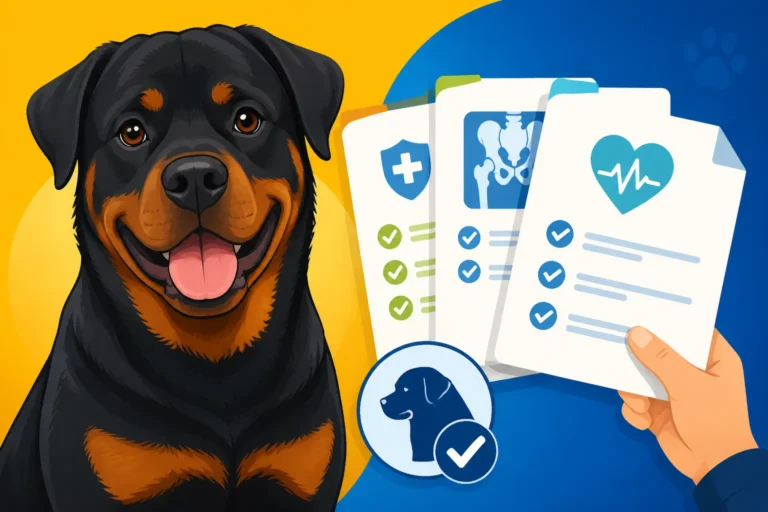
For a Rottweiler to achieve a CHIC number, they must undergo a series of specific health evaluations. These aren't just minor checks; they're comprehensive screenings designed to identify common, often painful, genetic conditions that Rottweilers can be prone to. The primary evaluations required for a Rottweiler include:
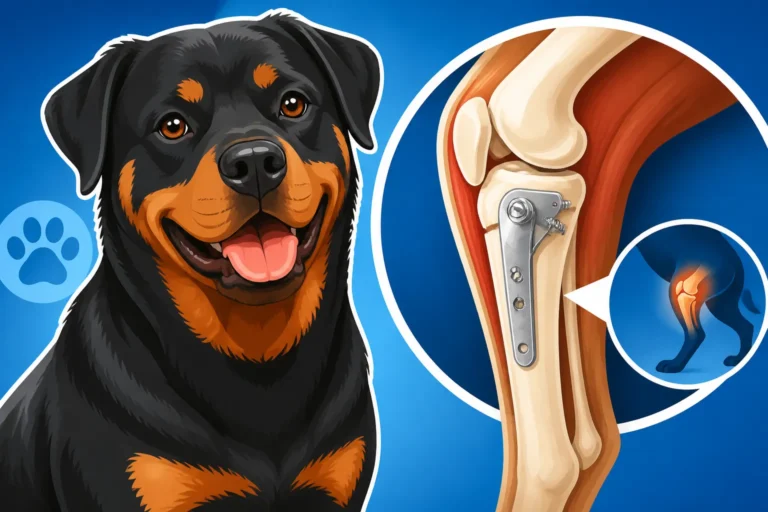
- Hip Dysplasia Evaluation: This involves specialized X-rays of the hips, typically evaluated by the OFA or PennHIP. It looks for abnormalities in the hip joint that can lead to arthritis and debilitating lameness. Understanding the nuances of Rottweiler Hip Dysplasia and the OFA Grade is crucial here.
- Elbow Dysplasia Evaluation: Similar to hips, this requires specific X-rays of the elbows, also evaluated by the OFA. Elbow dysplasia can cause chronic pain and lameness in the front limbs. It's important to know Rottweiler Elbow X-Rays Taken at Twenty-Four Months are a key part of this.
- Cardiac Evaluation: This involves a physical examination by a board-certified veterinary cardiologist, often including an echocardiogram to check for subaortic stenosis (SAS) or other heart conditions. Rottweiler Heart Disease and Subaortic Stenosis is a significant concern in the breed, making this test non-negotiable.
- Eye Examination: Performed by a board-certified veterinary ophthalmologist, this checks for various ocular conditions, with results submitted to the OFA or the Canine Eye Registration Foundation (CERF). These exams are crucial and must be Rottweiler Eye Exams Recertified Every Three Years.
- Juvenile Laryngeal Paralysis & Polyneuropathy (JLPP) DNA Test: This is a genetic test to identify carriers or affected dogs of JLPP, a severe neurological disorder. Given the impact of JLPP and the RAB3GAP1 Gene in Rottweilers, this DNA test is a critical component of responsible breeding.
Each of these tests is a piece of a larger puzzle, contributing to a holistic understanding of a Rottweiler's genetic health. Without a way to consistently and accurately track these results back to a specific dog, the entire system would collapse. And that's exactly where the microchip steps in, acting as the bedrock of identification for this rigorous process. You'll notice that the standard also emphasizes the importance of age for these screenings, with many requiring the dog to be at least 24 months old to ensure full skeletal maturity, as detailed in Rottweiler Hips and Elbows and the 24-Month Rule.
The Indispensable Role of a Microchip
When you think about health clearances, you might first consider the X-rays or the blood tests. But the silent hero behind all these records is something incredibly small yet profoundly significant: the microchip. It’s not just for finding lost pets anymore; it's the anchor that ties every single health evaluation and certification directly to your individual Rottweiler, creating an undeniable, permanent record.
Microchip as a Permanent Identification
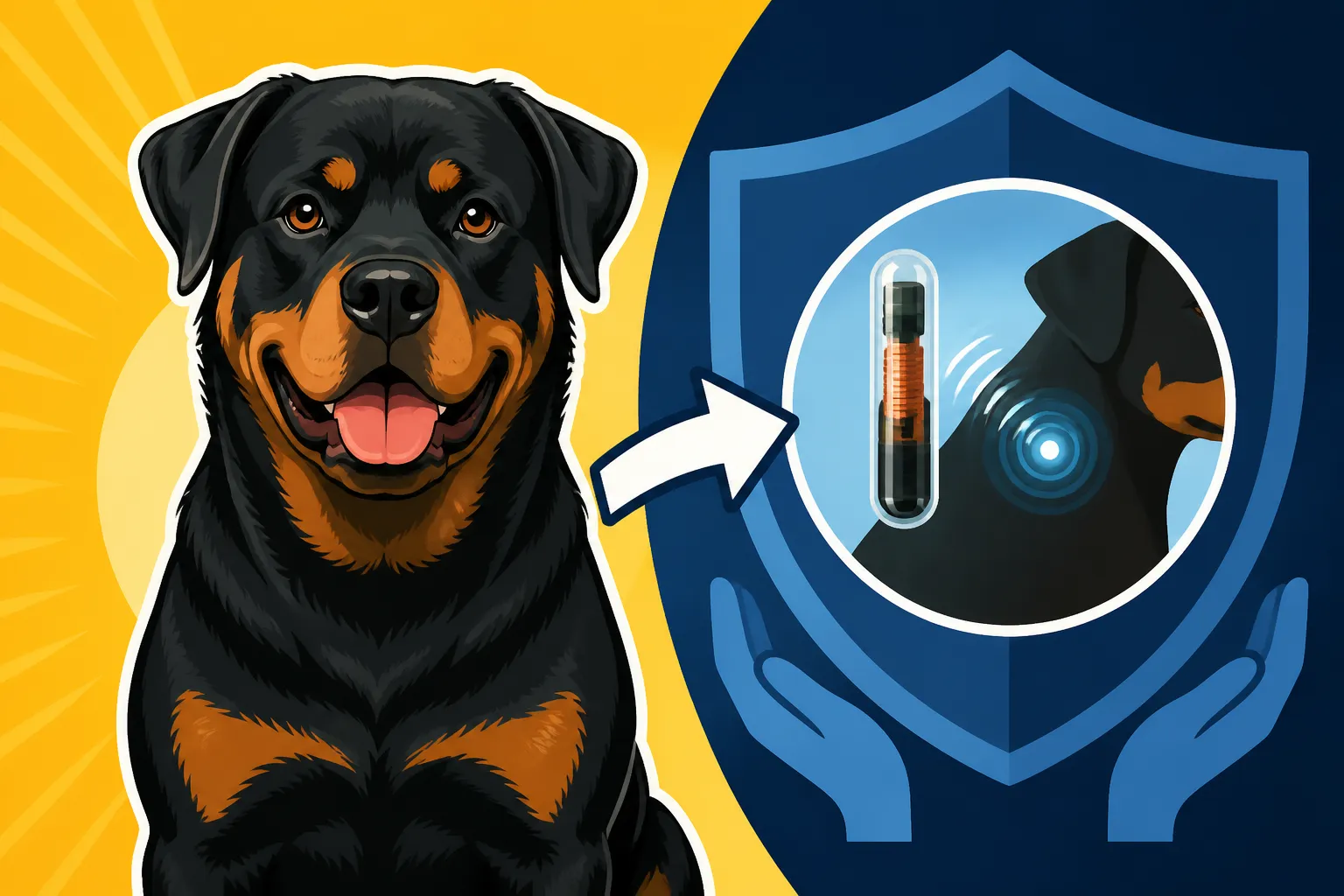
Imagine trying to keep track of all the detailed health clearances for multiple dogs in a breeding program, or even just for your one beloved pet, using only paper records or easily changed collar tags. It would be a nightmare! This is where the microchip becomes absolutely essential. A microchip is a tiny, passive radio-frequency identification (RFID) device, about the size of a grain of rice, that’s implanted painlessly under your dog's skin, usually between the shoulder blades. Each microchip carries a unique identification number. When a scanner is passed over the dog, this number is read.
Unlike a collar and tags, which can be lost, stolen, or intentionally removed, a microchip is permanent. It cannot be altered or duplicated, making it the most reliable form of identification available for your Rottweiler. This permanence is critical for the CHIC program because it ensures that the health test results submitted to the OFA or other registries are unequivocally linked to the correct dog. There's no room for error, no possibility of confusing one dog's results with another's, and no way for unscrupulous individuals to misrepresent a dog's health status. This level of integrity is what gives the CHIC program its credibility and allows it to effectively serve its purpose of improving breed health. Moreover, if your dog ever gets lost, a microchip provides a reliable way to reunite you, a benefit often highlighted by pet insurance providers like Healthy Paws.
Linking Health Records to a Specific Dog
This is where the magic truly happens for the CHIC program. When your Rottweiler undergoes a hip X-ray, an elbow evaluation, a cardiac exam, an eye certification, or a JLPP DNA test, the veterinary professional performing or submitting these tests will include your dog's microchip number on all the paperwork. This microchip number then becomes the unique identifier in the OFA database.
Every single result, whether it’s a "Good" hip score, a "Normal" elbow grade, a "Clear" cardiac report, or a "Clear" JLPP DNA result, is permanently tagged with that specific microchip number. This means that anyone looking up your dog's CHIC record online can see a complete and verified history of their health clearances, all unequivocally linked to that one, individual Rottweiler. This isn't just about transparency; it's about accuracy and accountability. Without the microchip, there would be no reliable way to compile and verify these disparate health records into a single, comprehensive CHIC report. It streamlines the entire process, making it easy for breeders to track the health lineage of their lines and for buyers to verify the health claims of potential parents. It also forms the basis of The Five Evaluations a Rottweiler Needs for CHIC, ensuring each step is tied to the correct animal.
Practical Steps for Microchipping and CHIC Registration
Navigating the world of health clearances and registrations for a magnificent breed like the Rottweiler can seem like a lot, but it's a manageable process when you know the steps. Getting that microchip in place is foundational, setting the stage for all the important health testing that follows.
When and How to Microchip Your Rottweiler
Microchipping your Rottweiler is a straightforward procedure, but timing can sometimes be a consideration, especially for breeders. Most puppies are microchipped by their breeders before they even go to their new homes, typically around 8 weeks of age. This early microchipping ensures that from the very beginning, the puppy has a permanent ID. If your Rottweiler wasn't microchipped as a puppy, don't worry—it can be done at any age. It's a quick, relatively painless procedure performed by a veterinarian, similar to a routine vaccination. A sterile needle is used to inject the tiny chip under the skin between the shoulder blades. Many vets will recommend doing it during a routine check-up or even concurrently with a spay or neuter procedure, as the slight discomfort is minimal and easily tolerated.
Once implanted, the microchip needs to be registered with a national database. This is a crucial step that often gets overlooked. Registration links your contact information to your dog's unique microchip ID. Common registries in the US include AKC Reunite, PetLink, and HomeAgain. Make sure your contact information is always up-to-date in the registry, especially if you move or change phone numbers. Remember, a microchip is only as effective as its registration! For the CHIC program, the OFA requires that the microchip information matches the registration information on file, ensuring consistency. This initial step is absolutely key, as the microchip number becomes the unique identifier for Why Rottweiler CHIC Starts With a Microchip.
Submitting Results to OFA and CHIC
Once your Rottweiler has its microchip and you’ve completed all the necessary health evaluations—the hip and elbow X-rays, the cardiac exam, the eye certification, and the JLPP DNA test—it’s time to submit the results to the OFA. This process is usually handled by your veterinarian or the specialist who performed the specific test. For instance, the radiologist reading the hip and elbow X-rays will submit their findings directly to the OFA. The cardiologist will send in the cardiac evaluation, and the ophthalmologist will forward the eye exam results. For the JLPP DNA test, the lab will typically send the results to you, which you then forward to the OFA.
Crucially, every submission must include your Rottweiler's microchip number. This is how the OFA database compiles all these individual results under a single, unified record for your dog. They verify that the microchip number on the test submission matches the microchip number on file for your dog, maintaining the integrity of the data. Once all the required breed-specific tests have been submitted and meet the criteria for passing (or fail, as the OFA publishes all results), your Rottweiler will be assigned a CHIC number. This number signifies that all recommended health screenings have been completed and the results are publicly available. It’s a testament to responsible ownership and breeding, contributing to the greater good of the breed. Knowing Why Rottweiler Results Are Published Pass or Fail is part of this transparency.
Ensuring Your Rottweiler's Future and Legacy
Obtaining a CHIC number for your Rottweiler isn't just a badge of honor; it's an investment in the future of the breed. By participating, you’re not only demonstrating your commitment to your individual dog's health but also providing invaluable data that helps track genetic trends and make informed breeding decisions. This collective effort is what drives down the incidence of debilitating diseases over generations. Think about the impact: when responsible breeders consistently test their dogs and use CHIC-certified individuals, they are actively working to produce healthier puppies, reducing the heartbreak and financial strain associated with hereditary conditions.
For you, the owner, it offers peace of mind. If you’ve purchased a puppy from CHIC-certified parents, you have a much higher probability of having a healthier dog, potentially saving you significant veterinary costs down the line. Even if you don’t plan to breed, understanding your dog’s genetic health profile can help you anticipate potential issues and provide proactive care. For instance, knowing about Rottweiler Cancers Beyond the Bone can help you stay vigilant about early screening. Insurance providers like Healthy Paws also often look favorably on comprehensive health testing, as it indicates a lower risk profile for certain conditions. Ultimately, the microchip and CHIC program are powerful tools for safeguarding the majestic Rottweiler breed for generations to come, contributing to the overall Rottweiler Lifespan and the Eight to Ten Year Average.
| CHIC Requirement for Rottweilers | Purpose of Test | Role of Microchip | Minimum Age for Test |
|---|---|---|---|
| Hip Dysplasia | Detects genetic predisposition to hip joint issues | Links X-ray results unequivocally to the specific dog | 24 Months |
| Elbow Dysplasia | Detects genetic predisposition to elbow joint issues | Links X-ray results unequivocally to the specific dog | 24 Months |
| Cardiac Evaluation | Screens for inherited heart conditions like SAS | Links cardiologist's report to the specific dog | 12 Months |
| Eye Examination | Identifies genetic eye diseases | Links ophthalmologist's certificate to the specific dog | 12 Months |
| JLPP DNA Test | Screens for Juvenile Laryngeal Paralysis & Polyneuropathy | Links DNA test results to the specific dog's genetic profile | Any Age |
This table clearly outlines the connection between the required health tests and the microchip's role in ensuring accurate, permanent identification, which is fundamental to the entire CHIC process for your Rottweiler.
A Legacy of Health: Microchipping Beyond CHIC
While the CHIC program is a cornerstone of responsible Rottweiler ownership and breeding, the benefits of microchipping extend far beyond just health certifications. It's a proactive measure that gives you peace of mind in numerous scenarios, protecting your furry family member in ways you might not immediately consider. Beyond showing dedication to the breed's health, it’s a simple, effective tool for your dog's personal safety and well-being throughout their life.
Safeguarding Against Loss and Theft
This is perhaps the most widely recognized benefit of microchipping, and for good reason. No matter how careful you are, dogs can get lost. A gate might accidentally be left open, a leash could slip, or during an unexpected loud noise like fireworks, your Rottweiler might bolt. In these terrifying moments, a microchip drastically increases the chances of a happy reunion. Animal shelters, veterinary clinics, and rescue organizations routinely scan stray animals for microchips upon intake. If your Rottweiler has one and it’s properly registered, a simple scan can provide your contact information, allowing them to call you immediately.
Without a microchip, an unidentified lost dog might end up in a shelter for weeks, potentially being adopted by someone else or, sadly, euthanized if no owner is found. The microchip provides that critical link directly back to you, even if their collar or tags are missing. It’s a silent, permanent ID that speaks volumes when your dog can't. Furthermore, in the unfortunate event of theft, a microchip can serve as irrefutable proof of ownership, helping law enforcement and shelters reunite you with your stolen pet. Many dedicated Rottweiler rescues understand this, often ensuring all their adoptable dogs are microchipped before placement. This proactive approach to identification is a small step that yields immense security. It's a key part of ensuring The Health Records Worth Keeping on a Rottweiler.
Crucial for Travel and Other Registrations
If you plan to travel internationally with your Rottweiler, especially to countries within the European Union, a microchip is not just recommended, it’s a mandatory requirement. Many nations use ISO-compliant microchips as the primary form of identification for pet imports, linking vaccinations, health certificates, and other necessary travel documents to your specific dog. Without one, your travel plans with your Rottweiler will likely hit a wall.
Beyond international travel, microchips are becoming increasingly important for various other registrations and activities. Many dog parks, boarding kennels, and daycares require proof of microchipping for identification and safety protocols. Participating in canine sports, obedience trials, or conformation shows often necessitates a microchip for official entry and record-keeping, as highlighted by requirements for titles like Canine Good Citizen With a Rottweiler. It simply adds a layer of professionalism and undeniable proof of identity that benefits both the owner and the organizations involved. As your Rottweiler grows and engages in more activities, the microchip often becomes an essential piece of their identity puzzle, facilitating their inclusion in various aspects of canine life.
The Long-Term Impact on Breed Health and Research
Beyond individual benefits, the widespread use of microchips, especially in conjunction with programs like CHIC, has a profound long-term impact on canine health research. When every health clearance is tied to a unique, permanent identifier, researchers gain access to a treasure trove of data. This robust dataset allows for more accurate tracking of disease prevalence, better identification of genetic markers, and a deeper understanding of hereditary conditions within the Rottweiler breed.
For example, if a specific genetic mutation is found to be linked to a disease like Osteosarcoma, the Cancer That Takes Most Rottweilers, having extensive microchipped health data can help scientists pinpoint affected bloodlines more quickly and accurately. This collective information contributes to developing better screening tests, more effective treatments, and ultimately, healthier breeding practices. Every Rottweiler owner who microchips their dog and participates in CHIC is contributing to this larger scientific effort, helping to ensure that future generations of Rottweilers can lead longer, healthier lives. It’s a powerful example of how individual actions can collectively safeguard the future of a beloved breed.
Disclaimer
Please remember that this article is intended for informational purposes only and should not be considered a substitute for professional veterinary advice. Always consult with your veterinarian for any health concerns or before making any decisions related to your Rottweiler's care, diet, or health management.