Rottweiler Hips and Elbows and the 24-Month Rule
Bringing a Rottweiler puppy home is an incredible joy, but as they grow into those magnificent, powerful adults, a quiet worry often starts to creep into the minds of their devoted owners: their joints. We all hear the stories, and we know large breeds, especially our beloved Rotties, can be prone to hip and elbow issues. This guide is here to walk you through exactly what those concerns mean, the critical "24-month rule" for joint health evaluations, and how you can best support your big dog's long-term mobility and comfort.
Understanding Rottweiler Joint Health Concerns
It's no secret that Rottweilers, with their impressive size and robust build, are predisposed to certain orthopedic conditions. This isn't a flaw in the breed itself, but rather a common challenge faced by many large and giant dog breeds. Understanding these specific vulnerabilities is the first step in being a proactive and informed owner.
The Predisposition to Hip Dysplasia
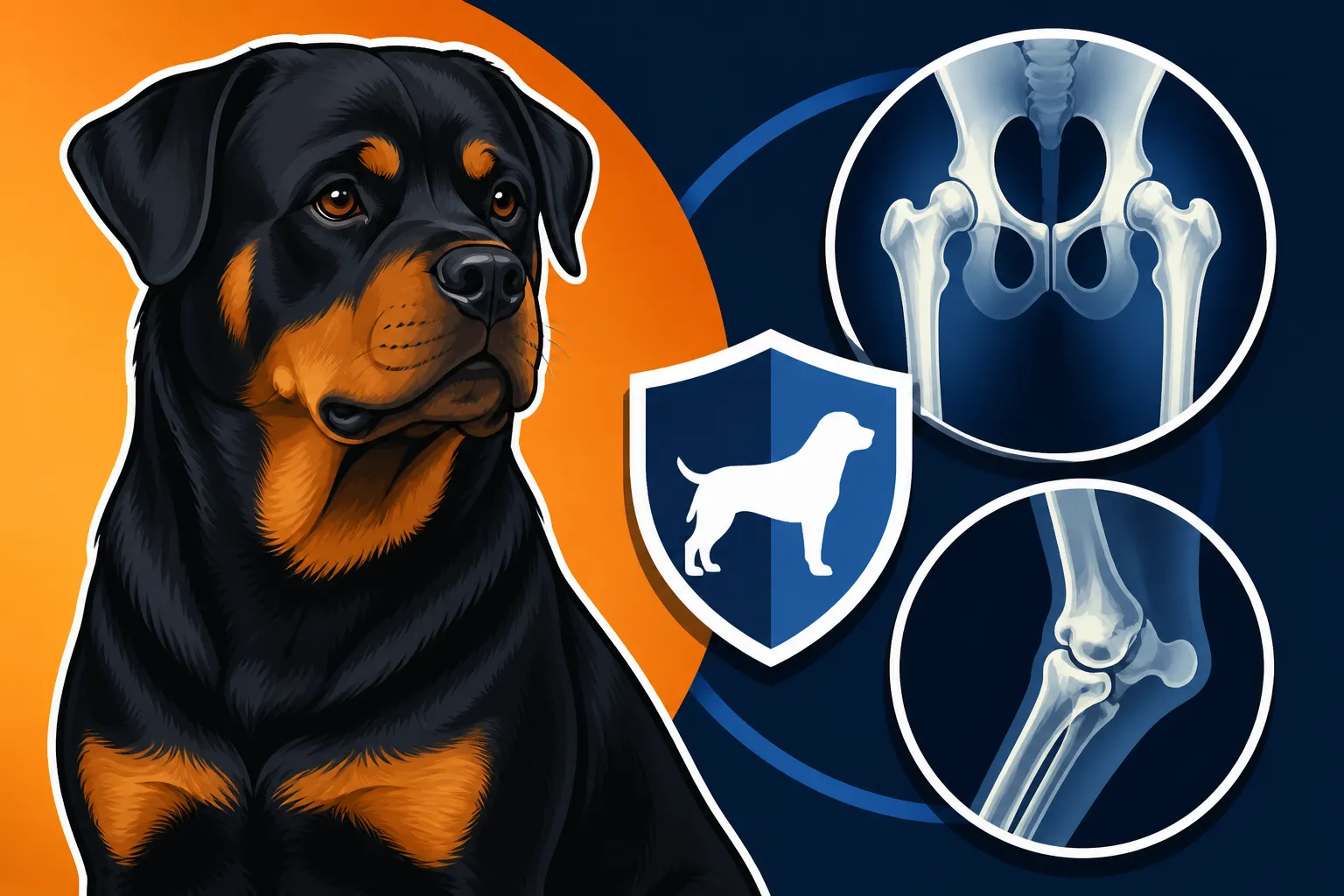
Hip dysplasia is probably the most commonly recognized joint issue in large dogs, and Rottweilers are definitely on the list of breeds where it's a significant concern. Essentially, it's a condition where the hip joint, which is a ball-and-socket joint, doesn't develop properly. Instead of fitting snugly, the ball (femoral head) and socket (acetabulum) are loose, grinding against each other rather than sliding smoothly. This friction, over time, leads to degeneration, pain, and eventually debilitating arthritis. It’s not just a genetic lottery, although genetics play a huge role. Environmental factors, especially during their rapid growth phase, can exacerbate or even trigger the symptoms in dogs with a genetic predisposition. Imagine trying to build a sturdy house on a shaky foundation – it’s a recipe for trouble down the line. The sheer weight of a Rottweiler puts immense pressure on these joints, and if they aren't formed perfectly, the breakdown can be accelerated.
Many owners might not even notice the subtle signs early on. A puppy might simply have a slightly awkward gait, or perhaps they don't jump with the same enthusiasm as other puppies. Later, as they age, you might see them struggling to get up from a lying position, a reluctance to climb stairs, or a bunny-hopping gait when they run. It's a progressive disease, meaning it tends to get worse over time, making early detection and management incredibly important for a good quality of life.
Elbow Dysplasia: A Common Canine Challenge
While hip dysplasia often gets more airtime, elbow dysplasia is equally, if not more, prevalent and often more complex in Rottweilers. Unlike hip dysplasia, which is a single condition, elbow dysplasia is actually a blanket term covering several developmental abnormalities of the elbow joint. These can include:
- Fragmented Coronoid Process (FCP): A piece of bone from the ulna breaks off and floats in the joint, causing pain and inflammation.
- Osteochondrosis Dissecans (OCD): A flap of cartilage separates from the bone in the joint, leading to lameness.
- Ununited Anconeal Process (UAP): A growth plate in the ulna doesn't fuse properly, leaving a loose piece of bone.
- Elbow Incongruity: The bones of the elbow joint don't align perfectly, causing abnormal wear and tear.
Any of these conditions can cause significant pain, stiffness, and lameness in the front legs. It's truly heartbreaking to see a powerful Rottweiler, bred to be strong and resilient, struggling to move comfortably. The impact can be quite profound because the elbows bear a substantial amount of a dog's weight, especially when they move. Symptoms often appear between 4 and 18 months of age, but sometimes they can be subtle, manifesting as a mild, intermittent limp that owners might initially dismiss as a sprain from rough play. Without intervention, these conditions inevitably lead to severe arthritis in the elbow, significantly impacting a Rottweiler's mobility and overall comfort.
Why Large Breeds Face Higher Risks
The sheer size and rapid growth rate of breeds like the Rottweiler are primary factors contributing to their higher risk of joint issues. Imagine a small dog, say a Chihuahua, growing to its adult size in a few months. Now compare that to a Rottweiler, which can gain over 100 pounds in its first year, sometimes hitting 120 pounds or more by the time they're fully grown. This explosive growth puts tremendous strain on their developing bones, cartilage, and joints.
During this rapid growth phase, their bones are still soft and developing. If they grow too quickly, or if their diet is imbalanced (especially with excessive calcium), it can disrupt the delicate process of bone and cartilage formation. This makes them more susceptible to abnormalities like those seen in hip and elbow dysplasia. Furthermore, the immense weight they carry means that even minor structural imperfections in the joints are exacerbated by the constant load, leading to accelerated wear and tear. It’s a bit like driving a heavy truck on a road designed for smaller vehicles – the stresses are simply much higher. Understanding these inherent challenges helps us appreciate why proper care, from nutrition to exercise, is so crucial during a Rottweiler's formative years. It's also why many owners consider pet insurance options like Healthy Paws, knowing that the cost of treating these large breed issues can add up quickly.
The Significance of the 24-Month Rule
When it comes to evaluating the joint health of a Rottweiler, you'll often hear about the "24-month rule." This isn't an arbitrary number; it's based on critical biological milestones in a large dog's skeletal development. Adhering to this rule is paramount for accurate health assessments, especially if you're considering breeding your dog or simply want the most reliable picture of their joint status.
Growth Plates and Skeletal Maturity
The primary reason for the 24-month rule revolves around a Rottweiler's growth plates, also known as epiphyseal plates. These are areas of cartilage near the ends of long bones where bone growth occurs in young animals. Think of them as the "construction zones" of the skeleton. While small breeds might have their growth plates close by 6-8 months, Rottweilers and other large and giant breeds continue to grow significantly for much longer. Their growth plates typically don't fully close and ossify (turn into solid bone) until they are between 18 and 24 months of age, and sometimes even a bit later for some individuals.
Until these growth plates are completely closed, the skeletal structure is still somewhat "malleable." X-rays taken before this point might not accurately reflect the final, mature conformation of the joints. For instance, a joint that appears perfectly fine at 12 months might show signs of laxity or incongruity once the bones have finished growing and settled into their permanent structure. Understanding Rottweiler Growth Plates and Why They Close So Late is fundamental to grasping why patience is a virtue in joint evaluations. Rushing the process can lead to misinterpretations, offering either false reassurance or unnecessary concern.
Why Early Screening Can Be Misleading
It's tempting to want to know as early as possible if your beloved Rottie puppy is going to develop joint problems. Some owners might push for X-rays at 12 or 18 months, especially if they're seeing subtle signs of lameness or discomfort. However, as mentioned, these early screenings can be incredibly misleading. A puppy's joints are still developing, and the ligaments supporting them might not yet have their full adult tension. This can lead to what appears to be joint laxity on an X-ray that might normalize as the dog matures. Conversely, a nascent problem might be overlooked because the bones haven't fully solidified, masking a developing issue.
Veterinarians experienced with large breed growth will often advise against definitive hip and elbow screenings until 24 months for this very reason. The results obtained earlier might not be accepted by canine health registries like the Orthopedic Foundation for Animals (OFA) because they are considered unreliable. Imagine making crucial breeding decisions or even planning extensive surgical interventions based on incomplete information – it's a risk no responsible owner or breeder should take. It's about getting the most accurate snapshot of their mature skeletal health.
Waiting for Full Joint Development
The 24-month benchmark is essentially waiting for a Rottweiler's skeleton to complete its development. By this age, the growth plates are almost universally closed, and the connective tissues, ligaments, and muscle mass around the joints have matured, providing a true representation of the joint's stability and structure. This allows veterinarians and radiologists to make the most informed assessments regarding hip and elbow conformation.
For breeders, this wait is critical. Breeding dogs must have their health clearances done at this age to ensure they are not passing on genetic predispositions to their offspring. For pet owners, while you might not be breeding, waiting until 24 months gives you the clearest picture of your dog's joint health, which can then guide future exercise routines, nutritional strategies, and potential preventative care. It’s a period of watchful waiting, ensuring that any medical decisions are based on the most accurate data available, setting your Rottweiler up for the best possible future.
OFA and PennHIP: Gold Standards for Evaluation
When it comes to formally assessing a Rottweiler's hip and elbow health, two main organizations provide widely accepted and rigorous evaluation methods: the Orthopedic Foundation for Animals (OFA) and the PennHIP program. Both are considered "gold standards" in canine orthopedics, but they approach the evaluation from slightly different angles. Understanding both can help you make informed decisions about your Rottweiler's joint health screening.
Decoding OFA Hip Grades
The OFA is perhaps the most well-known system for evaluating canine hip and elbow health in North America. For hip evaluations, OFA requires X-rays to be taken after a dog reaches 24 months of age. The dog is sedated and positioned in a very specific way to ensure consistency and accuracy. These X-rays are then submitted to the OFA, where three independent, board-certified veterinary radiologists review them. Each radiologist assigns a grade based on seven different phenotypic traits of the hip joint.
The OFA hip grades range from Excellent to Dysplastic:
- Excellent: Superior hip conformation, minimal evidence of laxity.
- Good: Well-formed hips, slightly more laxity than Excellent but still considered healthy.
- Fair: Passable hip conformation, with minor irregularities. This is still considered a "passing" grade for breeding purposes under OFA standards, which can sometimes surprise owners. You can read more about Why a Fair Hip Grade Still Passes for Rottweiler CHIC.
- Borderline: Not clearly dysplastic, but not good enough to pass. These dogs are often recommended for re-evaluation at a later date.
- Mild Dysplasia: Significant subluxation, shallow acetabula, or other signs of hip dysplasia.
- Moderate Dysplasia: More severe changes, including significant subluxation and secondary arthritic changes.
- Severe Dysplasia: Pronounced subluxation, extensive secondary arthritic changes, and poor conformation.
A dog receives an OFA certification number if its hips are graded as Fair, Good, or Excellent. These results are publicly available in the OFA database, allowing prospective puppy buyers to verify the health clearances of parent dogs. This transparency is crucial for making responsible breeding choices and supporting the longevity of the breed.
Understanding OFA Elbow Grades
Similar to hip evaluations, OFA also provides certifications for elbow health, again requiring X-rays to be submitted after the dog is 24 months old. For elbow evaluations, the X-rays are specifically looking for signs of elbow dysplasia, which, as we discussed, can involve fragmented coronoid processes, ununited anconeal processes, osteochondrosis, or elbow incongruity.
The OFA elbow grades are simpler:
- Normal: No evidence of elbow dysplasia. This is the goal for any breeding animal.
- Grade I Elbow Dysplasia: Minimal bone change, usually less than 2mm, indicative of early degenerative joint disease.
- Grade II Elbow Dysplasia: Moderate bone change, between 2-5mm, indicating more pronounced arthritic changes.
- Grade III Elbow Dysplasia: Severe bone change, greater than 5mm, with significant arthritic changes, often leading to severe lameness.
Any dog receiving a Grade I, II, or III for elbow dysplasia is considered affected and should not be bred. Just like hip results, OFA elbow certifications are recorded in their public database. It's a vital tool for breeders and owners to ensure they are making informed decisions to reduce the incidence of these painful conditions in future generations. You can learn more about Rottweiler Elbow X-Rays Taken at Twenty-Four Months for more detail on the procedure.
PennHIP's Approach to Hip Laxity
PennHIP (Pennsylvania Hip Improvement Program) offers an alternative, and some argue, a more predictive method for evaluating hip health. Unlike OFA, which focuses on the presence of degenerative joint disease, PennHIP focuses on hip laxity – the degree of looseness in the hip joint. This method can be performed on dogs as young as 16 weeks (4 months), which offers an earlier indication of a dog's genetic predisposition to hip dysplasia, even before clinical signs of arthritis develop.
PennHIP involves three specific X-ray views:
- Distraction View: This view measures the maximum laxity of the hip joint when a distraction device is used to push the femoral heads away from the acetabula. This is the most crucial measurement.
- Compression View: This view assesses the conformity of the hip joint when the femoral heads are seated deeply into the acetabula.
- Hip Extended View: Similar to the traditional OFA view, this provides additional information on the overall hip conformation.
From these images, a "Distraction Index" (DI) is calculated for each hip. The DI is a quantitative measurement of hip laxity, ranging from 0 (very tight) to 1 (very loose). Dogs with lower DIs are considered to have tighter hips and a lower risk of developing hip dysplasia. PennHIP results are presented as a percentile ranking, comparing the dog's hip laxity to that of other dogs of the same breed. For example, a dog in the 70th percentile has tighter hips than 70% of Rottweilers in the database.
Many breeders find PennHIP appealing because it allows for earlier, more objective assessments of hip quality, potentially guiding breeding decisions sooner. It's also often considered more objective as it relies on quantitative measurements rather than subjective grading. While OFA and PennHIP differ in their methodology, both serve the crucial purpose of providing valuable information to help reduce the prevalence of hip dysplasia in Rottweilers. Some breeders even opt for both evaluations to get the most comprehensive picture possible.
| Feature | OFA Hip Evaluation | PennHIP Evaluation |
|---|---|---|
| Minimum Age | 24 months | 16 weeks (4 months) |
| Primary Focus | Presence of degenerative joint disease (arthritis) | Degree of hip laxity |
| Methodology | Standard extended hip view, subjective grading | Three views (distraction, compression, extended), quantitative DI |
| Results | Grades (Excellent, Good, Fair, Mild, Moderate, Severe Dysplasia) | Distraction Index (0-1), percentile ranking within breed |
| Predictiveness | Assesses current state of joint health | Predicts future risk of hip dysplasia |
| Public Database | Yes, all passing results are public | No, results generally remain private to the owner/vet unless submitted for specific research |
| Elbow Evaluation | Yes (Normal, Grade I, II, III Dysplasia) | No, only focuses on hips |
Beyond the X-Rays: Clinical Signs and Early Detection
While formal radiographic evaluations like OFA and PennHIP are crucial for definitive diagnosis and breeding decisions, they are often performed after a dog is showing subtle signs or as a preventative measure. As an owner, your keen observation skills are your first line of defense in spotting potential joint issues. Recognizing these early clinical signs can prompt timely veterinary intervention, which can significantly improve your Rottweiler's quality of life.
Recognizing Hip Dysplasia Symptoms
Hip dysplasia symptoms in Rottweilers can range from very subtle to overtly obvious, and they often progress as the dog ages and secondary arthritis sets in. It's important to remember that not every dog with hip dysplasia will show severe lameness, especially early on. Some may compensate remarkably well, particularly if they are very stoic or have strong muscle development.
Common signs to watch for include:
- Reluctance to Exercise: Your typically energetic Rottweiler might start showing less enthusiasm for walks, play, or retrieving toys. They might tire more quickly.
- Difficulty Rising: This is a classic sign. They might struggle to get up from a lying position, especially after a period of rest. You might see them pushing off with their front legs.
- "Bunny Hopping" Gait: When they run, they might bring both back legs together, moving them in unison like a rabbit, rather than independently. This is a way they try to minimize the impact on their painful hips.
- Lameness in Hind Legs: This can be intermittent or consistent, ranging from a slight limp to a pronounced uneven gait. It often worsens after exercise or in cold weather.
- Pain Response: They might yelp or flinch when their hips are touched or manipulated, especially during grooming or petting.
- Muscle Atrophy: Over time, the muscles in their hindquarters might appear less developed or even wasted, as they are not using those muscles effectively due.
- Stiffness: You might notice they are stiff, particularly in the mornings or after naps.
It's crucial to distinguish these signs from normal puppy awkwardness. If you're seeing any of these symptoms in your Rottweiler, especially if they are persistent or worsening, it's time for a vet visit. Early diagnosis and management can make a huge difference in slowing the progression of the disease and managing pain.
Spotting Elbow Dysplasia Indicators
Elbow dysplasia symptoms often appear earlier than hip dysplasia, typically between 4 and 18 months of age, though they can sometimes manifest later. Since elbow dysplasia affects the front legs, the signs will be focused there. Again, the subtlety of early signs means you need to be observant.
Key indicators of elbow dysplasia include:
- Forelimb Lameness: This is the most common sign. It can be mild and intermittent, or severe and persistent. It might be more noticeable after exercise or upon rising. The lameness might sometimes "shift" between the left and right front legs.
- Stiffness or Reluctance to Move: Your dog might seem stiff in the front legs, especially after rest. They might avoid jumping or refuse to put full weight on one leg.
- Elbow Outward Turning (Abduction): To avoid pain, dogs might turn their affected elbow outwards, or keep the leg slightly bent when standing.
- Licking the Elbow: Excessive licking or chewing at the elbow joint can be a sign of discomfort.
- "Carrot Top" or Humping of the Shoulders: Some dogs try to relieve pressure on their elbows by subtly raising their shoulders or changing their posture, making them appear hunched.
- Crepitation (Grinding Sound): In some cases, you might hear or feel a grinding or clicking sound when the elbow joint is moved, though this often requires a vet's examination.
- Reduced Range of Motion: The dog might be unable to fully extend or flex their elbow joint.
Just like with hip dysplasia, these symptoms should never be ignored. Catching elbow dysplasia early can allow for interventions, sometimes surgical, that can prevent the rapid onset of debilitating arthritis. If you're seeing your Rottweiler Elbow Dysplasia and Front Leg Lameness, please consult your veterinarian without delay.
The Importance of Regular Vet Check-ups
Even if your Rottweiler isn't showing any obvious signs of lameness, regular veterinary check-ups are absolutely essential. Your veterinarian is trained to spot subtle cues and can perform physical examinations that you might miss. During a routine check-up, they will palpate your dog's joints, assess their range of motion, and observe their gait. They'll also ask you specific questions about your dog's activity levels, any changes in behavior, or any stiffness you might have noticed.
These check-ups are especially important during your Rottweiler's crucial growth phase (up to 24 months). Your vet can monitor their weight, discuss appropriate exercise limits for a growing giant breed, and advise on nutrition. If they do detect any abnormalities during these examinations, they can recommend diagnostic imaging, like X-rays, before the condition becomes severe. Early intervention, whether through management, medication, or surgery, is almost always more effective and offers a better long-term prognosis than waiting until your dog is in significant pain or has irreversible joint damage. Don't underestimate the value of your vet's experienced eye and proactive guidance in maintaining your Rottweiler's joint health.
Management and Prevention Strategies
While genetics play a significant role in a Rottweiler's predisposition to hip and elbow dysplasia, environmental factors can hugely influence whether those genes express themselves, and how severely. This means that as responsible owners, we have considerable power to implement management and prevention strategies that can optimize our Rottweiler's joint health, reduce discomfort, and improve their overall quality of life.
Nutrition for Healthy Joint Development
Nutrition is arguably one of the most critical factors, especially during the rapid growth phase of a Rottweiler puppy. It's not just about what they eat, but also how much.
- Large Breed Puppy Formulas: It is absolutely essential to feed a Rottweiler puppy a high-quality, large breed specific puppy food. These formulas are specifically designed with controlled levels of calcium, phosphorus, and energy to support slower, more balanced growth. Feeding a regular puppy food, or even worse, an adult dog food, to a giant breed puppy can lead to excessively rapid growth, which puts immense strain on developing joints and increases the risk of developmental orthopedic diseases like osteochondrosis. You want steady, not speedy, growth.
- Calcium and Phosphorus Balance: Over-supplementing calcium in a growing puppy's diet is a common and dangerous mistake. While calcium is vital for bone health, too much can actually interfere with proper bone mineralization and lead to problems like ununited anconeal processes and other forms of developmental bone disease. Look for foods with calcium percentages between 1.0% and 1.5% and a calcium-to-phosphorus ratio between 1:1 and 1.3:1. Never add calcium supplements to your puppy's diet unless specifically instructed by a veterinarian to treat a diagnosed medical condition.
- Avoiding Overfeeding: A chubby puppy might look cute, but for a Rottweiler, it's a serious health risk. Excess weight puts additional stress on immature joints. Keep your Rottweiler puppy lean, so you can easily feel their ribs without seeing them, and they have a visible waist. Portion control is key; follow feeding guidelines on the food bag but adjust based on your puppy's individual growth rate and body condition. Regularly assess your Rottweiler's body condition score to ensure they're at a healthy weight.
Proper nutrition isn't just for puppies. An adult Rottweiler also benefits from a well-balanced diet that maintains an ideal body weight, which is a significant factor in managing joint stress.
Appropriate Exercise Protocols
Exercise is crucial for muscle development, which in turn supports joint stability. However, the type and intensity of exercise must be carefully managed, especially during the first two years of a Rottweiler's life when their growth plates are still open.
- Puppy Exercise: Controlled and Moderate: Resist the urge to over-exercise your Rottweiler puppy. Long, strenuous jogs, excessive jumping, or forced, repetitive activities (like long retrieves with a ball thrower) should be avoided. These high-impact activities can cause microscopic damage to developing growth plates and joints, potentially leading to long-term problems. Instead, opt for shorter, frequent walks (following the "5-minute rule" – 5 minutes of exercise per month of age, twice a day), supervised free play in a safe, soft-surface area, and puppy socialization classes.
- Avoid High-Impact Activities: Until your Rottweiler is at least 18-24 months old and their growth plates have definitively closed, avoid activities that involve jumping from heights (like off furniture or out of a car), running on hard surfaces for extended periods, or intense agility training. Stairs should also be navigated carefully, especially for very young puppies; consider carrying them up and down if possible.
- Building Adult Fitness: Once your Rottweiler is skeletally mature, you can gradually increase their exercise intensity. Low-impact activities like swimming are excellent for building muscle without stressing joints. Regular, moderate walks, hiking on varied terrain, and controlled fetching sessions are great for maintaining fitness. Always warm up your dog before intense exercise and cool them down afterward. Being mindful of A Growing Rottweiler's Joints and Overexercise is a proactive step toward their long-term well-being.
The goal is to build strong muscles to support the joints, not to wear the joints out.
Weight Management as a Cornerstone
This cannot be emphasized enough: maintaining an ideal body weight is one of the single most impactful things you can do for your Rottweiler's joint health, both in prevention and management. Every extra pound your dog carries significantly increases the load on their hips, elbows, and other joints, accelerating wear and tear, and exacerbating any underlying orthopedic conditions.
- The Multiplier Effect: Think of it this way: for every extra pound your Rottweiler carries, it can translate to several pounds of force on their joints, especially during movement like running or jumping. A Rottweiler who is 20 pounds overweight isn't just carrying 20 extra pounds; the impact on their joints could be equivalent to 60-80 pounds of additional stress. This constant stress grinds away at cartilage, speeds up the development of arthritis, and causes more pain in an already compromised joint.
- Regular Weight Checks: Monitor your Rottweiler's weight regularly. Most vets recommend being able to easily feel their ribs without seeing them, and observing a clear waist tuck when viewed from above and the side. If your dog is overweight, work with your vet to create a safe and effective weight loss plan, which will typically involve reducing calorie intake and increasing appropriate exercise. This is where pet insurance, like a policy from Healthy Paws, can be incredibly helpful for ongoing vet visits to manage conditions influenced by weight.
- Impact on Lifespan: Beyond joint health, obesity contributes to a host of other health problems, including heart disease, diabetes, and reduced overall lifespan. Keeping your Rottweiler lean throughout their life is a gift of health and longevity.
Supportive Care and Supplements
Even with the best preventative measures, some Rottweilers may still develop joint issues. For these dogs, or even as a preventative measure in older dogs, supportive care and joint supplements can play a role.
- Veterinary Guidance: Always consult your veterinarian before starting any supplements. They can recommend appropriate products and dosages based on your dog's specific needs, age, and any existing conditions. Not all supplements are created equal, and some may not be effective.
- Glucosamine and Chondroitin: These are perhaps the most common joint supplements. They are believed to help maintain cartilage health and support the production of synovial fluid, which lubricates the joints. While results vary, many owners report improvement in their dog's comfort and mobility. Look for reputable brands that have undergone third-party testing.
- Omega-3 Fatty Acids: Fish oil, rich in EPA and DHA, has powerful anti-inflammatory properties. These fatty acids can help reduce inflammation and pain associated with arthritis, providing a natural form of pain relief and improving joint function.
- MSM (Methylsulfonylmethane): Another popular supplement, MSM is thought to have anti-inflammatory and pain-relieving effects.
- Turmeric/Curcumin: This natural anti-inflammatory spice is gaining popularity in veterinary circles for its potential benefits in managing arthritis.
- Adequan Injections: For some dogs with diagnosed arthritis, your vet might recommend Adequan Canine (polysulfated glycosaminoglycan), an injectable medication that helps restore joint fluid and inhibit cartilage degradation.
Supplements are not a cure-all, nor are they a substitute for maintaining a healthy weight and appropriate exercise. They are best used as part of a comprehensive management plan, especially as your Rottweiler enters their senior years and Senior Rottweiler Mobility Decline becomes a more common concern.
Living with a Rottweiler Diagnosed with Joint Issues
Receiving a diagnosis of hip or elbow dysplasia can be incredibly disheartening. You want the best for your Rottweiler, and the thought of them living with pain or limited mobility is tough. However, it's not a death sentence. Many Rottweilers with joint issues can still lead full, happy lives with the right management and care. The approach often involves a combination of medical, lifestyle, and sometimes surgical interventions.
Surgical Interventions and Their Costs
For many cases of hip or elbow dysplasia, especially in younger dogs or severe cases, surgery can be a viable and highly effective option. However, it's important to understand that these procedures can be quite complex and, consequently, expensive.
For hip dysplasia, common surgical options include:
- Total Hip Replacement (THR): This is the most definitive solution, replacing the diseased hip joint with artificial components. It offers excellent results in terms of pain relief and restoring normal function. It is a major surgery, however, and is costly, often ranging from $6,000 to $10,000 per hip. Recovery involves strict activity restriction for several weeks. You can explore Total Hip Replacement in a Rottweiler for more information.
- Femoral Head Ostectomy (FHO): This procedure involves removing the head of the femur, allowing a "false joint" to form where scar tissue and muscle support the leg. It's typically considered for smaller dogs or those with less severe symptoms who cannot undergo THR due to cost or other health concerns. While it relieves pain, it doesn't restore normal hip function. Costs usually range from $1,500 to $4,000 per hip.
- Triple Pelvic Osteotomy (TPO) / Juvenile Pubic Symphysiodesis (JPS): These are preventative surgeries performed on very young puppies with hip laxity before arthritis develops. TPO involves cutting the pelvic bones and rotating them to improve the socket's coverage of the femoral head. JPS is a less invasive procedure for puppies under 5 months old that involves fusing a part of the pelvis to encourage better hip development. These are more specialized procedures with specific age windows.
For elbow dysplasia, surgical options depend on the specific underlying condition:
- Arthroscopy: A minimally invasive procedure where a small camera and instruments are inserted into the joint to remove fragmented pieces of cartilage or bone, smooth rough surfaces, or address incongruity. This is often the preferred method for FCP or OCD.
- Osteotomy Procedures: In some cases of UAP or severe incongruity, bone cuts (osteotomies) may be performed to improve joint alignment or allow the anconeal process to reattach.
- Total Elbow Replacement: While available, it's far less common and more challenging than hip replacement, usually reserved for severe, debilitating cases that haven't responded to other treatments.
The cost of these surgeries varies widely based on location, the complexity of the case, and the specialist veterinary surgeon. This is where having pet insurance, such as a comprehensive plan from Healthy Paws, can be an absolute lifesaver. Many policies will cover a significant percentage of surgical costs, often after a deductible, which can make the difference between your Rottweiler getting the best possible care and having to make difficult financial choices.
Non-Surgical and Palliative Care Options
For Rottweilers not suitable for surgery, or those with mild to moderate issues, a robust non-surgical and palliative care plan can provide significant relief and maintain a good quality of life. The goal is to manage pain, reduce inflammation, and preserve as much mobility as possible.
- Pain Management:
- NSAIDs (Non-Steroidal Anti-Inflammatory Drugs): Medications like carprofen (Rimadyl), meloxicam (Metacam), or firocoxib (Previcox) are commonly prescribed to reduce pain and inflammation. They are highly effective but require careful monitoring for side effects, especially with long-term use.
- Gabapentin: Often used in conjunction with NSAIDs, gabapentin can help manage neuropathic pain and has a calming effect.
- Amantadine: Another medication that can be added for chronic pain management, particularly when NSAIDs alone are insufficient.
- Physical Rehabilitation: Just like in humans, physical therapy can be incredibly beneficial. This can include:
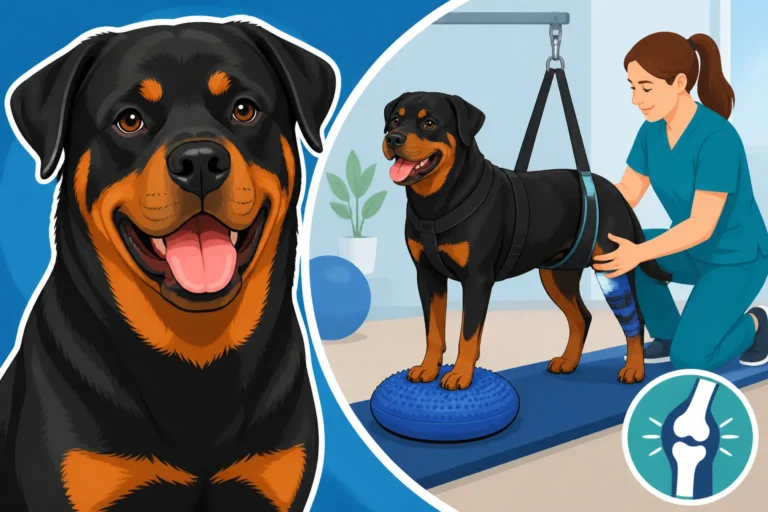
- Hydrotherapy: Swimming or underwater treadmill exercises are fantastic for building muscle and improving range of motion without weight-bearing stress on the joints.
- Therapeutic Exercises: Specific stretches, strengthening exercises, and balance activities guided by a certified canine rehabilitation therapist.
- Massage and Laser Therapy: Can help reduce pain and inflammation.
- Joint Supplements: As discussed earlier, glucosamine, chondroitin, MSM, and Omega-3 fatty acids can play a supportive role in maintaining joint health and reducing inflammation.
- Acupuncture: Some owners find acupuncture provides significant pain relief and improved mobility for their dogs with chronic arthritis.
- Environmental Modifications:
- Orthopedic Beds: Provide thick, supportive beds to relieve pressure on joints.
- Rugs/Carpet Runners: On slippery floors (hardwood, tile), place rugs or runners to provide traction and prevent slips, which can worsen joint pain.
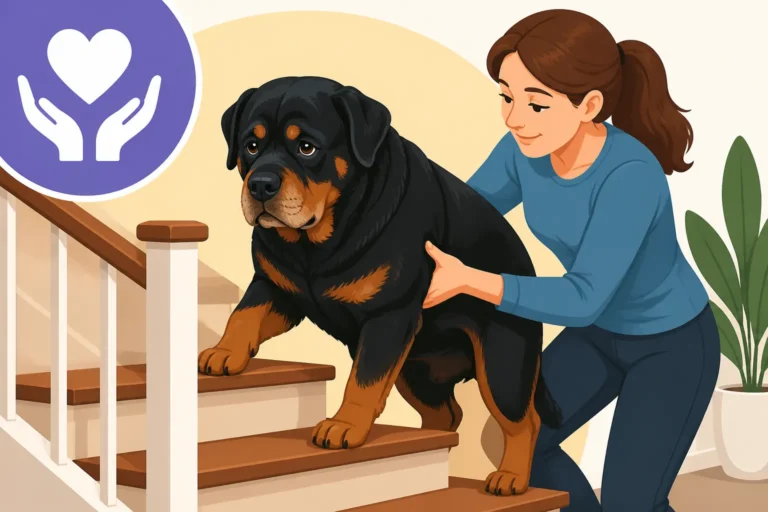
- Ramps or Steps: For getting into cars, onto furniture, or up stairs, ramps or pet steps can reduce impact.
- Mobility Harnesses/Slings: For Rottweilers with severe hindquarter weakness, a Mobility Harnesses and Slings for a Rottweiler can provide support and help them navigate.
- Weight Management: Keeping your Rottweiler at a lean body weight is crucial for effective non-surgical management. This is a recurring theme because its importance cannot be overstated.
Quality of Life Considerations
Ultimately, living with a Rottweiler diagnosed with joint issues is about prioritizing their quality of life. This means constantly assessing their comfort, mobility, and overall happiness.
- Regular Assessments: Work closely with your vet to regularly assess your dog's pain levels and mobility. Don't assume they'll tell you when they're hurting; dogs are masters at hiding pain. Look for subtle changes in appetite, demeanor, playfulness, or willingness to interact.
- Adjusting Expectations: Your Rottweiler might not be able to hike for miles or play fetch for an hour like they once did. Adjust your expectations and find new ways to bond and provide mental stimulation that doesn't put stress on their joints. Puzzle toys, short sniff walks, or training new tricks can keep their minds active.
- Emotional Support: Living with chronic pain can be stressful for dogs, just as it is for humans. Provide plenty of love, comfort, and a stable routine.
- Knowing When It's Time: This is the hardest part for any pet owner. As conditions progress, there may come a time when even with all interventions, your Rottweiler's pain becomes unmanageable, or their quality of life significantly diminishes. Having open, honest conversations with your veterinarian about your dog's comfort and Scoring Quality of Life for a Rottweiler can help you make these incredibly difficult decisions with compassion and clarity.
Choosing a Reputable Breeder
For anyone considering bringing a Rottweiler into their family, the single most impactful decision you can make to safeguard against hip and elbow dysplasia is choosing a truly reputable breeder. A good breeder prioritizes health, temperament, and adherence to breed standards, understanding that these factors are intertwined. They don't just breed dogs; they are stewards of the breed.
Asking for Health Clearances
A reputable Rottweiler breeder will be completely transparent about the health of their breeding stock. They will gladly provide documentation, not just verbally claim, that both the sire (father) and dam (mother) of a litter have undergone comprehensive health screenings.
For hips and elbows, specifically, you should ask to see:
- OFA Certificates: Look for OFA certifications for hips (graded Fair, Good, or Excellent) and elbows (graded Normal). These certificates will have a specific OFA number unique to that dog, which you can cross-reference on the OFA public database. Don't accept "vet checked" or "parent is healthy" as sufficient proof; you need the official paperwork.
- PennHIP Scores: If the breeder uses PennHIP, they should be able to provide the Distraction Index (DI) scores for both parents and explain what those scores mean in relation to the breed average.
- Age of Testing: Ensure that these hip and elbow clearances were performed after the dog reached 24 months of age, in accordance with the 24-month rule. Clearances done too early are not definitive.
Beyond hips and elbows, reputable Rottweiler breeders also screen for other inheritable conditions common in the breed, such as:
- Cardiac health: Via an echocardiogram for subaortic stenosis, often certified by OFA. More on Rottweiler Heart Disease and Subaortic Stenosis can be found here.
- Eye health: Certified by an ophthalmologist, often through OFA Eye Certification, which should be done every three years. You can read more about Rottweiler Eye Certification and the Three Year Rule.
- JLPP (Juvenile Laryngeal Paralysis & Polyneuropathy): This is a serious neurological condition for which a DNA test is available. Both parents should be tested, and at least one must be "clear" to ensure no affected puppies are produced. Understanding JLPP and the Rottweiler DNA Test is crucial.
- Thyroid function: Screened for hypothyroidism.
A breeder who hesitates, makes excuses, or cannot provide verifiable documentation for these clearances is a red flag. Health testing is a significant investment for breeders, but it's a non-negotiable part of ethical breeding.
Understanding Pedigrees and Lineage
A pedigree is more than just a family tree; it's a map of a dog's genetic history. A reputable breeder will not only provide a detailed pedigree for their puppies but will also be able to discuss the health and longevity of the dogs in the lineage.
- Generations of Health: Look for multiple generations of health clearances on both sides of the pedigree. While a single generation of clear parents is good, several generations of healthy ancestors with good hip and elbow scores further increases the likelihood of healthy puppies.
- Longevity: Ask about the lifespan and causes of death of the dogs in the pedigree. Are the ancestors living into old age (8-10 years for Rottweilers) without debilitating joint issues or early onset cancers? This gives you an indication of the genetic health of the line.
- Temperament: A good pedigree should also indicate strong, stable temperaments in the lineage. While not directly related to joint health, a stable temperament is crucial for a Rottweiler, and it reflects the breeder's overall commitment to producing quality dogs.
A breeder should be able to articulate why they chose a particular pairing, explaining the strengths each parent brings to the litter and how they complement each other, with health being a primary consideration. They should be breeding to improve the breed, not just to produce puppies for sale.
The Role of the CHIC Program
The Canine Health Information Center (CHIC) program, a centralized canine health database sponsored by the OFA and the AKC Canine Health Foundation, is an excellent resource for verifying a breeder's commitment to health testing. For a dog to receive a CHIC number, it must have undergone all health screenings recommended by its breed's parent club.
For Rottweilers, the CHIC requirements generally include:
- Hip Evaluation: OFA evaluation (Fair, Good, or Excellent)
- Elbow Evaluation: OFA evaluation (Normal)
- Cardiac Evaluation: OFA Cardiac or ECHO (Normal)
- Eye Examination: OFA Eye Certification (Normal)
- JLPP DNA Test: (Clear or Carrier, but a breeding pair must not produce affected offspring)
If a breeder tells you their dogs are "CHIC certified" or have "CHIC numbers," this is a strong indicator that they are doing all the recommended health testing. You can easily search the OFA database by dog name or registration number to verify their CHIC status. Choosing a puppy from parents who meet these rigorous standards significantly reduces the risk of inheriting debilitating joint conditions, giving your Rottweiler the best possible start to a long and healthy life. Understanding The Five Evaluations a Rottweiler Needs for CHIC can further guide your selection process.
Disclaimer
This article is intended for informational purposes only and does not constitute veterinary advice. Always consult with a qualified veterinarian for any health concerns or before making any decisions about your Rottweiler's care, diet, exercise, or medical treatment. The author and publisher are not responsible for any adverse effects resulting from the use of the information contained herein.