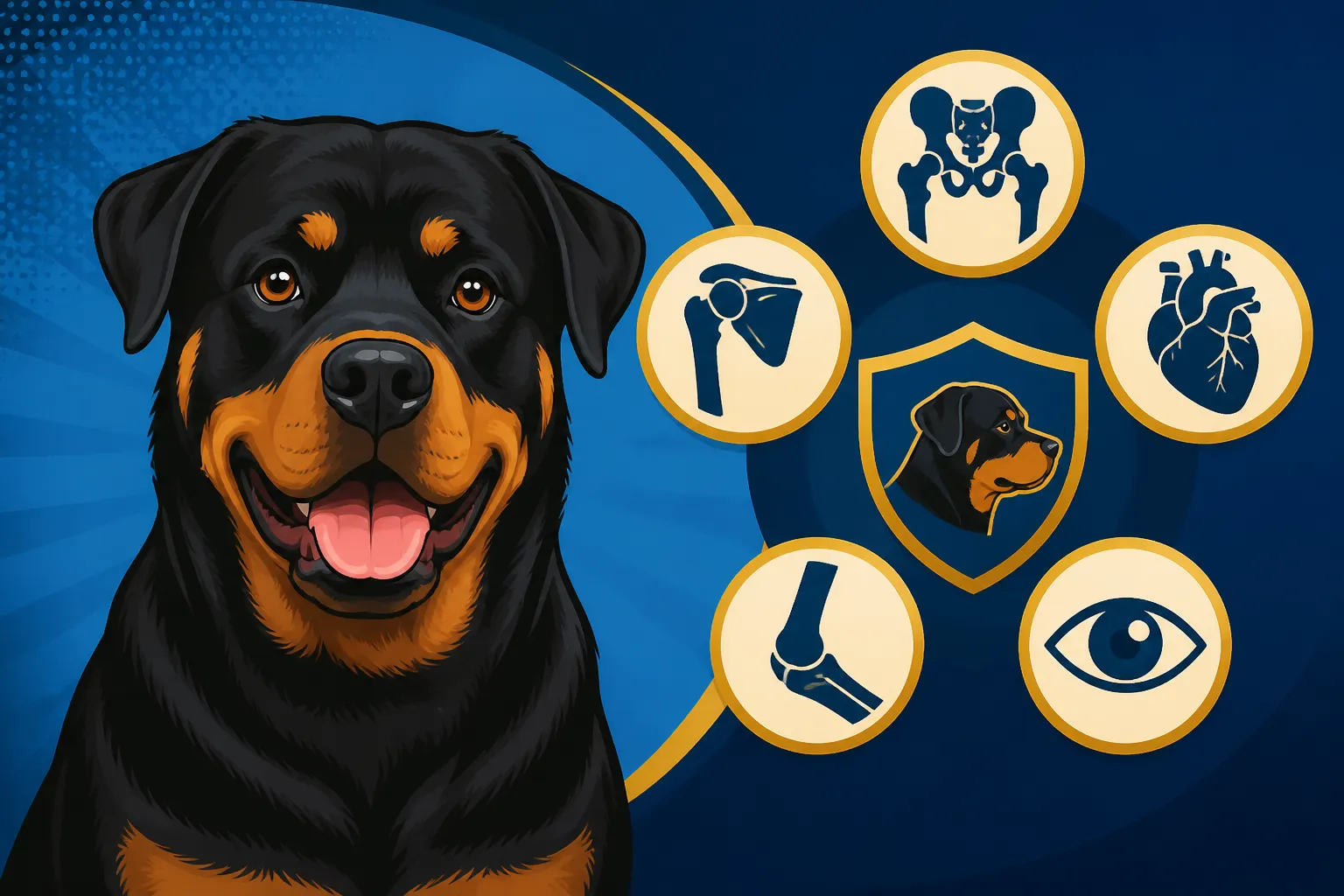
The Five Evaluations a Rottweiler Needs for CHIC
Bringing a Rottweiler into your life is an incredible joy, but it can also come with a fair share of worries, especially when you start looking into their health. You hear terms like "health clearances" and "OFA certification," and suddenly you're drowning in acronyms and paperwork, wondering how you're supposed to make sense of it all to ensure your beloved companion lives the longest, healthiest life possible. It's truly overwhelming to navigate the maze of genetic testing and veterinary evaluations. This comprehensive guide is here to demystify one of the most important programs for Rottweiler health: the Canine Health Information Center (CHIC) and the five critical evaluations your Rottweiler needs to qualify.
What is CHIC and Why Does it Matter?
The Canine Health Information Center (CHIC) is a centralized database sponsored by the Orthopedic Foundation for Animals (OFA) and the AKC Canine Health Foundation (CHF). Its primary goal is to provide a standardized method for reporting health clearances, making it easier for breeders, potential puppy buyers, and even general pet owners to research and understand the health status of a dog and its lineage. For many, just the idea of getting started feels like scaling a mountain, but understanding this system is truly a cornerstone of responsible Rottweiler ownership.
Understanding the Canine Health Information Center
When you hear about CHIC, it's not just another acronym to add to the pile; it's a commitment to transparency and proactive health management within purebred dog lines. The CHIC program works by establishing breed-specific health testing protocols. For each breed, a parent club (like the American Rottweiler Club) identifies a set of health screenings that are considered essential for that particular breed. These tests are chosen because they target the most prevalent and serious genetic health issues faced by Rottweilers. Once a dog completes all the required tests for its breed and those results are publicly available in the OFA database, it earns a CHIC number. It's essentially a seal of approval, indicating that the dog has been thoroughly screened according to breed-specific recommendations.
Think of it this way: instead of breeders just saying "my dogs are healthy," CHIC provides verifiable proof. For someone looking for a puppy, it cuts through a lot of the guesswork and anxiety, allowing you to focus on breeders who are genuinely committed to improving the breed's health. This transparency is crucial because it allows informed decisions, not just on whether to breed a particular dog, but also when selecting a puppy or simply understanding the potential health trajectory of your own pet. Without this level of detail, you're often left relying on vague assurances, which can be a recipe for heartbreak down the line.
Why CHIC Matters for Rottweiler Owners
For current or prospective Rottweiler owners, a CHIC number on a dog's pedigree or a breeder's website signifies a profound dedication to the health and longevity of the breed. Rottweilers, like many large breeds, are predisposed to certain genetic conditions that can significantly impact their quality of life and lifespan. Knowing that a dog's parents or even the dog itself has gone through the CHIC process gives you immense peace of mind. It means common issues like hip and elbow dysplasia, heart conditions, and certain eye diseases have been screened for, reducing the likelihood that your future companion will suffer from these debilitating ailments.
While the primary drive for CHIC often comes from breeding programs, its value extends to every Rottweiler owner. Even if you have no intention of breeding, understanding the CHIC requirements helps you ask the right questions when looking for a puppy. It empowers you to seek out breeders who prioritize genetic health, moving beyond just good looks or impressive titles. Furthermore, if you own a Rottweiler that has obtained its CHIC number, it means you have a comprehensive health baseline, which can be invaluable for veterinary care throughout their life. It helps your vet anticipate potential issues and tailor preventive care. Investing in a puppy from CHIC-cleared parents is one of the best steps you can take toward a healthy future for your dog.
Navigating the CHIC Database
The OFA website hosts the CHIC database, and it's surprisingly user-friendly once you get the hang of it. You can search by breed, by individual dog's registered name, or even by parts of a name if you're not sure of the exact spelling. Each dog's entry will clearly list the specific health tests required for its breed's CHIC certification and whether that dog has successfully completed them. It will also show the results – often with detailed grades for things like hips and elbows, or simply "clear" or "affected" for genetic tests.
This public database is a goldmine of information, offering unparalleled transparency. If a breeder tells you their dogs are "cleared," you can verify it directly on the OFA site. It prevents misrepresentation and allows you to trace the health lineage of your puppy's parents, grandparents, and beyond. This is particularly important for a breed like the Rottweiler, where certain health issues can be devastating. Knowing that you can access this information directly provides a level of confidence that is hard to find elsewhere. It truly places the power of informed decision-making in the hands of the prospective owner, helping to elevate the standards of care and breeding across the board.
Rottweiler Hip Evaluations: Setting a Foundation for Mobility
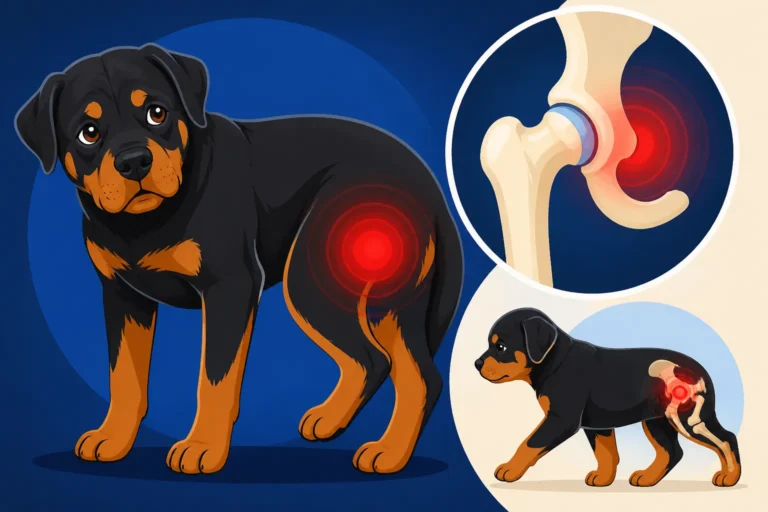
Hip dysplasia is a word that strikes fear into the hearts of many large dog owners, and Rottweilers are no exception. This condition, where the hip joint doesn't form correctly, can lead to painful arthritis and significant mobility issues. Comprehensive hip evaluations are therefore non-negotiable for responsible Rottweiler breeding and a crucial component of CHIC.
The OFA Hip Dysplasia Screening Process
The most widely recognized method for hip evaluation is through the Orthopedic Foundation for Animals (OFA). The process involves taking specific X-ray views of your Rottweiler's hips after they reach 24 months of age. That waiting period can feel like an eternity, especially if you're anxious about your dog's future, but it's essential because the growth plates need to be fully closed and the joint fully mature for an accurate assessment. These X-rays are then submitted to the OFA, where three independent, board-certified veterinary radiologists review them.
They look at several anatomical features, including the laxity of the joint, the depth of the acetabulum (hip socket), and the bone structure itself. This multiple-reader approach helps ensure objectivity and accuracy in the grading. The dog's identity is concealed from the radiologists to prevent any bias. It's a rigorous process designed to identify dogs with healthy hips and those that may be predisposed to dysplasia. Many owners, even if not breeding, will opt for this screening to get a clear picture of their dog's joint health, which can inform future exercise regimes and preventive care. You can learn more about this by reading about Rottweiler Hips and Elbows and the 24-Month Rule.
Interpreting Hip Scores and Grades
Once the X-rays are evaluated, the OFA assigns a grade ranging from Excellent, Good, Fair (all considered passing and acceptable for breeding) to Borderline, Mild, Moderate, or Severe (all considered dysplastic and not recommended for breeding). An "Excellent" grade means near-perfect hips, while "Good" and "Fair" indicate functionally normal hips with minor variations. It's not uncommon for a Rottweiler to get a "Fair" grade and still be a fantastic, active companion, but it's important to understand what each grade signifies in terms of potential future issues.
A "Borderline" grade can be tricky; it often means there are some indicators, but not enough to definitively call it dysplastic. In these cases, the OFA might recommend re-screening at a later date. Any grade of Mild, Moderate, or Severe indicates hip dysplasia, and dogs with these results should not be bred as they carry the genetic predisposition. For owners of pets, understanding these grades can help them work with their veterinarian to manage potential arthritis, consider joint supplements like glucosamine and chondroitin, or even discuss physical therapy options down the road. It’s a proactive step in managing your dog’s long-term comfort and mobility. Diving deeper into Rottweiler Hip Dysplasia and the OFA Grade can offer more insights.
Beyond OFA: Other Hip Screening Options
While OFA is the most common and generally accepted hip evaluation method for CHIC certification in Rottweilers, other screening methods exist. PennHIP is another highly respected method that can be performed much earlier, often as young as 16 weeks, offering valuable insight into a dog's hip laxity. PennHIP uses a different technique, involving three separate X-ray views and a distraction index (DI) score, which measures the degree of hip laxity. A lower DI score indicates tighter hips and a lower risk of developing hip dysplasia.
Some breeders prefer PennHIP because it offers an earlier prediction, which can be useful for making breeding decisions sooner. However, for CHIC, the OFA evaluation at 24 months remains the standard requirement for Rottweilers. While PennHIP results can be submitted to OFA and recorded in a dog's public record, they don't replace the mandatory OFA hip certification for CHIC for this breed. Discussing both options with your vet and understanding their nuances is key to making the best decision for your Rottweiler, especially if you're considering a future in breeding or simply want the most comprehensive understanding of your dog's joint health.
Rottweiler Elbow Evaluations: Protecting Those Powerful Front Legs
Just as critical as hip evaluations, elbow evaluations are another cornerstone of the CHIC program for Rottweilers. These powerful dogs rely heavily on their front assembly, and elbow dysplasia can be a significant source of pain and lameness, severely impacting their active lives.
The OFA Elbow Dysplasia Screening Process
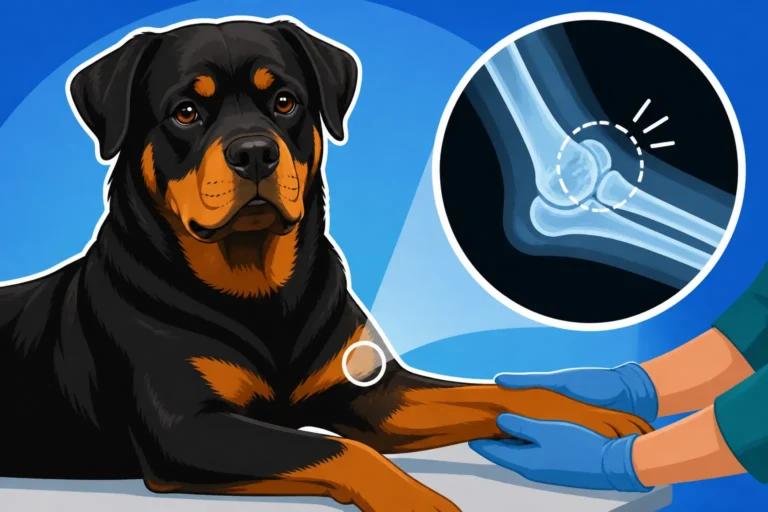
Similar to hip evaluations, the OFA elbow dysplasia screening requires specific X-ray views taken after your Rottweiler reaches 24 months of age. Again, the 24-month mark is crucial because the elbow joints need to be fully developed and matured for an accurate assessment. These X-rays are submitted to the OFA, where three board-certified veterinary radiologists independently evaluate them for signs of elbow dysplasia.
Elbow dysplasia is a complex condition that can manifest in several forms, including ununited anconeal process, fragmented coronoid process, osteochondrosis, and incongruity of the joint. The radiologists are looking for any indication of these developmental abnormalities. A dog that passes this screening will receive an "OFA Normal" grade, indicating no evidence of elbow dysplasia. This screening is vital because elbow issues can be incredibly debilitating, leading to chronic pain and reduced quality of life. For an active Rottweiler, healthy elbows are essential for everything from daily walks to simply getting up and down comfortably. Understanding the timing and importance of this screening is crucial for any Rottweiler owner. For a more detailed look, check out Rottweiler Elbow X-Rays Taken at Twenty-Four Months.
Understanding Elbow Grades and Their Implications
Unlike hips, OFA elbow evaluations don't have multiple passing grades; they are either "Normal" or graded based on the severity of dysplasia: Grade I (mild), Grade II (moderate), or Grade III (severe). Only dogs with a "Normal" elbow grade are considered suitable for breeding under the CHIC program. Any dog diagnosed with elbow dysplasia, regardless of the grade, should not be bred, as the condition has a strong genetic component.
Receiving a dysplastic elbow grade can be heartbreaking, but it doesn't mean your Rottweiler can't live a full life. It simply means you'll need to work closely with your veterinarian to manage the condition. This might involve weight management to reduce stress on the joints, appropriate exercise modifications, anti-inflammatory medications, joint supplements, or even surgical interventions in some cases. Early diagnosis through CHIC-recommended screenings can allow for earlier intervention, potentially slowing the progression of arthritis and improving your dog's comfort. It reinforces the value of knowing what you're dealing with rather than guessing.
The Importance of Early Screening
While the official CHIC certification for elbows requires screening at 24 months, many breeders and owners are now opting for preliminary elbow evaluations earlier, sometimes as young as 4-6 months, especially if there's any concern. These preliminary evaluations are not official CHIC certifications, but they can provide an early indication of potential issues. They can be incredibly helpful for making informed decisions about a puppy's future activities, like avoiding high-impact sports, and for initiating preventive care sooner rather than later.
Catching early signs of elbow issues can be crucial. For instance, sometimes a puppy will exhibit a shifting lameness, which can be a sign of conditions like panosteitis, but it's important to rule out early signs of elbow or hip dysplasia as well. An early vet visit could identify subtle signs that might warrant further investigation or a conversation about limiting certain activities while your Rottweiler's growth plates are still open. This proactive approach underscores why investing in a puppy from parents with excellent health clearances is so important; it reduces the chances you'll be dealing with these difficult situations yourself.
Rottweiler Eye Examinations: Clear Vision for a Confident Companion
While not as commonly discussed as hip and elbow issues, eye health is incredibly important for Rottweilers, and certain genetic eye conditions can impact their quality of life. Regular eye examinations are a mandatory part of the CHIC protocol to identify and manage these conditions.
The ACVO Eye Exam: What to Expect
For a Rottweiler to achieve CHIC certification, it must undergo a comprehensive eye examination performed by a board-certified veterinary ophthalmologist. This isn't just a quick peek by your regular vet; it's a specialized, thorough evaluation. The ophthalmologist will examine all parts of the eye, from the eyelids and cornea to the lens and retina, often using specialized equipment and dilating drops to get a clear view of the deeper structures. They are looking for a variety of inherited eye diseases that can affect Rottweilers.
The examination can be a bit intimidating for some dogs, but a skilled ophthalmologist knows how to make it as stress-free as possible. The results of this exam are submitted to the OFA, and a clear examination will indicate "Normal." If any abnormalities are found, they will be documented. This examination needs to be performed initially before breeding, and then, for CHIC compliance, it needs to be repeated every three years throughout a breeding dog's life. This repeated screening is essential because some eye conditions can develop later in life, even if the eyes were clear when younger. Regular checks help ensure that a breeding dog continues to contribute positively to the breed's health. You can find more information about this at Rottweiler Eye Certification and the Three Year Rule and Rottweiler Eye Exams Recertified Every Three Years.
Common Eye Conditions in Rottweilers
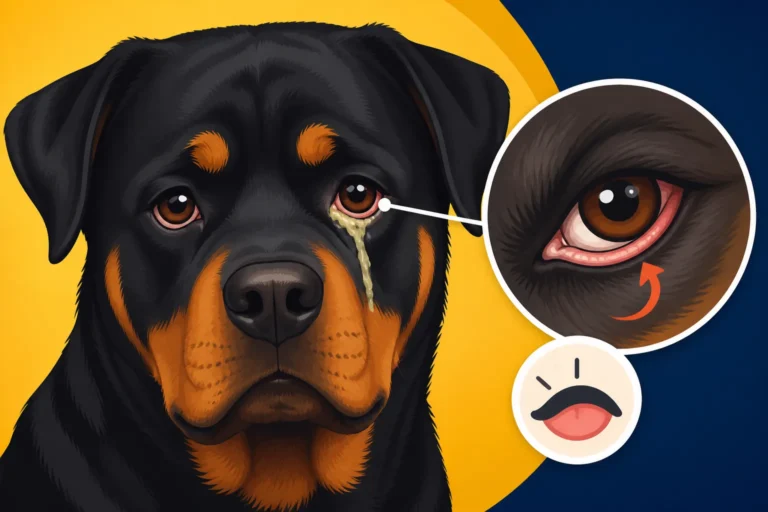
While Rottweilers generally have robust health, they are susceptible to a few eye conditions that the ACVO exam aims to identify. One of the most common is Entropion, a condition where the eyelid rolls inward, causing eyelashes to rub against the cornea. This can be incredibly painful and lead to corneal ulcers, scarring, and even vision loss if left untreated. Sometimes, surgery is required to correct it. Another condition is Progressive Retinal Atrophy (PRA), a degenerative disease that eventually leads to blindness. While less common in Rottweilers compared to some other breeds, screening for it is still vital.
Less frequently, cataracts can be hereditary, though many are age-related. Distichiasis, where extra eyelashes grow from abnormal spots and irritate the eye, can also occur. The ACVO exam meticulously checks for all these potential issues, ensuring that affected dogs are not bred, thus minimizing the transmission of these conditions to future generations. For pet owners, being aware of these possibilities can help you spot early signs of discomfort or changes in your dog's vision, prompting a timely vet visit. Early detection is always key to better outcomes, and having this baseline information is invaluable.
The Three-Year Re-certification Rule
The requirement for re-certification every three years for eye exams for CHIC is a testament to the fact that not all genetic diseases manifest at birth or even in early adulthood. Some conditions can have a later onset, and continuous monitoring helps ensure that breeding animals remain free of these issues as they age. This commitment to ongoing evaluation is particularly important for eye health, where subtle changes can occur over time.
For breeders, this means an ongoing commitment to veterinary care and testing, adding to the cost and effort of responsible breeding. But for the longevity and health of the breed, it's absolutely worth it. For prospective puppy owners, this means that even if a dog was cleared at two years old, it's worth checking if they've maintained their clear status through re-certification before they were bred again. It’s another layer of assurance that the breeder is doing everything possible to produce healthy puppies, minimizing the chances you’ll face unexpected and costly eye problems down the line.
Rottweiler Cardiac Health: Understanding Subaortic Stenosis
Heart health is a critical concern for Rottweilers. One of the most significant inherited cardiac conditions in the breed is Subaortic Stenosis (SAS), a narrowing of the aorta just below the aortic valve. This condition can range from mild to severe and, in severe cases, can lead to sudden death or heart failure at a young age.
The Importance of Echocardiograms
For CHIC certification, a Rottweiler needs a thorough cardiac evaluation performed by a board-certified veterinary cardiologist. This typically involves an echocardiogram, which is essentially an ultrasound of the heart. While a general practitioner vet can listen for heart murmurs, only a cardiologist can accurately diagnose the presence and severity of SAS using an echocardiogram. This specialized procedure allows them to visualize the heart's structure, blood flow, and valve function, measuring the velocity of blood exiting the left ventricle to detect any narrowing.
A mild murmur heard by a regular vet could be innocent or a sign of something more serious, and only the cardiologist can definitively tell the difference. This evaluation is usually performed after the Rottweiler reaches 12 months of age, with 24 months often preferred for an even more mature assessment. It’s a vital step because many dogs with SAS appear perfectly healthy and active until a sudden collapse. The echocardiogram provides invaluable insight into the heart's health, allowing breeders to make responsible decisions and pet owners to be informed about their dog's cardiac status. For more information, refer to The Rottweiler Echocardiogram at Two Years Old.
Understanding Subaortic Stenosis SAS
Subaortic Stenosis (SAS) is a genetic condition, meaning it can be passed down from parents to offspring. In affected dogs, the narrowing of the aorta forces the heart to work harder to pump blood to the body. Over time, this extra effort can lead to thickening of the heart muscle and eventually heart failure. In severe cases, it can unfortunately lead to sudden cardiac arrest, often during exercise or excitement.
The cardiologist will grade the severity of SAS based on their findings during the echocardiogram. Dogs with severe SAS are at a much higher risk of complications and a shortened lifespan. Unfortunately, there's no cure for SAS, but medication can help manage symptoms and improve quality of life for affected dogs. Knowing if a dog is affected, even mildly, is paramount for responsible breeding decisions. This is where the CHIC program shines: by requiring these specialized cardiac evaluations, it helps to identify and remove affected dogs from the breeding pool, aiming to reduce the incidence of SAS in future generations. You can learn more by checking out Rottweiler Heart Disease and Subaortic Stenosis.
Regular Cardiac Re-evaluations
While the initial cardiac screening provides a snapshot of heart health, some breeders and owners opt for regular re-evaluations, especially if there's a history of SAS in the pedigree or a new murmur develops. Although a single normal echocardiogram is typically sufficient for CHIC for cardiac clearance (unless the parent club specifies otherwise), the reality is that sometimes heart conditions can progress or develop later in life.
For breeding dogs, especially those used extensively, ongoing cardiac monitoring can be a responsible choice. For pet owners, understanding the signs of heart disease, such as coughing, lethargy, or reduced exercise tolerance, is crucial. If your Rottweiler develops any of these symptoms, a veterinary visit, potentially involving another echocardiogram, would be warranted. The peace of mind that comes from knowing your dog's cardiac status from a specialist is priceless, and for many, investing in pet insurance like Healthy Paws can help cover the unexpected costs of such specialized diagnostics and potential long-term care for conditions like SAS.
Rottweiler Juvenile Laryngeal Paralysis & Polyneuropathy JLPP Testing: A Genetic Imperative
Among the critical health tests for Rottweilers, one that has gained significant attention in recent years is the genetic test for Juvenile Laryngeal Paralysis & Polyneuropathy, or JLPP. This devastating neurological disease primarily affects young Rottweilers and is inherited in an autosomal recessive manner.
Understanding JLPP: A Devastating Neurological Condition
JLPP is a serious, progressive neurological disorder that typically manifests in Rottweiler puppies between three and eighteen months of age. The name tells you a lot about the condition: "Juvenile" indicates its early onset, "Laryngeal Paralysis" means the vocal cords are paralyzed, making breathing and swallowing difficult, and "Polyneuropathy" means there's widespread nerve damage throughout the body.
Affected puppies often show early signs such as a change in their bark (it might become hoarse or quiet), difficulty swallowing which can lead to aspiration pneumonia, and progressive weakness, poor coordination, and muscle wasting. Imagine the heartbreak of watching a vibrant puppy slowly lose its ability to walk, eat, and even bark properly. Tragically, most affected puppies do not survive beyond two years of age due to the severe respiratory and neurological complications. Because of its devastating nature and clear genetic link, testing for JLPP has become a non-negotiable part of responsible Rottweiler breeding and a mandatory CHIC requirement. You can delve deeper into JLPP and the Rottweiler DNA Test to understand the full scope of this condition.
The JLPP DNA Test: Why it's Crucial
The good news is that there's a highly accurate DNA test available for JLPP. This simple test, often performed using a cheek swab, can identify whether a Rottweiler is clear, a carrier, or affected by the gene responsible for JLPP. This means breeders can now definitively know the genetic status of their dogs and make informed breeding choices to avoid producing affected puppies.
A "Clear" dog has two normal copies of the gene and cannot develop JLPP or pass it on. A "Carrier" dog has one normal copy and one mutated copy; they will not develop the disease themselves but can pass the mutated gene to their offspring. An "Affected" dog has two mutated copies and will develop JLPP. The beauty of this test is its simplicity and accuracy, allowing breeders to eliminate this horrific disease from their lines. It's a prime example of how scientific advancements in genetic testing can directly improve the health and welfare of a breed, saving countless puppies from suffering. For a more technical breakdown, explore JLPP and the RAB3GAP1 Gene in Rottweilers.
Breeding Implications and Carrier Status
Understanding JLPP genetics is critical for breeders. Because it's an autosomal recessive condition, a puppy must inherit two copies of the mutated gene (one from each parent) to be affected. This means a carrier dog, if bred to another carrier, has a 25% chance of producing affected puppies, a 50% chance of producing carriers, and a 25% chance of producing clear puppies. The responsible breeding practice, therefore, is to never breed two carriers together.
Instead, if a carrier dog is desirable for its other qualities (temperament, conformation, working ability), it can be safely bred to a dog that has tested "Clear." All puppies from such a pairing would either be clear or carriers, but none would be affected. Any carrier puppies would then need to be tested before being considered for breeding themselves. This strategy allows valuable genetic lines to continue without the risk of producing affected puppies. For prospective puppy owners, always ask to see the JLPP clearance for both parents. You can ensure the breeder has properly managed this risk by reviewing the public results on the OFA database. This proactive approach ensures the health of future generations and highlights why a reputable breeder will always prioritize genetic testing. To truly understand the responsible breeding practices, read Why One Rottweiler Parent Must Test Clear.
Summary of Rottweiler CHIC Evaluations
To make it a little easier to digest all this information, here's a quick reference table outlining the five mandatory CHIC evaluations for Rottweilers, what they screen for, and the typical age they are performed. This table provides a clear roadmap for anyone navigating the path to a healthy Rottweiler.
| Evaluation Area | Specific Test | What it Screens For | Minimum Age for Certification | Recertification Required? |
|---|---|---|---|---|
| Hips | OFA Hip Dysplasia Evaluation | Hip Dysplasia (abnormal formation of hip socket) | 24 Months | No (single lifetime cert) |
| Elbows | OFA Elbow Dysplasia Evaluation | Elbow Dysplasia (developmental abnormalities in elbow) | 24 Months | No (single lifetime cert) |
| Eyes | ACVO Eye Examination | Inherited eye diseases (Entropion, PRA, Cataracts etc.) | 12 Months | Yes (every 3 years) |
| Cardiac | OFA Cardiac (Echocardiogram by Cardiologist) | Subaortic Stenosis (SAS) and other heart conditions | 12 Months | No (single lifetime cert) |
| JLPP (Genetic) | OFA DNA Based JLPP | Juvenile Laryngeal Paralysis & Polyneuropathy | Any Age | No (single lifetime cert) |
Making Informed Choices for Your Rottweiler
Navigating the world of health clearances for Rottweilers can certainly feel like a complex journey, but it’s a journey well worth taking. The Canine Health Information Center (CHIC) provides a vital framework for understanding and addressing the genetic health challenges common in our beloved Rotties. By requiring these five specific evaluations—hips, elbows, eyes, cardiac, and JLPP—CHIC helps ensure that breeders are working towards healthier generations, and that prospective owners have the tools to make informed decisions.
Remember, a CHIC-certified dog (or puppy from CHIC-certified parents) isn't a guarantee against all future health problems, but it significantly reduces the risk of some of the most debilitating and costly inherited conditions. It's about stacking the odds in your favor, giving your Rottweiler the best possible start to a long, happy, and healthy life. Responsible breeding, backed by programs like CHIC, benefits every single Rottweiler owner, from those looking for a show dog to those simply seeking a beloved family pet. Being proactive about health is one of the greatest gifts you can give your Rottweiler, setting them up for a lifetime of confidence and joy.
Disclaimer
Please remember that this article provides general information and guidance. Always consult with a qualified veterinarian or a board-certified specialist for any specific health concerns or before making any decisions regarding your Rottweiler's health or treatment. Health screening results are important tools but do not guarantee future health entirely.