Rottweiler Eye Exams Recertified Every Three Years
It’s a common misconception among new Rottweiler owners that once their puppy passes a basic vet check, its eyes are set for life. The truth is far more complex and critically important for our beloved, big-hearted dogs. Many significant eye conditions in Rottweilers can develop or worsen over time, making a single puppy exam insufficient. This comprehensive guide will meticulously detail why regular eye exams, specifically requiring recertification every three years by a board-certified veterinary ophthalmologist, are absolutely essential for safeguarding your Rottweiler's vision and ensuring their long-term health and quality of life.
Understanding the Importance of Regular Eye Exams for Rottweilers
When you bring home a Rottweiler puppy, you’re likely focused on house-training, socialization, and making sure they’re eating well. Eye health, beyond a quick glance by your general vet, might not be at the forefront of your mind. However, these magnificent dogs are prone to a range of ocular conditions, some present from birth, others developing as they mature. A proactive approach to eye care, featuring consistent, specialized examinations, is crucial. It’s not just about addressing visible problems; it’s about detecting subtle changes that could lead to significant vision loss if left unaddressed.
Beyond the Puppy Check-Up
A puppy's initial veterinary examination will certainly include a basic check of their eyes, looking for obvious abnormalities or signs of infection. This is a great starting point, but it's really just the tip of the iceberg. Many serious hereditary eye conditions that affect Rottweilers don't manifest until much later in life, sometimes not until they are adults or even seniors. For instance, some forms of progressive retinal atrophy (PRA) might not show up until a dog is several years old, long after their puppy checks are complete. Relying solely on a clean bill of health at eight weeks old is a bit like assuming a child will never need glasses because their infant eye exam was clear; it simply doesn’t account for the dynamic nature of health and genetics over time. To truly ensure their well-being, just like you'd carefully consider their Rottweiler Growth Plates and Why They Close So Late, you need to think long-term about their eyes.
Moreover, while a general veterinarian can spot issues like conjunctivitis or obvious trauma, they typically lack the specialized equipment and in-depth training of a board-certified veterinary ophthalmologist. These specialists can detect subtle genetic markers or early signs of disease that a general practitioner might miss. Given the potential severity of some Rottweiler eye conditions, having an expert regularly evaluate your dog's eyes offers peace of mind and, more importantly, the best chance for early intervention if a problem arises. It's an investment in their future comfort and ability to navigate their world without visual impairment.
Common Eye Conditions in Rottweilers
Rottweilers, unfortunately, have a genetic predisposition to several eye conditions. Knowing these potential issues empowers you to be vigilant and understand why specialized exams are so vital. One of the most frequently discussed conditions in the breed is entropion, where the eyelid rolls inward, causing eyelashes to rub against the cornea. This can be incredibly painful, leading to corneal ulcers, scarring, and even vision loss if not corrected surgically. Conversely, ectropion, though less common in Rottweilers than entropion, is when the eyelid rolls outward, leaving the eye exposed and susceptible to irritation and infections. Both conditions often require surgical intervention, which is why early detection is key.
Another serious concern is progressive retinal atrophy (PRA), a group of genetic diseases that cause the retina to degenerate over time, ultimately leading to blindness. While some forms have genetic tests available, others do not, making regular clinical examinations the primary method of detection. Cataracts, which are opacities in the lens of the eye that impair vision, can also affect Rottweilers. While some cataracts are age-related, others can be hereditary and develop at a younger age. Detecting these early allows for monitoring and, in some cases, surgical removal to restore sight. These aren't just minor inconveniences; they are conditions that can significantly impact your Rottweiler's quality of life, their ability to perform daily tasks, and their overall happiness.
The Role of Recertification
The concept of recertification might seem like an extra hoop to jump through, but for a breed like the Rottweiler, it’s a cornerstone of responsible ownership and breeding. The "three-year rule" for recertification stems from the understanding that eye diseases can and do develop throughout a dog's life. A "clear" certification at two years old doesn't guarantee a clear bill of health at five or eight years old. Many conditions, particularly those of a degenerative nature, progress slowly and might only become detectable after several years. This is why organizations like the Orthopedic Foundation for Animals (OFA) recommend regular evaluations for their Eye Certification Registry (CAER) program.
This ongoing re-evaluation is particularly important for breeding animals. Breeders strive to produce healthy puppies, and a significant part of that responsibility involves ensuring that the parents are free from hereditary conditions that could be passed on. Without updated eye certifications, a breeder might unknowingly use a dog that has developed a late-onset eye disease, thereby perpetuating the problem in future generations. For prospective puppy buyers, seeing current eye certifications for both parents, alongside other crucial health clearances like those for Rottweiler Hips and Elbows and the 24-Month Rule and The Five Clearances a Rottweiler Breeder Must Have, provides a higher degree of assurance regarding the puppy's long-term health prospects. It’s a commitment to the breed's future and to the individual dog's well-being.
The OFA Eye Certification Process Explained
For serious Rottweiler owners and responsible breeders, the Orthopedic Foundation for Animals (OFA) Eye Certification Registry (CAER) exam is the gold standard for assessing a dog's ocular health. This isn't just a routine check-up; it's a specialized examination performed by a board-certified veterinary ophthalmologist specifically trained to identify and categorize genetic eye diseases. Understanding this process is key to appreciating its value.
What is the OFA Eye Certification Registry CAER?
The OFA Eye Certification Registry, formerly known as CERF (Canine Eye Registration Foundation), is a program administered by the OFA in conjunction with the American College of Veterinary Ophthalmologists (ACVO). Its primary purpose is to identify dogs with heritable eye diseases and to provide a database of dogs that have been examined and found to be free of such conditions. This information is invaluable for breeders who are trying to make informed decisions to reduce the incidence of these diseases in future generations. It's part of the larger picture of comprehensive health screening, much like the extensive evaluations detailed in The Five Evaluations a Rottweiler Needs for CHIC.
The CAER program focuses on detecting clinically observable inherited eye conditions, meaning conditions that an ophthalmologist can see during a thorough eye exam. While genetic tests exist for some conditions, many others require physical examination for diagnosis. The CAER certificate indicates whether a dog is "clear" of observable inherited eye disease at the time of the examination or if any findings were noted. It's a critical tool in the fight against preventable genetic health issues in purebred dogs, offering a standardized and recognized method for eye health screening.
What Happens During a CAER Exam?
The CAER exam is a detailed and systematic process performed exclusively by a board-certified veterinary ophthalmologist. These specialists have undergone extensive additional training beyond veterinary school to become experts in animal eye health. The exam begins with a thorough history taking, where the ophthalmologist will ask about your Rottweiler's general health, any previous eye issues, and family history of eye disease. It’s important to be as detailed as possible, as this information can guide their examination.
Next, a critical step involves dilating your dog's pupils using special eye drops. This allows the ophthalmologist a much clearer view of the internal structures of the eye, particularly the retina and optic nerve. This dilation process usually takes about 20-30 minutes, so be prepared for a short wait. Once the pupils are fully dilated, the ophthalmologist will use various specialized instruments, such as an indirect ophthalmoscope and a slit lamp biomicroscope, to meticulously examine every part of your Rottweiler's eyes – from the eyelids, conjunctiva, and cornea to the lens, vitreous, and retina. They are looking for even the most subtle changes or abnormalities that could indicate an inherited eye disease or a predisposition to one. This detailed examination is far more extensive than what a general vet typically performs.
Interpreting the Results
After the comprehensive examination, the ophthalmologist will discuss their findings with you. The results are then submitted to the OFA, leading to the issuance of a CAER form. This form will state whether your Rottweiler is:
- "Normal" (clear of observable inherited eye disease): This is the ideal outcome, meaning no inherited eye conditions were found at the time of the exam. This certification is valid for three years from the date of the exam.
- "Affected" (with an inherited eye disease): This indicates that a specific inherited eye condition was identified. The report will detail the condition, its severity, and any recommendations for management or treatment.
- "Breeder Option" or "Observation": Sometimes, a condition that is not definitively inherited but may have significance for breeding or monitoring is noted. This might prompt the ophthalmologist to recommend re-evaluation sooner or to advise against breeding depending on the specific finding.
The OFA publishes these results in their public database, which is a fantastic resource for prospective buyers and breeders. A "clear" result is obviously desirable, but even an "affected" result provides crucial information for managing your dog's health and making responsible breeding decisions. Remember, even a dog with a "clear" certification at a young age can develop issues later, reinforcing why recertification every three years is so vital for the breed's overall health picture. Understanding these results contributes to the broader goal of improving Rottweiler health and longevity.
Why Every Three Years for Recertification?
The recommendation for Rottweiler eye exams to be recertified every three years isn't an arbitrary timeline. It's based on extensive veterinary research and the observed progression of various eye conditions within the breed. This periodic check-up is a critical component of lifelong health management, especially considering the unique health challenges Rottweilers can face.
Progressive Nature of Eye Diseases
Many genetic eye conditions in dogs, including Rottweilers, don't follow a simple "present or not present at birth" pattern. Instead, they can be progressive, meaning they develop or worsen over time. A classic example is Progressive Retinal Atrophy (PRA). A young Rottweiler might have retinas that appear perfectly healthy at two years old, but by five or six, the degenerative process might have advanced to a point where it's detectable by a skilled ophthalmologist. If only a single puppy exam were performed, such a condition would go unnoticed until clinical signs, like night blindness or bumping into objects, become obvious to the owner, often when the disease is already quite advanced.
Similarly, other conditions like certain types of cataracts can begin as very subtle opacities in the lens that are only visible with specialized equipment during a dilated exam. Over several years, these opacities can grow, eventually impairing vision significantly. The three-year interval allows for these slow-developing or late-onset conditions to be caught early. Early detection means you and your veterinarian can monitor the condition, consider management strategies, and, in some cases, pursue treatments that could preserve vision or slow disease progression. It’s about being proactive rather than reactive, giving your Rottweiler the best chance at a life with clear sight.
Breeding Decisions and Health Guarantees
For breeders, the triennial recertification schedule is absolutely fundamental to ethical and responsible breeding practices. Hereditary eye diseases are a serious concern, and passing them on to offspring can lead to immense heartache and financial burden for new puppy owners. A breeder who only certifies their breeding stock once as young adults risks perpetuating a genetic problem in their line. For example, if a male Rottweiler tests clear at two years old but develops a late-onset inherited cataract by age five, any puppies he sired between ages two and five could potentially inherit the condition.
By requiring recertification every three years, breeders ensure that their breeding dogs are continuously evaluated for emerging eye conditions. This practice significantly reduces the likelihood of unknowingly breeding an affected dog and passing on undesirable traits. When you are looking for a What a Health-Tested Rottweiler Puppy Costs, part of that cost reflects the breeder's commitment to these ongoing health screenings. It also gives potential buyers greater confidence in the health guarantee provided by the breeder, knowing that the parents' eye health has been consistently monitored throughout their breeding careers. This commitment to ongoing health checks is part of being a conscientious steward of the Rottweiler breed, working to improve its overall genetic health.
Catching Issues Early
The benefit of catching issues early extends beyond just breeding. For any Rottweiler owner, early detection of an eye problem can make a world of difference in terms of treatment efficacy and prognosis. Imagine a scenario where your Rottweiler develops early signs of glaucoma, a condition characterized by increased pressure within the eye that can quickly lead to irreversible blindness. If detected during a routine three-year ophthalmology exam, even before you notice any symptoms at home, treatment can begin immediately to manage the pressure, potentially saving your dog’s eyesight.
In contrast, if such a condition is only discovered when your dog is already showing severe signs of pain or vision loss, the damage might already be too extensive to reverse. This principle applies to many eye conditions, including the development of corneal ulcers from undiagnosed entropion, which are covered in more detail in "Rottweiler Entropion and Eyelid Problems". Early identification means more treatment options, less pain for your dog, and often, a better long-term outcome. It also means you can plan for any necessary interventions, rather than being caught off guard by a sudden emergency that could lead to unexpected Rottweiler Surgery Costs From Bloat to Bone Cancer or other significant expenses. Proactive screening allows for a calmer, more controlled approach to managing your Rottweiler's health.
Specific Eye Conditions Monitored in Rottweilers
Rottweilers, like many purebred dogs, have specific genetic predispositions that make them more vulnerable to certain eye conditions. During those crucial triennial eye exams, veterinary ophthalmologists are keenly looking for these particular issues, understanding that early diagnosis is paramount for effective management and maintaining your dog's quality of life.
Entropion and Ectropion Eyelid Anomalies
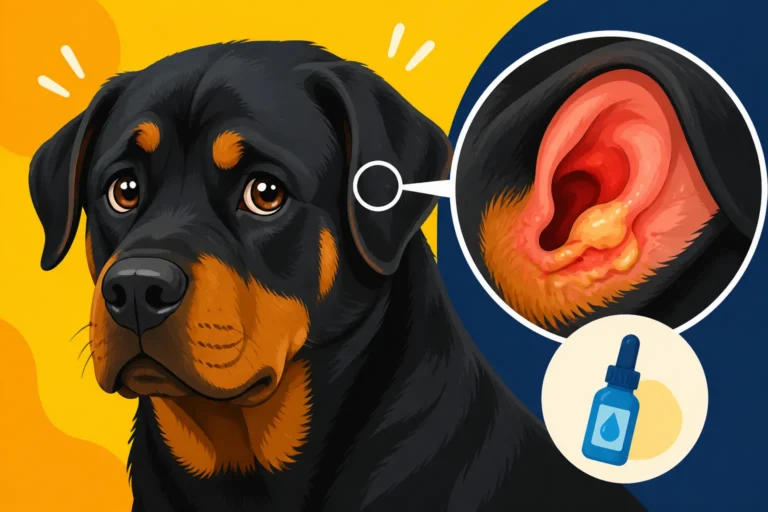
Among the most common eyelid issues in Rottweilers are entropion and, less frequently, ectropion. Entropion is a condition where a portion of the eyelid, usually the lower one, rolls inward towards the eyeball. This causes the eyelashes and surrounding hair to constantly rub against the sensitive surface of the cornea. You can imagine how irritating and painful this would be; it's like having grit in your eye all the time. Symptoms often include excessive tearing, discharge, squinting, redness, and in severe cases, corneal ulcers or scarring, which can lead to vision impairment. This is a condition that requires careful monitoring, as even subtle entropion can cause significant discomfort over time.
Treatment for entropion almost always involves surgery to correct the eyelid's position and prevent further irritation. The procedure, called blepharoplasty, removes a small strip of skin from the eyelid to allow it to roll outward into its normal position. The timing of this surgery is important; while puppies can sometimes have temporary "tacking" procedures, definitive surgery is usually recommended once the dog is fully grown and their facial structure has matured, typically around 6 to 12 months of age. Ectropion, where the eyelid rolls outward, exposing the conjunctiva, is less common in Rottweilers but can also lead to issues like chronic dry eye and recurrent infections due to increased exposure. While entropion is far more prevalent, an ophthalmologist will check for both, assessing the unique structure of your Rottweiler's eyelids with every exam.
Progressive Retinal Atrophy PRA and Cataracts
Progressive Retinal Atrophy (PRA) is a heartbreaking group of inherited degenerative diseases that affect the retina, the light-sensitive tissue at the back of the eye. In PRA, the photoreceptor cells (rods and cones) within the retina gradually degenerate, leading to progressive vision loss and ultimately, blindness. There are different forms of PRA, some affecting rods first (leading to night blindness), and others affecting both rods and cones (leading to complete blindness). Unfortunately, there is no cure for PRA, but genetic testing is available for some specific forms, which is why working with a reputable breeder who screens their dogs is so important. For forms without genetic tests, routine ophthalmology exams are the only way to detect the disease's onset.
Cataracts are another significant concern for Rottweilers. A cataract is an opacity or cloudiness in the lens of the eye that obstructs the passage of light, causing blurred vision or, if severe, complete blindness. While cataracts can occur due to aging, trauma, or other diseases like diabetes, hereditary cataracts are particularly relevant in Rottweilers. These can develop at various ages, from juvenile onset to later in adulthood. Early detection during eye exams allows the ophthalmologist to monitor the progression of the cataract. In cases where the cataract significantly impairs vision, surgical removal and replacement with an artificial lens can often restore sight. This is a specialized and costly procedure, underscoring the value of Rottweiler Pet Insurance and the $204 Average to help cover such significant veterinary expenses.
Other Less Common Concerns
While entropion/ectropion and PRA/cataracts are among the most prevalent eye concerns, a comprehensive ophthalmological exam will also screen for other, less common but equally serious conditions. Glaucoma, for instance, is characterized by increased pressure inside the eye, which can damage the optic nerve and lead to rapid, irreversible blindness. It can be primary (inherited) or secondary (caused by another eye disease or injury). Detecting elevated intraocular pressure early is crucial, as immediate treatment is necessary to preserve vision. The ophthalmologist will often measure intraocular pressure as part of their routine examination.
Another condition is distichiasis, where extra eyelashes grow from an abnormal location on the eyelid margin, often rubbing against the cornea, similar to entropion, causing irritation and discomfort. While typically less severe than entropion, it can still lead to corneal abrasions or ulcers if left unaddressed. Other issues like persistent pupillary membranes (PPMs), which are remnants of fetal blood vessels that persist in the eye after birth, or even retinal detachments, can also be identified during these detailed examinations. The extensive training of a veterinary ophthalmologist ensures that these various potential problems, whether common or rare, are not overlooked, giving your Rottweiler the best chance for healthy eyes.
Here's a quick overview of some common Rottweiler eye conditions:
| Condition | Description | Symptoms | Prognosis/Treatment |
|---|---|---|---|
| Entropion | Eyelid rolls inward, causing lashes to rub against the cornea. | Squinting, excessive tearing, eye discharge, redness, corneal ulcers. | Surgical correction (blepharoplasty) often required. Good prognosis post-surgery. |
| Ectropion | Eyelid rolls outward, exposing conjunctiva. | Redness, chronic dry eye, recurrent infections, visible sagging eyelid. | Often managed with drops; surgery less common than entropion but possible. |
| Progressive Retinal Atrophy (PRA) | Degeneration of retinal photoreceptor cells, leading to blindness. | Night blindness, reduced vision in dim light, eventual complete blindness. | No cure; genetic testing for some forms. Detection via ophthalmology exam. |
| Cataracts | Opacity in the lens of the eye, obstructing light and impairing vision. | Cloudy appearance of pupil, vision impairment, bumping into objects. | Monitoring; surgical removal with lens replacement for significant cases. |
| Glaucoma | Increased pressure within the eye, damaging optic nerve. | Squinting, redness, dilated pupil, cloudy cornea, severe pain, rapid vision loss. | Emergency treatment (medication, surgery) to lower pressure and save vision. |
| Distichiasis | Abnormal growth of eyelashes from eyelid margin, rubbing cornea. | Eye irritation, excessive tearing, redness, corneal abrasions. | Surgical removal or cryotherapy of offending eyelashes. |
Preparing Your Rottweiler for Their Eye Exam
Taking your Rottweiler for a specialized eye exam, especially if it's your first time or if you're traveling a distance, requires a little preparation. These appointments are different from your routine wellness checks and are best approached with an understanding of what to expect, both logistically and financially. Being prepared ensures a smoother experience for both you and your big dog.
Finding a Board-Certified Ophthalmologist
The most crucial step is finding the right specialist. A CAER eye exam must be performed by a board-certified veterinary ophthalmologist, not just any general veterinarian. These specialists are few and far between compared to general vets, so you might need to travel to a larger metropolitan area or schedule well in advance. You can typically find a list of certified ophthalmologists through the American College of Veterinary Ophthalmologists (ACVO) website, which usually has a 'Find a Specialist' tool. Your regular veterinarian can also provide referrals to local or regional specialists they trust.
When you contact an ophthalmologist's office, be sure to state clearly that you are seeking an OFA CAER eye exam for your Rottweiler, especially if you are a breeder or simply want the results recorded with OFA. They will guide you through their specific scheduling and intake process. It's wise to ask about their fees upfront, as specialist consultations and procedures generally cost more than a standard vet visit. Confirming the details beforehand can help you budget appropriately and avoid any surprises.
What to Expect at the Appointment
On the day of the appointment, bring any relevant health records, especially previous eye exam results if your Rottweiler has had them. You’ll typically fill out some paperwork, including an OFA CAER submission form if you intend to have the results registered. The ophthalmologist or a technician will usually start by taking a brief history and performing an initial visual assessment. Then comes the pupil dilation, which is a key part of the comprehensive exam. Special eye drops will be administered, and you’ll likely have a waiting period of 20-30 minutes for the pupils to fully dilate. During this time, your Rottweiler might become more sensitive to light, so a quiet corner or a darkened room can be helpful.
Once the pupils are dilated, the ophthalmologist will conduct their thorough examination using specialized equipment. This part of the exam is usually painless, though your Rottweiler might find the bright lights a little unusual. It's important to keep them calm and still during this process. Afterwards, the ophthalmologist will discuss their findings with you in detail. They will explain any conditions identified, their implications, and recommend a course of action if needed. This is your opportunity to ask any questions you have, so don't hesitate to speak up. Your Rottweiler's health is a partnership between you and their medical team.
Financial Considerations and Insurance
Specialized veterinary care, including ophthalmology exams, comes with a cost. A CAER eye exam can range from $50 to $100 or more, depending on the clinic and region. This might seem like an added expense, especially when you factor in other routine costs like food, grooming, and general vet visits, not to mention the larger financial commitments involved with managing conditions like Rottweiler Hip Dysplasia and the OFA Grade. However, consider it an investment in your Rottweiler's long-term health, potentially saving you far greater expenses down the line if a serious condition goes undetected and progresses.
Many owners choose to enroll their Rottweilers in pet insurance to help mitigate the costs of unexpected veterinary care. Companies like Healthy Paws offer comprehensive plans that can cover a significant portion of specialist visits, diagnostics, and treatments for new conditions. While routine wellness exams and certifications like the CAER exam might not always be fully covered by standard insurance policies (check your specific plan's details), if an underlying eye disease is diagnosed during the exam, the subsequent diagnostics, medications, or surgeries often would be. Investing in a robust pet insurance plan, such as those offered by Healthy Paws, early in your Rottweiler's life can provide a crucial safety net. Always review policy details carefully to understand what is covered, especially concerning specialist care and hereditary conditions, to ensure you make the best choice for your Rottweiler's health needs and your peace of mind. Healthy Paws, for example, is known for its extensive coverage for accidents and illnesses, which can be invaluable when dealing with an emergent eye condition or a complex surgical correction.
Disclaimer
Please remember that the information provided in this article is intended for educational and informational purposes only, and does not constitute veterinary medical advice. Always consult with a qualified veterinarian or board-certified veterinary ophthalmologist for any health concerns or before making any decisions about your Rottweiler's medical care.