A Rottweiler Retching Without Bringing Anything Up
A Rottweiler dry heaving or retching without bringing anything up is one of the most terrifying things a dog owner can witness. That frantic, unproductive attempt to vomit immediately signals that something is seriously wrong, and often, time is of the essence. This guide aims to thoroughly explain what could be behind such a distressing episode, equipping you with the knowledge to act swiftly and confidently when every second counts.
Understanding the Act of Retching in Rottweilers
When your beloved Rottweiler starts to dry heave, it's a gut-wrenching sight that can instantly trigger alarm bells. It’s not just a minor upset; in our big, deep-chested companions, it’s a symptom that demands immediate attention. Understanding precisely what retching looks like and, more importantly, how it differs from regular vomiting, is the first step in knowing how to respond.
What Retching Looks Like and Doesn't
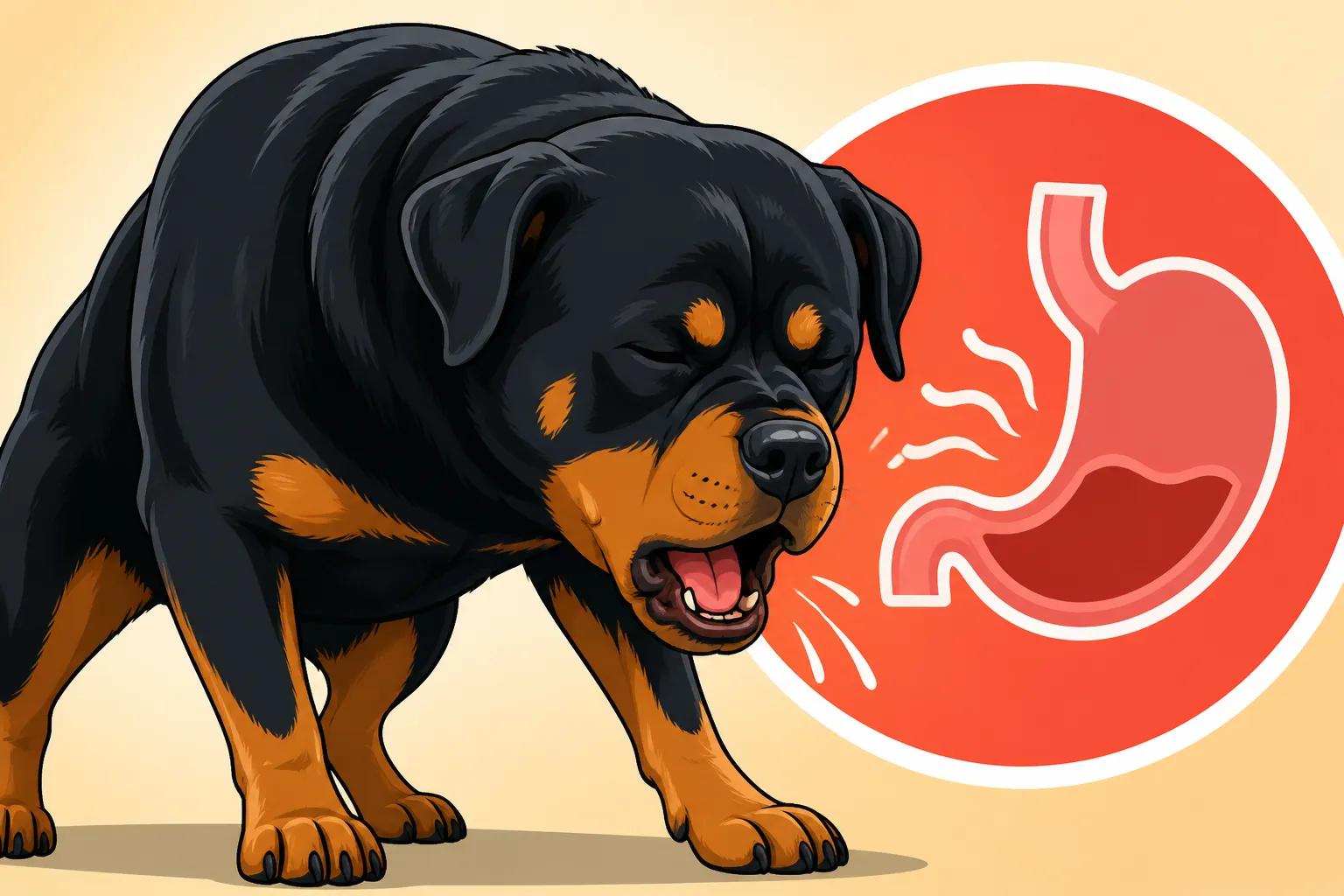
Retching, sometimes described as dry heaving or unproductive vomiting, is a truly distinctive and alarming action. When a Rottweiler retches, they will often stand with an arched back, extend their neck outward, and exhibit strong, visible abdominal contractions. These movements are identical to those they would make if they were actually throwing up. However, despite these intense and often desperate efforts, nothing substantial is expelled from their mouth – perhaps only a small amount of foamy saliva or a bit of clear mucus. It’s the sheer effort combined with the lack of result that makes it so concerning.
It's crucial to understand that this isn't a gentle cough, a small burp, or even a typical episode of gagging. A cough is usually a sudden, often loud, expulsion of air from the lungs, sometimes making a "honking" sound, commonly associated with respiratory issues. A reverse sneeze, while also looking a bit dramatic, is more like a prolonged, noisy inward gasp. Retching, by contrast, involves powerful, repeated bodily exertions originating from the abdomen, clearly indicating a struggle to empty the stomach. The dog’s entire posture—head lowered, neck outstretched, and a visible tightening and releasing of the flank muscles—distinctly communicates distress and a forceful, yet fruitless, attempt to vomit. This physical demonstration of intense effort without anything coming up is your primary clue.
The Critical Difference: Retching vs. Vomiting
The distinction between productive vomiting and unproductive retching is absolutely critical, especially in large, deep-chested breeds like Rottweilers. Productive vomiting means your dog is successfully expelling stomach contents. While certainly a cause for concern—it could indicate anything from eating something disagreeable to a mild stomach bug or even parasites—it typically signals a less immediate, life-threatening situation compared to dry heaving. If your Rottweiler throws up their breakfast, then seems to settle, you're usually looking at a situation that might warrant a vet visit within the day, but not necessarily a middle-of-the-night emergency. The body is at least managing to clear whatever is causing the irritation.
Retching, or unproductive vomiting, is a different beast entirely. It signifies that the body is trying to vomit but cannot. This inability to expel anything, despite the forceful attempts, is the glaring red flag. In Rottweilers, this specific symptom is overwhelmingly associated with a condition known as Gastric Dilatation-Volvulus (GDV), more commonly and terrifyingly known as bloat. This is a severe medical emergency where the stomach rapidly fills with gas and then twists upon itself, sealing off both the entrance and exit. The trapped gas, food, and fluids cause the stomach to swell dramatically. Recognizing this difference—that unproductive retching points directly to bloat in a high-risk breed—can quite literally be a matter of life or death, as the treatment window for GDV is incredibly narrow. The distinction is not just academic; it dictates the speed and intensity of your response.
Why a Rottweiler Might Be Dry Heaving
When a Rottweiler starts dry heaving, it's almost impossible not to jump to the worst conclusion, and for good reason. While there are other possibilities, the most dangerous one needs to be at the forefront of every Rottweiler owner's mind.
The Immediate Concern: Bloat (GDV)
When a Rottweiler is dry heaving without bringing anything up, your mind must immediately go to bloat. This isn't just a concern; it’s the number one suspect for a large, deep-chested breed like ours, especially if it happens after eating or drinking. Bloat in a Rottweiler and the Hours That Matter are incredibly critical because the condition progresses rapidly. The stomach quickly fills with gas, often after the dog eats or drinks a large amount too quickly, and then rotates upon its axis (volvulus). This twisting action pinches off both the entry (esophagus) and exit (duodenum) points, trapping everything inside. The stomach then swells like a balloon, expanding uncontrollably.
This distended stomach presses on major blood vessels, hindering blood flow to vital organs, including the heart. It can restrict breathing, cause organ damage, lead to severe shock, and result in a swift, painful death if not addressed immediately. Beyond the dry heaving, other tell-tale signs of bloat include a visibly distended abdomen that often feels drum-tight and hard to the touch. Your Rottweiler might appear restless, pace incessantly, try to hide, or show signs of intense discomfort and pain. Excessive drooling, an unusual hunched posture, or an unwillingness to lie down comfortably are also red flags. As the condition worsens, they can become weak, collapse, and show pale gums. Recognizing Bloat in a Rottweiler early is paramount. This is unequivocally not a "wait and see" situation; if you suspect bloat, it’s an immediate, no-questions-asked trip to the nearest emergency veterinary hospital. Even a delay of a few hours can profoundly impact the outcome.
Other Serious Medical Conditions
While bloat demands your first and most urgent consideration, it's important to know that other serious conditions can also cause a Rottweiler to dry heave. These are generally less common than GDV when the specific symptom is unproductive retching, but they still warrant immediate veterinary attention. For instance, an obstruction in the esophagus or stomach could prevent anything from being passed up or down, leading to persistent, unproductive retching. Imagine a swallowed toy, a bone fragment, or even a large foreign object creating a complete blockage. Despite intense, painful efforts, your dog cannot clear it. This kind of obstruction can cause severe pain, damage the digestive tract, and quickly become life-threatening due to perforation or necrosis.
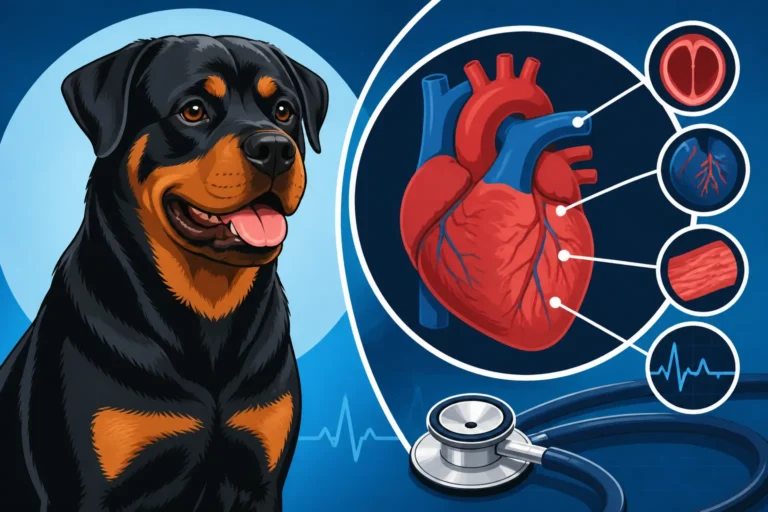
Another possibility, though rarer when dry heaving is the primary symptom, could be certain types of cancer affecting the esophagus or stomach. Lumps on a Rottweiler that need testing should always be taken seriously, particularly if they are impacting normal digestive function or causing physical blockages. An enlarging tumor could mechanically impede food passage or trigger persistent nausea and gagging reflexes. Less commonly, advanced heart disease can sometimes manifest with gagging or retching reflexes, usually accompanied by other distinct symptoms like coughing, extreme fatigue, or weakness. Even severe pancreatitis, an inflammation of the pancreas, can induce such intense abdominal pain and nausea that dry heaving occurs, mimicking some of the distress of bloat, though usually without the characteristic abdominal distension.
Less Urgent Causes
In the context of a Rottweiler and dry heaving, defining "less urgent" is almost a contradiction due to the looming threat of bloat. However, after a thorough veterinary examination has confidently ruled out GDV and other major emergencies, there might be milder, though still concerning, reasons behind the retching. For example, severe kennel cough or other upper respiratory infections can lead to violent, prolonged coughing fits that sometimes transition into a retching motion, especially if mucus is irritating the back of the throat. This is usually distinguishable by the preceding hacking cough, often followed by a final retch to clear the airway.
Severe anxiety or stress can also, in some instances, induce a dog to gag or dry heave. A Rottweiler experiencing extreme emotional distress—perhaps from intense separation anxiety, a particularly frightening thunderstorm, or an unfamiliar, overwhelming environment—might physically manifest this stress through gastrointestinal upset and retching. However, this would typically be observed alongside other clear anxiety behaviors like incessant pacing, whining, panting, or destructive chewing. Lastly, a mild irritation from consuming something caustic (like a houseplant) or having something briefly stuck in the throat (like a piece of grass that they eventually dislodge themselves) could cause temporary retching. But crucially, these milder causes typically involve brief, isolated episodes, unlike the persistent, distressed, and unyielding efforts seen in conditions like bloat. The golden rule for a Rottweiler exhibiting dry heaving remains: always, always rule out the worst possible scenario first with a vet.
What to Do When Your Rottweiler Reteches
When you see your Rottweiler dry heaving, panic is a natural reaction. But this is precisely the moment you need to channel that panic into swift, decisive action. Hesitation can be fatal.
Immediate Actions at Home
The moment you observe your Rottweiler retching repeatedly without producing anything, your immediate action plan needs to be clear, quick, and decisive. First, try your best to stay calm, or at least appear calm for your dog’s sake. Your stress can unfortunately escalate theirs, making it harder for them to cope. Gently check their abdomen: is it noticeably distended, swollen, or hard to the touch? Are they restless, pacing anxiously, or repeatedly attempting to vomit without success? Quickly assess their gums – are they pale, grayish, or even bluish? These are critical visual indicators that can reinforce your suspicion of bloat. Do not waste time trying home remedies such as attempting to induce vomiting or administering antacids. These efforts can be dangerous, ineffective, and, most importantly, they consume precious minutes that your dog may not have if it is indeed bloat.
The single most important immediate action is to contact your emergency veterinarian immediately. Do not wait to see if the symptoms worsen or subside. Call them while you are actively getting your dog ready to leave. Clearly state that you suspect bloat in a large breed, describe the unproductive retching, and inform them you are on your way. This crucial heads-up allows the veterinary team to prepare the surgical suite, gather necessary equipment, and assemble an emergency team for your arrival, potentially saving critical minutes upon entry. Remember, with bloat, the clock is ticking rapidly, and every single moment counts. It’s also a good time to remember if you have pet insurance, like Healthy Paws, as knowing your policy details can ease the mental burden of potentially high emergency costs in a moment of crisis.
When to Rush to the Emergency Vet
To be unequivocally clear: if your Rottweiler is retching without bringing anything up, you need to rush to the emergency vet now. There is no "wait and see" period, no "give it another hour" advice that applies to this particular symptom in a large, deep-chested breed like a Rottweiler. As discussed, this symptom is so strongly indicative of Gastric Dilatation-Volvulus (GDV) that delaying can dramatically reduce their chances of survival. You shouldn't even take the time to conduct extensive online searches for more symptoms or detailed advice once you've recognized the core issue. If you observe the characteristic dry heaving, especially when coupled with any other suspicious signs like abdominal distension, extreme restlessness, discomfort, or pale gums, that's your immediate cue to go.
Even if your Rottweiler appears to have only a single episode of dry heaving and then seems to settle, it's still safer to have them checked out by a veterinarian. Sometimes the stomach can partially twist and then untwist, a phenomenon that makes them highly susceptible to future, more severe, and potentially fatal episodes. It is always better to be overly cautious and get an all-clear from a vet than to regret waiting when faced with such a high-stakes condition. The potential for a serious outcome, including internal organ damage from reduced blood flow, rupture of the stomach or spleen, and systemic shock, makes this a true veterinary emergency. Early intervention significantly improves the prognosis for Rottweiler Bloat Surgery and the Odds of Survival, making your rapid response absolutely vital.
Preparing for a Vet Visit
When you're in the frantic process of heading to the emergency vet, a few quick preparations can make the transition smoother and potentially aid the veterinary team. First, quickly gather your dog's leash, a sturdy collar, and if you use one, a harness. If your Rottweiler is very large and might struggle with mobility due to illness, and you happen to have a car ramp, it could be incredibly useful for getting them into and out of the vehicle. Ensure your phone is fully charged, as you'll need it to communicate with the vet clinic during your transit and potentially with your pet insurance provider. If you have any medical history readily available, such as recent vaccination records or a list of current medications, bring that along. However, in a suspected bloat emergency, the veterinary staff will prioritize immediate stabilization and diagnostics over reviewing extensive historical paperwork.
Think practically about how you will safely get your large, potentially distressed Rottweiler into your car and then out at the clinic. A sick Rottweiler, even one usually cooperative, can be surprisingly heavy and difficult to maneuver. If you have another adult available to help, this is ideal. Once you arrive at the clinic, be prepared for a rapid and intense assessment. The veterinary team will very likely take your dog to the back immediately for urgent diagnostics, which almost always include X-rays to confirm bloat. This will be followed by swift efforts to decompress the stomach (relieve the gas) and prepare for emergency surgery. This is precisely when having a robust pet insurance policy, such as one from Healthy Paws, can genuinely alleviate a significant portion of the financial stress during an already incredibly traumatic situation, helping to cover the often substantial Emergency Vet Bills a Rottweiler Owner Should Expect.
Preventive Measures and Long-Term Care
While the fear of bloat is very real for Rottweiler owners, there are actionable steps we can take to reduce the risk and ensure our companions live long, healthy lives. Prevention and proactive care are key.
Dietary and Exercise Adjustments
While not every case of bloat can be entirely prevented, especially given the genetic predispositions in breeds like the Rottweiler, certain dietary and exercise adjustments can significantly lower the risk. One key recommendation from veterinarians is to feed your Rottweiler two or three smaller meals per day instead of just one large one. This practice of Splitting a Rottweiler's Food Into Two Meals or more reduces the sheer volume of food and gas present in the stomach at any single time. Contrary to popular belief and some older advice, current studies suggest that using raised food bowls might actually increase the risk of bloat in some breeds, so it’s generally recommended to feed your Rottweiler from a bowl placed on the floor.
It's also crucial to control how quickly your dog eats. If your Rottweiler is a "gulper" who inhales their food in seconds, consider using a slow feeder bowl, which has obstacles that force them to eat more deliberately. Alternatively, you can place a large, non-chokeable object (like a robust Kong toy or a clean, heavy rock) in their regular bowl to make them eat around it. Avoid vigorous exercise or intense play for at least an hour before and two hours after meals. How Long to Wait After a Rottweiler Meal Before Exercise is a critical consideration, as stomach agitation after a full meal is a known risk factor. Stress can also contribute to bloat, so try to feed your Rottweiler in a calm, quiet environment free from excitement or competition with other pets. Lastly, ensure constant access to fresh water throughout the day, but actively prevent rapid, excessive drinking immediately before or after meals, as gulping water can also introduce a lot of air into the stomach.
Proactive Health Management
Beyond daily dietary routines and exercise protocols, proactive health management plays an immense role in your Rottweiler's overall well-being and can help mitigate risks for various serious conditions, including bloat. Regular veterinary check-ups are essential, and their frequency should increase as your Rottweiler ages. For example, Senior Rottweiler Care After the Age of Seven often includes more frequent visits, comprehensive bloodwork, and screenings for age-related conditions. It's vital to discuss any changes in your dog's behavior, appetite, energy levels, or any new symptoms with your vet promptly, rather than waiting.
One of the most impactful preventive measures specifically for bloat is an elective surgical procedure known as gastropexy. This surgery permanently attaches the stomach to the abdominal wall, preventing it from twisting (the "volvulus" part of GDV). While it doesn't prevent the stomach from dilating (filling with gas), it dramatically reduces the risk of the life-threatening stomach torsion. Many Rottweiler owners, especially those with a family history of bloat or simply for peace of mind, opt for a Gastropexy to Prevent Rottweiler Bloat. This procedure is often performed at the same time as spaying or neutering, making it a convenient "two-for-one" surgery. Investing in a good pet insurance plan, such as one from Healthy Paws, can also be a profoundly wise decision. Such policies help cover unexpected and often very significant major medical expenses, providing you with more options and less financial stress in an emergency situation. Being prepared for the potential health challenges our beloved Rottweilers face is not just responsible, it’s a commitment to their longevity and quality of life.
| Symptom / Condition | Retching (Dry Heaving) | Abdominal Distension / Hardness | Restlessness / Pacing | Pale Gums / Weakness | Onset after Eating/Drinking | Urgency (Rottweiler) |
|---|---|---|---|---|---|---|
| Gastric Dilatation-Volvulus (Bloat) | Frequent, intense, persistent | YES, often severe and rapidly worsening | YES, constant; cannot get comfortable | YES, can progress to shock | Often occurs after large meal/water | IMMEDIATE EMERGENCY |
| Esophageal/Stomach Obstruction | Present, persistent, attempts to swallow | Possible, depends on location and severity | Possible, signs of discomfort | Possible, if severe or prolonged | Variable, could be after eating or ingestion of foreign object | HIGH EMERGENCY |
| Severe Gastroenteritis / Pancreatitis | May be present, usually with eventual productive vomiting or diarrhea | Possible, abdomen might be tender | Possible, lethargy or hunched posture | Possible, if severe dehydration or pain | Variable, depends on cause | VET VISIT URGENT |
| Kennel Cough / Respiratory Irritation | May occur after prolonged coughing fits | NO | NO, usually otherwise normal unless severe cough | NO | No specific link | Non-emergency (but vet if persistent or worsening) |
| Extreme Anxiety | Occasional, transient, usually linked to specific stressor | NO | YES (other anxiety signs: panting, whining, hiding) | NO | Variable | Non-emergency (vet if prolonged or causing other issues) |
Disclaimer
The information provided in this article is for general educational and informational purposes only, and does not constitute veterinary advice. Always consult with a qualified veterinarian for any health concerns or before making any decisions related to your pet's health or treatment.