TPLO Surgery on a Rottweiler Knee
It's absolutely heartbreaking when your powerful, usually confident Rottweiler suddenly starts limping, favoring a leg, or struggling to get up. Your mind races through all the possibilities, but often, especially with their size and athletic build, the culprit is a torn cranial cruciate ligament in the knee. This guide will walk you through TPLO surgery specifically for Rottweilers, helping you understand this common procedure and what to expect for your beloved companion's recovery.
Understanding the Cruciate Ligament Tear in a Rottweiler
A torn cruciate ligament is one of the most common orthopedic injuries in dogs, and unfortunately, large, active breeds like Rottweilers are particularly susceptible. It's the equivalent of an ACL tear in humans, but in dogs, it's often a degenerative condition that worsens over time, rather than a sudden sports injury. Seeing your big, strong dog struggle with basic movements is incredibly tough, and knowing the underlying cause helps a great deal in making informed decisions.
Why Rottweilers Are Prone to Cruciate Tears
The sheer size and robust nature of a Rottweiler, which we all love, also come with inherent challenges for their joints. A hundred-plus-pound dog puts immense stress on its knees during everyday activities like running, jumping, and even just standing up. This constant load, combined with their active, powerful movements, can lead to the gradual weakening and eventual tearing of the cranial cruciate ligament. It's not just about a sudden trauma; often, the ligament has been deteriorating for months, or even years, until a seemingly minor misstep causes the final rupture. There's also a significant genetic component, meaning some Rottweilers are predisposed to this kind of injury. If you have a multi-dog household, or your Rottweiler is particularly active, you might already be aware of the common orthopedic challenges faced by the breed. We discuss the specific challenges of such an injury in detail in our article on Cruciate Ligament Tears in a Hundred Pound Rottweiler. The biomechanics of their large frame means that even slight imbalances or repetitive stress can lead to significant wear and tear on crucial support structures.
Recognizing the Signs of a Cruciate Injury
Spotting a cruciate tear isn't always as dramatic as a full-blown lameness after a sudden accident. While an acute tear might result in your Rottweiler holding up their leg completely, often the signs start much more subtly. You might notice a slight lameness that comes and goes, especially after exercise. Your dog might sit with their injured leg extended out to the side, or struggle to get up from a lying position. Sometimes, they'll exhibit a "toe-touching" lameness, putting just enough weight on the paw to keep balance, but clearly avoiding full weight bearing. The pain and discomfort can vary, but generally, a Rottweiler with a torn cruciate will be hesitant to jump, run, or engage in vigorous play. When you take your Rottweiler to the vet, they'll perform specific tests, such as the "cranial drawer test" or the "tibial compression test," which involve manipulating the knee joint to check for instability. These tests, along with X-rays to rule out other issues and assess the joint, are crucial for an accurate diagnosis. It's often a very clear, defining moment when the vet confirms the tear, and you realize the extent of what your dog has been quietly enduring.
What is TPLO Surgery and How It Works for a Rottweiler
Once a cruciate tear is diagnosed, especially in a large breed like a Rottweiler, your veterinarian will likely discuss surgical options. Among these, Tibial Plateau Leveling Osteotomy, or TPLO, is one of the most common and highly recommended procedures, and for good reason. It’s a very different approach from simply trying to repair the damaged ligament, and understanding its unique mechanics is key to appreciating its effectiveness.
The Core Principle of TPLO
Unlike traditional surgeries that attempt to replace or directly repair the torn cruciate ligament, TPLO takes a more revolutionary approach: it eliminates the need for the ligament altogether by changing the biomechanics of the knee joint. Imagine your dog's tibia (shin bone) as having a slight downward slope where it meets the femur (thigh bone). This slope creates a shear force that causes the femur to slide backward on the tibia when your dog bears weight, particularly if the cruciate ligament, which normally prevents this, is torn.
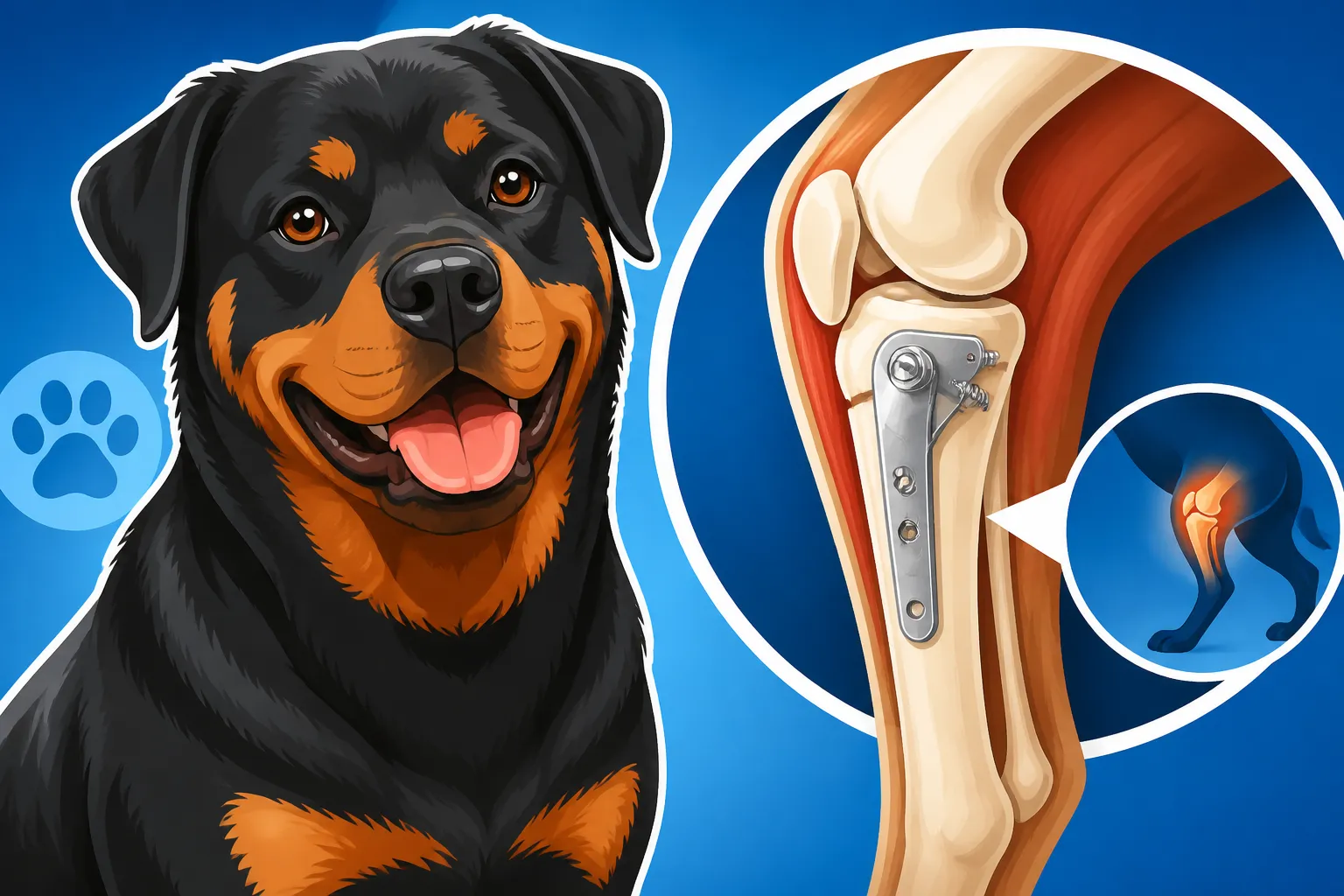
During TPLO surgery, a specialized curved cut is made in the top of the tibia. This section of bone, called the tibial plateau, is then rotated to create a much flatter angle, typically around 5 to 6 degrees. Once rotated, the bone is stabilized with a bone plate and screws. By flattening this angle, the gravitational forces acting on the knee are redirected, effectively neutralizing the backward thrust of the femur. This means that when your Rottweiler puts weight on their leg, the joint remains stable even without a functional cruciate ligament. It’s a truly ingenious way to address the problem, especially for a dog with the weight and power of a Rottweiler.
Why TPLO is Often Recommended for Large Breeds Like Rottweilers
For large, heavy, and active dogs, TPLO surgery has consistently demonstrated superior outcomes compared to some older or less invasive techniques. The primary reason is that it creates a dynamically stable joint capable of withstanding the significant forces generated by a Rottweiler's body weight and powerful musculature. Other repair methods, which try to mimic the ligament's function with sutures, can sometimes struggle under the extreme stress a big dog places on them, potentially leading to re-injury or less optimal long-term function.
With TPLO, the stability comes from the altered bone structure itself, making it incredibly robust. This means your Rottweiler has a much better chance of returning to a high level of activity, whether that's running in the yard or enjoying long walks, without recurring lameness. While it's a major surgery, the long-term success rates, often cited as 90-95% excellent to good outcomes, make it a compelling choice. This type of advanced orthopedic intervention, much like a Total Hip Replacement in a Rottweiler, is designed to give a large dog the best possible chance at a pain-free, active life. Of course, such extensive procedures come with a significant financial cost. This is where pet insurance, like a plan from Healthy Paws, can be a lifesaver, helping to cover a substantial portion of the surgery and rehabilitation expenses, making these critical decisions much less stressful.
The TPLO Surgical Process and Immediate Aftercare
The decision to move forward with TPLO surgery can feel overwhelming, especially with a large dog like a Rottweiler. It’s a big step, but being prepared for the process and understanding what happens before, during, and immediately after the surgery can alleviate a lot of anxiety.
Pre-Surgical Preparations and Anesthesia
Before your Rottweiler even steps into the operating room, there's a thorough preparatory phase. This typically includes a comprehensive physical examination, blood work to assess organ function and ensure your dog is a good candidate for anesthesia, and specific X-rays of the knee. These X-rays are crucial not just for confirming the cruciate tear, but also for measuring the tibial plateau angle, which guides the surgeon in planning the precise cut and rotation needed during the procedure.
Choosing a board-certified veterinary surgeon, often an orthopedic specialist, is highly recommended for TPLO due to its complexity. These specialists have advanced training and experience that can make a significant difference in outcome. Anesthesia for a large breed like a Rottweiler requires careful monitoring and specific protocols, as there can be unique considerations given their size and potential predispositions. Our article on Anesthesia Risk for a Dog a Rottweiler's Size provides more in-depth information on this important topic. The veterinary team will meticulously plan and execute the anesthetic protocol to ensure your Rottweiler's safety and comfort throughout the entire process.
The Surgery Itself and Hospital Stay
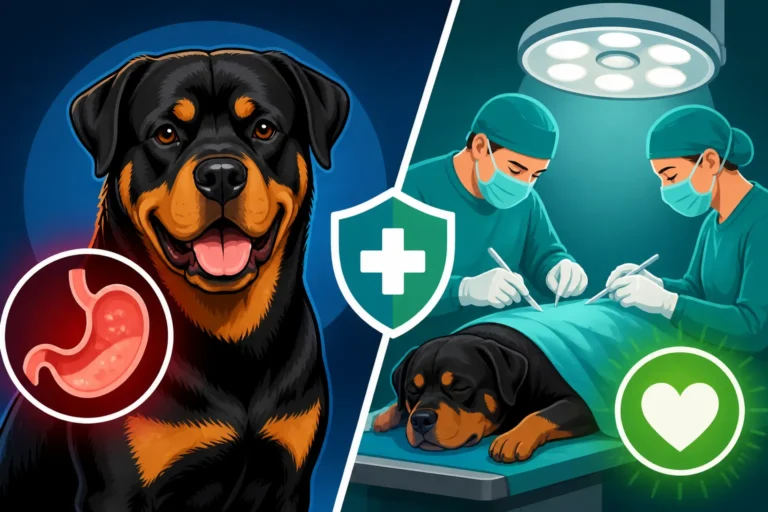
On the day of surgery, your Rottweiler will be admitted, and once under general anesthesia, the surgical site will be meticulously prepared. The surgeon will make the necessary incision, gain access to the knee joint, and begin the TPLO procedure. This involves carefully making the curved cut in the tibia, rotating the tibial plateau to the calculated angle, and then securing it with a specialized bone plate and screws. Often, if there’s any damage to the menisci (cartilage pads within the knee), this will also be addressed during the surgery.
After the bone is stabilized, the soft tissues are closed in layers. Your Rottweiler will typically remain hospitalized for one to three days following the surgery. This allows the veterinary team to manage initial pain effectively with intravenous medications, monitor for any immediate complications, and ensure they are comfortable and stable before returning home. They’ll also assess initial weight-bearing and provide you with detailed instructions for the crucial first few weeks of home care. It’s a relief to know they are under constant professional care during this critical immediate post-operative period.
Comprehensive TPLO Recovery and Rehabilitation for Your Rottweiler
The surgery itself is only half the battle. For TPLO to be truly successful, the recovery and rehabilitation phase is paramount, especially for a powerful breed like a Rottweiler. This isn’t a quick fix; it’s a commitment to a carefully managed process that can take several months. Your patience and dedication during this time are absolutely critical to your Rottweiler's full recovery.
The Critical First Weeks of Home Recovery
Bringing your big, energetic Rottweiler home after a major orthopedic surgery can be daunting. The first six to eight weeks are arguably the most crucial for healing and preventing complications. During this time, strict confinement is non-negotiable. This means crate rest or a small, confined space where your dog cannot run, jump, or play. Leash walks will be short and controlled, primarily for potty breaks, with absolutely no off-leash activity. This can be mentally challenging for an active Rottweiler, so having puzzle toys and gentle enrichment activities will be important to keep them occupied and prevent them from becoming stir-crazy.
You'll be responsible for administering pain medication and anti-inflammatories, often on a strict schedule, to keep your dog comfortable. Incision care is also vital – keeping it clean and dry, and meticulously preventing your Rottweiler from licking or chewing at the stitches, which often means using an Elizabethan collar (the "cone of shame") or a recovery suit. Swelling around the incision is normal initially, but any signs of excessive redness, discharge, or foul odor should be reported to your vet immediately, as infection is a serious concern. This phase requires immense patience and consistency on your part, but it lays the foundation for all future progress. We have a detailed guide on Physical Therapy After Rottweiler Joint Surgery that provides excellent advice on navigating these initial steps and beyond.
Gradual Increase in Activity and Physical Therapy
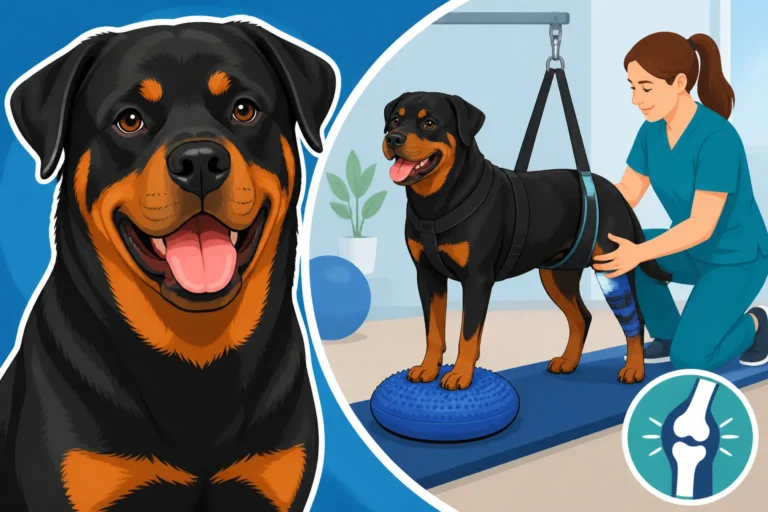
Once the initial healing phase is over, typically around 6-8 weeks post-op, and confirmed by follow-up X-rays showing good bone healing, your vet or surgeon will guide you on a gradual increase in activity. This is where formal physical therapy often comes into play, and it’s invaluable for a Rottweiler. Physical therapy might include controlled exercises like slow leash walks, balance exercises, passive range of motion, and even hydrotherapy (underwater treadmill) to build muscle and improve joint mobility without excessive impact.
The progression is slow and deliberate, usually spanning three to six months, or even longer, depending on your dog's individual healing and muscle development. The goal is to safely strengthen the muscles surrounding the knee, improve flexibility, and help your Rottweiler regain full confidence in using the limb. Follow-up X-rays at various points are essential to confirm the bone is healing correctly and that the plate and screws are stable. While TPLO significantly reduces the risk of future arthritis compared to other surgical options, some degree of arthritis can still develop over time, particularly in a heavy breed. Understanding Managing Arthritis in an Older Rottweiler can provide context for long-term joint health. This comprehensive rehabilitation can add to the total cost of recovery, so having pet insurance from providers like Healthy Paws can be incredibly beneficial for covering these essential therapy sessions.
Potential Complications and Long-Term Outlook
While TPLO surgery boasts a high success rate, it's a major orthopedic procedure, and like any surgery, carries potential risks. The most common complications can include infection at the surgical site, issues with the implants (plate or screws), delayed or non-union of the bone, or, less commonly, a tear in the meniscus that wasn't present or addressed during the initial surgery. Your veterinary team will closely monitor for these issues and provide guidance on how to minimize risks and what to do if a complication arises.
The long-term outlook for Rottweilers after successful TPLO surgery and rehabilitation is generally excellent. Most dogs return to a high level of function, often pain-free and able to enjoy their favorite activities again. While the goal is to prevent severe arthritis, it’s realistic to understand that some degenerative joint changes may still occur in the years following surgery, especially in a large, heavy breed. Many owners choose to continue with joint supplements long-term, starting as early as two years old (see Joint Supplements Started Early in a Rottweiler), to support joint health. Ensuring your Rottweiler maintains a healthy weight is also crucial to reduce stress on the repaired knee and other joints, especially as they age and their Rottweiler Growth Plates Closing at Eighteen to Twenty-Four Months have long since fused. Regular veterinary check-ups are important to monitor the knee and address any signs of discomfort promptly. If your dog does experience any long-term issues, additional support from your Healthy Paws policy can help with ongoing medications or therapies.
| Recovery Phase | Typical Duration | Key Activities & Focus | Owner Responsibilities |
|---|---|---|---|
| Immediate Post-Op | 1-3 days (hospital stay) | Pain management, monitoring, initial weight bearing | Listen to discharge instructions |
| Weeks 1-2 | 2 weeks | Strict crate rest, short leash walks only, pain meds | Incision care, medication, prevent licking |
| Weeks 3-8 | 6 weeks | Continued strict confinement, gentle PT exercises | Continue meds, monitor progress, discourage jumping |
| Months 2-4 | 3 months | Gradual increase in controlled activity, formal PT | Follow PT plan, regular vet checks, X-rays |
| Months 4-6+ | Ongoing | Full return to normal activity, strengthening | Maintain fitness, monitor for lameness, joint care |
Disclaimer
The information provided in this guide is for general educational purposes only and should not be considered a substitute for professional veterinary advice. Always consult with your veterinarian or a board-certified veterinary surgeon regarding any medical conditions or treatment options for your Rottweiler.