Bloodwork Worth Running on a Senior Rottweiler
It’s a tough stage, isn’t it, watching your magnificent Rottweiler transition into their senior years? You notice the greying muzzle, the slower pace on walks, maybe a little stiffness getting up from a nap. Every cough, every sigh, every slightly off moment can send a ripple of anxiety through you, because you know their time with you is precious and often too short. The big question often becomes: how do we really know what’s going on inside, especially when our stoic companions are so good at hiding discomfort? That’s where regular senior bloodwork comes in, offering a vital peek behind the curtain to catch health changes early, before they become glaring problems.
Why Bloodwork Becomes Critical for Senior Rottweilers
As Rottweilers age, typically starting around seven years old, their bodies undergo changes that mirror our own. Organs can become less efficient, immune systems might not be as robust, and the risk of various diseases increases significantly. Unlike us, they can't tell us when something feels off, and their natural instinct often leads them to mask pain or illness until it's quite advanced. This makes proactive health monitoring, particularly through consistent bloodwork, an absolute game-changer.
The Silent Nature of Canine Illness
One of the most challenging aspects of caring for a senior Rottweiler is their incredible ability to hide discomfort. A slight limp might not appear until a joint issue is already quite progressed, or a subtle change in appetite could be the tip of the iceberg for a more serious internal problem. Rottweilers, in particular, are known for their calm, confident demeanor, which can sometimes be misinterpreted as a lack of pain or illness. They're not whiners or complainers; they just soldier on. This stoicism, while admirable, means that by the time you see obvious symptoms – like significant weight loss, lethargy, or noticeable pain – whatever is going on inside has likely been progressing for a while.
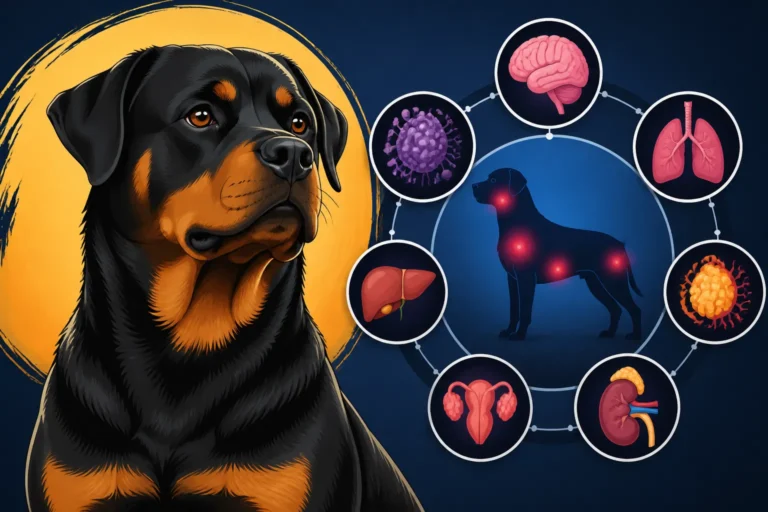
That’s why relying solely on outward signs can be a dangerous game with senior dogs. Many common age-related conditions, from kidney disease to certain cancers, can brew silently for months, even years, without any overt symptoms. Bloodwork allows veterinarians to detect these internal shifts at a cellular or chemical level long before your dog's behavior or appearance changes. For a breed like the Rottweiler, where Rottweiler Lifespan and the Eight to Ten Year Average means every year counts, early detection can literally add quality time to their life. It means you can start treatment, make dietary adjustments, or implement supportive care measures much sooner, often leading to better outcomes and a more comfortable life for your beloved companion.
Shifting Baselines and Early Detection
Think of your Rottweiler's health as a unique fingerprint. What’s "normal" for one dog might be an early warning sign for another. This is where the concept of a "baseline" becomes incredibly important. Ideally, your vet has been running routine bloodwork since your Rottweiler was young and healthy, creating a record of their individual normal values. As they age, and you start running senior panels, your vet isn't just comparing their results to a generalized "normal" range for all dogs; they're comparing it to your dog's own established healthy baseline.
This personalized approach is incredibly powerful. A slight elevation in a liver enzyme, for example, might still fall within the broad "normal" range for dogs in general, but if it's significantly higher than your Rottweiler's own previous healthy levels, it signals a change. This subtle shift might prompt your vet to investigate further, perform additional diagnostics, or simply monitor that value more closely at the next check-up. Catching these small, early deviations can give you a significant head start on managing potential issues like Thyroid Disease Behind a Rottweiler's Dull Coat or the early stages of organ decline. It helps your veterinary team understand the direction your dog's health is trending, allowing for proactive interventions rather than reactive crisis management.
Key Bloodwork Panels and What They Reveal
When your senior Rottweiler goes in for their annual or biannual check-up, several key blood tests are typically recommended. Each panel offers a unique window into different aspects of their internal health, working together to paint a comprehensive picture.
Complete Blood Count CBC
The Complete Blood Count, or CBC, is a fundamental diagnostic tool. It’s essentially a snapshot of the different cells circulating in your Rottweiler's blood. This simple test can reveal a surprising amount about their overall health and flag issues related to infection, inflammation, and blood-clotting ability.
- Red Blood Cells (RBCs): These are responsible for carrying oxygen throughout the body. The CBC measures their number, size, and hemoglobin content. If these values are low, it indicates anemia, which could be caused by anything from chronic disease, nutritional deficiencies, internal bleeding (potentially from conditions like Hemangiosarcoma and Sudden Rottweiler Collapse), or even some cancers. High red blood cell counts, while less common, can indicate dehydration or other conditions.
- White Blood Cells (WBCs): The immune system's frontline defenders, white blood cells include neutrophils, lymphocytes, monocytes, eosinophils, and basophils. Elevated WBC counts usually signal an infection or inflammation somewhere in the body. Conversely, very low counts can indicate a compromised immune system or certain viral infections. Each type of white blood cell can offer clues; for instance, high eosinophils might point to allergies or parasitic infections, common concerns with Rottweiler Allergies and Recurring Skin Infections.
- Platelets: These tiny cells are crucial for blood clotting. A low platelet count (thrombocytopenia) can lead to excessive bleeding, which is a serious concern, especially if your senior Rottweiler is undergoing any procedures or has experienced trauma. High platelet counts, while less common, can sometimes indicate inflammation or certain bone marrow disorders.
For a senior Rottweiler, understanding their CBC helps the vet assess their ability to fight off infections, their oxygen-carrying capacity, and their overall immune response – all vital for maintaining their quality of life as they age.
Chemistry Panel Biochemistry Profile
The chemistry panel, also known as a biochemistry profile, dives deeper into the function of your Rottweiler's internal organs and metabolic processes. It measures various enzymes, proteins, and electrolytes, giving crucial insights into kidney, liver, pancreatic, and endocrine health.
- Kidney Values (BUN, Creatinine, SDMA): These are vital for assessing kidney function. Elevated Blood Urea Nitrogen (BUN) and Creatinine can indicate that the kidneys are not efficiently filtering waste products from the blood, suggesting potential kidney disease. A newer test, Symmetric Dimethylarginine (SDMA), can detect kidney disease much earlier than BUN and creatinine, sometimes before 25% of kidney function is lost, which is particularly useful for proactive care in senior dogs. Early detection allows for immediate intervention, such as special kidney diets or medications, to slow progression.
- Liver Values (ALT, ALP, Bilirubin): The liver is a powerhouse organ involved in detoxification, metabolism, and protein synthesis. Elevated liver enzymes like Alanine Aminotransferase (ALT) and Alkaline Phosphatase (ALP) can indicate liver damage, inflammation, or certain conditions like Cushing's disease. Bilirubin levels can indicate issues with bile flow or red blood cell breakdown. Monitoring these values is crucial for older Rottweilers, as liver issues can affect their overall health and response to medications.
- Glucose: This measures blood sugar levels. High glucose can signal diabetes mellitus, a condition that becomes more prevalent in older dogs. Low glucose, though less common, can indicate other metabolic issues.
- Proteins (Albumin, Globulin): These provide information about hydration, inflammation, and liver/kidney function. Abnormal levels can point to gastrointestinal disease, chronic inflammation, or issues with protein production or loss.
- Electrolytes (Sodium, Potassium, Chloride): These minerals are essential for nerve and muscle function, and maintaining fluid balance. Imbalances can indicate dehydration, kidney disease, Addison's disease, or gastrointestinal issues.
- Pancreatic Enzymes (Amylase, Lipase): Elevated levels of these enzymes can suggest pancreatitis, an inflammation of the pancreas that can be very painful and lead to digestive upset in older dogs.
- Thyroid Hormones (Total T4): Hypothyroidism, an underactive thyroid gland, is relatively common in Rottweilers and often appears as they age. A low T4 can indicate this condition, which can cause symptoms like weight gain, lethargy, and a dull coat. If hypothyroidism is suspected, further thyroid panels might be recommended. This is an important test because Rottweiler Hypothyroidism and Unexplained Weight Gain is often successfully managed with medication, greatly improving quality of life.
Urinalysis
While not strictly bloodwork, a urinalysis is almost always collected alongside senior blood panels because it provides complementary information, especially regarding kidney and urinary tract health. It’s a simple, non-invasive test that can yield a wealth of information.
- Specific Gravity: This measures the concentration of the urine. If it's consistently low, it can indicate that the kidneys aren't concentrating urine properly, a sign of early kidney disease or hormonal imbalances.
- pH: The acidity or alkalinity of the urine. Abnormal pH can indicate infection, crystals, or metabolic issues.
- Presence of Glucose, Protein, Ketones, Blood: These are abnormal findings in urine. Glucose can indicate diabetes. Protein can signal kidney disease. Ketones might point to uncontrolled diabetes or starvation. Blood (even microscopic) can indicate infection, inflammation, bladder stones (a concern for Bladder Stones in a Rottweiler), or even tumors in the urinary tract.
- Sediment Examination: Under a microscope, the vet can look for red blood cells, white blood cells, bacteria, and crystals. These findings directly point to infections, inflammation, or the risk of stone formation, allowing for targeted treatment.
Together, the CBC, chemistry panel, and urinalysis offer a comprehensive look at your senior Rottweiler's internal health, flagging potential issues before they become debilitating.
Understanding the Results and Next Steps
Getting the bloodwork results back can sometimes feel like waiting for a report card. You're hoping for all "A"s, but you're also bracing for potential concerns. It's important to remember that these results are a guide, not a final verdict, and they serve as an invaluable tool for your veterinarian to partner with you in your Rottweiler's ongoing care.
Interpreting Abnormalities for Your Rottweiler
When your vet reviews the bloodwork, they're looking for values that fall outside the normal reference ranges, and more importantly, changes from your dog's own historical baselines. An abnormal result doesn't automatically mean a severe disease, but it does indicate a need for further investigation or closer monitoring. For instance, a slightly elevated liver enzyme could be due to medication your Rottweiler is taking, or it could be an early sign of a more significant liver issue.
Your vet will consider the entire picture: your Rottweiler's age, breed-specific predispositions, any symptoms you've noticed (even subtle ones), and the results of their physical exam. Sometimes, an abnormal value might just be a "blip" that resolves on its own or with a minor adjustment, like a change in diet. Other times, it might be the first clue that leads to diagnosing a serious condition such as Osteosarcoma, the Cancer That Takes Most Rottweilers or Rottweiler Heart Disease and Subaortic Stenosis, which can sometimes affect blood values.
The key is communication with your veterinary team. Don't hesitate to ask questions about anything you don't understand. Your vet might suggest repeat bloodwork in a few weeks or months, recommend additional diagnostic tests like X-rays, ultrasound, or specialized hormone assays, or even refer you to a veterinary specialist if a complex issue is suspected. The goal is always to get to the bottom of any concerning changes so that appropriate treatment can be initiated as soon as possible.
Proactive Care and Long-Term Management
The true power of senior bloodwork lies in its ability to inform proactive care and long-term management strategies. If the bloodwork reveals early kidney changes, for example, your vet might recommend a prescription kidney diet, encourage increased water intake, and schedule more frequent rechecks to monitor Kidney Values Worth Watching in a Rottweiler. Catching this early can significantly slow the progression of kidney disease and extend your Rottweiler's comfortable life.
Similarly, if early signs of Dilated Cardiomyopathy in a Rottweiler are detected through a heart murmur that warrants further investigation, medications could be started to support heart function. Or, if Rottweiler Hip Dysplasia and the OFA Grade is causing arthritis, joint supplements and controlled exercise could be intensified.
Understanding these potential health trajectories allows you to make informed decisions about your Rottweiler's lifestyle. It guides dietary choices, exercise routines, and the introduction of supportive therapies or medications. It also helps you prepare mentally and financially for potential health challenges down the road. For example, if your Rottweiler's bloodwork indicates a predisposition to certain issues, you might want to review your pet insurance coverage. Companies like Healthy Paws are known for their comprehensive plans, which can be invaluable for managing chronic conditions or unexpected treatments if they arise from these early detections. Thinking ahead about Whether Rottweiler Insurance Covers Bloat Surgery or how much Rottweiler Cancer Coverage and the Annual Limit you have can ease the burden later.
The Financial Aspect of Senior Rottweiler Care
Let's be real, owning a Rottweiler, especially a senior one, comes with financial considerations. The costs associated with keeping such a large, magnificent dog healthy can add up, and senior bloodwork is certainly an investment. But it's an investment that often pays dividends in terms of early detection and improved quality of life.
Budgeting for Regular Bloodwork
The cost of senior bloodwork panels can vary depending on your location, your veterinary clinic, and the specific tests included. Typically, you might be looking at anywhere from $150 to $400 or more for a comprehensive senior panel that includes a CBC, chemistry profile, and thyroid check. While this might seem significant for a routine check-up, it’s important to view it as preventative medicine.
Consider the alternative: waiting until your Rottweiler is visibly sick. By that point, the condition may be advanced, requiring extensive diagnostics, emergency care, hospitalization, and more aggressive (and costly) treatments. A simple blood test that costs a few hundred dollars today could potentially save you thousands in emergency vet bills down the line, not to mention the emotional toll of seeing your dog suffer through an advanced illness. Budgeting for these regular check-ups is a crucial part of How Much to Set Aside Before a Rottweiler Turns Six. Many clinics offer wellness plans that bundle these tests, making them more affordable over the course of the year.
Pet Insurance Considerations
This is where pet insurance can truly shine, particularly for senior Rottweilers. While most pet insurance plans won't cover pre-existing conditions, enrolling your Rottweiler when they are younger and healthier means that as they age, many of the conditions detected through routine bloodwork could be covered.
Companies like Healthy Paws, for example, offer comprehensive coverage for accidents and illnesses, which would include the diagnostics and treatments for many of the conditions identified by bloodwork. If your senior Rottweiler's bloodwork flags early kidney disease, and this wasn't considered a pre-existing condition, the ongoing treatment, specialized diet, and follow-up tests would likely be eligible for reimbursement under a good policy. It's important to thoroughly research Rottweiler Insurance Premiums Around $204 a Month and read the fine print about waiting periods and what exactly constitutes a pre-existing condition. Some plans may also have age limits for new enrollment, so it’s always better to think about this sooner rather than later. Having a reliable pet insurance policy can give you peace of mind, allowing you to make medical decisions based on what's best for your senior Rottweiler, rather than solely on what you can afford out of pocket.
Remember, even if your dog is older and doesn't have a policy, the bloodwork itself is still crucial. It helps you understand what you're dealing with, allowing you to make informed decisions for their comfort and care, even if it means managing costs through other means, such as Financing a Rottweiler Surgery You Did Not Plan For.
Common Bloodwork Panels for Senior Rottweilers
Here's a summary of the most common bloodwork panels and what they primarily screen for in your senior Rottweiler:
| Bloodwork Panel | Key Components Measured | What It Primarily Screens For |
|---|---|---|
| Complete Blood Count (CBC) | Red Blood Cells, White Blood Cells, Platelets | Anemia, Infection, Inflammation, Immune System Function, Blood Clotting Issues |
| Chemistry Panel | BUN, Creatinine, SDMA, ALT, ALP, Glucose, Proteins, Electrolytes | Kidney Function, Liver Function, Pancreatic Health, Diabetes, Dehydration, Electrolyte Imbalance |
| Thyroid Panel (T4) | Total Thyroxine (T4) | Hypothyroidism (Underactive Thyroid Gland) |
| Urinalysis | Specific Gravity, pH, Glucose, Protein, Sediment Exam | Urinary Tract Infections (UTIs), Kidney Disease, Diabetes, Bladder Stones, Inflammation |
This table provides a quick overview, but each test is complex and offers multiple data points that your veterinarian will carefully analyze to assess your Rottweiler's health.
Disclaimer
The information provided in this article is for general educational purposes only and should not be considered a substitute for professional veterinary advice. Always consult with a qualified veterinarian for any health concerns or before making any decisions related to your Rottweiler's care and treatment. Every dog is an individual, and personalized veterinary guidance is essential for their well-being.