Whether a Smaller Person Can Own a Rottweiler
It's a really common question, and honestly, a very valid one: "Can a smaller person truly own and manage a powerful breed like a Rottweiler?" The image many people have is of a huge, muscular dog dragging an owner down the street. It's intimidating, and that feeling is completely understandable. This guide is here to tell you that with the right approach, commitment, and understanding, size is far less important than consistency and knowledge when it comes to having a wonderful Rottweiler companion.
The Physical Realities of Living with a Large Dog
Let's not sugarcoat it: Rottweilers are big dogs. They are bred to be robust, powerful, and substantial. This physical presence is a significant factor in daily life, and it's something every potential owner, regardless of their own stature, needs to acknowledge and plan for. It's not about being weak, it's about being realistic about physics!
Understanding Their Sheer Size and Strength
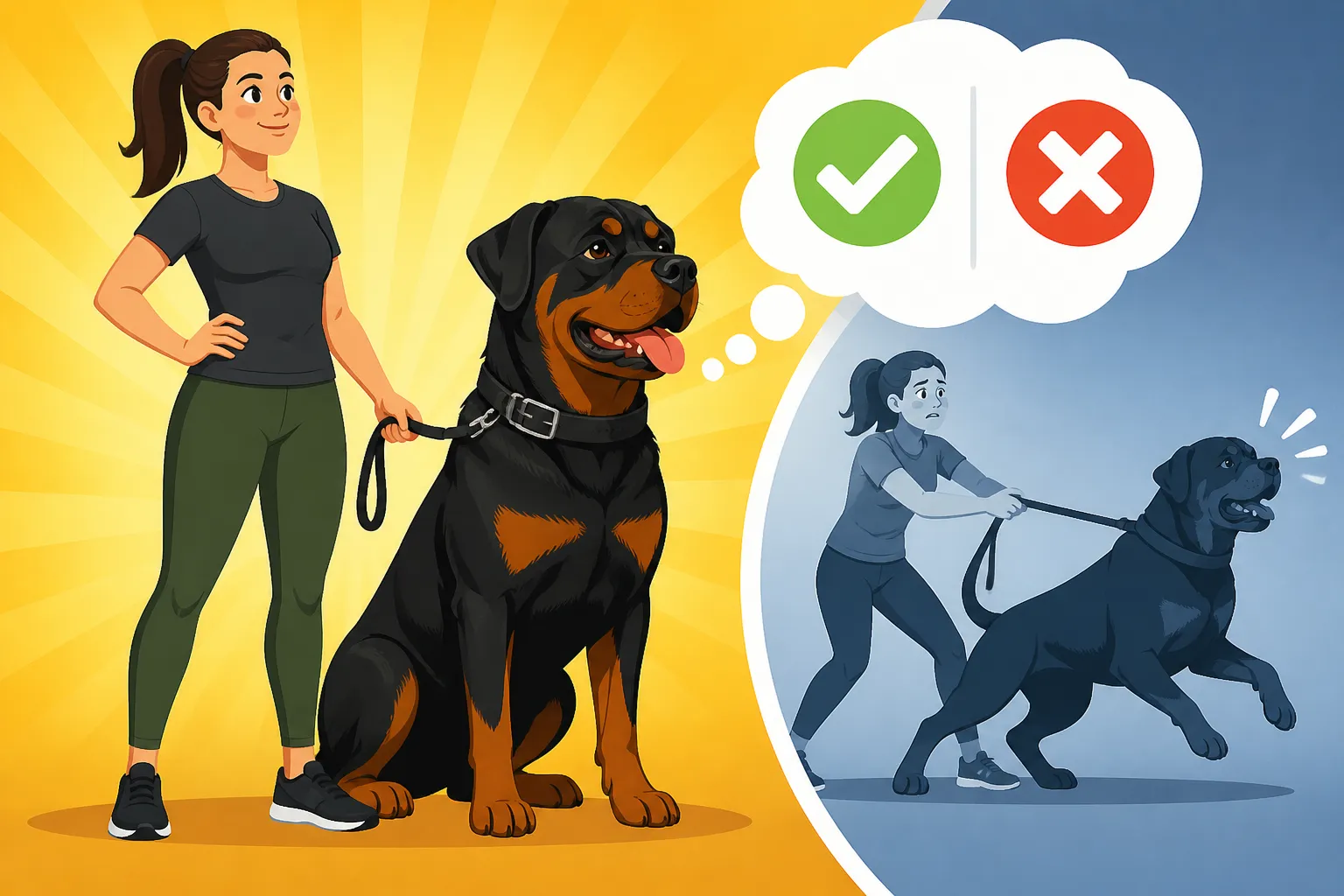
A male Rottweiler can easily weigh 100 to 135 pounds, with some females also hitting the higher end of that range, often between 80 to 100 pounds. Imagine that weight, concentrated into a powerful, athletic body. When a dog of that size decides to pull on the leash, chase a squirrel, or suddenly lunge, it's a force to be reckoned with. Even if you're a strong person, 120 pounds of pure canine muscle can be incredibly difficult to control with brute strength alone. This isn't just about walks; it's about any interaction where their full body weight comes into play. They can bump into you, jump up in excitement, or lean against you with surprising force. Their lower center of gravity and powerful hindquarters mean they can brace themselves against a pull with incredible leverage, making even a well-intentioned tug-of-war on the leash feel like a losing battle. The frustration of feeling utterly helpless against your own dog's strength is a real and common experience, but it's one that can be largely mitigated with the right tools and training. For instance, a sudden yank can throw a smaller person off balance or even cause a fall, which is why prevention is always better than reaction.
The Rapid Growth of a Rottweiler Puppy
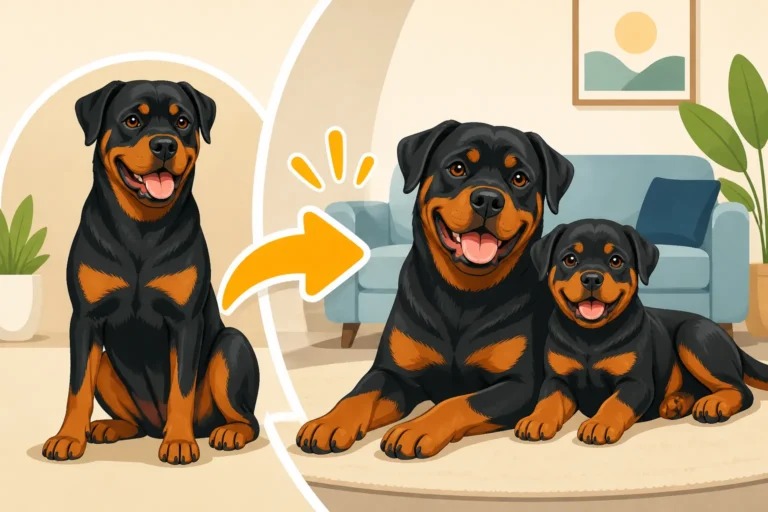
One of the biggest challenges, often underestimated, is how quickly Rottweiler puppies grow. They don't stay little bundles of fluff for long! By six months, a Rottweiler puppy can already weigh 60-70 pounds or more and be nearly adult height. This means that the window for establishing good manners and basic obedience, especially on a leash, is quite short. You can't wait until they're fully grown to start training; by then, the habits are set, and the physical challenge has amplified. Why Rottweiler Training Cannot Wait Until Six Months is a topic we discuss often, precisely because of this rapid growth. What might be a cute little tug at 12 weeks becomes a full-body pull at 6 months and a potential injury risk at a year. It's crucial to understand that their bones and joints are still developing during this rapid growth phase, so while they're gaining size, you also need to be mindful of Rottweiler Growth Plates and Why They Close So Late, avoiding high-impact activities that could cause long-term damage. This means that even as they gain mass, their physical structure is still vulnerable, demanding a careful balance of controlled exercise and diligent training.
Unintentional Force and Body Language
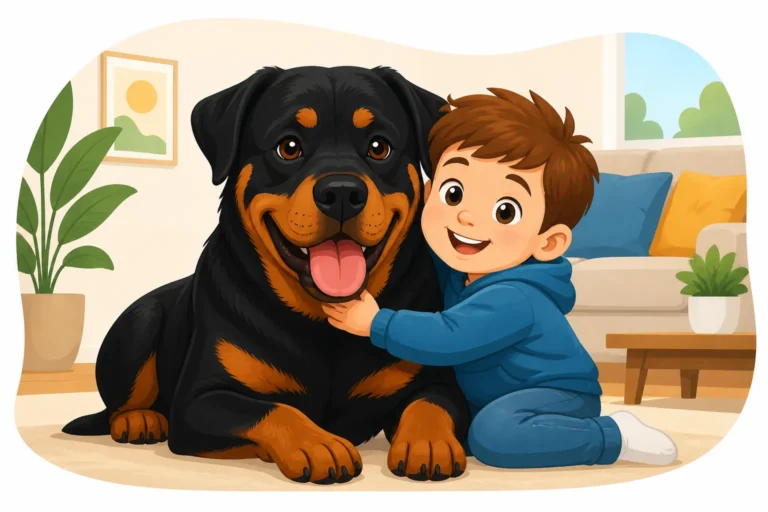
Rottweilers are known for their affectionate nature with their families, often expressing it through leaning, nudging, or "hugging." While incredibly endearing, a 100-pound dog leaning its entire body weight into you can be enough to knock a smaller person off balance. It's their natural way of showing affection and asserting closeness, but it does highlight their substantial physical presence. Similarly, a happy tail wag can clear a coffee table in a single sweep, and a sudden lunge for a dropped treat can be surprisingly forceful. It’s not aggression; it’s simply physics at work. Understanding these physical nuances and anticipating them can help prevent accidental bumps or minor injuries. Even simple actions like getting on and off the couch or greeting you at the door require managing that weight. A Rottweiler That Leans Its Weight Into You covers how this common Rottweiler behavior can feel to owners of all sizes, and why it's a sign of trust rather than dominance.
Training and Temperament: The True Pillars of Control
While physical strength is a factor, it is far from the most important one. The true ability to "handle" a Rottweiler comes from consistent, knowledgeable training and an understanding of their inherent temperament. This is where size truly takes a backseat.
The Absolute Necessity of Early and Consistent Training
Training isn't just a suggestion for a Rottweiler; it's an absolute requirement. For smaller individuals, it's doubly important because you cannot rely on sheer physical dominance. Instead, you build control through communication, trust, and clear boundaries. This means:
- Loose Leash Walking: This is foundational. A Rottweiler that pulls constantly will quickly wear down any owner, regardless of size. Investing time in teaching them to walk politely beside you, using positive reinforcement, is invaluable. Remember, it's about teaching them what to do, not just punishing what you don't want. We want them to understand that walking nicely gets them to their destination faster and more comfortably for everyone. This becomes critical as they reach their full adult weight, as discussed in Rottweiler Leash Pulling at Adult Weight.
- Reliable Recall: Being able to call your Rottweiler back to you, especially off-leash in safe, designated areas, is a non-negotiable safety measure. It builds their responsiveness and your confidence.
- Impulse Control: Teaching "leave it," "stay," and "wait" are vital. This helps manage their instincts around distractions like other dogs, people, or tempting smells. A dog that can control its impulses is far easier to manage than one that acts on every whim.
- Socialization: Proper socialization from a young age helps ensure your Rottweiler is confident, well-adjusted, and less likely to react negatively to new situations, people, or other animals. This is detailed in Socializing a Rottweiler Puppy Properly. A dog that is fearful or overly reactive can be incredibly difficult for anyone to manage, and even more so for a smaller individual.
The key is consistency. A Rottweiler thrives on routine and clear expectations. Every interaction, from feeding to playtime, is an opportunity for training and reinforcing your role as a consistent, fair leader.
Cultivating a Calm and Confident Temperament
Rottweilers, by standard, should possess a calm, confident, and self-assured temperament. They are not meant to be hyperactive or flighty. A well-bred, well-socialized Rottweiler will often exhibit a "wait and see" attitude towards strangers, observing before engaging. This inherent calmness is a huge advantage.
- Breeding Matters: Choosing a puppy from reputable breeders who prioritize sound temperament is crucial. Good breeders will often have started early socialization and handled their puppies extensively, setting them up for success. They understand that The Five Clearances a Rottweiler Breeder Must Have extend beyond physical health to stable minds.
- Building Confidence, Not Aggression: Your goal should be to foster a confident, well-adjusted dog, not one that is constantly on edge or encouraged to be aggressive. A calm dog is predictable, and predictability is what allows a smaller person to manage a large animal effectively.
- Reading Their Cues: Learning your dog's body language is critical. Understanding when they are relaxed, alert, or potentially stressed allows you to intervene before a situation escalates, relying on your knowledge rather than physical intervention. Reading a Still Rottweiler That Is Not Relaxed is a great resource for understanding subtle signals.
This calm confidence, combined with solid training, means you are managing a thinking partner, not just a brute force.
Building Mutual Respect and Trust
The relationship you build with your Rottweiler is based on mutual respect and trust. It's not about being bigger or louder; it's about being a consistent, fair, and reliable leader. Your dog learns to trust your judgment and respond to your cues because you have built that bond.
- Positive Reinforcement: Using positive reinforcement methods strengthens your bond and makes training enjoyable for both of you. Your Rottweiler learns that listening to you results in good things, making them eager to comply.
- Clear Communication: Dogs thrive on clear, unambiguous communication. Use consistent commands, hand signals, and body language so your Rottweiler always understands what you're asking.
- Consistency is Key: Every member of the household needs to be on the same page regarding rules and commands. Inconsistency confuses your dog and undermines your leadership. If one person allows jumping and another punishes it, the dog won't know what to do. This consistency builds the foundation of trust, where your Rottweiler looks to you for direction, not just physically but mentally.
When your Rottweiler respects and trusts you, they are far more likely to respond to your verbal cues and subtle body language, making physical size less relevant in day-to-day management.
Practical Strategies and Tools for Smaller Owners
Beyond training, there are many practical strategies and tools that can empower a smaller person to confidently handle a Rottweiler. These are not crutches, but smart aids that leverage technology and understanding over sheer physical power.
Gear and Equipment Choices
The right equipment can make a world of difference in managing a large, powerful dog. Forget the notion that you need to overpower your dog; instead, choose tools that help you communicate and redirect them effectively.
- Harnesses: Not all harnesses are created equal. A well-fitting, front-clip harness can be incredibly effective at reducing pulling. When the leash is attached to the front, any pull causes the dog to turn back towards you, making it uncomfortable for them to continue forging ahead. Brands like PetSafe Easy Walk or Blue-9 Balance Harness are popular choices. For overall comfort and fit for large breeds, Chewy offers a wide selection of harnesses designed for Rottweiler size and strength.
- Head Halters: Also known as head collars (like a Halti or Gentle Leader), these devices give you control over the dog's head, and where the head goes, the body follows. They require proper introduction and conditioning, but they can be a game-changer for severe pullers. They're gentle but offer immense control, making them perfect for situations where you need maximum steering ability. Whether a Head Halter Suits a Rottweiler goes into detail on how these tools work.
- Sturdy Leashes: Invest in a strong, comfortable leash that won't snap under pressure. A comfortable grip for you is also important to prevent hand fatigue. Avoid thin, retractable leashes, which offer little control and can be dangerous with a powerful dog.
- Long Lines: For safe, supervised off-leash practice in open areas, a long line (20-30 feet) allows your dog freedom to explore while still giving you the ability to intervene if needed. This is great for practicing recall in a controlled environment. The Long Line Strength a Rottweiler Needs is a vital consideration, as a cheap line won't hold up.
Remember, equipment is a tool, not a substitute for training. Always introduce new gear positively and ensure it fits correctly to prevent discomfort or injury to your dog.
Leveraging Professional Help and Resources
There's no shame in seeking professional guidance, especially with a powerful breed like a Rottweiler. In fact, it's a sign of responsible ownership.
- Certified Professional Dog Trainers: Look for trainers who use positive, force-free methods and have experience with large working breeds. They can teach you techniques for leash handling, impulse control, and problem-solving that don't rely on physical strength. Group classes offer socialization opportunities, while private lessons can address specific challenges. Finding a good trainer is key, and Finding a Rottweiler-Experienced Trainer Near You is a great place to start your search.
- Behaviorists: If you encounter significant behavioral challenges that go beyond basic obedience, a certified veterinary behaviorist or applied animal behaviorist can provide expert diagnosis and a tailored behavior modification plan.
- Online Resources and Communities: Many reputable online forums, websites, and social media groups are dedicated to Rottweilers. These can be invaluable for sharing experiences, asking questions, and getting advice from seasoned owners and trainers.
The goal is to equip you with the knowledge and skills, so you feel confident and capable in managing your dog.
Managing Public Perceptions and Safety
Unfortunately, Rottweilers often face misconceptions due to their imposing appearance and past reputation. As a smaller owner, you might encounter additional scrutiny or apprehension from others. Being proactive and responsible is key.
- Be an Advocate for Your Dog: A well-behaved Rottweiler is the best ambassador for the breed. Your dog's calm demeanor and your confident handling can help change minds.
- Situational Awareness: Always be aware of your surroundings, especially in public. If you see another dog or person who looks nervous, give them a wide berth. Crossing the street or creating distance is a simple way to prevent potential issues.
- Responsible Handling: Always keep your Rottweiler leashed in public. Consider carrying high-value treats to easily redirect their attention if needed. If you know your dog struggles with certain triggers, avoid those situations until you've worked through them in training. Walking a Rottweiler Safely as a Smaller Person emphasizes the importance of these considerations.
- Training Proof: Having your Rottweiler achieve a Canine Good Citizen (CGC) title can be a fantastic way to demonstrate their good manners and your responsible ownership, which can sometimes help with public perception and even certain insurance policies.
By being mindful and proactive, you can ensure safe and enjoyable outings for both you and your Rottweiler, while also fostering a positive image of the breed.
Lifestyle and Living Considerations
Owning a Rottweiler, regardless of your size, means adapting your lifestyle to meet their needs. For smaller individuals, some adaptations might become even more important for ease and safety.
Thoughtful Exercise Management
Rottweilers are powerful dogs, but they don't necessarily require endless hours of high-impact running. Their exercise needs are significant but can be managed creatively.
- Quality over Quantity: Focus on structured walks, mental stimulation, and play. A long, sniffy walk where they can explore scents is often more enriching than a quick jog around the block. How Far an Adult Rottweiler Should Walk is often less about distance and more about engagement.
- Low-Impact Activities: Swimming is an excellent low-impact exercise that builds muscle without stressing joints. Fetch in a securely fenced yard can burn energy effectively.
- Mental Stimulation: Rottweilers are intelligent and thrive on mental challenges. Puzzle toys, training sessions, and scent work can tire them out just as much, if not more, than physical exercise. Look for durable puzzle feeders and interactive toys on Chewy that can stand up to a powerful Rottweiler jaw. Rottweiler Enrichment Beyond Walks offers many ideas for this.
- Avoid Over-Exercising Puppies: Until their growth plates close, usually around 18-24 months, limit strenuous, repetitive activities like long jogs or jumping. A Growing Rottweiler's Joints and Overexercise is a critical read for new owners.
The goal is a well-exercised, mentally satisfied dog, which is a calmer and more manageable dog for any owner.
Home Environment Adaptations
Making small changes around your home can greatly enhance both your and your Rottweiler's comfort and safety.
- Ramps and Steps: For cars or even high beds/couches, ramps or sturdy steps can help your Rottweiler get in and out without putting strain on their joints (or on your back if you try to lift them!). This is especially important for Senior Rottweiler Mobility Decline.
- Elevated Feeders: While the science on bloat prevention for elevated bowls is debated, some owners find them more comfortable for their large dogs, especially those with neck or joint issues. Again, Chewy offers many options.
- Durable Beds: Invest in a high-quality, orthopedic dog bed that can support your Rottweiler's weight and provide comfort, especially as they age. A well-rested dog is often a happier, calmer dog.
- Secure Fencing: A robust, secure fence is non-negotiable for a Rottweiler, providing a safe space for them to play and explore without wandering or causing concern for neighbors.
These adaptations don't just benefit you; they contribute significantly to your Rottweiler's health and well-being throughout their life.
Building a Support Network
Even the most dedicated owner needs help sometimes. Having a reliable support network is invaluable, especially for a large breed.
- Emergency Contacts: Ensure friends, family, or trusted neighbors know how to care for your Rottweiler in an emergency.
- Professional Pet Care: Research reliable dog walkers, pet sitters, or boarding kennels that have experience with large breeds and your Rottweiler's specific needs. Not all facilities are equipped or willing to handle Rottweilers, so plan ahead.
- Veterinary Care: Establish a good relationship with a vet clinic that is experienced with large breeds. Regular check-ups are vital for preventing issues and catching them early, and a good vet can offer advice on diet, exercise, and overall health. Don't forget the importance of Emergency Vet Bills a Rottweiler Owner Should Expect and planning for potential large expenses.
Ultimately, owning a Rottweiler as a smaller person is absolutely achievable. It requires dedication, education, and a commitment to consistent training, but the rewards of sharing your life with these loyal, intelligent, and affectionate dogs are immeasurable. It's about working smarter, not harder, and building a partnership based on understanding and respect.
| Factor | Less Important for Managing a Rottweiler | More Important for Managing a Rottweiler |
|---|---|---|
| Owner's Size | Pure physical stature | Consistent training and handling skills |
| Control Basis | Brute force and intimidation | Mutual trust and clear communication |
| Training Style | Punitive methods | Positive reinforcement and rewards |
| Equipment | Standard leash and collar | Front-clip harness, head halter, sturdy leash |
| Dog's Nature | Hyperactivity and reactivity | Calm confidence and stable temperament |
| Problem Solving | Reacting to problems as they arise | Proactive training and prevention |
| Socialization | Isolated living | Early exposure to varied environments |
Disclaimer
This article is for general informational purposes only and does not constitute professional advice. Laws, prices and regulations vary by location and change over time. Consult a qualified professional for guidance on your specific situation.