A Rottweiler That Leans Its Weight Into You
Few things are quite as uniquely "Rottweiler" as that moment when your big, powerful dog leans into you. It's not a gentle nudge; it's a full-body weight transfer that can pin you to the wall or send you stumbling if you're not ready. This guide will dive deep into why your Rottweiler might be doing this, what it means for your bond, and how to gently manage this affectionate (but sometimes overwhelming) behavior.
The Deep Roots of the Rottweiler Lean: Why They Do It
When a hundred-pound Rottweiler decides to become one with your leg, it's not always an accident. This distinctive behavior has layers, rooted in their history, their physical makeup, and their profound connection to their people. It's less about rudeness and more about a very particular brand of communication.
Ancestral Instincts and Droving History
Think about the Rottweiler's ancestors, the Roman drover dogs that eventually became the butchers' dogs of Rottweil. Their job was to move large, stubborn cattle and protect them. How do you move a several-hundred-pound bull? You use your body. You bump, you block, and you lean into them to direct their movement. This is a subtle but powerful force, a silent command.
That primal instinct isn't entirely lost in our modern companion Rottweilers. While they're not herding cattle in your living room, the impulse to use their body as a form of influence or reassurance remains. When your Rottweiler leans, they might be subtly trying to direct you, to keep you close, or even to establish a physical connection reminiscent of their working past where closeness meant control and safety. It's a deeply ingrained behavioral echo.
Seeking Affection and Close Contact
Despite their sometimes serious and imposing demeanor, Rottweilers are incredibly affectionate dogs with their chosen family. They thrive on closeness and often express their love in physical ways. For a dog that can't exactly cuddle up in your lap like a chihuahua, leaning is their ultimate expression of full-body affection.
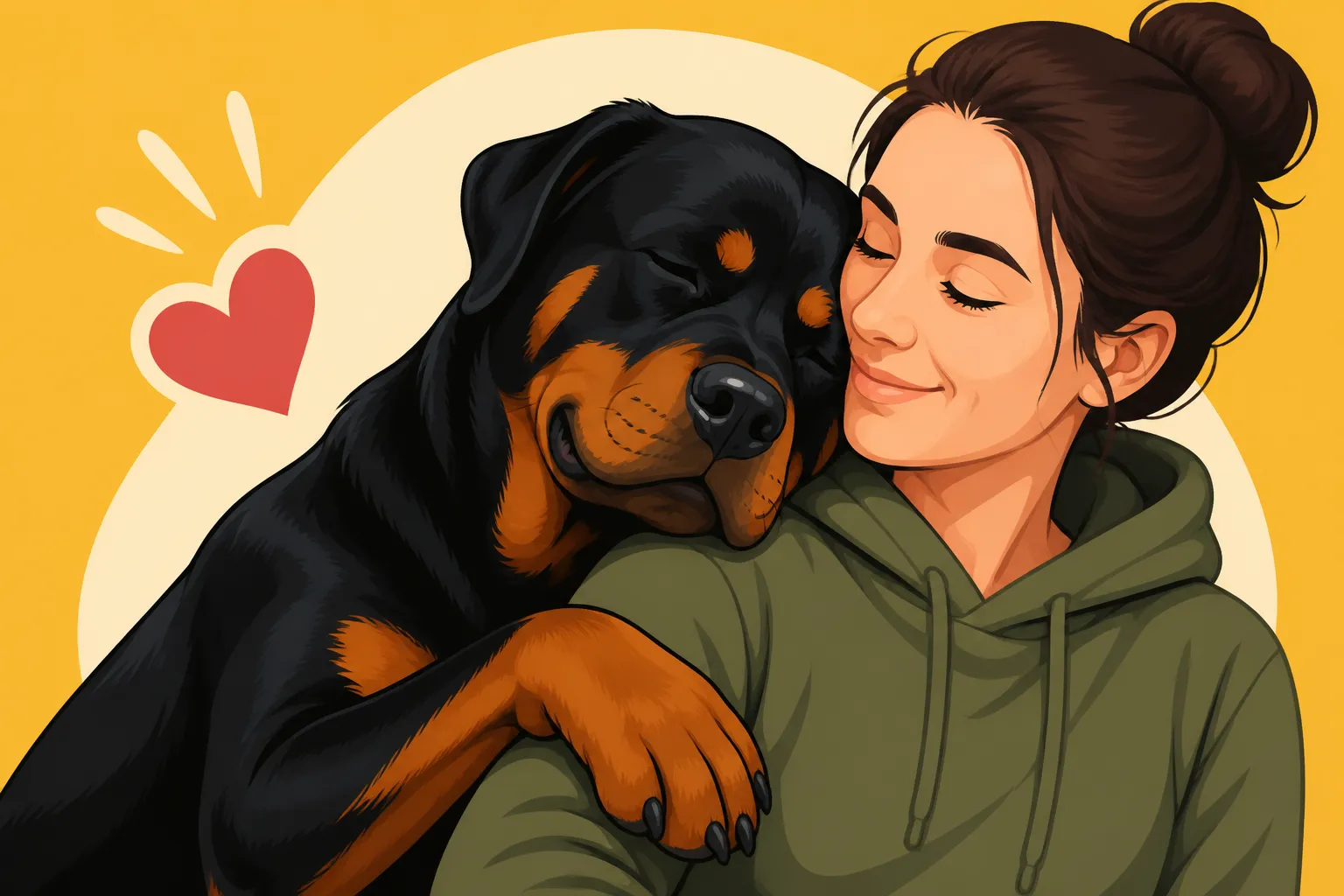
When your Rottweiler leans, they are often simply craving touch and physical reassurance. It’s their way of saying, "You're my person, and I want to be as close to you as possible." This is especially true after a long day, or when they feel a little insecure or unsure in a new environment. That lean is a big, physical hug, a deep sigh of contentment that wraps you both in their presence.
Building a Sense of Security and Trust
For a Rottweiler, leaning can also be a profound sign of trust and a way to seek security. Imagine standing in a new, slightly overwhelming place. Your Rottweiler might lean against you, essentially using you as an anchor. This isn't weakness; it's a demonstration of their reliance on you as their leader and protector.
They are putting their full faith (and weight!) in you, communicating that they feel safest and most comfortable when physically connected to you. It's a subtle way of affirming their place within the pack, with you at its core. This deep trust is one of the most rewarding aspects of owning such a powerful breed, showcasing their sensitive side beneath that strong exterior.
Understanding the Nuances: What Your Rottweiler's Lean is Telling You
Not all leans are created equal. The context, the dog's body language, and even your own reaction can shift the meaning of your Rottweiler's lean. Learning to read these subtle cues will deepen your understanding of your dog's needs and feelings.
The Affectionate, Confident Lean
This is the classic Rottweiler lean – the one that makes your heart melt. It often happens when you're standing still, perhaps chatting with someone, or just relaxing. Your Rottweiler will slowly, deliberately, press their entire side against your legs, often with a soft gaze or a relaxed tail (if they have one). Their body will be loose, not stiff, and they'll likely melt into your petting.
This lean is pure affection and comfort. It signals that they are utterly content, secure in your presence, and simply want to be as close as possible. It's their way of claiming you, not aggressively, but with deep devotion. This is the lean you cherish, the silent affirmation of your bond, and it’s a wonderful example of Why a Rottweiler Leans on the People It Trusts.
The Anxious or Overwhelmed Lean
Sometimes, a lean isn't just about love; it's about needing reassurance. In new or slightly stimulating environments – a bustling park, a vet's office, or during a thunderstorm – your Rottweiler might lean into you with more urgency. Their body might be a little stiffer, their ears slightly back, or their tail tucked. They might even glance up at you, seeking direction.
In these moments, the lean is a request for comfort and protection. Your Rottweiler is feeling a bit overwhelmed and is looking to you for stability. They're saying, "I'm not sure about this, please tell me it's okay." Responding with calm, gentle pets and a reassuring voice can help them feel safe. This type of lean is a good reminder that even big, tough-looking dogs can have moments of insecurity and need their person to be their rock.
The Lean as a Subtle Cue or Demand
Occasionally, the lean can be a more active form of communication, a subtle cue for something they want. Perhaps you're standing near the treat cupboard, or you've just picked up their leash. They might lean into you to encourage you to move in a particular direction or to initiate an activity. This isn't necessarily a bad thing, but it's important to be aware of.
If the lean consistently happens when they want something specific, and it feels more like a push than a snuggle, you might be dealing with a mild form of Rottweiler Leaning and Body Blocking. They're using their impressive physicality to influence your behavior. While endearing, you'll want to ensure you're still in charge of the interaction, rather than them subtly manipulating you with their weight. A quick check of their body language will tell you if it's a polite request or a more insistent nudge.
Managing the Lean: When Affection Becomes Overwhelming
While the Rottweiler lean is often charming, a powerful dog leaning into you can become genuinely overwhelming, especially for smaller individuals, children, or elderly family members. It can also be problematic if it happens on a busy street or in a crowded area. The goal isn't to stop the affection, but to teach them appropriate ways to express it.
Teaching a "No Lean" or "Off" Cue
Just as you teach a "sit" or "stay," you can teach a "no lean" or "off" command. The key is consistency and positive reinforcement. When your Rottweiler leans into you too heavily, or at an inappropriate time, gently push them away while calmly saying your chosen cue. As soon as they take a step back and their weight is off you, reward them with praise or a small treat.
It might take many repetitions, but your Rottweiler will start to understand that "off" means to remove their weight from you. You can practice this in calm environments first, then gradually introduce it in more stimulating situations. The goal isn't to punish the lean, but to redirect it and teach an alternative, more appropriate behavior. This is part of general good manners, much like Rottweiler Leash Manners at a Hundred Pounds.
Redirecting Physical Affection
Instead of letting your Rottweiler lean directly on you, you can redirect their desire for physical closeness. When you see them winding up for a big lean, or if they start to initiate one, immediately ask them for an alternative behavior that still allows for contact. A "sit" or a "down" beside you, followed by a rewarding scratch behind the ears or a gentle rub on the chest, can be very effective.
You can also offer them a dedicated spot for their affection, like a dog bed or a mat next to you, and reward them for settling there. This teaches them that closeness is welcome, but on your terms and in a way that is comfortable for everyone. For those seeking structured guidance, online programs like those from BAXTER & Bella can offer modules on managing pushy behaviors and promoting polite greetings. They often emphasize redirecting energy into desired actions.
Considering the Environment and Triggers
Pay attention to when and where your Rottweiler tends to lean. If it's consistently in busy areas, it might be an anxiety response. If it's always when you're getting ready to go out, it could be excitement or an attempt to delay you. Understanding these triggers can help you preempt the behavior.
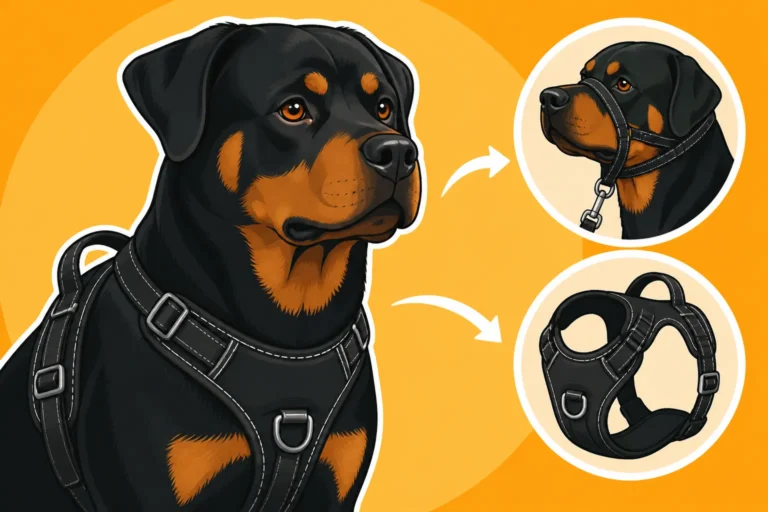
For example, if they lean heavily on walks, consider a front-clip harness or a head halter to give you more control over their body. Amazon has a wide selection of these tools in sizes appropriate for a large Rottweiler. If it's an anxiety lean, work on desensitization to those triggers in a safe, controlled way, reinforcing calm behavior with treats and praise. By being proactive, you can help your Rottweiler feel more secure and less reliant on leaning for comfort or communication.
| Type of Lean | Common Context | Dog's Body Language | Suggested Response |
|---|---|---|---|
| Affectionate | Calm, relaxed moments at home, with familiar people | Loose body, soft eyes, relaxed tail | Return affection, gentle petting, praise |
| Anxious/Seeking Comfort | New places, loud noises, perceived threats, vet visits | Stiff body, ears back, glancing at you, tail tucked | Calm reassurance, gentle pets, quiet voice, lead away from trigger |
| Demanding/Cue | Near food, leash, door, or when they want attention | Focused gaze on target (e.g., treat), body pushy, slightly insistent | Redirect to a polite sit/down, then reward; or use "Off" cue |
Encouraging Positive Connection and Communication
Your Rottweiler's lean, at its heart, is a desire for connection. By understanding it and providing clear, consistent guidance, you can maintain that deep bond while ensuring everyone's comfort and safety. It's about teaching them to speak your language, not just theirs.
Consistent Training and Reinforcement
The foundation of managing any Rottweiler behavior, including leaning, is consistent training. Start early with your Rottweiler puppy, teaching them polite greetings and boundaries. If you have a young pup, remember that Rottweiler Puppy Training Through the First Year is crucial for establishing these habits before they're fully grown. Reward them for standing politely, sitting patiently, or even just offering a calm "check-in" glance instead of a full-body lean.
Every interaction is a training opportunity. When your Rottweiler approaches you for attention, ask for a "sit" before you offer pets. This teaches them that calm, polite behavior earns them what they want. It’s not about suppressing their natural affectionate nature, but shaping it into manners that fit into your household and the larger world.
Respecting Their Space and Teaching Yours
Just as you are teaching your Rottweiler to respect your personal space, ensure you are also respecting theirs. Don't crowd them when they're resting or eating. This fosters mutual respect and reduces any potential anxiety that might lead to an anxious lean. A Rottweiler who feels secure in their own space is often less inclined to feel the need to lean on you constantly for reassurance.
Teach children and visitors how to interact calmly with your Rottweiler, emphasizing gentle greetings and not allowing them to jump or pull on the dog. A Rottweiler who is routinely pushed or pulled might lean more heavily as a way to brace themselves or assert their presence. Remember, they are always communicating, and sometimes a powerful lean is their way of saying they feel pushed around.
Providing Ample Enrichment and Exercise
Sometimes, excessive leaning, like other forms of attention-seeking or restless behavior, can stem from a lack of sufficient physical and mental exercise. A bored Rottweiler, especially one with a strong working drive, will find ways to occupy themselves, and leaning can be one of those ways. Ensure your Rottweiler is getting enough appropriate exercise. This doesn't mean forced runs while their Rottweiler Growth Plates Closing at Eighteen to Twenty-Four Months are still developing, but consistent, engaging walks, playtime, and mental stimulation.
Think about incorporating puzzle feeders, scent work, or even simple Rottweiler Impulse Control Games into their daily routine. A dog whose needs are met physically and mentally is generally a calmer, more balanced companion, and less likely to rely on an insistent lean to get your attention or express their state of mind. A happy, fulfilled Rottweiler expresses affection in many ways, not just by pushing you over.
Disclaimer
This article is for general informational purposes only and does not constitute professional advice. Laws, prices and regulations vary by location and change over time. Consult a qualified professional for guidance on your specific situation.