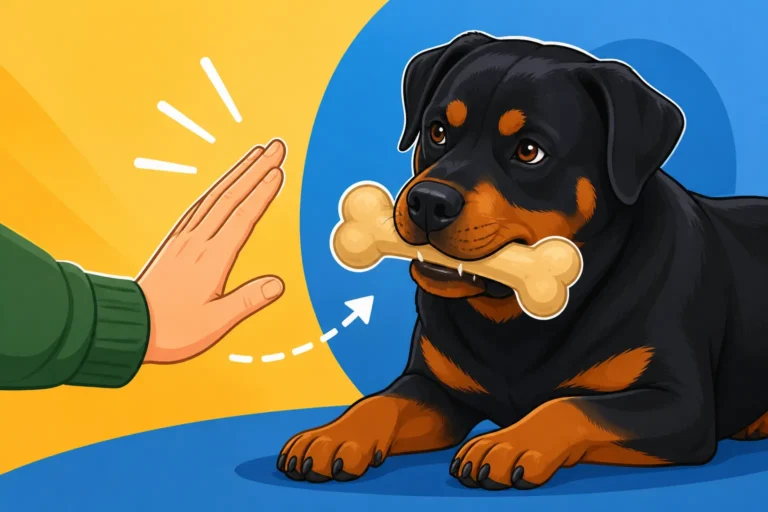
Rottweiler Enrichment Beyond Walks
It's a common misconception that a big dog like a Rottweiler just needs a good long walk to be happy. While those powerful muscles certainly benefit from physical exercise, many owners find themselves scratching their heads when their Rottweiler starts acting out, even after a brisk stroll. The truth is, Rottweilers are intelligent, thinking dogs bred for jobs that required much more than just moving their legs. This guide will walk you through why mental enrichment is just as vital as physical activity and how to provide it for your Rottweiler, ensuring a happier, more well-behaved companion.
The Pitfalls of a Walk-Only Routine for Rottweilers
When we think of a happy dog, we often picture them running freely, playing fetch, or trotting along beside us on a leash. And don't get me wrong, those things are incredibly important for a Rottweiler's physical health! But many well-meaning owners stop there, thinking that once the physical exertion is done, their Rottie's needs are met. This can lead to a host of frustrations for both dog and owner, because a tired body isn't always a tired mind.
Why Physical Exercise Isn't Always Enough
Rottweilers, deep down, are problem-solvers. They hail from a lineage of Roman drover dogs, later becoming the "Butcher's Dogs" in Rottweil, Germany. Their original jobs involved herding cattle, guarding money pouches, and pulling carts—all tasks that required intelligence, vigilance, and decision-making, not just brute strength. They weren't bred to be couch potatoes or simply endurance runners.
Think about it: a dog that herds cattle needs to understand subtle cues, anticipate movement, and respond strategically. A dog guarding valuable goods needs to discern threats and act appropriately, not just bark indiscriminately. When we only offer physical exercise, we're asking a highly capable mind to essentially turn off. It's like sending a brilliant scholar to a gym class all day and expecting them to be fulfilled. Their minds are still buzzing, looking for an outlet, a challenge. This mental energy, when undirected, often finds less-than-ideal channels. What a Rottweiler Was Actually Bred to Be
Recognizing the Signs of Boredom and Frustration
An under-stimulated Rottweiler can display a range of behaviors that owners might mistakenly attribute to naughtiness or stubbornness. One common sign is destructive chewing. That favorite couch cushion or table leg might suddenly become the most fascinating chew toy because it offers some form of engagement, even if it's the wrong kind. It fills the void of boredom.
You might also notice excessive barking, particularly at things that wouldn't normally warrant such a reaction. It's a way for them to express their pent-up energy and frustration, a plea for something, anything, to happen. Similarly, digging holes in the backyard, even if they have a perfectly comfortable bed inside, can be a symptom. It's a primal, instinctual activity that engages both body and mind in a way a simple walk might not. Conversely, some Rottweilers might become lethargic, withdrawn, or even overly clingy, showing signs of mental fatigue from the lack of stimulating activity rather than physical exhaustion. Pay attention to these cues; they're not just being "bad dogs" – they're communicating a need. Rottweiler Barking and When It Means Something
Engaging the Rottweiler Brain: Types of Enrichment
So, if walks aren't the whole answer, what is? The good news is that mental enrichment can be incredibly varied and fun for both you and your Rottweiler. It taps into their natural instincts and can be surprisingly tiring for them, often more so than physical exercise alone.
Scent Work and Nose Games
Imagine having a superpower like a Rottweiler's nose. They live in a world of scent that we can barely comprehend. Tapping into this incredible ability is a fantastic way to provide mental enrichment. Scent work, sometimes called "nose work," is essentially a canine sport that mimics detection work, but you can do scaled-down versions right at home.
Start simple with a "find it" game. Hide a few high-value treats around a room while your Rottweiler is in a "stay" or another room, then release them with the command "find it!" Watching their nose go to work, methodically sweeping the area, is fascinating. As they get better, you can increase the difficulty by hiding treats in more challenging spots, like under a blanket, behind a door, or even inside a box they need to nudge open. Products like snuffle mats, readily available on platforms like Amazon, are fantastic for this. They turn mealtime into a scavenger hunt, forcing your dog to use their nose to root out kibble hidden within fabric folds. Even scattering their dinner across the yard instead of putting it in a bowl can provide a wonderful scent-based challenge, making them work for every bite.
Puzzle Toys and Interactive Feeders
Another excellent way to engage your Rottweiler's brain is by making them think to get their food or treats. This replicates the hunting and foraging instincts they might otherwise miss out on in a domestic setting. Puzzle toys come in all shapes and sizes, from simple treat-dispensing balls to multi-step brain games.
For a powerful chewer like a Rottweiler, durability is key. Look for toys made from tough rubber or hard plastics. Classic KONG toys, stuffed with peanut butter, yogurt, or wet food and then frozen, can provide a good 30-60 minutes of quiet, focused work. There are also many different brands that offer sliding puzzles where your dog needs to move pieces to reveal hidden compartments. These are fantastic for mental stimulation. Just be sure to supervise initially to ensure your Rottweiler learns how to solve the puzzle rather than trying to brute-force it and potentially destroy the toy. Rottweiler Chew Toys That Survive the Jaw It turns mealtime or treat time into a positive challenge, working their mind and preventing gulping. Puzzle Feeders Built for a Rottweiler
Training Beyond Basic Obedience
Most Rottweiler owners understand the importance of basic obedience like sit, stay, and come, especially with a large, strong dog. But the learning doesn't have to stop there! Continuing with training, especially beyond the fundamentals, offers immense mental enrichment and strengthens the bond between you and your dog.
Consider diving into advanced obedience, where you refine existing commands under distractions or learn more complex sequences. Trick training is another fantastic avenue. Teaching your Rottweiler to "shake a paw," "roll over," or "play dead" isn't just for entertainment; it requires problem-solving, coordination, and focus. Many online platforms and even services like BAXTER & Bella offer structured curricula for trick training, guiding you step-by-step. Beyond tricks, exploring canine sports can be incredibly fulfilling. Rally obedience or competitive obedience classes are excellent for mental engagement, precision, and teamwork. For those Rottweilers with a strong desire to work, even carting or draft work, which taps into their historical purpose of pulling, can be a wonderful, physically and mentally demanding activity. These activities give them a job to do, something their breed was truly meant for. Rottweiler Obedience and Rally Competition Rottweiler Carting and Draft Work
Incorporating Enrichment into Daily Life
Bringing mental enrichment into your Rottweiler's routine doesn't have to mean overhauling your entire schedule or investing in expensive gadgets. It's about being intentional and creative with the time you already have.
Structuring a Balanced Day
The key to effective enrichment is variety and consistency, without overwhelming your dog. Think about balancing physical exercise with mental challenges. For example, your morning routine might start with a brisk walk, but then your Rottweiler's breakfast could be served in a puzzle feeder. In the afternoon, instead of just a second walk, dedicate 10-15 minutes to a short training session, practicing new tricks or refining existing commands.
Rotate toys to keep them novel and exciting. Don't leave all puzzle toys out all the time; bring one out for a set period, then put it away and introduce a different one a few days later. This keeps your Rottweiler guessing and prevents them from becoming bored with their "job." Even short bursts of mental activity are better than none. A five-minute session of hide-and-seek with treats while you're making dinner can make a huge difference to their overall happiness and mental well-being. This structured approach helps prevent boredom from creeping in and allows your Rottweiler to anticipate and enjoy their "work" throughout the day.
DIY Enrichment Ideas on a Budget
You don't need fancy store-bought items to provide great mental stimulation. Your home is full of potential enrichment tools! For instance, take an old towel, lay it flat, scatter some kibble or small treats across it, roll it up tightly, and then tie a loose knot. Your Rottweiler will have a blast trying to unroll and untangle it to get to the treats. This is a fantastic nose and paw exercise.
Cardboard boxes are another treasure. Place a few treats inside a cardboard box, close the flaps (don't tape it shut unless it's very lightly taped for a bigger challenge), and let your Rottweiler figure out how to get the treats out. You can even place smaller boxes inside a larger one, creating a "Russian doll" effect. Just make sure the boxes are free of staples or sharp edges and supervise to ensure they don't ingest large pieces of cardboard. Simple games like "shell game" with three cups and a treat can also be engaging. These low-cost, high-impact activities prove that enrichment is more about creativity than expense. Rottweiler Mental Work on a Rainy Day
Digital and Guided Training Resources
For those looking for more structured guidance or a consistent stream of new ideas, the digital world offers a wealth of resources. Online training programs have become incredibly popular, providing step-by-step tutorials for everything from basic obedience to complex tricks and even canine fitness routines. Services like BAXTER & Bella, for example, offer comprehensive online training systems that can guide you through various stages of your Rottweiler's development, offering ideas for mental games, new commands, and ways to build their confidence and focus.
Beyond full programs, many reputable dog trainers offer individual online classes or workshops focusing specifically on enrichment activities, scent work, or advanced skills. YouTube is also a fantastic free resource, though always vet the trainers and ensure their methods align with positive reinforcement principles. And for sourcing the specific puzzle toys, snuffle mats, or durable chews we've discussed, online retailers like Amazon provide an extensive selection, often with customer reviews that can help you gauge a product's durability for a powerful Rottweiler jaw. These resources can be invaluable for keeping your enrichment routine fresh and challenging.
Tailoring Enrichment to Your Rottweiler's Needs
Just like people, every Rottweiler is an individual. What works for one might not be ideal for another, and their needs will change throughout their lives. It's important to observe your dog and adjust your enrichment strategy accordingly.
Age-Appropriate Enrichment for Puppies and Seniors
A Rottweiler puppy, with their boundless energy and rapidly developing brains, needs consistent, gentle enrichment. However, their physical structure is still maturing. Their growth plates are open, making high-impact activities risky. For puppies, short, frequent training sessions (5-10 minutes each), puzzle feeders that don't involve heavy chewing or jumping, and lots of safe, appropriate chew toys are ideal. Supervised play with other calm, vaccinated puppies in a safe environment helps them learn appropriate social skills without putting undue stress on their developing joints. Remember, their minds need stimulation, but their bodies need protection. Exercise Limits for a Rottweiler Under Six Months
On the other end of the spectrum, senior Rottweilers might have reduced mobility, vision, or hearing. This doesn't mean enrichment stops; it just changes. Scent games become even more important as they rely more on their nose. Softer puzzle toys, gentler training sessions focused on maintaining skills, and warm, comfortable spaces for quiet chewing are perfect. Raised bowls can help ease neck strain during mealtime puzzles. The goal is to keep their minds active and engaged without exacerbating any physical limitations. Senior Rottweiler Mobility Decline
Managing High-Drive vs. Low-Key Rottweilers
Within the Rottweiler breed, you'll find a spectrum of personalities. Some are incredibly high-drive, always ready for the next challenge, constantly seeking something to do. These dogs thrive on more intense and frequent enrichment. They might excel at advanced obedience, protection sports (under expert guidance), or complex multi-step puzzles. They might need a combination of physical and mental tasks to truly feel fulfilled. For these dogs, not enough mental stimulation can quickly lead to problem behaviors like excessive barking, digging, or even self-destructive habits.
Other Rottweilers are naturally more low-key, content with a good nap and a few short, engaging activities each day. They might still enjoy a snuffle mat or a KONG, but an hour-long advanced training session might be too much for them. For these Rotties, quality over quantity is key. A few well-chosen, enjoyable mental tasks interspersed throughout their day will keep them happy without overwhelming them. It’s all about getting to know your dog’s individual temperament and energy levels.
Enrichment for Specific Behavioral Challenges
Enrichment can be a powerful tool in addressing and mitigating common behavioral challenges. For a Rottweiler struggling with Rottweiler Separation Anxiety in the First Month, puzzle toys or a stuffed KONG can provide a positive distraction and a sense of routine during your absence, helping to redirect their focus from anxiety to a task. Similarly, if your Rottweiler is Rottweiler Digging and Yard Damage, offering a dedicated "digging pit" filled with sand and hidden toys can satisfy that instinct in an appropriate way, rather than punishing them for a natural behavior.
For dogs that are overly mouthy or have poor impulse control, enrichment games that require patience and focus, such as "leave it" or waiting for a treat, can be incredibly beneficial. Rottweiler Impulse Control Games By providing appropriate outlets for their instincts and energy, you can often see a significant reduction in unwanted behaviors, leading to a more harmonious household. The goal is to fulfill their inherent needs in a constructive manner, rather than just suppressing the symptoms.
| Enrichment Type | Mental Demand | Physical Demand | Suitability for Rottweilers | Notes |
|---|---|---|---|---|
| Scent Work/Nose Games | High | Low-Medium | Excellent | Taps into natural instincts, very tiring for the brain. Good for all ages, especially seniors. |
| Puzzle Toys | Medium-High | Low | Excellent | Durable options crucial for Rottweiler jaws. Supervising initial use is important. |
| Trick Training | High | Low-Medium | Excellent | Builds bond, confidence, and focus. Can be done indoors. |
| Advanced Obedience | High | Low-Medium | Excellent | Deepens understanding, provides structure, great for high-drive dogs. |
| Chew Toys (Durable) | Medium | Low | Excellent | Satisfies primal urge, reduces stress. Choose size/material carefully for safety. |
| Interactive Fetch | Medium | High | Good | Combines physical with an element of mental (recall, dropping toy). Avoid excessive jumping in puppies. |
| Agility (Modified) | High | High | Good (with caution) | Requires body awareness & problem-solving. Modify for Rottweiler size & joint health, especially when young. |
| Carting/Draft Work | High | High | Excellent | Taps into historical purpose, builds strength and teamwork. Requires specific training & gear. |
| Hide & Seek (Human) | Medium | Medium | Good | Simple, fun, strengthens recall & bond. Can be done indoors or in a fenced yard. |
Disclaimer
This article is for general informational purposes only and does not constitute professional advice. Laws, prices and regulations vary by location and change over time. Consult a qualified professional for guidance on your specific situation.