Whether a Head Halter Suits a Rottweiler
Walking a powerful Rottweiler, especially one still in their enthusiastic, growing stages, can sometimes feel like trying to steer a small horse with a piece of string. Many of us have experienced that frustrating tug-of-war, feeling our shoulders ache and our patience thin as our beloved big dog surges ahead on walks. If you're wondering if a head halter might be the answer to regaining control and making walks enjoyable again, you've come to the right place. This guide will dive deep into how head halters work for a strong breed like the Rottweiler, exploring their benefits, potential challenges, and how to introduce one safely and effectively.
The Challenge of Leash Walking a Rottweiler
Let's be real, a fully grown Rottweiler can easily weigh over a hundred pounds, and even a robust female can be a solid ninety pounds of pure muscle and drive. Managing that kind of power on a walk, especially when they catch sight of a squirrel or another dog, is no small feat. It's not about being a weak handler; it's about physics. And many of us have scars, literal or figurative, from trying to get it right with traditional equipment.
Why Traditional Collars Fall Short for a Rottweiler
Standard flat collars, while perfectly fine for ID tags and light restraint, offer almost zero leverage against a determined Rottweiler. You're essentially trying to control a large, strong animal by its neck, which can be both ineffective and potentially harmful. Imagine trying to stop a charging bull by pulling on its neck fur—it's just not practical or safe. When a Rottweiler pulls on a flat collar, all that pressure concentrates on their throat and windpipe, which can cause discomfort, coughing, or even damage over time. It teaches them nothing about polite leash walking, and often just encourages them to pull harder against the resistance.
Even more restrictive collars, like choke chains or prong collars, come with their own set of ethical and practical dilemmas. While they might provide more "control" through discomfort, they don't teach a dog to walk politely; they simply stop them from pulling out of fear or pain. For a breed as sensitive and intelligent as the Rottweiler, this can damage trust, stifle their natural confidence, and in some cases, even exacerbate reactivity. We want our dogs to walk with us because they choose to, not because they're afraid of the consequences of pulling. The goal is connection and cooperation, not just compliance.
The Physical Demands of Handling a Powerful Dog
Anyone who has walked a large, untrained, or reactive Rottweiler knows the physical toll it can take. A sudden lunge can wrench your shoulder, throw you off balance, or even pull you to the ground. This isn't just uncomfortable; it can lead to serious injuries like rotator cuff tears, back strain, or scraped knees. For smaller individuals, seniors, or those with existing physical limitations, managing a strong Rottweiler on a leash can quickly become impossible, leading to less frequent walks or a reliance on brute force methods. It takes the joy out of what should be a bonding experience.
Beyond the handler's well-being, we also have to consider the dog's comfort. Constant pulling on a traditional collar can strain their neck muscles, put pressure on their larynx, and contribute to general discomfort during walks. It's not a healthy or pleasant way for them to experience the world. We want our dogs to be able to enjoy their sniffaris and explore their environment without the constant tension of a leash battle. For a dog that is still growing, excessive pulling can also put undue stress on their developing structures. Rottweiler Growth Plates and Why They Close So Late means their bones are still quite vulnerable until well into their second year, so gentle handling is paramount.
Understanding How a Head Halter Works for a Rottweiler
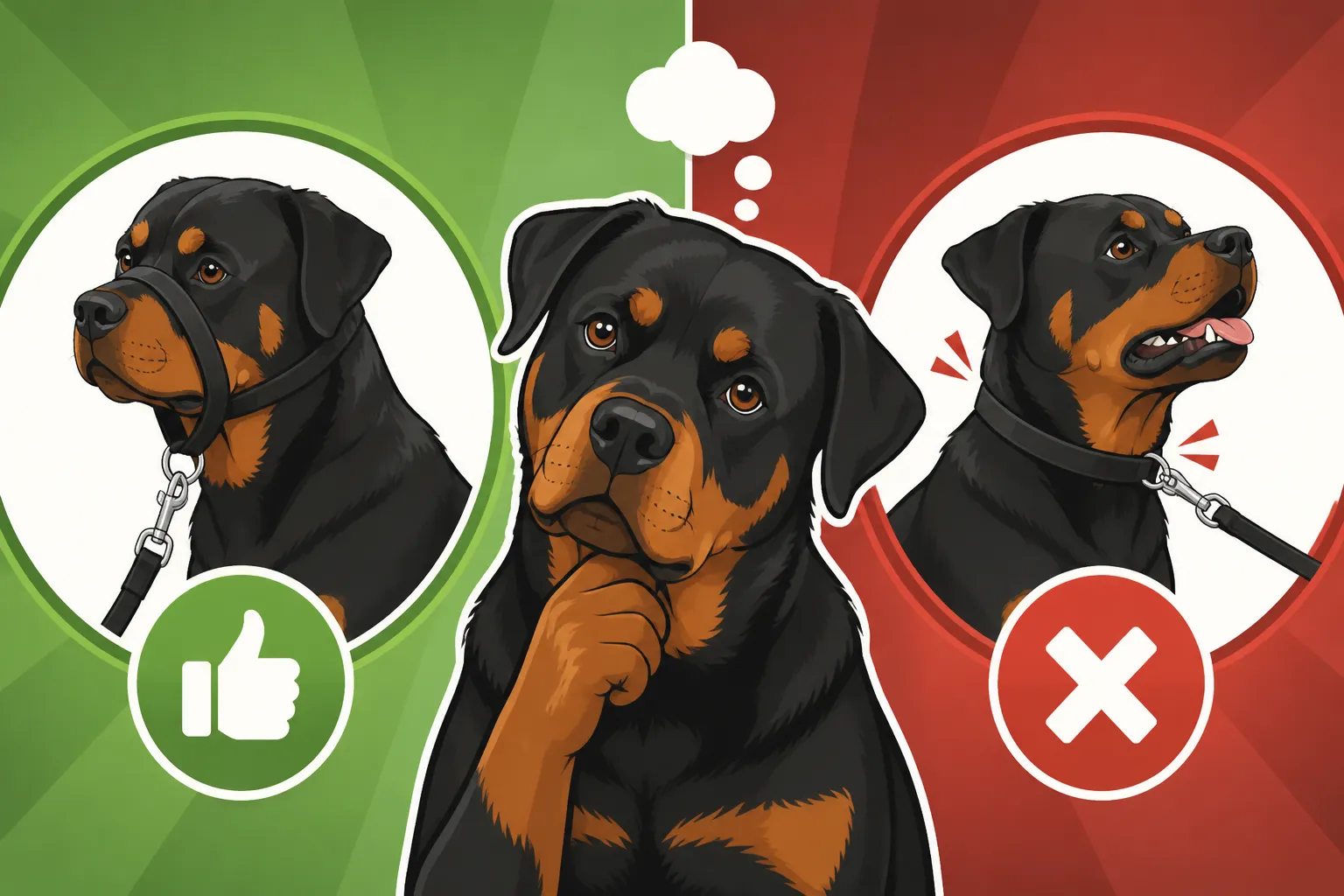
When we talk about head halters, sometimes people immediately picture a muzzle, and that's a common misconception we need to clear up right away. A head halter is a completely different piece of equipment with a distinct purpose, designed to offer gentle guidance rather than restriction.
The Mechanics of Gentle Control
At its core, a head halter (often called a head collar) works by employing the principle of "where the head goes, the body follows." Think about leading a horse. You don't pull on its neck; you use a halter and lead rope attached to its nose. The slightest pressure on the nose strap gently guides the horse's head, and its much larger body naturally reorients to follow. A head halter applies this same elegant principle to your Rottweiler.
It consists of two main straps: one that goes around your dog's muzzle and another that goes behind their ears, similar to a buckle collar. The leash clips to a ring, usually located beneath the chin or slightly to the side on the nose strap. When your Rottweiler pulls forward, the leash connection under the chin or to the side creates a gentle downward and sideways pressure on their muzzle, turning their head slightly. This slight redirection of the head makes it incredibly difficult for them to continue pulling with their full body weight, effectively disengaging their "power steering." It doesn't restrict their ability to open their mouth, pant, or breathe. It simply redirects their focus and body without pain or excessive force.
The Difference from a Muzzle
It's crucial to understand that a head halter is not a muzzle. A muzzle is designed to prevent a dog from opening its mouth wide enough to bite, often used for safety during vet visits, grooming, or in cases of known aggression. While some head halters might look similar to a basket muzzle because they go over the snout, their function is entirely different.
With a properly fitted head halter, your Rottweiler can still fully open their mouth to pant, drink water, take treats, and even bark. The nose strap should sit comfortably without pinching or digging in, allowing for natural jaw movement. The perception that it's a muzzle often causes concern among the public, which is a potential drawback we'll discuss. However, the difference in function is absolute: one is for bite prevention, the other is for gentle, humane leash guidance. We are not aiming to silence or restrict; we are aiming to communicate more clearly and effectively with our large companions.
Pros and Cons of Using a Head Halter on a Rottweiler
Like any training tool, head halters have their strengths and weaknesses. Understanding both sides can help you make an informed decision about whether it's the right choice for you and your Rottweiler.
The Advantages of Head Halter Use
One of the most immediate and impactful benefits of a head halter is the sheer improvement in control. When your hundred-pound Rottweiler decides to drag you down the street towards an interesting smell, a head halter gives you a level of leverage that no flat collar or harness can match. That subtle pressure on the nose redirects their entire body, making it much easier to keep them by your side. This can be especially life-changing for owners who have a hard time physically matching their dog's strength, or for individuals walking multiple dogs. It truly empowers you to guide your dog rather than being pulled by them.
This increased control directly translates into less physical strain on the handler. No more wrenched shoulders or sore arms after a walk! With the head halter, you're using gentle guidance, not brute force. This means walks become more relaxed and enjoyable for both of you. You can focus on enjoying the walk, practicing commands, and bonding with your dog, instead of constantly bracing for the next lunge. For many, it makes the difference between dreading walks and looking forward to them. A properly managed Rottweiler on a head halter can gracefully achieve Rottweiler Leash Manners at a Hundred Pounds with far less effort from the handler.
Head halters can also be an excellent tool for aiding in managing reactivity or sudden lunging. If your Rottweiler gets overly excited or reactive towards other dogs, cyclists, or unfamiliar people, the head halter allows you to quickly and gently turn their head away from the trigger. This breaks their focus and gives you a crucial moment to redirect their attention with a treat or a command, fostering a more positive response over time. It provides a means to interrupt unwanted behavior without harsh corrections. This immediate redirection can be invaluable when working on Rottweiler Reactivity That Starts on Walks.
Finally, for many, it's considered safer and more humane than other harsh methods. Unlike choke chains or prong collars that rely on pain or discomfort, the head halter's mechanism is one of redirection. When used correctly, it causes no physical harm and allows you to communicate with your dog without resorting to punitive measures. It's a tool that supports positive reinforcement training by making it easier to reward desired behaviors, as the head halter facilitates the correct positioning.
Potential Drawbacks and Considerations
While head halters offer many benefits, they aren't without their quirks. The most common issue owners face is initial resistance from the dog. Many dogs, especially Rottweilers who are often quite sensitive about things touching their muzzle, will immediately paw at the nose strap, rub their face on the ground, or try to back out of it. This isn't necessarily because it's painful, but simply because it's a novel and unusual sensation. They may look utterly miserable, but with patience and positive reinforcement, most dogs acclimate.
This leads directly to the need for careful introduction and positive association. You can't just slap a head halter on your Rottweiler and expect them to walk happily. It requires a slow, gradual desensitization process, associating the halter with high-value treats and enjoyable activities. Forcing it on them will only increase their aversion. You'll need to spend time letting them sniff it, touch their nose to it for a treat, then briefly put it on for a treat, slowly building up the duration.
Another significant consideration is public perception. Because head halters can resemble muzzles, people may mistakenly assume your Rottweiler is aggressive or dangerous. You might receive stares, comments, or even have people cross the street to avoid you. While you shouldn't let others' ignorance dictate your training choices, it's something to be aware of and mentally prepared for. It's an unfortunate reality of owning a large breed like a Rottweiler, which already sometimes faces unfair stereotypes.
Finally, there's a risk of neck injury if misused. While designed for gentle control, a sharp, sudden jerk on the leash when using a head halter can still snap a dog's head to the side, potentially causing neck strain or injury. It's essential to use smooth, gentle pressure and never yank or pull hard. The idea is to guide, not to force. Always ensure your leash is short enough to prevent long, forceful swings if your dog suddenly lunges.
| Feature | Flat Collar | Standard Harness | Head Halter |
|---|---|---|---|
| Control | Low (neck pressure) | Moderate (body pull) | High (head redirection) |
| Comfort | High (if not pulling) | High | Moderate (initial adjustment needed) |
| Training Aid | Minimal | Some (front-clip) | High (leverage, redirection) |
| Primary Force | Neck | Chest/Shoulders | Muzzle/Head |
| Dog's Power | Full strength can be applied | Reduced, but still possible | Greatly reduced, easy to redirect |
| Public View | Standard | Standard | Often mistaken for a muzzle |
Choosing the Right Head Halter and Introduction
So, you've weighed the pros and cons and decided a head halter might be a good fit for your Rottweiler. The next steps involve selecting the right one and then, most importantly, introducing it properly.
Key Features to Look for in a Rottweiler Head Halter
When you're dealing with a strong breed like a Rottweiler, durability is key. You'll want a head halter made from durable materials like strong nylon webbing with robust stitching. Look for strong buckles and D-rings that can withstand the power of a Rottweiler. Flimsy hardware won't last long and could lead to a dangerous escape. Many reputable brands offer specific sizing for large and extra-large breeds, so ensure you're getting one designed for a dog of your Rottweiler's stature.
Comfortable padding, especially around the nose and behind the ears, is also critical. These are sensitive areas, and any rubbing or chafing will make your Rottweiler even more reluctant to wear the halter. Look for soft fleece, neoprene, or similar materials that will prevent irritation. Your dog's comfort is paramount for successful acclimation.
Finally, adjustability for a secure, custom fit is non-negotiable. A head halter that's too loose can easily be pawed off or backed out of, while one that's too tight will be uncomfortable and could cause skin irritation. Ensure both the nose loop and the neck strap can be adjusted independently to fit your Rottweiler's unique head shape. Brands like Gentle Leader and Halti are widely available and well-regarded for their design and effectiveness, and you can often find a good selection on platforms like Amazon, allowing you to compare features and sizes easily. Take careful measurements of your Rottweiler's muzzle circumference and neck before ordering.
Step-by-Step Introduction and Acclimation
This is perhaps the most crucial part: do not rush the introduction. A head halter is a foreign object on your dog's sensitive face, and most dogs will resist it at first. The goal is to create a positive association, not a battle. Start with short, positive sessions. Let your Rottweiler sniff the halter, then immediately give them a high-value treat. Repeat this several times.
Next, hold the halter up and offer a treat through the nose loop, so their nose briefly pokes through. Again, repeat this. Gradually, work up to gently slipping the nose loop over their muzzle for just a second or two, immediately followed by a cascade of treats and praise. The moment the halter is on, even briefly, it's party time! Then take it off. Build up the duration very slowly. You want them to associate the halter with good things like yummy treats and positive attention. BAXTER & Bella offers excellent online training resources that emphasize positive reinforcement and could guide you through this desensitization process step-by-step, making it a smoother experience for both of you.
Once they tolerate having the nose loop on for a few seconds, fasten the neck strap. Again, this is followed by treats. Keep these initial sessions very brief – just a minute or two. The moment they stop pawing or rubbing and stand calmly, even for a moment, take it off and reward them. Gradually increase the wear time, associating it with pleasant activities like meals (let them wear it while eating their food!), short play sessions, or even just sitting calmly next to you while you give them ear scratches.
Proper Fitting and Safe Use
A properly fitted head halter should be snug but not tight. The nose loop should rest high on the bridge of the nose, close to the eyes, but not obstructing them. It shouldn't be so loose that it can easily be pulled down over their mouth. The neck strap should sit high on the neck, directly behind the ears, much like a regular buckle collar, with enough room to comfortably fit one or two fingers underneath. It should not be loose enough to slip down around their lower neck.
When using the head halter, always use a smooth, guiding motion. Remember, it’s like power steering, not a brake. Avoid sharp jerks or yanks on the leash. If your Rottweiler starts to pull, a gentle, consistent pressure on the leash to the side, turning their head towards you, is usually all it takes to redirect them. Release the pressure as soon as they comply. Always keep the leash relatively short when using a head halter to prevent them from building up momentum for a hard lunge. This way, if they do try to lunge, the redirection is quick and gentle, rather than a whiplash effect.
Head Halters as Part of a Comprehensive Training Plan
It's tempting to think a head halter is a magic bullet, but it's important to view it as a powerful training tool rather than a complete solution in itself. It buys you time and control to implement effective training.
Beyond the Quick Fix: Training Fundamentals
While a head halter provides immediate physical control, it doesn't instantly teach your Rottweiler good manners. That still comes down to consistent training and positive reinforcement. The head halter simply makes the training process much easier and safer for you. Use the newfound control to reinforce basic obedience commands. When your Rottweiler is calmly walking beside you, reward them generously with treats and praise. Practice "heel," "sit," and "stay" with the halter on, especially in distracting environments. The head halter helps you keep their attention on you, making these commands more effective.
Think of it this way: the head halter gives you the opportunity to show your dog what you do want them to do (walk politely by your side) rather than just preventing what you don't want (pulling). This is also a perfect time to really solidify crucial commands like Rottweiler Recall Training That Holds. The better your dog’s foundation in obedience, the less reliant you'll be on any specific tool over time. Training a Rottweiler is a journey, not a destination, and these foundational skills are what truly ensure a well-behaved companion for life.
Weaning Off the Head Halter (If Desired)
Some owners use head halters permanently because they prefer the level of control it provides. Others view it as a temporary training aid, hoping to eventually transition their Rottweiler to a regular flat collar or a front-clip harness once their leash manners are impeccable. If you're aiming for the latter, the key is a gradual transition.
Once your Rottweiler is consistently walking politely on the head halter in various environments, you can start to incorporate periods of walking on a regular collar or harness during less distracting parts of your walk. For instance, start a walk with the head halter, and once you're past the initial excitement and in a calmer area, switch to a flat collar for a few minutes. If they start to pull, immediately switch back to the head halter. This teaches them that the polite walking behavior is expected regardless of the equipment.
Gradually increase the time spent on the traditional collar, always being ready to switch back if necessary. The ultimate goal is that your Rottweiler understands the expectation of loose-leash walking, not just responds to the physical cues of the head halter. Consistency is everything here. Don't be afraid to revert if your dog's manners slip; it's part of the learning process.
Disclaimer
This article is for general informational purposes only and does not constitute professional advice. Laws, prices and regulations vary by location and change over time. Consult a qualified professional for guidance on your specific situation.