Whether Rottweilers Were Ever True Herding Dogs
It's a common misconception, isn't it? When you look at a magnificent Rottweiler, with that powerful build and serious expression, and you hear tales of their history alongside cattle, it's natural to assume they were herding dogs. But the truth is a little more nuanced, and understanding their actual historical role as "drover dogs" can shed a lot of light on their instincts and behavior even today. This guide is going to dive deep into the Rottweiler's historical job, clarify the differences between droving and herding, and help you understand how those ancient roots influence your Rottie now.
The Historical Roots: More Drover Than Herder
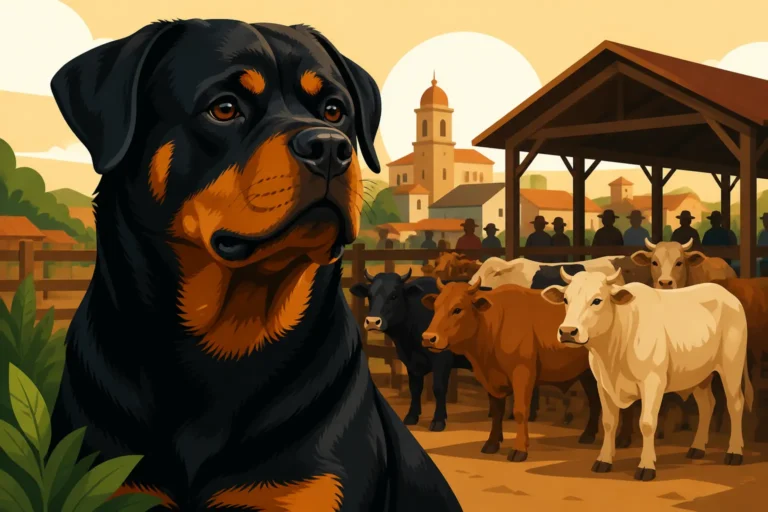
When we talk about the Rottweiler's origins, it’s easy to get lost in the romance of Roman legions and bustling German market towns. While they absolutely worked with cattle, their specific job wasn't what most people envision when they think of a "herding dog" like a Border Collie or an Australian Shepherd. The Rottweiler was, first and foremost, a drover dog, a "Metzgerhund," or butcher's dog, from the German town of Rottweil. This distinction is crucial to understanding their nature.
What a Drover Dog Actually Does
Imagine a time before trains and trucks, when the only way to get livestock from pasture to market, sometimes hundreds of miles away, was by walking them. This was the drover dog's world. Their job wasn't to gather a scattered flock in a field, using intricate patterns and eye contact, but to move a large, sometimes unruly, herd of cattle along roads and trails. They essentially acted as mobile fences, keeping the herd together and on course. This meant blocking, nudging, pushing, and sometimes even biting the heels of stubborn animals to keep them moving forward.
Beyond just moving the animals, these dogs were also the drover's security system. The long journey was fraught with dangers – wild animals, bandits looking to snatch a cow, or rivals trying to steal the drover's hard-earned cash. The Rottweiler was there to protect both the livestock and the drover, acting as a formidable deterrent. Their presence alone was often enough to send potential threats packing. We can trace some of these protective duties back even further, to their likely ancestors with the Roman legions, who used their powerful dogs to move cattle and guard camps. You can learn more about this by reading How Roman Legions Used Their Drover Dogs.
Protecting the Herd and the Pockets
The Rottweiler's job went beyond simply moving cattle; it deeply involved protection. When the drovers and butchers reached the market town of Rottweil, having successfully navigated their herds through challenging terrain, they would sell their cattle and often have large sums of money on them. This made them prime targets for thieves. The Rottweiler's intimidating presence and unwavering loyalty were invaluable here. Tales even say that butchers would tie their money purses around their Rottweilers' necks, trusting their dogs implicitly to guard their earnings as they celebrated in taverns. This wasn't just a physical presence; it was an innate alertness and willingness to defend that defined their role.
This profound protective instinct is a cornerstone of the Rottweiler's historical identity. They weren't just moving property; they were safeguarding livelihood and lives. This is a fundamental difference from a herding dog, whose focus is primarily on manipulating animal movement without necessarily acting as a direct guard against human threats. The German word "Metzgerhund" literally means "butcher's dog," and it truly encapsulates this multifaceted role – a dog that belonged to the butcher, helped him transport his wares, and protected his assets. Their ability to do this tough work, day in and day out, solidified their reputation. To understand more about their day-to-day tasks, consider What a Metzgerhund Did in a Day's Work.
Why the Distinction Matters for Modern Rottweilers
Understanding this historical difference isn't just an interesting historical fact; it’s key to understanding the modern Rottweiler in your home. Their ancient jobs sculpted their instincts, and these instincts are still very much present in today's dogs, sometimes in ways that might surprise a new owner.
Instincts That Persist: Nudging and Blocking
If you've ever owned a Rottweiler, you've probably experienced the "Rottie lean" or felt them gently (or not so gently) body-block you from moving past them. This isn't just a quirky habit; it’s a direct descendant of their droving days. A drover dog had to move large, stubborn cattle, and they did this by using their powerful bodies to nudge, block, and generally direct the cattle where they needed to go. They didn't have the finesse of a Border Collie's "eye" or a Sheltie's quick turns; they used brute force and presence.
So, when your Rottie leans all 100+ pounds into you, it's often an unconscious attempt to "herd" or "contain" you, their most cherished possession, or perhaps direct you towards what they want to do. It's a subtle but powerful way they try to manage their environment and the people within it. They might also stand in doorways, seeming to block passage, or gently push you with their head or shoulder. This behavior, often endearing to owners, comes from their ancestral imperative to keep the herd (or family unit) cohesive and under control. Understanding The Rottweiler Droving Instinct and Bumping can help you interpret these unique behaviors in your own dog.
The Guarding Tendency vs. Herding Drive
The Rottweiler's guarding instinct is profound and deeply ingrained. Unlike a true herding dog that might be instinctively driven to gather and control a flock with intricate movements, a Rottweiler's protective nature is more about establishing a boundary and defending their perceived territory or family unit. They are observers, taking in a situation before deciding whether a response is needed. This is why many Rottweilers are described as aloof; they don't immediately greet every stranger with wagging tails but rather assess the situation with calm confidence.
This guarding tendency can manifest in various ways at home. They might be very watchful of strangers approaching the house, bark at the mail carrier, or even subtly position themselves between you and a perceived threat. This is a far cry from a herding dog's impulse to round up anything that moves. For a Rottweiler, the priority is often defense, not direction. This powerful instinct makes them exceptional guardians, but it also means owners must be incredibly diligent with socialization and training from a young age. Without proper guidance, this natural protective drive can become misdirected. Understanding The Rottweiler Guarding Instinct and How to Shape It is vital for any Rottweiler owner. For instance, a Rottweiler might "guard" a doorway, not out of aggression, but from an instinct to control passage and monitor entries and exits within their home territory. You might find your Rottie planting themselves firmly near the front door or even at the entrance to your bedroom, demonstrating a subtle control of traffic in their space, much like they might have kept cattle contained. This kind of nuanced behavior is a direct echo of their drover past.
Misconceptions and Modern Roles
The blurred lines between "herding" and "droving" have led to many misunderstandings about Rottweilers over the years. Clarifying their historical role helps us appreciate their unique skill set and how they fit into modern society and canine activities.
The 'Cattle Dog' Label Explained
When you hear the term "cattle dog," it's easy to picture a dog nipping at heels and expertly maneuvering a herd, much like an Australian Cattle Dog or a Border Collie would. However, the Rottweiler's historical connection to cattle was different. They were indeed "cattle dogs" in the sense that they worked with cattle, but their method and purpose were distinct. They were the muscle, the security, the moving fence, not the agile, strategic herder. They didn't gather; they drove and protected. This distinction is often lost in casual conversation, leading many to incorrectly assume Rottweilers share the same herding traits as breeds specifically developed for that nuanced work.
It's important to remember that breed labels can be broad. While the Rottweiler helped move cattle, their core behavioral suite is more aligned with guarding and general working tasks than the specialized gathering and controlling seen in true herding breeds. If you're looking for a dog to work sheep on a farm, a Rottweiler probably isn't the best fit. If you're looking for a loyal, protective companion who will be devoted to your family, then their ancestral traits are incredibly valuable.
Modern Canine Sports and the Rottweiler
Today's Rottweilers excel in a variety of canine sports, demonstrating their versatility, intelligence, and powerful build. While some Rottweilers might participate in herding trials, it's not where they typically shine compared to breeds specifically bred for intense herding drive and intricate maneuvers. Their innate droving instincts, which involve more direct pushing and blocking, don't always translate perfectly to the subtle art of gathering and penning livestock in a competitive herding environment. You might find a Rottweiler trying to body-block a sheep rather than circle it precisely, which isn't what the judges are looking for. While participation is possible, it's usually not their strong suit. For more about this, you can look at Rottweiler Herding Trials.
Instead, Rottweilers often excel in obedience, rally, carting (which is a direct nod to their history of pulling butcher carts), and protection sports. Their intelligence, strength, and desire to work make them formidable competitors in these areas. Many Rottweilers also make incredible therapy dogs and service dogs, utilizing their calm demeanor, confidence, and unwavering loyalty to assist humans in various capacities. Their protective instincts, when properly channeled, can also be invaluable in roles such as search and rescue or police work. It's a testament to their adaptable nature that they have moved from ancient droving paths to modern therapy visits. For a broader look at their modern capabilities, refer to Rottweiler Jobs From Police Work to Therapy Visits.
| Feature | Drover Dog (Rottweiler Historical Role) | Herding Dog (e.g., Border Collie, Aussie) |
|---|---|---|
| Primary Function | Move and protect large livestock (cattle) over long distances to market; guard handler and valuables. | Gather, control, and move various livestock (sheep, cattle) within defined areas. |
| Key Instincts | Guarding, blocking, bumping, nudging, driving from behind, escorting, protecting. | Circling, gathering, "the eye" (intense stare), controlling movement from front/sides, fetching. |
| Temperament Towards Livestock | Confident, assertive, physically imposing, willing to use force (nip heels if needed) to keep animals moving. | Agile, intelligent, responsive, uses psychological intimidation (eye) and swift movement to guide animals. |
| Interaction with Humans | Aloof, watchful, protective, loyal to family, slow to accept strangers. | Often highly biddable and keen to work with handler, can be friendly or reserved with strangers depending on breed. |
| Physical Traits | Powerful, substantial, robust build; suited for strength and endurance over distance. | Athletic, often lighter and more agile build; suited for speed, quick turns, and sustained bursts of energy. |
| Modern Manifestations | Leaning, body-blocking, guarding tendencies, strong bond with family. | Tendency to "herd" children or other pets, chase moving objects, high energy needs for mental and physical work. |
Training and Understanding Your Rottweiler's Roots
Recognizing that your Rottweiler descends from drover dogs, not herders, provides an invaluable framework for their training and overall understanding. It helps you anticipate certain behaviors and address them constructively, turning potential challenges into strengths.
Channelling Natural Instincts Positively
Your Rottweiler's natural inclination to guard and to use their body to influence movement can be fantastic assets if channeled correctly. Instead of viewing their "lean" as rude, understand it as a deeply ingrained way of being close and, perhaps, containing you within their protective sphere. This knowledge empowers you to work with their instincts. For instance, structured walks where you practice loose-leash heeling and impulse control can fulfill their desire to "escort" and "be in control" of their environment, but in a way that you dictate. Similarly, providing appropriate guarding outlets, like teaching them to bark on command at the door and then "thanking" them and calling them off, allows them to express their natural protective urges in a safe and controlled manner.
Training should focus on clarity, consistency, and positive reinforcement. Because Rottweilers are so powerful, it is absolutely essential to begin training early, before they literally outweigh you. Training a Rottweiler Before It Outweighs You is not just a suggestion; it's a necessity. Their intelligent minds thrive on having a job to do, whether it's obedience work, carrying a backpack on a hike (imagine them carrying their own Chewy treats!), or engaging in scent work. These activities tap into their drive to be useful and purposeful, stemming directly from their history of being working dogs.
Responsible Ownership and Managing Drive
Responsible ownership of a Rottweiler means being acutely aware of their powerful instincts and proactively managing them. Their protective nature, while a wonderful trait for a family companion, needs careful guidance. Early and ongoing socialization is paramount. This means exposing your Rottweiler puppy to a wide variety of sights, sounds, people, and other dogs in a positive and controlled manner. This helps them learn what is normal and not a threat, preventing their guarding instincts from becoming overactive or misdirected. A well-socialized Rottweiler learns to be discerning, rather than reactive, to new situations. Learn more about the critical period for this in Socializing a Rottweiler Puppy Properly.
Moreover, understanding their droving background can influence how you manage their exercise and daily interactions. They might enjoy games where they "push" a large, sturdy ball around the yard or structured "patrols" of your property (on leash, of course), which satisfies their innate desire to monitor and protect. Always remember that a Rottweiler is a powerful dog with a powerful lineage. Their calm confidence and inherent protectiveness are gifts, but they require a committed owner who understands and respects their history. This approach ensures a well-adjusted, happy Rottweiler who is a beloved and respected member of the family, rather than a misunderstood and potentially problematic one.
Disclaimer
This article is for general informational purposes only and does not constitute professional advice. Laws, prices and regulations vary by location and change over time. Consult a qualified professional for guidance on your specific situation.