Finding a Rottweiler-Experienced Trainer Near You
It's a common and very real frustration: you bring home your magnificent Rottweiler puppy, full of dreams, only to realize that "general puppy classes" don't quite cut it. You need a trainer who understands the unique blend of power, intelligence, and protective instinct that comes with a Rottweiler, someone who truly gets the breed. This guide is here to walk you through how to find that exceptional, Rottweiler-savvy trainer who can help you unlock your dog's full potential and ensure a harmonious life together.
Why a Rottweiler Needs a Specialized Trainer
Let's be honest, a Rottweiler isn't just "any dog." They are powerful, intelligent, and deeply loyal, with a natural guarding instinct that needs to be understood and channeled, not suppressed or accidentally encouraged in the wrong way. A trainer who works primarily with smaller, less driven breeds might not grasp the sheer physical strength or the distinct temperament of a Rottweiler, leading to training methods that are ineffective at best, and potentially detrimental at worst.
The Challenge of Size and Strength
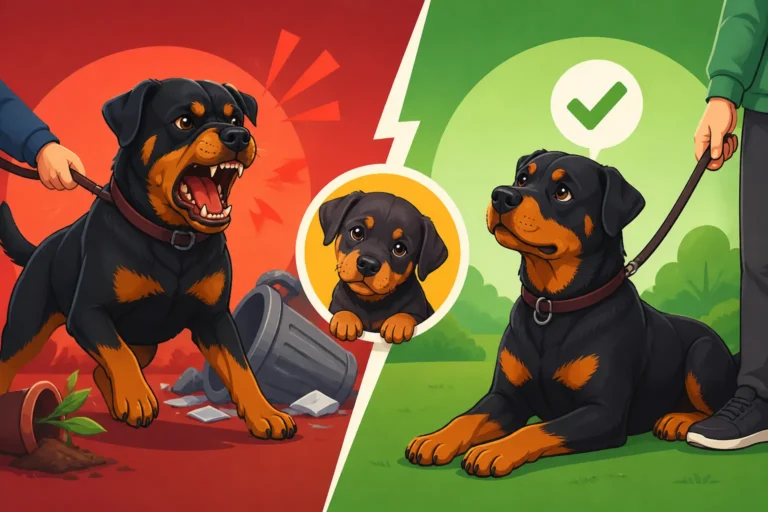
From the moment they're a fluffy, adorable puppy, Rottweilers grow with startling speed. Before you know it, you have a dog that could easily weigh over 100 pounds. This isn't just about muscle; it's about momentum. A trainer who hasn't worked with dogs of this caliber might recommend equipment or techniques that simply won't hold up, or might not recognize the subtle signs of a Rottweiler testing boundaries with its body weight. Why a Rottweiler Must Be Trained Before It Grows is not just a suggestion; it's a necessity because waiting until they're fully grown means you're trying to manage a locomotive without the right tools or understanding of its mechanics.
Imagine trying to teach a tiny terrier not to pull on a leash versus teaching a fully grown Rottweiler. The physics are entirely different. A trainer experienced with Rottweilers will understand that consistent, clear communication and appropriate equipment, like specific harnesses or head halters, are crucial from day one. They'll also know how to teach you to handle that power, rather than just telling you to "hold tighter."
Understanding the Rottweiler Temperament
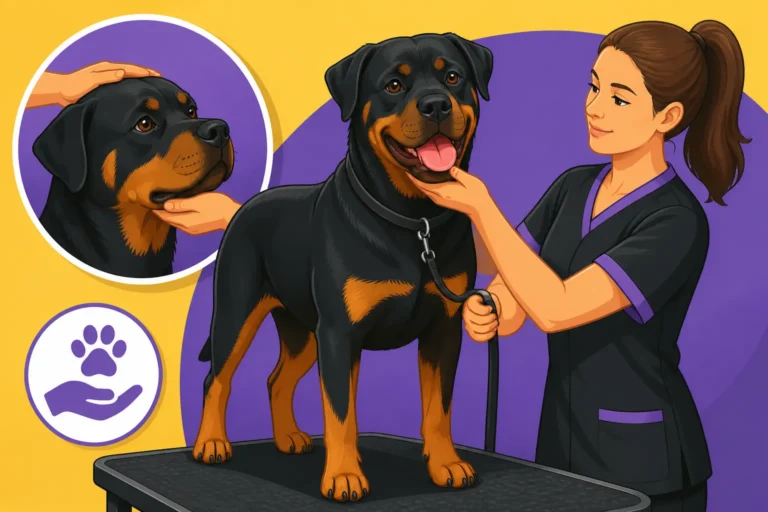
Rottweilers are often described as self-assured and aloof, taking their time to assess new people and situations. This isn't rudeness; it's part of their protective nature and intelligence. A good trainer understands this nuanced approach to the world and won't try to force a Rottweiler into being an overly enthusiastic greeter. They know how to respect that natural reserve while still ensuring the dog is well-socialized and comfortable in various environments. Rottweiler Aloofness and Why It Reads as Cold is a topic many general trainers misunderstand, often misinterpreting a watchful calm for disinterest or even aggression.
This self-possession also means they're smart and can be quite stubborn if they don't see the point of a command. They're not looking to blindly please; they're looking to partner with you. A trainer who understands this will focus on building a strong bond and clear communication, rather than just rote obedience. They'll appreciate the subtleties of a Rottweiler's body language, like Reading a Still Rottweiler That Is Not Relaxed, and teach you how to interpret those signals so you can respond proactively.
Addressing Guarding Instincts Safely
Rottweilers were historically bred to herd and guard cattle, and later to guard butchers' money on the way to market. That guarding instinct is hardwired, and it's one of the qualities we love about them—they are fiercely loyal protectors of their family and home. However, an untrained or improperly managed guarding instinct can become problematic. A trainer experienced with the breed knows how to channel this trait productively, teaching the dog when and how to be a guardian, rather than allowing it to become reactive or aggressive.
Consider situations like Rottweiler Resource Guarding at Home. A generic trainer might suggest simply removing the object, but a Rottweiler-savvy trainer knows this can backfire, escalating the guarding behavior. Instead, they'll teach you proactive strategies like trading and positive reinforcement to build trust and teach your dog that humans approaching their resources is a good thing. They understand that a Rottweiler guarding a person or a doorway needs careful, consistent work, not just a quick fix.
What to Look For in a Rottweiler-Experienced Trainer
Finding the right trainer for your Rottweiler means looking beyond basic certifications. You need someone who has specific, hands-on experience with the breed and a training philosophy that aligns with the Rottweiler's unique needs. This isn't about finding the cheapest option; it's about investing in the long-term success and well-being of your dog and your family.
Practical Experience with Rottweilers
This is paramount. Ask a trainer not just if they've worked with Rottweilers, but how many and what kind of issues they've helped resolve. Someone who has only worked with one or two in a general obedience class might not have the depth of understanding you need. You want someone who can talk confidently about managing a 120-pound adolescent male who decides pulling on the leash is fun, or addressing reactivity in a well-bred but undersocialized Rottweiler.
A trainer with true Rottweiler experience will likely be involved with breed-specific clubs, rescue organizations, or even competitive dog sports where Rottweilers excel, like Schutzhund, obedience, or carting. They’ll understand the commitment it takes to raise one and the pitfalls to avoid. They'll also be able to share specific stories or examples (without identifying clients) that demonstrate their practical knowledge.
Training Methods and Philosophy
While there are many valid training philosophies, positive reinforcement and force-free methods are generally recommended for Rottweilers. These intelligent dogs thrive on clear communication, consistency, and positive motivation, rather than punishment or intimidation. A Rottweiler responds best when they want to work with you, not when they fear the consequences of not complying. Be wary of trainers who rely heavily on harsh corrections, alpha theory, or dominance techniques, as these can damage the bond with your Rottweiler and potentially lead to fear-based aggression.
Look for a trainer who emphasizes building confidence, clear communication, and reward-based systems. They should be able to explain why they use certain methods and how those methods specifically apply to a Rottweiler's temperament and physical capabilities. For example, they might use clicker training, lure-and-reward, or proofing in increasingly distracting environments. Online programs, such as BAXTER & Bella, often focus on these positive, relationship-building methods and can be a fantastic resource for foundational training, especially for new puppy owners.
Credentials and Continuing Education
A good trainer will have relevant certifications from reputable organizations, demonstrating a commitment to their craft and adherence to professional standards. Look for certifications from groups like the Certification Council for Professional Dog Trainers (CCPDT), Karen Pryor Academy (KPA), or the Academy for Dog Trainers. These certifications require rigorous testing and often ongoing education, ensuring the trainer stays current with the latest science-based methods.
Beyond basic certifications, consider if they have specialized knowledge. Have they attended seminars on large breed development, working dog behavior, or aggression management? Do they actively seek out opportunities to learn more about canine behavior and training? This commitment to continuous learning is a strong indicator of a dedicated professional who takes their role seriously, especially when dealing with a complex and powerful breed like the Rottweiler.
Where to Start Your Search for a Qualified Trainer
Finding the right person might take a bit of legwork, but it's an investment in your Rottweiler's future. Don't just pick the first name that pops up; do your research. The best trainers often come through trusted networks.
Breed-Specific Clubs and Communities
The Rottweiler Club of America (and regional clubs across the country) are invaluable resources. These clubs are filled with experienced Rottweiler owners, breeders, and trainers who know the breed inside and out. They often have lists of recommended trainers, or can direct you to individuals who have proven success with Rottweilers. Attending local club events or dog shows can also be a great way to meet people and get recommendations firsthand.
Reach out to established, reputable Rottweiler breeders. Even if you didn't get your puppy from them, many are happy to share their knowledge and network. They have a vested interest in seeing Rottweilers succeed in good homes and will likely have a list of trainers they trust. These breeders understand the specific needs, from Rottweiler Growth Plates and Why They Close So Late influencing exercise to managing their powerful jaws with appropriate chews.
Veterinary Referrals and Online Directories
Your veterinarian is another excellent source of referrals. Vets and their staff frequently see a wide range of dogs and work with many local trainers. They can often recommend trainers who have a good reputation for working with large breeds and for using humane, effective methods. Make sure to specify you are looking for someone with Rottweiler experience, as their general recommendation might not always fit.
Online directories, such as those from the CCPDT or the Association of Professional Dog Trainers (APDT), allow you to search for certified trainers in your area. While these directories don't always specify breed experience, you can use them to find candidates and then filter by asking specific questions about their Rottweiler background during your initial contact. Many of these trainers will have websites or social media pages showcasing their work, which can give you a better feel for their style.
Online Resources and Courses
If local options are limited, or you want to get a head start before your puppy can attend in-person classes, online resources can be incredibly helpful. Websites like BAXTER & Bella offer comprehensive online puppy training programs that cover everything from house-training to basic obedience, using positive reinforcement. While these won't replace hands-on training for complex behavioral issues, they can provide a solid foundation and prepare you and your puppy for in-person classes.
Additionally, platforms like Amazon offer a wealth of books and video courses by renowned trainers who specialize in working dogs or large breeds. Look for titles that focus on positive reinforcement, early socialization, and impulse control for powerful breeds. These resources can supplement your in-person training and give you a deeper understanding of canine behavior specific to the Rottweiler. Just be sure to cross-reference authors and their approaches to ensure they align with humane, modern training practices.
Questions to Ask Potential Rottweiler Trainers
Once you have a list of potential trainers, it's time to conduct interviews. Don't be shy about asking direct and detailed questions. This is your dog, and you have every right to ensure you're choosing the best person to guide both of you.
Specific Experience Questions
Start by drilling down on their Rottweiler experience. How many Rottweilers have they worked with? What was the nature of the training (puppy class, basic obedience, behavioral modification)? Have they handled common Rottweiler challenges like Rottweiler Leash Pulling at Adult Weight or Rottweiler Resource Guarding at Home? Ask for examples of how they approached these issues.
It's also a good idea to inquire about their experience with Rottweiler puppies specifically, as their growth plates are delicate, and over-exercising or inappropriate play can lead to long-term joint issues. A Growing Rottweiler's Joints and Overexercise is a critical concern, and a good trainer will advise on safe play and appropriate physical activity for a growing Rottweiler.
Training Philosophy and Methods
Get a clear understanding of their approach. Ask: "What methods do you primarily use, and why do you find them effective for Rottweilers?" A good answer will involve positive reinforcement, clear communication, and understanding canine ethology. Avoid trainers who use harsh punishment, shock collars, or who talk about "dominance" or "being the alpha." These outdated methods are detrimental to a dog's well-being and can severely damage your relationship with your Rottweiler.
Inquire about how they handle mistakes. Do they focus on preventing them and redirecting, or do they punish them? A positive trainer will teach you how to set your Rottweiler up for success, managing the environment and reinforcing desired behaviors. They should also be able to explain how they generalize behaviors, so your Rottweiler performs reliably in different environments and with various distractions.
Logistics and Support
Beyond the technical aspects, ask about the practicalities. What are the class sizes like, or how do one-on-one sessions run? Will you be actively involved in the training, or will the trainer simply "fix" your dog? For a breed like a Rottweiler, you need to be an integral part of the training process, learning how to handle and communicate with your dog effectively.
Finally, ask about follow-up support. What happens if you run into problems after the initial training period? Do they offer phone consultations, additional sessions, or a support community? A reputable trainer is invested in your long-term success and will provide ongoing guidance.
Here's a table to help you structure your interview process:
| Category | Key Questions to Ask | What to Listen For (Positive Indicators) | Red Flags to Avoid |
|---|---|---|---|
| Experience | How many Rottweilers have you worked with, and for how long? | Specific examples of success with the breed; understanding of typical Rottweiler challenges (e.g., guarding, strength). | Vague answers, claiming "all breeds are the same," lack of specific examples. |
| What types of issues have you addressed with Rottweilers? | Experience with complex behaviors like resource guarding, leash reactivity, or confidence building. | Only basic obedience, no understanding of breed-specific traits or common behavioral problems. | |
| Methods/Philosophy | What training methods do you use? | Emphasis on positive reinforcement, reward-based training, clear communication, building a strong bond. | Talk of "dominance," "alpha," relying on punishment, force, or fear-based tools (e.g., shock collars, prong collars). |
| How do you handle problem behaviors? | Focus on management, redirection, teaching alternative behaviors, understanding the root cause of the behavior. | Suggests quick fixes, harsh corrections, or physical punishment. | |
| Credentials | What certifications do you hold? | Certifications from recognized professional bodies (CCPDT, KPA, APDT), ongoing education, seminars on behavior. | No certifications, self-proclaimed "expert" without verifiable credentials, no interest in continued learning. |
| Are you insured? | Professional liability insurance. | No insurance, unwilling to discuss. | |
| Logistics/Support | What is your approach to owner involvement? | Stresses that the owner is key to success, provides tools and knowledge for the owner to continue training. | Offers to "board and train" without owner involvement, implies they will "fix" the dog for you. |
| What kind of ongoing support do you offer? | Follow-up calls, email support, refresher sessions, access to resources, community. | No support after initial sessions, "you're on your own" once training is complete. | |
| Can I observe a session or speak to references? | Willingness to allow observation (if appropriate), readily provides client references (with permission). | Reluctance to allow observation, no references, secrecy around their methods. |
Finding the right trainer for your Rottweiler is more than just finding someone with availability; it's about finding a true partner in your dog's journey. With the right guidance, your Rottweiler can be a well-mannered, confident, and beloved member of your family for years to come.
Disclaimer
This article is for general informational purposes only and does not constitute professional advice. Laws, prices and regulations vary by location and change over time. Consult a qualified professional for guidance on your specific situation.