Adding a Second Rottweiler to the House
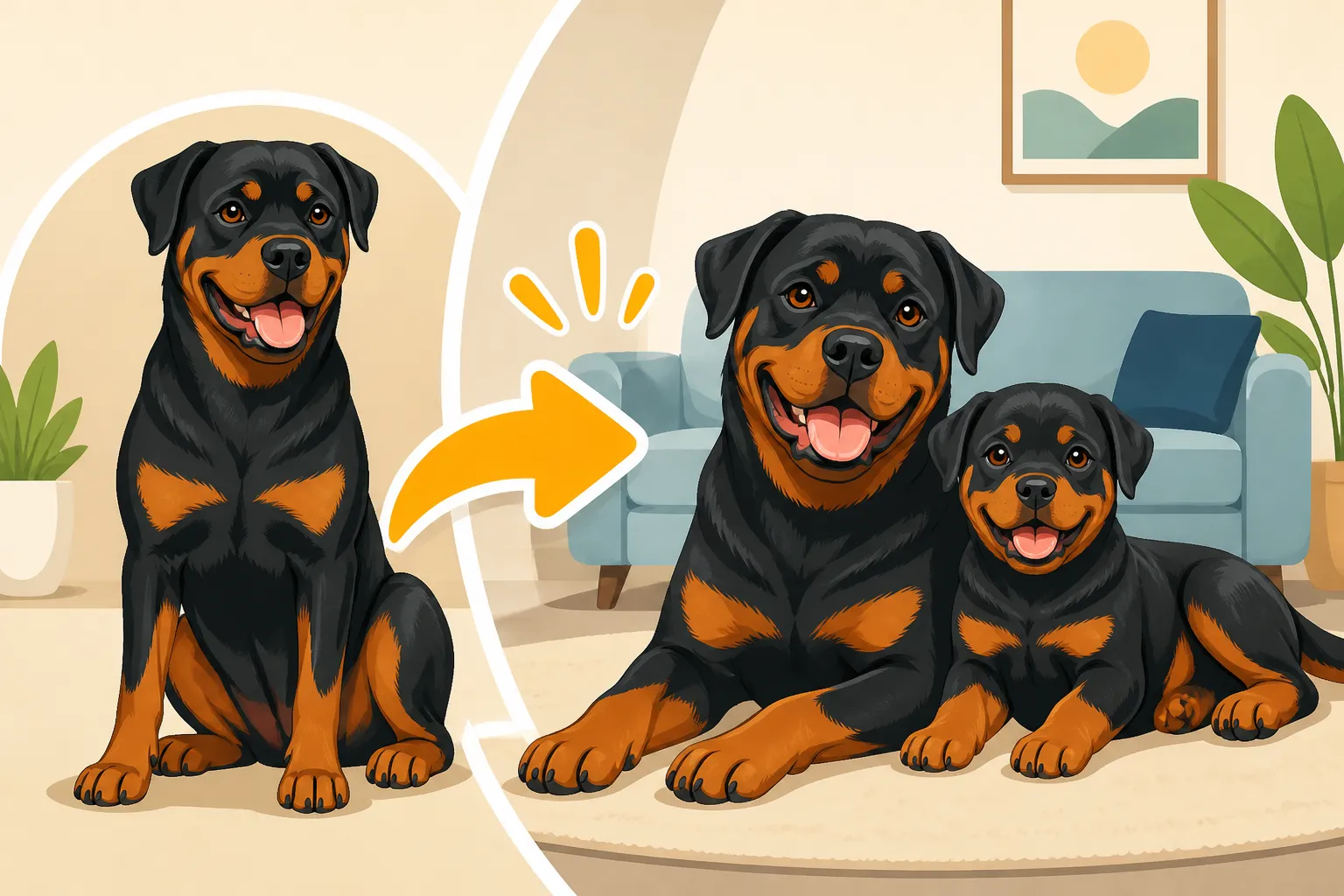
The thought of adding a second Rottweiler to your family can be incredibly exciting. You already know the joy, loyalty, and unique companionship these magnificent dogs offer, and naturally, you might assume that two would be double the fun! However, bringing another powerful, intelligent, and sometimes opinionated Rottweiler into an already established home dynamic isn't as simple as just adding another food bowl. It requires careful planning, a deep understanding of canine social behavior, and a commitment to managing a multi-dog household to ensure harmony and safety for everyone involved. This guide will walk you through the essential considerations and actionable steps for successfully welcoming a second Rottweiler into your life.
The Dynamics of a Multi-Rottweiler Household
When you decide to bring another Rottweiler home, you're not just adding a pet; you're introducing a new personality into an existing social structure. Even if your current Rottweiler is the most laid-back dog on the planet, this change will shift the energy and require thoughtful management from day one. Understanding these underlying dynamics is key to preventing problems before they even start.
Understanding Pack Mentality Even in Our Homes
While we often refer to our dogs as "family members," they still operate with an instinctual understanding of social dynamics that can resemble a pack, even in a domestic setting. This isn't about promoting outdated "dominance theory" where you need to be the alpha, but rather acknowledging that dogs interact, observe, and establish roles and comfort levels with each other. When a new dog enters, particularly another Rottweiler, your resident dog will naturally assess the newcomer.
Consider your current Rottweiler's personality. Is he an easygoing, happy-go-lucky kind of guy who greets new dogs with a wagging tail and an invitation to play? Or is she a bit more reserved, taking her time to warm up to strangers, perhaps showing some mild possessiveness over her favorite spots or toys? This baseline personality will heavily influence how the introduction goes. A confident, secure resident dog with a history of positive interactions with other canines is likely to adapt more smoothly than one who is anxious, reactive, or has a history of Rottweiler Reactivity Toward Other Dogs. The age difference also plays a significant role; a much younger puppy is often more readily accepted than another adult dog of similar age and temperament, as the threat to established status is perceived as lower.
It's crucial to remember that your current dog has established routines, preferred sleeping spots, and a clear understanding of what belongs to them. A new dog will challenge these norms, and how you manage this transition will determine the long-term success of the new living arrangement. You are, in essence, becoming the facilitator of a new social contract between your two powerful companions, and their ability to coexist peacefully rests heavily on your guidance and structure.
Same-Sex Aggression: A Real Concern
One of the most critical aspects to consider when adding a second Rottweiler is the potential for Same-Sex Aggression Between Rottweilers. While not universal, this is a genuine concern within the breed, particularly between two females or two males living in the same household. It's often misunderstood as simple fighting, but it can be a deeply ingrained behavioral challenge that manifests as intense, sometimes brutal, conflict.
Two female Rottweilers, in particular, can be prone to this issue. While they might tolerate each other for a long time, underlying tensions can simmer, sometimes erupting into serious fights over resources, perceived status, or even just subtle canine communication misunderstandings. These conflicts can be sudden and severe, often requiring immediate intervention. Similarly, two intact male Rottweilers or even two neutered males can develop rivalries, especially if they are close in age and similar in temperament. The key is to be aware that this isn't just "rough play" but a serious potential for harm, and it's why many experienced Rottweiler owners or breeders advise against owning two of the same sex, especially two females, unless you are extremely experienced and prepared for intensive management.
If you are set on a same-sex pairing, meticulous selection of the new dog is paramount. Look for a significant age difference (e.g., a young puppy with an older, well-established adult), and ensure the dogs have vastly different temperaments – perhaps one being very submissive and the other more dominant, or both being exceptionally laid-back. Even then, constant vigilance and proactive management of resources and interactions will be essential throughout their lives. This isn't a problem that can always be "trained" away; it often requires a lifetime of careful management to prevent dangerous altercations.
Space and Resource Management
Bringing a second Rottweiler home means that your existing resources, both tangible and intangible, are now effectively split. This isn't just about sharing; it's about potentially creating points of conflict if not managed correctly. Every item your resident dog considers "theirs" – from their food bowl and favorite squeaky toy to their bed, your lap, and even the doorway to the yard – can become a potential flashpoint.
Rottweiler Resource Guarding at Home is a common behavior, especially for a breed bred with protective instincts. While you might have managed it perfectly with your single dog, adding another can elevate the stakes. Imagine your resident Rottweiler enjoying a beloved Rottweiler Chew Toys That Survive the Jaw, and the new pup, curious and playful, approaches. What happens then? Will there be a calm sharing, a warning growl, or a snap? You need to proactively prevent these situations. This means investing in duplicates of everything: two beds (ideally in separate rooms or far enough apart that each dog has their sanctuary), two sets of food and water bowls, and an abundance of toys so that there's always enough to go around. Large retailers like Chewy offer a wide array of durable options for giant breeds, making it easier to stock up on essentials.
Feeding time is a prime example where conflict can easily arise. It's best practice to feed each Rottweiler in a separate, secure location – perhaps one in their crate and the other behind a baby gate in another room. This eliminates competition and allows each dog to eat at their own pace without stress. Furthermore, always pick up high-value chews or toys when you can't supervise. The goal is to create an environment where competition for resources is minimized, and each dog feels secure in their access to what they need. This proactive approach can head off many potential conflicts before they ever become serious.
Bringing the New Rottweiler Home: A Structured Approach
The initial hours, days, and weeks after you bring your second Rottweiler home are critical for setting the stage for a peaceful coexistence. Rushing introductions or assuming they'll just "figure it out" can lead to long-term behavioral problems and stress for both dogs. A structured, controlled approach is the safest and most effective path.
The Crucial First Introduction
The very first meeting between your resident Rottweiler and the newcomer should never happen inside your home. Your home is your current dog's territory, and introducing a new dog directly into that space can immediately trigger defensive or territorial behaviors. Instead, choose neutral territory – a local park, an empty school field, or a quiet street where neither dog feels ownership.
Both dogs should be on leashes, handled by separate adults who can calmly and competently manage them. Keep the initial interaction brief and positive. Start with a parallel walk, allowing them to sniff the same ground and get used to each other's presence without direct eye contact or pressure. Then, allow for brief, supervised sniff-and-greet moments. Look for relaxed body language: loose tails (if they have them), soft eyes, sniffing, maybe a play bow. Avoid any tense body language like stiff tails, prolonged staring, or hackles raised. If either dog shows signs of stress or aggression – growling, lunging, snapping – immediately separate them and try again later, keeping interactions even shorter. The Rottweiler Socialization Checklist by Week emphasizes gradual exposure, and this principle applies just as much to adult dog introductions. It's often recommended to repeat these neutral territory meetings over a few days before bringing the new dog into the house.
Once inside, keep them separated initially, perhaps with one in a crate or behind a gate, allowing them to get used to each other's scent and sounds without direct physical contact. This slow, controlled introduction helps to establish a sense of safety and allows them to acclimate gradually, building a foundation of comfort rather than conflict.
Establishing Boundaries and Routines
Consistency is your best friend when integrating a new Rottweiler. From the moment the second dog steps paw inside your home, both dogs need to understand the rules and routines. This clarity helps prevent confusion and reduces anxiety for everyone. Each dog should have its own designated safe space, whether that's a large, comfortable crate (remembering The Crate Size a Hundred Twenty Pound Rottweiler Needs for an adult) or a bed in a quiet corner that is truly theirs and where they won't be bothered. This "den" offers a retreat when they need a break from each other or the hustle and bustle of the house.
Establish clear feeding schedules and locations from day one, ensuring they eat separately to avoid resource guarding. Implement a consistent potty schedule, especially if you've added a puppy and are doing House Training a Rottweiler Puppy by Week. Regular, predictable routines for walks, playtime, and training sessions help both dogs feel secure in their environment. It’s important that your resident dog doesn't feel displaced; continue their usual routines and give them attention first. For example, when you come home, greet your resident dog first. This reinforces their established place in the family.
By providing structure and predictable routines, you're not just managing two dogs; you're creating an environment where both Rottweilers can feel safe, understand expectations, and learn to coexist peacefully. This foundational work is crucial and saves immense stress down the line.
Supervised Interactions and Gradual Integration
Once the initial introductions are over and both dogs are comfortable in their separate spaces, the real work of integration begins – and it requires constant supervision. Think of yourself as a referee, ensuring all interactions are positive and fair. For the first several weeks, and often months, never leave the two Rottweilers unsupervised, even for a moment, until you are absolutely certain of their compatibility. This means using crates or separate rooms if you need to leave the house, go to sleep, or even just step out for a quick shower.
Manage playtime carefully. Rottweilers can play rough, and what looks like fun can sometimes escalate quickly, especially if one dog is more assertive or has a higher play drive. Interrupt play if it gets too intense, if one dog is consistently being pinned or overwhelmed, or if you see any signs of irritation (stiff bodies, growls that aren't play-growls, prolonged staring). Redirect them with individual toys or a short training session. Rottweiler Play Style With Smaller Dogs highlights how differences in size or play style need careful monitoring, and this applies even to two Rottweilers.
Encourage "parallel play" where both dogs are in the same room but engaged in separate, calm activities, like chewing on individual Kongs stuffed with treats. This helps them build comfort in each other's presence without the pressure of direct interaction. Gradually increase the time they spend together, always with you as the watchful guide, ready to step in and redirect if needed. This slow, steady integration, with an emphasis on positive experiences and strict supervision, is the most effective way to build a harmonious relationship between your two Rottweilers.
Long-Term Harmony and Preventing Conflict
The journey of integrating a second Rottweiler doesn't end after the first few weeks; it's an ongoing commitment to training, observation, and proactive management. Maintaining peace in a multi-Rottweiler household requires continuous effort and a keen eye for subtle cues that indicate potential trouble.
Ongoing Training and Socialization
Training is never truly "finished" with a Rottweiler, and this is especially true when you have two of them. Both dogs need to maintain a high level of obedience, not just individually, but also in each other's presence. Continue with obedience refreshers, perhaps even enrolling them in classes like Rottweiler Obedience Class Fees to reinforce good manners and solidify your leadership in a distracting environment. This ensures that you can reliably control both dogs, whether you're at home or out on a walk. Strong recall, in particular, is non-negotiable when you have two large dogs, as is teaching them to settle calmly.
If you've brought a puppy home, continue with Rottweiler Puppy Training Through the First Year, ensuring the older dog is also involved in some training sessions to reinforce good behavior. Socialization, too, is an ongoing process. While your resident dog is likely well-socialized, the new dog, especially if a puppy, needs continued positive exposure to various sights, sounds, people, and appropriate dog interactions. This helps them develop into well-adjusted adults who are comfortable in different environments and less likely to be reactive. However, be cautious with dog parks or uncontrolled off-leash areas, as these can be high-risk environments for two powerful dogs, potentially leading to scuffles. Controlled environments and careful selection of playmates are always better.
Remember, each dog is an individual. While group training is great, make sure you also dedicate one-on-one time to each dog to work on specific skills, bond, and address any individual behavioral quirks. This continuous engagement reinforces your bond with each dog and keeps their minds sharp.
Recognizing and Addressing Early Warning Signs
Learning to read subtle canine body language is perhaps one of the most vital skills for a multi-Rottweiler owner. Dogs rarely escalate to a full-blown fight without giving numerous subtle signals beforehand. These can include:
- Stiffening: A sudden rigidity in the body.
- Hard Stares: Direct, prolonged eye contact, often with dilated pupils.
- Whale Eye: When you can see the whites of a dog's eyes.
- Lip Licking or Yawning: Often displacement behaviors indicating stress.
- Freezing: Becoming completely still.
- Growling: While sometimes a play signal, a low, guttural growl is a serious warning. Why You Should Never Punish a Rottweiler Growl is important here – punishing a growl removes a crucial warning system, making future aggression more sudden and dangerous.
- Blocking: One dog physically placing itself between the other dog and a resource (you, a toy, a doorway). A Rottweiler That Blocks the Bedroom Door is a specific example.
If you observe any of these signs, intervene immediately, but calmly. Avoid yelling or making sudden movements that could escalate the situation. Instead, redirect the dogs with a calm command like "come" or "sit," separate them gently, or offer a distraction. The goal is to de-escalate the tension before it boils over. If serious conflicts become frequent, or if you witness intense A Rottweiler That Snaps When Woken or other aggressive behaviors, it's time to seek professional help. A certified professional dog trainer or a veterinary behaviorist can provide invaluable insight and create a tailored management plan to ensure safety and improve harmony.
Maintaining Individual Attention and Quality of Life
It's easy, with two big, demanding Rottweilers, for individual attention to get diluted. However, each dog still needs and deserves dedicated one-on-one time with you. This prevents jealousy, strengthens your individual bond with each dog, and ensures their emotional needs are met.
Think about incorporating separate activities into your routine. This could be individual walks, where each dog gets your undivided attention and can sniff and explore at their own pace without feeling rushed or competitive. It could be dedicated training sessions with one dog while the other rests or chews quietly. Cuddle time on the couch, play in the yard, or even just a few minutes of grooming, all done individually, can make a huge difference in their overall well-being.
Ensure each dog has truly personal items and spaces. While you might have multiple beds, does each dog gravitate to one specific bed that they consider "theirs"? Are there enough water bowls scattered around the house so that one dog isn't preventing the other from drinking? Retailers like Chewy offer fantastic enrichment toys, and having a few different kinds for each dog can prevent boredom and keep them individually engaged. Rottweiler Enrichment Beyond Walks is crucial. Providing individual attention and ensuring each dog's quality of life remains high is the cornerstone of a happy, harmonious multi-Rottweiler home. It reinforces their sense of security and value within the family unit, preventing many behavioral issues that stem from perceived neglect or competition.
| Aspect | Adding a Male Puppy to a Home with an Adult Male | Adding a Male Puppy to a Home with an Adult Female | Adding a Female Puppy to a Home with an Adult Male | Adding a Female Puppy to a Home with an Adult Female | Adding an Adult Male to a Home with an Adult Male | Adding an Adult Female to a Home with an Adult Female |
|---|---|---|---|---|---|---|
| Same-Sex Aggression Risk | Moderate to High | Low | Low | Moderate to High | Very High | Very High |
| Competition for Resources | Moderate (requires management) | Moderate (requires management) | Moderate (requires management) | Moderate (requires management) | High (intensive management needed) | High (intensive management needed) |
| Acceptance of Puppy | Generally good if resident is stable | Generally very good | Generally very good | Generally good if resident is stable | N/A (adult to adult) | N/A (adult to adult) |
| Integration Difficulty | Moderate | Low to Moderate | Low to Moderate | Moderate | High (careful temperament matching crucial) | High (careful temperament matching crucial) |
| Supervision Level Needed | High, ongoing | High initially, then moderate | High initially, then moderate | High, ongoing | Constant, intense | Constant, intense |
| Management Recommendation | Proactive resource mgmt., separate spaces | Standard cautious introduction, separate spaces | Standard cautious introduction, separate spaces | Proactive resource mgmt., separate spaces | Professional guidance strongly advised | Professional guidance strongly advised |
Disclaimer
This article is for general informational purposes only and does not constitute professional advice. Laws, prices and regulations vary by location and change over time. Consult a qualified professional for guidance on your specific situation.