A Rottweiler Losing Its Hearing at Eight
It’s incredibly tough to watch our beloved Rottweilers age, and one of the most heartbreaking changes can be a gradual decline in their senses. When your eight-year-old Rottweiler starts to seem unresponsive, misses your calls, or no longer greets you at the door when you arrive home, it often signals that their hearing is fading. This guide aims to help you understand why this happens, how to spot the signs, and most importantly, how to support your Rottweiler through this significant life change, ensuring they continue to feel loved and secure.
Understanding Why Rottweilers Lose Their Hearing as They Age
Just like us, dogs experience a decline in various bodily functions as they get older, and hearing is definitely on that list. For a magnificent breed like the Rottweiler, reaching eight years old often means they're officially entering their senior years, which unfortunately brings with it a higher likelihood of age-related health changes, including hearing loss. It’s not an overnight switch, but rather a slow, often unnoticeable process at first.
Presbycusis The Age Related Hearing Loss
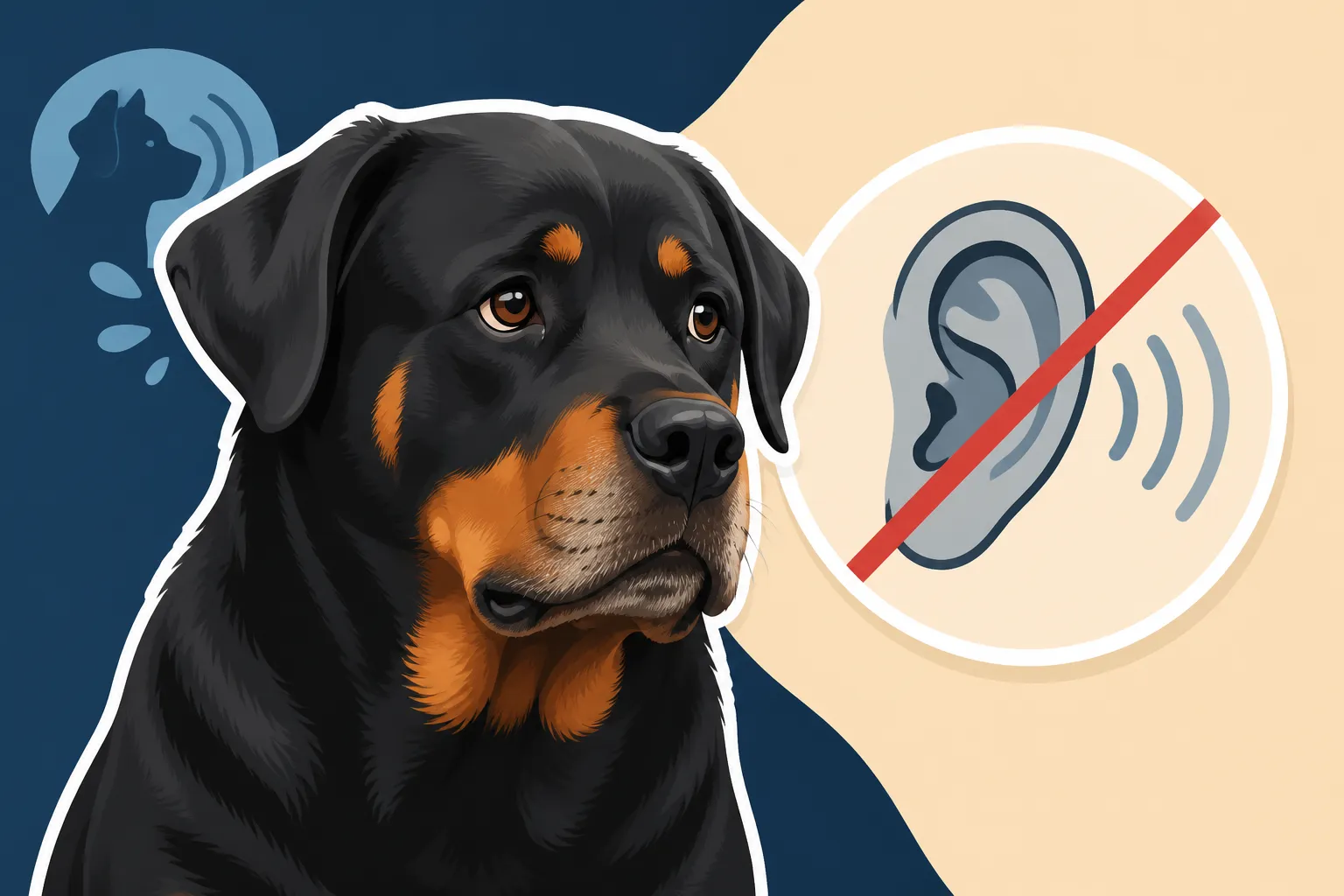
The most common reason an eight-year-old Rottweiler might be losing its hearing is a condition called presbycusis, which is essentially age-related hearing loss. This isn't due to infection or injury, but rather a natural degeneration of the tiny hair cells and nerve pathways in the inner ear that are responsible for detecting and transmitting sound. Think of it like a gradual wearing out of the system. These cells don’t regenerate, so once they’re gone, the hearing loss is permanent and progressive.
It often starts with higher frequencies, meaning your Rottweiler might miss the subtle sounds like the rustle of a treat bag or a whisper, but still react to deeper, louder noises like a doorbell or a clap. Over time, the range of sounds they can hear diminishes further. This process is very similar to how many humans experience hearing loss as they age. It’s frustrating because your dog can’t tell you what’s happening, and you might find yourself wondering why they’re suddenly ignoring you. However, it’s not defiance; it’s simply that they genuinely can’t hear. This makes regular check-ups, as discussed in Vet Visit Frequency for a Senior Rottweiler, even more important as your dog ages, to catch these subtle changes early.
Other Potential Causes of Hearing Loss
While age is the primary culprit for a Rottweiler at eight years old, it’s always wise to consider other potential, albeit less common, causes. Sometimes, what looks like age-related hearing loss can be exacerbated or even caused by something treatable.
Chronic ear infections are a significant concern, especially for breeds with drop ears like Rottweilers. The heavy ear flap can trap moisture and create a warm, dark environment perfect for bacterial or yeast overgrowth. Untreated or recurring infections can lead to inflammation and scarring within the ear canal, physically blocking sound waves or even damaging the delicate structures of the middle and inner ear. If you’ve noticed your Rottweiler scratching at their ears, shaking their head excessively, or if there’s a foul odor coming from their ears, it’s crucial to get them checked by your vet. Timely intervention for Rottweiler Ear Care Under a Drop Ear can prevent permanent damage.
Another less frequent cause could be certain medications that are ototoxic, meaning they can damage the ear. While vets are usually very careful about prescribing these, prolonged use or individual sensitivities can sometimes lead to issues. Trauma to the head or ears, though rare, could also impact hearing. In some cases, though highly unlikely for an eight-year-old Rottweiler who has had normal hearing, congenital deafness can be a factor, but this is usually identified much earlier in life. Tumors or polyps growing within the ear canal can also physically obstruct sound, leading to a conductive hearing loss that might be treatable. Always consult your vet to rule out any treatable underlying conditions before assuming the loss is purely age-related.
Recognizing the Subtle Signs of Hearing Decline
It’s easy to miss the initial signs of hearing loss in a Rottweiler, partly because they are so intelligent and adaptive. They often compensate by becoming more visually attentive or by picking up on vibrations. But once you know what to look for, you can start to piece together the puzzle and confirm your suspicions.
Missed Cues and Lack of Response
One of the first and most obvious signs that your Rottweiler’s hearing might be declining is a noticeable lack of response to sounds they once reliably reacted to. You might call their name, and they don't turn their head. The mail carrier comes, the doorbell rings, or the vacuum cleaner starts up, and they seem completely unfazed. Where once they might have perked their ears or even barked, now they sleep through it all.
This can be particularly frustrating during training or when trying to get their attention. You might feel like they're being stubborn or purposefully ignoring you, but it’s vital to remember that they simply cannot hear you. They might start relying more on visual cues or vibrations. For instance, they might still respond if you stomp your foot, not because they hear it, but because they feel the tremor through the floor. Or perhaps they only react to you calling their name if you’re standing directly in their line of sight, rather than from another room. If you notice these shifts, especially in a typically responsive dog, it's a strong indicator that their auditory world is shrinking. This also ties into overall well-being, as detailed in Scoring Quality of Life for a Rottweiler, ensuring all aspects of their health are considered.
Changes in Behavior and Startle Reflex
Hearing loss can profoundly impact a Rottweiler’s behavior. Since they can no longer rely on their ears to warn them of approaching people or objects, they might become easily startled. Imagine someone suddenly appearing next to you when you didn't hear them coming – it’s a natural, startling reaction. Your Rottweiler might jump, bark, or even show a brief moment of fear or aggression if you approach them from behind or while they are sleeping. This isn't them becoming "mean"; it's a defensive reaction to an unexpected stimulus.
You might also observe changes in their sleeping patterns. A deaf Rottweiler might sleep more soundly, not being woken by household noises, or they might become restless if they feel less secure in their environment. Some dogs become more clingy, relying heavily on their owner's presence for reassurance. Conversely, others might become more independent or withdrawn, as their communication with the world around them changes. You might notice their barking habits change too; some deaf dogs become quieter, while others bark more loudly or frequently because they can't gauge their own volume. Keeping an eye on these behavioral shifts is key, as they often subtly hint at underlying sensory changes. For comprehensive care, it's also a good idea to discuss these changes with your vet during routine visits, ensuring you cover everything from Bloodwork Worth Running on a Senior Rottweiler to behavioral observations.
Adapting Your Life and Home for a Deaf Rottweiler
Discovering your Rottweiler is losing their hearing can be daunting, but it’s far from the end of a happy life together. With a few thoughtful adjustments and a lot of patience, you can ensure your beloved companion navigates their new reality with confidence and joy.
Learning New Ways to Communicate
The biggest adjustment for both you and your Rottweiler will be in communication. Verbal commands, once the cornerstone of your interactions, will become less effective or completely useless. This means it’s time to embrace the wonderful world of visual cues and touch. Start teaching hand signals for all crucial commands like "sit," "stay," "come," and "lie down." You might already use some hand signals, but now is the time to make them crystal clear and consistent. Exaggerate your movements slightly and use distinct gestures for each command.
Pairing a visual cue with a gentle touch can also be incredibly effective. For instance, to get their attention, you might gently tap the floor near them, or gently touch their shoulder. A vibrating collar can also be a game-changer for getting their attention from a distance, particularly in a yard. When you press the button, the collar vibrates (it does not shock!), signaling to your dog that you want their attention. Once they look at you, you can then give your hand signal. This tool needs to be introduced positively, associating the vibration with something good, like a treat or praise. Remember, consistency is paramount. Everyone in the household needs to use the same signals to avoid confusion. Many companies offer training resources specifically for deaf dogs, and they can provide valuable insights into effective communication strategies.
Making Your Home a Safe and Accessible Haven
A deaf Rottweiler needs a home environment that prioritizes their safety and minimizes anxiety. Since they can't hear dangers like approaching cars or people, outdoor safety becomes paramount. Never let a deaf Rottweiler off-leash in an unfenced area. A long line or a secure, well-fenced yard is essential. Consider adding bells to household members' shoes so your dog can feel the vibrations of their approach.
Inside the home, try to avoid startling your dog. Always approach them from the front or side where they can see you coming. If they are sleeping, a gentle tap on the shoulder or stomping on the floor a few times before you get close can alert them without causing a shock. Ensure their sleeping area is in a low-traffic spot where they won’t be constantly disturbed by unexpected movement. Keep a consistent routine, as predictability helps reduce stress for dogs who are missing a sense. Make sure their bed, food, and water bowls are easily accessible, especially if they are also dealing with other senior issues like arthritis, as discussed in Managing Arthritis in an Older Rottweiler. For unexpected emergencies, having pet insurance from a reliable provider like Healthy Paws can give you peace of mind, covering potential costs associated with unforeseen accidents or illnesses that might affect a dog with reduced senses.
Here’s a simple table outlining common signs of hearing loss and what you might observe in your Rottweiler:
| Sign of Hearing Loss | What You Might Observe |
|---|---|
| No Response to Name/Commands | Dog doesn't turn head when called, even from close distance. |
| Ignores Familiar Sounds | Doorbell, phone, or loud noises don't elicit a reaction. |
| Increased Startle Response | Jumps or growls if touched unexpectedly from behind/while sleeping. |
| Changes in Sleeping Habits | Sleeps more soundly; doesn't wake to normal household sounds. |
| Difficulty Waking Up | Takes longer to rouse from sleep, even with gentle nudges. |
| Barking Volume/Frequency Change | May bark louder or more often, or become noticeably quieter. |
| Increased Reliance on Sight/Vibrations | Watches you more intently; reacts to stomping feet but not voice. |
| Confusion/Disorientation | Seems lost or unsure when out of visual range of family. |
| Reduced Interaction with Other Pets | May not hear other pets approaching, leading to minor conflicts. |
| Vocalization Changes | May howl or vocalize in different tones, unable to hear themselves. |
Medical Interventions and Support
While age-related hearing loss is irreversible, understanding the full picture and ruling out other causes is crucial. Your veterinarian is your best partner in this journey.
Diagnosing Hearing Loss and Ruling Out Other Issues
When you first suspect hearing loss in your Rottweiler, the very first step should be a thorough veterinary examination. Your vet will conduct an otoscopic exam, looking deep into the ear canal for any blockages, infections, excessive wax buildup, or physical abnormalities. They might clean the ears, which sometimes can bring back some hearing if wax was the main issue. They might also take samples for cytology or culture if an infection is suspected. It’s also important to get a good overall health check, especially for a senior dog, which might include topics like Rottweiler Dental Disease and Cracked Teeth or other age-related conditions.
If the basic exam doesn't reveal a treatable cause, your vet might recommend a brainstem auditory evoked response (BAER) test. This is the gold standard for diagnosing deafness in dogs. It involves placing small electrodes on your dog's scalp and playing specific clicks or tones into their ears. The electrodes measure the electrical activity in the brainstem in response to these sounds. If there’s no electrical activity, it confirms deafness in that ear. While the BAER test often requires sedation, it provides a definitive diagnosis and can determine if the hearing loss is partial or complete, and in one or both ears. Knowing the extent of the loss helps you tailor your communication and management strategies. The costs for such specialized diagnostics can be significant, so this is where a comprehensive pet insurance plan, like those offered by Healthy Paws, can be incredibly beneficial.
Managing Irreversible Hearing Loss
Once age-related presbycusis is confirmed, it's important to understand that there isn't a cure to restore lost hearing. However, managing the condition effectively is all about making life as rich and comfortable as possible for your deaf Rottweiler. This involves continuing the adaptive communication strategies you’ve implemented, like consistent hand signals and perhaps a vibrating collar. Maintaining a predictable daily routine is key to their sense of security.
Regular veterinary check-ups remain vital for overall senior care, making sure you stay on top of other age-related concerns as detailed in Senior Rottweiler Care After the Age of Seven. Your vet can help you monitor their general health, discuss nutrition, and address any anxiety or behavioral changes that might arise due to their hearing loss. Some dogs may benefit from mild anti-anxiety medications if their startled responses become a significant welfare issue. Ensuring good physical health can indirectly support their mental well-being as they adapt to being deaf. Remember that love, patience, and understanding are the most powerful tools you have to ensure your senior Rottweiler continues to thrive, even with diminished hearing. They still bring immense joy and love to your home, and with your support, they can enjoy their golden years to the fullest.
Disclaimer
This article is intended for informational purposes only and does not constitute veterinary advice. Always consult with a qualified veterinarian for any health concerns or before making any decisions about your pet's health or treatment.