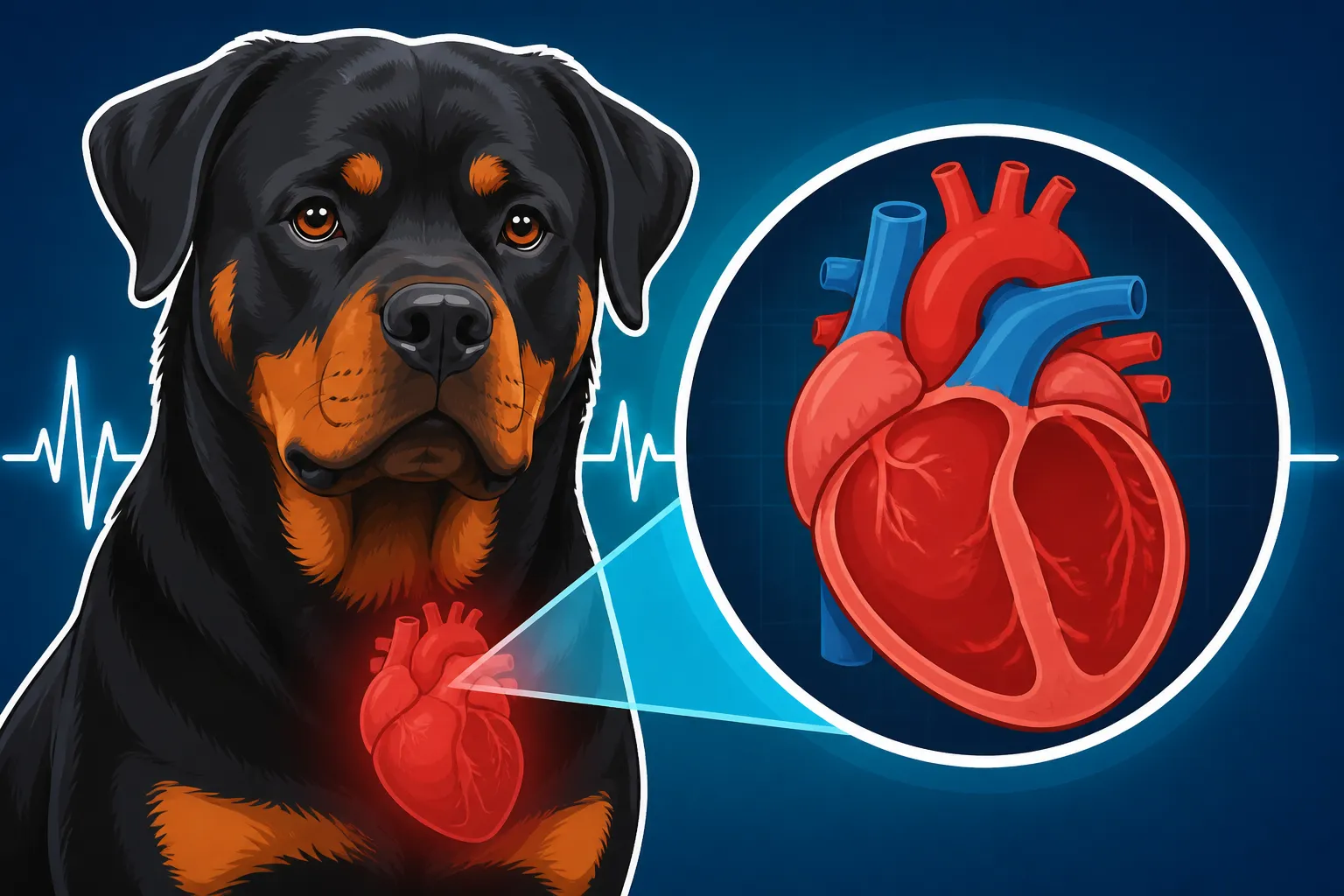
Dilated Cardiomyopathy in a Rottweiler
It's absolutely devastating to watch your powerful, loyal Rottweiler, a dog known for its strength and vitality, start to slow down, cough, or struggle with exercise. When these changes point to something serious like Dilated Cardiomyopathy (DCM), it feels like your world is caving in. This guide is here to walk you through understanding this challenging heart condition, what to look for, how it’s diagnosed, and how best to support your beloved companion through it.
Understanding Dilated Cardiomyopathy in Rottweilers
When we talk about Dilated Cardiomyopathy, especially in a magnificent breed like the Rottweiler, it’s not just a fancy medical term; it's a profound change in the very engine of your dog's life. This condition specifically attacks the heart muscle, making it thin and weak, which in turn significantly impairs its ability to pump blood efficiently throughout the body. For a breed that thrives on robust health and activity, this can be incredibly disheartening for owners to witness.
What is DCM and Why are Rottweilers Susceptible?
Dilated Cardiomyopathy, or DCM, is a primary disease of the heart muscle itself. Imagine your dog's heart as a powerful, muscular pump. In a healthy heart, these muscles contract with vigor, pushing blood to every corner of their large body. With DCM, however, the walls of the heart chambers, particularly the left ventricle, become stretched and thin, almost like an overinflated balloon. This stretching means the heart can’t contract effectively, reducing the amount of blood pumped with each beat. Think of trying to squeeze a flimsy, water-filled balloon compared to a firm, well-inflated one – the flimsy one just doesn't have the same force.
Rottweilers, sadly, are one of the breeds genetically predisposed to developing DCM, alongside others like Doberman Pinschers, Great Danes, and Boxers. While any dog can technically develop DCM, the incidence rate in Rottweilers is notably higher, suggesting a strong genetic component. It's not just a random occurrence; there's something specific in their genetic makeup that makes them more vulnerable. This susceptibility is a heavy burden on the breed, and understanding it is the first step in protecting your dog.
It’s a cruel irony that such a strong, sturdy breed can be brought low by a failing heart. The condition often presents in middle-aged to senior Rottweilers, though it can appear earlier. Because Rottweilers are known for their stoic nature, they might not show obvious signs until the disease has progressed significantly, making early detection even more challenging and crucial. This tendency to hide discomfort is a common trait in many dogs, making vigilant observation on your part absolutely essential.
The Genetics Behind Rottweiler DCM
The genetic basis of DCM in Rottweilers is a topic of ongoing research, but it's widely accepted that heredity plays a massive role. Unlike some other heart conditions like Subaortic Stenosis in Rottweiler puppies, where specific genetic markers are more clearly defined, DCM in Rottweilers appears to be a complex genetic puzzle, potentially involving multiple genes or different mutations within the breed. This complexity makes breeding decisions particularly challenging for responsible breeders striving to produce healthy puppies.
For instance, in Doberman Pinschers, specific gene mutations (PDK4 and TTN) have been identified that are strongly associated with DCM. While similar clear-cut genetic tests are still developing specifically for Rottweilers, the strong familial patterns observed indicate that DCM isn't just bad luck; it's often passed down through generations. This is why a reputable breeder will be transparent about the cardiac health history of their breeding lines, looking not just at the immediate parents but also grandparents and siblings for any signs of the disease.
The lack of a simple, definitive genetic test for all forms of Rottweiler DCM means breeders often rely on regular cardiac screenings of their breeding stock. While it's not a perfect solution, it's the best tool available right now to try and minimize the spread of this devastating condition. This emphasis on health clearances underscores why you should always look for a breeder who provides solid health papers to ask a Rottweiler breeder for, especially regarding heart health.
How DCM Affects the Heart's Function
To truly grasp the impact of DCM, let's visualize the heart's work. Normally, the heart receives oxygen-poor blood from the body, sends it to the lungs for oxygen, then pumps that oxygen-rich blood back out to the entire body. It's a continuous, powerful cycle. In a Rottweiler with DCM, this cycle falters because the main pumping chamber, the left ventricle, becomes enlarged and weak.
When the left ventricle struggles to pump effectively, blood can start to back up. This backup can lead to congestion in the lungs, a condition known as pulmonary edema. Imagine a traffic jam on a major highway; if the main exit (the heart's pump) isn't clearing cars efficiently, everything behind it backs up. This congestion is what often causes the coughing and difficulty breathing that owners notice. The lungs become "wet," making it harder for oxygen to pass into the bloodstream.
Over time, this decreased pumping efficiency means less oxygenated blood reaches vital organs like the brain, kidneys, and muscles. This can manifest as lethargy, weakness, and a general intolerance to exercise. The body tries to compensate by increasing heart rate or constricting blood vessels, but these are short-term fixes that ultimately strain the already weakened heart further. Eventually, without intervention, the heart's compensatory mechanisms fail, leading to congestive heart failure, a severe and often life-threatening stage of the disease.
Recognizing the Early Warning Signs of DCM
Detecting Dilated Cardiomyopathy in your Rottweiler can be a huge challenge because our dogs are often incredibly resilient and stoic. They don't complain the way we do, and subtle changes can easily be overlooked or attributed to aging. However, being intimately familiar with your Rottweiler’s normal behavior and energy levels is your greatest asset in spotting these crucial early indicators.
Subtle Changes in Energy and Appetite
One of the first signs that something might be amiss with your Rottweiler, even before obvious respiratory distress, can be a change in their usual energy levels. Your dog might seem a little less enthusiastic about their daily walk, choosing to lie down sooner or falling behind on routes they used to tackle with gusto. Maybe they're not greeting you at the door with the same robust bounce, or they seem generally more subdued than usual. These aren't necessarily drastic changes but rather a gradual decline in their typical vigor.
You might also notice a subtle decrease in their appetite. A Rottweiler is usually quite food-motivated, so if they start leaving food in their bowl, or seem less excited for mealtime or treats, it warrants attention. While many things can cause a dip in appetite, when combined with a drop in energy, it should raise a red flag, especially in a breed prone to heart conditions. These signs are often vague, making them easy to dismiss as just "getting older," but for a Rottweiler, they could be whispers of a serious issue.
Furthermore, pay close attention to their recovery time after even moderate exercise. If your Rottweiler seems to take much longer to catch their breath, or remains fatigued for hours after a short play session that they once brushed off, this could be a sign of reduced cardiac output. It's a critical observation that many owners overlook, simply thinking their dog is having an "off day."
Coughing, Breathing Difficulties, and Fainting Spells
As DCM progresses, the signs become more specific and often more alarming. The heart's inability to pump blood efficiently can lead to fluid building up in the lungs, resulting in a persistent cough. This isn't just a casual cough; it might sound wet or hacking, and often appears worse after exercise, at night, or when your dog lies down. It's their body trying to clear the fluid that shouldn't be there. This is a classic symptom of congestive heart failure, a stage of DCM where the heart can no longer compensate.
Breathing difficulties, also known as dyspnea, can manifest as faster, shallower breathing even at rest, or noticeable abdominal effort when breathing. You might see their sides heaving more than usual, or they might stretch their neck out to try and get more air. This is a serious sign and indicates significant pulmonary congestion. Don't wait on this; it's a veterinary emergency.
Perhaps the most terrifying symptom for any owner to witness is a fainting spell, or syncope. This occurs when the brain doesn't receive enough oxygenated blood, typically due to a sudden drop in cardiac output or an arrhythmia (irregular heartbeat) that can be a complication of DCM. Your Rottweiler might suddenly collapse, lose consciousness for a few seconds or a minute, and then recover. While a single fainting episode can be due to various causes, in a Rottweiler, it must be investigated immediately as a potential sign of advanced heart disease. These are not minor incidents and demand urgent veterinary attention.
The Progression of Symptoms
Understanding that DCM is a progressive disease is key. It doesn't usually hit suddenly like a bolt out of the blue, though acute decompensation can happen. Instead, it often starts subtly, with the heart muscle gradually weakening over months or even years. During this "occult" or hidden stage, your Rottweiler might not show any outward symptoms at all, or only the very mildest changes in energy. This is why regular vet check-ups are so important, as sometimes a veterinarian can pick up a murmur or an abnormal heart rhythm during a routine physical.
As the disease advances, the subtle signs like lethargy and decreased appetite become more pronounced. Then, as the heart's ability to cope diminishes further, the more overt symptoms of congestive heart failure begin to appear: the persistent coughing, noticeable breathing difficulties, and eventually, episodes of weakness or fainting. The progression can vary greatly from dog to dog, influenced by their individual genetics, diet, activity level, and how quickly the condition is diagnosed and treated.
It's a race against time, as the longer DCM goes undetected and untreated, the more damage occurs to the heart. Unfortunately, for some Rottweilers, the first noticeable symptom might be a sudden collapse, which is why being proactive and understanding the risk factors for Rottweiler heart disease is so vital. If you ever observe any of these symptoms, don't delay – prompt veterinary assessment can make a significant difference in the prognosis and management of your dog's condition.
Diagnosing DCM: What to Expect at the Vet
When you bring your Rottweiler to the vet with concerns about their heart, it can be an incredibly anxious time. You're hoping for the best but fearing the worst. The diagnostic process for Dilated Cardiomyopathy is thorough and designed to confirm the condition, assess its severity, and rule out other potential issues.
Initial Physical Exam and Auscultation
Your veterinarian will start with a comprehensive physical examination. They’ll observe your Rottweiler’s general demeanor, respiratory rate, and effort at rest. They’ll check your dog’s mucous membranes for color, assess their pulse quality, and feel for any fluid accumulation in the abdomen (ascites). The most crucial part of this initial exam, however, will be auscultation – listening to your dog’s heart and lungs with a stethoscope.
During auscultation, your vet will be listening for several key things. They’ll note the heart rate and rhythm. An irregular rhythm (arrhythmia) is a common finding in Rottweilers with DCM, as the stretched heart muscle can interfere with the electrical signals that coordinate heartbeats. They might also hear a heart murmur, which is an abnormal sound caused by turbulent blood flow. While not all murmurs indicate DCM, new or changing murmurs in a predisposed breed are significant. Listening to the lungs will help them detect any crackles or wheezes, which are indicators of fluid in the lungs, a classic sign of congestive heart failure.
This initial physical exam, combined with your observations of your Rottweiler's symptoms, will help your vet determine the urgency of further diagnostics. If they suspect heart disease, they will almost certainly recommend more specialized tests to get a clearer picture of what's happening inside that powerful chest.
Diagnostic Tools: Echocardiograms and Holter Monitors
To definitively diagnose DCM and understand its severity, specialized cardiac diagnostics are essential. The gold standard for diagnosing DCM is an echocardiogram, often performed by a veterinary cardiologist. Think of an echocardiogram as a sophisticated ultrasound of the heart. It allows the cardiologist to visualize the heart's chambers, measure their size, assess the thickness of the heart walls, and observe the heart valves in real-time as they open and close.
During an echocardiogram, the cardiologist can directly see if the heart chambers are enlarged and if the heart muscle is contracting weakly. They can measure the ejection fraction, which is the percentage of blood pumped out with each beat, and other critical parameters that are hallmarks of DCM. This non-invasive test provides invaluable information about the structural and functional changes in the heart. The Rottweiler echocardiogram at two years old is often recommended as a screening tool for breeders and owners of high-risk dogs.
Another crucial diagnostic tool, especially for detecting arrhythmias, is a Holter monitor. This is a portable ECG device that your Rottweiler wears for 24 to 48 hours in their natural home environment. Many Rottweilers with DCM experience significant arrhythmias that may not be present during a brief exam at the vet’s office. The Holter monitor continuously records their heart's electrical activity, allowing the cardiologist to identify and quantify any irregular heartbeats, which can be critical for guiding treatment and assessing prognosis. While a Holter monitor might seem a bit cumbersome for your big dog, it provides a comprehensive picture that a single ECG in the clinic simply cannot.
Differentiating DCM from Other Heart Conditions
It's important to remember that not all heart problems are DCM, even in Rottweilers. While DCM is a common diagnosis in this breed, your vet will want to rule out other conditions that can present with similar symptoms. For example, some dogs develop heart disease secondary to other systemic illnesses, like certain thyroid conditions or high blood pressure. These are often treatable by addressing the underlying cause.
Other primary heart conditions, such as valvular disease (where the heart valves don't close properly, leading to leaks) or pericardial effusions (fluid around the heart), can also cause similar signs of heart failure. While less common in Rottweilers than DCM, they need to be excluded. Sometimes, a persistent cough can even be attributed to respiratory issues unrelated to the heart, such as chronic bronchitis or tracheal collapse. Your vet will conduct a thorough investigation, possibly including chest X-rays to assess lung fields and heart size, and blood tests to check for systemic illnesses, before arriving at a definitive diagnosis of DCM.
This careful differentiation ensures that your Rottweiler receives the most appropriate and effective treatment plan. It also highlights the importance of having a good relationship with a vet who understands the specific health challenges faced by Rottweilers, so they can guide you through the diagnostic process efficiently and accurately.
Managing Dilated Cardiomyopathy: Treatment Options and Prognosis
Receiving a diagnosis of Dilated Cardiomyopathy can be a truly overwhelming moment. It's natural to feel a whirlwind of emotions – fear, sadness, and perhaps even anger. But it’s important to understand that a diagnosis is not an immediate death sentence. While DCM is a serious and progressive disease, there are many effective management strategies available today that can significantly improve your Rottweiler's quality of life and extend their time with you.
Medications to Improve Heart Function and Reduce Symptoms
The cornerstone of DCM management involves a combination of medications aimed at supporting heart function, reducing fluid buildup, and controlling arrhythmias. Your veterinary cardiologist will tailor a specific drug protocol for your Rottweiler based on the severity of their disease and individual response.
Common medications include:
- Pimobendan (Vetmedin): This drug is a game-changer for many dogs with DCM. It works in two ways: it strengthens the heart's contractions and helps dilate blood vessels, making it easier for the heart to pump blood. Studies have shown pimobendan can significantly extend the lifespan of dogs with DCM, both in the preclinical (asymptomatic) and symptomatic stages.
- Diuretics (e.g., Furosemide): If your Rottweiler is experiencing fluid buildup in the lungs (pulmonary edema) or abdomen (ascites) due to congestive heart failure, diuretics are essential. These medications help the body shed excess fluid, alleviating breathing difficulties and discomfort. They are critical for managing the symptoms of heart failure.
- ACE Inhibitors (e.g., Enalapril, Benazepril): These drugs help relax blood vessels and reduce the workload on the heart, further improving its pumping efficiency and reducing fluid retention. They are often prescribed early in the disease progression to slow its advancement.
- Anti-arrhythmic drugs (e.g., Sotalol, Mexiletine): If your Rottweiler has significant arrhythmias, medications to stabilize their heart rhythm may be prescribed. Controlling arrhythmias is vital, as they can contribute to weakness, fainting, and even sudden death. Your cardiologist will often use the Holter monitor results to guide the selection of these drugs.
It's crucial to administer all medications exactly as prescribed and to never stop or alter dosages without consulting your vet. Regular follow-up appointments, often with blood work to monitor kidney function (especially with diuretics and ACE inhibitors), will be essential to ensure the medications are working effectively and not causing adverse side effects. Organizations like Healthy Paws pet insurance often help cover the significant ongoing costs of these crucial cardiac medications, which can be a real lifeline for owners.
Dietary Considerations and Lifestyle Adjustments
Beyond medication, dietary modifications and lifestyle adjustments play a vital supportive role in managing DCM in your Rottweiler. Diet is particularly important in preventing fluid retention and ensuring adequate nutrition without undue strain on the heart.
A low-sodium diet is often recommended for Rottweilers with DCM, especially if they are in congestive heart failure. Sodium encourages the body to retain water, which exacerbates fluid buildup. Your vet might recommend a prescription cardiac diet, which is carefully formulated to be low in sodium while still providing all necessary nutrients. If using commercial foods, always check the sodium content, and avoid high-sodium treats like jerky or cheese. For a larger dog like a Rottweiler, managing dietary intake can be a complex task, requiring careful measurement and consistency.
Regarding exercise, the goal is to maintain a good quality of life without overstraining the heart. High-intensity exercise or prolonged strenuous activity will likely need to be curtailed. Instead, focus on short, gentle walks or low-impact activities, especially during cooler parts of the day. The exact level of activity will depend on your Rottweiler’s individual condition and how they respond to medication. Your vet or cardiologist will provide specific recommendations, which might change as the disease progresses.
Understanding the Long-Term Outlook
The prognosis for a Rottweiler with DCM varies widely depending on several factors, including the stage of the disease at diagnosis, the presence of arrhythmias, and how well they respond to treatment. Unfortunately, DCM is a progressive disease, meaning it will worsen over time. However, with modern veterinary medicine, many Rottweilers can live comfortably for months to even a few years after diagnosis.
If diagnosed in the preclinical (asymptomatic) stage, especially with the prophylactic use of pimobendan, the prognosis can be significantly better, potentially delaying the onset of congestive heart failure for a considerable period. Once a Rottweiler enters congestive heart failure, the average survival time is often measured in months, though some dogs defy these averages and live longer with diligent care.
Arrhythmias, particularly ventricular arrhythmias, can complicate the prognosis as they carry the risk of sudden cardiac death. This is why Holter monitoring and appropriate anti-arrhythmic medications are so critical. Regular follow-up appointments with your cardiologist are essential to monitor disease progression, adjust medications, and manage any emerging complications. While a full cure is not possible for DCM, the goal of treatment is always to maintain the best possible quality of life for your beloved Rottweiler for as long as possible.
Living with a Rottweiler Diagnosed with DCM
Bringing a Rottweiler with a DCM diagnosis home can feel daunting. You're not just a pet owner anymore; you're their dedicated care team, constantly monitoring and adjusting to their needs. It's a journey that requires vigilance, patience, and a deep understanding of what your dog is going through.
Monitoring at Home and When to Seek Emergency Care
Daily home monitoring is paramount when living with a Rottweiler diagnosed with DCM. One of the most critical things you can do is regularly check their resting respiratory rate (RRR). A healthy dog at rest should have a respiratory rate of generally under 30 breaths per minute. You can count their breaths by watching their chest rise and fall for 15 seconds and multiplying by four. If their RRR consistently increases, especially above 30-35 breaths per minute while sleeping or calmly resting, it could indicate fluid accumulating in the lungs and worsening congestive heart failure. This is often an early warning sign that medication adjustments are needed. Keep a log of this rate; it can be incredibly helpful information for your vet.
Beyond breathing, pay close attention to any changes in appetite, energy levels, or coughing frequency. Are they more lethargic than usual? Is their cough more persistent or wet? Any new fainting spells, severe weakness, or sudden collapse are clear emergencies. If your Rottweiler struggles to breathe, has blue-tinged gums, or collapses, seek immediate veterinary attention. These are critical signs that demand urgent care, as every minute counts in cases of acute heart failure.
Having your vet's emergency number, and knowing the location of the nearest 24-hour emergency veterinary clinic, is essential. When dealing with a condition like DCM, preparing for potential emergencies can save precious time and potentially your dog's life.
Quality of Life Considerations
Maintaining a good quality of life is the ultimate goal for a Rottweiler with DCM. This means balancing their medical needs with their emotional and physical comfort. As their stamina decreases, adjust your expectations for walks and playtime. Short, frequent, gentle outings might replace long hikes. Mental enrichment, such as puzzle toys or scent work, can be a great way to engage their minds without overexerting their bodies.
Consider comfortable bedding that supports their large frame, especially if they are spending more time resting. Ramps or steps can help them get onto furniture or into cars, reducing strain. Ensure they always have easy access to fresh water, as some medications can increase thirst. Above all, continue to provide plenty of love, comfort, and quiet companionship. Your presence and reassurance are incredibly important to them during this challenging time.
It’s also important to periodically assess their overall well-being. Are they still enjoying their food (within dietary restrictions)? Do they have good and bad days, or is there a consistent decline? Are they still engaging with the family, even if in a more subdued way? This ongoing evaluation helps you and your vet make informed decisions about their care, always prioritizing their comfort and dignity. Tools like a quality of life scale can assist in this objective assessment.
Financial Planning for Ongoing Care
The cost of managing Dilated Cardiomyopathy can be substantial, and it’s a reality every owner needs to face. The initial diagnosis, which includes specialist consultations, echocardiograms, and potentially Holter monitoring, can run into hundreds or even thousands of dollars. After diagnosis, the ongoing cost of daily medications, which often include multiple drugs, can add up quickly over months and years. Regular follow-up appointments, blood tests, and repeat cardiac diagnostics will also be necessary.
For example, a monthly supply of pimobendan for a large Rottweiler can be a significant expense. If your dog needs diuretics, ACE inhibitors, and anti-arrhythmics, the medication bill can easily exceed several hundred dollars per month. This is where pet insurance, such as a comprehensive plan from Healthy Paws, can be an invaluable asset. Enrolling a Rottweiler at eight weeks old, before any symptoms arise, ensures that a condition like DCM, should it develop, would not be considered a pre-existing condition and would therefore be covered according to policy terms.
Without insurance, many owners find themselves dipping into savings or exploring financing options to provide the best care. It's wise to have an open conversation with your vet early on about the projected costs and to discuss potential budgeting strategies or less expensive generic medication options if available. Being prepared financially can help alleviate some stress during an already emotionally taxing time, allowing you to focus on your Rottweiler's health.
Preventive Measures and Responsible Breeding
While Dilated Cardiomyopathy can feel like an inevitable burden for Rottweiler owners, there are proactive steps that can be taken, especially concerning breeding practices and general health management. These measures aim to reduce the incidence of the disease and promote the overall health of the breed.
Genetic Screening for Breeding Rottweilers
Given the strong genetic component of DCM in Rottweilers, rigorous genetic screening is crucial for responsible breeding programs. Currently, there isn't one universal genetic test that identifies all forms of DCM in Rottweilers, but ethical breeders take proactive steps to screen their dogs.
The most common and recommended screening method involves regular cardiac evaluations by a board-certified veterinary cardiologist. This typically includes an echocardiogram and a 24-hour Holter monitor reading. These screenings are usually performed annually on breeding animals, starting at an appropriate age (often around 2-3 years old) and continuing throughout their breeding career. This helps identify dogs that may be silently affected by DCM before they pass on the genes to their offspring.
Reputable breeders will be transparent about their screening results and should be willing to show you OFA (Orthopedic Foundation for Animals) or other reputable health certifications for the parents of any puppy. These clearances demonstrate a commitment to reducing the prevalence of inherited diseases, including heart conditions. Looking for the five clearances a Rottweiler breeder must have will always include cardiac evaluations. Without such screening, there's a higher risk that puppies could inherit the genes for DCM, perpetuating the problem.
The Role of Diet and Exercise in Heart Health
While genetics are the primary driver of DCM, environmental factors like diet and exercise can play a supportive role in overall cardiac health, though they cannot prevent genetically programmed DCM. Providing a high-quality, balanced diet suitable for a large breed is essential throughout a Rottweiler's life.
For puppies, a large breed puppy food is crucial to support slow, steady growth and prevent conditions like Panosteitis in a growing Rottweiler puppy and other developmental bone diseases that can be exacerbated by overly rapid growth. Maintaining a lean body condition is paramount for Rottweilers of all ages. Obesity puts extra strain on the heart and joints, accelerating the progression of any underlying health conditions, including heart disease. Your Rottweiler's weight should be carefully monitored, and their daily calories for a hundred twenty pound Rottweiler should be appropriately portioned to prevent them from becoming overweight.
Appropriate exercise is also key. While strenuous activity should be avoided if DCM is diagnosed, regular, moderate exercise is vital for maintaining muscle tone, a healthy weight, and cardiovascular fitness in healthy Rottweilers. Puppy exercise needs to be carefully managed to protect growing joints, but once they mature, they benefit from consistent, controlled activity. Any signs of exercise intolerance should always be investigated, not just dismissed as laziness.
Important Conversations with Your Breeder
When you are considering bringing a Rottweiler into your home, especially a puppy, having open and honest conversations with potential breeders is non-negotiable. This is your chance to understand the health history of their lines and gauge their commitment to producing healthy dogs.
Ask specific questions about the incidence of DCM in their breeding lines. Inquire about the cardiac screening protocols they follow for their breeding dogs, requesting to see copies of recent echocardiogram and Holter monitor results from a board-certified veterinary cardiologist. A responsible breeder will not only have these records but will be happy to share and explain them. They should also be able to discuss the health of the previous generations in their pedigrees, giving you insight into any family history of heart disease.
If a breeder dismisses heart screening or claims their dogs don't have heart problems without providing evidence, consider that a major red flag. They might be unaware, or worse, unwilling to address potential issues. Your diligence in selecting a responsible breeder who prioritizes health clearances, including those for Rottweiler heart conditions, is one of the most powerful preventive measures you can take to give your Rottweiler the best possible start in life and potentially avoid the heartbreak of DCM.
Disclaimer
This article is intended for informational purposes only and does not constitute medical advice. Always consult with a qualified veterinary professional for any health concerns or before making any decisions about your Rottweiler's medical care.