Bladder Stones in a Rottweiler
Finding out your beloved Rottweiler is struggling with something as uncomfortable as bladder stones can be incredibly distressing. It’s tough to see their discomfort, the straining, the frequent trips outside that yield little, and the undeniable worry that something serious is happening inside. This guide aims to demystify bladder stones in Rottweilers, helping you understand what they are, recognize the warning signs, and navigate the journey from diagnosis to treatment and prevention.
What Are Bladder Stones and Why Do Rottweilers Get Them?
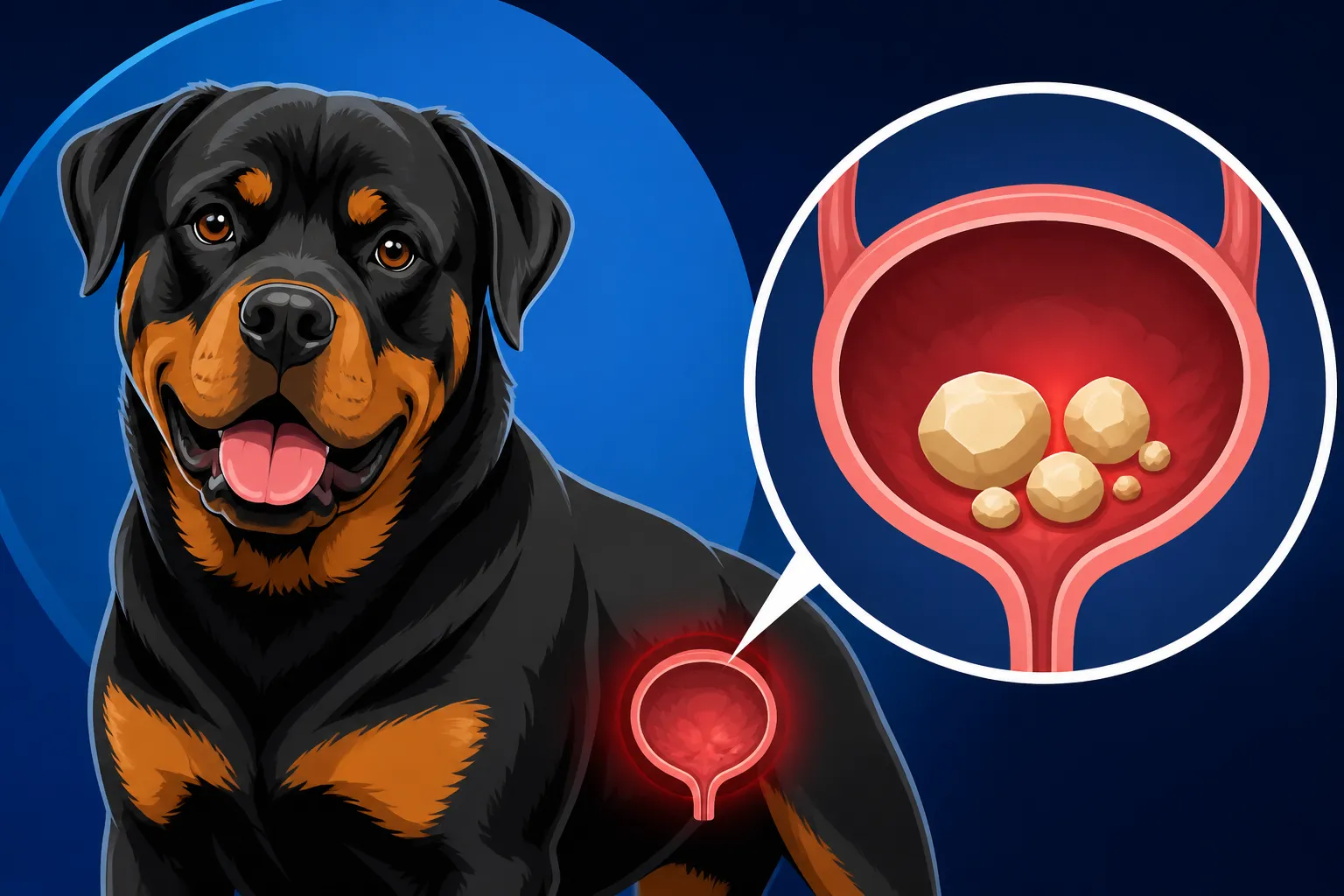
Bladder stones, also known as uroliths, are solid mineral formations that develop in a dog's urinary bladder. Think of them like kidney stones in humans, but residing in the bladder. They can range from tiny, sand-like particles that pass almost unnoticed, to larger, gravel-like pieces, or even sizable, single stones that can completely block the urethra. It’s a pretty nasty situation when they get big.
The Different Types of Stones and Their Formation
There are several types of bladder stones, and understanding which kind your Rottweiler has is crucial for effective treatment and prevention. The two most common types seen in dogs, including Rottweilers, are struvite and calcium oxalate stones. Struvite stones often form in conjunction with a urinary tract infection (UTI) because certain bacteria produce an enzyme called urease, which breaks down urea into ammonia. This process makes the urine more alkaline, creating the perfect environment for struvite crystals to precipitate and form stones. It’s a vicious cycle where the infection helps grow the stones, and the stones harbor the infection.
Calcium oxalate stones, on the other hand, tend to form in acidic urine and are not typically associated with bacterial infections. Their formation is often linked to factors like genetics, diet, and metabolic imbalances. Some breeds have a genetic predisposition to forming these stones, and while Rottweilers aren't always at the top of that list for this specific type compared to breeds like Miniature Schnauzers or Bichon Frises, they certainly aren't immune. It's a complex interplay, and often, what your dog eats and how well their body processes certain minerals plays a huge part.
Breed-Specific and Dietary Factors
While bladder stones can affect any dog, Rottweilers, due to their size, genetic background, and dietary needs, can have their own set of challenges. For instance, managing Rottweiler Calcium Limits and Why Supplements Hurt is crucial during their growth stages, as imbalances can set the stage for issues later on. Incorrect calcium levels, whether too high or too low, can contribute to various health problems, including stone formation, though direct links need careful veterinary analysis.
Diet plays a monumental role. Foods high in certain minerals, or those that promote an imbalance in urinary pH, can contribute to stone formation. For example, diets that are too high in protein, sodium, or calcium can sometimes increase the risk of calcium oxalate stones. Conversely, diets that make the urine too alkaline can encourage struvite stones. It’s a delicate balance, and what works for one dog might not work for another, even within the same breed. Also, not drinking enough water can concentrate urine, making it easier for crystals to form. Ensuring your Rottweiler Water Intake at Size is adequate is a simple, yet powerful, preventive measure.
Recognizing the Signs of Bladder Stones in Your Rottweiler
Spotting bladder stones early can make a huge difference in your Rottweiler's comfort and treatment outcome. These aren't always glaring, obvious symptoms right away. Sometimes, they start subtle, like a slight change in routine, and gradually escalate into something more concerning. You know your dog best, so paying close attention to their habits is key.
Changes in Urination Habits
One of the most common indicators of bladder stones is a noticeable change in your Rottweiler's urination habits. You might see them straining to urinate, often crouching for a long time with little to no urine produced. This is called stranguria, and it’s a clear sign of discomfort and potential obstruction. They might also start urinating much more frequently than usual, sometimes only producing small amounts, or even having accidents in the house when they're typically perfectly house-trained. This increased frequency, known as pollakiuria, is their body's attempt to relieve the irritation caused by the stones rubbing against the bladder wall. If you notice your dog trying to pee every few minutes, especially without much success, it’s definitely time to call the vet. It’s a lot like how a human might feel with a severe UTI, that constant urge without relief.
Blood in Urine and Associated Pain
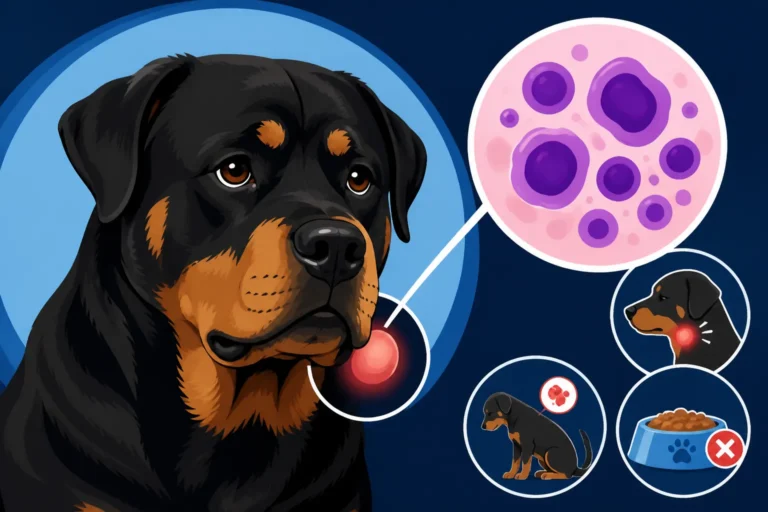
Perhaps one of the most alarming signs for any dog owner is seeing blood in their Rottweiler's urine, a condition known as hematuria. This happens when the stones irritate and abrade the delicate lining of the bladder, causing bleeding. The urine might appear pinkish, reddish, or even have visible streaks of blood. This is a definite red flag.
Beyond the visible blood, your Rottweiler might exhibit signs of pain or discomfort. They might seem restless, especially when lying down, or shift positions frequently trying to get comfortable. Some dogs will adopt an arched back posture, indicating abdominal pain. You might also notice them excessively licking their genital area, a common self-soothing behavior when experiencing irritation or pain. They might be reluctant to move, jump, or play, or generally seem lethargic. Just like with Rottweiler Hip Dysplasia Symptoms Before Age Two, pain can manifest in many subtle ways, so observe carefully.
The Emergency of Urinary Obstruction
In severe cases, a bladder stone can move into the urethra, the tube that carries urine from the bladder out of the body, causing a partial or complete urinary obstruction. This is a life-threatening emergency, especially in male Rottweilers, whose narrower urethras make them more prone to blockages. If your Rottweiler tries to urinate but absolutely no urine comes out, or if they appear extremely distressed, crying, pacing, or straining without success, you need to get them to an emergency vet immediately.
A full obstruction means toxins are building up in their body, and their bladder can rupture. This isn't a "wait and see" situation; every minute counts. This is where having pet insurance like Healthy Paws can truly alleviate some of the financial stress during a critical emergency, allowing you to focus on getting your dog the immediate care they need without hesitation.
Diagnosis and Treatment Options for Rottweiler Bladder Stones
Once you've noticed concerning signs, the next step is a trip to the vet. Don't delay—the sooner you get a diagnosis, the sooner your Rottweiler can find relief and begin treatment. Your veterinarian will use a combination of methods to pinpoint the problem.
Veterinary Examination and Diagnostics
Your vet will start with a thorough physical examination. They might gently palpate your Rottweiler’s abdomen to feel for an enlarged or painful bladder. This can be challenging in a large, muscular dog like a Rottweiler, especially if they are tense or in pain. Next, they’ll likely ask for a urine sample. A urinalysis is critical. It will check the urine's pH, look for the presence of blood, protein, white blood cells (indicating infection), and specific types of crystals. Identifying the crystal type can give a strong clue about the kind of stone present. They might also do a urine culture to identify any specific bacteria causing a urinary tract infection.
Imaging is often the definitive diagnostic tool. X-rays can reveal most types of bladder stones, as many are radio-opaque, meaning they show up clearly on the images. However, some stones, like pure urate stones, are radio-lucent and might not be visible on a standard X-ray. In these cases, an ultrasound is invaluable. It can visualize all types of stones, assess the bladder wall for thickening or inflammation, and even detect any potential obstructions. It provides a more detailed view of the entire urinary tract. Knowing this information can save a lot of time and worry when trying to figure out what's going on. Bloodwork Worth Running on a Senior Rottweiler can also give a broader picture of overall organ function, which is useful before any major treatment.
Dietary Management and Medical Dissolution
For certain types of stones, particularly struvite stones, dietary management can be incredibly effective. Prescription diets are formulated to change the urine’s pH and reduce the concentration of the minerals that form these stones. These diets are typically low in magnesium, phosphorus, and protein, and are designed to make the urine more acidic, which helps dissolve struvite stones. This isn’t a quick fix; dissolution can take weeks to months, and your Rottweiler will need to eat only the prescription diet during this time, with no other treats or foods. Regular rechecks, including urinalysis and X-rays, will be necessary to monitor progress.
For stones associated with infection, antibiotics will be prescribed to clear up the underlying urinary tract infection. Pain medication might also be given to help manage your Rottweiler's discomfort. It's important to remember that these specialized diets aren't just "special food"; they are a critical part of the medical treatment. When considering the ongoing costs of these specialized foods and vet visits, it’s reassuring to know that a good pet insurance plan from providers like Healthy Paws often covers prescribed therapeutic diets when used for a covered condition.
Surgical Intervention and Other Procedures
Unfortunately, not all stones can be dissolved with diet and medication. Calcium oxalate stones, for example, cannot be medically dissolved and typically require surgical removal. This procedure, called a cystotomy, involves surgically opening the bladder to remove the stones. It’s a major surgery, but often highly successful. Your Rottweiler will need time to recover, with careful monitoring for complications and strict adherence to post-operative care instructions.
For very small stones, especially in female dogs with a wider urethra, a procedure called urohydropropulsion might be an option. This non-surgical technique involves flushing the stones out of the bladder through a catheter. It's less invasive but only suitable for small, easily passable stones and requires the dog to be sedated or anesthetized. In cases of a urethral obstruction, immediate intervention is necessary to relieve the blockage. This might involve catheterization to push the stone back into the bladder or, in some dire cases, surgery to remove the obstructing stone directly from the urethra. Recovery after a significant surgery like this can be a long road, much like recovery from Amputation Recovery Week by Week for a Rottweiler, requiring dedication and patience.
| Stone Type | Causes/Conditions | Urine pH Preference | Dissolvable by Diet/Meds | Common Treatment |
|---|---|---|---|---|
| Struvite | Often associated with Urinary Tract Infections (UTIs) | Alkaline | Yes | Prescription Diet, Antibiotics |
| Calcium Oxalate | Genetic predisposition, diet, metabolic issues | Acidic | No | Surgical Removal |
| Urate | Genetic predisposition (e.g., Dalmatians), liver disease | Acidic | Sometimes (specific diet/meds) | Prescription Diet, Allopurinol |
| Cystine | Genetic metabolic defect (rare) | Acidic | Sometimes (specific diet/meds) | Prescription Diet, Medications |
Preventing Recurrence and Long-Term Management
Successfully treating bladder stones is a huge relief, but the job isn't over. Preventing their recurrence is just as important, especially since dogs that have had stones once are more prone to developing them again. This is where proactive management and consistent care truly shine.
The Importance of Ongoing Dietary Control
For dogs prone to bladder stones, a strict, lifelong dietary regimen is often the cornerstone of prevention. If your Rottweiler had struvite stones, they might need to stay on a specialized prescription diet that keeps their urine acidic and prevents crystal formation. For calcium oxalate stone formers, the diet will focus on minimizing calcium and oxalate, often promoting more alkaline urine, depending on the specifics, to prevent new stones from forming. It's not just about the type of food, but also consistent feeding. Feeding an Adult Rottweiler at a Hundred Twenty Pounds requires careful portion control to maintain a healthy weight and avoid contributing to stone formation. Even small deviations from the prescribed diet can undermine prevention efforts. That means no table scraps, no unauthorized treats, and careful management of anything they might sneak.
Increasing Water Intake and Regular Monitoring
Diluting your Rottweiler's urine is a simple yet powerful way to help prevent stones. The more dilute the urine, the harder it is for crystals to form and clump together. Encouraging water intake can involve adding water to their food, offering multiple water bowls around the house, using a pet drinking fountain, or even feeding wet food rather than dry kibble. Every little bit helps. Keeping their urine flowing also helps flush out any microscopic crystals before they have a chance to grow into full-fledged stones.
Regular follow-up appointments with your veterinarian are non-negotiable. This usually involves periodic urinalysis to check urine pH, crystal presence, and bacterial status, and sometimes follow-up imaging (X-rays or ultrasound) to ensure no new stones are forming. The frequency of these check-ups will depend on the type of stones your Rottweiler had and their individual risk factors. Catching any new crystal formation early can allow for dietary adjustments or medical intervention before they become a problem again. This proactive approach can make a huge difference in your Rottweiler's long-term health and comfort. Remember to stick to your Vet Visit Frequency for a Senior Rottweiler even if your dog is feeling fine, as many issues can be caught early.
Long-Term Health and Financial Planning
The reality is that managing chronic health conditions like recurrent bladder stones can be costly over your Rottweiler's lifespan. Prescription diets, ongoing medications, regular diagnostic tests, and the potential for future surgical interventions all add up. This is where smart financial planning comes in. Pet insurance, such as a policy from Healthy Paws, can be a real lifesaver. While it typically won't cover pre-existing conditions, if you enroll your Rottweiler when they are young and healthy, it can help cover a significant portion of the costs for future, unexpected illnesses or injuries, including subsequent bladder stone treatments. Understanding the Rottweiler Pet Insurance and the $204 Average can help you budget for these crucial protections.
Beyond financial considerations, be prepared to be an active participant in your Rottweiler's health management. This involves diligent adherence to dietary restrictions, monitoring their urination, and maintaining open communication with your vet. It's a team effort to ensure your magnificent Rottweiler can live their fullest, most comfortable life, free from the pain and complications of bladder stones.
Disclaimer
This article is intended for informational purposes only and does not constitute veterinary advice. Always consult with a qualified veterinarian for any health concerns or before making any decisions about your Rottweiler's care or treatment.