Whether Rottweiler Insurance Covers Bloat Surgery
The sudden, terrifying onset of bloat in a Rottweiler is every owner's nightmare. It’s an emergency that strikes without warning, demanding immediate, often costly, surgical intervention. Facing that critical decision, with your beloved dog's life hanging in the balance, is harrowing enough without also grappling with the financial stress. This guide is here to walk you through exactly what pet insurance typically covers when it comes to bloat surgery for your Rottweiler, helping you understand your policy before a crisis hits.
Understanding Gastric Dilatation and Volvulus GDV in Rottweilers
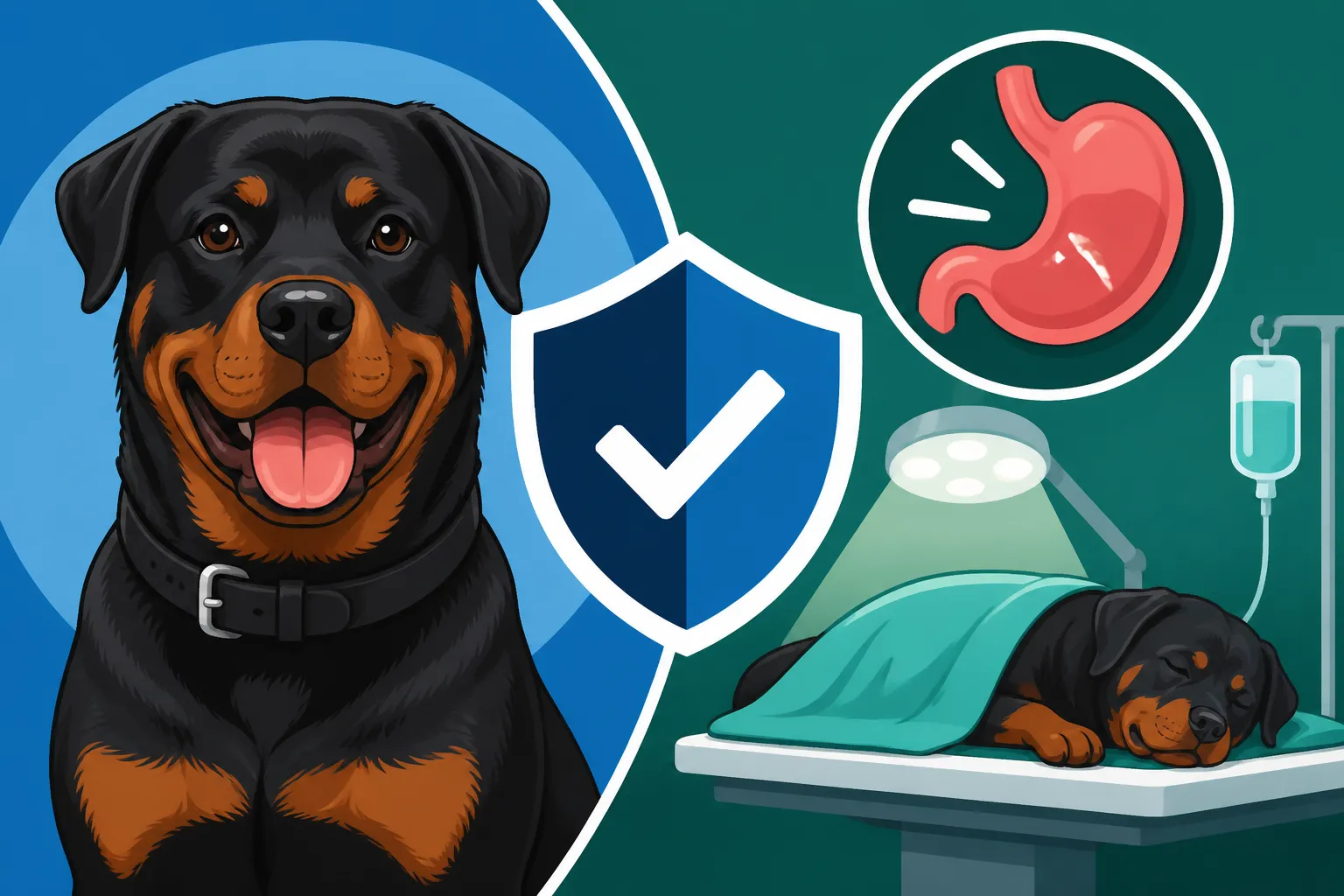
Gastric Dilatation and Volvulus, mercifully shortened to GDV, but more commonly known as "bloat," is a life-threatening condition that disproportionately affects large, deep-chested breeds like our magnificent Rottweilers. It's not just a stomach ache; it's a critical emergency where the stomach first fills with gas (dilatation) and then twists upon itself (volvulus), trapping the gas and cutting off blood flow. This twisting action, known as torsion, can very quickly send your dog into shock, damaging vital organs and leading to death within hours if not treated immediately.
The Anatomy of a Bloat Emergency
Imagine your Rottweiler, perhaps after a meal or a vigorous play session, suddenly becoming restless, pacing, and trying repeatedly to vomit without bringing anything up. You might notice their abdomen distending rapidly, becoming hard and painful to the touch. These are the classic, terrifying signs that your dog is experiencing bloat. The speed at which this condition progresses is what makes it so lethal. Within moments of the stomach twisting, blood supply to the stomach wall is compromised, leading to tissue death. The pressure from the distended stomach also impacts breathing and circulation, putting immense strain on the heart.
This isn't a condition you can "wait and see" with. Every minute counts. If you suspect your Rottweiler is bloating, it’s an immediate race to the emergency veterinary clinic. There's a reason we often talk about Bloat in a Rottweiler and the Hours That Matter because delays can, and often do, prove fatal. The vet will need to act swiftly, first to stabilize your dog, and then to perform emergency surgery to untwist the stomach and assess any damage.
Why Rottweilers Are Prone to Bloat
While the exact cause of bloat isn't fully understood, a combination of factors increases a Rottweiler's risk. Their large size and deep chest cavity create more space for the stomach to shift and twist. Fast eating, consuming a single large meal, excessive exercise before or after eating, stress, and even genetics can play a role. Older Rottweilers, particularly those over the age of seven, also face a higher risk, a consideration that becomes even more important when thinking about Senior Rottweiler Care After the Age of Seven.
Some breeders are now proactively discussing options like gastropexy, a surgical procedure where the stomach is tacked to the abdominal wall to prevent future twisting. This can be done preventatively, often at the same time as spaying or neutering. We often refer to Gastropexy to Prevent Rottweiler Bloat as a preventative measure, but if bloat has already occurred, the emergency surgery will often include a gastropexy to prevent recurrence.
How Pet Insurance Handles Emergency Veterinary Care
When you're facing a veterinary emergency, the last thing you want is to be blindsided by astronomical bills. This is where pet insurance can truly be a lifeline. Most comprehensive pet insurance policies are designed to cover unexpected accidents and illnesses, and an emergency like bloat surgery falls squarely into that category. However, understanding the nuances of your specific policy is crucial.
Deductibles, Reimbursement, and Annual Limits
Pet insurance isn't like human health insurance in every way, but it shares some core concepts. You'll typically pay a monthly premium, and in return, the insurer will help cover eligible veterinary costs after you've met certain conditions.
- Deductible: This is the amount you, the policyholder, must pay out-of-pocket before your insurance company starts reimbursing you for claims. Deductibles can range from $100 to $1,000 or more per year, or sometimes per incident, depending on your plan. If your Rottweiler needs bloat surgery, you'll be responsible for this initial amount before coverage kicks in.
- Reimbursement Percentage: After your deductible is met, your insurance company will reimburse you for a percentage of the remaining eligible veterinary costs. Common reimbursement percentages are 70%, 80%, or 90%. So, if your bill is $5,000, your deductible is $250, and your reimbursement is 80%, you'd pay the $250 deductible, and then 20% of the remaining $4,750 ($950). The insurer would cover the other 80% ($3,800).
- Annual Limit: Most policies have an annual maximum amount they will pay out in a policy year. This could be anywhere from a few thousand dollars to unlimited coverage. Bloat surgery can easily run into thousands of dollars, so a robust annual limit is important for a large breed like a Rottweiler.
Many pet insurance providers, such as Healthy Paws, offer comprehensive accident and illness plans that are designed to cover emergencies like GDV. Their models are often straightforward, focusing on covering a wide range of unexpected medical events. When researching policies, you might find platforms like Chewy offering various insurance options, allowing you to compare plans from different providers in one place, which can be incredibly helpful for finding the right fit for your Rottweiler.
Waiting Periods and Pre-Existing Conditions
Before you can claim for bloat surgery, two critical factors come into play: waiting periods and pre-existing conditions.
- Waiting Periods: Every pet insurance policy has waiting periods, which are specific lengths of time you must wait after purchasing a policy before certain coverages become active. For accidents, this is typically short, often just a few days. For illnesses, it can be longer, usually 14-30 days. Some conditions, like orthopedic issues, might have even longer waiting periods. Since bloat is considered an emergency illness or accident (depending on how the specific policy categorizes it), the accident and illness waiting periods are crucial. If your Rottweiler bloats a week after you buy a policy with a 14-day illness waiting period, the claim might be denied. This is why getting insurance early, ideally when your Rottweiler is a puppy, is always recommended.
- Pre-Existing Conditions: This is where things can get complicated. A pre-existing condition is any illness or injury that your pet showed signs of, or was diagnosed with, before your coverage started or during the waiting period. Pet insurance generally does not cover pre-existing conditions. For bloat, this means if your Rottweiler had a previous episode of bloat, even a milder one that didn't require surgery, it might be excluded from coverage in a new policy. However, most first-time bloat occurrences are unexpected, making them eligible for coverage if they occur after the waiting period. It’s always best to enroll your Rottweiler at Eight Weeks Old to minimize the risk of a pre-existing condition exclusion.
Here’s a quick overview of how common policy terms affect emergency bloat coverage:
| Policy Term | Description | Impact on Bloat Surgery Coverage |
|---|---|---|
| Premium | The regular payment you make to maintain coverage. | Higher premiums often correlate with lower deductibles, higher reimbursement percentages, or higher annual limits, providing more financial buffer for high-cost emergencies like bloat surgery. |
| Deductible | The amount you pay out-of-pocket before insurance starts to reimburse. | You must pay this amount (e.g., $250-$1,000) for the bloat surgery before your insurer contributes. Choose a deductible you can comfortably afford in an emergency. |
| Reimbursement | The percentage of eligible costs the insurer pays after the deductible. | If your plan has an 80% reimbursement, and the eligible bloat surgery cost (after deductible) is $4,000, the insurer pays $3,200, and you pay $800. |
| Annual Limit | The maximum amount the insurer will pay in one policy year. | Bloat surgery can range from $3,000 to $8,000+. Ensure your annual limit is high enough (e.g., $10,000 or unlimited) to cover the full potential cost of such a critical procedure and associated aftercare, especially for a large breed like a Rottweiler. |
| Waiting Period | Time you must wait after enrollment before coverage begins. | Bloat is often an "illness" or "accident" claim. If it occurs during the illness/accident waiting period (typically 14-30 days), your claim will likely be denied. Enroll your Rottweiler as early as possible to avoid this. |
| Pre-Existing Cond. | Any condition present before enrollment or during waiting period. | If your Rottweiler had any signs or diagnosis of bloat (even minor, non-surgical symptoms) before your policy started, future bloat claims could be denied as pre-existing. This is less common for first-time bloat cases but still important to be aware of. |
| Bilateral Conditions | Conditions affecting both sides of the body (e.g., hip dysplasia, cruciate). | Not directly applicable to bloat, but important for other common Rottweiler issues. Some insurers might consider a condition on one side pre-existing if it later affects the other, but bloat is generally a singular event impacting the stomach. |
| Optional Add-Ons | Extra coverage for things like wellness, behavioral issues, or physical therapy. | While not typically covering the surgery itself, some add-ons might help with post-op care like physical therapy if your Rottweiler has a prolonged recovery, or special dietary needs if prescribed by a vet. However, the core bloat surgery itself is covered under standard accident/illness. |
Specifics of Bloat Surgery Coverage for Your Rottweiler
The good news is that reputable pet insurance plans generally do cover bloat surgery, also known as Gastric Dilatation and Volvulus (GDV) surgery. Because it's a sudden, life-threatening emergency, it falls under the "accident and illness" portion of most comprehensive policies. However, the extent of that coverage, and what specifically is included, can vary.
What is Typically Covered
When a pet insurance policy covers bloat surgery, it usually includes a wide range of associated costs directly related to the emergency and recovery. This is vital because the surgery itself is just one part of the total bill.
- Emergency Examination and Diagnosis: The initial vet visit, diagnostic tests like X-rays to confirm bloat, blood work, and stabilization measures (IV fluids, pain medication) are typically covered. Recognizing What Rottweiler Bloat Looks Like in the First Hour and getting to the vet quickly is paramount, and these initial costs can add up fast.
- The Surgery Itself: The actual surgical procedure to de-rotate the stomach (detorsion) and, if possible, perform a gastropexy to prevent recurrence, is the core of the claim.
- Anesthesia and Monitoring: The costs associated with anesthesia, the surgical team, and vital sign monitoring during and immediately after the procedure.
- Hospitalization and Intensive Care: Rottweilers often require several days of hospitalization post-surgery for observation, pain management, and recovery. This can include IV fluids, monitoring, medications, and round-the-clock care, especially if there were complications or extensive damage to the stomach tissue.
- Medications: Post-operative medications for pain, antibiotics to prevent infection, and any other drugs prescribed during recovery are generally included.
- Follow-up Visits: Initial follow-up appointments to check incisions, remove sutures, and assess overall recovery are usually covered under the same claim.
It’s worth noting that if your Rottweiler requires Rottweiler Bloat Surgery and the Odds of Survival are higher with quick action and comprehensive care. Having insurance helps ensure you can make treatment decisions based on your dog's needs, not just your wallet.
What Might Not Be Covered or Has Limitations
While comprehensive, policies do have limitations. It's crucial to be aware of what might not be covered, or where you might hit an annual limit.
- Elective Gastropexy: If you opt for a preventative gastropexy (where the stomach is tacked before a bloat episode occurs, often at the time of spay/neuter), it's generally not covered by standard accident and illness policies. This is because it's an elective procedure, not an emergency treatment. Some wellness plans or specific surgical add-ons might offer partial coverage, but this is rare. You would need to check with your provider if Preventive Gastropexy Pricing for a Rottweiler is something you're considering.
- Pre-existing Conditions: As mentioned, if your Rottweiler showed symptoms of bloat or had a previous bloat episode before your policy's waiting period was over, future bloat-related claims would likely be excluded. This is the biggest potential hurdle.
- Exclusions for Negligence or Intentional Harm: While highly unlikely for a responsible owner, policies typically exclude conditions arising from neglect, abuse, or intentional harm.
- Experimental Treatments: Any experimental treatments or medications not recognized by the veterinary community might not be covered. However, bloat surgery is a standard, well-established procedure, so this is rarely an issue for the primary surgery.
- Annual Limits and Deductibles: While not an exclusion, hitting your annual limit means you'll pay out-of-pocket for any remaining costs. Similarly, your deductible must be met before reimbursement begins. Given that emergency vet bills can easily range from $3,000 to $8,000 or even more, choosing a plan with a high annual limit or even unlimited coverage is a smart move for a Rottweiler. After surgery, managing a special diet or medications might mean ordering supplies online, and services like Chewy can be a lifeline for prompt delivery of these necessities, though the cost of the food itself wouldn't typically be covered by insurance unless medically prescribed for a specific condition.
Navigating Your Policy and Filing a Claim
Understanding your pet insurance policy before an emergency strikes is truly invaluable. When your Rottweiler is in crisis, you want to focus entirely on their care, not on scrambling to figure out coverage details. Taking the time to review your policy documents thoroughly and knowing how to file a claim effectively can save you a world of stress.
Reviewing Your Policy Details
The most important step is to read your policy document carefully, ideally as soon as you purchase it. Don't just skim the highlights; dive into the fine print. Look for sections detailing emergency care, accident and illness coverage, and specifically any exclusions related to gastrointestinal issues or large breed conditions.
Pay close attention to:
- Waiting Periods: Confirm the exact waiting periods for accidents and illnesses. Mark them on your calendar. This way, you'll know precisely when your Rottweiler's coverage officially begins.
- Deductible Amount: Be clear on your deductible and whether it's an annual deductible or per-incident. Knowing this helps you budget for potential out-of-pocket costs.
- Reimbursement Percentage: Understand the percentage your insurer will cover. Is it 70%, 80%, or 90%? This directly impacts your final payment.
- Annual Limit: Confirm your maximum annual payout. For a breed like a Rottweiler, prone to expensive conditions like Osteosarcoma, the Cancer That Takes Most Rottweilers or Rottweiler Heart Disease and Subaortic Stenosis in addition to bloat, a higher limit offers much greater peace of mind.
- Claims Process: Familiarize yourself with how to submit a claim. Most modern providers allow online submissions, but some may require paper forms. Know what documentation your vet needs to provide (e.g., medical records, invoices).
If anything in your policy is unclear, don't hesitate to call your insurance provider directly. Their customer service agents are there to explain terms and conditions. It's far better to ask questions now than to be confused during an emergency.
The Claims Process for Bloat Surgery
When your Rottweiler has bloat, time is of the essence. You'll likely be at an emergency veterinary clinic, which might be different from your regular vet. Here's a typical claims process:
- Seek Immediate Veterinary Care: This is the absolute first step. Get your Rottweiler to the nearest emergency vet immediately if you suspect bloat. Do not delay for insurance paperwork. The vet's priority will be stabilization and surgery. They will likely ask for payment upfront or a deposit, as they don't typically bill insurance companies directly. This is why having an emergency fund or a credit card available for immediate vet bills is essential, even with insurance.
- Inform Your Vet About Insurance: Let the veterinary staff know you have pet insurance. They can often help prepare the necessary medical records and invoices for your claim. They might even have experience working with your specific insurance provider.
- Gather Documentation: You'll need an itemized invoice from the vet showing all charges for the diagnosis, surgery, hospitalization, and medications. You'll also need your Rottweiler's full medical records from the emergency visit.
- Submit Your Claim: Once you have all the documentation, submit your claim to your insurance provider. Many companies, including Healthy Paws and those accessible through platforms like Chewy, have user-friendly online portals or apps for this. Fill out all required fields accurately and attach your documents.
- Review and Reimbursement: The insurance company will review your claim. This process can take a few days to a couple of weeks. Once approved, they will reimburse you directly via check or direct deposit, according to your policy's deductible and reimbursement percentage.
Remember, even though the primary focus is emergency coverage, proactive health management is always beneficial. While insurance handles the big medical bills, remember that day-to-day nutrition plays a huge role in overall health. Some owners opt for fresh food delivery services like Ollie for their regular meals, though these daily food costs are separate from insurance coverage for emergencies.
Having pet insurance for your Rottweiler, especially with comprehensive coverage for accidents and illnesses, is one of the most responsible decisions you can make. It transforms a potentially devastating financial burden into a manageable expense, allowing you to focus on your dog's recovery when they need you most.
Disclaimer
Please note that this guide provides general information about pet insurance and bloat surgery coverage. Specific coverage details, exclusions, and reimbursement rates can vary significantly between insurance providers and individual policies. It is crucial to read your specific pet insurance policy document thoroughly and contact your insurance provider directly to confirm your coverage details. This content is not a substitute for professional veterinary advice or legal advice regarding insurance contracts.