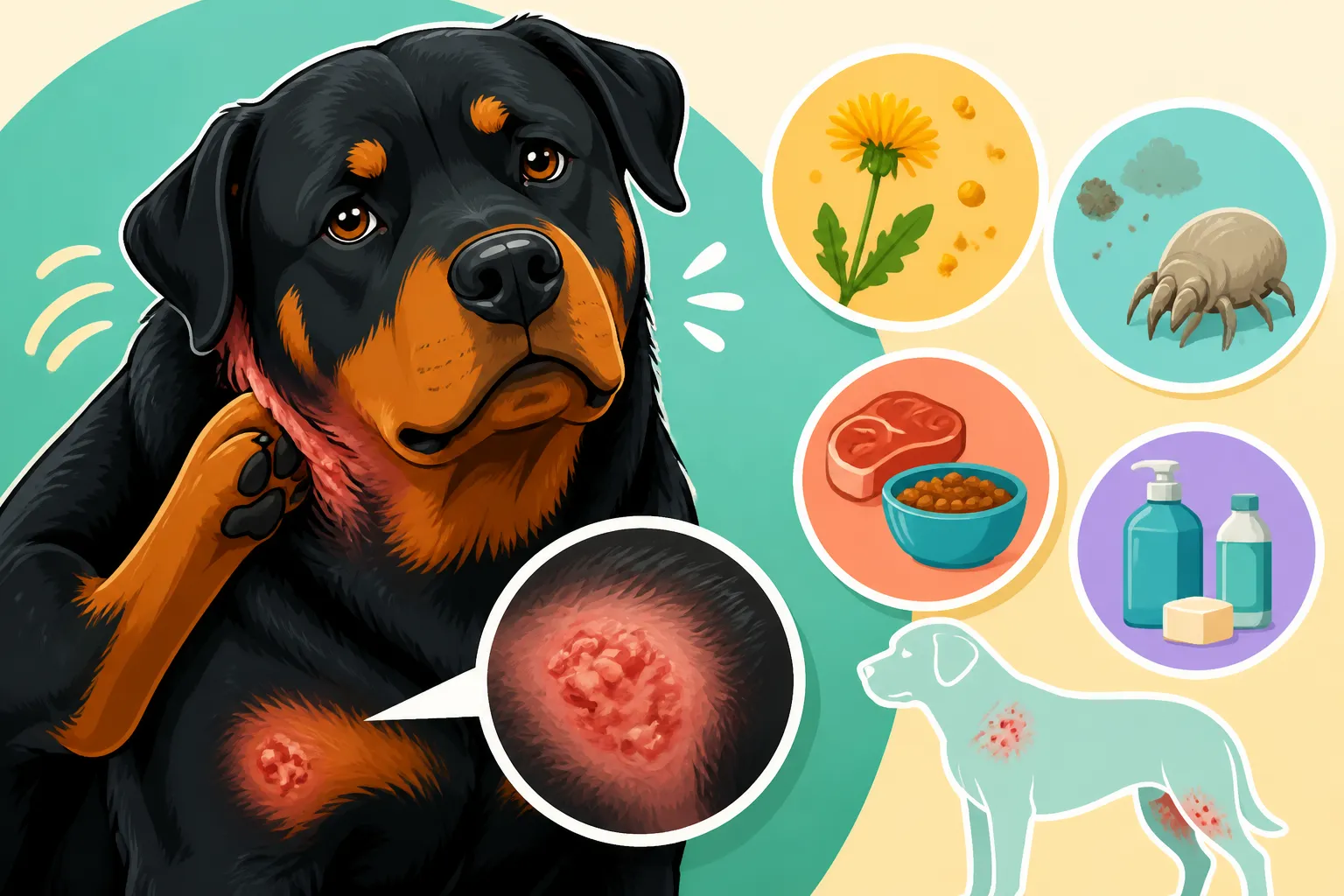
Rottweiler Allergies and Recurring Skin Infections
It's absolutely heartbreaking to watch your magnificent Rottweiler suffer with constant itching, red skin, and those relentless ear infections that just keep coming back. You feel like you've tried everything – different foods, countless trips to the vet, special shampoos – and yet, the relief is always temporary. This constant cycle of discomfort for your beloved companion isn't just frustrating for you; it deeply impacts their quality of life. This guide will help you understand the common causes of Rottweiler allergies and recurring skin infections, how to recognize the signs, and most importantly, what practical steps you can take to bring lasting comfort to your dog.
Understanding Why Rottweilers Get So Many Allergies
Rottweilers, for all their strength and stoicism, can be surprisingly sensitive when it comes to their skin and immune systems. It’s not just bad luck when your Rottie develops chronic itchiness; there are often underlying reasons rooted in their genetics and their interaction with the environment around them. Understanding these fundamental causes is the first step toward effective management and giving your dog the relief they desperately need.
Genetic Predisposition and Breed-Specific Traits
Many Rottweiler owners find themselves battling skin issues, and a significant part of this struggle can be traced back to genetics. Like several large breeds, Rottweilers are unfortunately predisposed to certain allergic conditions, with atopic dermatitis being a prime example. This inherited tendency means their immune systems can overreact to otherwise harmless substances in their environment, leading to chronic inflammation and itchiness. It's not a flaw in their character, but rather a genetic lottery that sometimes doesn't go their way.
Think about it this way: just as some human families are more prone to seasonal allergies or eczema, certain dog breeds carry genes that make them more susceptible to similar issues. When you combine the Rottweiler's robust physical build with a genetic predisposition for an overactive immune response, you get a dog that's not only prone to allergies but can also suffer intensely when those allergies flare up. Their dense double coat, while beautiful, can also sometimes trap allergens close to the skin, creating a perfect storm for irritation and secondary infections if not properly managed. This isn't unique to Rottweilers; breeds like German Shepherds, Labrador Retrievers, and Golden Retrievers often share similar challenges with their skin and immune systems.
Moreover, the very traits that make Rottweilers such impressive dogs – their size, their powerful structure – can inadvertently contribute to the severity of their allergic reactions. For instance, the weight they carry can put extra strain on joints, and chronic inflammation from allergies can sometimes be overlooked or exacerbated if the dog is already dealing with other health challenges. It's a complex interplay where their inherent breed characteristics can amplify the impact of common allergens. Identifying these genetic links isn helps us understand that we're dealing with a systemic issue, not just a superficial skin problem.
Environmental Factors That Trigger Flare-Ups
Beyond genetics, the world your Rottweiler lives in plays a huge role in triggering and perpetuating allergic reactions. Just like us, dogs can react to a myriad of airborne particles, contact irritants, and even tiny insects. These environmental factors act as triggers, setting off that hypersensitive immune response we discussed earlier. It’s a constant battle against invisible foes that can make your Rottie miserable.
Common culprits include pollen from trees, grasses, and weeds, which often makes allergies seasonal – worse in spring, summer, or fall. But don't discount year-round offenders like dust mites, mold spores, and even components within your home, such as certain cleaning products or carpet fibers. Fleas, though not strictly an allergen for all dogs, can be a major trigger for those with flea allergy dermatitis, where even a single bite can send them into an intense itching frenzy. Regularly checking your Rottweiler for ticks and fleas, and using effective prevention methods, is always a good idea. You can learn more about appropriate prevention in an article like, Rottweiler Flea and Tick Prevention Priced by Weight.
These allergens don't just float harmlessly by; they settle on your Rottweiler's skin, are inhaled, or are even absorbed through their paw pads as they walk. Their immune system perceives these as threats, initiating an inflammatory cascade that results in redness, swelling, and that relentless itch. For some Rottweilers, these triggers are sporadic, leading to seasonal flare-ups. For others, particularly those sensitive to indoor allergens like dust mites, the struggle can be a year-long ordeal, demanding consistent attention and management to keep them comfortable. It requires detective work on your part, often in partnership with your vet, to pinpoint what specific environmental factors are causing the most trouble.
Recognizing the Early Signs of Skin Allergies in Your Rottweiler
Spotting the subtle signs of allergies early on can make a world of difference in managing your Rottweiler's comfort and preventing more serious secondary infections. Because Rottweilers are stoic and can often mask discomfort, you need to be an attentive observer. What might seem like typical dog behavior – a scratch here, a lick there – can actually be the initial whispers of an allergy taking hold.
Itching, Licking, and Redness
The most obvious and distressingly common sign of allergies in Rottweilers is persistent itching. This isn't just a casual scratch behind the ear once or twice; it's a focused, intense desire to relieve an itch that just won't go away. You might notice your Rottie scratching with their hind legs, rubbing against furniture, or even dragging themselves across the carpet. This incessant itching can lead to raw, irritated patches of skin as they essentially self-traumatize in their attempts to find relief. It's a vicious cycle that quickly escalates if not addressed.
Beyond scratching, excessive licking is another huge red flag. Rottweilers prone to allergies often obsessively lick their paws, groin, and armpits. This might seem like a self-soothing behavior, but it often exacerbates the problem, introducing moisture and bacteria that can lead to secondary infections. If you notice your Rottie's paws are consistently wet, stained a reddish-brown (from saliva), or swollen, it's a strong indicator of an underlying allergic reaction. Regularly inspect these areas.
While their black and rust coats can cleverly hide some skin issues, you can often spot redness, especially in areas with thinner fur or where the skin is frequently irritated. Look inside their ear flaps, between their paw pads, in their armpits, and on their belly. The skin might appear inflamed, bumpy, or even have a 'hot spot' – those angry, red, weeping lesions that develop quickly from intense scratching and licking. These hot spots, unfortunately, are a common occurrence in many dogs during warmer months, and our post Rottweiler Skin Allergies and Summer Hot Spots delves deeper into preventing and treating them.
Recurring Ear and Paw Problems
For many Rottweiler owners, chronic ear infections are not just an occasional nuisance; they're a recurring nightmare directly tied to underlying allergies. A Rottweiler's drop ears, with their heavy, floppy structure, create a warm, moist environment that's perfect for bacteria and yeast to flourish. When allergies cause inflammation within the ear canal, this environment becomes even more hospitable for infections, leading to that tell-tale foul odor, excessive discharge, and painful head shaking. It’s a frustrating symptom that requires consistent veterinary care and a deep dive into the root allergic cause.
You might notice your Rottweiler constantly scratching at their ears, tilting their head, or showing pain when you try to touch them. The inside of the ear flap can appear red and swollen, and you might see dark, waxy, or pus-filled discharge. These aren't just isolated infections; they're often a symptom of systemic inflammation driven by allergies. Without addressing the allergy, the ear infections will continue to return, no matter how many rounds of drops or antibiotics you administer. Our guide on Rottweiler Ear Infections Under That Drop Ear offers more comprehensive advice on managing this specific and common issue.
Similarly, paw chewing and licking, when chronic, often leads to persistent paw problems. The constant moisture and irritation can break down the skin barrier between their toes and on their paw pads, making them vulnerable to yeast (which causes a distinct cheesy or yeasty odor) and bacterial infections. This can lead to swollen, painful paws that make walking uncomfortable for your heavy Rottweiler. You might even see small lesions, cysts, or fur staining between their toes. It’s a clear signal that their immune system is reacting to something, and often that something is an allergen.
Diagnosing Rottweiler Allergies: Beyond Guesswork
When your Rottweiler is suffering from relentless itching and skin issues, it's easy to jump to conclusions. However, accurately diagnosing allergies in dogs, especially Rottweilers, requires more than just guessing. Many skin conditions present with similar symptoms, and getting a precise diagnosis is crucial for effective treatment and preventing endless cycles of ineffective remedies.
The Importance of a Full Veterinary Workup
The first and most critical step in addressing your Rottweiler's skin problems is a thorough veterinary examination. Your vet will begin by taking a detailed history of your dog's symptoms, diet, and living environment. This initial consultation is vital, as it helps narrow down potential causes and informs the diagnostic path forward. Don't be surprised if your vet wants to rule out other common skin conditions before even thinking about allergies.
This workup will likely include several diagnostic tests designed to exclude parasites, fungal infections, and bacterial overgrowth. Skin scrapings are quick and involve gently scraping the top layer of skin to look for mites like Demodex or Sarcoptes under a microscope. Cytology, which involves collecting samples from the skin or ears with a cotton swab or tape impression, helps identify the presence of yeast (like Malassezia) or bacteria, which are common secondary infections in allergic dogs. Your vet might also recommend fungal cultures to rule out ringworm, a common skin infection. It's a comprehensive approach because, for instance, a dull coat and skin issues could also be a symptom of conditions like Thyroid Disease Behind a Rottweiler's Dull Coat, which needs to be ruled out.
These initial steps are non-negotiable because treating a bacterial infection with allergy medication, or vice versa, will be ineffective and prolong your Rottweiler's discomfort. It's all about methodically eliminating possibilities until the true culprit is identified. Only once parasites, yeast, and bacterial infections are under control can your vet truly assess if allergies are the primary, underlying problem driving the recurrent skin issues. This systematic approach saves time, money, and most importantly, provides genuine relief for your dog.
Allergy Testing Options for Your Rottweiler
Once other potential causes of skin irritation have been ruled out and allergies are strongly suspected, your veterinarian may recommend specific allergy testing. These tests are designed to pinpoint the exact allergens that are triggering your Rottweiler's immune response, allowing for more targeted and effective treatment strategies. It takes the guesswork out of the equation and helps you understand precisely what your dog is reacting to.
There are primarily two types of allergy tests available for dogs: serum IgE blood tests and intradermal skin testing. Serum IgE tests involve taking a blood sample from your Rottweiler and sending it to a specialized lab. The lab then measures the levels of allergen-specific IgE antibodies in the blood, which indicate sensitivity to various environmental allergens like pollens, molds, and dust mites. These tests are less invasive and can be performed by any vet, though their accuracy can vary between laboratories and the specific allergens tested. They offer a broad overview of sensitivities and can be a good starting point for many owners.
Intradermal skin testing, on the other hand, is considered the gold standard for environmental allergy diagnosis and is typically performed by a veterinary dermatologist. For this test, a small patch of fur is shaved on your Rottweiler's side, and tiny amounts of various allergens are injected just under the skin. The dermatologist then observes the skin for reactions (like small hives or redness) to determine which allergens cause a response. This method is highly accurate, providing a clear visual indication of your dog's sensitivities. However, it requires sedation and a specialist, which can make it more costly and less accessible depending on your location. Both tests ultimately aim to give you a clearer picture of your Rottweiler's specific allergic triggers, guiding the path toward tailored management.
| Symptom Category | Likely Primary Cause | Typical Presentation |
|---|---|---|
| Itching | Allergies | Generalized or specific to paws, ears, belly, groin. Often intense and persistent. |
| Redness | Allergies, Infection | Diffuse inflammation, hot spots. |
| Lesions/Pustules | Infection (Bacterial) | Pus-filled bumps, scabs, crusts. |
| Odor | Infection (Yeast/Bacterial) | Sweet/yeasty (yeast) or foul/rancid (bacterial). |
| Discharge | Infection (Ear/Skin) | Waxy, dark, yellowish, or green, especially from ears. |
| Fur Loss | Allergies, Infection, Parasites | Patchy or generalized, often due to self-trauma. |
| Thickened Skin | Chronic Allergies/Licking | "Elephant skin" appearance, hyperpigmentation (darkening). |
| Head Shaking | Ear Infection | Frequent, vigorous shaking, scratching at ears. |
| Paw Licking/Chewing | Allergies, Anxiety, Infection | Persistent, leading to wet, red, or stained paws. |
Managing and Treating Rottweiler Skin Allergies
Once a diagnosis of allergies is confirmed, the real work of management begins. It’s important to understand that canine allergies are rarely "cured" but rather managed. The goal is to reduce your Rottweiler's symptoms, prevent secondary infections, and significantly improve their quality of life. This often involves a multi-modal approach, combining medications, environmental adjustments, and dietary considerations.
Topical and Oral Medications
When your Rottweiler is in the throes of an allergic flare-up, medications are often necessary to provide immediate relief and break the cycle of itching and inflammation. Your vet has several options available, and the choice will depend on the severity of symptoms and your dog's overall health. Oral medications can be incredibly effective at targeting systemic itchiness and inflammation, offering a reprieve that topical treatments alone might not achieve.
One common class of medications is corticosteroids, like prednisone, which are powerful anti-inflammatory drugs. They work quickly to reduce itching and redness, offering rapid relief. However, long-term use can come with side effects, so they are typically reserved for acute flare-ups or used at the lowest effective dose. Newer, more targeted medications like Apoquel and Cytopoint have revolutionized allergy management. Apoquel is an oral tablet that specifically targets the itch pathway, often providing relief within hours, while Cytopoint is an injectable antibody therapy that blocks a key protein involved in the itch sensation, with effects lasting 4-8 weeks. These options generally have fewer side effects than long-term steroid use, making them excellent choices for chronic allergy sufferers.
Beyond oral medications, topical treatments play a vital role, especially in controlling secondary infections and providing localized relief. Medicated shampoos containing ingredients like chlorhexidine (antibacterial) or miconazole (antifungal) can help cleanse the skin, reduce microbial overgrowth, and soothe irritation. For those stubborn hot spots or localized rashes, sprays and wipes with similar medicated ingredients or soothing agents like hydrocortisone can be very effective. If a secondary bacterial or yeast infection is present, your vet will also prescribe specific antibiotics or antifungals, either orally or topically, to clear up the infection before the allergy can be fully managed.
Environmental Control and Lifestyle Adjustments
Managing your Rottweiler's allergies isn't just about medication; it also involves making strategic changes to their environment and daily routine to minimize exposure to allergens. This proactive approach can significantly reduce the frequency and severity of flare-ups, allowing you to potentially reduce reliance on medications over time. Think of it as creating a "low-allergen zone" for your sensitive companion.
One of the simplest yet most effective steps is frequent cleaning of your home. Regular vacuuming (especially with a HEPA filter) can reduce dust mites and pet dander, which are common indoor allergens. Washing your Rottweiler's bedding weekly in hot water also helps eliminate these microscopic irritants. If pollen is a major trigger, keeping windows closed during high pollen counts and using air purifiers with HEPA filters indoors can make a big difference. After outdoor adventures, wiping down your Rottweiler's paws and coat with a damp cloth or a pet-safe wipe can remove pollen and other outdoor allergens before they are tracked into the house or absorbed by the skin.
Furthermore, meticulous flea prevention is paramount. Even if your Rottweiler doesn't have a full-blown flea allergy, fleas can worsen any existing skin irritation and complicate diagnosis. A comprehensive flea and tick prevention plan, prescribed by your vet, should be maintained year-round. Regular bathing, even with just a mild, moisturizing shampoo, can also physically wash away environmental allergens from your Rottweiler's coat, providing relief and supporting their skin barrier. However, be careful not to over-bathe, as this can dry out the skin; your vet can advise on the ideal frequency for your particular Rottweiler.
Dietary Management and Novel Protein Diets
While environmental allergies are the most common, food allergies can also be a significant contributor to skin issues in Rottweilers, presenting with symptoms very similar to environmental allergies. It's often hard to tell the difference just by looking at the skin, which is why dietary management can be a crucial part of the diagnostic and treatment process. Unlike environmental allergies, which are typically managed, food allergies can sometimes be "cured" by completely removing the offending ingredient from the diet.
The gold standard for diagnosing a food allergy is an elimination diet, often referred to as a "food trial." This involves feeding your Rottweiler a strict diet consisting of a novel protein source (one they've never eaten before, like duck, venison, or rabbit) and a single carbohydrate, or a hydrolyzed protein diet where the proteins are broken down into particles too small for the immune system to recognize. This strict diet must be fed for a minimum of 8 to 12 weeks, and during this time, absolutely no other food, treats, or flavored medications can be given. Even a tiny piece of their old kibble or a common dog treat can invalidate the entire trial. Our article Eight Weeks of Elimination Diet for a Rottweiler provides an in-depth look at this process.
If your Rottweiler's skin symptoms improve dramatically during the elimination diet, it strongly suggests a food allergy. To confirm, your vet may recommend a "challenge" phase, reintroducing the old diet to see if symptoms return. If they do, you then know which ingredients to avoid permanently. Finding a commercial diet that matches a novel protein requirement and is suitable for a large breed like a Rottweiler can sometimes be a challenge, as they often require specific nutrient balances, but many reputable brands offer prescription novel protein diets that are nutritionally complete.
Long-Term Strategies for a Healthier, Happier Rottweiler
Successfully managing Rottweiler allergies is a marathon, not a sprint. It requires commitment, patience, and a comprehensive long-term strategy that goes beyond simply treating immediate symptoms. The aim is to create a sustainable plan that minimizes flare-ups, supports overall health, and ensures your Rottie lives as comfortably and happily as possible, despite their allergic tendencies.
Immunotherapy and Desensitization
For Rottweilers suffering from confirmed environmental allergies (atopic dermatitis), one of the most effective long-term strategies is immunotherapy, also known as allergy shots or desensitization therapy. This approach is unique because it aims to reprogram your dog's immune system to become less reactive to specific allergens, rather than just suppressing the symptoms. It's a highly personalized treatment, formulated based on the results of your Rottweiler's allergy testing (either blood or intradermal).
Immunotherapy involves administering very small, increasing doses of the identified allergens over time. This can be given via injections (allergy shots) at home, typically starting frequently and then tapering to once every few weeks, or through oral drops given under the tongue (sublingual immunotherapy). The goal is to gradually desensitize the immune system, teaching it to tolerate these substances rather than overreacting to them. It's a significant commitment, requiring consistent administration for many months, and often for the rest of your dog's life.
The benefits, however, can be profound. While not a "cure," immunotherapy can significantly reduce the severity and frequency of allergic flare-ups, sometimes even leading to a complete cessation of symptoms. It can also decrease the need for other medications like steroids or Apoquel, thereby minimizing potential side effects. It takes time to see results, usually 6-12 months, and some dogs may only see partial improvement, but for many Rottweilers, it offers the best chance at long-term, drug-sparing relief from their chronic allergies. It's an investment in their future comfort.
Nutritional Support and Supplements
Beyond specific allergy diets, a general focus on high-quality nutrition and targeted supplements can play a crucial role in supporting your Rottweiler's skin barrier and overall immune health. The skin is the body's largest organ and a robust first line of defense; feeding it properly from the inside out is paramount for allergy sufferers. A balanced diet provides the building blocks for healthy skin and coat, helping to manage inflammation.
Omega-3 fatty acids, particularly EPA and DHA found in fish oil, are powerhouse supplements for allergic dogs. They possess strong anti-inflammatory properties that can help reduce the body's allergic response and improve the health of the skin barrier. A healthy skin barrier is more resilient against environmental allergens and less prone to moisture loss, which can exacerbate itching. Dosing is crucial for a large dog like a Rottweiler, and your vet can recommend the appropriate amount to ensure efficacy without unwanted side effects.
Additionally, some veterinarians advocate for probiotics to support gut health, based on growing evidence linking gut microbiome balance to overall immune function and skin health. While not a direct treatment for allergies, a healthy gut can contribute to a more balanced immune system, potentially reducing the severity of allergic reactions. When considering any supplement, it's always best to consult with your veterinarian to ensure it's appropriate for your Rottweiler and won't interact negatively with any other medications or conditions. You can read more about gut health in our article, Gut Support for a Rottweiler After Antibiotics.
The Role of Pet Insurance in Managing Chronic Allergies
Living with a Rottweiler who suffers from chronic allergies and recurring skin infections can be emotionally draining, and let's be honest, financially draining too. The endless vet visits, diagnostic tests, specialized medications, medicated shampoos, and potentially immunotherapy treatments can quickly add up to significant expenses over your dog's lifetime. This is where pet insurance can become an absolute lifesaver for Rottweiler owners.
Companies like Healthy Paws offer comprehensive pet insurance plans that can help cover a substantial portion of these ongoing costs. Imagine not having to agonize over whether you can afford the next round of allergy shots or a specialist's consultation. With pet insurance, you can focus on getting your Rottweiler the best possible care without the constant stress of the accumulating bills. This peace of mind is invaluable, especially when dealing with a chronic condition like allergies that often requires consistent, long-term management.
However, a critical factor to remember is that pet insurance typically operates on the principle of "pre-existing conditions." This means that any illness or injury your Rottweiler showed signs of before you enrolled them or before the policy's waiting period ended will not be covered. For allergies, this is particularly important: if your Rottweiler has already started showing skin issues before you get insurance, those issues (and related treatments) will likely be excluded. Therefore, the wisest time to enroll in a pet insurance plan is when your Rottweiler is a healthy puppy, long before any potential allergy symptoms develop. This proactive step can ensure that conditions like allergies, if they do arise, are covered from the outset, saving you thousands of dollars in the long run. To understand more about the financial aspects of owning this breed, our article, Rottweiler Pet Insurance and the $204 Average, might be helpful.
Disclaimer
The information provided in this article is for general informational purposes only and is not a substitute for professional veterinary advice. Always consult with a qualified veterinarian for any health concerns or before making any decisions related to your Rottweiler's care, diet, or treatment.