The Exercise That Damages a Growing Rottweiler
Bringing home a Rottweiler puppy is an exciting time, full of dreams about long walks, active play, and a loyal companion by your side. However, the eagerness to get your growing pup out and about can inadvertently lead to significant health issues down the road if not managed carefully. Many well-meaning owners push their young Rottweilers too hard, too fast, unaware that certain types of exercise can cause irreversible damage to their still-developing bones and joints. This guide will help you understand the specific activities that pose a risk to your growing Rottweiler and how to ensure their physical development supports a lifetime of health and happiness.
Understanding Your Rottweiler's Developing Body
Rottweilers are a large, powerful breed, but their rapid growth means their bodies aren't miniature adult dogs; they're delicate and undergoing immense change. This period of growth is critical, and understanding the physiology is key to preventing lifelong problems.
The Vulnerability of Growth Plates
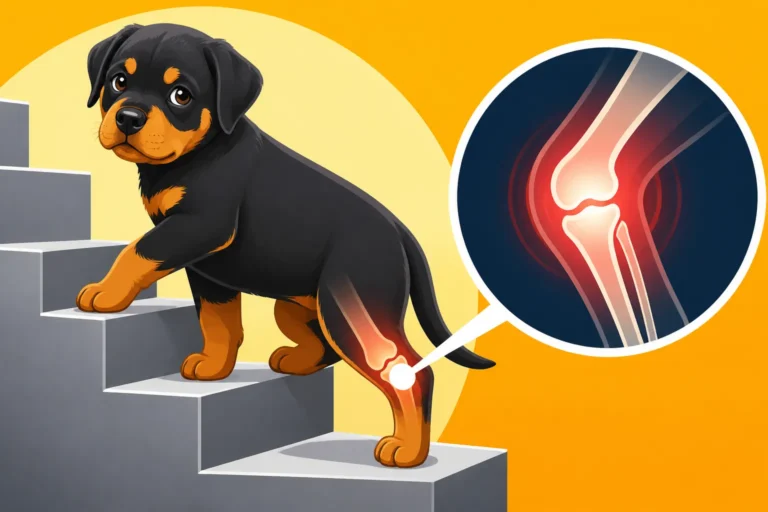
Think of your Rottweiler puppy's bones as being "under construction." Unlike adult bones, which are fully ossified (hardened bone), puppy bones have areas of cartilage called growth plates, or physes, located near the ends of long bones. These growth plates are responsible for all bone lengthening. They are incredibly vulnerable to injury because they are softer and weaker than the surrounding tendons, ligaments, and muscle. Any excessive impact or twisting force can easily damage these plates, leading to abnormal bone growth, pain, and long-term lameness. A damaged growth plate can close prematurely, causing one leg to become shorter than the other, or can lead to deformities that require extensive and costly surgeries. This is why understanding Rottweiler Growth Plates and Why They Close So Late is so crucial for every owner.
Why Growing Rottweilers Are Prone to Joint Issues
Rottweilers, like many large and giant breeds, are predisposed to orthopedic conditions such as hip and elbow dysplasia. These conditions are complex, with genetic components certainly playing a role, but environmental factors, especially during growth, can significantly influence their severity and manifestation. When a puppy's immature joints are subjected to repetitive stress, high-impact forces, or excessive weight-bearing before they've fully matured, it can exacerbate genetic predispositions or even initiate problems in otherwise healthy joints. The bones are growing, the ligaments and tendons are still developing their full strength, and the cartilage is easily damaged. Pushing them too hard during this critical window can turn a mild genetic tendency into a debilitating condition. Remember that even with the best preventive care, a serious joint injury can happen, so many responsible owners consider pet insurance plans, like those offered by Healthy Paws, early in their pup's life to help manage potential future veterinary costs.
High-Impact Activities to Strictly Avoid
The instinct to exercise an energetic Rottweiler puppy is strong, but certain activities, no matter how fun they seem, should be put on hold until your dog is fully mature. This usually means after their growth plates have closed, which for a Rottweiler, often isn't until Rottweiler Growth Plates Closing at Eighteen to Twenty-Four Months.
Jumping and Hard Landings
Activities involving high jumps or sudden, hard landings place immense, unnatural stress on a puppy's developing joints, particularly the hips, elbows, and shoulders.
Jumping Off Furniture or Vehicles
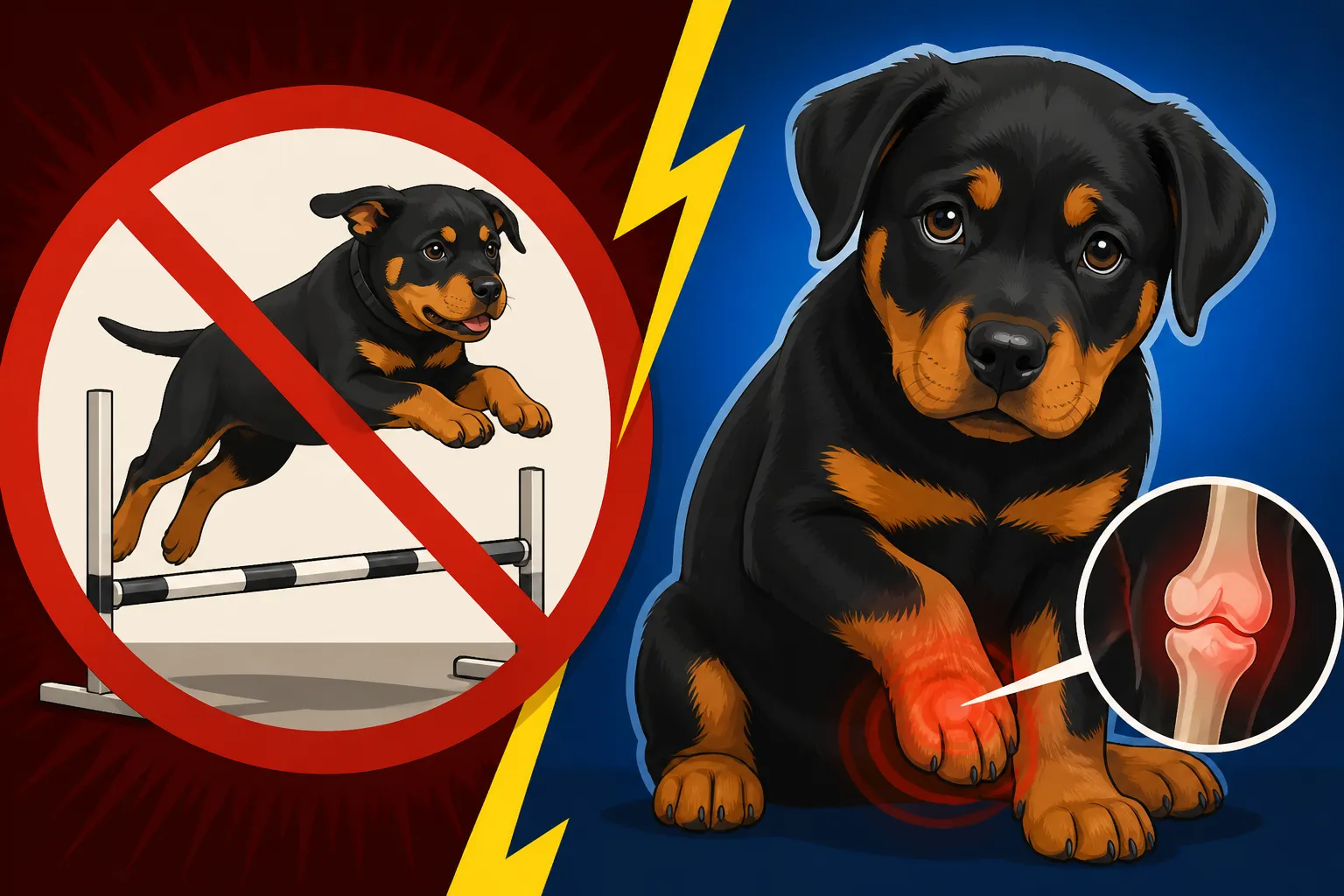
It might seem harmless for your Rottweiler puppy to leap off the sofa to greet you, or to jump out of the back of your SUV. However, the force of their body weight landing hard on immature joints can be incredibly damaging. Imagine a human child repeatedly jumping from a significant height – their bones are still soft, and the impact would be jarring and potentially injurious. For a Rottweiler puppy, even a seemingly small jump can create microtraumas to the growth plates and joint cartilage. These cumulative impacts contribute to inflammation and can lead to conditions like Rottweiler Hip Dysplasia and the OFA Grade or Rottweiler Elbow Dysplasia and Front Leg Lameness. Provide ramps for furniture and vehicles, or gently lift your puppy until they are old enough and physically mature enough to handle controlled jumps.
Intense Fetch and Agility Training Too Soon
While a game of fetch might seem like ideal exercise, if it involves your puppy launching itself into the air to catch a frisbee or ball, or making sudden, sharp turns at high speed, it's problematic. Similarly, early agility training with high jumps or weave poles can be detrimental. These activities are designed for adult dogs whose skeletal systems are fully formed. The twisting motions, rapid acceleration and deceleration, and impact from jumping and landing can strain ligaments, damage growth plates, and accelerate wear and tear on cartilage. It’s far better to focus on short, low-to-the-ground fetch sessions on soft surfaces, or wait until your Rottweiler is at least 18-24 months old before introducing advanced agility or high-impact games.
Forced Running and Long Distances
Endurance activities, especially those involving sustained trotting or running on hard surfaces, are another major no-go for young Rottweilers. Their bodies aren't built for marathons as puppies.
Running Alongside Bicycles or Treadmills
Taking your Rottweiler puppy for a run alongside your bike, or placing them on a treadmill, might seem like an efficient way to burn off energy. However, these activities force a pace and duration that a growing dog cannot naturally maintain without risk. Puppies need to stop, sniff, explore, and dictate their own pace. Forced, repetitive motion on hard surfaces, without the option to rest or change gait, puts constant, unnatural strain on their still-developing joints and soft tissues. This can lead to overuse injuries, inflammation, and long-term orthopedic problems. Your pup's natural bursts of play are far more appropriate than forced, sustained exercise.
Long, Uninterrupted Hikes or Jogs
While leisurely walks are fantastic for a growing Rottweiler, long, uninterrupted hikes or jogs are not. A good rule of thumb for puppy walks is the "five-minute rule": five minutes of structured exercise per month of age, once or twice a day. So, a four-month-old puppy might get two 20-minute walks. Pushing beyond this can overtax their developing bodies. Imagine a seven-month-old Rottweiler puppy, full of boundless energy. It's tempting to take them on a two-hour hike, but their bones and ligaments are still developing, and such extended exertion can lead to fatigue, poor form, and increased risk of injury to growth plates and joints. They might develop conditions such as Panosteitis in a Growing Rottweiler Puppy, which is painful inflammation of the long bones. This kind of over-exertion can also increase the chances of needing costly interventions down the line, highlighting the benefit of having pet insurance from a reputable provider like Healthy Paws.
Intense Roughhousing with Other Dogs or People
While social play is vital, certain types of rough-and-tumble interactions can be too much for a young Rottweiler's vulnerable physique.
High-Impact Play with Larger or More Aggressive Dogs
Introducing your Rottweiler puppy to other dogs for play is essential for socialization. However, you need to carefully select their playmates. Allowing a small, growing Rottweiler puppy to engage in overly rough play with much larger, more rambunctious dogs can be disastrous. Collisions, falls, and being jumped on or pinned can easily lead to sprains, strains, or even fractures of delicate bones and growth plates. Supervise all play sessions closely and intervene if the play becomes too intense or unbalanced, ensuring your pup is always safe.
Uncontrolled Tug-of-War or Wrestling
Playing tug-of-war is a great way to bond and can be a fantastic outlet for energy and instinct, but it must be done with control and caution with a puppy. Violent shaking or jerking motions, especially if you or another dog are pulling with excessive force, can put undue stress on the puppy's neck, spine, and developing jaw. Similarly, wrestling with a human, if it involves heavy impacts or uncontrolled twisting, can be problematic. Keep tug-of-war sessions short, low to the ground, and use appropriate, durable toys. Remember, the goal is controlled fun, not a power struggle that could result in injury.
Safe and Appropriate Exercise for Growing Rottweilers
The good news is that there are plenty of wonderful, safe ways to exercise your growing Rottweiler that will support their healthy development rather than hinder it. The key is moderation, control, and allowing your puppy to set the pace.
Controlled Walks and Gentle Play
These activities encourage natural movement, build muscle, and allow for mental stimulation without risking joint damage.
Leashed Walks on Varied Soft Surfaces
Regular, controlled leash walks are perfect for puppies. They allow them to explore the world, build confidence, and develop coordination at their own pace. Focus on walks on softer surfaces like grass, dirt trails, or sand rather than hard concrete or asphalt, which absorb less impact and can be jarring. These walks should be relatively short, following the "five-minute rule" per month of age mentioned earlier. During these walks, let your puppy sniff and explore, as mental stimulation is just as important as physical. This also helps with crucial socialization, an important part of Rottweiler Puppy Training Through the First Year.
Structured Play Sessions
Instead of high-impact fetch, opt for structured play sessions in a safe, fenced area. This could involve short, controlled games of fetch where the ball is rolled rather than thrown high, or gentle games of tug-of-war performed low to the ground. Interaction with other dogs should be with known, well-mannered playmates of similar size and energy levels, and always supervised. The goal is engagement and fun, allowing the puppy to move their body naturally without excessive force or impact. These types of play help strengthen muscles around the joints, providing natural support, which is critical for a large, heavy breed.
Swimming as a Low-Impact Option
If you have access to a safe, clean body of water, swimming can be an excellent form of exercise for a growing Rottweiler.
Benefits of Water-Based Exercise
Swimming is often called the "perfect exercise" for dogs, especially those with developing or sensitive joints. The buoyancy of the water takes the weight off their joints, allowing them to strengthen muscles without impact. It's a fantastic full-body workout that builds endurance, improves cardiovascular health, and is incredibly gentle on hips, elbows, and knees. If your Rottweiler puppy enjoys the water, supervised swimming sessions in a shallow, calm pool or lake can be a fantastic addition to their exercise routine. Always ensure they are safe, perhaps starting with a life vest, and never force a puppy into the water if they're hesitant.
Introducing Your Puppy to Water Safely
Start with very short sessions in shallow water where your puppy can easily touch the bottom. Coax them in with toys or treats, never throw them. Some Rottweilers take to water naturally, while others need gentle encouragement. Over time, as they gain confidence and strength, they can progress to deeper water. Always ensure they have an easy exit point and are supervised at all times. This low-impact activity can contribute significantly to their physical conditioning without the risks associated with high-impact land exercises.
Mental Stimulation Over Physical Exertion
Sometimes, what a high-energy puppy needs isn't more physical activity, but more mental engagement. Brain games can be just as tiring as a good run, if not more so, and they carry zero orthopedic risk.
Puzzle Toys and Scent Work
Engage your Rottweiler puppy with puzzle feeders, treat-dispensing toys, or hide-and-seek games. Puzzle Feeders Built for a Rottweiler can provide a stimulating challenge that requires problem-solving rather than brute force. Scent work, where you hide treats around the house or yard and encourage your pup to find them, is another excellent way to tap into their natural instincts and provide mental exercise. These activities build confidence, reduce boredom, and tire a puppy out without putting any strain on their developing body.
Short Training Sessions
Consistent, positive reinforcement training sessions are also fantastic for mental stimulation. Teaching new cues, practicing existing ones, or even working on fun tricks engages their brain and strengthens your bond. Even short, 10-15 minute sessions a few times a day can be incredibly effective at channeling a puppy's energy constructively. These controlled interactions also lay the groundwork for a well-behaved adult Rottweiler, making future adventures much safer and more enjoyable.
Long-Term Consequences and Prevention
Ignoring appropriate exercise guidelines for a growing Rottweiler can lead to chronic pain and reduced quality of life, which is heartbreaking for any owner. Prevention truly is the best medicine when it comes to orthopedic health.
Increased Risk of Joint Conditions
Pushing a young Rottweiler too hard significantly increases their risk of developing or exacerbating severe orthopedic conditions. This isn't just about mild discomfort; it can mean lifelong pain, lameness, and a need for expensive medical interventions.
Early Onset of Arthritis and Dysplasia
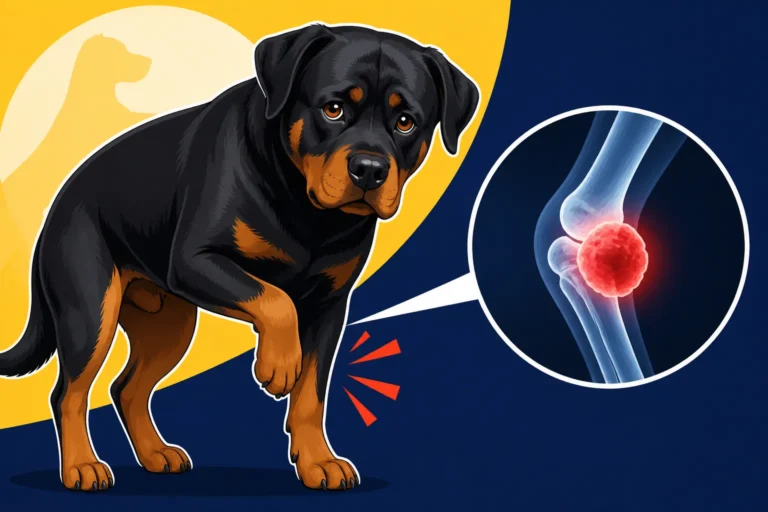
Repetitive trauma to growth plates and cartilage during puppyhood can lead to the early onset of osteoarthritis, even in joints that might otherwise have remained healthy. For breeds like Rottweilers, already prone to conditions like hip and elbow dysplasia, improper exercise can turn a manageable condition into a severely debilitating one. This often means a dog suffering from pain at a young age, requiring anti-inflammatory medications, pain management, and potentially multiple surgeries. The early wear and tear on joints also means that conditions like Cruciate Tears in a Heavy Rottweiler may become more likely later in life. Planning for such eventualities, perhaps through pet insurance like Healthy Paws, is a smart move for any Rottweiler owner.
Potential for Costly Surgeries and Lifelong Management
When severe joint damage occurs, the financial and emotional toll can be immense. Surgeries like total hip replacements or elbow arthroscopy can cost thousands of dollars per joint, often requiring extensive recovery and physical therapy. Beyond surgery, many dogs require lifelong medication, joint supplements, and regular veterinary check-ups to manage chronic pain and inflammation. This is why many experienced Rottweiler owners advocate for responsible exercise from day one and consider joint supplements Started early in a Rottweiler as part of their long-term preventative care strategy.
The Role of Proper Nutrition and Monitoring
Exercise is one piece of the puzzle; nutrition and attentive monitoring complete the picture of healthy growth.
Balanced Large Breed Puppy Food
Overfeeding or feeding an inappropriate diet can be just as detrimental as over-exercising. Rapid growth due to excessive calories or improper calcium-to-phosphorus ratios can lead to developmental orthopedic diseases. Always choose a high-quality, large-breed puppy food formulated to support slow, steady growth. These formulas are designed to have appropriate calcium levels and overall calorie density to prevent your Rottweiler puppy from growing too fast. For more specific guidance, read about Rottweiler Calcium Limits and Why Supplements Hurt. Keep your puppy lean, allowing you to easily feel their ribs without seeing them. Keeping a Rottweiler Puppy Lean on Purpose can significantly reduce the load on their developing joints.
Regular Veterinary Check-ups and Monitoring for Lameness
Regular veterinary check-ups are crucial for monitoring your Rottweiler's growth and overall health. Your vet can assess their gait, examine their joints, and advise on appropriate exercise levels. Be vigilant for any signs of lameness, stiffness, or reluctance to play or move. Even a subtle limp should be investigated promptly. Early intervention can often prevent minor issues from becoming major problems. Don't hesitate to consult your vet if you notice any changes in your puppy's movement or behavior, as pain can manifest in many subtle ways.
By being mindful of your Rottweiler's delicate growth period and choosing appropriate, low-impact activities, you are setting them up for a lifetime of healthy mobility and joy. Patience now will pay dividends in their adult years.
| Activity Type | Safe for Growing Rottweilers (Under 18-24 Months) | Risky/Unsafe for Growing Rottweilers |
|---|---|---|
| Walks | Short, controlled leash walks (5 min/month of age) | Long, forced jogs, runs alongside bikes |
| Play | Gentle fetch (rolling ball), supervised soft play | High-impact fetch (jumping for frisbee), intense roughhousing |
| Jumping | Ground-level play, controlled steps | Jumping off furniture/vehicles, high agility jumps |
| Endurance | Short bursts of natural play, exploring | Sustained running, forced pace on hard surfaces |
| Water Activities | Supervised swimming in shallow water (with vest) | Uncontrolled deep water play without supervision |
| Mental Work | Puzzle toys, scent games, short training sessions | No direct physical risk, but can be insufficient if solely relied upon |
Disclaimer
This article is for general informational purposes only and does not constitute professional advice. Laws, prices and regulations vary by location and change over time. Consult a qualified professional for guidance on your specific situation.