Thyroid Disease Behind a Rottweiler’s Dull Coat
It's incredibly frustrating when your magnificent Rottweiler, usually so robust and glossy, starts looking… well, just a bit off. You notice their once-lustrous coat becoming dull, thin, or they’re shedding far more than usual, and you’re left wondering why despite all your best efforts, their health just isn't what it should be. This comprehensive guide will walk you through understanding why thyroid disease might be the silent culprit behind your Rottweiler's dull coat and other subtle symptoms.
Understanding Hypothyroidism in Rottweilers
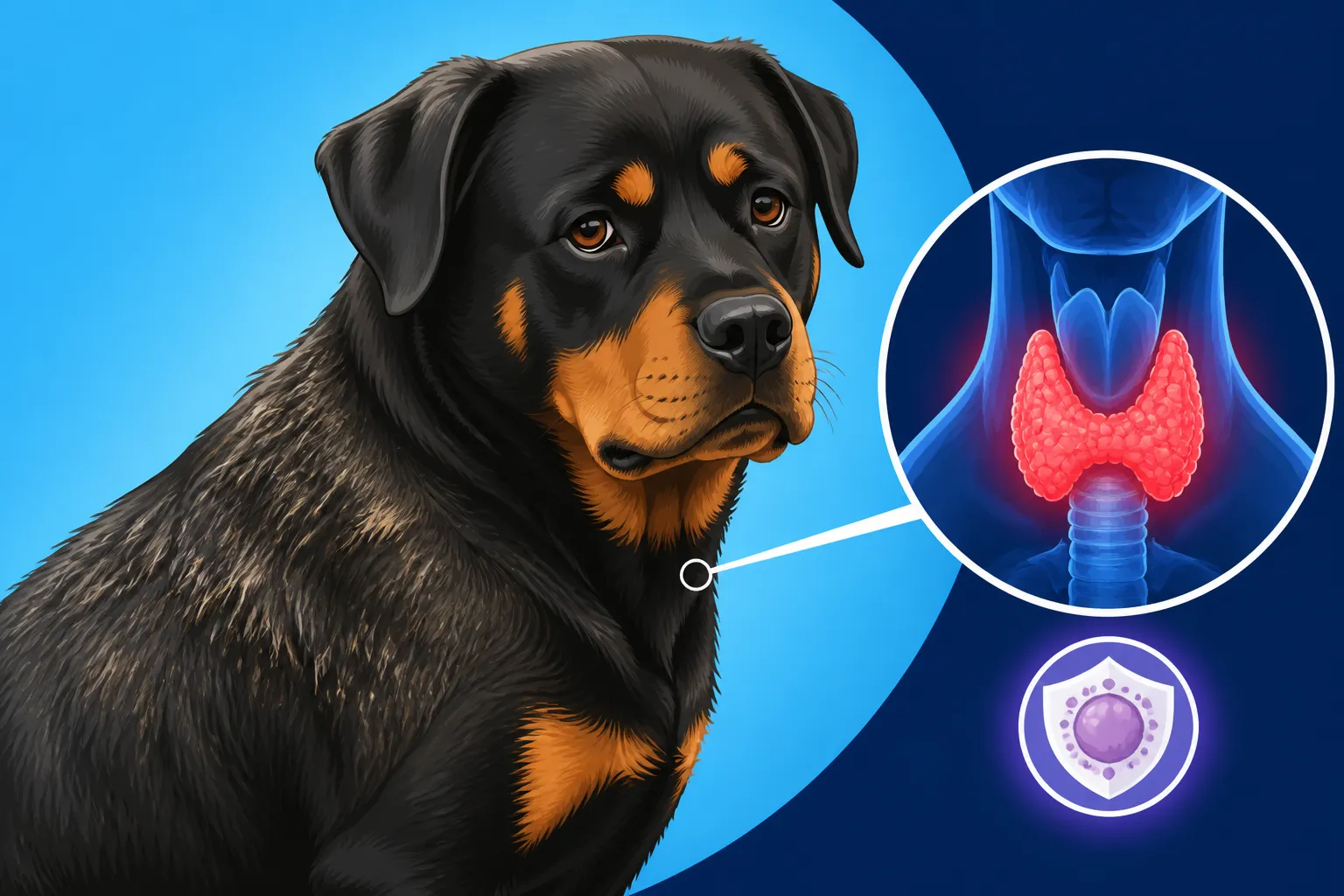
Hypothyroidism, often referred to simply as "low thyroid," is a condition where your Rottweiler's thyroid gland, located in the neck, doesn't produce enough thyroid hormones. These hormones are critical for regulating metabolism, which pretty much affects every single cell in their body. When production dips, everything slows down, and the visible signs can be quite disheartening for a dedicated owner. It’s a common endocrine disorder in medium to large breed dogs, and unfortunately, Rottweilers are among those predisposed to developing it.
Why Rottweilers Are Prone to Thyroid Issues
While any dog can develop hypothyroidism, certain breeds, including our beloved Rottweilers, seem to have a genetic predisposition. The exact reasons aren't always crystal clear, but it's often linked to an autoimmune condition where the body's immune system mistakenly attacks and destroys the thyroid gland (lymphocytic thyroiditis), or to the gland simply atrophying over time. It typically manifests in middle-aged dogs, usually between two and six years old, but can certainly appear in senior Rottweiler care patients as well. Knowing this predisposition can help you stay vigilant and recognize the early signs, rather than dismissing them as just "getting older" or "normal shedding."
The Role of Thyroid Hormones in Overall Health
Thyroid hormones are the conductors of your dog’s internal orchestra. They dictate how efficiently energy is used, how quickly cells regenerate, and even influence heart rate and body temperature. When these hormones are insufficient, it's like the orchestra is playing in slow motion, out of tune, and without a leader. This systemic slowdown affects everything from skin and coat health to energy levels, weight, and even mental acuity. It's not just about a pretty coat; it's about fundamental bodily functions operating correctly. A dull coat is often the first visible hint that something deeper is amiss with this vital metabolic process.
Beyond the Dull Coat: Other Signs to Watch For
While a dull, dry, or thinning coat is a classic hallmark of hypothyroidism, it’s far from the only symptom. Because thyroid hormones impact so many bodily functions, the signs can be varied and sometimes mimic other health problems, which can make diagnosis tricky without proper testing. Owners often notice a general "sluggishness" or a shift in their Rottweiler's usual vibrant personality, which can be easily attributed to other things.
Skin and Coat Changes That Ring Alarms
The coat changes are often the most noticeable external sign. Beyond just dullness, you might see hair loss, particularly on the flanks, tail (leading to a "rat tail" appearance), and pressure points like the elbows. The skin itself can become dry, flaky, or even thickened and darkened, a condition known as hyperpigmentation. Some Rottweilers develop recurrent skin infections, which can be intensely itchy and uncomfortable. You might also notice poor hair regrowth even after clipping, or a greasy, scaly texture to the coat despite regular grooming. These changes are a direct result of the slowed metabolism affecting skin cell turnover and oil production. If you've been battling what seems like never-ending Rottweiler Allergies and Recurring Skin Infections, thyroid issues could be the underlying factor. Another common symptom can be recurrent Rottweiler Ear Infections Under a Drop Ear, as the internal environment of the ear can be affected, making it a breeding ground for yeast and bacteria.
Behavioral and Energy Shifts
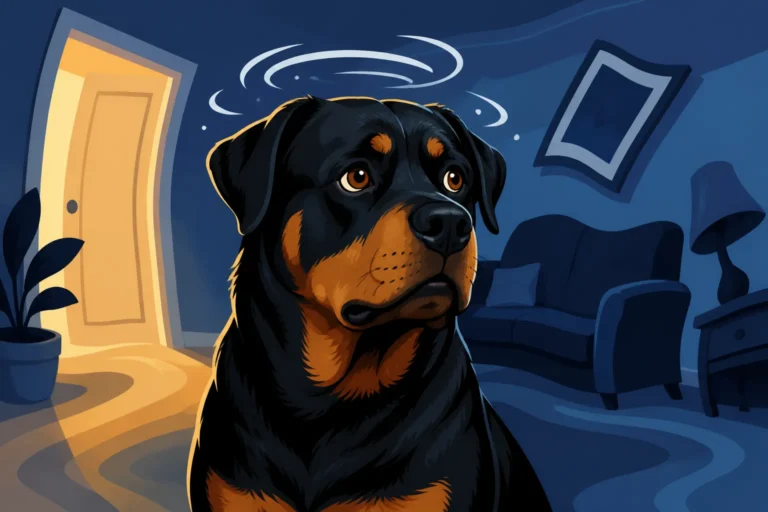
One of the most concerning changes for many owners is a shift in their Rottweiler's demeanor and energy levels. A once-energetic, playful Rottweiler might become lethargic, sleeping more, and showing less interest in walks, playtime, or even their favorite toys. They might seem more withdrawn, less eager to engage, and generally just "slowed down." Some dogs also exhibit mental dullness, appearing less alert or even confused. While it's easy to assume this is just normal aging, especially in a Senior Rottweiler Care After the Age of Seven, a sudden or marked change warrants investigation. This isn't just about feeling a bit tired; it's a profound systemic slowdown impacting their zest for life.
Weight Gain, Cold Intolerance, and Other Symptoms
Because thyroid hormones regulate metabolism, a common symptom of hypothyroidism is unexplained weight gain, even if your Rottweiler isn't overeating. Their body simply isn't burning calories efficiently. This can quickly lead to Rottweiler Obesity and the Load It Adds, further exacerbating joint issues and other health concerns. Another key symptom is an intolerance to cold; you might find your Rottweiler seeking warm spots more often, shivering, or generally seeming uncomfortable in cooler temperatures, despite their dense coat. Other, less common signs can include a slow heart rate (bradycardia), facial puffiness, or even reproductive problems in intact dogs. Sometimes, you might even notice changes in their teeth and gums, such as those associated with Rottweiler Dental Disease and Cracked Teeth, though this is less directly linked to thyroid.
Diagnosing Thyroid Disease: The Vet Visit and Tests
If you're noticing any of these symptoms in your Rottweiler, especially a combination of them, it’s crucial to schedule a visit to your veterinarian. They’ll start with a thorough physical examination, discussing your observations and your dog's history. Based on their findings, they'll likely recommend blood tests to assess thyroid function. It's not usually a one-and-done test, as thyroid levels can fluctuate, and other conditions can sometimes mimic hypothyroidism.
Initial Bloodwork and Thyroid Panels
The first step usually involves a general blood panel to check overall health, which might include a complete blood count (CBC) and a chemistry panel. While these won't directly diagnose hypothyroidism, they can rule out other issues and give your vet a baseline. Then comes the specific thyroid testing. The most common initial test is a total T4 (TT4) measurement, which checks the total amount of thyroid hormone circulating in the blood. If this is low, it’s a strong indicator, but sometimes a low T4 can be caused by other illnesses (this is called "euthyroid sick syndrome"). Therefore, your vet will likely recommend a more comprehensive "thyroid panel." This panel often includes free T4 (FT4) by equilibrium dialysis (considered the most accurate measure of unbound, active thyroid hormone) and TSH (thyroid-stimulating hormone). In hypothyroid dogs, TSH levels are usually high because the pituitary gland is working overtime trying to stimulate a failing thyroid. This more detailed approach provides a clearer picture and helps avoid misdiagnosis. Many owners benefit from pet insurance plans like those offered by Healthy Paws, which can help cover the costs of these diagnostic tests, especially when multiple tests are needed. You can imagine how important comprehensive Bloodwork Worth Running on a Senior Rottweiler is, as older dogs can present with a myriad of health issues.
Interpreting Test Results and Ruling Out Other Conditions
Interpreting thyroid test results can be complex. A low T4 and high TSH strongly suggest hypothyroidism. However, sometimes the results are borderline, or other concurrent illnesses can suppress thyroid hormone levels, making a dog appear hypothyroid even if their thyroid gland is fine. This is why your vet might also consider tests for thyroid antibodies (TgAA). The presence of these antibodies indicates an autoimmune attack on the thyroid gland, which is the most common cause of primary hypothyroidism in dogs. It’s vital for your vet to rule out other conditions that can cause similar symptoms, such as Cushing's disease, certain skin infections, or even just severe allergies, before starting lifelong medication. Sometimes, even dietary factors can play a role, so a thorough history is key.
Treatment and Management: Getting Your Rottweiler Back on Track
Once your Rottweiler is diagnosed with hypothyroidism, the good news is that it’s a very manageable condition. Treatment involves daily medication to supplement the missing thyroid hormones, and most dogs respond wonderfully, showing significant improvement within weeks to months. It's a lifelong commitment, but one that drastically improves their quality of life.
Lifelong Medication and Dosage Adjustments
The cornerstone of treatment for hypothyroidism is synthetic thyroid hormone replacement, typically levothyroxine (L-thyroxine). This medication is usually given once or twice daily, and your vet will determine the appropriate starting dose based on your Rottweiler's weight and the severity of their condition. It's absolutely crucial to administer this medication exactly as prescribed and not to miss doses. Within a few weeks, you should start to see improvements in energy levels and attitude, followed by coat regrowth and skin health improving over several months. Because a Rottweiler is a large breed, their medication dosage will be significantly higher than a smaller dog, so be prepared for that reality.
Monitoring and Follow-Up Care
The initial dosage isn't always the final dosage. Your vet will want to perform follow-up blood tests, usually about 4-8 weeks after starting medication and after any dose adjustments, to ensure the thyroid hormone levels are in the optimal therapeutic range. These monitoring tests are essential to fine-tune the dosage, as too little hormone won't resolve symptoms, and too much can lead to hyperthyroidism (an overactive thyroid), which has its own set of problems. Once your Rottweiler is stable, monitoring might be reduced to once or twice a year. Remember, these routine check-ups and blood tests are ongoing costs, and having pet insurance like Healthy Paws can certainly help mitigate those expenses over the years. This commitment to regular monitoring is vital for your Rottweiler's ongoing health and well-being.
Living with a Hypothyroid Rottweiler: Long-Term Care and Outlook
Receiving a diagnosis of hypothyroidism isn't a death sentence for your Rottweiler. With proper treatment and consistent care, most hypothyroid Rottweilers live long, happy, and otherwise healthy lives. The key is adherence to medication, regular veterinary check-ups, and keen observation of your dog's condition at home.
The Prognosis for Treated Rottweilers
The prognosis for Rottweilers with hypothyroidism is excellent, provided they receive consistent treatment. Once on appropriate medication, most dogs return to their normal selves within a few months. Their energy levels should rebound, their coat should regain its shine and thickness, and any skin issues should resolve. The weight gain should reverse with proper diet and exercise, and their cold intolerance will likely disappear. It’s truly remarkable to see the transformation in a dog once they start getting the hormones they need. While thyroid disease is one of What Shortens a Rottweiler's Eight to Ten Years if left untreated, proper management can prevent it from being a limiting factor.
Lifestyle Adjustments and Quality of Life
While the medication takes care of the hormone deficiency, a healthy lifestyle remains paramount. Continue to provide a balanced, high-quality diet appropriate for a large breed. Regular, moderate exercise is still important, but don't push them too hard, especially if they are still showing symptoms of lethargy. Keeping an eye on their weight is crucial, as some dogs might still be prone to gaining a few extra pounds. Maintaining good dental hygiene, with regular brushing and professional cleanings, is also a vital part of their overall health, even though it's not directly related to thyroid function. Ensuring they have a warm, comfortable place to rest, especially if they still feel the cold more, can also contribute to their comfort and happiness. For responsible breeders, understanding these health predispositions is why things like The Five Clearances a Rottweiler Breeder Must Have are so important.
Preventative Measures and What Owners Can Do
While you can't entirely prevent a genetic predisposition to hypothyroidism, there are certainly steps you can take as a Rottweiler owner to promote overall health and potentially catch issues early. Being proactive and informed is your best defense against many common Rottweiler health challenges.
Choosing a Responsible Breeder
One of the most impactful preventative steps you can take is choosing a responsible, reputable breeder. A good breeder will health test their breeding stock for a range of conditions common in Rottweilers, including thyroid function. While thyroid disease isn't typically part of the initial "clearance" checks like hips, elbows, or cardiac evaluations, a conscientious breeder might track thyroid health in their lines and be transparent about any history of the condition. They should be able to provide health certificates for the parents and answer all your questions about the health history of their dogs. Look for breeders who prioritize temperament and health equally, and who adhere to breed club recommendations. Understanding a Rottweiler's unique growth period, often detailed in articles like Rottweiler Growth Plates and Why They Close So Late, also helps you ensure a healthy start.
Regular Vet Check-ups and Vigilant Observation
Regular veterinary check-ups, especially as your Rottweiler enters middle age, are absolutely essential. Your vet can perform routine blood screenings, including basic thyroid checks, during these visits. Discuss any subtle changes you notice, no matter how insignificant they might seem. You know your Rottweiler best, and your observations are invaluable to your vet. Don't hesitate to mention things like a decrease in energy, a dull coat, or even just a general feeling that something isn't quite right. Early detection and treatment can prevent more severe symptoms from developing and ensure your Rottweiler maintains a high quality of life. Be especially diligent about Vet Visit Frequency for a Senior Rottweiler, as many health issues emerge later in life.
Understanding the Financial Aspect of Thyroid Disease Management
Dealing with a chronic condition like hypothyroidism for your Rottweiler means ongoing veterinary visits, medication costs, and regular blood tests. It's a significant financial commitment, but one that is absolutely necessary for their health.
| Expense Category | Description | Frequency | Estimated Cost (Per Occurrence) |
|---|---|---|---|
| Initial Diagnosis | Vet exam, blood panel, comprehensive thyroid panel (TT4, FT4, TSH, TgAA) | Once | $200 – $600 |
| Medication (Levothyroxine) | Daily synthetic thyroid hormone pills, dosed for a large Rottweiler | Daily | $20 – $80 per month |
| Monitoring Blood Tests | Follow-up thyroid panels to adjust dosage | Initial: Monthly, then 1-2x/year | $100 – $300 |
| Routine Vet Check-ups | Annual exams to monitor overall health | Annually | $80 – $150 |
Note: Costs are estimates and can vary significantly based on location, specific veterinary clinic, and the need for additional tests or specialist consultations.
These expenses can add up, which is why many Rottweiler owners opt for pet insurance. Companies like Healthy Paws can offer great peace of mind, covering a significant portion of diagnostic tests, medications, and ongoing care for chronic conditions like hypothyroidism, provided the condition wasn't pre-existing when the policy was enacted. It's always worth researching different plans and understanding what they cover, especially for a breed known for certain health challenges.
Disclaimer
This article is intended for informational purposes only and does not constitute medical advice. Always consult with a qualified veterinarian for any health concerns or before making any decisions about your Rottweiler's care.