Kidney Values Worth Watching in a Rottweiler
It's a moment many of us Rottweiler parents dread: that phone call after the vet visit, especially when bloodwork is involved. Our beloved, often stoic, Rottweilers can be masters at hiding discomfort, and by the time kidney problems show obvious signs, they can be quite advanced. This guide will walk you through the crucial kidney values vets watch for in your Rottweiler, what those numbers actually mean, and how you can proactively monitor and support their kidney health, hopefully catching any issues long before they become emergencies.
What Kidney Values Actually Tell Your Veterinarian
When your veterinarian draws blood from your Rottweiler, they're looking for several key indicators that can paint a picture of kidney function. It's not just about one number; it's about how these values interact and trend over time. Understanding these can help you have more informed conversations with your vet and recognize potential red flags early.
The Big Three: BUN, Creatinine, and SDMA
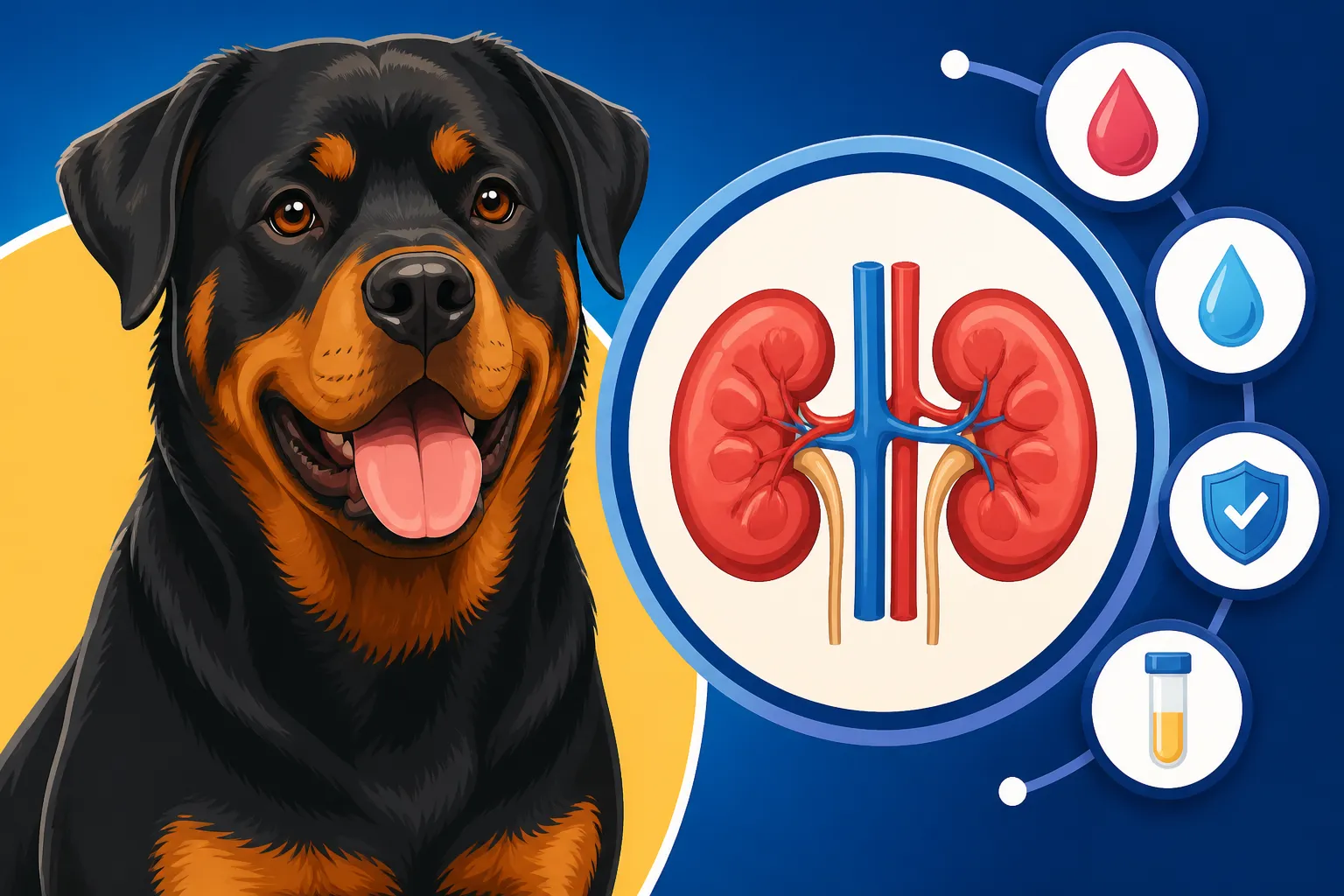
The most commonly discussed kidney values are Blood Urea Nitrogen (BUN) and creatinine. These have been the workhorses of kidney diagnostics for decades. BUN is a waste product of protein metabolism, and creatinine is a waste product of muscle metabolism. Both are normally filtered out by the kidneys. When kidneys aren't functioning optimally, these waste products can build up in the bloodstream, leading to elevated levels. The frustrating part? These values often don't become elevated until about 75% of kidney function has been lost. That's a significant amount of damage already done, which can be disheartening for any pet parent.
However, there's a newer, more sensitive test called Symmetric Dimethylarginine, or SDMA. This test has been a game-changer because it can detect kidney disease much earlier, often when only 25-40% of kidney function is lost. For a large breed like a Rottweiler, where early intervention can make a substantial difference in quality of life, checking SDMA as part of routine bloodwork, even for seemingly healthy dogs, is becoming increasingly important. It offers us a precious window of opportunity that BUN and creatinine simply cannot. Many forward-thinking pet insurance providers, like Healthy Paws, recognize the value of these diagnostics and can help cover the costs of these crucial tests, which is a huge relief when you're trying to stay ahead of potential health issues.
Beyond the Primary Indicators
While BUN, creatinine, and SDMA are the direct markers of kidney filtration, other blood values can also give clues about kidney health. For instance, phosphorus levels often rise as kidney disease progresses because the kidneys lose their ability to excrete it properly. High phosphorus can cause a cascade of problems, including secondary hyperparathyroidism, which further impacts a dog's well-being. Calcium levels can also be affected, sometimes dropping too low or, less commonly, becoming too high, which adds another layer of complexity to managing the disease.
Your vet will also look at your Rottweiler's red blood cell count. Kidneys produce a hormone called erythropoietin, which stimulates red blood cell production in the bone marrow. In chronic kidney disease, this hormone production can decrease, leading to anemia, which can make your Rottweiler feel weak and lethargic. All these values together help your vet piece together a complete picture of kidney function and the overall health impact on your dog. It's a testament to why Bloodwork Worth Running on a Senior Rottweiler is so vital, offering a full systemic check-up rather than just focusing on one area.
Recognizing the Early Signs of Kidney Trouble in Rottweilers
Our Rottweilers are known for their stoic nature and their immense pain tolerance. This incredible trait, while admirable, can also be a double-edged sword when it comes to detecting illness. They often mask symptoms until an illness is quite advanced, which is particularly true for kidney disease. As owners, we need to be extra vigilant and pay attention to even the most subtle changes in their behavior and habits.
Increased Thirst and Urination
One of the earliest and most common signs of kidney trouble is an increase in thirst (polydipsia) and urination (polyuria). Your Rottweiler might suddenly be emptying their water bowl faster than usual, or you might notice them asking to go outside more frequently, even waking you up in the middle of the night for potty breaks. You might also see larger puddles than normal when they do urinate, or their urine might appear less yellow and more dilute. This happens because damaged kidneys can't concentrate urine effectively, so the body tries to compensate by flushing out toxins with more water.
It can be easy to dismiss these changes, especially if you attribute them to hot weather or increased exercise. However, any persistent increase in water intake or urination patterns warrants a vet visit. For a large dog like a Rottweiler, changes in their potty habits are definitely noticeable, and should never be ignored. Consistent vigilance is key, especially as they get older, linking directly to the comprehensive care covered in Senior Rottweiler Care After the Age of Seven.
Subtle Changes in Appetite and Energy
As kidney function declines, toxins can build up in the bloodstream, leading to nausea, decreased appetite, and overall lethargy. Your normally food-motivated Rottweiler might start turning their nose up at meals, or only picking at their food. They might lose interest in their favorite treats or chew toys. You might also notice a gradual decrease in their energy levels – they might be less enthusiastic about walks, sleep more, or just seem generally "off."
This can be incredibly frustrating. Trying to entice a sick Rottweiler to eat can feel like an impossible task. We often beat ourselves up, thinking we're doing something wrong with their food, when in reality, they're feeling unwell internally. These subtle shifts, particularly if they persist for more than a day or two, are strong indicators that something is amiss and necessitate a veterinary check-up. Appetite Loss in an Old Rottweiler delves deeper into this particular challenge.
Other Potential Red Flags
As kidney disease progresses, other, more noticeable symptoms can emerge. Bad breath, often described as having an ammonia-like or metallic odor (uremic breath), is a significant sign of advanced kidney failure, caused by the buildup of waste products. You might also notice weight loss, even if your Rottweiler is still eating some, because their body isn't processing nutrients efficiently. Vomiting and diarrhea can also occur due to gastrointestinal upset from the circulating toxins. In very severe cases, dogs can become disoriented, weak, or even have seizures.
If you observe any of these symptoms, it's crucial to seek veterinary attention immediately. Remember, for a Rottweiler, waiting can mean the difference between managing a condition and facing a crisis. This is why it’s always wise to be prepared for The Emergency Signs That Send a Rottweiler In and act quickly.
Here's a quick overview of what to watch for:
| Symptom Category | Early Signs to Watch For | Later, More Serious Signs |
|---|---|---|
| Thirst/Urination | Increased water intake, more frequent urination, larger puddles, diluted urine. | Incontinence, complete lack of urination. |
| Appetite/Digestion | Pickiness, reduced interest in food, slight weight loss. | Anorexia (complete refusal to eat), vomiting, diarrhea. |
| Energy/Behavior | Mild lethargy, less enthusiastic play, increased sleeping. | Profound weakness, disorientation, stumbling, seizures. |
| Physical Appearance | No obvious changes, possibly slight dullness of coat. | Bad (uremic) breath, significant weight loss, pale gums (anemia). |
Managing Kidney Disease and Supporting Your Rottweiler
Receiving a diagnosis of kidney disease for your Rottweiler can feel devastating. It’s a chronic condition, but with proper management, many dogs can still have a good quality of life for an extended period. The goal is to slow the progression of the disease, alleviate symptoms, and maintain your Rottweiler’s comfort. This often involves a multi-faceted approach combining diet, medication, and consistent monitoring.
The Cornerstone: Prescription Renal Diets
Dietary management is one of the most critical components of kidney disease treatment. Veterinary prescription renal diets are specifically formulated to support kidney function by reducing the workload on the kidneys. These diets typically feature controlled levels of high-quality protein, which helps minimize the production of nitrogenous waste products like BUN. They are also usually restricted in phosphorus, as high phosphorus levels contribute to kidney damage and other systemic issues. Furthermore, they often have lower sodium levels and are supplemented with omega-3 fatty acids to help reduce inflammation.
It can be a real challenge to transition a Rottweiler, especially one with a reduced appetite due to nausea, to a new prescription diet. They might be picky, or simply not used to the taste. It often requires patience, trying different brands or forms (wet vs. dry), and warming the food to enhance its aroma. Sometimes, mixing a small amount of their old food with the new, gradually increasing the proportion of the renal diet, can help. This is where Feeding an Adult Rottweiler at a Hundred Twenty Pounds discusses the broader challenges of feeding a large breed, which can become even more complex with a specialized diet.
Medications and Supportive Therapies
Beyond diet, your vet will likely prescribe several medications to manage the various symptoms and complications of kidney disease. Phosphorus binders, given with meals, help prevent the absorption of dietary phosphorus, keeping levels in check. Anti-nausea medications and appetite stimulants can be a lifesaver for dogs struggling to eat, helping to restore some enjoyment to meal times. If your Rottweiler develops high blood pressure (a common complication of kidney disease), ACE inhibitors or other blood pressure medications will be prescribed to protect both the kidneys and other organs.
For dogs experiencing significant dehydration or advanced kidney disease, subcutaneous fluids (fluids given under the skin at home) might be recommended. This might sound daunting, but many owners find it manageable and it can make a huge difference in how their Rottweiler feels, improving hydration and flushing toxins. Regular follow-up appointments, often every few months, for bloodwork and urine tests are essential to monitor progress and adjust treatments as needed. The ongoing costs for these medications and therapies can add up quickly, which is another reason why having a good pet insurance plan, like those offered by Healthy Paws, can provide such peace of mind.
Proactive Care and Prevention Strategies
While kidney disease can sometimes feel like an inevitable part of aging, especially for our large, beloved Rottweilers, there are proactive steps we can take throughout their lives to support kidney health and potentially catch issues at the earliest possible stage. Prevention and early detection are truly the best defenses.
The Power of Regular Veterinary Check-ups
This might sound obvious, but consistent, thorough veterinary care is paramount. For a young, healthy Rottweiler, annual check-ups are generally sufficient. However, as your Rottweiler enters their senior years, typically around age seven, increasing the frequency of vet visits to every six months is highly recommended. These regular visits allow your vet to perform physical exams, listen for subtle changes, and discuss any behavioral shifts you've noticed. Most importantly, they are an opportunity for routine bloodwork and urinalysis.
As mentioned earlier, the SDMA test can identify kidney dysfunction long before BUN and creatinine levels rise. Incorporating this test into your Rottweiler's routine senior panel can literally add years to their quality of life by enabling early intervention. This emphasis on regular monitoring and early detection is why discussions like Vet Visit Frequency for a Senior Rottweiler are so crucial for informed pet ownership.
Diet, Hydration, and Weight Management
Feeding a high-quality, balanced diet suitable for large breeds throughout your Rottweiler's life is fundamental. Avoid over-supplementing with calcium as a puppy, as this can lead to developmental orthopedic issues, but also ensure their adult diet provides appropriate nutrition without excessive protein or phosphorus, which can overtax kidneys over time. Maintaining a healthy weight is also incredibly important. Rottweiler Obesity and the Load It Adds can contribute to a myriad of health problems, including increased stress on organs like the kidneys, as well as joints and the heart. Keeping your Rottweiler lean will benefit their overall health and longevity.
Consistent access to fresh, clean water is non-negotiable. Encourage good hydration by placing multiple water bowls around the house, ensuring they are always full and clean. Some Rottweilers prefer running water from a pet fountain, or you can even add a little low-sodium broth to their water to encourage drinking. Proper hydration helps the kidneys function efficiently and flush out waste products effectively, acting as a natural cleansing system. While a quality diet and good hydration are basic, they are incredibly powerful tools in maintaining overall wellness.
Environmental Toxins and Medication Awareness
Be diligent about keeping your Rottweiler away from potential toxins. This includes antifreeze, certain human medications (especially NSAIDs like ibuprofen, which can be highly damaging to kidneys), toxic plants, and some household cleaners. Always supervise your Rottweiler outdoors to prevent them from ingesting unknown substances. If your Rottweiler needs medication, always follow your vet's instructions precisely and never administer human medications without explicit veterinary guidance.
Finally, while not directly preventative, consider investing in pet insurance early in your Rottweiler's life. A comprehensive plan from a provider like Healthy Paws can cover a significant portion of diagnostic tests, medications, and treatments for chronic conditions like kidney disease. This financial support can empower you to make the best possible care decisions for your beloved Rottweiler, without the added stress of overwhelming veterinary bills, especially for long-term management. These kinds of preparations truly underscore the importance of keeping The Health Records Worth Keeping on a Rottweiler up-to-date and organized.
Disclaimer
This article is intended for informational purposes only and is not a substitute for professional veterinary advice, diagnosis, or treatment. Always seek the advice of your veterinarian or other qualified animal health provider with any questions you may have regarding a medical condition.