Parasite Prevention Dosed for a Rottweiler’s Weight
Figuring out the exact dosage for parasite prevention for a big, strong Rottweiler can feel like a guessing game, and the stakes are high if you get it wrong. Undersizing a dose means your beloved companion isn't truly protected, leaving them vulnerable to nasty parasites, while overdosing can lead to serious health issues. This guide is here to cut through the confusion and help you understand how to properly dose parasite prevention based on your Rottweiler's specific weight, ensuring their health and safety.
The Unique Challenge of Dosing for a Rottweiler's Size
When you bring a Rottweiler into your life, you quickly realize that everything about them is more – more love, more personality, and definitely more physical mass. This "more" extends directly to their medical care, especially when it comes to parasite prevention. You can't just grab any large dog medication off the shelf and expect it to be perfectly suited for a dog that can easily weigh over a hundred pounds.
Why Weight-Based Dosing is Non-Negotiable
It might seem obvious, but the sheer size and metabolic rate of a Rottweiler means that precise, weight-based dosing isn't just a recommendation; it's a critical safety measure. Imagine trying to power a large truck with the fuel intended for a small car – it just won't work effectively, and you risk breakdowns. The same principle applies here. Parasiticides are active medications, and their efficacy and safety are directly tied to the concentration in your dog's system.
If a dose is too low for your Rottweiler's substantial body mass, the medication won't reach the necessary therapeutic levels to kill or repel parasites. This leaves gaps in protection, meaning your dog could still contract heartworm, fleas, ticks, or intestinal worms despite your best efforts. On the flip side, an accidental overdose, especially with concentrated solutions, can be toxic and lead to adverse reactions, from mild digestive upset to severe neurological problems. Rottweilers, like all large breeds, can metabolize medications differently, and what might be a safe "large dog" dose for a different breed might still be inadequate or even borderline for a truly giant, dense Rottweiler. It’s why a careful, individualized approach is always best.
Understanding Different Parasites and Their Threats
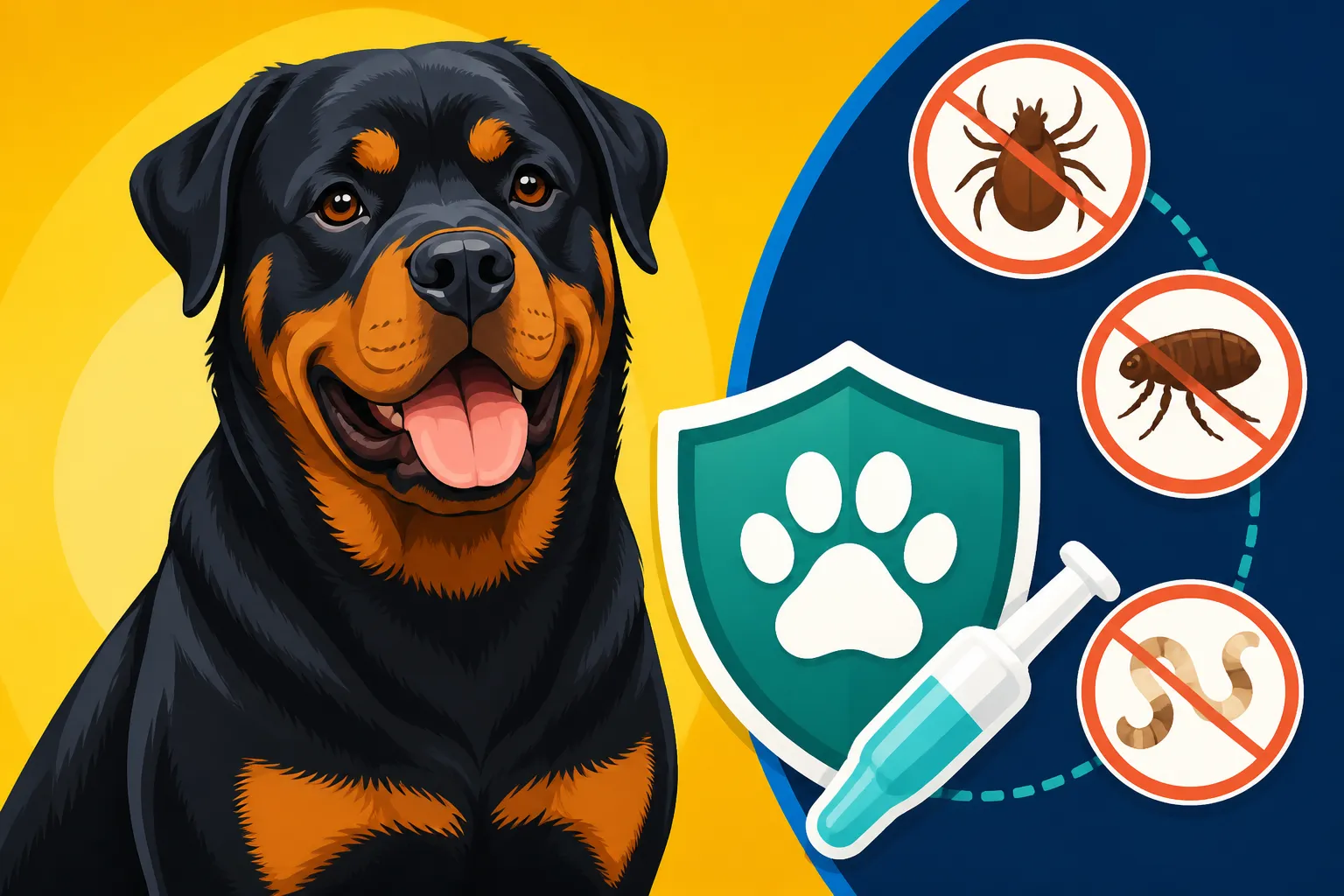
Parasites come in many forms, each posing distinct threats to your Rottweiler's health. We broadly categorize them into internal and external parasites, and often, the medications we use target specific groups.
Internal parasites include the notorious heartworm, which is transmitted by mosquitoes and lives in the heart and lungs, causing severe, often fatal, disease. Then there are various intestinal worms like roundworms, hookworms, whipworms, and tapeworms, which can cause digestive issues, nutrient malabsorption, and general malaise. These can even pose a zoonotic risk, meaning they can be transmitted to humans.
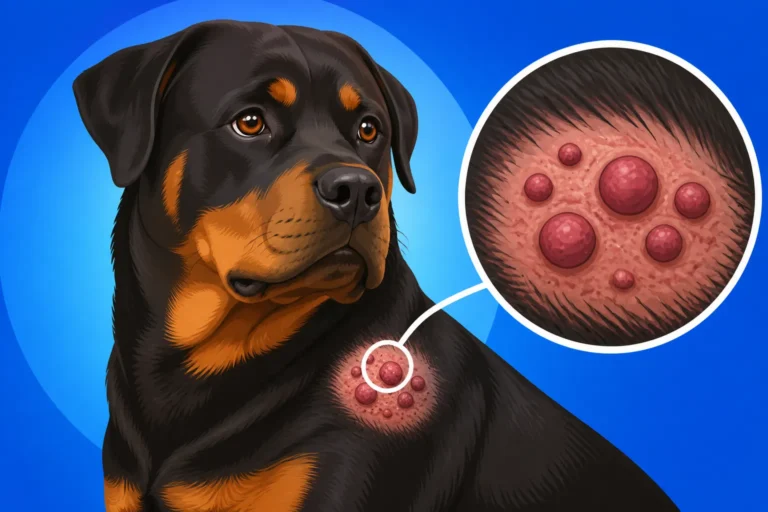
External parasites, primarily fleas and ticks, are more than just an itchy nuisance. Fleas can cause intense allergic reactions (flea allergy dermatitis), transmit tapeworms, and in severe infestations, lead to anemia. Ticks are perhaps even more concerning, acting as vectors for a whole host of serious diseases like Lyme disease, ehrlichiosis, anaplasmosis, and Rocky Mountain spotted fever. These diseases can cause chronic pain, joint issues, kidney failure, and even death if left untreated. Given that Rottweilers often enjoy being outdoors, whether on walks or just patrolling the yard, their exposure risk can be significant, making robust and correctly dosed prevention absolutely vital.
The Importance of Accurate Weighing
Let's be real, guessing your Rottweiler's weight is not an option. These magnificent dogs grow quickly, and their weight can fluctuate throughout their life, especially if they are growing rapidly as puppies or gaining/losing weight as adults. A significant difference in weight, even just a few pounds, can push them into a different dosing category for certain medications.
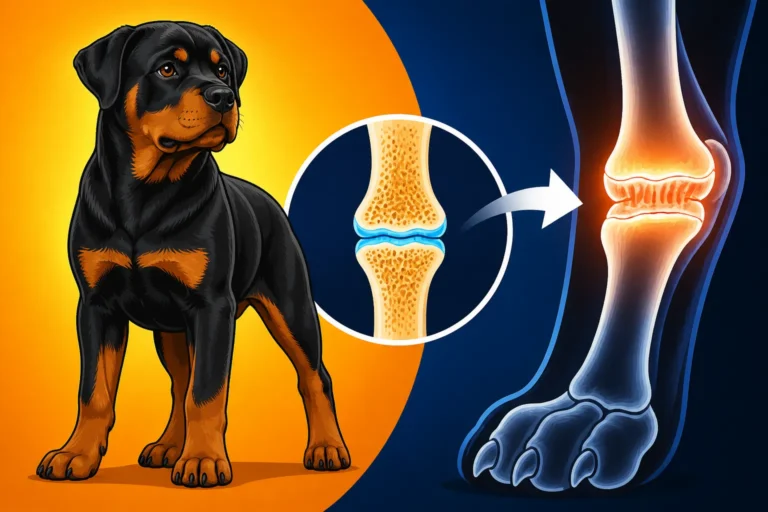
For puppies, regular weigh-ins are crucial. A Rottweiler puppy at four months old will have a vastly different weight than at six months, and their preventive medications need to reflect that rapid growth. Over the course of their first two years, as their Rottweiler Growth Plates and Why They Close So Late are still closing, their body weight will soar, and each leap means a potential dosage adjustment. Your vet will weigh your Rottweiler at every visit, which is a perfect opportunity to confirm the current dosage requirements. Between visits, you might need to weigh them at home, either by using a large, reliable scale (some pet supply stores have them) or by weighing yourself, then weighing yourself holding your dog, and subtracting the difference. Keeping a record of these weights can be incredibly helpful for your vet and for ensuring consistent, correct dosing. For Senior Rottweiler Care After the Age of Seven, weight monitoring remains important as metabolic rates change and conditions like Rottweiler Obesity and the Load It Adds can creep in, or conversely, muscle mass might decline.
Common Parasite Preventatives and How They're Dosed
The market is flooded with options for parasite prevention, which can feel overwhelming. The key is understanding what each product targets and, critically, how its dosage is determined. For a Rottweiler, you're almost always looking at formulations designed for the highest weight categories.
Heartworm Prevention
Heartworm prevention is perhaps the most critical line of defense for your Rottweiler. These medications work by killing heartworm larvae that your dog may have picked up from a mosquito bite in the last month or so. They do not kill adult heartworms, which is why consistent, monthly administration is so vital. Missing a dose can have dire consequences, requiring expensive and risky treatment for Rottweiler Heart Disease and Subaortic Stenosis.
Most heartworm preventatives are given monthly, either as an oral chewable or a topical solution. There's also an injectable option administered by your vet every six or twelve months. Regardless of the form, the dosage is strictly tied to your dog's current weight. For example, a common heartworm medication might have tiers like "up to 25 lbs," "26-50 lbs," "51-100 lbs," and "over 100 lbs." Given that many adult male Rottweilers easily exceed 100 pounds (and even females often approach or exceed it), they will almost always fall into the highest weight category. It's not uncommon for a product like Heartgard Plus or Interceptor Plus to have specific dosages tailored for these larger ranges. Make sure you're getting the right formulation for your Rottweiler's specific weight, as even being just a few pounds over the cutoff for a lower dose can render it ineffective. Remember, this is a year-round commitment; even in colder climates, indoor mosquitoes can pose a risk.
Flea and Tick Control
Fleas and ticks are persistent pests, and preventing them is crucial not just for comfort but for preventing serious illnesses. There are several effective options available, and again, weight plays a primary role in dosing.
- Oral Medications: Many popular flea and tick preventatives come in oral chewable forms, often given monthly or every three months. Brands like Bravecto, Credelio, NexGard, and Simparica offer excellent protection. These are highly effective because the active ingredient is absorbed into your dog's bloodstream, killing fleas and ticks when they bite. The dosage for these is very precise and comes in specific weight bands. For instance, you might see packages for dogs 88-132 lbs or 99-150 lbs. It's crucial to select the correct package for your Rottweiler's exact weight. For instance, Bravecto has a chew for dogs weighing 88-123 lbs and another for those over 123 lbs.
- Topical Solutions: "Spot-on" treatments are applied to the skin, typically between the shoulder blades, and are absorbed through the skin or spread over the body via natural oils. Frontline Plus and K9 Advantix II are common examples. While less popular than oral options due to potential messiness and the need to avoid bathing for a few days post-application, they are still effective. Dosing is also weight-dependent, with specific tubes designed for different weight ranges. Ensuring proper application is also key; the medication needs to reach the skin, not just sit on the fur.
- Collars: Certain collars, like the Seresto collar, release active ingredients that spread over your dog's skin and coat, offering up to eight months of protection. While generally sized to fit, the efficacy depends on the active ingredients being properly dispersed, and the collar must be fitted snugly enough to make contact with the skin but not so tight as to cause discomfort. These are generally labeled for weight ranges as well, for example, "large dogs >18 lbs."
When choosing a product, consider your Rottweiler's lifestyle, potential swimming habits (which can wash off topicals), and any sensitivities they might have. Your vet can help you choose the best option. Remember, even with the best preventatives, always check your Rottweiler thoroughly for ticks after outdoor excursions, especially through tall grass or wooded areas.
Intestinal Wormers
While many monthly heartworm preventatives also include ingredients that protect against some common intestinal worms (like roundworms and hookworms), they often don't cover all types, such as tapeworms or whipworms. Therefore, routine fecal examinations are highly recommended, usually once or twice a year, to screen for any unaddressed intestinal parasites.
If your Rottweiler tests positive for intestinal worms, your vet will prescribe a dewormer. These medications are typically oral and dosed based on weight. For example, a common dewormer like fenbendazole (Panacur C) might be administered over three consecutive days, with the daily dose calculated by weight. The package typically includes dosing guidelines for various weight ranges, often with increments up to 100 lbs or more. Again, accuracy is paramount. Because Rottweilers are so large, they often require multiple tablets or a larger volume of liquid dewormer. Never attempt to use dewormers meant for livestock or other animals, as the concentrations can be dangerously high.
Navigating the Complexities of Rottweiler Parasite Protocols
Keeping your Rottweiler free of parasites is an ongoing journey that evolves as your dog ages and their environment changes. It's not a set-it-and-forget-it task.
Puppy Protocols Versus Adult Needs
The journey of parasite prevention starts almost immediately with a Rottweiler puppy. Puppies are often born with roundworms, so routine deworming begins as early as two weeks of age and continues every two to four weeks until they are older. Once they start their monthly heartworm preventative, it typically includes broad-spectrum dewormers.
As your Rottweiler grows from a small fluffball to a lean, powerful adolescent, their weight skyrockets. This rapid growth means that the dosage for their preventative medications needs constant adjustment. What was appropriate at 25 pounds will be completely inadequate at 50, and again at 80, and so on. Your vet will guide you on the specific timing to switch from puppy-specific formulas or dosages to adult ones. This period, roughly up to 18-24 months when their Rottweiler Growth Plates Closing at Eighteen to Twenty-Four Months are finally closed, requires diligent monitoring and frequent check-ups.
Once your Rottweiler reaches its adult weight, the dosing becomes more stable, but still requires adherence to their specific adult weight band. Even then, an annual check of their weight at the vet is a good practice to ensure they haven't gained or lost enough weight to shift dosing categories. It's worth noting that some preventative protocols might adjust if your dog develops Rottweiler Allergies and Recurring Skin Infections, where certain topicals might exacerbate skin issues.
The Role of Your Veterinarian in Tailored Plans
Your veterinarian is your absolute best resource for creating and maintaining an effective parasite prevention plan for your Rottweiler. They don't just know about medications; they understand local parasite prevalence, resistance patterns, and your dog's individual health history.
When you discuss parasite prevention with your vet, they will consider several factors:
- Your Rottweiler's exact weight: Confirmed at each visit.
- Your geographic location: Certain parasites are more common in specific regions (e.g., higher heartworm incidence in the Southeast US, more ticks in wooded areas).
- Your Rottweiler's lifestyle: Do they spend a lot of time outdoors? Do they visit dog parks or go hiking? Do you travel with them to different regions?
- Any underlying health conditions: If your Rottweiler has Kidney Values Worth Watching in a Rottweiler or Rottweiler Vaccination Reactions and When to Call, these might influence the choice of preventative.
- Combination products: Many products combine heartworm, flea/tick, and intestinal worm prevention into one easy-to-administer dose. Your vet can advise if a comprehensive product or separate medications are best for your dog.
Never hesitate to ask questions about why a particular product is recommended or how to ensure correct dosing. They can also advise on the proper Parasite Prevention Dosed for a Rottweiler's Weight for any specific products.
The Cost and Convenience Factors
Let's be honest, preventative care for a Rottweiler, given their size, can add up. The Yearly Heartworm Bill for a Rottweiler alone can be substantial. Medications are often priced by weight, meaning larger dogs fall into the highest, and thus often most expensive, tiers. This is a reality of owning a giant breed.
| Parasite Type | Common Prevention Methods | Dosing Considerations for Rottweilers |
|---|---|---|
| Heartworm | Monthly oral chewable, topical, or 6/12-month injection | Crucial Weight-Based Dosing: Always for the highest weight category (e.g., >100 lbs or >120 lbs). Do not under-dose. |
| Fleas & Ticks | Monthly/Quarterly oral chewable, monthly topical, collar | Precise Weight Bands: Select the package or formulation designed for your Rottweiler's exact weight (e.g., 88-123 lbs). |
| Intestinal Worms | Broad-spectrum monthly preventatives, targeted dewormers | Often Included in Heartworm Meds: May need additional targeted dewormer based on fecal tests; dose is typically weight-calculated over several days. |
The cost factor is one reason many Rottweiler owners consider pet insurance. A reputable provider like Healthy Paws, for example, might not cover preventative care directly, but they can be a lifesaver if a prevention fails and your Rottweiler needs expensive treatment for a tick-borne disease or Rottweiler Cancers Beyond the Bone. Knowing you have support for those unexpected, high-cost scenarios, like Rottweiler Stomach Surgery and the Overnight Stay, can make the ongoing investment in prevention feel more manageable.
Convenience also plays a role. Some owners prefer a single monthly chew that covers multiple parasites, while others might find a long-lasting topical or injection more convenient. Discuss these preferences with your vet to find a solution that you can consistently administer, because consistency is key to effective prevention. You don't want to skip doses because the method is too difficult or unpleasant for you or your Rottweiler.
What to Avoid and Common Mistakes
In the quest to protect our beloved Rottweilers, it's easy to fall into traps that can compromise their health. Being aware of these common pitfalls can save you a lot of heartache and vet bills.
The Dangers of Off-Label Dosing or Sharing
This is perhaps one of the most dangerous mistakes an owner can make. Never, under any circumstances, should you attempt "off-label" dosing – meaning using a product in a way not explicitly approved by the manufacturer and your veterinarian. This includes:
- Splitting pills: While some medications are scored for splitting, many are not. The active ingredient in an unscored tablet may not be evenly distributed, meaning half a pill could be an ineffective dose or an accidental overdose.
- Using products meant for other animals: Medications formulated for livestock, cats, or even smaller dog breeds can be toxic or ineffective for a Rottweiler. For example, some flea preventatives safe for dogs are highly toxic to cats. The concentrations and active ingredients are simply not interchangeable.
- Administering multiple doses of the same ingredient: Accidentally combining two different products that contain the same active ingredient can lead to an overdose. Always read labels carefully and inform your vet of all preventatives your Rottweiler is currently on.
- Guessing dosage by eye: Rottweilers are muscular, dense dogs, and their weight can be deceiving. Relying on a visual estimate for dosing is incredibly risky. You simply must weigh them accurately.
The potential consequences range from a complete lack of protection, leaving your Rottweiler vulnerable to parasites, to severe toxicity, requiring emergency veterinary intervention and potentially causing lasting harm or even death. If you're ever in doubt about dosing, always call your veterinarian.
Over-the-Counter Versus Prescription Options
While the allure of readily available and seemingly cheaper over-the-counter (OTC) parasite preventatives can be strong, especially for a large dog where costs add up, they often do not offer the same level of efficacy or safety as prescription medications for Rottweilers.
Prescription products typically contain newer, more potent active ingredients that are highly effective against a broad spectrum of parasites and have undergone rigorous testing for safety and efficacy in various dog sizes, including large breeds. Your veterinarian knows the specific parasite challenges in your area and can prescribe the most appropriate and effective prescription product. These products are often more effective because they use compounds that specifically target parasites with less risk to your pet when dosed correctly.
Many OTC options, particularly older flea and tick products found in grocery stores, may contain older generation chemicals that parasites have developed resistance to. This means you might be applying a product that offers minimal protection. Furthermore, the concentrations and inactive ingredients in OTC products can sometimes be less controlled, leading to potential skin irritations or other adverse reactions in sensitive dogs. Given your Rottweiler's size and the potential for serious health issues from parasitic diseases, investing in quality, vet-prescribed prevention is a non-negotiable part of their care. It’s a proactive step that ultimately saves money and heartache compared to treating advanced diseases.
Missing Doses and Environmental Control
Consistency is the bedrock of effective parasite prevention. Missing even one dose of a monthly heartworm medication, for instance, can open a window for infection, which could later lead to devastating health issues like Subaortic Stenosis in Rottweiler Puppies or severe lung damage if adult heartworms establish themselves. Similarly, inconsistent flea and tick prevention can lead to infestations in your home and on your dog, making it much harder to get rid of them.
Environmental control is also a crucial, often overlooked, aspect, particularly for fleas and intestinal worms. If your Rottweiler has fleas, their eggs and larvae will be found throughout your home environment—in carpets, bedding, and cracks. Simply treating the dog isn't enough; you need to thoroughly clean and treat the environment to break the flea life cycle. This might involve frequent vacuuming, washing bedding in hot water, and potentially using household flea sprays or calling an exterminator for severe infestations. For intestinal worms, promptly picking up and disposing of your Rottweiler's waste helps prevent the spread of eggs in your yard. Regular cleaning of dog crates and kennels, like the appropriately sized The Crate Size a Hundred Twenty Pound Rottweiler Needs, also helps. While this article focuses on prevention, understanding the bigger picture of Parasite Prevention Dosed for a Rottweiler's Weight includes environmental measures.
Ultimately, protecting your Rottweiler from parasites requires a combination of accurate, weight-based dosing, consistent administration, appropriate product selection with your vet's guidance, and good environmental hygiene.
Disclaimer
This article is intended for informational purposes only and does not constitute veterinary advice. Always consult with a qualified veterinarian for any health concerns or before making any decisions about your Rottweiler's medical care, diet, or treatment plans.