Parvovirus Risk in a Rottweiler Puppy
Bringing home a Rottweiler puppy is an incredibly exciting time, filled with dreams of big, goofy cuddles and powerful, loyal companionship. But lurking in the back of many new puppy parents' minds is a chilling fear: parvovirus. It’s a ruthless opponent, especially for our strong but vulnerable Rottweiler youngsters, and the speed at which it can turn a bouncy pup into a gravely ill one is terrifying. This guide is here to walk you through understanding parvovirus, recognizing its signs, and, most importantly, how to proactively protect your beloved Rottweiler puppy from this devastating disease.
Understanding Parvovirus in Rottweiler Puppies
Canine parvovirus, often simply called "parvo," is a highly contagious viral disease that primarily affects dogs, with puppies being the most susceptible. For a large breed like a Rottweiler, which can go from a small bundle of fur to a significant presence in mere months, the impact of such a severe illness can be particularly dramatic and heartbreaking. This isn't just a "tummy bug" – it's a systemic attack on a puppy's most vital, rapidly dividing cells.
The Science Behind Parvo's Brutal Attack
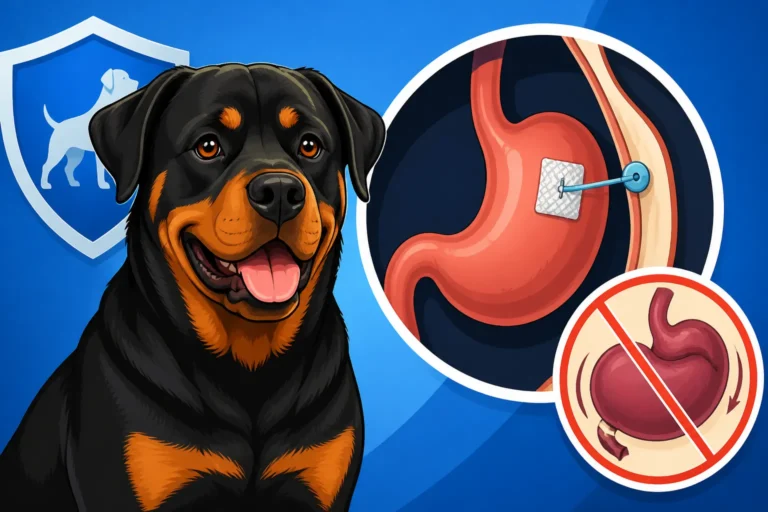
At its core, parvovirus is relentless. It specifically targets cells that reproduce quickly, which unfortunately for a growing puppy includes the lining of the small intestine and the bone marrow. When the intestinal lining is attacked, it becomes severely damaged, losing its ability to absorb nutrients and liquids. This leads to the characteristic vomiting and profuse, often bloody, diarrhea that we associate with parvo. Imagine trying to eat or drink when the very organ designed to process food is completely raw and compromised – it’s an incredibly painful and debilitating situation for any creature, let alone a tiny puppy.
Beyond the gut, the virus also invades the bone marrow, which is where white blood cells are produced. White blood cells are the frontline defenders of a puppy's immune system. When their production is halted, the puppy becomes profoundly immunocompromised, meaning their body can no longer fight off secondary bacterial infections that would normally be harmless. This double whammy – severe dehydration and nutrient loss from intestinal damage, coupled with a collapsed immune system – makes parvovirus so deadly. It's a race against time as the puppy's body rapidly shuts down without aggressive medical intervention.
How Parvo Spreads and Lingers in the Environment
One of the most insidious aspects of parvovirus is its incredible hardiness and ease of transmission. The virus is shed in the feces of infected dogs, and even a microscopic amount can infect another animal. It can survive in the environment for months, sometimes even years, on surfaces, in soil, and on objects like shoes, clothing, and dog bowls. This means that a puppy doesn't even need direct contact with an infected dog to contract the disease; simply walking through an area where an infected dog once defecated can be enough.
This environmental persistence is a huge concern for any puppy owner, but especially for Rottweiler owners who might live in areas with high dog traffic like parks, pet stores, or even communal walking paths. It underscores the importance of stringent hygiene practices and careful consideration of where you take your unvaccinated puppy. The virus is resistant to many common disinfectants, making thorough cleaning with specific agents, like bleach solutions, absolutely essential in any potentially contaminated space.
Recognizing the Signs and Acting Fast
The window between a puppy being exposed to parvovirus and developing severe symptoms can be agonizingly short. For a disease that progresses as rapidly as parvo, recognizing the early warning signs and seeking immediate veterinary attention isn't just important – it's often the difference between life and death for your Rottweiler puppy.
The Subtle Early Indicators of Trouble
Initially, a Rottweiler puppy infected with parvovirus might just seem "off." They might be a bit more lethargic than usual, not as eager to play, or seem unusually quiet. A slight loss of appetite might be noticed, or they might not finish their meal with their usual gusto. These subtle changes can be easy to dismiss as just an off day, or perhaps a minor tummy ache, especially if your puppy is usually quite boisterous. However, for a Rottweiler puppy, whose energy levels are typically quite high, any sustained dip in enthusiasm or appetite warrants close observation.
You might also notice a slight fever. While not always obvious without taking their temperature, a puppy that feels unusually warm to the touch, or is shivering despite being in a warm environment, could be signaling a problem. Even if they haven't started vomiting or experiencing diarrhea yet, these early indicators are a critical red flag. Trust your gut instinct as a puppy parent; if something feels wrong, it probably is. Ignoring these subtle shifts is a common pitfall, and unfortunately, it allows the virus to gain a stronger foothold.
The Alarming Progression of Symptoms and Immediate Action
Once parvovirus takes hold, the symptoms become much more severe and unmistakable. You'll likely see persistent vomiting, often with foamy bile, followed by profuse, watery diarrhea. This diarrhea often has a very distinct, foul odor and can contain streaks of blood or even appear completely bloody. The puppy will quickly become extremely weak, dehydrated, and will refuse to eat or drink. Their gums may appear pale or even yellowish, indicating severe illness and potential shock.
At this stage, time is of the absolute essence. Every hour counts. If you notice these severe symptoms, do not hesitate – call your veterinarian immediately. Do not wait to see if it "gets better" or try home remedies. Your vet needs to see your puppy right away to perform diagnostics, which typically involve a quick in-house test using a fecal sample. If the test confirms parvo, your puppy will need aggressive supportive care, usually requiring hospitalization with intravenous fluids to combat dehydration, anti-nausea medications, antibiotics to prevent secondary infections, and potentially plasma transfusions. The cost of such urgent care can be substantial, and this is where having pet insurance, such as a policy from Healthy Paws, can provide immense peace of mind, allowing you to focus on your puppy's recovery without the added stress of overwhelming bills. For more information on potential costs, consider reading about Emergency Vet Bills a Rottweiler Owner Should Expect.
| Symptom Category | Early Signs (Act Fast!) | Severe Signs (Emergency!) |
|---|---|---|
| Behavior | Lethargy, unusually quiet, less playful | Extreme weakness, unresponsive, collapse |
| Appetite | Slight decrease, not finishing meals | Complete refusal to eat or drink (anorexia) |
| Digestion | Mild stomach upset, occasional soft stool | Persistent vomiting, profuse watery/bloody diarrhea |
| Body Temp. | Mild fever, shivering | Hypothermia (low body temp) or high fever, cold extremities |
| Other | No interest in toys, isolation | Pale/yellowish gums, painful abdomen, distinct foul odor to stool |
Prevention is Key: Vaccination and Environmental Hygiene
The best defense against parvovirus for your Rottweiler puppy is a strong offense, built on a robust vaccination schedule and meticulous environmental management. It's easy to feel overwhelmed by the sheer power of this virus, but with the right preventative steps, you can significantly reduce your puppy's risk.
The Critical Role of a Proper Vaccination Schedule
Vaccination is the cornerstone of parvovirus prevention. A well-bred Rottweiler puppy from a responsible breeder will typically have received their first set of vaccinations before coming home, usually around 6-8 weeks of age. However, one shot is never enough. Puppies require a series of booster shots every 3-4 weeks until they are around 16-20 weeks old. This extended schedule is crucial because of something called "maternal antibodies."
When a puppy nurses from its vaccinated mother, it receives protective antibodies through her milk. These maternal antibodies help protect the puppy from various diseases, including parvo, during its earliest, most vulnerable weeks. However, these antibodies also interfere with the puppy's ability to develop its own immune response to a vaccine. As the maternal antibodies wane, there's a critical window where the puppy is no longer protected by mom but isn't yet fully protected by its vaccines. The series of boosters aims to hit that window and ensure the puppy develops strong, lasting immunity. Missing a booster or stopping the series too early leaves your Rottweiler puppy dangerously vulnerable. Discuss the specific vaccination schedule with your veterinarian, as it might vary slightly based on local parvo prevalence and vaccine type. For a deeper dive into vaccinations, consider reading Rottweiler Vaccination Reactions and When to Call.
Smart Socialization and Environmental Management
While socialization is incredibly important for a Rottweiler puppy to grow into a well-adjusted adult, it needs to be managed carefully before your puppy is fully vaccinated. It's a tricky balance: you want your puppy to experience the world, but you don't want them exposed to deadly diseases. The general rule of thumb is to avoid public places where many dogs congregate, such as dog parks, pet store floors, or busy walking trails, until your puppy has completed their full series of parvovirus vaccinations.
Instead, focus on safe socialization experiences. This could include controlled playdates with fully vaccinated, healthy adult dogs you know well, or carrying your puppy in a sling or bag in public places to expose them to sights and sounds without direct ground contact. Ensure your home environment is clean, especially if you've had unvaccinated dogs or previous parvo cases. Use a bleach solution (1:30 parts bleach to water) to disinfect food bowls, crates, and hard surfaces regularly. If you have guests over, politely ask them to remove their shoes before entering, especially if they've been in areas frequented by other dogs. This vigilance is particularly important in the first few months. Understanding The First Month With a Rottweiler Puppy and Its Bills also includes budgeting for these crucial preventative measures.
Living with the Risk and Protecting Your Puppy's Future
Even after your Rottweiler puppy is fully vaccinated, the threat of parvovirus, while significantly diminished, isn't entirely gone. Continued awareness, responsible pet ownership, and preparing for the unexpected are all part of ensuring your Rottweiler lives a long, healthy life.
Continued Vigilance and Booster Protocols
While the puppy series provides robust protection, it's not a "one and done" situation. Adult Rottweilers still need regular booster vaccinations, typically every one to three years, depending on the vaccine type and your veterinarian's recommendations. These boosters help maintain a high level of immunity throughout their lifespan. Even a fully vaccinated adult dog can, in rare cases, become infected, although symptoms are usually much milder. More importantly, an adult dog can still carry the virus on its paws or coat and bring it into the home, posing a risk to any unvaccinated puppies or immunocompromised dogs.
Beyond vaccinations, always be observant of your Rottweiler's health. Any significant change in appetite, energy, or stool quality, even in an adult dog, warrants attention. While parvovirus is less common in adults, other serious conditions can present with similar symptoms. Being proactive about veterinary care and maintaining open communication with your vet about your dog's overall health history is crucial. Regular check-ups are key, as discussed in detail in guides like Vet Visit Frequency for a Senior Rottweiler, even if your Rottweiler is still young.
The Unseen Costs and the Value of Pet Insurance
The emotional toll of a puppy battling parvovirus is immense, but the financial burden can be equally staggering. Treatment for parvovirus, which often involves multiple days of hospitalization, intravenous fluids, medications, and round-the-clock veterinary care, can easily run into thousands of dollars. Many new puppy owners are simply not prepared for such an emergency expense.
This is where pet insurance becomes a true lifeline. Enrolling your Rottweiler puppy early, ideally before any pre-existing conditions can be established, can provide invaluable financial protection. Companies like Healthy Paws offer comprehensive plans that can cover a significant portion of unexpected veterinary bills, including those for life-threatening conditions like parvovirus. Having a policy in place means that if the worst happens, you can make treatment decisions based on what’s best for your puppy, rather than on your wallet. While no one wants to imagine their puppy getting sick, being prepared financially can make all the difference in a crisis. Don't forget to look into options like Rottweiler Insurance Premiums Around $204 a Month to understand the investment.
Disclaimer
The information provided in this article is for educational purposes only and is not intended to be a substitute for professional veterinary advice. Always consult with a qualified veterinarian regarding any medical concerns or before making any decisions about your Rottweiler's health care.