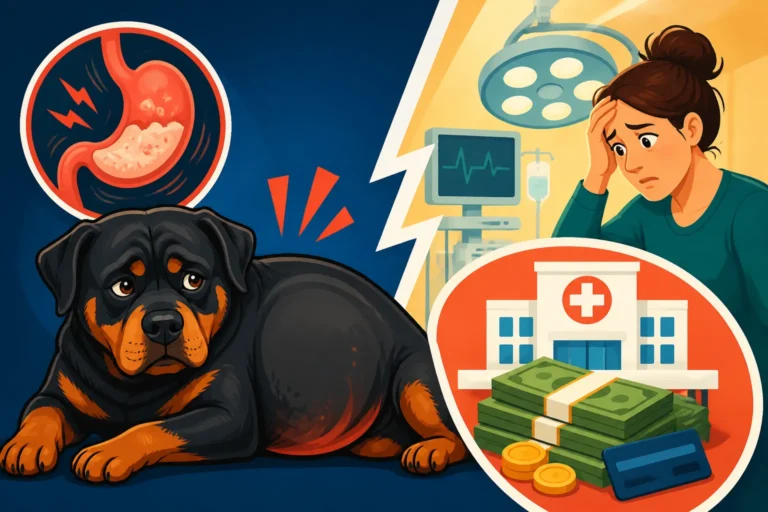
The Yearly Heartworm Bill for a Rottweiler
It's no secret that owning a large breed dog like a Rottweiler comes with a unique set of responsibilities and, let's be honest, costs that can sometimes feel like a moving target. Among those essential recurring expenses, the yearly heartworm bill is one that often catches new owners by surprise, not just in its necessity but also in its potential impact on your wallet. This guide is here to walk you through exactly what goes into that bill, why it's so critical, and how to manage it without breaking the bank.
Understanding Heartworm Disease in a Rottweiler
Let's start with the grim reality: heartworm disease is a serious, potentially fatal condition that affects dogs, cats, and other mammals worldwide. For us Rottweiler owners, it's a concern we simply can't ignore, despite how inconvenient or costly prevention might seem.
The Silent Threat Mosquitoes Carry
Heartworm disease is spread exclusively by mosquitoes. When an infected mosquito bites your Rottweiler, it transmits microscopic heartworm larvae into your dog's bloodstream. These larvae then migrate through the body and mature into adult worms, primarily residing in the heart, lungs, and associated blood vessels. Imagine having spaghetti-like worms growing up to a foot long, clogging up your Rottie's vital organs – that's essentially what happens.
What makes this so insidious is that Rottweilers, with their substantial size and often outdoorsy lifestyles, might be seen as less delicate than smaller breeds. But every dog, regardless of size or perceived toughness, is equally vulnerable to a mosquito bite. Even an indoor Rottweiler can get bitten by a rogue mosquito that slips inside. The sheer number of mosquitoes in many parts of the country makes this a constant threat. In regions with warmer climates, mosquitoes are active year-round, making year-round prevention absolutely non-negotiable.
Why Prevention Isn't Just "Nice to Have"
You might be thinking, "Another medication? Does my Rottweiler really need this every month or year?" The short answer is an emphatic yes. Prevention is the single most effective, and by far the most economical, way to protect your beloved companion from this devastating disease.
The alternative – heartworm treatment – is a brutal and expensive ordeal. It involves multiple injections of an arsenic-based drug, strict exercise restriction for months, and a series of follow-up tests. The treatment itself is risky, as the dying worms can cause pulmonary embolisms, which can be fatal. Beyond the immediate danger, heartworm disease causes irreversible damage to the heart and lungs, even after successful treatment. This can lead to a reduced quality of life, chronic coughing, exercise intolerance, and a significantly shortened Rottweiler Lifespan and the Eight to Ten Year Average. The costs associated with treatment can easily climb into the thousands, dwarfing any annual prevention budget. It's a stark reminder that sometimes, the seemingly small, recurring cost is truly an investment in your Rottweiler's health and longevity.
Factors Influencing Your Rottweiler's Heartworm Bill
When you look at the total yearly cost for heartworm prevention, it’s not just one number. Several key factors come into play, especially when you're dealing with a large dog like a Rottweiler.
Weight-Based Dosing and Its Impact
One of the most significant factors driving the cost is your Rottweiler's sheer size. Heartworm preventatives are dosed by weight. A small Chihuahua might get a tiny pill, but your 100-pound-plus Rottweiler is going to fall into the highest weight category, requiring a larger dose, which naturally costs more per unit.
Whether you choose a monthly oral tablet, a topical solution, or an annual injectable, the price scales with your dog's weight. For example, if you're looking at a monthly chewable, a 120-pound male Rottweiler will require the largest available chew, which will be priced accordingly. This is simply the reality of medicating a big dog. The good news is that reliable retailers like Chewy often offer competitive pricing on these medications, but they'll still be subject to those higher weight bands. It’s a recurring expense you need to factor into The Yearly Cost of Feeding and Keeping a Rottweiler.
The Annual Heartworm Test – A Non-Negotiable
Before your veterinarian can prescribe heartworm preventative medication, your Rottweiler must undergo an annual heartworm test. This isn't just a revenue generator for the vet; it's a critical safety measure. Giving heartworm preventative to a dog that is already infected with adult heartworms can be dangerous, potentially causing severe reactions or even death as the worms die off too quickly.
The annual test is a simple blood draw, typically conducted during your Rottweiler's routine wellness exam. It checks for the presence of adult heartworm antigens in the bloodstream. While the cost of this test isn't exorbitant on its own, it's an unavoidable part of the yearly heartworm bill. It’s part of the essential Parasite Prevention Dosed for a Rottweiler's Weight. Even if your dog has been on consistent prevention, annual testing confirms the prevention has been effective and that no breakthrough infection has occurred.
Geographical Variations and Local Climate
The cost and even the recommended frequency of heartworm prevention can vary depending on where you live. In regions with warm, humid climates, such as the Southern states, mosquitoes are active year-round, and thus, year-round prevention is an absolute necessity. Vets in these areas might emphasize certain types of preventatives or advise specific protocols due to higher heartworm prevalence.
Conversely, in colder Northern climates, where mosquitoes are only active for a few months of the year, some veterinarians might (though it’s increasingly rare and not always recommended) suggest a seasonal prevention schedule. However, with climate change, mosquito ranges are expanding, and it’s generally safest to maintain year-round prevention regardless of your location. The prevalence of heartworm in your specific area might also influence the pricing set by veterinary clinics, as demand and local health risks play a role. Your vet is the best resource for understanding the specific heartworm risks in your immediate community.
Strategies to Manage Your Rottweiler's Heartworm Expenses
Nobody wants to feel like they're simply throwing money at a problem, especially when it comes to routine care. Thankfully, there are smart ways to approach your Rottweiler's heartworm prevention costs without compromising their health.
Exploring Different Prevention Options
Heartworm preventatives come in various forms, each with its own cost structure and administration schedule.
- Oral Chewables/Tablets: These are typically given once a month. They are palatable for most dogs and often combine heartworm prevention with protection against intestinal parasites. Brands like Heartgard or Sentinel are common examples. The monthly commitment can be easy to remember for some, but if you're forgetful, missing a dose can put your Rottweiler at risk.
- Topical Solutions: Applied to the skin, usually between the shoulder blades, once a month. These often provide broader protection, including fleas, ticks, and some intestinal worms. Advantage Multi is an example. For Rottweilers who are picky about pills, this can be a great alternative.
- Injectable Medications: A single injection can provide 6 or 12 months of protection. ProHeart is a common injectable. This option can be fantastic for owners who struggle with monthly dosing or travel frequently. While the upfront cost for the injection might seem higher, it can actually be more cost-effective over the year, and it eliminates the worry of missed doses.
It's truly worth having a detailed discussion with your veterinarian about which option best suits your Rottweiler's lifestyle, any other health concerns, and your budget. They can provide specific recommendations and current pricing for their preferred products.
The Role of Pet Insurance and Wellness Plans
When considering the long-term costs of caring for your Rottweiler, including heartworm prevention, pet insurance often comes up. While most standard pet insurance policies, such as those offered by Healthy Paws, typically do not cover routine preventive care like heartworm medication or annual tests, they are invaluable if your dog does contract heartworm disease and requires costly treatment. Policies usually have waiting periods, so don't wait until your Rottweiler is sick to enroll.
However, some pet insurance providers offer optional "wellness plans" or "preventive care add-ons" that do help cover the costs of annual exams, vaccinations, and yes, heartworm tests and medication. These plans often involve a monthly fee that gives you a fixed allowance or discount on these routine services. It's worth investigating if such an add-on makes sense for your budget, especially if you're trying to project Rottweiler Costs Across Eight to Ten Years. Compare the monthly cost of the wellness plan to the individual costs of all your planned preventive care for the year to see if you'll save money.
Buying Smart: Vet vs. Online Pharmacies
Once your vet has prescribed a heartworm preventative, you generally have a couple of options for purchasing it: directly from your veterinary clinic or through an online pet pharmacy.
- Veterinary Clinic: Purchasing from your vet offers convenience and direct support. Your vet's office maintains your pet's records, can easily track refills, and you know you're getting authentic medication. Sometimes, vets offer manufacturer rebates or bundle pricing on yearly supplies.
- Online Pharmacies: Reputable online retailers, like Chewy, often have lower prices on medications, including heartworm preventatives. They can sometimes save you a significant amount over a year, especially for a large dog where doses are more expensive. However, you'll still need a valid prescription from your vet, which these pharmacies will verify. You'll typically need to submit a request for your vet to approve the prescription, which can add a day or two to the process.
Be cautious when buying from sources that don't require a prescription, as these products may be counterfeit, expired, or improperly stored, rendering them ineffective or even dangerous. Always use a reputable online pharmacy that works directly with your vet.
The True Cost of Neglecting Heartworm Prevention
It’s easy to get caught up in the immediate cost of prevention and think about skipping a dose or stretching out a supply. But truly, this is a dangerous gamble with your Rottweiler’s health and your own finances.
The Staggering Price of Heartworm Treatment
Let's talk about those treatment costs we touched on earlier. If your Rottweiler tests positive for heartworm, the treatment protocol is intensive and expensive. It typically starts with confirmatory tests, chest X-rays to assess lung and heart damage, and blood work to check overall health. Then comes a series of carefully timed injections of an adulticide medication, often requiring hospitalization for monitoring after the injections.
During and after treatment, your Rottweiler will need to be strictly exercise-restricted for several months – no running, jumping, or even vigorous walks. This can be incredibly challenging for an energetic Rottweiler. The total cost of diagnostics, medications, hospitalization, and follow-up care can easily run into the thousands of dollars. We're talking about figures that could pay for years, even a decade, of preventive medication. It’s far more than Emergency Vet Bills a Rottweiler Owner Should Expect for something like an acute injury.
Long-Term Health Consequences Beyond the Bill
Even if your Rottweiler successfully undergoes heartworm treatment, the damage to their cardiovascular system can be permanent. The adult worms, even after they die, cause inflammation and scarring in the heart and pulmonary arteries. This can lead to chronic lung disease, pulmonary hypertension, and heart failure.
A treated Rottweiler might have a persistent cough, reduced stamina, and a need for lifelong cardiac medications. This isn't just about the financial impact; it's about the quality of life for your cherished companion. Imagine a usually boisterous Rottie being unable to enjoy even a short walk without panting heavily, or their playful spirit diminished by chronic illness. This is why the modest, recurring investment in prevention is truly a kindness to your dog. For senior dogs, who might already be facing challenges like Senior Rottweiler Mobility Decline, heartworm damage would be even more devastating.
Making the Financial Decision Proactively
The yearly heartworm bill for a Rottweiler is a significant, but entirely predictable, expense. By understanding what goes into it, exploring your options, and making informed choices, you can ensure your dog is protected. Don't wait for an emergency to realize the importance of proactive care. Just as you might plan for healthy food options from a brand like Ollie to support your Rottweiler's overall well-being, budgeting for heartworm prevention is a fundamental part of responsible ownership.
Take the time to talk to your vet, compare prices, and investigate wellness plans. Setting aside a dedicated amount each month for routine care, including heartworm prevention, can make managing these costs much smoother. Your Rottweiler relies on you for their health and happiness, and preventing heartworm disease is one of the most critical ways you can uphold that trust.
Disclaimer
This article is for general informational purposes only and does not constitute professional advice. Laws, prices and regulations vary by location and change over time. Consult a qualified professional for guidance on your specific situation.