Gastropexy to Prevent Rottweiler Bloat
The sudden, terrifying onset of bloat, or Gastric Dilatation-Volvulus (GDV), is a nightmare scenario for any Rottweiler owner. It strikes without warning, rapidly becoming a life-threatening emergency where every minute counts, and sadly, it’s a condition our beloved Rotties are particularly prone to. This guide delves deep into gastropexy, a preventive surgical procedure that can anchor your Rottweiler's stomach in place, effectively preventing the deadly twist and significantly improving their chances if bloat ever does occur.
Understanding Bloat in Rottweilers: A Deadly Race Against Time
Bloat isn't just an upset stomach; it's a critical, rapidly progressing condition that demands immediate veterinary attention. For Rottweilers, with their deep chests and active lifestyles, the risk is alarmingly high, making it a constant concern for responsible owners. Understanding what happens and why our dogs are so susceptible is the first step in prevention.
What Happens During a Bloat Episode
Imagine your dog's stomach, normally a flexible bag, suddenly becoming distended with gas and fluid, then twisting on its axis. This is the essence of Gastric Dilatation-Volvulus (GDV). First, the stomach rapidly fills with gas and potentially fluid – this is the "dilatation" part. This swelling alone can cause immense pain and pressure, restricting blood flow to the stomach lining and pressing on major blood vessels, including those returning blood to the heart. It’s a very uncomfortable and painful situation.
The truly deadly part, however, is the "volvulus," or twisting. When the stomach twists, both its entry and exit points are sealed off, trapping the gas and fluid inside. More critically, the blood supply to the stomach is severed, leading to rapid tissue death. This torsion also cuts off blood flow to other organs, sending the dog into shock. Without immediate surgical intervention to untwist the stomach and often perform a gastropexy, the outcome is almost always fatal. The speed at which this occurs is truly frightening; a dog can go from seemingly normal to critical in a matter of an hour or two. You need to know What Rottweiler Bloat Looks Like in the First Hour to react quickly.
Why Rottweilers Are So Susceptible
Rottweilers are one of the breeds veterinarians identify as being at a significantly elevated risk for bloat. The primary anatomical factor is their deep, narrow chest conformation. Breeds with this body type, such as Great Danes, Standard Poodles, and German Shepherds, have more "room" in their abdominal cavity for the stomach to shift and twist when distended. Think of it like a bowling pin: it's easier for it to topple over than a squat, wide object.
Beyond anatomy, other factors contribute. Age plays a role, with older dogs generally being more susceptible, though bloat can strike at any age. Eating rapidly, consuming a single large meal, drinking large amounts of water before or after exercise, stress, and even genetics are all believed to increase the risk. If you have a family history of bloat in a Rottweiler's lineage, the concern becomes even more pronounced. This combination of physical predisposition and lifestyle factors makes understanding preventive measures like gastropexy paramount for Rottweiler owners.
Recognizing the Early, Vague Signs
One of the most insidious aspects of bloat is that its early signs can be subtle and easily mistaken for general discomfort or indigestion. This makes vigilance absolutely crucial. Initially, you might observe restlessness, pacing, or an unwillingness to lie down comfortably. Your Rottweiler might try to vomit but only bring up foam or nothing at all—this is often described as A Rottweiler Retching Without Bringing Anything Up and is a red flag.
As the condition progresses, the abdomen will visibly distend and become firm to the touch, especially on the left side. Your dog may whine, drool excessively, pant, and show signs of severe pain. Their gums might become pale, and their heart rate can increase as they go into shock. Don't wait for all these symptoms to appear. If you suspect bloat, even based on vague signs like restlessness and unproductive retching, treat it as an emergency and head to the veterinary clinic immediately. Knowing Recognizing Bloat in a Rottweiler can literally save their life.
What is a Gastropexy and How Does It Work
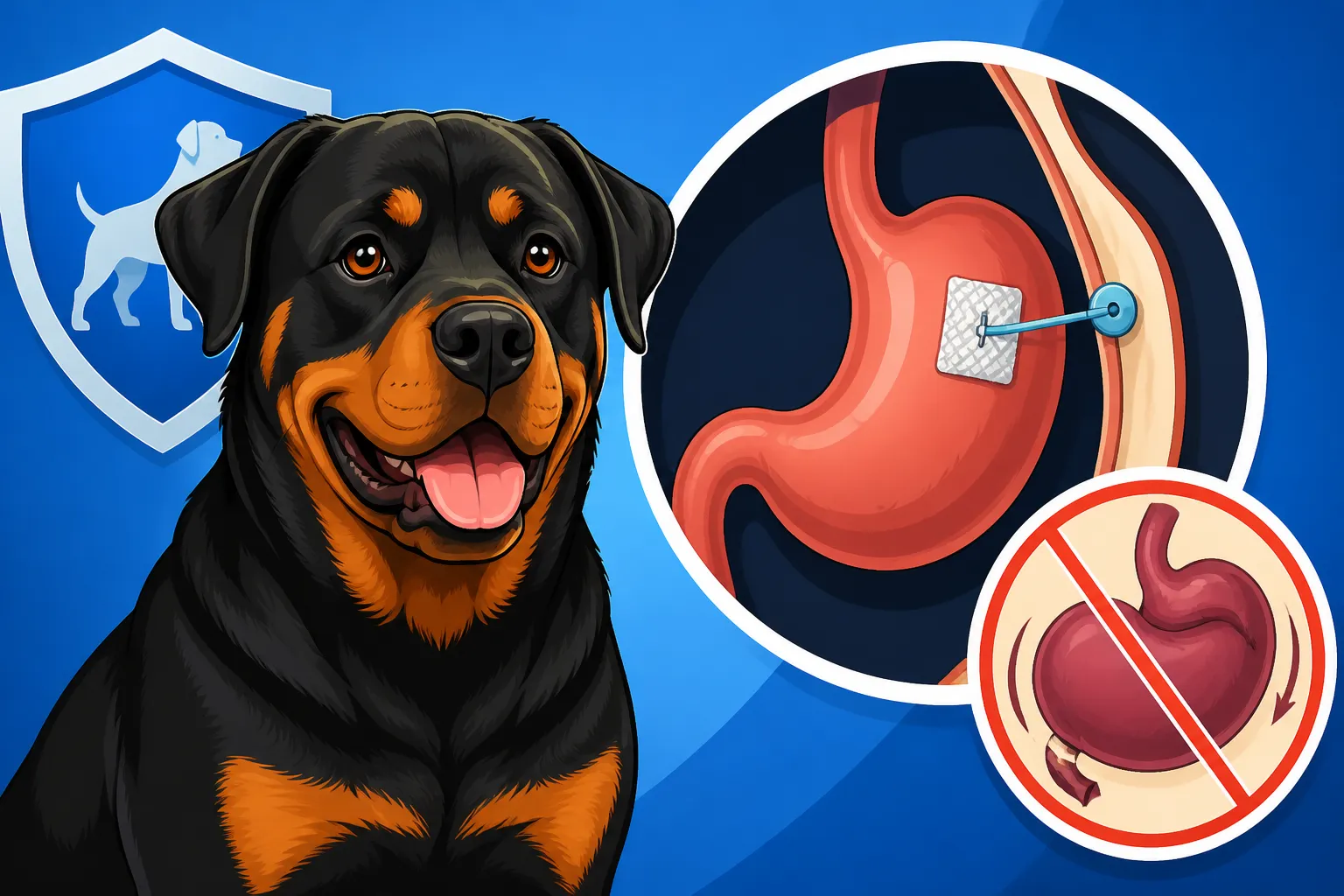
A gastropexy is a surgical procedure designed to prevent the stomach from twisting, which is the most dangerous aspect of bloat. It's not a cure-all that prevents the stomach from filling with gas (dilatation), but it absolutely prevents the deadly "volvulus" from occurring. This is a critical distinction, and understanding it can help manage expectations and emphasize the procedure's immense value.
The Surgical Procedure Explained
At its core, a gastropexy involves permanently attaching a portion of the stomach to the inside of the abdominal wall. This creates an adhesion that physically prevents the stomach from rotating or twisting around itself. Think of it like tacking down a corner of a blanket to prevent the whole thing from sliding off the bed. The stomach can still expand with gas if bloat starts, but it cannot perform the fatal rotation that cuts off blood supply and causes widespread organ damage.
There are several techniques, but the goal remains the same: create a strong, lasting attachment. The most common methods involve suturing a section of the stomach wall, typically the pylorus (the muscular valve that opens into the small intestine), to the right side of the abdominal wall. This simple yet profound alteration significantly changes the outcome if your Rottweiler ever experiences a bloat event. The stomach can still expand, causing discomfort and requiring veterinary intervention to decompress, but the critical, life-threatening torsion is prevented.
Differences Between Open and Laparoscopic Gastropexy
Modern veterinary medicine offers a couple of primary approaches to performing a gastropexy, each with its own benefits and considerations.
Open Gastropexy: This is the traditional method, performed via a standard incision into the abdomen, similar to a spay or neuter surgery. The surgeon directly visualizes the stomach and abdominal wall, making the attachment with sutures. This method provides excellent visibility and allows for a very strong, reliable attachment. It's often chosen if another abdominal surgery is already being performed, such as an emergency bloat correction or a routine spay. The recovery time might be slightly longer due to the larger incision, but it's a well-established and highly effective technique. It’s also often performed by general practice veterinarians.
Laparoscopic Gastropexy: This minimally invasive technique uses a laparoscope—a small camera—and specialized instruments inserted through several small incisions (keyholes). The surgeon performs the procedure watching a monitor, which displays internal images. This method generally results in less pain, smaller incisions, and a faster recovery time for the dog. However, it requires specialized equipment and expertise, meaning it might only be available at specialty veterinary clinics or with board-certified surgeons. For preventive gastropexy, especially when done electively, laparoscopic is often preferred due to its less invasive nature. Both methods achieve the same crucial outcome: anchoring the stomach to prevent torsion.
How it Prevents Stomach Twisting
The magic of gastropexy lies in its simplicity and effectiveness. By creating a permanent bond between the stomach and the body wall, the stomach loses its ability to freely rotate. When gas and fluid build up, the stomach might still dilate, causing pain and discomfort, but because it's anchored, it simply can't twist.
This means that instead of a life-threatening, rapidly progressing emergency where every second counts to untwist the organ, you're dealing with a dilatation that, while still serious and requiring veterinary care for decompression, is no longer immediately fatal. The blood supply to the stomach remains intact, preventing tissue death and shock. This buys valuable time, significantly reduces the urgency of the situation, and most importantly, vastly improves the prognosis for your Rottweiler. It changes a terrifying, potentially deadly race against time into a manageable, albeit still serious, medical event. This is the profound difference a gastropexy makes in a Rottweiler's life.
When to Consider a Prophylactic Gastropexy for Your Rottweiler
Deciding whether to perform a gastropexy is a significant choice for any Rottweiler owner. Given the breed's high risk for bloat, it's a conversation worth having with your veterinarian long before an emergency arises. Prophylactic, or preventive, gastropexy is increasingly common and recommended.
Age and Risk Factors
The ideal time to perform a prophylactic gastropexy is usually when your Rottweiler is young and healthy, often concurrently with another planned surgery like a spay or neuter. This timing minimizes the need for additional anesthesia and recovery periods. For female Rottweilers, it can be seamlessly integrated with their spay procedure, often around 6-12 months of age, before they reach their full adult size and typical bloat risk increases. For males, it can be done at the time of neuter, usually around 12-24 months, depending on your vet's recommendation regarding growth plate closure and hormonal development. You might hear discussions about Gastropexy Done During a Rottweiler Spay or Neuter as a convenient and wise choice.
Beyond age, other risk factors can heighten the urgency for a gastropexy. These include having first-degree relatives (parents, siblings) who have bloated, exhibiting rapid eating habits, or a particularly anxious or stressed temperament. If your Rottweiler has a very deep chest conformation, even within the breed standard, this also adds to their individual risk profile. Discuss these factors thoroughly with your vet to make an informed decision tailored to your dog.
Benefits of Performing it During Spay/Neuter
Performing a prophylactic gastropexy at the same time as a spay or neuter is a fantastic option that many owners choose. The primary benefit is that your dog only undergoes one anesthetic event and one recovery period. This means less stress on their system, a single trip to the vet, and combining surgical expenses. The abdomen is already open for the spay or neuter, making the gastropexy a relatively quick addition to the procedure, often without significantly prolonging the overall surgical time or increasing recovery complexity.
Furthermore, getting the gastropexy done early means your Rottweiler is protected from the devastating effects of bloat well before their risk peaks. You’re essentially eliminating the most dangerous aspect of a potential bloat event before it even has a chance to occur. This proactive approach offers immense peace of mind, knowing that if your dog ever experiences gastric distension, it won't escalate into the fatal twisted stomach. Pet insurance providers like Healthy Paws often have policies that cover such procedures if enrolled early, which can be a relief for budget-conscious owners.
Weighing the Decision for Older, Intact Dogs
The decision for an older, intact Rottweiler, or one who has already been spayed/neutered, requires a more careful evaluation. While the benefits of preventing torsion remain the same, undergoing an elective surgery later in life comes with its own considerations. An older dog might have other underlying health conditions that could increase anesthetic risk, such as heart murmurs (like those associated with Subaortic Stenosis in Rottweiler Puppies), kidney issues, or arthritis.
For these dogs, a thorough pre-operative workup, including blood tests, urinalysis, and potentially cardiac evaluations, is crucial to assess their suitability for surgery. The recovery might also be a bit slower for an older dog. However, if your older Rottweiler is healthy, and especially if they have a strong family history of bloat, the benefits of gastropexy often far outweigh the risks. It’s about assessing their current health and giving them the best chance at a longer, healthier life free from the threat of fatal bloat.
The Surgical Process and Recovery
Understanding the journey from pre-op to full recovery can help demystify the gastropexy procedure and prepare you for what to expect. While every dog's experience is unique, there's a general roadmap that most Rottweiler owners will follow.
Pre-Operative Preparation and Diagnostics
Before your Rottweiler undergoes a gastropexy, your veterinarian will conduct a comprehensive pre-operative assessment. This typically includes a full physical examination, ensuring your dog is in good overall health. Blood tests are standard to check organ function (liver, kidneys), screen for anemia or infection, and ensure clotting factors are normal. A urinalysis might also be performed. For older dogs, or those with existing health concerns, additional diagnostics like chest X-rays to check heart and lung health, or an electrocardiogram (ECG) to assess heart rhythm, might be recommended.
Your vet will also discuss fasting instructions (usually no food for 8-12 hours, and sometimes water is restricted before surgery) to prevent vomiting during anesthesia. This preparatory phase is crucial for identifying any potential risks and ensuring your Rottweiler is as healthy as possible before going under anesthesia, maximizing the safety of the procedure.
The Day of Surgery: What to Expect
On the day of surgery, you'll typically drop off your Rottweiler at the clinic in the morning. The veterinary team will perform a final health check and administer pre-anesthetic medications to help with pain and anxiety. Your dog will then be placed under general anesthesia. During the surgery, a dedicated veterinary technician will continuously monitor vital signs such as heart rate, respiratory rate, blood pressure, and oxygen saturation.
The surgeon will then perform either an open or laparoscopic gastropexy, as discussed with you beforehand. The procedure itself usually takes a relatively short amount of time, especially if combined with a spay or neuter. Once the surgery is complete, your Rottweiler will be moved to a recovery area where they'll be closely monitored as they wake up from anesthesia. Pain management is a priority, and appropriate medications will be administered to ensure their comfort. You’ll usually receive an update from the vet once your dog is awake and stable.
Post-Operative Care and Healing at Home
The recovery period is a critical phase for ensuring proper healing and preventing complications. Most Rottweilers will spend at least one night at the veterinary clinic for monitoring, especially if the procedure was more extensive or if they are older. When they come home, you’ll be given detailed instructions on how to care for them. This will include administering prescribed pain medication and possibly antibiotics.
Activity restriction is paramount. Your Rottweiler will need to be kept quiet and calm, avoiding strenuous exercise, jumping, or rough play for several weeks. Leash walks for potty breaks will be the extent of their activity. An Elizabethan collar (cone) will likely be necessary to prevent them from licking or chewing at their incision, which can lead to infection or reopening the wound. You’ll need to inspect the incision site daily for any signs of redness, swelling, discharge, or separation. A follow-up appointment will be scheduled for suture removal (if non-dissolvable) and a general check-up to ensure healing is progressing well. This careful home care ensures the gastropexy site heals strongly, securing the stomach permanently.
Risks, Benefits, and Cost Considerations
Every surgical procedure carries some degree of risk, and gastropexy is no exception. However, when weighed against the severe, life-threatening nature of bloat in Rottweilers, the benefits often far overshadow the potential downsides. Understanding the financial aspect, and how pet insurance can help, is also a crucial part of the decision-making process.
Potential Complications and Side Effects
While generally safe, gastropexy, like any surgery, carries potential risks. Anesthetic complications, though rare with modern protocols and monitoring, are always a possibility. These can include adverse reactions to drugs, respiratory issues, or cardiovascular events. Post-surgically, complications might include infection at the incision site, seroma (fluid accumulation), or hematoma (blood clot). These are typically managed with medication or minor interventions.
More serious, but very uncommon, complications specific to gastropexy could involve the sutures breaking down, leading to a failure of the pexy (the attachment). This is why strict activity restriction during recovery is so important. While gastropexy prevents twisting, it does not prevent the stomach from filling with gas (dilatation). So, a dog with a gastropexy can still experience a bloat episode where the stomach distends, causing discomfort and pain. However, without the life-threatening twist, the emergency is significantly less critical and the prognosis is vastly improved.
The Lifesaving Benefits of Gastropexy
The primary and most significant benefit of a prophylactic gastropexy is the prevention of gastric volvulus—the deadly twisting of the stomach. For Rottweilers, a breed at high risk for bloat, this is a literal lifesaver. If your gastropexied dog experiences bloat, it will be a gastric dilatation (gas buildup) only, meaning the stomach cannot twist and cut off its own blood supply. This means the emergency is no longer immediately fatal.
Instead of a frantic rush to emergency surgery with a questionable prognosis, you'd be dealing with a painful condition that still requires veterinary attention to decompress the stomach, but one where the critical time pressure is reduced and the chances of survival are dramatically higher. Many vets consider a prophylactic gastropexy to be one of the most impactful preventive surgeries for high-risk breeds. It offers immense peace of mind, knowing that you've proactively protected your beloved companion from one of the most terrifying and devastating conditions they face.
Understanding the Financial Investment and Insurance Options
The cost of a prophylactic gastropexy can vary widely depending on your geographic location, the veterinary clinic (general practice vs. specialty surgeon), and whether it's performed openly or laparoscopically, or in conjunction with another surgery. On average, you might expect costs to range from $400 to $1,500, with laparoscopic procedures often being on the higher end due to specialized equipment. This cost is for the gastropexy alone and would be added to the price of a spay or neuter if combined.
This might seem like a substantial upfront investment, but it pales in comparison to the cost of emergency bloat surgery. An emergency GDV correction, including stabilization, surgery to untwist and perform an emergency gastropexy, and post-operative intensive care, can easily run into thousands of dollars—often $3,000 to $7,000 or more, especially if complications arise. Many owners find themselves looking for ways to finance surgery they did not plan for.
This is where pet insurance becomes incredibly valuable. If you enroll your Rottweiler in a comprehensive pet insurance plan like Healthy Paws before any signs of bloat or other related conditions appear, the prophylactic gastropexy might be covered under their accident/illness benefits, as it's often considered a medically necessary procedure to prevent a severe illness. It's crucial to check your specific policy details, as coverage for preventive procedures can vary. Having a policy in place can make the decision to move forward with this lifesaving surgery much less stressful financially. Be sure to check Whether Rottweiler Insurance Covers Bloat Surgery before committing.
Beyond Gastropexy: Comprehensive Bloat Prevention Strategies
While gastropexy is an incredibly powerful tool in preventing the deadly twist of bloat, it’s not the only strategy. A multi-faceted approach combining careful feeding, appropriate exercise, and constant vigilance offers the best protection for your Rottweiler.
Dietary Management and Feeding Practices
How and what your Rottweiler eats plays a significant role in bloat prevention. One of the most common recommendations is to feed multiple smaller meals throughout the day rather than one large meal. Splitting a Rottweiler's ration into Splitting a Rottweiler's Food Into Two Meals, or even three, can reduce the amount of food in the stomach at any one time, lessening distension. Avoid rapid eating by using slow-feeder bowls or puzzle toys, as gulping air along with food is thought to contribute to gas buildup.
While the "raised bowl argument" has been debated, and some studies even suggest it might increase risk, many still find it comfortable for large dogs, especially those with orthopedic issues. However, if using a raised bowl, ensure your dog is still eating slowly. Choose high-quality dog food formulations that are appropriate for large breeds. Some sources suggest avoiding foods with certain ingredients high up on the list (like citric acid or excessive fat) or those that expand significantly when wet, but scientific evidence is mixed. Consistency in diet and avoiding sudden changes are generally good practices. Understanding Feeding Rules That Lower Rottweiler Bloat Risk is vital.
Exercise Routines and Stress Reduction
Timing exercise around meals is critical. Vigorously exercising a Rottweiler immediately before or after a meal is strongly linked to an increased risk of bloat. This is because physical activity can increase stomach motility and air swallowing, and the jostling can facilitate twisting. The general recommendation is to allow at least an hour before and at least two hours (and ideally three or four) after eating before engaging in any strenuous exercise or heavy play. Even a short, calm walk for a potty break is usually fine, but avoid anything that gets their heart rate up significantly or involves jumping and running. Knowing How Long to Wait After a Rottweiler Meal Before Exercise is crucial.
Stress is also considered a potential factor in bloat, though the exact mechanism isn't fully understood. A stressed or anxious dog might gulp air, eat more rapidly, or have digestive upset. Creating a calm, predictable environment, especially around meal times, can contribute to overall digestive health. Regular, moderate exercise (timed appropriately!), consistent routines, and adequate mental enrichment can help reduce stress levels in your Rottweiler.
Monitoring and Emergency Preparedness
Even with a gastropexy and optimal feeding and exercise practices, vigilance is key. You should always be aware of the signs of bloat, even the subtle ones. Restlessness, unproductive retching, a distended abdomen, excessive drooling, pain, and weakness are all indicators. Early detection, even of non-twisted bloat in a gastropexied dog, means faster treatment and less discomfort. Keep your veterinarian's number, as well as the number for your nearest 24-hour emergency veterinary clinic, prominently displayed.
It’s also wise to understand The Emergency Signs That Send a Rottweiler In and discuss your action plan with your family. Ensure everyone knows what to look for and where to go if bloat is suspected. Time is always of the essence, even when the deadly twist is prevented. A distended stomach is still very painful and can press on vital organs, so prompt veterinary care to decompress it is essential. Being prepared and knowledgeable empowers you to act swiftly and decisively, giving your cherished Rottweiler the best chance at recovery.
Disclaimer
This article provides general information and recommendations regarding gastropexy and bloat prevention in Rottweilers and is not a substitute for professional veterinary advice. Always consult with your veterinarian to discuss your individual dog's health needs, risk factors, and the most appropriate course of action.