Rottweiler Vaccination Reactions and When to Call
Bringing home a Rottweiler puppy is an exciting time, filled with dreams of long walks and loyal companionship, but it also comes with a lot of responsibility, especially concerning their health. One common concern that often leaves new owners feeling a bit anxious is the topic of vaccinations, specifically anticipating what "normal" reactions look like and, more critically, knowing when a reaction crosses the line into something serious that warrants an immediate call to the vet. This guide aims to equip you with the knowledge to confidently monitor your Rottweiler after their shots, understand the spectrum of possible responses, and identify the red flags that demand urgent attention.
Understanding Normal Vaccination Reactions in Rottweilers
It's completely normal for a Rottweiler, or any dog for that matter, to experience some minor side effects after receiving vaccinations. Think of it like us getting a flu shot; we might feel a little off for a day or two. These reactions are usually mild and indicate that your dog's immune system is actively working to build protection against the diseases the vaccines target. The key is to recognize these common, usually harmless, responses so you don't panic unnecessarily, while still being vigilant for anything more severe.
Minor, Expected Symptoms
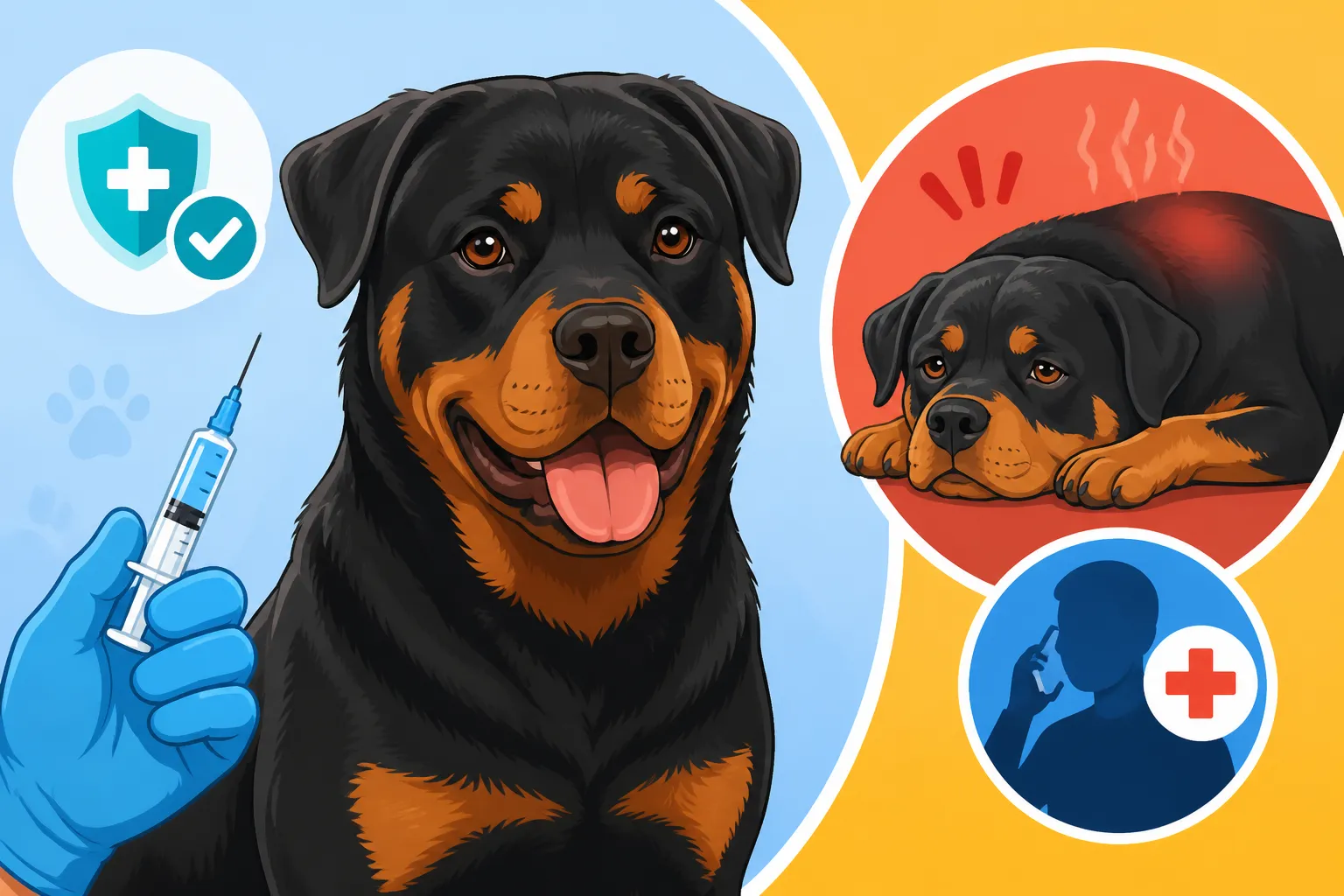
After your Rottweiler gets their shots, you might notice a few things. The most common is a bit of soreness or swelling at the injection site. This makes sense; a needle went into their muscle or under their skin, and their body's local inflammatory response kicks in. You might see a small, firm lump, which is usually just inflammation and will typically resolve on its own within a few days to a week. Your dog might also be a little lethargic or sleepy, perhaps not as eager for their usual playtime or morning walk. This mild fatigue, along with a slight decrease in appetite, is also quite typical. They might seem a bit "under the weather" for 24-48 hours. Many owners describe their pup just wanting to snooze a lot, which is perfectly fine—let them rest! A low-grade fever can also occur, though it's often not high enough for you to notice without taking their temperature. These are all signs that their immune system is doing its job, responding to the vaccine antigens.
Why Rottweilers Might Show Subtle Signs
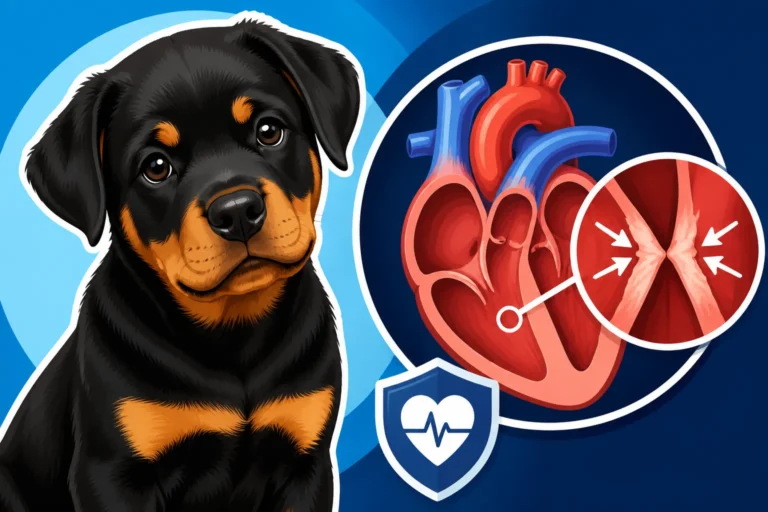
Rottweilers, by nature, can be quite stoic. They're a strong, resilient breed, and sometimes they don't wear their discomfort on their sleeve as readily as some other dogs might. This can be both a blessing and a curse. On one hand, they might not seem overly dramatic about a sore leg. On the other, it means you have to be extra observant, especially during their puppy vaccination series, where conditions like Parvovirus Risk in a Rottweiler Puppy are a genuine concern. You're looking for subtle changes in behavior: perhaps they're not meeting your gaze quite as readily, or they're a little slower to get up. Their usual enthusiasm for food might be slightly dampened. If you have a particularly active Rottweiler puppy, a sudden quietness or prolonged napping could be their way of telling you they're not feeling 100%. Don't underestimate these small cues; they're your dog's way of communicating.
Recognizing Signs of a More Serious Reaction
While minor reactions are common, it's vital to be aware that more serious, albeit rarer, reactions can occur. These aren't just your dog feeling a bit tired; they indicate a systemic allergic response or a more significant issue that requires prompt attention. Early recognition of these signs can make all the difference in your Rottweiler's outcome.
Allergic Reactions and Anaphylaxis
The most concerning type of reaction is an acute allergic reaction, which can range from mild to life-threatening. These typically happen much faster than the minor, expected symptoms, often within minutes to a few hours of the vaccination. Initial signs might include hives (small, itchy bumps on the skin, often hard to see on a black Rottweiler but palpable if you run your hands over their coat) or swelling, especially around the face, muzzle, eyes, or ears. This facial swelling, called angioedema, can progress quickly and make your dog look quite different.
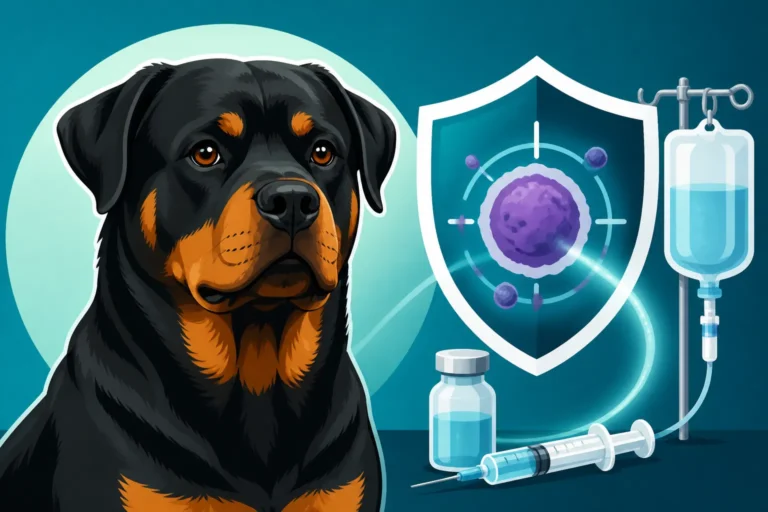
More severely, an allergic reaction can escalate to anaphylaxis, a medical emergency. This is where the Rottweiler's large size can sometimes be a disadvantage, as symptoms might progress rapidly across their larger body mass. Signs of anaphylaxis include sudden vomiting, diarrhea, difficulty breathing (labored breathing, wheezing, or gasping), pale gums, weakness, staggering, or even collapse. Their body temperature might drop, and they could go into shock. This isn't just discomfort; it's a severe, rapid response that demands immediate veterinary intervention. You shouldn't wait to see if it improves; call your vet or emergency clinic right away. This is one of those situations that fall under The Emergency Signs That Send a Rottweiler In.
Localized Abscesses or Granulomas
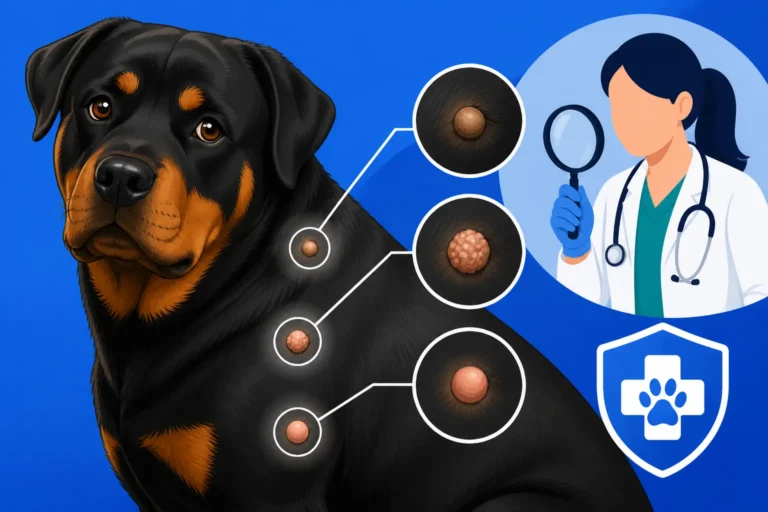
While a small lump at the injection site is usually benign, sometimes a more persistent or worsening reaction can occur. This might manifest as a warm, very painful swelling that doesn't go down or even seems to get larger over several days. In some cases, this can develop into a sterile abscess or a granuloma, which is a localized inflammatory mass. It's less common but possible. If the lump becomes open, oozes pus, or your Rottweiler is clearly in significant pain when you touch it, it's time for a vet visit. While not usually as immediately life-threatening as anaphylaxis, these can become infected or cause chronic discomfort if left untreated. Even if you've already invested significantly, as many do when considering What a Health-Tested Rottweiler Puppy Costs, addressing these issues promptly is crucial for their well-being.
When to Seek Immediate Veterinary Care
Knowing when to act is paramount, especially with a breed as substantial and sometimes stoic as a Rottweiler. It's better to be safe than sorry when it comes to potential vaccination complications. Don't hesitate to contact your veterinarian if you observe any of the following, as delaying care could have serious consequences.
Urgent Symptoms That Demand a Call
If you see any signs of a severe allergic reaction, such as facial swelling, hives, difficulty breathing, profuse vomiting, persistent diarrhea, weakness, stumbling, or collapse, do not wait. Call your vet or the nearest emergency veterinary clinic immediately. These symptoms typically appear quickly, often within 30 minutes to a few hours post-vaccination. Explain exactly what happened, when the vaccine was given, and what symptoms you're observing. They will likely advise you to bring your Rottweiler in right away for emergency treatment, which might include antihistamines, steroids, or even epinephrine to counteract the allergic response. Having pet insurance, like a plan from Healthy Paws, can certainly alleviate some of the financial stress during these unexpected emergencies, allowing you to focus purely on your dog's care.
Persistent or Worsening Minor Symptoms
While minor symptoms like lethargy or a small injection site lump are normal, their persistence or worsening can be a red flag. If the lethargy lasts for more than 48 hours, or your Rottweiler refuses to eat or drink for an extended period, it's worth a call to your vet. Similarly, if the injection site lump becomes excessively large, very painful, hot to the touch, or starts to ooze, it warrants investigation. It might be an infection, or a more intense inflammatory reaction that needs medication. Trust your gut. You know your Rottweiler best, and if something just doesn't feel right, even if it's not one of the "emergency" symptoms, a quick phone call to your vet can provide peace of mind or prompt necessary action. Remember, you're not bothering them; you're being a responsible pet parent.
Considering Your Rottweiler's Specific Health History
Your Rottweiler's individual health history plays a big role in how you should monitor them. If your dog has a known history of Rottweiler Allergies and Recurring Skin Infections, they might be predisposed to more pronounced vaccine reactions. Discuss this with your vet before vaccinations. They might suggest giving an antihistamine before the shot, splitting vaccines into separate appointments, or closely monitoring your dog at the clinic for a longer period. For older Rottweilers, whose immune systems might be less robust, or those with underlying health conditions, monitoring might also need to be more vigilant. For example, a senior Rottweiler might have a slightly different immune response, so keeping up with their Vet Visit Frequency for a Senior Rottweiler is critical to discuss vaccine protocols. Always provide your vet with a complete medical history, no matter how minor you think certain details might be.
Managing and Preventing Future Reactions
Dealing with a vaccination reaction can be distressing, but there are steps you can take to manage current symptoms and potentially reduce the risk of future issues. This is all part of being a proactive Rottweiler owner, ensuring their health and comfort through all stages of their life.
Post-Vaccination Care at Home
After your Rottweiler receives their shots, plan for a quiet day or two. Avoid strenuous exercise or overly exciting activities. Just like us after a vaccine, rest is often the best medicine. Keep an eye on the injection site for any swelling or pain, and gently feel for lumps. If your dog seems a bit sore, a warm compress on the area might help, but only if they tolerate it. Offer them their favorite, easy-to-digest food and plenty of fresh water. If they're a bit lethargic, ensure they have a comfortable, quiet place to nap. Resist the urge to give any human medications without explicit veterinary guidance, as many can be toxic to dogs. If your vet advises it, they might suggest a canine-specific anti-inflammatory or antihistamine if minor reactions are noted.
Keeping careful records of all vaccinations, including the date, type of vaccine, and any reactions observed, is incredibly helpful for both you and your vet. This kind of detailed record-keeping, often covered partially by robust pet insurance plans from providers like Healthy Paws, helps track your pet's overall health trajectory.
Discussing Vaccine Protocols with Your Veterinarian
If your Rottweiler has had a reaction in the past, or if you're particularly concerned, have an open conversation with your veterinarian about their vaccination protocol. They might recommend administering vaccines one at a time, spaced out over a few weeks, rather than giving multiple shots at once. This allows you to identify which vaccine might be causing a reaction and reduces the overall immune system load. For some Rottweilers, especially those with a history of severe reactions, your vet might suggest titer testing instead of automatic revaccination. A titer test measures the level of antibodies in your dog's blood, indicating if they still have protective immunity without needing another vaccine. This can be a great option for adult dogs, reducing unnecessary vaccination.
Furthermore, discuss the specific vaccines your Rottweiler truly needs based on their lifestyle and geographic location. For example, a dog living in a city apartment with minimal exposure to wildlife might have a different risk profile than a Rottweiler living on a farm. This careful, individualized approach to veterinary care, which starts from puppyhood with comprehensive plans like those you'd develop through Rottweiler Puppy Training Through the First Year, ensures your dog receives appropriate protection without over-vaccinating. When considering long-term health, understanding the financial implications of unexpected veterinary care is important. Learning about options like Rottweiler Pet Insurance and the $204 Average can help families prepare for emergencies and ongoing health management.
The Role of Pet Insurance in Managing Health Costs
Let's be real, veterinary care, especially emergency care for a large breed like a Rottweiler, can be expensive. A single emergency visit for an anaphylactic reaction could quickly run into hundreds or even thousands of dollars. This is where pet insurance can be a real lifeline. Companies like Healthy Paws offer plans that can cover a significant portion of these unexpected costs, from emergency treatments to ongoing care for chronic conditions. When you're facing a crisis, the last thing you want to worry about is the bill. Having a good pet insurance policy allows you to make medical decisions based on what's best for your Rottweiler, not just what you can afford out-of-pocket. It’s a worthwhile investment in their long-term health and your peace of mind.
| Reaction Type | Onset Time | Common Symptoms | Severity | When to Call Vet |
|---|---|---|---|---|
| Mild/Expected | 24-48 hours | Lethargy, mild soreness/swelling at injection site, slight decrease in appetite | Low | If symptoms persist beyond 48 hours or worsen, or if you're concerned. |
| Moderate Allergic | Minutes to hours | Hives, facial swelling (muzzle, eyes, ears), mild itching | Medium | Immediately. Even if mild, these can escalate. Early intervention can prevent worsening. |
| Severe Allergic | Minutes to an hour | Difficulty breathing, profuse vomiting/diarrhea, pale gums, weakness, collapse, shock | High (Emergency) | IMMEDIATE EMERGENCY CARE. This is life-threatening. Call while en route. |
| Injection Site Issue | Days to a week | Large, painful, hot swelling at site; oozing; non-resolving lump | Medium | If lump grows, becomes painful, hot, or breaks open; if your dog is limping excessively or showing signs of infection. |
Disclaimer
The information provided in this article is for general educational purposes only and is not a substitute for professional veterinary advice. Always consult with a qualified veterinarian regarding any medical concerns or before making any decisions about your Rottweiler's health and treatment.