A Rottweiler That Stops Recognizing the Room
It’s truly heart-wrenching when your beloved Rottweiler, who has navigated your home for years with confident ease, suddenly seems utterly lost. You might walk into a room and find them staring blankly at a wall, or perhaps they get stuck behind furniture they used to expertly maneuver around. This sudden confusion, this inability to recognize their familiar surroundings, isn't just a sign of aging; it's a deeply concerning shift that signals something significant is happening with their cognitive health. This guide is here to walk you through understanding these bewildering behaviors, exploring the potential causes, and outlining actionable steps you can take with your veterinarian to support your cherished companion.
When Your Rottweiler Seems Lost in Their Own Home
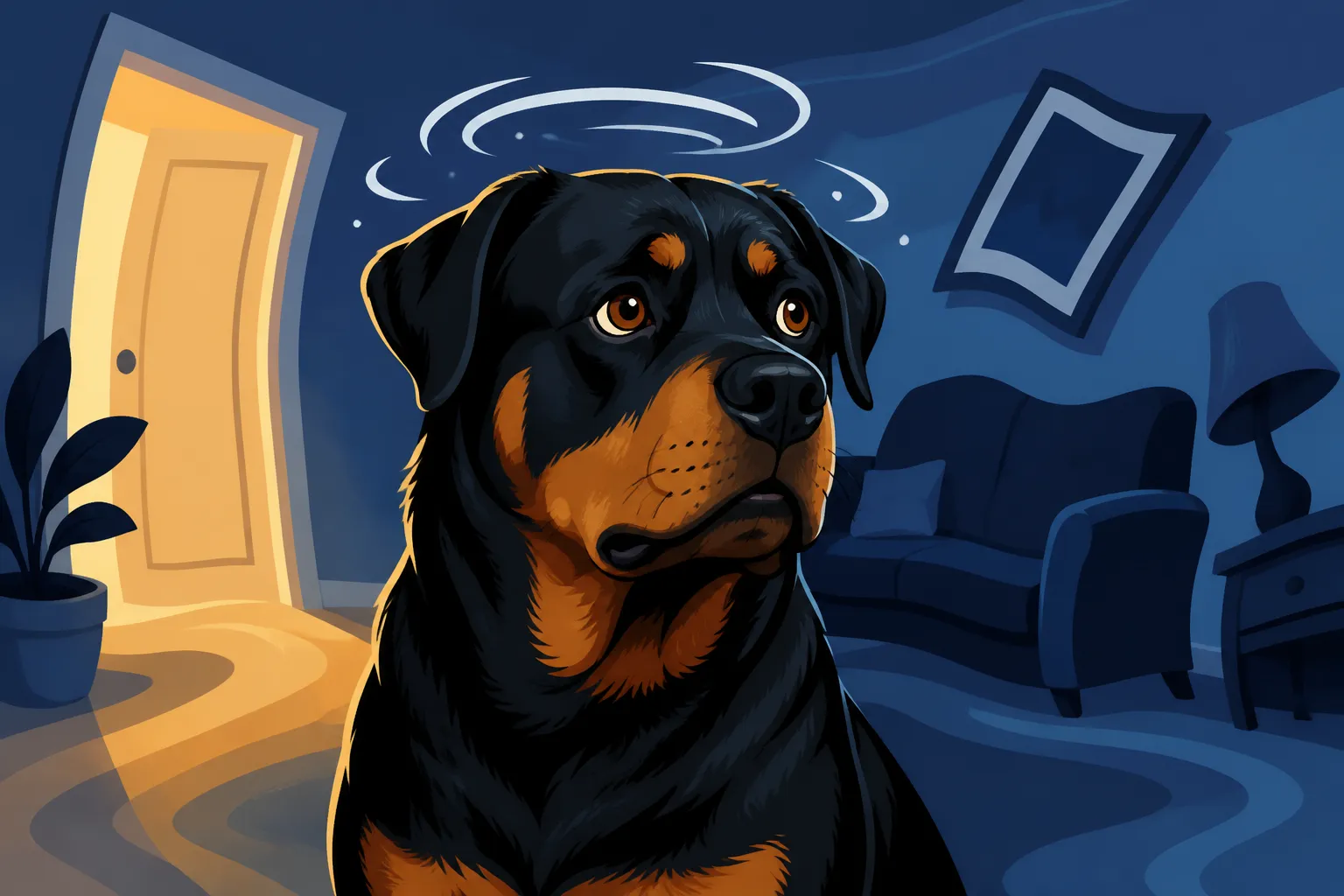
Watching your once-confident Rottweiler appear disoriented in a space they've known their whole life can be profoundly upsetting. It's not just a cute quirk of old age; it’s a genuine sign that their internal compass is malfunctioning, leading to confusion and, often, anxiety for them. This behavior often creeps in slowly, making it easy to dismiss early on, but over time, it becomes undeniably clear that something is amiss.
Recognizing the Subtle Signs of Disorientation
Disorientation in an older Rottweiler isn't always as dramatic as staring at a wall for minutes on end. Sometimes, it starts with smaller, more subtle clues. You might notice them getting stuck in corners more often, or having trouble finding the right door to go outside. They might wander aimlessly around the house, as if searching for something they can’t quite pinpoint. Another common sign is changes in their sleep-wake cycle; they might pace restlessly at night, seemingly unsure of where they are or what they're supposed to be doing, only to sleep heavily during the day. This reversal of routine can be one of the most frustrating aspects for owners, disrupting not only the dog's peace but also the entire household's rhythm. You might also observe them forgetting learned commands or struggling to recognize familiar faces, which can feel like a personal betrayal to a loyal breed like a Rottweiler. Pay close attention to how they interact with their environment, especially during times of transition, like moving from one room to another or going outside.
The Emotional Toll on Owners
For us, their guardians, witnessing these changes can be incredibly tough. Your Rottweiler isn't just a pet; they're family, a steadfast companion who has shared years of your life. To see them struggle with basic recognition and spatial awareness can evoke a potent mix of sadness, frustration, and helplessness. You might question if you're doing enough, or if they're experiencing pain or fear that you can't alleviate. It's a grieving process, in a way, as you start to lose parts of the dog you once knew, piece by piece. The shift from a dog who always knew where they were and what was expected of them to one who needs constant guidance and reassurance can be emotionally draining. There's also the challenge of explaining these behaviors to visitors or even other family members who might not understand the depth of what's happening. Remember, you're not alone in these feelings. Many owners of senior dogs go through this same difficult journey, and seeking support, whether from friends, family, or online communities, can be incredibly helpful.
Common Health Issues Causing Spatial Disorientation
When your Rottweiler begins to show signs of disorientation, the first thought might be "old age," but it's crucial to understand that specific medical conditions are often at play. While aging is a factor, it's usually not just aging; there's an underlying physiological process causing these changes. Pinpointing the exact cause is the first step toward effective management and improving your dog's quality of life.
Canine Cognitive Dysfunction Syndrome CDS
The most frequent culprit behind a Rottweiler's confusion in familiar surroundings is Canine Cognitive Dysfunction Syndrome (CDS), often referred to as "doggy dementia." This condition is strikingly similar to Alzheimer's disease in humans, where changes in the brain lead to a progressive decline in cognitive function. The brain begins to accumulate amyloid plaques and neurofibrillary tangles, leading to the loss of neurons and a decrease in neurotransmitter activity. This impacts memory, learning, spatial awareness, and problem-solving abilities. Dogs with CDS may struggle with what veterinarians call the "DISHA" acronym: Disorientation, Interactions (changed), Sleep-wake cycle alterations, House-soiling, and Activity level changes. The disorientation aspect directly manifests as getting lost in familiar places, walking into walls, or having trouble navigating around furniture. It's a slow, insidious progression, and while it's incurable, there are ways to manage the symptoms and slow its advancement. Early recognition of signs, such as your dog showing a general decline in mental sharpness or increased anxiety, can make a difference in how quickly intervention can begin. For more about their final years, read about what to expect with Senior Rottweiler Care After the Age of Seven.
Other Medical Conditions to Consider
While CDS is a prime suspect, it's vital not to jump to conclusions, as other medical issues can mimic its symptoms. A thorough veterinary examination is paramount to rule out treatable conditions that could be causing disorientation. For instance, an undiagnosed brain tumor could exert pressure on parts of the brain responsible for spatial processing, leading to confusion and coordination problems. Metabolic diseases like kidney disease or liver disease can cause a buildup of toxins in the bloodstream, which then affect brain function, resulting in lethargy, confusion, or even seizures. You might want to consider Kidney Values Worth Watching in a Rottweiler as they age. Hypothyroidism, where the thyroid gland doesn't produce enough hormones, can also lead to mental dullness and changes in behavior, although disorientation is less common as a primary symptom.
Vision and hearing loss, common in older Rottweilers, can also make a dog appear disoriented. If they can't see or hear their environment clearly, they might bump into things or seem confused about where they are. Imagine navigating your own home in the dark or with earplugs; it would certainly feel disorienting. Therefore, a vet will often check for age-related sensory declines like A Rottweiler Losing Its Hearing at Eight. Even conditions causing significant pain, such as severe arthritis or a spinal injury, can alter a dog's gait and confidence, making them hesitant and seemingly confused in their movements. Finally, certain medications can have side effects that include drowsiness or disorientation, so it’s always important to inform your vet about all current medications your Rottweiler is taking.
Working With Your Vet for Diagnosis and Management
When you observe your Rottweiler exhibiting signs of disorientation, the first and most critical step is a comprehensive visit to your veterinarian. Self-diagnosing based on online information alone can lead to missed opportunities for treatment of underlying, sometimes reversible, conditions. Your vet is your best partner in unraveling the mystery behind your dog's changing behavior.
The Diagnostic Process
Your vet will typically begin with a thorough physical examination, checking everything from their eyes and ears to their reflexes and gait. They'll ask you a lot of questions about the specific behaviors you've noticed, when they started, how often they occur, and any triggers you might have identified. Be prepared to discuss your Rottweiler's daily routine, appetite, thirst, bathroom habits, and any other changes, no matter how minor they seem. This detailed history is often the most valuable piece of the puzzle.
Next, a series of diagnostic tests will likely be recommended. This usually includes a complete blood count (CBC), a biochemical profile to assess organ function (liver, kidneys, etc.), and a urinalysis. These tests help rule out metabolic diseases, infections, or other systemic illnesses that could be causing the disorientation. For a senior Rottweiler, these routine checks are even more important, and a discussion about Bloodwork Worth Running on a Senior Rottweiler should be part of their regular Vet Visit Frequency for a Senior Rottweiler. Depending on the initial findings, your vet might suggest more advanced imaging, such as an MRI or CT scan of the brain, to look for tumors, strokes, or other structural abnormalities. These procedures often require sedation or anesthesia, and considering Anesthesia Risk for a Dog a Rottweiler's Size is important. Sometimes, cerebrospinal fluid analysis or specialist neurology consultation may be necessary to get a definitive diagnosis, especially if neurological conditions are strongly suspected.
Treatment and Supportive Care Options
If a treatable condition like hypothyroidism or a specific infection is identified, your vet will prescribe the appropriate medication or treatment protocol. However, if the diagnosis points towards Canine Cognitive Dysfunction Syndrome (CDS), the approach shifts to management rather than cure. The goal becomes slowing the progression of the disease and improving your Rottweiler's quality of life.
Several avenues exist for managing CDS. Prescription medications, such as selegiline (Anipryl), are often used to help improve cognitive function by increasing dopamine levels in the brain. Dietary changes can also play a significant role. Many veterinary diets formulated for senior brain health contain antioxidants, omega-3 fatty acids (DHA/EPA), B vitamins, and medium-chain triglycerides (MCTs) derived from coconut oil, all of which are believed to support brain function and energy metabolism. Your vet might recommend supplements like S-Adenosylmethionine (SAMe) or ginkgo biloba, which have antioxidant and neuroprotective properties. For dogs struggling with sleep disturbances, melatonin can sometimes help regulate their sleep-wake cycles. Additionally, environmental enrichment, even simple puzzle toys, can provide mental stimulation without overstressing an already confused dog. Discussing these options with your veterinarian is key to building a personalized management plan for your Rottweiler. Remember, vet bills for diagnostics and ongoing treatments can add up, especially for a large breed like a Rottweiler. This is where pet insurance, like a policy from Healthy Paws, can be an absolute lifesaver, helping to cover a significant portion of these unexpected costs and giving you peace of mind to pursue the best possible care without financial strain.
Adapting Your Home for a Disoriented Rottweiler
Once you have a diagnosis and a treatment plan from your vet, a huge part of supporting your disoriented Rottweiler involves making strategic adjustments to their home environment. The goal is to reduce their stress, enhance their sense of security, and prevent accidents that can occur when spatial awareness is compromised.
Maintaining Routine and Familiarity
Dogs thrive on routine, and for a Rottweiler with cognitive decline, a predictable schedule is an anchor in a confusing world. Stick to consistent feeding times, walk times, and even sleep schedules as much as possible. This predictability helps them anticipate what comes next, reducing anxiety and allowing them to conserve mental energy. Try to keep their immediate surroundings, like their bed, food and water bowls, and favorite resting spots, in the same place. Moving furniture, even slightly, can be incredibly disorienting for a dog who is already struggling to map their environment. If you absolutely must rearrange, do it gradually and patiently guide them through the new layout several times.
Consider using scent markers if your dog's sense of smell is still strong. A familiar blanket in their bed, or a specific scent (like lavender or chamomile) associated with calmness, can offer comfort. Similarly, subtle lighting changes can help them navigate. Keeping certain lights on at night, particularly in areas where they might get up to relieve themselves, can prevent them from bumping into things or getting stuck. Engaging them in gentle, familiar activities, like short, slow walks in the same neighborhood or quiet cuddle time, reinforces positive memories and connections, even if their memory is fading. This continuity is essential for their emotional well-being and can help them maintain a sense of purpose and belonging.
Safety Measures and Environmental Aids
Creating a safe haven for a disoriented Rottweiler means proactively identifying and mitigating potential hazards. Block off stairs with sturdy baby gates to prevent falls, especially if their coordination or vision is compromised. Pad sharp corners of furniture, or simply move easily collapsible items out of their main pathways. If they are prone to getting stuck behind furniture, consider physically blocking off those tight spaces. For Rottweilers experiencing Senior Rottweiler Mobility Decline in conjunction with confusion, ramps can be a godsend for getting into and out of cars or onto elevated surfaces like beds.
Consider non-slip mats or runners on slippery floors, particularly on transitions between different flooring types. A confused dog can easily lose their footing, leading to falls that can cause injury. For dogs who vocalize excessively or wander at night, a cozy, secure crate or a designated "safe room" can provide comfort and prevent them from hurting themselves. You might also want to invest in a GPS tracker that attaches to their collar, just in case they manage to slip out of the yard during a moment of profound disorientation. This adds an extra layer of security and peace of mind. Regular check-ups with your vet are essential to adjust medications and strategies as their condition progresses, and remember that pet insurance providers like Healthy Paws can often alleviate the financial stress associated with these adaptive measures and ongoing veterinary support. It's about ensuring your loyal Rottweiler lives out their golden years with as much dignity, comfort, and safety as possible.
Here's a quick reference table to help identify and address key concerns:
| Symptom Category | Signs to Watch For | Possible Causes (Primary) | Immediate Action Required |
|---|---|---|---|
| Disorientation | Getting stuck, staring blankly, lost in familiar spaces | Canine Cognitive Dysfunction Syndrome (CDS), Brain Tumor, Vision/Hearing Loss | Vet visit for thorough examination and diagnostics |
| Interaction Changes | Less greeting, increased irritability, reduced play | CDS, Pain, Vision/Hearing Loss, Thyroid Issues | Vet check for pain, sensory deficits, or metabolic problems |
| Sleep-Wake Cycle | Pacing at night, excessive daytime sleeping | CDS, Pain, Anxiety | Vet consultation, consider melatonin or pain management |
| House-Soiling | Accidents indoors despite being house-trained | CDS, Urinary Tract Infection, Kidney Disease, Mobility Issues | Vet check, rule out medical causes, frequent potty breaks |
| Activity Changes | Decreased enthusiasm, compulsive behaviors, pacing | CDS, Arthritis, Other Pain, Anxiety | Vet assessment for pain, medication review, environmental enrichment |
Disclaimer
The information provided in this article is for general informational purposes only and is not intended as a substitute for professional veterinary advice. Always consult with a qualified veterinarian for any health concerns or before making any decisions related to your Rottweiler's health and treatment.