Rottweiler Skin Allergies and Summer Hot Spots
It's incredibly disheartening to watch your magnificent Rottweiler scratch, lick, and chew themselves endlessly, often leaving behind raw, angry patches of skin. These persistent skin allergies, particularly the notorious summer hot spots, aren't just an annoyance; they're a source of real discomfort and pain for our beloved companions. If you've spent countless hours trying to soothe your Rottie's irritated skin, feeling frustrated by recurring flare-ups, you're in the right place. This guide is dedicated to helping you understand the common causes behind these frustrating skin issues and providing practical, empathetic strategies for prevention and management, so your Rottweiler can finally find some relief.
Understanding Rottweiler Skin Allergies
Rottweilers, with their dense coats and powerful builds, are unfortunately not immune to a host of skin issues. When we talk about "allergies," it's often a broad term for an overreaction of the immune system to something relatively harmless. For our Rotties, these reactions frequently show up as intense itching, redness, and inflammation. Pinpointing the exact cause can feel like detective work, but understanding the common culprits is the first step toward relief.
The Usual Suspects: Environmental Allergens
Just like us, dogs can be allergic to things in their environment, and for many Rottweilers, these "environmental allergies" (often called atopy) are a major source of skin distress. We're talking about pollens from trees, grasses, and weeds that bloom throughout the seasons, as well as indoor allergens like dust mites and mold spores.
Imagine your Rottie rolling in the grass, their thick coat gathering up all sorts of pollen particles. Unlike humans who typically show hay fever symptoms with sneezing and runny noses, dogs usually manifest environmental allergies through their skin. They absorb these tiny allergens through their paw pads, bellies, and even through their coats, triggering an itchy response. You might notice your dog gnawing at their paws, rubbing their face on the carpet, or constantly scratching their sides. These symptoms often follow seasonal patterns, flaring up when specific plants are pollinating, or they might be year-round if dust mites or mold are the primary triggers. The constant scratching can lead to secondary problems, like bacterial or yeast infections, turning a simple itch into a much more complicated and painful situation. Keeping your home clean, using air purifiers, and wiping down your Rottweiler's paws after outdoor excursions can help reduce their exposure to these pervasive allergens.
Food Sensitivities and Their Skin Manifestations
While not as common as environmental allergies, food sensitivities can absolutely play a role in a Rottweiler's skin problems. This isn't about a sudden, life-threatening anaphylactic reaction; rather, it's a chronic, often delayed response to certain ingredients in their diet. The most frequent culprits are common protein sources like beef, chicken, dairy, or wheat, but any ingredient can potentially cause a reaction.
The frustrating thing about food allergies is that the symptoms often mirror those of environmental allergies: intense itching, redness, ear infections, and sometimes gastrointestinal upset like vomiting or diarrhea. It can be incredibly hard to differentiate between the two without a systematic approach. If your Rottweiler has persistent itching that doesn't seem to respond to typical allergy treatments, or if their symptoms are year-round without a clear environmental trigger, a food allergy might be at play. The gold standard for diagnosing a food allergy is an elimination diet. This involves feeding your Rottweiler a novel protein source (one they've never eaten before, like venison or duck) or a hydrolyzed protein diet for a strict period, typically 8-12 weeks, and meticulously avoiding all other foods and treats. If symptoms resolve, you then reintroduce ingredients one by one to pinpoint the exact allergen. This process requires dedication, but it can be incredibly rewarding for long-term relief. For more insights on this approach, consider reading about Elimination Diets on a Rottweiler That Eats Six Cups.
Flea Allergy Dermatitis: More Than Just a Nuisance
Of all the allergies, flea allergy dermatitis (FAD) is perhaps one of the most intensely irritating and surprisingly common, even in well-cared-for Rottweilers. It's not the number of fleas that causes the problem; it's an extreme allergic reaction to the proteins in a flea's saliva. Just one flea bite can send an allergic Rottweiler into an intense itching frenzy that can last for days or even weeks.
You might not even see fleas on your Rottweiler because they're such meticulous groomers, but the evidence of their presence will be clear. Look for intense itching and redness, especially around the base of the tail, inner thighs, and abdomen. You might also notice small scabs, hair loss, and thickened, darkened skin in these areas due to chronic scratching and licking. The constant irritation can quickly lead to secondary bacterial infections and, you guessed it, hot spots. This is why consistent, year-round flea prevention is absolutely critical, even if your Rottweiler spends most of their time indoors. There are many effective flea and tick products available, from topical treatments to oral medications, and choosing the right one for your dog's size and lifestyle is key. For more on preventing these pesky parasites, check out resources on Rottweiler Flea and Tick Prevention Priced by Weight.
The Dreaded Summer Hot Spots: Acute Moist Dermatitis
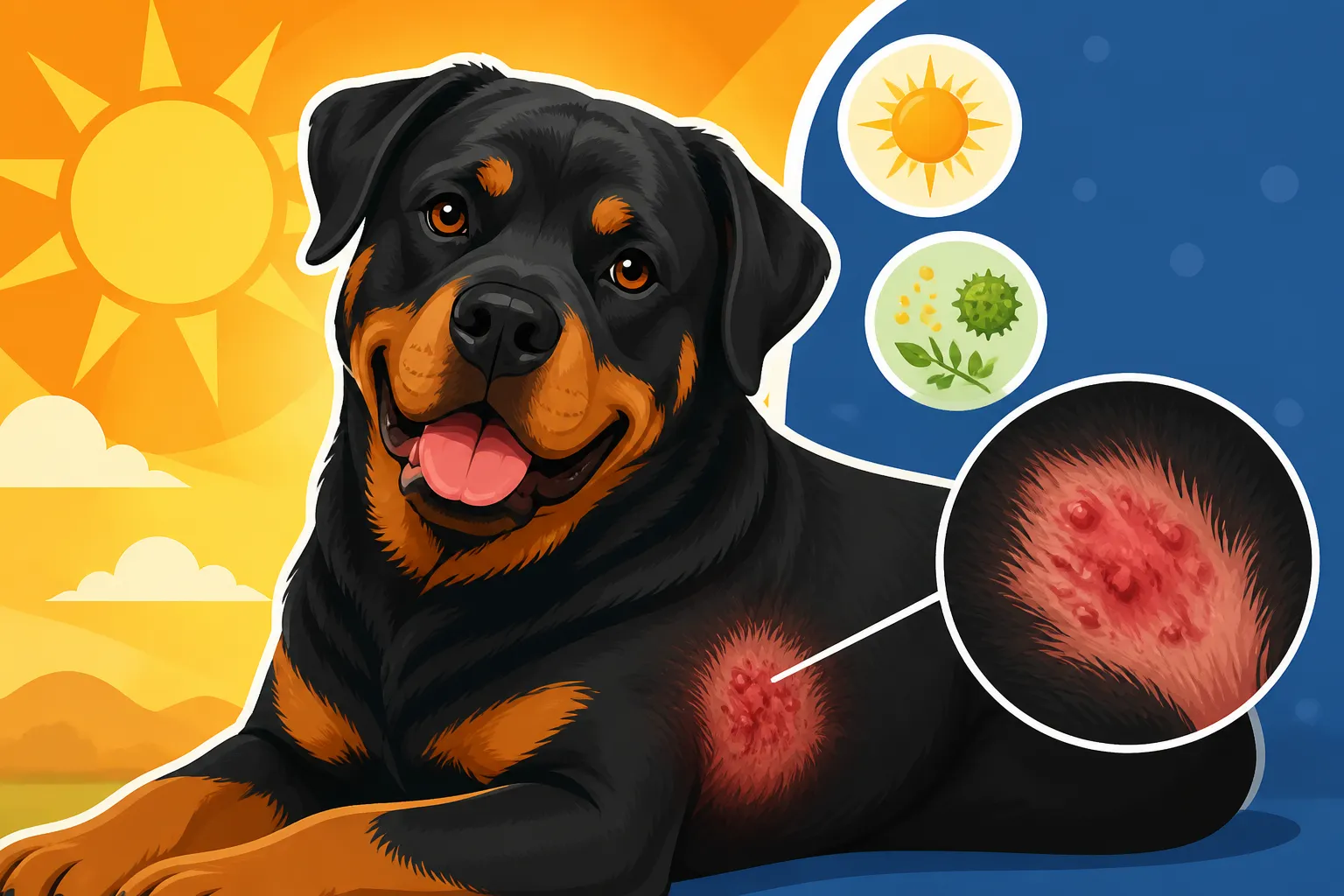
Summer is a time for fun in the sun, but for many Rottweiler owners, it also brings the fear of "hot spots." These aren't just minor irritations; they're rapidly developing, intensely painful, and often oozing skin lesions that can appear seemingly overnight. Properly known as acute moist dermatitis, they're a secondary problem stemming from an initial itch, often exacerbated by the warm, humid conditions of summer.
What Exactly is a Hot Spot and How Fast Do They Develop?
A hot spot begins with an itch. It could be from a flea bite, an environmental allergen, a minor cut, or even just boredom leading to excessive licking. What happens next is a vicious cycle: your Rottweiler licks, chews, or scratches at the spot, irritating the skin further. The skin becomes inflamed, moist, and warm. Bacteria, which are naturally present on the skin, thrive in this warm, moist environment, multiplying rapidly and causing a superficial skin infection. This infection makes the area even itchier and more painful, leading to more licking, and the hot spot can grow exponentially in a matter of hours.
Imagine waking up to a small red patch on your Rottie’s leg, only to find it's the size of a saucer by dinnertime, matted with hair and oozing pus. This rapid progression is characteristic of a hot spot. They are incredibly uncomfortable for your dog, causing significant pain and distress. The deep-seated pain and irritation make it impossible for them to leave the area alone, perpetuating the cycle. The dense coat of a Rottweiler can trap heat and moisture against the skin, creating the perfect breeding ground for these lesions, particularly in the summer months when humidity is high.
Spotting the Signs and Where They Hide
Recognizing a hot spot early can make a big difference in treatment and recovery time. The most obvious signs include:
- Intense redness and inflammation: The skin will look angry and very irritated.
- Moisture or oozing: The lesion often appears wet or sticky, sometimes with a yellowish discharge.
- Hair loss: The constant licking and chewing will usually result in a patch of hair loss directly over the hot spot. The surrounding hair might be matted to the lesion.
- Pain and tenderness: Your Rottweiler will likely react negatively when you try to touch the area. They might even guard it aggressively.
- Rapid growth: As mentioned, these lesions can expand very quickly.
While hot spots can appear anywhere, they commonly crop up in areas your Rottweiler can easily reach with their mouth or paws. You'll often find them on the hips, legs, base of the tail, neck, and, very commonly, under the ears where air circulation is limited and moisture can build up. For a breed like a Rottweiler, with natural skin folds around the neck and face, these folds can be prime locations due to trapped moisture and heat. It's crucial to regularly check your Rottweiler's skin, especially during grooming, to catch any abnormalities early. Keep an eye out for any specific areas that look like Rottweiler Skin Folds and Pressure Sores as they can quickly turn into hot spots if irritated.
Immediate First Aid and Veterinary Treatment
When you suspect a hot spot, prompt action is essential to stop its rapid progression. While some initial steps can be taken at home, veterinary intervention is almost always necessary to effectively treat these painful lesions and address the underlying cause.
At-Home First Aid (Before the Vet):
- Gently Clip the Area: If your Rottweiler will allow it, carefully trim the hair around and within the hot spot using electric clippers (not scissors, as you might cut the inflamed skin). This exposes the lesion to air, allows it to dry, and makes it easier to clean. Be very gentle, as the area is likely quite painful.
- Cleanse the Area: Once clipped, gently clean the hot spot with a mild antiseptic solution like dilute chlorhexidine or povidone-iodine. Avoid alcohol or hydrogen peroxide as these can be irritating. Pat dry thoroughly.
- Prevent Further Licking: This is critical. An Elizabethan collar (e-collar, or "cone of shame") is usually the most effective way to prevent your Rottweiler from continuing to traumatize the area. Without it, even the best treatments won't work.
Veterinary Treatment:
Your vet will confirm the diagnosis and rule out other skin conditions. Treatment typically involves:
- Further Clipping and Cleaning: The vet might need to clip a larger area to ensure all affected skin is exposed.
- Medication:
- Antibiotics: Oral antibiotics are almost always prescribed to combat the bacterial infection. Sometimes, topical antibiotic sprays or creams are also used.
- Corticosteroids: Oral steroids are often given to quickly reduce the intense inflammation and itching, providing much-needed relief to your dog. Topical steroid sprays might also be used.
- Pain Relief: Given how painful hot spots can be, your vet might prescribe pain medication to keep your Rottweiler comfortable during healing.
- E-collar: The vet will reinforce the need for the e-collar and might provide one if you don't have a suitable one at home. Your Rottweiler will likely need to wear it until the hot spot is fully healed.
It’s important to remember that hot spots are incredibly painful, and your Rottweiler might be irritable or even try to bite when you attempt to clean or treat the area. Professional veterinary care ensures proper diagnosis, effective medication, and guidance on how to manage the wound at home safely. Dealing with these sudden, often painful emergencies can be stressful and costly. Many Rottweiler owners find peace of mind by having pet insurance, with providers like Healthy Paws helping to cover unexpected vet bills for conditions like hot spots or chronic allergies.
Proactive Steps for Healthy Rottweiler Skin
Preventing skin issues, especially those infuriating hot spots, is always better than reacting to them. For Rottweilers, whose genetics and physical traits can make them prone to certain dermatological challenges, a proactive, multi-faceted approach is key to keeping their skin healthy and comfortable year-round.
A Multi-Pronged Approach to Prevention
Maintaining your Rottweiler's skin health involves a combination of consistent care routines, dietary considerations, and environmental management. Think of it as building a strong defense system against potential irritants.
One of the cornerstones of skin health is regular grooming. Even though Rottweilers have a short, dense coat, they do shed, and regular brushing can help remove dead hair, dander, and loose debris that could otherwise irritate the skin. Brushing also stimulates circulation and distributes natural oils, which are vital for a healthy skin barrier. For details on how to manage their shedding, you might find information on Rottweiler Grooming and Shedding Supplies helpful. Beyond brushing, a good bathing routine using a veterinarian-recommended shampoo can be incredibly beneficial. For Rottweilers with allergies, hypoallergenic or medicated shampoos can help soothe irritated skin, wash away allergens, and control bacterial or yeast populations. However, avoid over-bathing, as this can strip natural oils; typically, a bath every 2-4 weeks is sufficient unless directed otherwise by your vet. Additionally, pay special attention to their ears. Rottweilers have drop ears that can trap moisture and heat, making them prone to infections that often accompany skin allergies. Regular cleaning, as outlined in guides like Rottweiler Ear Care Under a Drop Ear, is crucial.
Environmental Management and Allergen Reduction
Managing your Rottweiler's environment is a significant factor, especially if environmental allergies are suspected. Reducing exposure to allergens can dramatically decrease their discomfort and the likelihood of hot spot flare-ups.
Start with your home environment. If pollen is a trigger, keep windows closed during high pollen counts and consider using an air purifier with a HEPA filter, especially in rooms where your Rottweiler spends a lot of time. Regularly vacuuming with a HEPA filter vacuum and washing your dog's bedding in hot water at least once a week can help reduce dust mites and dander. When your Rottweiler comes in from outdoors, particularly after walks or playing in grassy areas, a quick wipe down of their paws, belly, and face with a damp cloth can remove a surprising amount of pollen and outdoor allergens before they have a chance to settle on the skin. During the warmer months, remember that a black-coated Rottweiler can absorb a lot of heat, which can exacerbate skin issues. Providing plenty of shade and access to cool spots, as discussed in Summer Heat and a Black Rottweiler Coat, is not just about preventing overheating but also about keeping their skin comfortable.
The Role of Diet and Supplements
What goes into your Rottweiler's bowl can profoundly impact their skin health. A high-quality, balanced diet is fundamental, providing all the necessary nutrients for a robust immune system and healthy skin barrier.
If food sensitivities are a concern, working with your vet to find a hypoallergenic or limited-ingredient diet can be a game-changer. Even without a diagnosed food allergy, some Rottweiler owners find success with specialized formulas designed for sensitive skin, which often contain specific fatty acids and novel proteins. Beyond the base diet, certain supplements can provide excellent support for skin health. Omega-3 fatty acids, typically derived from fish oil, are widely recognized for their anti-inflammatory properties and their ability to improve skin barrier function. Doses need to be appropriate for a large breed; you can learn more about Fish Oil Dosed for a Hundred Pound Rottweiler to ensure proper supplementation. Probiotics can also support gut health, which in turn can positively influence the immune system and skin. Discussing these dietary and supplement choices with your veterinarian is crucial to ensure they are appropriate for your individual Rottweiler and don't interact with any other medications or conditions. Ensuring your Rottweiler maintains a healthy weight is also vital, as obesity can lead to deeper skin folds, making them more prone to irritation and infections. Information on Rottweiler Obesity and the Load It Adds can provide further guidance on managing your dog's weight.
Here's a quick overview of common skin issues and how to approach them:
| Skin Issue | Primary Cause | Common Symptoms | Initial Home Actions | Vet Treatment Often Includes |
|---|---|---|---|---|
| Environmental Allergies (Atopy) | Pollen, dust mites, mold | Itchy paws, face rubbing, body scratching, recurring ear infections | Wipe paws/coat, air purifiers, wash bedding, medicated baths | Antihistamines, steroids, allergy shots/drops, Apoquel/Cytopoint |
| Food Allergies | Specific protein sources (beef, chicken, dairy, etc.) | Intense itching (often non-seasonal), recurring ear/skin infections, GI upset | Strict elimination diet, avoidance of trigger foods | Prescription hypoallergenic or hydrolyzed diet |
| Flea Allergy Dermatitis (FAD) | Saliva from a single flea bite | Intense itching, scabs, hair loss at tail base, inner thighs | Immediate and consistent flea prevention, medicated baths | Flea control, steroids, antibiotics for secondary infection |
| Hot Spots (Acute Moist Dermatitis) | Self-trauma (licking/chewing) due to an underlying itch, moisture | Rapidly spreading red, oozing, painful lesion, matted hair, pain | Clip hair around area, gentle antiseptic wash, e-collar | Antibiotics, steroids (oral/topical), pain relief, e-collar |
| Yeast Infections | Overgrowth of Malassezia yeast | Greasy skin, strong odor, itching, dark, thickened skin, often in folds/ears | Medicated shampoos, keeping skin folds dry | Antifungal medications (oral/topical) |
| Bacterial Skin Infections (Pyoderma) | Secondary to allergies or trauma | Pustules, crusts, red bumps, itching, hair loss | Antiseptic washes (e.g., chlorhexidine) | Antibiotics (oral/topical), medicated shampoos |
It's a lot to manage, and the costs associated with diagnosing and treating chronic skin conditions can add up. That's where planning for potential veterinary expenses comes in handy. Having a robust pet insurance policy, such as those offered by Healthy Paws, can significantly ease the financial burden, allowing you to focus on getting your beloved Rottweiler the best care possible without compromise.
Remember, patience and consistency are your best friends when tackling Rottweiler skin allergies and hot spots. Work closely with your veterinarian, be diligent with prevention, and your Rottweiler will thank you with happier, healthier skin.
Disclaimer
The information provided in this guide is for general informational purposes only and is not a substitute for professional veterinary advice, diagnosis, or treatment. Always seek the advice of your veterinarian or other qualified animal health provider with any questions you may have regarding a medical condition or treatment for your Rottweiler.